


The best non-surgical treatment for carpal tunnel syndrome: laser therapy!
Introduction to carpal tunnel syndrome
Introduction Carpal tunnel syndrome (CTS) is a common condition that affects the hand and wrist. It occurs when the median nerve, which runs from the forearm to the hand, is compressed as it passes through the narrow carpal tunnel in the wrist. This compression can cause a range of symptoms, including pain, numbness and tingling sensations in the hand and wrist.
STC is more common in women than in men, with a higher prevalence in women between the ages of 45 and 60. It can be caused by a variety of factors, including repetitive motions, anatomical factors, medical conditions, and hormonal changes.
Le traitement du STC dépend de la gravité des symptômes d’une personne et de la cause sous-jacente de l’affection. Dans les cas légers, des traitements conservateurs peuvent être efficaces, tandis que des cas plus graves peuvent nécessiter une intervention chirurgicale. Le traitement de laser est une option relativement nouvelle qui peut offrir une alternative efficace à la surgery traditional.
In this text, we will explore the symptoms, causes, diagnosis, and treatment options for carpal tunnel syndrome, with an emphasis on laser treatment.
Carpal tunnel syndrome is a common condition that affects the hand and wrist. It is caused by compression of the median nerve as it passes through the narrow carpal tunnel in the wrist. Laser treatment can be an effective option for relieving the symptoms of carpal tunnel syndrome. In more severe cases, surgery may be required.
Symptoms of Carpal Tunnel Syndrome
Symptoms Symptoms of carpal tunnel syndrome can vary in severity and may include:
- Pain or discomfort in the wrist or hand
- Numbness or tingling sensations in the hand or fingers, especially the thumb, index and middle fingers
- Weakness in the hand or difficulty grasping objects
- Burning sensations or pain in the wrist or hand
Symptoms of carpal tunnel syndrome usually develop gradually and may be more pronounced at night or during activities involving repetitive wrist movements.
Symptoms can also affect other parts of the arm, including the forearm, elbow, and shoulder, and can be confused with other conditions, such as peripheral neuropathy or arthritis.
Causes of carpal tunnel
Causes The exact cause of carpal tunnel syndrome is not fully understood, but there are several factors that can increase the risk of developing this condition. These factors include:
- Repetitive movements: Repetitive movements: Activities involving repetitive movements of the wrist, such as typing on a keyboard or playing a musical instrument, can put stress on the median nerve and contribute to the development of carpal tunnel syndrome.
- Anatomical factors: Some people may be born with a narrower carpal tunnel, which may increase their risk of developing carpal tunnel syndrome.
- Medical conditions: Certain medical conditions, such as diabetes, rheumatoid arthritis, and thyroid disorders, can increase the risk of developing carpal tunnel syndrome.
- Hormonal changes: Changes in hormonal levels, such as those that occur during pregnancy or menopause, can contribute to the development of carpal tunnel syndrome.
Diagnosis of carpal tunnel
Diagnosis To diagnose carpal tunnel syndrome, a doctor will first perform a physical exam and ask for information about a person's symptoms and medical history. He may also order imaging tests, such as an X-ray or MRI, to rule out other conditions that may be causing similar symptoms.
A nerve conduction study may also be done to measure the speed of electrical impulses as they pass through the median nerve. This test can help determine the severity of nerve compression and guide treatment decisions.
Carpal tunnel treatment
Treatment Treatment for carpal tunnel syndrome depends on the severity of a person's symptoms and the underlying cause of the condition. Treatment options include:
- Hand rest: If symptoms are mild, resting the hand and reducing repetitive motions may be enough to relieve symptoms.
- Wrist brace: A wrist splint can help keep the wrist in a neutral position, reducing pressure on the median nerve.
- Nonsteroidal anti-inflammatory drugs (NSAIDs): NSAIDs can help reduce the inflammation and pain associated with STC.
- Injection of corticosteroids: Injections of corticosteroids into the carpal tunnel can help reduce inflammation and relieve symptoms.
- Surgery : Surgery: In more severe cases, surgery may be needed to relieve pressure on the median nerve. This may involve cutting the ligament that forms the roof of the carpal tunnel to increase the space available for the median nerve. The surgery is usually performed on an outpatient basis, and most people can return to their normal activities within a few weeks.
- Laser treatment: Laser Treatment: Laser treatment is a relatively new option that may offer an effective alternative to traditional surgery. Laser treatment uses concentrated light energy to stimulate healing of damaged tissue, reduce inflammation and relieve pain. During the treatment, a small laser probe is placed on the wrist and emits pulses of light that penetrate the tissues to stimulate healing. Laser treatment for CTS may be a particularly attractive option for people who wish to avoid surgery or who are not ideal candidates for surgery due to their medical condition.
Laser treatment for STC has shown promising results in several studies. A 2016 study compared the effectiveness of laser treatment to that of surgery and corticosteroid injections in patients with CTS. The results showed that the laser treatment was as effective as surgery and corticosteroid injections in relieving the symptoms of CTS.
Another 2018 study compared the effectiveness of laser treatment versus wrist splints in patients with TCS. The results showed that the laser treatment was more effective than the wrist splint in reducing pain and improving hand function.
Comparative table of the different treatments and their effectiveness:
| laser treatment | High |
|---|---|
| Hand rest | Low |
| Wrist splint | Moderate |
| NSAIDs | Low |
| Surgery | High |
IF YOU VISIT OUR WEBSITE...
It's because you have carpal tunnel syndrome!
1. WHAT ARE YOUR CARPAL TUNNEL TREATMENT OPTIONS?
* In order to avoid ineffective treatment, it is important to ensure that the diagnosis of signs and symptoms of median nerve damage is accurate and that the site and mechanism of median nerve compression have been identified. The chiropractor has all the knowledge necessary to make a proper diagnosis and to direct the patient to the most appropriate interventions.
1.1 Possible risks associated with surgery
Anesthesia: In Canada, the chance of a healthy person dying from a complication of anesthesia is 1:100,000. Reference 1
Nosocomial infections (e.g. C. difficile): In Quebec, they cause about 90,000 victims and 4,000 deaths each year. Reference 2
Medical errors: On average, 112 Quebec patients die each month as a result of medical errors. Reference 3
Waiting list: It can take a year and a half to two years from the time you first see a doctor to get a prescription to see an orthopedic surgeon and the date of your surgery. Your condition has time to deteriorate significantly and your suffering to be prolonged unnecessarily. Reference 4
1.2 Risks of soft laser treatment
Non-invasive treatment: very safe and risk-free.
This site was designed for anyone who suffers from hand pain, numbness, finger pain, burning sensation in the hands, wrist pain, tingling, arm pain, neck pain, as well as for some patients with carpal tunnel stenosis and finally for those who have undergone wrist surgery but still suffer from pain.
The purpose of this site is to fully inform the thousands of Quebecers who suffer from debilitating pain on a daily basis. Patients, like you, can now be informed about these conditions and the technological breakthroughs of the soft laser.
If you or a family member is struggling with one of these debilitating conditions and have had little or no success with your treatments to date, ask yourself the following questions:
- Are you currently dependent on medications that you must take on a daily basis?
- Are you limited in your daily activities?
- Have you had repeated injections with little or no relief?
- Are you considering surgery and are you uncomfortable with the choice?
- Have all the options been explained to you?
- Have you ever tried chiropractic or physiotherapy?
- Have you been forced to miss work because of pain?
If you answered yes to any of these questions, have tried every treatment option available and are still suffering...Laser is a viable treatment option and may very well be what you have been looking for. You may have found the treatment that will solve your problem.
The soft laser was designed by a dedicated team of engineers to meet the needs of today's patients, providing doctors with the clinical results they desire and patients with the quality of life they deserve.
Are you ready to get started and get rid of that pain, for good? Becoming a new patient at our clinic is simple.
2. DEFINITION OF CARPAL TUNNEL SYNDROME OR CARPAL TUNNEL
Carpal tunnel syndrome is caused by compression of the median nerve at the wrist as it passes through the carpal tunnel.
Carpal tunnel syndrome is a very common condition. Its incidence is about three times higher in women than in men. In about 70% of cases, it is bilateral with a prevalence in the dominant hand.
3. SIGNS AND SYMPTOMS OF CARPAL TUNNEL
Definition: Carpal tunnel syndrome is related to the compression of the median nerve of the wrist. This nerve is responsible for the sensitivity of the thumb and the 2 or 3 neighboring fingers. It is also the motor nerve that controls the muscles at the base of the thumb.
The carpal tunnel, formed by the transverse carpal ligament and the carpal bones. The "carpal tunnel" is in fact a tunnel formed behind by the 8 small bones of the wrist, which have the shape of a gutter; this gutter is closed in front by a very thick ligament, the "anterior annular carpal ligament".
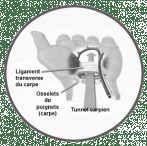
Symptoms: Initially, it is characterized by tingling in the fingers, followed by night-time pain in the hands. Later on, a burning pain and paresthesias on the ventral surface of the hand and fingers with pain radiating to the forearm, appear gradually. In addition, a decrease in the sensation of distribution of the median nerve and atrophy of the muscles at the base of the thumb may occur.
Symptoms may range from minor to severe dysfunction. Moderate cases resolve with avoidance of factors. Once a pregnant woman gives birth, for example, the wrist swelling disappears and the symptoms of carpal tunnel syndrome diminish.
Often, the main complaint centers around episodes of paresthesias and numbness of the hand in the evening. Symptoms may appear during activities: driving or typing on a keyboard. The onset is insidious: patients describe tingling at the fingertips. Symptoms are often relieved by shaking or raising your hand. In 70% of cases we find nocturnal numbness of the hand; and in 40% cases, pain with paresthesias.

To the pain and paresthesia is added a sensation subjective finger disability, clumsiness during activities requiring precision such as buttoning a blouse, writing, sewing, unscrewing a cap, turning keys or picking up small objects. Even light objects such as a coffee cup or a piece of clothing can be difficult to handle. Some patients may feel as if their hands are “swollen.”
In severe cases, hand and wrist pain is described as burning, stabbing pains that may spread to the shoulder, neck, chest. Sensory loss radiates along the median nerve distribution accompanied by muscle weakness, slow nerve conduction through the carpal tunnel is characteristic.
Symptoms gradually intensify and severe cases may progress to muscle atrophy with sensory loss. The symptoms can make the patient disabled and prohibit certain simple tasks making daily life difficult. A disease long ignored can cause irrevocable damage.
It is a condition that predominates in women over fifty. The pain is typically located on the volar side of the first three fingers of the hand, but can affect the whole hand and even radiate to the front side of the forearm.
More than real pain, it is more often a question of tingling, of extremely annoying tingling. The nocturnal recrudescence of these pains is usual, waking up the patient at night, often at the same time. Certain gestures calm the pain, by shaking the hand or by letting it hang outside the bed.
Vasomotor disorders are frequent, with hypersudation or edema of the hand. Initially nocturnal, these painful phenomena persist during the day, thus handicapping the patient in everyday household activities. Bilateral forms are frequent, with a clear predominance of one side.
The examination may be normal, thus limiting the symptomatology to subjective phenomena; this is stage I. It can show the existence of sensory disorders objectives in the territory of the median, and particularly at the level of the pulp of the first three fingers; this is stage II. It can reveal the presence of motor disorders at the level of the opponent of the thumb, with readily amyotrophy of the thenar eminence; this is stage III.
4. CARPAL TUNNEL DIAGNOSIS
4.1 How is it diagnosed?
Often, people who suffer from carpal tunnel syndrome seek medical attention. Part of the assessment for carpal tunnel syndrome includes a search for occupational risk factors. The assessment begins with a job analysis and requires a detailed description of all activities in a typical work day. The frequency, intensity, duration and regularity of each operation performed during the work are also taken into account. The diagnosis of carpal tunnel syndrome is confirmed by tests designed to identify damage to the median nerve. median nerve.

4.2 Questionnaires
Which hand is most involved in work activities?
Is an accidental event the cause of the pain?
Questions about previous work activities: Work performed, duration in months, and factors involving the hand or upper limb?
Questions about hand/wrist activities: Frequency of movement and force required to flex, extend, or rotate wrists, apply pressure with fingers or palm, handle small objects, handle, pull, or push heavy objects, use vibrating or impact tools, other activities to be specified?
Questions about co-factors that increase musculoskeletal loading: Wearing work gloves, exposure to cold, and upper extremity abducted or flexed more than 60 degrees?
Questions about the organizational factors of the job: In the course of their work, does the person have to feed a machine tool at a regular rate; does the person work under time or production constraints; does the person have to pay a lot of attention; does the person perceive their work as monotonous; can they change their work pace; do they rotate to other jobs; are there other organizational factors that may have contributed to the problem? If so, what are they?
Questions about sports or domestic activities involving the hand or the wrist: Type of activities, number of hours per week and others?
4.3 Physical examination
Carpal tunnel syndrome should be diagnosed and treated promptly as it can be potentially irreversible if the median nerve is compressed too long. A physical examination of the hands, arms, shoulders and neck can help determine if your symptoms are related to your daily activities or an underlying disorder.
It is important before proceeding with the physical examination to take a good medical history and to document the various professional, sports, recreational or domestic activities that could have contributed to the appearance of this syndrome.
The symptoms are mainly sensory (paresthesias) affecting the first three fingers of the hand, but can also have a motor component. They are due to the compression of the median nerve at the level of the carpal tunnel. Painful radiation affecting the other fingers of the hand or the forearm can also accompany these symptoms. The patient may express the following symptoms:
- Paresthesias nocturnal in the hand (numbness and tingling that usually disappears when the hand is shaken - Flick sign)
- Paresthesias occurring during activities involving the wrist and hand
- Discomfort in the hand, wrist and forearm
- Muscle weakness and clumsiness of the hand
The physical examination must include in addition to the wrist and the hand, the entire upper limb and the cervical region. The examination must include: observation and palpation, provocation tests, evaluation of tenderness and muscle strength. It may be supplemented by electrodiagnostic studies.
4.4 Observation and palpation
Upper extremity: observe if there are deformities, signs of old fractures, tumors, osteoarthritis; examine the antalgic regions; compare the two members
4.5 Orthopedic and neurological tests
Your osteopath may also do other specific orthopedic tests to try to replicate the symptoms of carpal tunnel syndrome. One of these tests is called the sign of Tinel and involves tapping your finger lightly on the back of your wrist to see if there is tingling or pain in your hand. The test of Phalen is also useful. It involves bringing your wrist into maximum flexion and holding it there for some time. This maneuver can produce tingling or numbness in the fingers.
4.5.1 Challenge tests
There are two carpal tunnel provocation tests:
- The intracarpal pressure increase test (the Phalen. Sign of Phalen - The patient places his hands back to back and bends his wrists for one minute. A tingling sensation in the fingers suggests an injury to the median nerve.
- The percussion test of the median nerve (test of Tinel). Sign of Tinel - The doctor lightly hits the median nerve in the wrist. A tingling sensation in one or more fingers suggests an injury to the median nerve.
5.5.2 Sensitivity tests
There are two categories of tests to assess sensitivity:
Innervation density tests like;
- The discrimination test between two static points
- The needle prick test
And sensory threshold perception tests such as;
- The Semmes-Weinstein monofilament test
- Tests that evaluate the vibratory threshold.
4.5.3 Assessment of muscle strength
The following structures should be tested for strength:
- The hand as a whole
- The bidigitale (thumb-index) clamp
- The abductor brevis of the thumb
- The opponent of the thumb.
4.6 Radiology
Laboratory tests and X-rays may reveal the presence of diabetes, arthritis, fractures, and other causes that could cause pain in the wrists and hands.
X-rays usually show nothing abnormal unless there is an obvious change in bone structure due to old fractures or arthritic lesions. Blood tests are also normal, except in the presence of conditions that may be contributing to the problem, such as rheumatoid arthritis.
X-rays of the wrists and hands are not always necessary. It allows to detect a narrowing of the canal of post-traumatic osseous origin. However, X-rays of the cervical spine are sometimes requested to rule out a compression upstream or associated with the wrist compression.
4.7 Electrodiagnosis
This test is usually carried out in a specialized department. Sometimes electrodiagnostic tests, such as nerve conduction velocity, are used to help confirm the diagnosis. We place electrodes on the forearm and pass an electric current: we can thus establish at what speed and to what extent the median nerve transmits nerve messages to the muscles, which can determine if the nerve has been damaged. Carpal tunnel syndrome will slow down the speed of these nerve impulses and point your doctor or chiropractor to this diagnosis. Therefore, nerve conduction tests or an electromyography (EMG) will help determine if the nerves and muscles in your arm and hand show the typical signs of carpal tunnel syndrome.
Electrodiagnostic studies are an essential adjunct to the examination. It confirms the presence of the syndrome and estimates the severity of sensory and motor damage.
4.8 Magnetic resonance imaging (MRI)
In the more complex forms, magnetic resonance imaging can be used in the event, in particular, of failure of a surgical intervention or atypical forms (forms on exertion or extrinsic compression). Magnetic resonance imaging (MRI) of the wrist finds indications in recurrences: It allows to appreciate the aspect of the anterior annular ligament and the content of the carpal tunnel.
4.9 Ultrasonography/ultrasound
Ultrasound can confirm tendon inflammation with a thickened tendon and a fluid layer encompassing the tendons.
4.10 Conclusion
The biological workup shows nothing special. A systematic search for diabetes, a frequent favouring factor, is necessary.
5. DIFFERENTIAL DIAGNOSIS OF CARPAL TUNNEL
When faced with sensory disorders of the hand that may resemble carpal tunnel syndrome, it is important to make a differential diagnosis.
5.1 Central nervous system disorders
- Transient cerebral ischemia
- Sclerosis in plate
5.2 Peripheral nervous system disorders
- Cervical radiculopathy (C6, C7)
- Syndrome of the thoracic outlet
- Syndrome of Raynaud
- Compression of the median nerve for example by the muscle pronator round in the forearm
- Systemic diseases such as diabetes and alcoholism
- Taking medication
- Exposure to toxic substances such as lead, solvents, pesticides and plastics
Carpal tunnel syndrome is often difficult to diagnose. 25% patients with nerve disorders pose a problem of differential diagnosis (false positives) with other diseases such as Raynaud's phenomenon as well. Raynaud also.
It is difficult to determine whether the primary cause is due to an occupational or medical problem, as many conditions, including obesity and other diseases, can contribute.
A positive diagnosis is suggested by occupational history, confirmed by presentation of appropriate symptoms, physical examinations (the Phalensign of Tinel) and confirmed by electromyogram or by the defects of the conduction of the median nerveThe X-ray of the cervical spine should also be taken.
The most common ones are C6-C7 nerve root damage, the thoracobrachial crossing and the peripheral neuropathies; syndrome pronator round (The compression of the median nerve elbow) or interosseous nerve previous.
6. CAUSES OF CARPAL TUNNEL
Carpal tunnel syndrome is related either to a retraction of the anterior ligament (container), or more often to an increase in volume of the flexor tendons (synovitis or inflammation of the content).
This results in a compression and a progressive loss of the conduction of the median nerve. In the final stage, the chronic compression of the nerve can eventually laminate it and destroy it completely, irreversibly.

There are multiple factors that favor the appearance of carpal tunnel syndrome: repeated trauma to the palmar surface of the wrist, bone anomalies protruding into the canal, hormonal changes in women, kidney dialysis, obesity (especially in young patients), etc. There also seems to be a genetic predisposition.
This syndrome is most often found in women.
In women, the cause is usually hormonal, which is why this syndrome is more common in pregnant women and women nearing menopause.
In humans, the cause is almost exclusively mechanical, typically, the worker frequently using a jackhammer or other vibrating tools.
The forms of carpal tunnel syndrome of occupational origin are numerous in Quebec. Injuries attributable to repetitive work or poor workstation design, such as carpal tunnel syndrome, have been recognized by the CSST, the courts and the Canadian Centre for Occupational Health and Safety.
It is more and more frequently observed in people working on a non-ergonomic computer workstation (keyboard, mouse, poorly adapted seat position...). In this case, it is sufficient to review the configuration of the workstation to remedy it.
Other causes are more rare: tenosynovitiscompression by the flexor muscles during rheumatoid arthritis, infectious causes, algodystrophies, amyloid deposits (during hemodialysis).
The syndrome is more common in diabetes, hypothyroidism, myelomaof sarcoidosis...
A significant number of carpal tunnel syndromes have no identified cause (idiopathic).
Some people have a narrower carpal tunnel than others, which makes compression of the median nerve more likely. In other cases, carpal tunnel syndrome can develop due to an injury to the wrist which causes inflammation of the tunnel and compression of the blood vessels that supply the wrist. median nerve, overactivity of the pituitary gland, hypothyroidism, diabetes, inflammatory arthritis, mechanical problems in the wrist, poor work ergonomics, repeated use of vibrating hand tools, and fluid retention during pregnancy or menopause.
In addition, this syndrome may be associated with repetitive occupational trauma (CUMULATIVE TRAUMATIC DISORDERS); wrist trauma; AMYLOID NEUROPATHY; RHUMATOID ARTHRITIS; ACCROMEGALIA; other diseases.
7. CARPAL TUNNEL REGRESSION
When the carpal tunnel syndrome is related to a general pathology (e.g. diabetes), the treatment of this pathology is imperative in first intention and the regression of the symptoms will be of medium to long term.
Similarly, the syndrome occurring during pregnancy usually regresses after delivery without any intervention.
In other cases :
In stage I, where the symptoms are purely sensitive and subjective, it is possible to simply immobilize the hand and wrist with an orthosis, at least at night, with a prescription for painkillers and/or anti-inflammatories, but their action is most often very transient and in many cases, will require more permanent means of treatment, such as soft laser therapy or surgery in some cases.
If, however, you have recourse to local infiltrations of corticosteroids (cortisone, prednisone), be aware that in many cases, the symptom relief effect will only be temporary, temporarily reducing the inflammation of the nerve which is tight in the canal, that injections more than three times a year are not recommended (Reference 4) and that there are inherent risks with these injections, including the possibility of developing type II diabetes, even after single injection (Reference 123).
In stages II and III, with sensory and motor disorders objectivesthe indication of a soft laser therapy is strongly recommended and the indication for surgery may be mandatory if no other treatment has succeeded in resolving the problem.
The results of surgery are generally excellent, provided that the nerve has not been damaged by prolonged compression and that the differential diagnosis has been done rigorously; eliminating other probable causes, notably cervical radiculopathy (C6, C7) which can mimic the symptoms of carpal tunnel syndrome. However, surgery has many disadvantages including loss of work due to recovery, possible permanent scarring and the risks inherent in any surgery including infections (Reference 5) and side effects of anesthetics (Reference 6), to name a few.
Before considering surgery, it would be beneficial to attempt to resolve this debilitating condition with the help of soft laser therapy. It has no side effects and succeeds, in many cases (84% efficacy) (Reference 7), in completely relieving the symptoms of carpal tunnel within more or less six weeks, without having to be absent. work and suffer the loss of income that accompanies it.
8. THE SOLUTION TO CARPAL TUNNEL: LASER THERAPY
8.1 The definition
Synonyms of the soft laser: cold laser, low level laser, low level laser therapy, LLLT, photo bio-stimulation, light therapy, phototherapy, soft laser therapy.
The word "laser" is the abbreviation of "light amplification by stimulated emission of radiation".
The soft laser or soft laser is neither harmful nor dangerous and it can never be.
The light rays penetrate the tissues at a shallow depth (5 centimeters) without damaging them, nor cutting them, nor even heating them. They energize the tissues they pass through.
The soft laser therefore has an anti-pain, anti-inflammatory, antispasmodic, healing and anti-oedematous action.
8.2 Technology

This technology is called soft laser. Unlike lasers used in surgery or aesthetics, the soft laser emits no heat and is completely safe since it cannot damage the tissues of the treated area. On the contrary, the beams of concentrated light emitted by the device penetrate 5 centimeters under the skin and allow cell regeneration, a reduction in inflammation and pain relief.
In the late 1960s, researchers introduced the concept of low-intensity laser biostimulation (soft laser) to produce non-thermal effects in human tissue.
The first experimental application of low-intensity (soft) lasers was described in 1968, when researchers used a ruby-argon laser on ulcers that would not heal.
Later research demonstrated the effectiveness of the treatment in laser to accelerate wound healing, reduce pain, reduce tissue inflammation in both humans and animals.
To treat chronic pain with the biostimulation effect of soft laser, the laser beam must reach a certain depth in the tissues in order to irradiate the affected area.
Laser wavelengths that are between 820 nanometers to 840 nanometers have a very low absorption rate in human tissue, allowing deeper penetration of laser light.
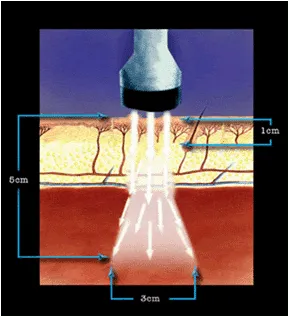
The 830 nm laser beam is also well absorbed by the subcellular organelles, causing them to function normally.
The output power of the low-intensity laser also affects the depth of beam penetration, and has been shown to be effective in treating human tissue.
Clinical research has shown that soft laser with a wavelength of 830 nm and an output power between 60 milliwatts (mW) and 90 mW is optimal for the treatment of chronic pain.
After examining damaged cells in detail, researchers realized that dysfunction in the nervous system, lymphatic system, or circulatory system contributed to cell dysfunction. The soft laser is effective largely because it emphasizes the interdependence between the nervous, circulatory and lymphatic system.
Although it is possible for damaged cells to heal themselves without the aid of the soft laser, the use of the low intensity laser can accelerate the tissue healing process. A good example of how the soft laser accelerates the healing process can be demonstrated in cases of acute soft tissue trauma. Such an injury involves several elements of the tissue layers beneath the epidermis, including muscle, nerve, lymphatic and vascular tissues. The body's natural response to soft tissue trauma is to contain the injury with local inflammation: Inflammation is due to increased blood flow into the capillaries. Classically, inflammation is manifested by four main signs: redness, heat, swelling and pain. The inflammatory mechanism involves a large number of substances present in the blood, among others many hormones, such as prostaglandins, histamine, supplements, cytokines participate in the inflammation. This excessive swelling prevents proper circulation in the damaged tissues and results in two types of pain: The first type of pain is caused by the actual trauma of the injured tissues, while the secondary pain comes from the swelling itself.
The soft laser therapy targets the lymphatic system first, as it maintains fluid balance in the body and the infrared laser light also works to improve reabsorption of edema. Thanks to the soft laser, swelling is reduced and the mobility of the treated area is restored.
8.3 Special Report

- The soft laser beam does not overheat the tissue and therefore cannot damage it, making the treatment very safe.
- The soft laser is more effective than electrical stimulation (Stim) or ultrasound.
- It is easy to use.
- It has been used in Europe and Asia for over 35 years.
- It is approved the FDA in the United States for several applications including pain and inflammation relief as well as for its effectiveness in the treatment of carpal tunnel syndrome, and this for only 5 years.
- It is successful in relieving conditions that do not respond to other treatment modalities.
- It helps patients without the use of drugs or surgery, eliminating the risk of side effects.
- The soft laser treatment is imperceptible and therefore painless for the patient and takes only 5 to 15 minutes, depending on the case.
- It is effective for the treatment of muscle spasms or pain, arthritis or other joint pain.
- It also reduces muscle tension and improves blood and lymphatic circulation.
- It is used for the treatment of many conditions including: neck pain, back pain, shoulder pain, elbow pain (tennis elbow or epicondylitis), wrist pain (carpal tunnel syndrome), hip pain, knee pain and foot pain.
8.4 Benefits of the soft laser therapy
- Relieves acute and chronic pain
- Increased speed, quality and tensile strength of tissue repair
- Increased blood supply
- Stimulates the immune system
- Stimulates nerve function
- Develops collagen and muscle tissue
- Allows the development of new healthy cells
- Promotes healing
- Reduces inflammation
8.5 Physiological effects of soft laser :
- Accelerated tissue and bone repair
- Increased collagen production
- Increased vasodilation
- Increases cell metabolism
- Increased microcirculation
- Increased pain threshold
- Reduction of inflammation
- Increased lymphatic response
- Increased enzymatic response
- Reduction of swelling
8.6 Our laser in brief :
- Approved by the FDA for the treatment of carpal tunnel syndrome
- Patented technology
- Reimbursed by group insurance
- Non-invasive
- Reduces inflammation
- Stimulates the functioning of the nervous system
- Backed by over 25 years of clinical research
8.7 Dedicated professionals

Our members are dedicated to helping patients who suffer from severe pain caused by carpal tunnel syndrome.
8.8 Now there is hope!
Professionals have come together to provide a medical breakthrough: non-surgical, drug-free soft laser care for patients suffering from severe pain caused by carpal tunnel syndrome.
The objective of our professionals also includes the improvement of physical capacity, functional performance and the return of their patients to their activities of daily living.
8.9 Treatment
8.9.1 What is the duration of the treatment?
The duration of the soft laser treatment depends on the severity and history of the injury or disease. The treatment is given in small amounts over time. Improvements are usually noted within a short period of time. In addition, the soft laser therapy does not require preventive or maintenance care once the problem is resolved, as is often the case with other types of care. The standard treatment protocol for carpal tunnel syndrome is two (2) visits per week for six (6) weeks.
8.9.2 How is the treatment performed?
After the initial consultation, the soft laser treatments are performed in the professional's office on the treatment table. The laser is applied to the target areas. The treatment requires light skin contact (in most cases). Although some patients often experience an almost imperceptible tingling sensation, no pain is involved. The treatment lasts from 5 to 15 minutes for each area.
8.10 Fees

The recommended treatment protocol is 12 treatments. However, many patients will achieve satisfactory results more quickly. Therefore, there is no no obligation to complete the full protocol.
8.10.1 Health Insurance
The Quebec Health Insurance plan does not pay for therapeutic laser care.
8.10.2 Group Insurance
Part of your fees are covered by your group insurance: each case is different.
8.11 Doctor's prescription
Laser treatment does not require a prescription from your doctor.
8.12 No two carpal tunnel syndromes are alike!
The treatment of carpal tunnel syndrome is very complex due to the individualized nature of each patient's pain and/or symptoms. A treatment option that relieves pain for one patient may not work for another. However, by working with one or more types of spine and musculoskeletal specialists, patients can find the best combination of treatment options that will relieve their pain. This way, they will avoid surgery.
8.13 Our carpal tunnel laser treatment is :
- Non-invasive
- Non-surgical
- Curator
- Sweet
- Safe
- Supervised by a health professional, holder of a doctorate
- Laser treatment approved by the FDA
- Effective for a variety of inflammatory conditions
9. How to become a patient?
9.1 Your exam results
First, you must make sure you have the results of your examinations and your diagnosis, if you have already consulted a doctor or another specialist for your condition.
9.2 Your first visit
During your first visit, we will first file the results of your examinations in your file and study them in more detail before beginning your treatment.
We will also assess your condition and possibly complete your examination by suggesting an X-ray of your cervical spine, to confirm the diagnosis in suspected cases and to exclude other pathologies such as neuropathies, radiculopathies and other deficiency syndromes.
Finally, we will explain in detail the treatment protocol for laser therapy.
9.3 Laser treatments
We will begin your treatment at the first visit. The recommended treatment protocol for carpal tunnel syndrome is an average of twelve (12) laser treatments, with two (2) visits per week, depending on the severity of the patient's condition.
In summary
Carpal tunnel syndrome is a common condition that affects the hand and wrist. It is caused by compression of the median nerve as it passes through the narrow carpal tunnel in the wrist, which can cause pain, numbness and tingling in the hand and wrist. Laser treatment can be an effective option for relieving the symptoms of carpal tunnel syndrome. In more severe cases, surgery may be required. It is important to see a healthcare professional if you have symptoms of carpal tunnel syndrome to receive an accurate diagnosis and appropriate treatment.
Carpal Tunnel Synonyms: SCC (Syndrome du Canal Carpien), STC (Syndrome du Tunnel Carpien), canal carpien, syndrome CC, syndrome TC, syndrome du canal carpien, neuropathie de compression du nerf médian dans le canal carpien, carpal tunnel syndrome.
Synonyms of the soft laser: cold laser, low level laser, low level laser therapy, LLLT, photo bio-stimulation, light therapy, phototherapy, soft laser therapy.
 Conditions Treated
- Vertebra moved
- Treatment for Carpal Tunnel Syndrome
- Bulging disc treatment in Terrebonne
- Bulging disc treatment in Montreal
- Spinal stenosis treatment in Terrebonne
- Spinal stenosis treatment in Montreal
- Foraminal stenosis treatment in Terrebonne
- Foraminal stenosis treatment in Montreal
- Disc protrusion treatment in Terrebonne
- Disc protrusion treatment in Montreal
- Torticollis
- Calcific tendonitis
- Tendinitis
- Spinal stenosis
- Foraminal stenosis
- Spondylolisthesis
- Sciatica
- Disc Protrusion
- Degenerative disc disease
- Morton's neuroma
- Back pain
- Neck pain
- Herniated disc
- Plantar fasciitis
- Medial epicondylitis (golfer's elbow)
- Heel Spur
- Lateral epicondylitis (tennis elbow)
- Pain between the shoulder blades
- Foot pain
- Knee pain
- Pain in elbow or wrist
- Pain in the neck, arm and shoulder blade
- Cruralgia
- Capsulitis
- Bursitis and Tendinitis
- Calcific bursitis
- Brachialgia
- Bulging of the disc
- Facet arthrosis
- Arthritis, Osteoarthritis, Osteoporosis
Frequently Asked Questions
Appointment
How do I book an appointment at Clinique TAGMED?
To get an appointment at the clinic TAGMED, you can call the center directly, either in Montreal at +1 (877) 672-9060 or in Terrebonne at (450) 704-4447.
You can also visit our website for more information and book your appointment online here .
How long does it take to get an appointment?
Most appointments at Clinique TAGMED for existing patients can be obtained on the same day or the next day. Patients requesting an emergency appointment can be seen on the same day if they are willing to travel to the Montreal or Terrebonne clinic, depending on which clinic is open that day. We are in Terrebonne on Mondays and Wednesdays, from 8 a.m. to 6 p.m., and in Montreal on Tuesdays and Thursdays, from 9 a.m. to 6 p.m. Appointments for new patients are generally available in less than 3 days.
What happens during your first visit?
The first visit to the clinic TAGMED will take place in the following manner :
- A staff member will welcome you and ask you to complete a health history form, which includes information such as your medical history, allergies and current health concerns. You will need to sign an informed consent form. The purpose of informed consent is to ensure that the patient fully understands the implications and risks associated with a treatment, so that they can make an informed decision about how they wish to proceed.
- Time spent in the waiting room is minimal, and you will be seen by our healthcare professional at your appointment time, provided, of course, that you arrive on time.
- With this in mind, complete the health history form (download here ) before coming to your appointment. If you are unable to do so, arrive 15 minutes before your appointment to allow time to complete it before meeting our practitioner.
- You will then meet with one of our qualified practitioners to discuss your health and address any questions or concerns you may have.
- Your practitioner may also perform a physical examination and/or suggest various other tests, such as an X-ray, if deemed necessary.
- If your treatment requires a referral from a physician for medical imaging, this will be discussed with your practitioner, and the appropriate information will be provided to obtain the referral.
- Finally, your practitioner will discuss with you the measures to be taken regarding your treatment or your care plan and is able to respond to other questions that you may have on this subject so that you can make an informed decision.
- In most cases, we will be able to begin the first treatment unless your condition requires further examinations to rule out an underlying condition.
- Calculate that you will be to our clinic for about 1 hour in total.
- At the end of the treatment, you should pay the fees, as each time you visit.
- We accept payment cash, debit, Visa or Mastercard.
- We'll print it or send you by e-mail, a claim form to your insurance company.
- You will need to schedule your next appointment with the receptionist, if this is suggested by your therapist.
- If your condition requires more than one treatment, we will explain how many treatments you will need and how often they will take place. As every patient is different, and we do not know the severity or nature of your health condition at the time you are reading this, we cannot provide more information about this here. All of this will be discussed during your first visit. However, you can get a general idea of how treatment for your particular condition proceeds by consulting our section on conditions and their treatment here
How long will my first visit take?
The duration from your first visit to the clinic TAGMED will depend on the reasons for which you came(e). However, in general it will be between 30 minutes and 60 minutes.
You can help us reduce the time you spend at our clinic by completing the health history form, which you can download here
Finally, if you have not been able to complete our form, as mentioned above, please arrive 15 minutes prior to your appointment in order to ensure that you have enough time to complete your form, to discuss it properly in your condition, complete the assessment and treatment.
Which forms do I need to complete?
If you are a new patient, you can download the necessary forms before your first visit here .
If you are an existing patient, your therapist may ask you to fill out a form for re-evaluation: if you have a new condition or if you come for a re-evaluation of your condition after several visits.
Will I be able to start treatment at my first visit?
In general, it is possible that you may start your treatment on your first visit to the clinic TAGMED.
However, this will depend on the reasons for your appointment and the type and level of care you need. The staff will assess each case individually and make a decision at the end of the initial examination.
If you have already had X-rays, an MRI (magnetic resonance imaging), a CT scan (computed tomography) or an ultrasound and have the written reports, please bring them to your first visit to our clinic. This will allow us to begin your treatment without delay.
You may therefore be able to begin treatment at your first visit to Clinique TAGMED, but this will depend on the nature of your visit and the severity of your condition: straightforward back pain without concerning neurological symptoms can generally be treated during the first visit, whereas a herniated disc with severe numbness in the legs or arms requires medical imaging before any treatment begins, to ensure that there are no contraindications and that treatment can begin safely.
. The support and medical examinations will be performed during your appointment, and a customized treatment plan will be developed to meet your specific needs.
Treatments
Is it possible to predict the exact number of treatments needed from the outset?
It is often difficult to accurately predict the exact number of treatments from the start. An initial assessment can give an estimate, but this may vary depending on the patient's response to treatment.
What is your cancellation policy?
We require 24 to 48 hours' notice for cancellations or changes to appointments.
What factors influence the number of treatments needed?
Several factors can influence the number of treatments required for each patient, including:
- Severity and Chronicity of the Condition: More serious or chronic conditions may require more sessions.
- Age of Patient: Age can influence recovery capacity and response to treatment.
- Daily activities : The type of activity, whether professional or leisure, can affect healing and the number of treatments.
- Ability to Follow Instructions: Adherence to recommendations and post-treatment instructions plays a crucial role in treatment efficacy.
- General State of Health: Overall health, including other medical conditions, can influence the response to treatment.
- Individual Response to Treatment: Each individual responds differently to treatments, which may affect the number of sessions needed.
How does Clinique TAGMED assess treatment needs?
We perform a comprehensive assessment during the first consultation to understand the specific needs of each patient. This assessment helps us develop a personalized treatment plan.
Can the treatment plan be adjusted as progress is made?
Yes, treatment plans are re-evaluated and adjusted based on the patient's progress and response to treatments.
What types of patients come to see us?
Clinique TAGMED is a fascinating place. It serves a wide range of patients from around the world, from athletes to people living with chronic pain. Its services attract people of all ages, genders and lifestyles who seek advanced health care provided by experts in the field. Patients come to the clinic for treatments that may not be available in their area, as well as access to specialists who can provide complex therapies. Everyone is treated with respect and kindness while benefiting from the latest technological and medical advances. So, if you need specialized care or want to be seen by highly qualified professionals, TAGMED is the place to go!
Should I use ice or heat to relieve my pain?
One of the most persistent difficulties many people face is finding pain relief. Unfortunately, there is no single answer to whether ice or heat is the best way to relieve your pain. It all depends on the nature and location of the pain. If you have a muscle strain or sprain, applying ice will assist in reducing inflammation in the affected area and will generally provide more comfort. For joint problems such as arthritis that cause stiffness, heat will generally be more beneficial for soothing the area and increasing flexibility. If you are unsure which method to use, consult us for clarification. See our simplified guide in French here or in English here .
Do I need X-rays to receive care at Clinique TAGMED?
In TAGMED, we strive to provide the best care to all our patients. The health and safety of our patients is our top priority, so in some cases it may be necessary to x-rays in order to receive the best care possible. Our team of professionals will determine if x-rays are necessary or not, and explain the reasons for any request, as x-rays. Understanding why a test or procedure is necessary can help alleviate the discomfort and help you make informed decisions about your care.
We should all pay attention to how often we have X-rays, as excessive exposure to ionizing radiation can pose a significant health risk. Physicians should prescribe X-rays only for examinations that are truly necessary, ensuring that they are performed as safely as possible using shielding and specialized techniques. Patients also play an important role in limiting their own exposure by asking detailed questions about each X-ray they may need and understanding why it is medically necessary so they can assess their own risks. By taking these steps, we can ensure that exposure to ionizing radiation is kept to an absolute minimum while providing health professionals with the diagnostic images needed to make informed decisions.
Rest assured that if X-rays are recommended, it is because they are necessary to provide the most appropriate care for your health condition!
How should I prepare for my first visit to Clinique TAGMED?
In order to be prepared for your first visit to the clinic TAGMED, we recommend that you :
- Prepare a list of questions and know your medical history, current (including medicines that you take).
- Take all the relevant information such as the results of examinations or laboratory tests performed by a health care professional before.
- If you have a referral note from another specialist, please bring it.
- If you have developed symptoms of new or unusual between the time the appointment was scheduled, and the moment you arrive at the clinic, please report them to the health care professional that you evaluera.
- Download, print and complete our health history form here
- Ffamiliarisez you with the different treatments offered at our clinic and know what you can expect.
- Also, make sure to be aware of the different risks and possible side effects associated with the treatment offered by the clinic Tagmed.
- You should also take all necessary measures (e.g. apply ice to the area swollen) in order to ensure that your body is ready to receive a new treatment.
- Finally, if you were unable to complete our form, as mentioned above, arrive 15 minutes before your appointment time to ensure you have enough time to discuss your condition, make the assessment and your treatment.
Do treatments at Clinique TAGMED require a physician's referral?
Most of the treatments offered at the clinic TAGMED can be taken without a referral or prescriptionfor an initial consultation.
That being said, if your state requires a treatment for a specific condition such as herniated disc, your doctor may recommend a review of medical imaging (X-Rays, MRI SCAN) that is appropriate and tailored to your needs.
If you have already done these exams, please get results and have on hand during your first visit to our clinic.
What health conditions do you treat at Clinique TAGMED?
Our experienced therapists have the expertise to assess and treat a wide range of musculoskeletal conditions, including chronic back pain, neck pain and headaches. By using highly specialized treatments, they can assist in relieving pain referred to areas away from the original injury, thereby improving their patients' overall quality of life.
More specifically, TAGMED Clinic treats a variety of health conditions, including:
- Musculoskeletal (muscle and joint pain)
- Sports injuries and/or professional
- Chronic pain and/or acute
- Carpal tunnel Syndrome
- Herniated disc
- Heel Spur
And many other conditions. To see the complete list and more details about each condition, click here
Are your treatments covered by my group insurance?
Treatments offered at Clinique TAGMED may be covered by your group insurance. The amount reimbursed will depend on the terms of your insurance policy and the services provided. We recommend contacting your insurer for more information and to clarify the amount you will receive in reimbursement.
Please be aware that the insurance cover health care offered by professionals (e.g. an osteopath or naturopath) rather than for a specific treatment, such as robotic traction (spinal decompression).
Moreover, even if we are a member of several associations, insurers may at any time to include or exclude an association of a very random and this, without that we are made aware.
What treatments are offered at Clinique TAGMED?
TAGMED Clinic offers a variety of treatments, including osteopathy, spinal decompression, laser therapy and shockwave therapy. Each treatment is designed to help relieve pain and improve physical function. Treatments may include specific manual movements, specialized stretching or traction, mobilization and complementary therapies that target your condition with the aim of providing fast, lasting relief.
Our forward-thinking approach to health care means that we use technology the most reliable and well-documented, and supported by scientific research are substantial. Get ready to enjoy a level of care unmatched !
You can get more details about our treatments here
Do osteopathic treatments at Clinique TAGMED include massage?
No, the osteopathic treatments offered at Clinique TAGMED are evidence-based structural osteopathy treatments and do NOT include massage. The osteopathic techniques used may vary depending on your condition and the treatment recommended by the treating staff.
The main difference between massage therapy and osteopathy is that massage therapy is only focused on relaxation and the treatment of muscle tension, while osteopathy offers a more holistic approach aimed at correcting structural dysfunctions and restoring normal body movement. Massage therapy cannot directly correct these structural dysfunctions, whereas osteopathy focuses on understanding the underlying cause of the problem and addressing it through various manual techniques.
How long will my treatment take?
The length of each visit to Clinique TAGMED will depend on your initial treatment plan and the type of treatment used in your case. Care may vary depending on the diagnosis, and more complex procedures may take time. Nevertheless, most appointments are intended to be short and precise to ensure that you receive the best possible treatment.
In this regard, shockwave treatment may take 5 minutes for some conditions, whereas spinal decompression for a herniated disc requires a combined treatment totalling 30 minutes. For osteopathy treatments, here is our WARNING : Unlike most osteopathy clinics, we do not believe that a general treatment of a fixed duration, such as 60 minutes, is the most effective way to address the health problems for which you consult us. Specific osteopathy is more precise and effective than traditional osteopathy because treatment is more specific and tailored to the patient's exact condition. As a result, a specific osteopathy treatment generally takes 10 to 30 minutes, depending on the condition being treated and the level of pain and/or inflammation. In general, the more pain a person is experiencing, the shorter the intervention will be, since we must relieve pain quickly without further irritating the structure where inflammation is present. Clearly, if you are looking for a long, relaxing treatment, this is not the right place. However, if you want effective, specific treatment tailored to your condition, you have found a clinic that can assist you.
How many treatments will I need?
It is difficult to predict how many treatments will be needed at the clinic TAGMED because this will depend on the specific needs of the patient and the treatment plan developed by the staff in caring for you.
Moreover, the amount of processing that you will need to the clinic TAGMED will depend on your health condition, its chronicity, its severity and the recommendations of the therapist. Treatments can range from a simple test, in a series of visits to monitor your progress and adjust the treatment plan accordingly.
For example, a simple backache recent may require a single treatment, while a herniated disc may need several weeks of care.
Thanks to our experience of over 30 years in this field and our clinical judgment based on evidence and your exams imgerie, we will be able to accurately answer this question after you have met.
We can not answer such a question on the phone: this would be a demonstration of a blatant lack of skill and judgment...
“Good osteopaths do everything in their power to assist their patients in feeling better as quickly as possible with as few treatments as necessary, ultimately reducing care to a follow-up plan as needed. They also provide advice on avoiding future problems by assessing lifestyle activities, ergonomics, posture and orthotics.”
Are all patients treated in the same way?
No, all patients are not treated in the same way to the clinic TAGMED. The therapists and staff take into account each patient and his or her unique condition to develop a customized treatment plan that works best for each individual patient.
In summary, no two treatments are alike because you are unique!
Often requested
How do I book an appointment at Clinique TAGMED?
Patients can book an appointment by visiting the TAGMED Clinic website and following the online or telephone appointment booking instructions.
What are the benefits of choosing Clinique TAGMED for musculoskeletal pain treatment?
Choosing Clinique TAGMED means benefiting from expertise dedicated to patient well-being, supported by a passionate team equipped with the most advanced technologies.
What technology is used at Clinique TAGMED?
The clinic uses state-of-the-art equipment to offer innovative and effective treatments, ensuring the best possible results for patients.
What expertise does the Clinique TAGMED team have?
The team consists of highly qualified and experienced professionals who offer in-depth expertise to provide personalized and effective care.
Does Clinique TAGMED offer personalized treatments?
Yes, every treatment is administered with care and dedication, reflecting a commitment to healing and patient comfort, with personalized care tailored to each individual's specific needs.
How is shockwave therapy used to treat musculoskeletal conditions?
Shockwave therapy is effective at breaking down painful calcifications associated with conditions such as bursitis or tendinitis in the shoulder, elbow or hip, or with a heel spur.
Is laser therapy available at Clinique TAGMED?
Yes, laser therapy is used to treat injuries and pain affecting joints, muscles, tendons and ligaments, offering an effective treatment option for conditions such as bursitis and tendonitis.
What conditions can Clinique TAGMED treat besides herniated discs?
The clinic treats a variety of conditions, including sciatica, chronic back and neck pain, functional disorders such as back, neck and shoulder pain, and more.
Why is Clinique TAGMED considered a reference for herniated disc treatment?
Because of its unique treatment protocol, combining specific osteopathy, precision percussion treatment and spinal decompression therapy, offering advanced and effective solutions.
What does precision percussion treatment at Clinique TAGMED involve?
This treatment uses targeted mechanical impulses to improve circulation, reduce muscle tension and help realign the vertebrae, offering significant relief from herniated disc symptoms.
What is spinal decompression, and how can it help?
Neurovertebral decompression is an advanced technique using a robotic system to apply controlled traction to the spine, helping to reposition herniated discs, reduce pressure on nerves and promote healing.
Why choose Clinique TAGMED for treatment?
Choosing Clinique TAGMED means choosing expertise dedicated to your well-being, supported by a passionate and experienced team equipped with the most advanced technologies, ensuring personalized and effective care tailored to each patient's specific needs.
What is precision percussion treatment?
This treatment applies targeted mechanical impulses to soft tissues, improving circulation, reducing muscle tension and helping to precisely realign the vertebrae, effectively relieving herniated disc symptoms without pain for the patient.
What role does specific osteopathy play in treatment?
Specific osteopathy aims to restore balance and mobility throughout the body by focusing on structural and muscular imbalances that may contribute to pain associated with a herniated disc. Gentle, precise techniques help relieve pressure on the spinal discs, thereby supporting natural healing.
How does spinal decompression work?
Spinal decompression uses a sophisticated robotic system to apply controlled traction to the spine, creating space between the vertebrae and allowing herniated discs to reposition themselves naturally. This reduction in pressure decreases nerve irritation and promotes deeper healing.
What conditions does Clinique TAGMED treat?
The clinic specializes in treating a wide range of health conditions, with a particular focus on herniated discs, sciatica, and chronic back and neck pain that is often resistant to traditional care methods.
What services does Clinique TAGMED offer?
Services include osteopathy, spinal decompression, laser therapy and shockwave therapy, providing advanced solutions for optimal recovery from acute pain associated with various functional disorders.
What makes Clinique TAGMED's treatment protocol unique?
This protocol is unique because it specifically targets and reduces pressure inside the intervertebral discs, addressing the main cause of herniated discs. This approach effectively relieves pain while promoting natural and lasting healing.
What is Clinique TAGMED?
Clinique TAGMED is a multidisciplinary clinic specializing in musculoskeletal pain treatment. It offers a unique, internationally recognized protocol for herniated disc treatment that combines specific osteopathy, precision percussion treatment and spinal decompression.
Profile
What prospects does the TAGMED Clinic envision for the future?
To continue on the path of innovation and excellence, staying at the forefront of technological advances and listening to patients' needs.
How does the TAGMED Clinic ensure the constant evolution of its services?
Through ongoing analysis and the integration of patient feedback to improve services and respond to changing expectations.
What is the importance of continuing education for the TAGMED Clinic?
It is essential for incorporating technological and methodological innovations and maintaining a high standard of care.
Why choose the treatments offered by the TAGMED Clinic?
To benefit from recognized expertise, innovative treatments and a carefully tailored, fully personalized approach.
What makes the high-tech care at TAGMED Clinic so powerful?
Their ability to provide fast, cost-effective recovery, facilitating a rapid return to business as usual.
How does the TAGMED Clinic build a lasting relationship with its patients?
Through the development of relationships based on trust, expertise and careful listening to patient feedback.
What is the ultimate goal of the services offered by the TAGMED Clinic?
Offer innovative, high-quality care, marked by a personalized, patient-centred approach.
What principles guide the effectiveness of care at the TAGMED Clinic?
The proactive adoption of cutting-edge practices and the use of revolutionary techniques for highly effective care.
What technologies characterize the treatments at the TAGMED Clinic?
State-of-the-art technology ensures innovative and accessible treatments, aiming for optimal effectiveness.
What role do patients play in their care pathway at the TAGMED Clinic?
They actively participate in the design of a tailored care pathway, in close collaboration with the medical team.
What is the relationship between the TAGMED Clinic and its patients?
A deep interaction that goes beyond healthcare, co-creating innovative solutions and personalizing the care experience.
How does the TAGMED Clinic adapt its services to new trends?
We actively monitor market trends to adjust our services, ensuring an agile response to changing needs.
What is Clinique TAGMED's commitment to quality?
A promise to use the most sophisticated technologies to meet the high demands of its clientele, in an unwavering commitment to excellence.
How does the collaboration between the TAGMED Clinic and its patients work?
A collaborative approach aimed at anticipating and integrating patient needs into the continuous improvement of practices and training.
What results has the TAGMED Clinic achieved with its care model?
A resounding success, visible through patient satisfaction and success, proof of the effectiveness of the methods used.
What is the recommended treatment approach at the TAGMED Clinic?
Favoring treatments that optimize healing time and minimize costs, thus promoting a rapid return to normal for patients.
Why is technological evolution crucial for the TAGMED Clinic?
It allows the integration of the latest advances to offer effective treatments, reducing recovery time and cost.
What strategies does the TAGMED Clinic use to meet patient expectations?
Continued investment in advanced technologies and the maintenance of a high standard of quality and accuracy in healthcare services.
What distinguishes the TAGMED Clinic in its sector?
Its pioneering status in the application of cutting-edge treatments for musculoskeletal conditions, reinforced by constant evolution aligned with patient needs.
What is the area of specialization of the TAGMED Clinic?
Specializing in the advanced treatment of musculoskeletal disorders, the TAGMED Clinic is at the forefront of innovation in paramedical care.
Services
What support does the TAGMED Clinic offer after a diagnosis has been made?
A targeted, effective treatment plan based on precise diagnosis, using the most appropriate therapy for each patient.
How does the TAGMED Clinic adapt to the urgent needs of patients?
With an emergency service to begin treatment as soon as possible.
What are the advantages of the treatments offered by the TAGMED Clinic?
Use the most effective treatment for each condition, enabling optimal results.
What expertise does the TAGMED Clinic team bring?
A team of healthcare professionals trained in several disciplines, guaranteeing a multidisciplinary approach.
What is the philosophy behind the personalized treatments at Clinique TAGMED?
Each treatment is tailor-made, taking into account individual needs for the best possible care.
How does the TAGMED Clinic ensure patient satisfaction?
Dedicated to finding lasting relief so that patients can return to a normal life.
What makes the TAGMED Clinic unique in Quebec?
To be the only clinic to offer such a wide range of high-tech treatments under one roof.
Does the TAGMED Clinic specialize in treatments for all musculoskeletal conditions?
Yes, thanks to specialized training and the acquisition of high-performance equipment, it offers the best treatment available in this field.
What is the ultimate goal of the TAGMED Clinic for its patients?
Helping patients reach their full health potential through advanced treatments and technologies.
What tests might the TAGMED Clinic suggest?
Medical imaging examinations, such as X-rays or an MRI, to establish an accurate diagnosis and effectively target the problem.
How does the TAGMED Clinic treat each patient?
Each patient is treated as if they were a close relative, with an approach aimed at stabilizing the condition and then identifying the exact cause of the health problem.
Does the TAGMED Clinic offer emergency services?
Yes, an emergency service allows patients to be seen in an extremely short time to begin therapy quickly.
What are the opening hours of the services at the TAGMED Clinic?
Services are available from 9:30 am to 6:00 pm, offering a wide range of appointment times.
Are the services of the TAGMED Clinic easily accessible?
Yes, it is generally possible to schedule a first consultation in less than a week, even on weekends.
Are the services of the TAGMED Clinic covered by the health insurance card?
No, the services are offered within a private clinic, but they are reimbursable by group insurance and tax deductible.
Why choose TAGMED Clinic for healthcare?
For its wide range of high-tech treatments under one roof and a team dedicated to eliminating suffering quickly.
What is the TAGMED Clinic's approach to choosing treatment for a condition?
Always choose the most effective treatment for the patient's specific condition, thanks to in-depth specialization and state-of-the-art equipment.
Does the TAGMED Clinic offer specialized treatments for specific conditions?
Yes, specialized treatments are available, selected for their proven effectiveness on specific conditions, such as calcified bursitis.
What types of services does the TAGMED Clinic offer?
Various services such as osteopathy, neurovertebral decompression, laser therapy, and shockwave therapy.
What is the mission of the TAGMED Clinic in providing its services?
Committed to providing the highest quality care, with personalized treatment plans that combine cutting-edge treatments and innovative technologies.
Price List - Professional Fees
Are the prices of the treatments fixed or can they vary?
Our prices may change to reflect technological advances and market adjustments. We are committed to total transparency regarding our prices.
How are treatment prices determined at the TAGMED Clinic?
Our prices are based on the use of high-tech equipment, the rarity and exclusivity of our treatments, and the in-depth expertise and years of experience of our practitioners.
What are your treatment fees?
Fees for treatment at TAGMED vary depending on the type of treatment and services provided. We will provide you with an insurance receipt if required, and our rates are competitive. The best way to find out the exact price is to consult our "prices" section. here
In general, the first visit will cost you between $110 and $140depending on the treatment that will be necessary for your condition.
Are there any consultation or examination fees?
Yes and no: TAGMED Clinic charges a consultation fee only if the patient does not wish to begin treatment on the day of their first visit and the consultation lasts more than 15 minutes. However, if you receive treatment on the day of your first visit, we will not charge a consultation fee: you will pay only for the treatment you received. See the treatment price list here. Otherwise, the fee for an initial consultation will be $85.
In the same way, there will be no charge for your initial exam, if you make your treatment the same day.
For information purposes, and to those who would not be certain of the difference between a treatment, a consultation and a review, here is a short summary:
A consultation is a discussion between a therapist and a patient in which the therapist asks questions about your state of health, and the condition for which you see, gives advice and offers different tests to evaluate you.
By contrast, a review is a procedure that allows the practitioner to gather more information about the health of the patient, and can include physical tests (amplitudes of motion, orthopedic tests, or neurological) or even an assessment based on the report of your test, X-ray, MRI, ct or ultrasound.
Finally, a treatment is an intervention plan designed by a therapist to treat or reduce the symptoms of a health condition (eg, herniated disc) or injury (e.g. lumbar strain). Treatment may include treatment manuals, traction and/or therapies such as laser or the shockwave, as the case may be. See the list of treatments offered at the clinic TAGMED here .
Are the treatments covered by health insurance?
Many treatments may be partially or fully covered by insurance. We advise you to check the details of your coverage with your insurer.
How much will the first visit cost?
The first consultation at Clinique TAGMED can cost between $75 and $200, depending on the type of treatment provided. Complementary therapies may incur additional fees. For example, if you consult us for the treatment of one or more herniated discs in your lower back, you will pay $140 for spinal decompression treatment of one region of your spine. If you instead want spinal decompression treatment for one or more herniated discs in your lower back and a second treatment for one or more herniated discs in your neck, the cost is $200, because these are two treatments of two different regions. The spinal decompression table cannot apply traction to your back and neck at the same time: it can treat only one region (lower back or neck) at a time. See the complete price list by clicking here
Do you offer treatment packages?
We do not offer treatment packages. As each patient has a unique health condition, our treatment plans are personalized and tailored to each individual.
Are there any hidden fees in addition to the listed prices?
We practice a policy of total transparency. All costs will be clearly communicated during your consultation.
What payment options are available?
We accept various payment methods, including cash, debit and credit cards.
Is it possible to get a quote by phone?
It is difficult to provide an accurate quote over the phone, as assessing a patient's specific needs often requires an in-person examination. We recommend an initial consultation for an accurate assessment and personalized quote.
Do you offer discounts, promotions or negotiations on your fees?
We do not offer discounts, promotions, specials or negotiations on our fees. Our prices reflect the quality and value of the care we provide.
Do you provide receipts for treatments?
Yes, detailed receipts are provided for each treatment, useful for insurance reimbursements or tax deductions.
How can I plan my treatments according to my budget?
We are available to discuss processing and payment options tailored to your financial situation.
Are there any financing options for expensive treatments?
We do not offer direct financing for treatments. We advise our patients on cost management and payment options.
How can I maximize the effectiveness of my treatment?
Following your practitioner's recommendations, maintaining a healthy lifestyle and communicating openly about your progress and concerns are essential to maximizing treatment effectiveness.
Does the TAGMED Clinic offer regular follow-up during treatment?
Yes, we provide regular follow-up to assess progress and adjust treatment if necessary.
What criteria influence the number of treatments required?
The severity and chronicity of the condition, the patient's age, daily activities, ability to follow instructions, general health, and individual response to treatment.
How does the TAGMED Clinic assess treatment needs?
A full assessment is carried out during the initial consultation to understand the specific needs of each patient.
Does the TAGMED Clinic provide receipts for treatments?
Yes, detailed receipts are provided for each treatment, facilitating insurance reimbursements and tax deductions.
Do the treatment prices include hidden fees?
No, the clinic practices total transparency and clearly communicates all costs during the consultation.
How to maximize the effectiveness of treatment at the TAGMED Clinic?
By following the practitioner's recommendations, maintaining a healthy lifestyle and communicating openly about your progress.
Does the TAGMED Clinic offer treatment packages?
No, treatment plans are personalized for each patient, with no predefined packages.
What is the cancellation policy of the TAGMED Clinic?
A notification of cancellations or changes to appointments is required 24 to 48 hours in advance.
How are treatment prices determined at the TAGMED Clinic?
Based on the use of state-of-the-art equipment, the rarity and exclusivity of the treatments, as well as the expertise of the practitioners.
Are treatments at Clinique TAGMED covered by my company's group insurance?
Many treatments may be covered by insurance, including osteopathic treatments. It is advisable to check with your insurer.
Does the TAGMED Clinic facilitate access to healthcare?
Yes, by ensuring that its services are accessible and affordable, and by offering a flexible appointment scheduling system.
How does the TAGMED Clinic simplify administrative processes for its patients?
By helping patients navigate payment options and insurance coverage, simplifying the administrative process.
Does TAGMED Clinic offer long-term treatment plans or advance payments?
No, the clinic favors a more flexible approach, allowing patients to pay for services as they come.
What payment options does TAGMED Clinic offer?
The clinic accepts a variety of payment methods, including cash, Interac, Visa, and Mastercard, to ensure convenience and flexibility.
Are treatment prices subject to change?
Yes, prices are subject to change. We recommend that you contact the clinic for the latest information.
How much does shockwave therapy cost?
This therapy, to eliminate calcifications and promote tissue regeneration, is also priced at $140.
What is the price of a neurovertebral decompression session?
An advanced robotic traction technique to relieve lumbar and cervical pain, particularly in cases of herniated discs, is proposed at $140.
What can I expect in terms of price for laser therapy?
Laser treatment, ideal for tissue and joint injuries, is priced at $110.
What is the cost of an osteopathy session?
An osteopathic session to improve mobility and reduce pain costs $110.
How much does an initial consultation at the TAGMED Clinic cost?
The initial consultation, to determine needs and develop a personalized treatment plan, is priced at $85.
What is the pricing policy of the TAGMED Clinic for osteopathy?
Osteopathic pricing is based on the specific treatment performed, reflecting the quality and specificity of the care provided, rather than on an hourly rate model.
Spinal decompression therapy
What advice does the TAGMED Clinic offer to maintain the benefits of neurovertebral decompression?
Follow post-treatment recommendations, such as specific exercises and posture adjustments, to support long-term spinal health.
How does the TAGMED Clinic ensure the quality of its neurovertebral decompression services?
By using state-of-the-art equipment and employing experts trained and experienced in this method.
What research supports the effectiveness of neurovertebral decompression?
Several clinical studies have shown positive results in the treatment of disc and nerve disorders. See a list here
Why are some doctors unfamiliar with neurovertebral decompression?
It is relatively new and specialized, so not all healthcare professionals are yet familiar with this treatment option. It was, however, invented by a Canadian physician, Dr Allen Dyer, M.D., Ph.D. .
What is the impact of neurovertebral decompression on a herniated disc?
It can significantly reduce the size of the hernia and relieve pressure on the surrounding nerves.
Can neurovertebral decompression be combined with other treatments?
Yes, it can be combined with other therapies such as osteopathy or precision percussion to optimize results. Avoid any other treatments without the approval of your spinal decompression specialist: you could jeopardize your recovery. Caution is advised.
Are the results of neurovertebral decompression lasting?
Many patients report lasting relief, but maintenance sessions may be recommended in some more advanced cases.
How to prepare for your first visit for neurovertebral decompression treatment?
Arrive with your relevant medical documents and wear comfortable clothing. You can also complete the health history form that you will find on the page here
Can one immediately resume normal activities after a session?
Most patients can return to their usual activities; however, specific advice can be given by your practitioner. Certain movements, stretches, or exercises may be prohibited, depending on your condition. When in doubt, abstain.
Is neurovertebral decompression covered by insurance?
It depends on your insurance plan. It is advisable to check with your insurer. Normally, the insurer reimburses for a type of healthcare professional rather than for a specific treatment.
Does neurovertebral decompression require a medical referral?
No, but an initial consultation is necessary to assess whether this treatment is appropriate for your condition.
What is the difference between neurovertebral decompression and traditional traction?
Decompression uses advanced technology to apply a more precise traction force controlled by sophisticated software, offering more efficient, safe and comfortable results.
Is neurovertebral decompression painful?
No, most patients find the treatment relaxing and some may even fall asleep during the session.
How many neurovertebral decompression sessions are generally required?
The number of sessions varies according to the severity of the condition, but a complete treatment may involve several sessions spread over several weeks.
Are there any contraindications to neurovertebral decompression?
Yes, certain conditions such as recent vertebral fractures, tumors, infections and certain degenerative disc diseases.
What conditions are effectively treated by neurovertebral decompression?
Herniated disc, sciatica, spinal stenosis, and other disorders associated with spinal disc or nerve problems.
What are the main benefits of neurovertebral decompression?
It provides significant pain relief, improves mobility and can eliminate the need for surgery for many patients.
How does a neurovertebral decompression session work?
The patient is comfortably seated on a special table that gently stretches the spine, reducing pressure on damaged discs.
Why choose neurovertebral decompression to treat back pain?
It offers effective relief for several back conditions, where most other treatments have offered little or no relief, without requiring surgery, by specifically targeting the source of the pain.
What is neurovertebral decompression?
It is an advanced technique designed to relieve lower back and neck pain, particularly due to herniated discs, by using robotic traction to reduce pressure on the vertebral discs.
Laser therapy
Where can I receive quality laser therapy?
At the TAGMED clinics in Montreal and Terrebonne, qualified professionals use state-of-the-art laser technology to treat a variety of conditions.
Is laser therapy an option for children?
Yes, but always under medical supervision, taking into account the specific indications and the child's tolerance.
Can I resume normal activities after a laser therapy session?
Yes, most patients can resume their usual activities immediately after treatment.
What is the difference between laser therapy and other forms of laser treatment?
Laser therapy for medical treatment uses specific wavelengths to target tissue healing, unlike other forms of lasers used for cosmetic or surgical procedures.
Is laser therapy covered by insurance?
This depends on your individual insurance plan. We recommend that you check with your insurer. Normally, the insurer reimburses for a type of health professional rather than for a specific treatment.
How long does a laser therapy session last?
Duration may vary according to the condition being treated, but sessions are generally short, lasting just a few minutes.
How does laser therapy contribute to tissue repair?
It stimulates biological processes at cellular level, promoting repair and regeneration of damaged tissue.
Does laser therapy require special preparation?
No special preparation is needed, but it is recommended that you follow your practitioner's instructions for care before and after treatment.
Who is qualified to provide laser therapy?
Only trained and qualified professionals, such as those at Clinique TAGMED, should perform laser therapy.
Are there any side effects of laser therapy?
Side effects are rare and generally minor, such as a sensation of slight heat at the treatment site.
Can laser therapy be combined with other treatments?
Yes, it can be combined with other forms of therapy to optimize healing outcomes.
Are the results of laser therapy immediate?
Some patients may experience immediate relief, while others may notice gradual improvement over the course of their sessions.
What laser technology does Clinique TAGMED use?
The clinic uses state-of-the-art laser technology, powerful and fast, for effective healing and pain management.
What other conditions can laser therapy treat?
It is effective for a wide range of conditions, including sports injuries, tendonitis, bursitis, joint pain and more.
Can laser therapy treat carpal tunnel syndrome?
Yes, it is an effective method for treating the symptoms of carpal tunnel syndrome, reducing pain and improving hand function.
Is laser therapy painful?
No, most patients do not experience any pain during treatment and find the experience relaxing.
What physiological effects does low-level laser therapy have on the body?
It stimulates cell regeneration, improves blood circulation, reduces inflammation and speeds up the body's natural healing process.
What are the main benefits of laser therapy?
Laser therapy promotes rapid healing, significantly reduces pain and inflammation, and improves function without the side effects of medications.
How many laser therapy sessions are usually needed?
The number of sessions varies according to the condition being treated and individual response, but several sessions may be necessary to achieve the best results.
What is laser therapy?
It is a non-invasive treatment method that uses laser light to speed up healing and reduce pain and inflammation in conditions such as carpal tunnel syndrome, tendinitis and bursitis.
Shockwave therapy
Where can I receive shockwave treatment in Montreal and Terrebonne?
At the TAGMED Clinic, where qualified professionals use state-of-the-art equipment to provide the best possible treatment.
How much does a shockwave session cost?
Costs may vary depending on the clinic and region. It is best to contact the clinic for precise pricing information. At our Montreal and Terrebonne clinics, the fee for shockwave treatment of one body region is $140 per visit.
Is shockwave therapy effective for old injuries?
Yes, it can be effective in treating chronic conditions and old wounds by stimulating healing.
How should I prepare for my first shockwave session?
No special preparation is needed, but it is recommended that you bring your medical imaging results and discuss your medical conditions and medications with your practitioner.
What is the difference between shockwave therapy and laser therapy?
Shockwave uses acoustic waves to stimulate healing, while laser therapy uses light to treat tissue.
Can shockwave therapy be used on all parts of the body?
Yes, it can be applied to many parts of the body, depending on the condition being treated.
Can I exercise after shockwave treatment?
It is generally recommended that you avoid strenuous activities immediately after treatment to allow optimal healing.
Is shockwave therapy safe?
Yes, it is a safe, non-invasive treatment method with few known side effects.
Is shockwave therapy covered by insurance?
It depends on your insurance. We advise you to check directly with your insurer. Normally, the insurer reimburses for a type of health professional rather than for a specific treatment.
Can shockwave therapy be combined with other treatments?
Yes, it can be combined with other forms of therapy to improve healing outcomes.
When can I expect to see results after shockwave therapy?
Some patients experience relief after the first session, but optimal results are usually seen after a few weeks.
Does shockwave therapy require a recovery period?
No, most patients can resume their normal activities immediately after treatment. Shockwave treatments should be spaced one week apart to allow the body to recover.
How long does a shockwave treatment last?
A typical session lasts about 5 to 10 minutes, depending on the condition being treated.
Are there any contraindications to shockwave therapy?
Contraindications to shockwave treatment include application to tissues in areas containing air, such as the lungs and intestines; application to already damaged tendons; treatment during pregnancy; and treatment of individuals under 18, except for Osgood-Schlatter disease. In addition, people with blood-clotting disorders, including those with local thromboses, those taking oral anticoagulants, those with tissues affected by local tumours or bacterial and/or viral infections, and patients who have received cortisone injections within the previous six weeks should not receive this type of treatment.
What are the benefits of shockwave therapy?
It offers rapid pain reduction, improves mobility, and accelerates the healing process without the need for surgery.
How many shockwave treatments are needed?
The number of sessions varies according to the condition and individual response, but often 3 to 5 treatments are sufficient.
Is shockwave therapy painful?
Most patients experience minor discomfort during treatment, which is generally well tolerated.
How does shockwave therapy work?
It sends high-energy acoustic waves into the affected tissues, stimulating tissue healing and regeneration.
What conditions can be treated with shockwave therapy?
It is effective for tinsertional endinopathies, myofascial pain syndromes, radial and ulnar humeral epicondylitis, plantar fasciitis, patellar syndromes and achillodynia, anterior tibial syndromes, calcific tendonitis or bursitis, Lenoir's thorn, Achilles tendon and sports injuries.
What is shockwave therapy?
It is a non-invasive method that uses shockwaves to treat various musculoskeletal conditions, notably by breaking down calcifications.
Specific osteopathy
How can specific osteopathy treat pain associated with a herniated disc?
Specific osteopathy focuses on restoring balance and mobility to the body, treating structural and muscular imbalances to relieve pressure on spinal discs and promote natural healing. However, it cannot resolve a herniated disc on its own: spinal decompression must be combined with osteopathy to obtain good results.
What is specific osteopathy?
Osteopathy is a manual therapy technique that involves manipulating the body to reduce pain, uncover dysfunctions and restore joint mechanics. Two very distinct osteopathic approaches are specific osteopathy and classical osteopathy. Specific osteopathy is a more modern approach, using evidence-based findings and current technologies, while classical osteopathy returns to the original form, using deeper manipulation of the body and relying on the osteopath's intuition and experience.
Osteopathy is different from the osteopathy classical: it is a unique form of manual medicine focusing on the precise treatment of dysfunctions, musculoskeletal treatments scientists based on evidence. This technique aims to reduce the aches and pains, while offering many of the patients mobility. Osteopaths also attach importance to the general state of health, taking into account the mode of life and emotional states before choosing an appropriate treatment plan. It is particularly suited to those who prefer the natural alternatives to medical treatment because osteopathy is not just to bring relief, but also encourages the well-being in the long term.
Osteopaths are specific practitioners highly qualified who do not use their hands to assess and treat various physical dysfunctions of the body: they also use brain scans (X-rays, MRI, ct or ultrasound) and in the complementary therapy of high technology. His treatments are very specific to the condition of the patient and, therefore, much more efficient and safer.
For example, a herniated disc cannot be treated with conventional structural osteopathic mobilization. Although this technique may provide some short-term relief, it offers no medium- or long-term benefit. However, numerous clinical studies have demonstrated the effectiveness of spinal decompression therapy for treating herniated discs. See some of the published scientific articles on spinal decompression here
How do I book an osteopathy session at Clinique TAGMED?
You can call the clinic directly or book an appointment online via their website. Terrebonne Clinic Tel: (450) 704-4447 Book Online or the Montreal clinic Tel: 1 (877) 672-9060 Book Online
What training should an osteopath have?
Osteopaths receive extensive training in anatomy, physiology and pathology, as well as manual techniques specific to osteopathy.
What are the benefits of combining osteopathy and spinal decompression?
This combination offers a comprehensive therapeutic approach, increasing the effectiveness of treatment for chronic back or neck pain caused by a herniated disc, disc protrusion, disc bulge, disc space narrowing, foraminal stenosis, spinal stenosis or osteoarthritis.
Is osteopathy recognized as a valid approach to care?
Yes, osteopathy is widely recognized for its effectiveness in treating various health conditions.
Can osteopathy be combined with other treatments?
Yes, osteopathy can be effectively combined with other treatments, such as spinal decompression, laser therapy or shockwave therapy, to optimize healing.
Does osteopathy work immediately?
Some patients may experience immediate relief, while others will see improvements over the course of their sessions.
How many specific osteopathy sessions are usually needed?
This varies depending on the individual and the condition being treated, but a treatment plan will be discussed at the first consultation or when we have access to all your examination and medical imaging results.
How long does a specific osteopathy session last?
Unlike most osteopathy clinics, we do not believe that a general treatment of a fixed duration, such as 60 minutes, is the most effective way to address the health problems for which you consult us. Specific osteopathy is more precise and effective than traditional osteopathy because treatment is more specific and tailored to the patient's exact condition. As a result, a specific osteopathy treatment generally takes 10 to 30 minutes, depending on the condition being treated and the level of pain and/or inflammation. In general, the more pain a person is experiencing, the shorter the intervention will be, since we must relieve pain quickly without further irritating the structure where inflammation is present. Clearly, if you are looking for a long, relaxing treatment, this is not the right place. However, if you want effective, specific treatment tailored to your condition, you have found a clinic that can assist you.
What is the difference between specific osteopathy and classical osteopathy?
Specific osteopathy is based on scientific evidence and uses modern technologies, while classical osteopathy focuses more on manipulations based on the practitioner's experience.
What is an osteopath?
An osteopath is a health professional trained to assess and treat using manual techniques aimed at restoring balance in the body.
What health conditions can be treated with osteopathy?
Osteopathy can treat a wide range of conditions, including muscle and joint pain, sports injuries and more.
Can osteopathy treat back pain?
Yes, osteopathy is particularly effective at treating various forms of back or neck pain. For more serious conditions, such as a herniated disc, combining osteopathy and spinal decompression is recommended to obtain meaningful results.
What is distinctive about osteopathy at Clinique TAGMED?
The clinic offers specific osteopathy, combining manual techniques and state-of-the-art equipment for precise, evidence-based treatments.
What is osteopathy?
It is a form of non-invasive manual therapy that aims to restore function and reduce pain by treating structural imbalances in the body.
Health conditions
Can chronic knee pain be treated without surgery?
Yes, Clinique TAGMED offers non-surgical treatments, such as laser therapy, precision percussion and specific osteopathy, for knee pain, often providing relief for patients who cannot undergo surgery for various reasons.
Can Clinique TAGMED assist with recurring headaches?
Yes, headaches may be linked to muscle tension or structural imbalances that specific osteopathy can treat effectively. Make sure you have consulted your physician beforehand and undergone the appropriate examinations to rule out all possibilities of underlying disease.
Can I receive treatment at Clinique TAGMED for conditions not listed on the website?
In general, we treat all pain or symptoms of a musculoskeletal nature. If in doubt, it is recommended that you contact the clinic directly to discuss specific conditions not mentioned, as the team can offer a wide range of care.
Does Clinique TAGMED treat arthritic conditions?
Yes, treatments such as specific osteopathy, laser therapy, shockwave therapy and precision percussion are available to relieve symptoms associated with arthritis and improve patients' quality of life, as well as spinal decompression when osteoarthritis of the spine is involved.
What is Clinique TAGMED's approach to back pain?
The approach combines specific osteopathic treatments with the use of technology such as neurovertebral decompression and precision percussion. to treat the underlying cause of back pain.
What is Clinique TAGMED's approach to neck pain?
The approach combines specific osteopathy treatments with technologies such as spinal decompression and precision percussion to treat the underlying cause of neck pain.
Does Clinique TAGMED offer treatment for plantar fasciitis?
Yes, the clinic offers effective solutions, such as laser therapy and shockwave, for plantar fasciitis, aimed at reducing pain and improving function.
Does Clinique TAGMED offer solutions for sports injuries?
Yes, specialized treatments such as sports osteopathy, laser therapy and shockwave therapy are available for a full range of sports injuries, assisting athletes in regaining their performance.
How does Clinique TAGMED treat herniated discs?
Through a combination of spinal decompression, precision percussion and osteopathy, the clinic offers a non-invasive, high-technology approach to herniated disc treatment.
Does Clinique TAGMED offer treatment for elbow or wrist pain?
Yes, targeted treatments such as laser therapy, shockwave therapy and specific osteopathy are available for elbow or wrist pain, promoting healing and reducing discomfort.
How does Clinique TAGMED approach pain between the shoulder blades?
By combining osteopathy and modern technologies such as spinal decompression and precision percussion, the clinic offers effective solutions for pain between the shoulder blades, which can be caused by cervical, thoracic, costovertebral and many other problems.
Does Clinique TAGMED treat carpal tunnel syndrome?
Yes, carpal tunnel syndrome treatment is one of the services offered, using laser therapy, a technology that has proven effective for pain relief.
Can I receive assistance for chronic pain at Clinique TAGMED?
Yes, the clinic specializes in providing relief from chronic pain through innovative treatments, including spinal decompression, laser therapy, shockwave therapy and precision percussion, complemented by specific osteopathy.
What makes Clinique TAGMED unique in treating musculoskeletal conditions?
With more than 30 years of experience and investment in state-of-the-art equipment, the clinic offers advanced, personalized care.
What conditions can Clinique TAGMED treat?
The clinic offers effective treatments for a wide range of conditions, including back pain, herniated discs, sports injuries, and much more.
Musculoskeletal disorders (MSD)
What benefits does shockwave therapy offer for treating MSDs?
Shockwave therapy is particularly effective in breaking down calcium deposits in chronic tendinitis and stimulating tissue healing and regeneration. It improves blood circulation in treated areas, reducing pain and increasing mobility. This non-invasive approach offers an effective alternative to conventional treatments, with little or no downtime for patients.
What are the benefits of laser treatment for MSDs?
Laser treatment provides a significant reduction in inflammation and pain, stimulates soft-tissue healing and accelerates cellular repair. This non-invasive method precisely targets affected areas, promoting rapid recovery without the side effects associated with medication.
What benefits does spinal decompression offer for MSDs?
It reduces pressure on the intervertebral discs, promoting healing and providing relief from back pain.
How does specific osteopathy contribute to MSD treatment?
Through manual manipulations to restore mobility and reduce pain, adapted to each patient's needs.
What innovations does TAGMED Clinic bring to MSD treatment?
It integrates advanced technologies (shockwave, laser, spinal decompression) and advanced therapeutic techniques (specific osteopathy, precision percussion) to provide personalized, effective treatments.
What are the challenges in diagnosing MSDs?
Their complexity and diversity make diagnosis demanding, often requiring advanced diagnostic tests.
Why is early action important for MSDs?
To prevent them from worsening, minimize unnecessary suffering and reduce costs for individuals and society.
How does a multidisciplinary approach assist in treating MSDs?
It ensures comprehensive care, addressing physical symptoms as well as underlying factors.
Which strategies are effective for treating MSDs?
These include ergonomic adjustments and targeted therapeutic interventions.
How does low back pain affect individuals?
It causes pain in the lower back, resulting from inappropriate postures, incorrect lifting techniques or unfavourable working conditions.
What is tendinitis and how is it treated?
Tendinitis is inflammation of a tendon, causing pain and limited mobility. It is treated with rest, physical therapies (shockwave, laser, osteopathy) and sometimes medication.
What are the symptoms of carpal tunnel syndrome?
Pain, numbness and weakness in the hand and fingers, often due to repetitive movements.
Which conditions are classified as MSDs?
These include carpal tunnel syndrome, tendinitis, low back pain, bursitis, epicondylitis and rotator cuff disorders.
How can MSDs be prevented?
Early recognition of symptoms and education on ergonomic practices are essential to prevent MSDs.
What are the psychosocial impacts of MSDs?
MSDs can lead to psychological distress, reducing quality of life and increasing work absences.
Why is a personalized approach necessary to treat MSDs?
The diversity of MSDs and their many contributing factors require an individualized, multidisciplinary approach.
Why is an accurate diagnosis important for MSDs?
An accurate diagnosis is crucial to prevent symptoms from worsening and promote optimal recovery.
What is the economic impact of MSDs?
MSDs create significant costs for healthcare systems and organizations because of the pain and disability they cause.
How do working conditions influence MSDs?
Changes in working conditions, particularly digitalization and prolonged postures, contribute to the increase in MSD cases.
What are the main causes of MSDs?
MSDs can result from occupational activities, repetitive movements, poor working postures and demanding daily activities.
What are musculoskeletal disorders (MSDs)?
MSDs encompass a group of conditions affecting the musculoskeletal system, including muscles, tendons, ligaments and nerves, and manifesting as pain, weakness and disability.
Chronic Pain
Which conditions are most frequently treated for chronic pain at TAGMED Clinic?
Herniated discs, spinal stenosis, facet osteoarthritis and several other degenerative or injury-related conditions.
Does TAGMED Clinic offer treatment packages for chronic pain?
No, each treatment plan is personalized to meet each patient's unique needs.
How does TAGMED Clinic assess treatment needs for chronic pain?
A comprehensive assessment is carried out at the first consultation to understand the patient's specific needs and develop a personalized plan.
What payment options are available for chronic pain treatments at TAGMED Clinic?
The clinic accepts various payment methods, including cash, debit and credit.
Are chronic pain treatments at TAGMED Clinic covered by insurance?
Many treatments may be covered by insurance. We recommend checking with your insurer.
What factors influence the number of treatments needed for chronic pain?
The severity of the condition, the patient's age, daily activities, adherence to recommendations, overall health and individual response to treatment.
How many sessions are generally needed to treat chronic pain at TAGMED Clinic?
The number of sessions varies depending on the individual and the condition being treated, with a personalized plan established after assessment.
What makes TAGMED Clinic's chronic pain treatments unique?
The use of advanced technologies and manual therapies within a personalized, integrated approach.
Do TAGMED Clinic's treatments require a medical referral?
No, patients can book an appointment directly without a medical referral.
Is laser therapy effective for chronic pain?
Yes, it promotes rapid tissue healing and effectively reduces pain and inflammation.
What role does the precision percussion device play in treating chronic pain?
It allows targeted adjustments, improving alignment, mobility and function without discomfort for the patient.
How does specific osteopathy benefit patients with chronic pain?
It treats musculoskeletal imbalances, thereby improving overall bodily function and reducing pain.
How does spinal decompression help relieve chronic lower back and neck pain?
It reduces pressure on the intervertebral discs and nerves, facilitating natural healing and providing significant relief.
What types of conditions can lead to chronic pain?
Degenerative diseases such as osteoarthritis, neurological conditions such as peripheral neuropathies, injuries and conditions such as fibromyalgia.
What distinguishes chronic pain from acute pain?
Chronic pain persists beyond the normal healing period without an identifiable cause, unlike acute pain, which is a temporary warning signal.
How does chronic pain affect quality of life?
It negatively affects sleep, mood, social relationships and the ability to carry out daily activities.
What are the main benefits of the treatments offered by TAGMED Clinic for chronic pain?
The treatments aim to address the underlying causes of pain, offering personalized solutions based on a thorough assessment of each patient.
What approach does TAGMED Clinic use to treat chronic pain?
It uses an innovative approach combining specific osteopathy, spinal decompression, laser therapy, shockwave therapy and the precision percussion device.
How does TAGMED Clinic define chronic pain?
Chronic pain is described as pain that persists well beyond the normal healing period, becoming a condition in its own right.
Sciatica
What is sciatica?
Sciatica refers to pain related to irritation or compression of the sciatic nerve or a lumbar nerve root. It can cause pain that starts in the lower back, buttock, or hip and travels down the leg.
Is sciatica a disease or a symptom?
Sciatica is generally a symptom rather than a disease on its own. It indicates that a structure, such as a disc, a joint, a muscle, or narrowing of the nerve canal, may irritate a nerve root or the sciatic nerve.
What are the most common symptoms of sciatica?
Common symptoms include pain in the buttock or leg, a burning sensation, sharp pains, tingling, numbness, or sometimes muscle weakness in the leg or foot.
Can sciatica extend down to the foot?
Yes. Depending on the irritated nerve root, the pain may travel down the thigh, calf, ankle, or foot. The exact path of the pain can help identify the involved low-back area.
Is leg pain always sciatica?
No. Leg pain can also come from the hip, pelvis, knee, a muscle, a vascular problem, or another nerve irritation. A clinical assessment helps distinguish these causes more clearly.
What is the difference between sciatica and low back pain?
Low back pain is pain located mainly in the lower back. Sciatica usually involves pain that radiates into the buttock or leg, sometimes with neurological signs such as tingling, numbness, or weakness.
What is the difference between sciatica and cruralgia?
Sciatica mainly affects the back or side of the leg, while femoral nerve pain (cruralgia) mainly affects the front of the thigh, sometimes as far as the knee. Both can result from irritation of different lumbar nerve roots.
What are the common causes of sciatica?
Common causes include a herniated disc, a disc protrusion, foraminal stenosis, spinal stenosis, lumbar osteoarthritis, spondylolisthesis, or certain muscle tightnesses that can irritate the sciatic nerve.
Can a herniated disc cause sciatica?
Yes. A herniated disc can irritate or compress a lumbar nerve root, which can cause sciatica pain radiating into the buttock, thigh, calf, or foot.
Can a disc protrusion cause sciatica?
Yes. A disc protrusion can reduce the space available around a nerve root and contribute to sciatica pain, especially if it is associated with inflammation or foraminal narrowing.
Can foraminal stenosis cause sciatica?
Yes. Foraminal stenosis is a narrowing of the opening through which a nerve root exits. This narrowing can irritate the nerve and cause pain that travels down the leg.
Is piriformis syndrome true sciatica?
Piriformis syndrome can produce pain that looks like sciatica, because the piriformis muscle can irritate the sciatic nerve in the buttock area. The term pseudo-sciatica is sometimes used when the cause is not a lumbar nerve root.
Why is sciatic pain sometimes worse when sitting?
Sitting can increase pressure on certain lumbar discs or tighten tissues around the sciatic nerve. For some people, this worsens nerve irritation and increases pain in the buttock or leg.
Why can sciatica worsen when coughing or sneezing?
Coughing, sneezing, or straining can temporarily increase pressure in the lumbar spine. When sciatica is related to a disc irritating a nerve root, these movements can worsen the pain.
Can sciatica cause numbness?
Yes. Nerve irritation can cause numbness, tingling, or a pins-and-needles feeling in the leg or foot. Numbness that is progressing should be assessed quickly.
Can sciatica cause weakness in the leg?
Yes. An irritated or compressed nerve root can lead to muscle weakness. New, progressive, or significant weakness requires a rapid clinical assessment.
What is foot drop in the context of sciatica?
Foot drop means the person has difficulty lifting the front of the foot when walking. This can indicate a significant nerve problem and should be assessed quickly.
When should I seek prompt care for sciatica?
Seek medical care promptly if you have progressive weakness, significant numbness, pain after a trauma, severe pain that is getting worse, fever, unexplained weight loss, or a history of cancer.
Which sciatica symptoms require emergency medical attention?
Loss of bladder or bowel control, numbness in the saddle area, severe or progressive weakness in the legs, or significant bilateral pain with neurological signs may be a medical emergency.
Is an MRI always needed for sciatica?
No. An MRI is not always necessary at the beginning, especially if symptoms are stable and there are no red flags. It can become relevant when symptoms persist, worsen, or when a specialized intervention is being considered.
Can an X-ray show sciatica?
An X-ray does not directly show the sciatic nerve or a herniated disc. However, it can show certain signs of arthritis, disc degeneration, or bone misalignment that may contribute to the clinical situation.
How is sciatica diagnosed?
The diagnosis is generally based on your medical history, the path of the pain, the neurological exam, orthopedic tests, and, when needed, imaging. The goal is to identify the most likely cause of nerve irritation.
What clinical tests can be used to assess sciatica?
Tests such as straight leg raise, reflex testing, muscle strength, sensation, and lumbar mobility assessment can help determine whether a nerve root is irritated.
How long does sciatica last?
Duration varies depending on the cause, the intensity of the nerve irritation, age, lifestyle habits, and medical history. Some sciatica improves within a few weeks, while others become persistent or recurrent.
Can sciatica become chronic?
Yes. Sciatica can become chronic if the nerve irritation persists, if the mechanical cause remains active, or if the pain leads to prolonged limitation of movement and activities.
Why does my sciatica keep coming back?
Recurrences can be related to a herniated disc, disc degeneration, stenosis, muscle weakness, prolonged postures, repetitive movements, or poor recovery after an initial episode.
Is complete rest recommended for sciatica?
Prolonged complete rest is generally not recommended. A short period of reducing irritating activities may be helpful, but it is often better to gradually resume movements you can tolerate.
Is walking good for sciatica?
Walking can be beneficial if it is well tolerated. It improves circulation and helps reduce stiffness. However, if walking significantly increases pain or weakness, an assessment is recommended.
What movements can make sciatica worse?
Movement triggers that worsen symptoms vary depending on the cause. Prolonged bending, twisting, lifting heavy loads, prolonged sitting, or certain repetitive movements may increase symptoms in some people.
Should I avoid bending forward with sciatica?
It depends on the cause. Some sciatica related to discs can be worsened by bending your trunk. During an assessment, it is best to identify which movements increase or decrease your symptoms.
Is heat or ice better for sciatica?
Ice can help when pain is very inflammatory or recent, while heat can help relax the muscles. The choice depends on your individual tolerance and how symptoms respond.
Can sciatica be treated without surgery?
Yes. Many cases of sciatica can be managed without surgery, including conservative approaches, reducing irritating factors, appropriate care, a gradual return to activities, and, depending on the case, targeted treatments.
When is surgery considered for sciatica?
Surgery may be considered in the presence of significant neurological signs, persistent pain despite appropriate management, or confirmed compression that matches the symptoms. This decision must be made with a medical specialist.
What is spinal decompression?
Neurovertebral decompression is a non-surgical mechanical approach aimed at reducing certain stresses on the discs and lumbar structures. It may be considered for some patients with pain related to a disc problem.
Can spinal decompression be used for sciatica?
It can be considered when sciatica seems related to a herniated disc, disc protrusion, or mechanical irritation of a nerve root. An assessment is needed to determine whether this approach is appropriate.
Is spinal decompression suitable for everyone?
No. It is not indicated for all cases. Certain conditions, such as significant instability, fracture, infection, a tumor, certain neurological disorders, or some post-surgical situations, may require another approach.
How many sessions are needed for sciatica?
The number of sessions varies depending on the cause, the duration of symptoms, the intensity of pain, the exam results, and the response to treatment. A personalized plan is created after the assessment.
Can sciatica be linked to spinal stenosis?
Yes. Spinal stenosis can reduce the space available for the nerves in the lumbar canal. It can cause pain in one or both legs, sometimes made worse by walking or prolonged standing.
Why is some sciatic pain worse when walking?
When pain increases while walking or standing and decreases when sitting or bending forward, spinal or foraminal stenosis may be considered. A clinical assessment helps guide the analysis more effectively.
Can sciatica be caused by lumbar osteoarthritis?
Yes. Lumbar osteoarthritis can contribute to narrowing of the nerve spaces, local inflammation, or mechanical irritation of the nerve roots, which can cause sciatica symptoms.
Can weight affect sciatica?
Weight can influence the mechanical load on the lower back, but it is not the only factor. Posture, physical fitness, genetics, discs, joints, and movement habits also play a role.
Can posture cause sciatica?
Posture alone does not always explain sciatica, but certain prolonged positions can increase pressure in the low back or irritate sensitive tissues. The important thing is often to vary positions and respect the body’s tolerance.
Can sitting at work make sciatica worse?
Yes. Prolonged sitting can increase symptoms in some people, especially if sciatica is related to a lumbar disc. Frequent breaks and adjusting the work setup may be helpful.
Can I drive with sciatica?
It is possible to drive if the pain, strength, and reflexes allow you to do so safely. If the pain is severe, if the leg is weak, or if medications cause drowsiness, you should avoid driving.
Can sciatica affect both legs?
Yes, but bilateral pain should be assessed with caution, especially if it comes with weakness, significant numbness, or urinary or bowel issues.
Can sciatica occur without back pain?
Yes. Some people feel mostly pain in the buttock, thigh, calf, or foot, with little or no low back pain. This can still come from lumbar nerve irritation.
Is tingling normal with sciatica?
Yes, tingling can accompany nerve irritation. However, tingling that worsens, spreads, or comes with weakness should be assessed quickly.
Can sciatica be confused with a hip problem?
Yes. Some hip pain can radiate into the thigh or buttock and mimic sciatica. A clinical exam helps distinguish a lumbar, nerve, muscular, or joint source.
Can sciatica be related to stress?
Stress does not necessarily cause sciatica, but it can amplify how pain is perceived, increase muscle tension, and slow recovery. A whole-person approach can be helpful in persistent cases.
What are the goals of treatment for sciatica?
The goals are to reduce nerve irritation, improve mobility, decrease pain, restore function, limit recurrences, and identify the mechanical or clinical cause that is maintaining the symptoms.
How does Clinique TAGMED assess sciatica?
The assessment may include a history of symptoms, the pattern/route of the pain, aggravating and relieving factors, a neurological exam, an analysis of mobility, and a review of available imaging tests when relevant.
Does TAGMED treat sciatica in Montreal and Terrebonne?
Yes. At the TAGMED Clinic, we provide sciatica pain assessments in Montreal, Ville Mont-Royal, and Terrebonne to determine possible causes and non-surgical treatment options tailored to the patient.
Can I consult TAGMED if I already have an MRI or a radiology report?
Yes. If you have an MRI, X-ray, CT scan, or a medical report, it’s helpful to bring it to the appointment. This information can help better understand the possible cause of your symptoms.
Should I wait for the pain to go away before seeking care?
If the pain is mild and improves quickly, monitoring may be reasonable. However, if the pain persists, worsens, travels down the leg, or comes with numbness or weakness, an assessment is recommended.
Can sciatica recur after improvement?
Yes. Sciatica can recur if the mechanical, disc-related, or functional factors that contributed to the initial episode are still present. A personalized prevention plan can reduce the risk of a flare-up.
What signs indicate that my sciatica is improving?
Improvement may show up as less intense pain, better mobility, less leg pain, less numbness, better tolerance for walking or sitting, and more stable sleep.
What does it mean when pain moves up from the leg toward the back?
When pain gradually moves out of the leg to become more centralized in the lower back, it can sometimes be a sign of improvement called centralization. This observation should be interpreted in the context of the overall clinical picture.
Is it concerning if pain travels farther down the leg?
Pain that goes farther down the leg or comes with new neurological symptoms can indicate greater nerve irritation. It’s recommended to have the situation assessed.
Can sciatica cause pain at night?
Yes, some sciatica can disrupt sleep, especially when lying down irritates the lumbar or nerve structures. Severe, constant nighttime pain or pain associated with other warning signs should be assessed.
What type of pillow or sleeping position can assist with sciatica?
Some people tolerate sleep better on their side with a pillow between the knees, or on their back with support under the knees. The best position is the one that reduces pain without creating extra tension.
Can sciatica be related to pregnancy?
Yes. During pregnancy, changes in posture, load, and pelvic mobility can lead to pain that resembles sciatica. An appropriate assessment is recommended to choose safe options.
Can sciatica go away on its own?
Yes, some sciatica improves over time, especially when it is mild and without major neurological signs. However, persistent, severe, or recurring pain deserves an assessment.
Why should the cause of sciatica be identified before treatment?
Treatment depends on the cause. Sciatica due to a disc, foraminal, muscular origin, or associated with stenosis is not always managed the same way. A precise assessment helps avoid an overly general approach.
Is sciatica always caused by a disc?
No. Even though lumbar discs are a common cause, sciatica can also be related to stenosis, osteoarthritis, muscle irritation, instability, trauma, or other conditions.
Can sciatica be associated with disc space narrowing?
Yes. A disc pinch can change the mechanics of the low back and reduce some spaces around the nerve roots, which can contribute to sciatica irritation in some patients.
Why does sciatica cause a burning sensation?
A burning sensation is typical of nerve pain. When a nerve is irritated, it can produce burning, electric shock-like sensations, tingling, or sharp, stabbing pain.
What is the difference between muscle pain and sciatic pain?
Muscle pain is often more localized and related to muscle contraction or palpation. Sciatica pain often follows a nerve pathway and can come with tingling, numbness, or weakness.
Are stretches always recommended for sciatica?
No. Some stretching can help, but others may increase tension on the nerve or worsen symptoms. Movements should be adapted to the cause and the patient’s tolerance.
Why does the intensity of my sciatica vary from day to day?
Sciatica pain can vary depending on activities, sleep, inflammation, sitting position, walking, exertion, stress, and the nerve’s sensitivity. These fluctuations are common, but progressive worsening should be assessed.
Can I work with sciatica?
It depends on the intensity of symptoms and the type of work. Heavy tasks, twisting, prolonged sitting, or vibrations can worsen some sciatica. Temporary adjustments may be necessary.
Can sciatica be caused by an accident?
Yes. A fall, a car accident, a sudden strain, or trauma can trigger nerve irritation or worsen a pre-existing low back condition. Pain after trauma should be assessed.
Do medications cure sciatica?
Medications can sometimes reduce pain or inflammation, but they do not necessarily fix the mechanical or neurological cause. They should be discussed with a qualified professional who can prescribe or recommend them.
Why is a personalized approach important for sciatica?
Because two patients may have similar symptoms but different causes. A personalized approach takes into account the likely diagnosis, imaging, mobility, neurological signs, your work situation, and the patient’s goals.
How do I book an appointment for sciatica at TAGMED?
You can book an appointment with the TAGMED Clinic for an assessment of your sciatica pain in Montreal, Ville Mont-Royal, or Terrebonne. A consultation helps determine possible causes and options tailored to your situation.
References
Preparations for laser treatment
- Book your appointment online or contact our staff at the TAGMED clinic to book your appointment by phone.
- Before going to the TAGMED clinic in Montreal or Terrebonne for your first treatment, there are some things you should absolutely do. First, make sure you have your medical imaging reports (X-ray, MRI, or ultrasound) available.
- Also, make sure you are aware of the various possible risks and side effects associated with treatment at Tagmed Clinic. You should also take all necessary measures (ex. Apply ice to the inflamed area to ensure that your body is ready for further treatment.
- Also, make sure you are aware of the various possible risks and side effects associated with treatment at Tagmed Clinic. You should also take all necessary measures (ex. Apply ice to the inflamed area to ensure that your body is ready for further treatment.
- Finally, if you were unable to complete our form, as mentioned above, arrive 15 minutes before your appointment time to ensure you have enough time to discuss your condition, make the assessment and your treatment.
To be completed before your consultation at TAGMED clinic
Download, print and complete this questionnaire (your health history), before consulting us, in order to save time. (Click on the tablet!)

TAGMED CLINIC
Terrebonne
1150 rue Levis, suite 200, Terrebonne, QC, J6W 5S6
(450) 704-4447
TAGMED CLINIC
Montreal
1140 ave Beaumont, Mont-Royal, QC, H3P 3E5
1-877-672-9060


 Français du Canada
 English (Canada)