TAGMED Clinic Montreal / Mount Royal
Herniated disc and sciatica at night: why sleep becomes difficult
Understanding the link between a herniated disc, the path of sciatic pain, neurological signs and care decisions.
Sciatica associated with a herniated disc can disrupt sleep, but night pain does not have just one meaning. Prolonged positions, nerve irritability, lack of sleep and some non-mechanical causes can all influence the presentation.
- Related page in this guide series Sciatica treatment in Montreal.
- A herniated disc seen on MRI is only relevant when the level, side and clinical findings are consistent.
- Progressive weakness, foot drop or signs of cauda equina syndrome change the priority of assessment.

Understanding
What this symptom pattern may mean
Sciatica associated with a herniated disc can disrupt sleep, but night pain does not have just one meaning. Prolonged positions, nerve irritability, lack of sleep and some non-mechanical causes can all influence the presentation.
Key point 1
Changing position or supporting the knees helps some people get through the night more comfortably.
Key point 2
Mechanical pain often varies with position, whereas constant pain accompanied by general symptoms warrants closer attention.
Key point 3
Lack of sleep can increase pain sensitivity and reduce recovery.
Clinical guidance
Symptoms, function and disc level should tell a consistent story
Sleep is an important indicator of function. Pain that wakes you several times each night may justify reassessing the plan, especially if it is accompanied by new neurological or general symptoms.

An important point
The presence of a herniated disc alone does not establish that it is causing the symptoms. Disc abnormalities are also seen in people without pain.
Assessment
What can be assessed during a consultation
The consultation explores sleeping positions, pain at rest, the number of awakenings, fever, unexplained weight loss, medical history and neurological signs. Night pain is not automatically serious, but its context matters.

Route
Precisely locate pain, tingling and areas of numbness.
Strength and function
Compare key movements, walking and tasks that may reveal weakness.
Imaging
Relate the disc level, side and morphology to the clinical findings rather than treating an isolated report.
Changes over time
Measure symptom trends and define the criteria that would call for a different course of care.
Evidence and decisions
What the guidelines say
Strategies include adjusting positions, supporting the body and managing daytime loads more effectively. Medication treatment is the responsibility of a prescriber. As with other sciatica presentations, NICE does not recommend routine traction.
Stay active
NICE recommendations encourage self-management and maintaining normal activities as much as possible, with adjustments to individual needs and abilities.
Targeted imaging
NICE recommends considering imaging in a specialist setting only if the result is likely to change management.
Traction / decompression
NICE does not recommend traction for low back pain with or without sciatica. Motorized decompression should therefore not be presented as a standard or guaranteed treatment, and requires transparent information about the uncertainty of the evidence.
When should you seek prompt or emergency care?
- New, significant or rapidly progressive weakness.
- Recent foot drop or worsening walking ability.
- New bladder or bowel problems.
- Numbness in the saddle area or perineum.
- Significant symptoms on both sides, fever, major trauma or a general deterioration in health.
These signs should not wait for a routine appointment.
Follow-up
Measure progress rather than repeat the same treatment
Follow-up compares leg pain, the area of numbness, strength, walking, sitting tolerance, sleep and activities. Objective worsening should lead to a reassessment of the diagnosis and plan.

Do you have sciatica that may be associated with a herniated disc?
A consultation can help clarify how symptoms, examination findings and imaging fit together, the signs to watch for and the options for care.
Spinal decompression in Montreal · Spinal decompression in Terrebonne
Frequently Asked Questions
FAQ — Herniated disc and sciatica at night: why sleep becomes difficult
Why does a herniated disc hurt more at night?
Relative immobility and certain positions can increase sensitivity in some patients.
Which position is best?
There is no universal position; lying on your side with a pillow or on your back with support under the knees may sometimes be better tolerated.
Is night pain a serious sign?
Not necessarily, but constant pain with fever, weight loss or a relevant medical history should be assessed.
Does sleep affect pain?
Yes. Insufficient sleep can increase pain sensitivity.
Is an MRI needed if the pain occurs at night?
Not automatically; it depends on the context and associated signs.
Can I stay active during the day?
Yes, with adjustments based on your tolerance.
When should you seek prompt care?
If night pain is accompanied by neurological deterioration or concerning general symptoms.
Medical references
References and guidelines
These resources provide general guidance on sciatica, lumbar disc herniation, imaging and radiculopathy. They do not replace an individualized clinical decision.
- NICE NG59 — Low back pain and sciatica: recommendations
- American College of Radiology — Appropriateness Criteria: Low Back Pain
- North American Spine Society — Lumbar Disc Herniation with Radiculopathy
Important information
This page provides general information and does not make a diagnosis. Outcomes, recovery times and the need for an intervention vary with the cause, neurological signs, function and individual response.
Sylvain Desforges, docteur en ostéopathie
TAGMED Clinic — Spinal decompression, specific osteopathy and assessment of low back, disc-related and sciatic pain.
Professional profile · Contact · Main guide to sciatica in Montreal
In the same guide series
Related guides to sciatica
Continue with guides that explore the same symptom, its possible cause, assessment or options for care.
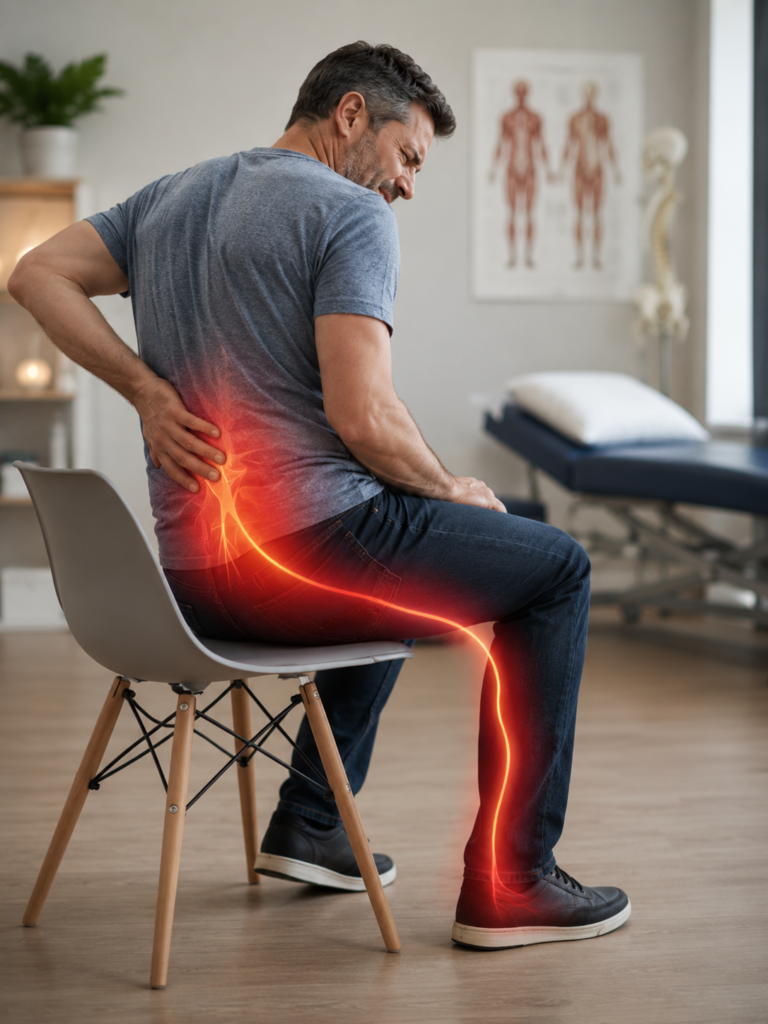
Sciatica treatment in Montreal
TAGMED Clinic Montreal / Mount Royal — Sciatica treatment in Montreal. Free examination, valued at CAD $85. Request your free examination and check availability…

Herniated disc and sciatica when sitting: why sitting can make symptoms worse
TAGMED Clinic Montreal / Mount Royal — Herniated disc and sciatica when sitting: why sitting can make symptoms worse. Understanding the connection…
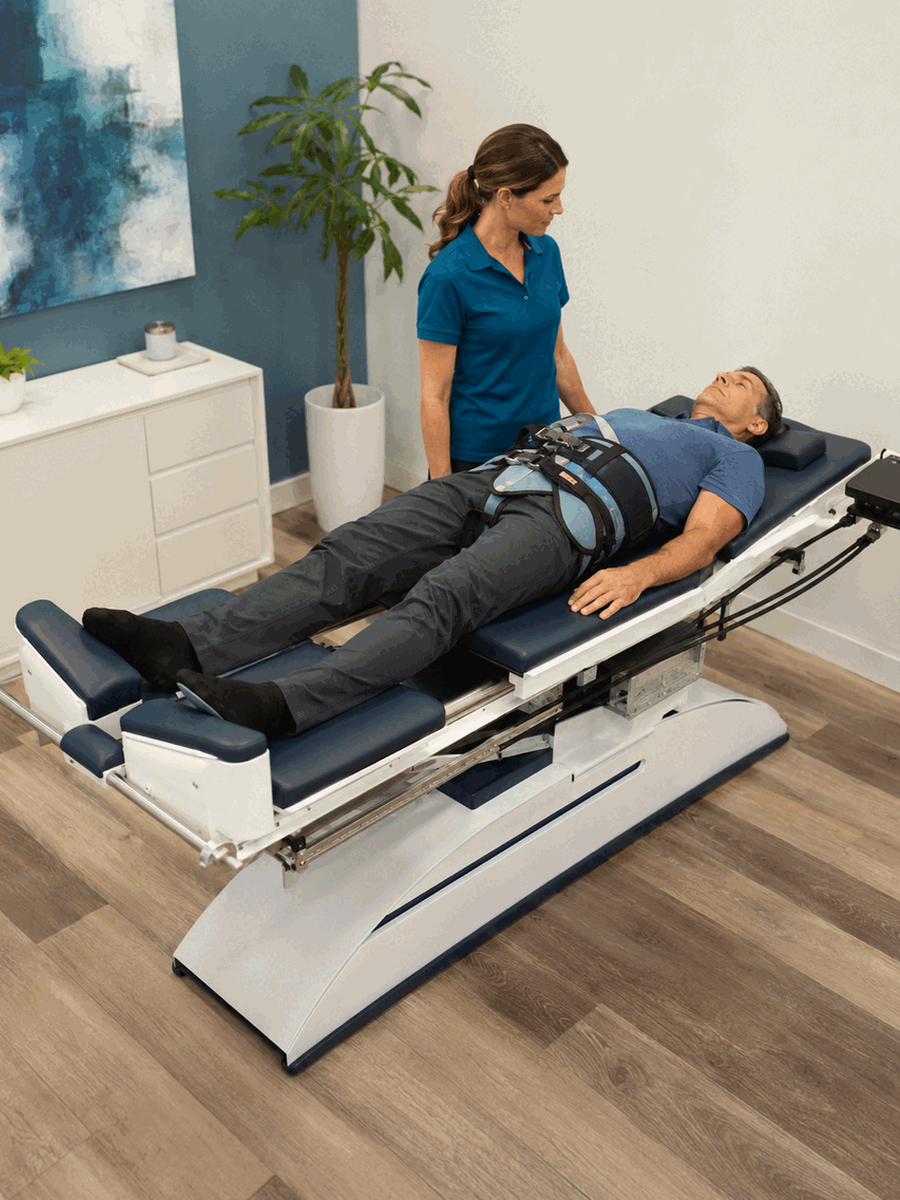
Herniated disc and sciatica when walking: why walking helps some people and aggravates symptoms for others
TAGMED Clinic Montreal / Mount Royal — Herniated disc and sciatica when walking: why walking helps some people and aggravates symptoms for others. Understanding the connection between…

Sciatica at night: why does the pain disturb sleep?
TAGMED Clinic Montreal / Mount Royal — Sciatica at night: why does the pain disturb sleep? Clinical pointers, signs to monitor and next steps for…
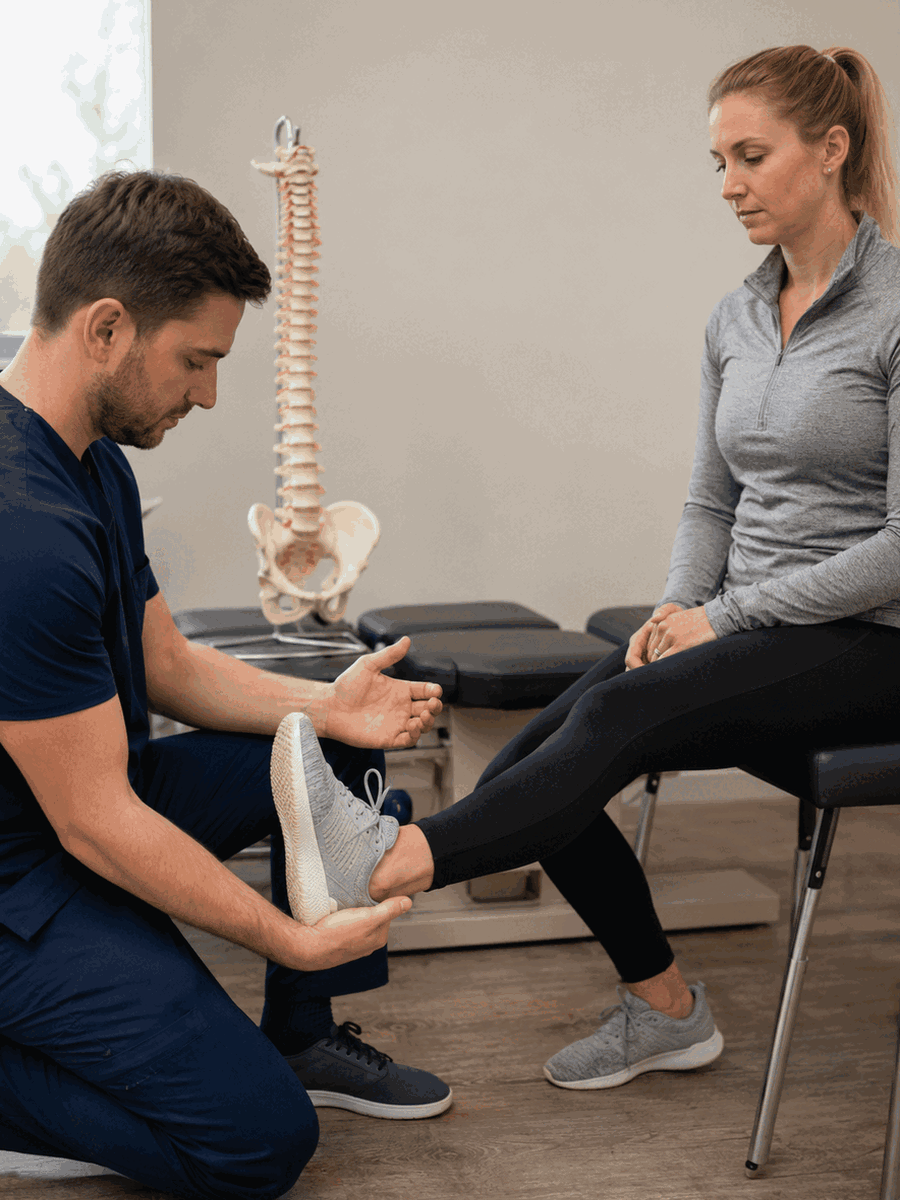
L5-S1 herniated disc and sciatica: calf, heel and foot pain
TAGMED Clinic Montreal / Mount Royal — L5-S1 herniated disc and sciatica: calf, heel and foot pain. Understanding the connection between a herniated disc,…

Herniated disc and chronic sciatica: why pain can persist
TAGMED Clinic Montreal / Mount Royal — Herniated disc and chronic sciatica: why pain can persist. Understanding the connection between a herniated disc, the…