TAGMED Clinic Montreal / Mount Royal · Symptoms guide
Sciatica: symptoms, pain distribution and neurological signs
Recognize common patterns without reducing sciatica to a single symptom
Sciatica generally describes pain or neurological symptoms along the path of a lumbar or sacral nerve root. Intensity alone is not enough: pain distribution, sensation, strength and the impact on walking or activities assist in identifying the clinical profile.
- Part of the guide series on Sciatica treatment in Montreal.
- This page brings together the specialized guides already published on this topic.
- Progressive neurological signs and urgent situations are distinguished from routine care.
Overview
Recognize common patterns without reducing sciatica to a single symptom
Sciatica generally describes pain or neurological symptoms along the path of a lumbar or sacral nerve root. Intensity alone is not enough: pain distribution, sensation, strength and the impact on walking or activities assist in identifying the clinical profile.
Radiating pain
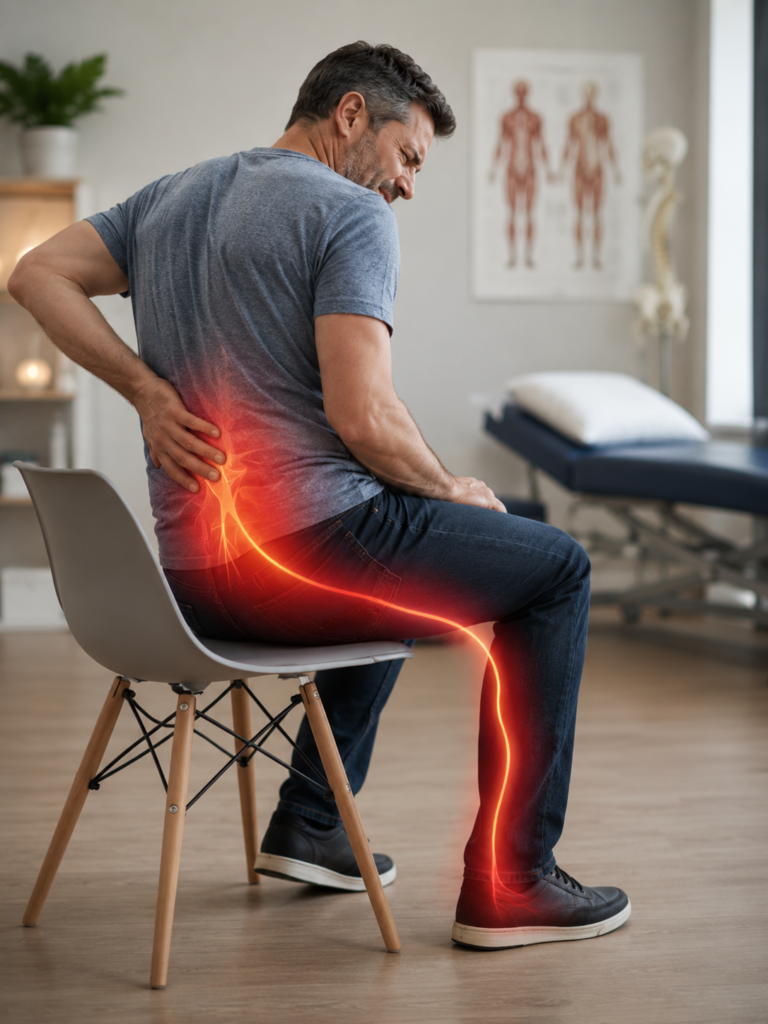
Pain may start in the lower back or buttock and travel down the thigh, calf or foot.
Sensation
Tingling, pins and needles or numbness may accompany nerve root irritation.
Force
New or progressive weakness deserves particular attention, especially if it affects walking.
Explore these guides
Specialized guides to explore
These pages explore the main questions related to this topic and all link back to the main Sciatica Montreal page.
Pain travelling down the leg
Explore this topic in the Montreal sciatica guide series.
Leg numbness
Explore this topic in the Montreal sciatica guide series.
Leg weakness
Explore this topic in the Montreal sciatica guide series.
Foot drop
Explore this topic in the Montreal sciatica guide series.
Sciatica at night
Explore this topic in the Montreal sciatica guide series.
Sciatica bilateral
Explore this topic in the Montreal sciatica guide series.
Clinical interpretation
Putting the information in context
The same symptom can have several explanations. The assessment compares the pain distribution, sensation, strength, walking, aggravating positions and any available test results. The aim is to look for findings that fit together rather than draw a conclusion from a single sign.
An important point
An imaging abnormality, test or area of pain should not be interpreted in isolation. Function and the progression of neurological signs remain essential.
Assessment
Planning the next steps
A consultation can clarify the level of priority, identify signs requiring medical referral and determine whether conservative care, further investigation or another option should be discussed.

Describe
Distribution, duration, intensity, triggers and recovery.
Examine
Strength, sensation, reflexes, walking and relevant tests.
Correlate
Compare clinical findings with available investigations when relevant.
Decide
Choose the next steps and criteria for reassessment.
Support
Match care options to the likely cause and functional needs
Care may combine advice, continued activity within tolerance, rehabilitation and other conservative approaches. Depending on severity, duration and neurological signs, further investigation or a medical referral may be appropriate. Spinal decompression can be discussed for selected patients, without presenting it as suitable for everyone or as a guaranteed solution.
Self-management and activity
Information, tolerated movement, load adjustment and gradual progression.
Conservative approaches
Exercise, rehabilitation and interventions suited to the clinical profile.
Medical referral
Imaging, injections or specialist advice according to indications and progression.
When should you seek prompt or emergency care?
- New, significant or rapidly progressive weakness.
- Recent foot drop or a leg that gives way more often.
- New bladder or bowel problems.
- Numbness in the saddle area or perineum.
- Significant symptoms on both sides, major trauma, fever or a decline in general health.
These signs should not wait for a routine appointment. Urgent medical assessment may be necessary.
Follow-up
Measuring progress through function
Follow-up compares important activities: walking, sitting, sleeping, working, sports, daily tasks and recovery after exertion. These measures help determine whether the plan should be continued or adjusted.

Function
Compare the activities that matter to the person.
Neurology
Monitor strength, sensation and any new deterioration.
Main guide
Would you like an assessment of your sciatica symptoms?
A consultation can help clarify the likely cause, signs to watch for and relevant options based on function and progression.
Spinal decompression in Montreal · Spinal decompression in Terrebonne
Sciatica treatment in Montreal · Sciatica treatment in Terrebonne
Frequently Asked Questions
FAQ — Sciatica: symptoms, pain patterns and neurological signs
Does sciatica always have to start in the back?
No. Some people mainly experience buttock or leg pain.
Does the pain have to reach the foot?
No. The pain may stop in the thigh or calf depending on the clinical profile.
Is numbness common?
It can accompany nerve irritation, but its distribution must be interpreted alongside the rest of the examination.
Is weakness more concerning than pain?
New or progressive weakness changes the priority of assessment.
Does very severe pain mean a serious injury?
Not necessarily. Intensity must be interpreted alongside function and neurological signs.
When should you seek prompt care?
When strength decreases, walking deteriorates or symptoms progress significantly.
Which signs require urgent assessment?
New bladder or bowel problems, saddle anaesthesia or severe, rapidly progressive weakness require urgent assessment.
Medical references
References and guidelines
These references provide a general framework for assessing low back pain with sciatica, radiculopathy and the use of imaging. They do not replace individualized clinical decisions.
- NICE NG59 — Low back pain and sciatica: assessment and management
- American College of Radiology — Appropriateness Criteria: Low Back Pain
- North American Spine Society — Lumbar disc herniation with radiculopathy
Important information
This page provides general information and does not establish a diagnosis. Results and recovery times vary according to the cause, duration, neurological signs, medical history and individual response to care.
Sylvain Desforges, docteur en ostéopathie
TAGMED Clinic — Spinal decompression, specific osteopathy and assessment of low back, disc-related and sciatic pain.
Professional profile · Contact · Main guide to sciatica in Montreal
In the same guide series
Related guides to sciatica
Continue with guides that explore the same symptom, its possible cause, assessment or options for care.
Sciatica treatment in Montreal
Clinique TAGMED Montréal / Mont-Royal Traitement de la sciatique à Montréal Examen gratuit — valeur de 85 $ CADemander mon examen gratuitVoir les disponibilitésDemandez…
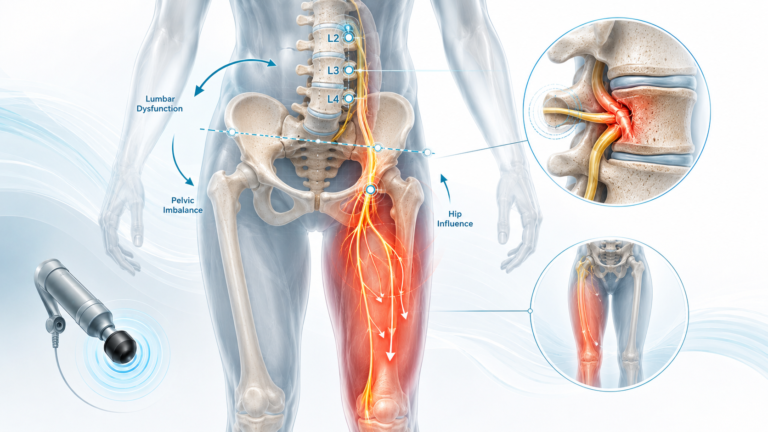
Cruralgia: pain at the front of the thigh, a hip problem or a lumbar nerve?
Cruralgia: pain at the front of the thigh, a hip problem or a lumbar nerve? Pain that travels down the front…
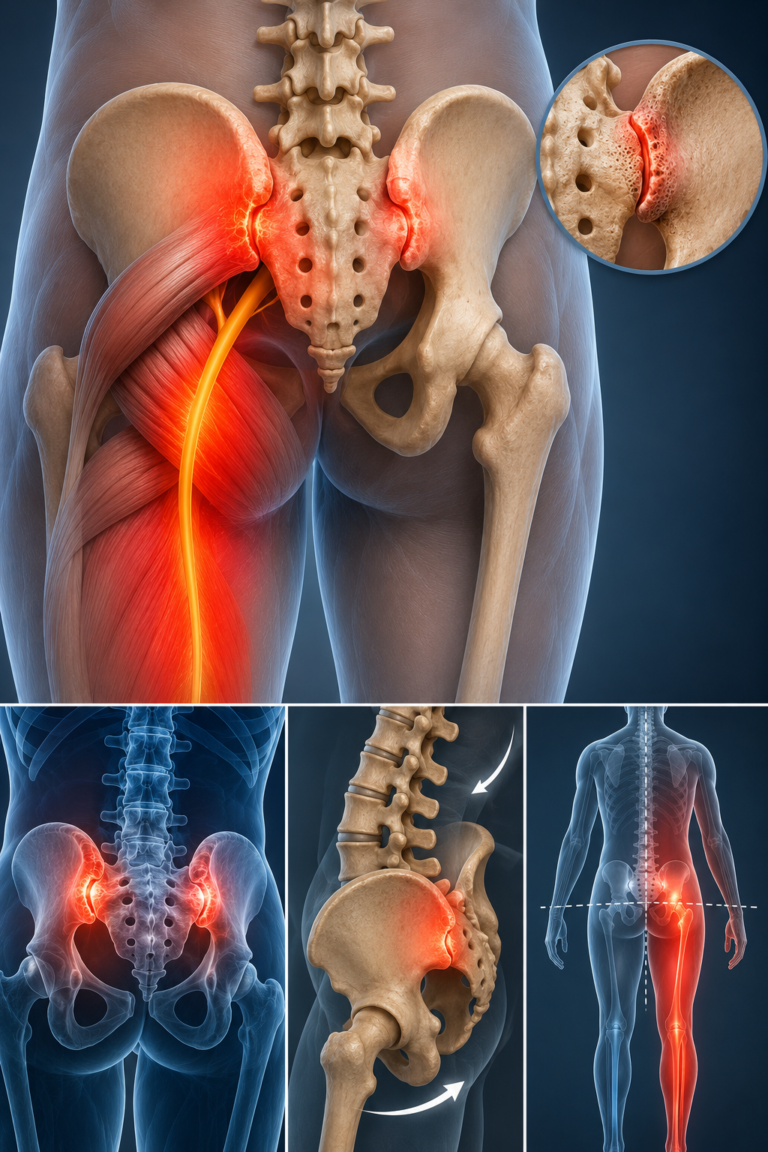
Sacroiliac dysfunction: buttock pain, hip pain or pseudo-sciatica?
TAGMED Clinic | Specific osteopathy and advanced technologies — Sacroiliac dysfunction: buttock pain, hip pain or pseudo-sciatica? Pain located in the lower…

Sciatica: heat or ice for pain relief?
TAGMED Clinic Montreal / Mount Royal — Sciatica: heat or ice for pain relief? Clinical pointers, differential diagnosis and next steps to better understand…

Sciatica: which signs suggest worsening rather than a simple fluctuation?
TAGMED Clinic Montreal / Mount Royal — Sciatica: which signs suggest worsening rather than a simple fluctuation? Practical pointers for progressing while keeping function,…

Sciatica: which signs suggest improvement?
TAGMED Clinic Montreal / Mount Royal — Sciatica: which signs suggest improvement? Practical pointers for progressing while keeping function, recovery and…