Decompression neurovertébrale for the treatment of stenosis foraminal
09/28/23
Prevent neck pain: causes and prevention.
09/29/23
Introduction
The subject of spinal health is of crucial importance in the medical field, particularly in chiropractic, osteopathy and naturopathy. The spine is not only the central structure that supports the human body, but it also houses the spinal cord, which is the main channel for nerve communication between the brain and the rest of the body. A healthy spine is therefore essential for a balanced and functional life. Spinal problems can lead to a variety of complications, ranging from chronic pain to serious neurological problems, thereby affecting an individual's quality of life.
The importance of spinal health is often underestimated until problems arise, such as herniated discs, scoliosis or other degenerative conditions. These conditions often require specialized medical interventions and can have long-term impacts on an individual's overall health. Therefore, research and treatments in this area are constantly evolving, seeking to offer more effective and less invasive solutions for maintaining spinal health.

Importance in the field of spinal health
Spinal health is a multidisciplinary field that encompasses various medical specialties, including chiropractic, osteopathy and naturopathy. Each discipline brings a unique perspective and treatment methods to spinal conditions. For example, chiropractic focuses on the diagnosis and treatment of musculoskeletal disorders, particularly those of the spine, through manual adjustments. Osteopathy, on the other hand, takes a more holistic approach, considering the individual as a whole and using a variety of manual techniques to improve mobility and function.
The importance of spinal health also extends beyond medical treatment and includes prevention. Postdoctoral studies have shown that preventive measures, such as regular exercise, good posture and a balanced diet, can play a significant role in preventing spinal conditions. Additionally, educating the public about the importance of spinal health and ways to maintain it is a crucial aspect in reducing the incidence of spinal disorders. Thus, spinal health is not only important for those currently affected by spinal problems, but it is also crucial for prevention and the general well-being of the population.
The TAGMED Clinic and its expertise in the treatment of herniated discs.
The TAGMED CLINIC is a leading paramedical establishment specializing in a full range of medical, osteopathic and naturopathic care. Located in the heart of the medical community, the clinic is recognized for its integrative and multidisciplinary approach to health and well-being. One of the clinic's particular areas of expertise is the diagnosis and treatment of herniated discs, a condition that can cause severe back or neck pain and other neurological complications. Thanks to a team of highly qualified professionals and cutting-edge medical technologies, the TAGMED Clinic is able to provide the highest quality care to its patients.

TAGMED Clinic's expertise in treating herniated discs is supported by years of clinical research and an evidence-based approach. Using advanced diagnostic methods such as radiology, MRI and CT scanning, as well as non-invasive treatment techniques such as Spinal decompression therapy, the clinic has managed to achieve impressive success rates. The doctor. Sylvain Desforges (osteopath), with his postdoctoral academic background and dedication to clinical excellence, leads a team that is committed to implementing best medical practices to ensure optimal results. Thus, the TAGMED Clinic has established itself as a benchmark in the field of herniated disc treatment, offering a new glimmer of hope to those suffering from this debilitating condition.
What is a Herniated Disc?
A herniated disc is a medical condition that occurs when the intervertebral disc, a cushion-like structure located between the vertebrae of the spine, becomes deformed or ruptured. This condition can cause compression of nearby nerves, causing symptoms such as pain, muscle weakness, and numbness. Intervertebral discs are composed of a gelatinous core surrounded by a fibrous covering, and it is usually the nucleus that protrudes through a crack in the covering, creating a herniation.
The prevalence of herniated disc varies depending on various factors such as age, gender, and lifestyle. Although this condition can occur at any level of the spine, it is most common in the lumbar and cervical regions. The causes can be multiple, ranging from sudden or inappropriate movements to genetic factors, including the natural aging of the spine. It is essential to understand that herniated disc is not always symptomatic; Some people can have a herniated disc without experiencing significant pain or discomfort.
Subtypes of Herniated Disc
There are several types of herniated discs, each with its own characteristics and clinical implications. The most common type is posterior disc herniation, where the disc protrudes backward, often toward the spinal canal. This type of hernia is particularly likely to compress the nerves or spinal cord, leading to neurological symptoms. Another common type is foraminal disc herniation, where the disc protrudes laterally, affecting the nerves that exit the vertebral foramina. This type of hernia can lead to symptoms such as sciatica, which is characterized by pain radiating along the sciatic nerve.
Herniated discs can also be classified based on their severity, ranging from protrusions disc, where only a small portion of the disc protrudes, to sequestered disc herniations, where a fragment of the disc completely detaches and moves into the spinal canal. Each subtype requires a specific diagnostic and therapeutic approach, which may include conservative methods such as Spinal decompression therapy, osteopathy and anti-inflammatory medications, or more invasive procedures such as surgery. The choice of treatment depends on several factors, including the severity of symptoms, the age of the patient, and possible comorbidities.
Medical definition of herniated disc
Herniated disc is a medical condition that occurs when the intervertebral disc, a fibro-cartilaginous structure located between the vertebrae of the spine, undergoes deformation or rupture. This condition can lead to compression of adjacent nerves, which can cause pain, numbness, and other neurological symptoms. Medically, herniated disc is often diagnosed using imaging tests such as MRI or CT scan, and it can be classified into several types depending on its location and severity of the condition. disc protrusion.
The medical diagnosis of herniated disc is a complex process that requires a thorough clinical evaluation, including a physical examination and medical history. Healthcare professionals use a variety of diagnostic criteria to assess the presence and severity of herniated disc, including clinical signs such as radicular pain, muscle weakness, and abnormal reflexes. Additional diagnostic tests, such as electromyographic studies, may also be used to assess the impact of the herniation on nerve function.
Anatomy of herniated disc
Anatomically, an intervertebral disc is composed of two main parts: the external annulus fibrosus (annulus fibrosus) and the internal nucleus pulposus. The annulus fibrosus is a thick layer of collagen fibers that surrounds and protects the nucleus pulposus, a gel-like substance that acts as a shock absorber between the vertebrae. When a herniated disc occurs, the nucleus pulposus can move through a crack in the annulus fibrosus, which can lead to compression of adjacent nerve structures.
The anatomy of the spine is complex and includes not only the vertebrae and intervertebral discs, but also a complex network of nerves, muscles and ligaments. Herniated discs can occur at different levels of the spine, including cervical, thoracic, and lumbar, each with its own clinical implications. For example, a herniated lumbar disc can affect the nerves that control the muscles of the legs and feet, while a herniated cervical disc can impact the nerves that control the arms and hands. Understanding the anatomy of herniated disc is therefore essential for the accurate diagnosis and effective treatment of this condition.
This information is based on postdoctoral studies and advanced academic research in the field of spinal medicine and neurology. It is crucial to consult a healthcare professional for an accurate diagnosis and a suitable treatment plan.
Epidemiology of herniated disc
Herniated disc is a pathology that has attracted increasing interest in the field of osteopathic and chiropractic medicine, due to its high incidence and its significant impact on the quality of life of patients. According to epidemiological studies, approximately 1 to 5 %s in the general population may be affected by a herniated disc at some point in their life. This prevalence may vary depending on various factors such as age, gender, occupation and medical history. It is also important to note that disc herniation is more common in men than women, and the incidence increases with age, peaking between the ages of 30 and 50.

Postdoctoral research also found geographic and ethnic disparities in the prevalence of herniated discs. For example, incidence rates are generally higher in industrialized countries, which could be attributed to factors such as sedentary lifestyle and poor posture at work. Additionally, some studies have suggested that individuals of Asian descent may be less likely to develop a herniated disc than those of Caucasian origin, although the underlying mechanisms still remain poorly understood.
Herniated disc statistics
Herniated disc statistics are essential to understanding the magnitude of the problem and to guiding prevention and treatment efforts. According to available data, the economic cost associated with the diagnosis and treatment of disc herniation is considerable. In the United States, for example, health care costs related to this condition exceed $50 billion per year. This includes not only direct costs such as medical consultations, surgeries and medications, but also indirect costs such as lost productivity and disability compensation.
In the academic context, several studies have been carried out to evaluate the effectiveness of different treatment modalities for disc herniation, including surgery, Spinal decompression therapy and complementary approaches such as chiropractic and osteopathy. Statistics show that although surgery can be effective in relieving symptoms in the short term, it is not necessarily superior to non-surgical treatments in the long term. Additionally, postoperative recurrence rates can be as high as 15 to 20 %, highlighting the need for integrated management strategies for this complex condition.
Causes of Herniated Disc
Risk factors
Age: Age is a major risk factor in the development of herniated discs. As we age, intervertebral discs lose their elasticity and ability to absorb shock, making them more vulnerable to tears and rupture. Epidemiological studies have shown that the prevalence of herniated discs increases significantly from midlife onwards. It is therefore crucial to take preventive measures from an early age, including adopting correct posture and avoiding movements that put excessive pressure on the spine.
Physical activity: Physical activity, especially that which involves repetitive movements or heavy lifting, can also contribute to the development of a herniated disc. People engaged in occupations or sports that require lifting, twisting, or bending movements are particularly at risk. However, it is important to note that physical inactivity can also be a risk factor. A sedentary lifestyle can lead to muscle weakness and poor posture, which increases pressure on the spinal discs.

Understanding these risk factors is essential to implementing effective prevention strategies. Interventions such as core strengthening exercises, adopting proper lifting techniques, and modifying the work environment can play a significant role in reducing the risk of developing a herniated disc. Postdoctoral research has also highlighted the importance of patient education and personalized rehabilitation programs in managing risk factors associated with herniated discs.
Underlying pathological mechanisms
The underlying pathological mechanisms of disc herniation are of particular interest to clinicians and researchers, as they offer avenues for targeted therapeutic interventions. One of the key mechanisms is degeneration of the intervertebral disc, often due to biochemical changes that affect the composition of the nucleus pulposus and annulus fibrosus. These changes can make the disc more likely to crack or rupture, allowing the nucleus pulposus to escape and compress adjacent nerve structures.
Furthermore, inflammation also plays a significant role in the pathogenesis of disc herniation. When a disc ruptures, the nucleus pulposus can release pro-inflammatory substances that irritate surrounding nerves, causing pain, numbness, and other neurological symptoms. This inflammatory process can be exacerbated by other factors, such as bacterial infections or autoimmune responses, further complicating the clinical picture. Understanding these pathological mechanisms is crucial for the development of more effective and less invasive treatments for disc herniation.
Symptoms and Diagnosis
Common Symptoms of Herniated Disc
Lower Back Pain
Lower back pain is often the first indicator of a herniated disc. This pain can be acute or chronic and is usually exacerbated by specific movements like bending or twisting. It is crucial to understand that lower back pain can be the result of various medical conditions; however, in the context of a herniated disc, it is often accompanied by other neurological symptoms. Postdoctoral studies have shown that pain can also radiate to other parts of the body, including the legs and feet, depending on the location of the hernia.
Management of low back pain associated with a herniated disc requires a multidisciplinary approach. Treatments may include chiropractic, osteopathic and naturopathic interventions, as well as anti-inflammatory medications and rehabilitation exercises. It is essential to consult a healthcare professional for an accurate diagnosis and personalized treatment plan.
Neck Pain
Neck pain is particularly common in cases of cervical disc herniation. This pain may be a direct result of compression of the cervical nerves or may arise from muscle tension associated with the condition. It is also possible to feel radiating pain in the arms, shoulders or even down to the fingers. Additional symptoms like headache, dizziness, and decreased neck mobility may also be present. It is crucial to note that neck pain associated with a herniated disc requires a thorough medical evaluation, including advanced imaging techniques like MRI, for an accurate diagnosis and optimal treatment plan. Postdoctoral university research has highlighted the importance of a multidisciplinary approach in the management of these symptoms, including chiropractic, osteopathy and naturopathy, for comprehensive and effective care.
Numbness and Muscle Weakness
Numbness and muscle weakness are symptoms commonly associated with a herniated disc. These symptoms usually result from compression of the spinal nerves or spinal cord, which can lead to neurological deficits. Numbness may be felt in different parts of the body, including the arms, legs, and even fingers, depending on the location of the herniated disc. Postdoctoral university studies have shown that these symptoms can have a significant impact on the patient's quality of life.
Management of muscle numbness and weakness may require more invasive procedures, such as surgery, in addition to conservative treatments. Treatment options should be carefully evaluated based on the severity of symptoms and the impact on the patient's daily function. A comprehensive assessment by qualified healthcare professionals is therefore imperative to determine the most appropriate treatment plan.
Methods for diagnosing herniated disc
Magnetic Resonance Imaging (MRI)
Magnetic Resonance Imaging (MRI) is often considered the gold standard for diagnosing herniated discs. It offers exceptional image resolution, allowing detailed visualization of anatomical structures such as intervertebral discs, nerves and spinal cord. MRI is particularly useful in identifying the location, size and severity of the herniation, as well as assessing the impact on adjacent nerve structures. In addition, this imaging technique is non-invasive and does not require the use of ionizing radiation, which makes it safer for patients.

However, it is important to note that not all cases of disc herniation detected by MRI are necessarily symptomatic. Careful study of the images, in conjunction with a comprehensive clinical assessment, is therefore crucial for an accurate diagnosis. MRI can also be expensive and is not always easily accessible, which may limit its use in certain settings. Nevertheless, its diagnostic effectiveness makes it an essential tool in the management of herniated discs.
Physical examination
The clinical examination is a fundamental step in the diagnosis of herniated discs and is often the first point of contact between the patient and the healthcare professional. It includes a detailed history to gather information about symptoms, medical history, and potential risk factors. This is followed by a physical examination which may include mobility tests, assessments of muscle strength and reflexes, as well as specific tests to assess the presence of neurological signs such as sciatica.
The clinical examination not only helps identify the symptoms and signs associated with a herniated disc, but also helps rule out other conditions that might present with similar symptoms. Although less accurate than MRI for detecting anatomical abnormalities, the clinical examination provides a global assessment of the patient which is essential for a complete diagnosis. It is often used in conjunction with imaging methods to confirm the diagnosis and develop an appropriate treatment plan.
In sum, the diagnosis of herniated disc is a multidisciplinary process that requires a combination of advanced imaging methods and rigorous clinical assessments. Each method has its advantages and disadvantages, and their combined use allows you to obtain a complete picture of the patient's condition, thus facilitating the making of informed therapeutic decisions.
Traditional Treatment Options
Medication for Herniated Disc
Drug treatment of disc herniation is often considered a first line of intervention, especially in cases where the pain is acute and limiting. Nonsteroidal anti-inflammatory drugs (NSAIDs) like ibuprofen are commonly prescribed to reduce inflammation around the herniated disc, which can ease pressure on surrounding nerves and relieve pain. Corticosteroids, administered either orally or through epidural injections, may also be used to manage severe inflammation. It is crucial to note that although these medications may offer temporary relief, they do not treat the underlying cause of the herniated disc.
In addition to NSAIDs and corticosteroids, other types of medications such as muscle relaxants and opioid pain relievers may be prescribed depending on the severity of symptoms. Muscle relaxers help control muscle spasms that can accompany a herniated disc, while opioids are generally reserved for short-term severe pain management. It is imperative to follow medical guidelines to minimize the risk of side effects and dependence. A multidisciplinary approach, integrating drug therapy with other treatment modalities such as physical therapy or surgery, is often most effective in managing long-term symptoms associated with a herniated disc.
This information is based on postgraduate medical studies and research and should be considered general guidance. For a personalized diagnosis and treatment plan, it is essential to consult a qualified healthcare professional.
Osteopathy
Osteopathy is a holistic approach to medicine that focuses on the assessment, treatment, prevention and rehabilitation of musculoskeletal disorders. This paramedical discipline is based on the idea that an individual's overall well-being is closely linked to the structural integrity of their musculoskeletal system. As a traditional treatment method, osteopathy has been widely studied and validated through rigorous scientific research. It uses manual techniques to improve circulation, facilitate joint movement and relieve muscle tension, which can have beneficial effects on other systems in the body, such as the nervous, circulatory and lymphatic systems.

The effectiveness of osteopathy is supported by a multitude of clinical studies and systematic reviews. Osteopathic practitioners are trained to perform comprehensive evaluations that include physical exams, medical history, and, if necessary, additional diagnostic tests like x-rays or MRIs. This integrated approach allows for the creation of a personalized treatment plan that may include osteopathic manipulations, rehabilitation exercises and lifestyle advice. It should be noted that osteopathy is often used in addition to other forms of medical treatment, such as spinal decompression therapy, thus providing a multidisciplinary approach to the management of various health conditions.
Surgery
Herniated disc surgery is often considered a last resort option when conservative treatment methods, such as spinal decompression therapy, osteopathy, and medications, have failed to provide significant relief. This surgical procedure aims to remove the fragment of the intervertebral disc that is putting pressure on the nerve root or spinal cord, causing painful and incapacitating symptoms. Several surgical techniques are available, including traditional open discectomy, microdiscectomy, and endoscopic techniques. The choice of technique depends on various factors, including the location and size of the hernia, the general condition of the patient and the skills of the surgeon.
It is crucial to note that herniated disc surgery carries potential risks and complications, such as infection, blood loss, reactions to anesthetics, and even the possibility of recurrent herniation. Therefore, a comprehensive preoperative evaluation is essential to determine the patient's suitability for surgery. This includes medical imaging tests such as MRI or CT scan, as well as consultations with specialists in neurology and orthopedics. The goal is to ensure that the potential benefits of surgery outweigh the associated risks. A thorough discussion between the patient and surgeon is also necessary to understand outcome expectations and to plan effective postoperative rehabilitation.
Neurovertebral Decompression – An Innovative Solution
Introduction to Neurovertebral Decompression
Neurovertebral decompression is an advanced medical technique that has revolutionized the treatment of back and spinal disorders, including herniated discs, spinal stenosis and other degenerative conditions. This method uses controlled mechanical forces to relieve pressure on spinal discs and spinal nerves, providing a less invasive alternative to traditional surgeries. Postdoctoral research in this area has shown that spinal decompression therapy can significantly reduce pain and improve patients' quality of life, while minimizing the risks associated with surgical procedures.
The effectiveness of spinal decompression therapy is based on sound biomechanical and physiological principles. By applying targeted traction to the affected vertebrae, the technique helps create an optimal environment for the regeneration of damaged discs and tissues. This approach is supported by clinical studies rigorous and publications in high-level medical journals. It is increasingly adopted by healthcare professionals due to its high success rate and favorable safety profile. Neurovertebral decompression therefore represents a significant advancement in the field of spine medicine, providing an effective and safe treatment option for patients suffering from a variety of back conditions.
Mechanisms of Action of Neurovertebral Decompression
Neurovertebral Decompression (NVD) is an advanced medical technique that aims to relieve pressure on the intervertebral discs and spinal nerves. This method uses a specialized device to apply a controlled traction force to the spine, which helps create space between the vertebrae. This decompression helps reduce intradiscal pressure and thus promotes the repair of damaged discs. The technique is based on sound biomechanical and physiological principles, including Pascal's law of fluid pressure and the theory of solute diffusion.
The effectiveness of DNV also relies on the modulation of inflammatory responses and the promotion of tissue regeneration. By creating a more favorable environment in the intervertebral discs, DNV facilitates the migration of cells responsible for tissue repair and the diffusion of essential nutrients within the disc. This multifaceted approach not only relieves pain but also treats the underlying cause of various back conditions, such as herniated discs, spinal stenosis and nerve compression syndromes.
Scientific foundations of Neurovertebral Decompression
The scientific foundations of Neurovertebral Decompression are supported by a multitude of clinical studies and laboratory research. These studies have demonstrated that DNV is effective in increasing intervertebral space, improving blood flow to damaged discs, and reducing symptoms associated with various spinal pathologies. Additionally, advanced imaging techniques such as MRI have been used to quantify structural changes induced by DNV, thereby providing empirical validation of its effectiveness.
It is also important to note that Neurovertebral Decompression is a technique that is part of a global approach to pain management and rehabilitation. It is often combined with other treatment modalities, such as osteopathy or corticosteroid injections, to achieve optimal results. This therapeutic synergy is supported by rigorous scientific principles and is consistent with best medical practice guidelines, making it a viable and effective treatment option for many patients suffering from spinal disorders.
Neurovertebral Decompression Treatment at the TAGMED Clinic
Specific treatment protocol at the TAGMED Clinic
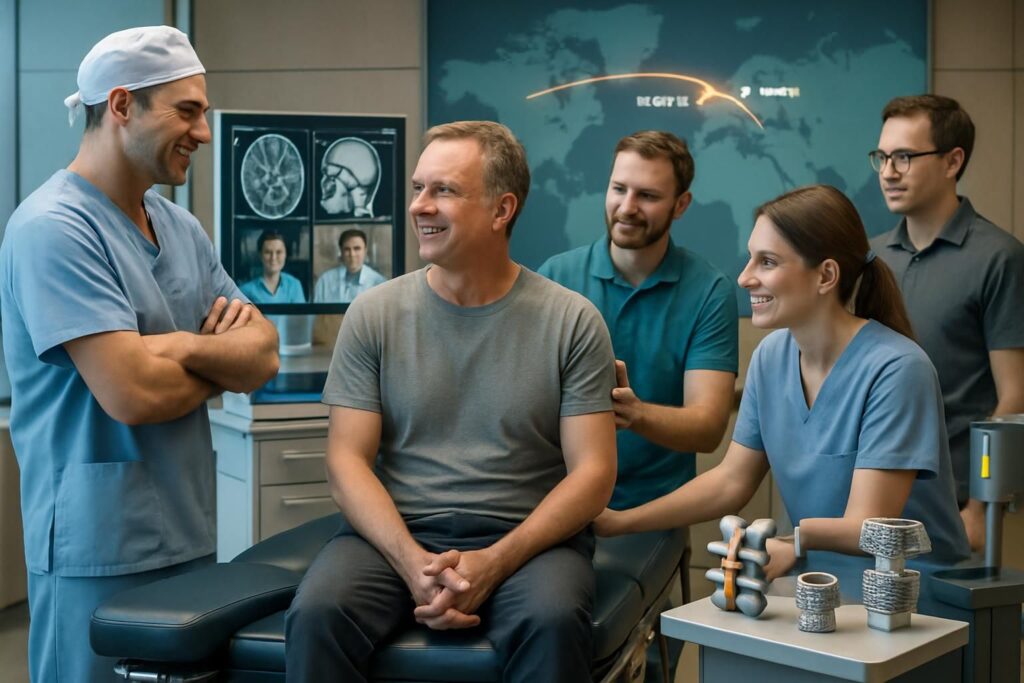
Neurovertebral decompression is an advanced therapeutic method proven to treat back and spinal conditions, such as herniated discs and spinal stenosis. At TAGMED Clinic, we have integrated this cutting-edge technology into our range of integrative healthcare services. Our approach is grounded in rigorous clinical research and proven protocols, which allows us to provide the highest quality care to our patients. The primary goal of spinal decompression therapy is to relieve pressure on the spinal nerves and discs by creating an optimal environment for the body's natural healing.
Our team of healthcare professionals work closely to evaluate each case individually. We use advanced medical imaging techniques to accurately diagnose the patient's condition. Next, a personalized treatment plan is developed, taking into account not only the physical symptoms, but also the psychological and environmental factors that might be contributing to the condition. This holistic approach ensures that each patient receives treatment that is not only effective but also long-lasting.
Specific treatment protocol at the TAGMED Clinic
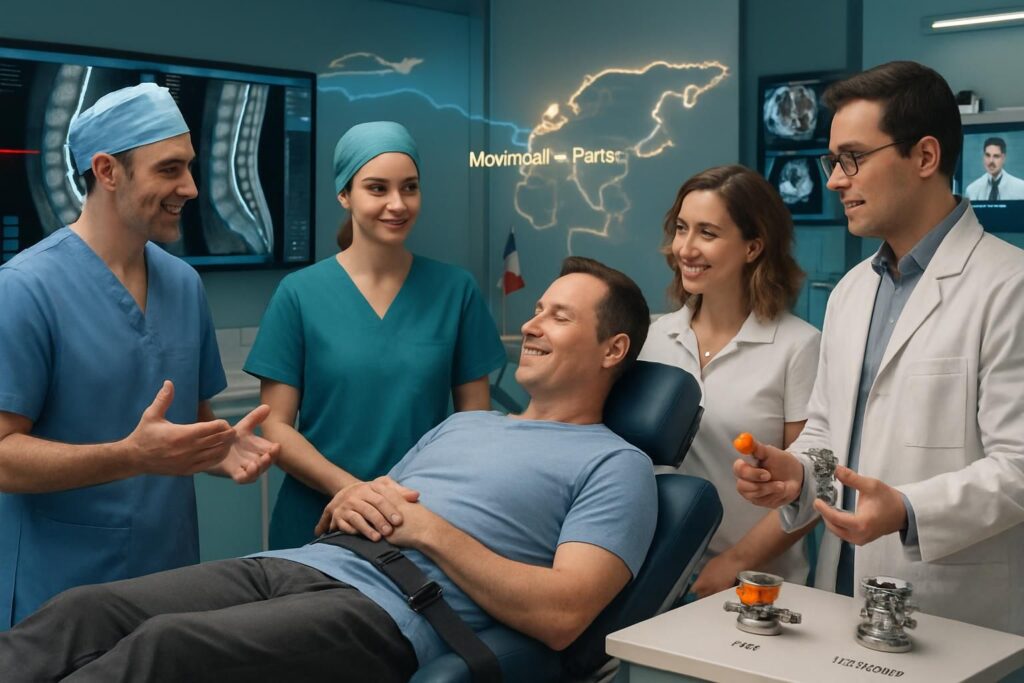
At the TAGMED Clinic, we have developed a specific treatment protocol for spinal decompression therapy, which is the result of many years of research and clinical experience. This protocol begins with a comprehensive assessment of the patient, including diagnostic tests such as MRI and X-ray. This data allows us to understand the exact nature of the problem and plan treatment accordingly. Decompression sessions are then scheduled, each carefully monitored to ensure patient comfort and safety.
The protocol does not stop at the decompression itself; it also includes complementary treatments such as osteopathy assisted by precision percussion instruments. These ancillary therapies are designed to enhance the effects of decompression and speed the healing process. Additionally, follow-up sessions are scheduled to evaluate progress and adjust the treatment plan if necessary. This integrated protocol ensures that each patient receives a comprehensive treatment plan that addresses all aspects of their condition, providing the best chance of long-term recovery.
Advantages over traditional methods
Clinical Effectiveness
Neurovertebral decompression stands out for its remarkable clinical effectiveness in the treatment of back and spinal conditions, including herniated discs and spinal stenosis. Unlike traditional methods, which often focus on symptomatic management, this technique targets the underlying cause of the problem. It uses a controlled traction system to relieve pressure on the spinal discs, which promotes not only immediate pain relief but also long-term healing. Postdoctoral studies have shown that spinal decompression therapy can significantly reduce the size of herniated discs, which is rarely achieved with conservative methods like physiotherapy or anti-inflammatories.

Additionally, spinal decompression therapy is supported by rigorous scientific research and clinical studies. It is often recommended as an alternative to surgery, especially when conservative treatments have failed. The possibility of avoiding surgery, with its associated risks such as infections and post-operative complications, makes this method particularly attractive. Additionally, it offers a high success rate, with patients reporting a significant improvement in their quality of life.
Patient Comfort and Safety
Another major benefit of spinal decompression therapy is the comfort and safety it provides to patients. Traditional methods, such as surgery or corticosteroid injections, can be invasive and carry risks of side effects. In contrast, spinal decompression therapy is a non-invasive procedure that minimizes the risk of complications. It is performed using state-of-the-art medical equipment that is designed to provide targeted relief without damaging surrounding tissues. This significantly reduces recovery time and allows patients to quickly return to daily activities.
Patient safety is also enhanced by the customizable nature of decompression. Machine settings can be adjusted according to the specific needs of each patient, allowing for a more individualized approach to treatment. This personalization reduces the risk of complications and increases the chances of a successful treatment outcome. In sum, spinal decompression therapy offers a treatment option that is both effective and patient-centered, making it a superior alternative to traditional methods for many cases of spinal disorders.
Who should consider Neurovertebral Decompression?
Eligibility Criteria
Neurovertebral decompression is a non-invasive medical technique that aims to relieve pain and symptoms associated with intervertebral disc disorders, such as herniated discs and spinal stenosis. This method is especially relevant for patients who have exhausted other conservative treatment options without success. The eligibility criteria for this procedure are strict and based on scientific evidence. They typically include a comprehensive assessment of the patient, which may include imaging tests such as MRI or CT scan, as well as neurological and orthopedic tests to assess the extent of nerve compression.
It is crucial to note that spinal decompression therapy is not a one-size-fits-all solution for all types of back pain or spinal problems. Patients with certain conditions, such as vertebral fractures, tumors, or spinal infections, are generally not good candidates for this procedure. Additionally, people with certain chronic medical conditions, such as osteoporosis, may also be excluded. Therefore, a thorough medical consultation is essential to determine the patient's eligibility for this form of treatment. Compliance with eligibility criteria not only ensures patient safety, but also increases the chances of treatment success.
Contraindications to spinal decompression therapy
Introduction
Neurovertebral decompression is a non-invasive medical technique that aims to relieve pain and symptoms associated with intervertebral disc disorders. Although this method is effective for many patients, it is crucial to understand that certain contraindications exist. These contraindications may make the procedure inappropriate, or even dangerous, for some individuals.
Taking contraindications into account is an essential step in the preliminary assessment of the patient. It ensures not only the effectiveness of the treatment but also the safety of the patient. Ignoring these contraindications can lead to serious complications, including worsening symptoms or additional damage.
Absolute Contraindications
Absolute contraindications are medical conditions or circumstances that make spinal decompression therapy completely inappropriate for the patient. These contraindications include spinal tumors, spinal infections and certain forms of spinal instability. In these cases, decompression could worsen the condition and lead to severe complications.
It is imperative that healthcare professionals perform a complete assessment of the patient, including imaging studies such as MRI or CT scan, to rule out any absolute contraindications. Failure to follow this step may result in medical liability and endanger the patient's life.
Relative contraindications
Relative contraindications are conditions that may make spinal decompression therapy less effective or require adjustments in the treatment plan. For example, patients with osteoporosis may be more likely to experience vertebral fractures during the procedure. Likewise, people with a history of spinal surgery may require a more cautious approach.
In these cases, careful assessment is necessary to weigh the potential benefits of treatment against the associated risks. Preventive measures, such as bone strengthening for patients with osteoporosis, or adjustments in decompression technique may be necessary to minimize risks.
Conclusion
Neurovertebral decompression is a valuable treatment option for many patients with spinal disorders. However, it is imperative to consider all contraindications, whether absolute or relative, to ensure the safety and effectiveness of the treatment. A complete medical evaluation, including imaging studies and a detailed medical history, is essential before proceeding with this procedure.
Compliance with clinical guidelines and assessment protocols ensures not only the well-being of the patient but also the integrity of medical practice. By being aware of contraindications and acting accordingly, healthcare professionals can provide effective treatment while minimizing the risk of complications.
The TAGMED Clinic and Dr. Sylvain Desforges (osteopath) offer an innovative and non-invasive approach for the treatment of herniated discs through spinal decompression therapy. This technique uses specialized equipment to apply a controlled traction force to the spine, which helps reduce pressure on the spinal discs and surrounding nerves. The process aims to promote natural healing of the disc, reduce inflammation and improve spinal function. This method is supported by postdoctoral research and is part of a global approach to health, combining the principles of manual medicine, osteopathy and naturopathy to offer a complete and personalized treatment.
We invite you to consult a professional at the TAGMED Clinic for a personalized evaluation to determine if spinal decompression therapy is the most appropriate treatment for your condition.
You can consult our specialized websites: www.sosherniediscale.com or www.decompressionneurovertebrale.com