Treatment of calcified tendonitis with shockwave therapy
Calcified tendonitis is a common condition that affects tendons, the fibrous structures that connect muscles to bones. It is characterized by the formation of calcium deposits in the tendon, which can lead to inflammation and pain. Symptoms of calcified tendinitis include a dull, persistent pain, usually around the affected joint, as well as muscle stiffness and weakness. The exact causes of this pathology are unknown, but it is suggested that repetitive trauma or injury may contribute. Treatment will depend on the severity of the condition and may include shockwave or shockwave therapy.
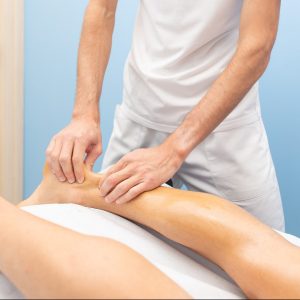
La thérapie par ondes de choc peut être utilisée pour traiter efficacement cette condition. La thérapie par ondes de choc est une option de traitement pour la tendinite calcifiée. Cette technique utilise des ondes acoustiques à haute énergie pour briser les dépôts calciques dans le tendon, ce qui peut aider à réduire l’inflammation et la douleur. Dans cet article, nous allons examiner en détail ce qu’est la tendinite calcifiée, ses symptômes, ses causes, son diagnostic et comment elle est traitée avec la thérapie par ondes de choc.
Description
Calcific tendonitis occurs when excess calcium is deposited in tendon tissue. This usually occurs in joints such as the elbow or shoulder. Patients with calcific tendonitis usually experience chronic moderate to severe pain, which can worsen with active and passive movements. Most patients require treatment with shockwave to relieve their symptoms and regain normal mobility.
Symptoms of Calcified Tendinitis
Calcific tendonitis is a musculoskeletal condition that manifests itself through a series of specific clinical symptoms. These symptoms may vary in intensity and duration, but are generally characterized by the following:
- Persistent and acute pain Pain is often the first indicator of this condition. It may be exacerbated by specific movements or physical activities, and may be accompanied by sensations of numbness and tingling in the affected area.
- Periarticular edema A noticeable swelling may be observed around the affected joints, often accompanied by redness and local heat, indicating inflammation.
- Joint stiffness Patients may experience stiffness in the affected joints, which limits their range of motion and can interfere with daily activities.
- Progressive loss of mobility Over time, the inability to perform certain movements without experiencing intense pain can become increasingly limiting, affecting the patient's quality of life.
- Symptoms worsen without adequate treatment It's crucial to note that the absence of appropriate medical intervention can lead to an exacerbation of symptoms, with potential complications such as chronic pain and functional deterioration.
It's imperative to consult a healthcare professional for a precise diagnosis and personalized treatment plan, which may include interventions such as shockwave therapy, corticosteroid injections, or in more severe cases, surgery.
Causes of calcified tendonitis
Calcific tendinopathy (or calcific tendonitis) is a pathology characterized by the accumulation of calcium deposits within tendon fibers, often leading to inflammation and painful symptoms. Although the exact pathogenesis is still under investigation, several etiological factors are commonly associated with this condition.
One of the predominant elements is the excessive strain on the tendon concerned. Individuals engaged in high-intensity physical activities or performing repetitive movements involving a specific muscle group are at greater risk of developing this form of tendinopathy.
It should be stressed that these risk factors, while important, do not guarantee the occurrence of the disease. In many cases, the etiology may be multifactorial, and it may be difficult to isolate a single cause for every patient with calcific tendinopathy.
In the presence of persistent symptoms affecting a tendon, a medical consultation is essential. A precise diagnosis can be established with the help of medical imaging examinations, such as ultrasound or X-rays, enabling the most appropriate therapeutic plan for your condition to be determined.
Diagnosis of calcified tendonitis
Calcific tendonitis is diagnosed by means of a thorough clinical evaluation, complemented by advanced medical imaging techniques such as standard radiography (X-ray), magnetic resonance imaging (MRI) or diagnostic ultrasound. These methods enable precise localization of calcium deposits, quantification of their mass and identification of any associated bone extension.
Once the diagnosis has been confirmed, a personalized treatment plan is drawn up. Treatment options include shockwave therapy (Shockwave Therapy) is often preferred for its proven effectiveness in dissolving calcium deposits and stimulating tissue regeneration. This non-invasive treatment modality uses high-energy acoustic waves to target the affected area, promoting healing and restoring long-term joint mobility.
Shockwave therapy is supported by clinical studies and systematic reviews, making it a treatment option in line with current best medical practice. It can be integrated into a more comprehensive care plan that may also include manual therapies, anti-inflammatory medications and other interventions depending on the severity of the condition.
In short, the choice of shockwave therapy as the central component of the treatment plan is designed to offer an effective, long-lasting solution for patients with calcific tendonitis.
Treatment of calcified tendinitis by shockwave
The therapy Shockwave therapy for calcific tendonitis is a non-invasive procedure that uses high-energy acoustic waves to break down calcium deposits in the tendon. Treatment is generally performed on an outpatient basis and does not require hospitalization.
The patient is usually placed on an examination table and a conductive gel is applied to the affected area. The therapist then uses a device that sends high-energy sound waves through the skin to the site of the calcified tendonitis.
The treatment may be slightly uncomfortable, but it is not considered painful. The duration of treatment depends on the extent of the calcified tendinitis and generally varies between 3 and 5 minutes.
Places where calcifications in the tendons are often found:
| Anatomical Zone | Affected tendon | Description of Calcifications |
|---|---|---|
| Shoulder | Rotator cuff tendons | Shoulder tendon calcifications are frequently observed in the tendons of the rotator cuff. They can be asymptomatic or cause severe pain. |
| Hip | Tendons of the gluteal muscles | Hip calcifications are often located in the tendons of the gluteal muscles and may be associated with pain when walking or resting. |
| Elbow | Elbow tendon (epicondyle) | Elbow calcifications are usually associated with conditions such as epicondylitis. They can cause pain during specific movements. |
| Knee | Patellar tendon | Knee calcifications are frequently seen in the patellar tendon and can be linked to conditions such as patellar tendinitis. |
| Achilles' tendon | Calcaneal tendon (Achilles) | Calcifications of the Achilles tendon can lead to pain and restricted movement. They are often associated with repetitive strain injury. |
| Heel (Heel spur) | Plantar fascia | Lenoir Spur is a calcification of the plantar fascia at heel level. It can cause plantar pain, especially when taking your first steps after a period of rest. |

After undergoing shockwave therapy, it is not uncommon for patients to experience a mild sensation of pain or localized inflammation in the area targeted by the treatment. These symptoms are generally transient and tend to resolve within a short time. To maximize the chances of recovery and minimize potential complications, it is imperative to scrupulously follow the post-treatment instructions provided by the qualified healthcare professional.
In today's medical environment, shockwave therapy is increasingly recognized as an effective treatment modality for calcific tendonitis, particularly when conventional approaches such as non-steroidal anti-inflammatory drugs (NSAIDs) and physiotherapy have failed to produce the desired results. Nevertheless, it's crucial to consult your health-care professional to fully assess the expected therapeutic benefits against the potential risks associated with this procedure. An informed discussion with your therapist will help you determine whether this treatment option is best suited to your specific medical condition.
Conclusion
Shockwave therapy represents an advanced and effective therapeutic modality for the management of calcific tendonitis. This clinical approach not only rapidly alleviates painful symptoms, but also promotes accelerated recovery, enabling patients to regain optimal functionality within a matter of weeks to months. The effectiveness of this therapy is amplified when it is integrated into a care protocol that also includes specialized manual treatments. Shockwave therapy is therefore an essential component of a multidisciplinary treatment regimen for calcific tendonitis.
- Discover how shockwave therapy revolutionizes the treatment of calcific tendonitis on our page dedicated to shock wave therapy.
- Shockwaves provide effective relief for painful calcific tendonitis - find out more about our therapeutic approach.
- For patients with calcific tendonitis, shockwave therapy offers a promising non-invasive solution. More information on our treatments.
- Shockwave therapy can heal tissue and reduce pain in calcific tendonitis. Visit our FAQ for more details.
- Improve your quality of life by treating calcific tendonitis with shockwave therapy - discover our patients' testimonials on our testimonials page.
- Calcific tendonitis requires a specialized approach, find relief with our shockwave treatment. Visit our blog for useful tips and information.
- Opt for an advanced treatment method for your calcific tendonitis with shockwave therapy - explore our cutting-edge technologies.
- Shockwave therapy: an effective solution for treating calcific tendonitis without surgery. Find out more about our non-invasive methods.
- Reduce inflammation and promote healing of calcific tendonitis with our shockwave approach. Discover our care philosophy.
- Calcific tendonitis can be effectively managed with shockwave therapy, a modern and gentle technique.. Visit our page on musculoskeletal health.
To find out more, please visit our specialized websites. coc wave or shockwave therapy:
 Conditions Treated
- Vertebra moved
- Treatment for Carpal Tunnel Syndrome
- Bulging disc treatment in Terrebonne
- Bulging disc treatment in Montreal
- Spinal stenosis treatment in Terrebonne
- Spinal stenosis treatment in Montreal
- Foraminal stenosis treatment in Terrebonne
- Foraminal stenosis treatment in Montreal
- Disc protrusion treatment in Terrebonne
- Disc protrusion treatment in Montreal
- Torticollis
- Calcific tendonitis
- Tendinitis
- Spinal stenosis
- Foraminal stenosis
- Spondylolisthesis
- Sciatica
- Disc Protrusion
- Disc space narrowing
- Morton's neuroma
- Back pain
- Neck pain
- Herniated disc
- Plantar fasciitis
- Medial epicondylitis (golfer's elbow)
- Heel Spur
- Lateral epicondylitis (tennis elbow)
- Pain between the shoulder blades
- Foot pain
- Knee pain
- Pain in elbow or wrist
- Pain in the neck, arm and shoulder blade
- Cruralgia
- Capsulitis
- Bursitis and Tendinitis
- Calcific bursitis
- Brachialgia
- Disc bulge
- Facet arthrosis
- Arthritis, Osteoarthritis, Osteoporosis
Frequently Asked Questions
Musculoskeletal disorders
What benefits does shockwave therapy offer for treating MSDs?
Shockwave therapy is particularly effective in breaking down calcium deposits in chronic tendinitis and stimulating tissue healing and regeneration. It improves blood circulation in treated areas, reducing pain and increasing mobility. This non-invasive approach offers an effective alternative to conventional treatments, with little or no downtime for patients.
What are the benefits of laser treatment for MSDs?
Laser treatment provides a significant reduction in inflammation and pain, stimulates soft-tissue healing and accelerates cellular repair. This non-invasive method precisely targets affected areas, promoting rapid recovery without the side effects associated with medication.
What benefits does spinal decompression offer for MSDs?
It reduces pressure on the intervertebral discs, promoting healing and providing relief from back pain.
How does specific osteopathy contribute to MSD treatment?
Through manual manipulations to restore mobility and reduce pain, adapted to each patient's needs.
What innovations does TAGMED Clinic bring to MSD treatment?
It integrates advanced technologies (shockwave, laser, spinal decompression) and advanced therapeutic techniques (specific osteopathy, precision percussion) to provide personalized, effective treatments.
What are the challenges in diagnosing MSDs?
Their complexity and diversity make diagnosis demanding, often requiring advanced diagnostic tests.
Why is early action important for MSDs?
To prevent them from worsening, minimize unnecessary suffering and reduce costs for individuals and society.
How does a multidisciplinary approach assist in treating MSDs?
It ensures comprehensive care, addressing physical symptoms as well as underlying factors.
Which strategies are effective for treating MSDs?
These include ergonomic adjustments and targeted therapeutic interventions.
How does low back pain affect individuals?
It causes pain in the lower back, resulting from inappropriate postures, incorrect lifting techniques or unfavourable working conditions.
References
Preparations for shockwave treatment of calcific tendonitis
- Book your appointment online or contact our staff at the TAGMED clinic to book your appointment by phone.
- Before going to the TAGMED clinic in Montreal or Terrebonne for your first treatment, there are some things you should absolutely do. First, make sure you have your medical imaging reports (X-ray, MRI, or ultrasound) available.
- Also, make sure you are aware of the various possible risks and side effects associated with treatment at Tagmed Clinic. You should also take all necessary measures (ex. Apply ice to the inflamed area to ensure that your body is ready for further treatment.
- Also, make sure you are aware of the various possible risks and side effects associated with treatment at Tagmed Clinic. You should also take all necessary measures (ex. Apply ice to the inflamed area to ensure that your body is ready for further treatment.
- Finally, if you were unable to complete our form, as mentioned above, arrive 15 minutes before your appointment time to ensure you have enough time to discuss your condition, make the assessment and your treatment.
To be completed before your consultation at TAGMED clinic
Download, print and complete this questionnaire (your health history), before consulting us, in order to save time. (Click on the tablet!)

TAGMED CLINIC
Terrebonne
1150 rue Levis, suite 200, Terrebonne, QC, J6W 5S6
(450) 704-4447
TAGMED CLINIC
Montreal
1140 ave Beaumont, Mont-Royal, QC, H3P 3E5
1-877-672-9060