
Chronic pain
Introduction
Chronic pain presents a major challenge for both patients and healthcare professionals, significantly affecting the quality of life of millions of people worldwide. Unlike acute pain, the body's warning signal, chronic pain persists well beyond the normal healing period, becoming a disease in its own right. This crucial distinction highlights the complexity involved in understanding and treating persistent pain, requiring innovative, personalized therapeutic approaches.
At the heart of this search for more effective solutions is TAGMED Clinic, recognized for its forward-looking approach to treating chronic pain. Moving beyond conventional methods, which are often limited to symptom management, the clinic is committed to treating the underlying causes of pain, offering hope to people who have suffered for a long time without significant relief.
TAGMED Clinic's innovation lies in its unique combination of specialized treatments, including specific osteopathy, spinal decompression, laser therapy, shockwave therapy (shockwave) and the precision percussion device. This integrated approach provides a better understanding of the underlying mechanisms of pain while offering therapeutic solutions tailored to each patient, based on a rigorous assessment of their specific condition.
The introduction of these innovative methods by TAGMED Clinic therefore marks a turning point in the fight against chronic pain, offering a promising alternative to traditional treatments. By focusing on personalized care and the adoption of advanced technologies, the clinic positions itself at the forefront of the field, demonstrating that even the most persistent pain can be addressed effectively with an appropriate approach.

Definition of Chronic Pain
Chronic pain is a complex phenomenon that goes beyond the sensory experience of acute pain, which is usually associated with a specific injury or illness. By definition, this form of pain persists beyond the normal course of healing, often without an identifiable cause, for three months or more. This persistence makes it a major health problem for the people affected and a considerable challenge for the healthcare system, given the difficulty of managing it and its profound impact on quality of life.
Unlike acute pain, which acts as a warning and prompts people to protect themselves from injury or illness, chronic pain loses its warning function. It becomes a condition in its own right, characterized by changes in the nervous system that can amplify the perception of pain or make it less responsive to conventional treatments. This change in how the body processes pain highlights the importance of innovative, targeted therapeutic approaches.
The effects of chronic pain go well beyond the sensation of pain itself, affecting sleep, mood, social relationships and the ability to carry out daily activities. People living with chronic pain often face significant challenges, including difficulties with employment, social isolation, depression and anxiety. This underscores the urgency of adopting holistic, multidimensional approaches to treating this condition.
Recognizing chronic pain as a complex, multifactorial condition is the first step toward developing effective treatment strategies. In this context, TAGMED Clinic and its innovative approaches represent a promising development in the field, offering solutions that address both the physiological and psychological aspects of pain. By aiming to relieve pain and improve patients' overall quality of life, these approaches mark an important step toward a better understanding and management of chronic pain.
Conditions That Can Lead to Chronic Pain
Chronic pain can result from many medical conditions, each presenting unique challenges in diagnosis and treatment. Among the most common causes are degenerative diseases such as osteoarthritis, which affects the joints and causes pain, stiffness and reduced mobility. This condition illustrates how progressive joint wear can lead to persistent pain, requiring tailored therapeutic approaches to manage symptoms and improve patients' quality of life.
Neurological conditions, such as peripheral neuropathies, are another important category of conditions that lead to chronic pain. These disorders, often following damage to peripheral nerves, cause burning, tingling or pulling sensations, illustrating the complexity of the nervous system and its central role in pain perception. Treatment aims to reduce pain and address the underlying cause, highlighting the need for a multidisciplinary approach.
Unresolved trauma and injuries are also a common source of chronic pain. Whether caused by sports injuries, road accidents or falls, their effects can persist long after the tissues appear to have healed, because of changes in pain perception mechanisms or subtle tissue damage. This situation requires a detailed assessment to identify the most appropriate treatments, which may include manual therapies, rehabilitation or more invasive interventions.
Finally, some chronic conditions, such as fibromyalgia and myofascial pain syndrome, are characterized by widespread pain throughout the body, often accompanied by fatigue, sleep disturbances and other systemic symptoms. Managing these conditions requires a holistic approach that considers the physical, emotional and social aspects of pain and emphasizes the importance of personalized, innovative treatments such as those offered by TAGMED Clinic.
Conditions Causing Chronic Lower Back and Neck Pain
The Spinal decompression therapy is emerging as a central treatment for effectively addressing chronic lower back and neck pain caused by a range of degenerative and mechanical spinal conditions. This method is specifically designed to relieve pressure on the intervertebral discs and nerves, offering significant relief to patients. Specific osteopathy and the precision percussion device complement this approach by targeting the underlying cause of pain and improving overall spinal function.
Herniated Disc: In cases of herniated discs, spinal decompression is a non-invasive intervention designed to reduce pressure on damaged discs and the surrounding nerves. This reduction in pressure promotes an optimal healing environment for the disc, potentially allowing the herniated disc material to retract. Specific osteopathy then helps restore the body's structural balance, while the precision percussion device can be used for fine adjustments, improving mobility and reducing residual tension.
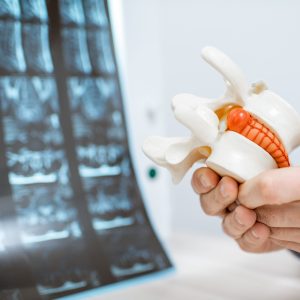
Spinal and Foraminal Stenosis: For patients with spinal stenosis and foraminal stenosis, spinal decompression offers a valuable solution by increasing the space around compressed nerves, which can effectively relieve pain and improve quality of life. Specific osteopathy contributes to this improvement by optimizing joint function and posture, thereby reducing the risk of recurrence. The precision percussion device is useful for specific adjustments, helping realign the spine and relax tense muscles.
Disc Space Narrowing, Disc Protrusion and Disc Bulging: Spinal decompression is particularly effective in treating varying degrees of disc displacement, including disc protrusion, offering a targeted method of relieving pressure on the discs and, by extension, on the affected nerves. As a complementary approach, specific osteopathy improves the overall dynamics of the spine, while the precision percussion device allows precise interventions to correct imbalances and promote better load distribution throughout the spine.
Facet Osteoarthritis: In cases of facet osteoarthritis, spinal decompression can relieve pressure on the affected joints, providing pain relief and improved mobility. Specific osteopathy supports this process by addressing movement restrictions and improving joint function, while the precision percussion device can be used to target areas of tension and problematic alignment.
By making spinal decompression the foundation of treatment for chronic lower back and neck pain, effectively complemented by specific osteopathy and the precision percussion device, this integrated approach offers patients a promising path toward pain relief and functional recovery.
Diagnosing Chronic Pain
Diagnosing chronic pain is a major challenge in medicine because of its complex, multifactorial nature. A systematic, thorough approach is essential to accurately identify the source of pain and develop an appropriate treatment plan. Here are four key aspects of the diagnostic process.
Thorough Clinical Assessment: The first step toward an accurate diagnosis of chronic pain is a detailed clinical assessment. This includes a complete medical history, a symptom assessment and a physical examination. Patients are encouraged to describe their pain in terms of intensity, location and characteristics (throbbing, stabbing, burning, etc.), as well as any factors that trigger or relieve it. This information is crucial for guiding subsequent investigations.
Imaging and Diagnostic Tests: Imaging technologies, such as X-rays, MRI (magnetic resonance imaging) and CT scans (computed tomography), play an important role in diagnosing the underlying causes of chronic pain, particularly those related to structural abnormalities of the spine. Other diagnostic tests, such as nerve conduction studies or nerve block injections, may be used to assess nerve function and identify specific sources of pain.
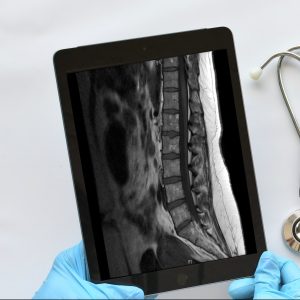
Multidisciplinary Assessment: Because chronic pain can have physical, psychological and social origins, a multidisciplinary assessment is often necessary. This approach may include consultations with specialists in pain management, psychology, neurology, and physical medicine and rehabilitation. The goal is to obtain an overall picture of the impact of pain on the patient's life and determine the best treatment strategy.
Innovative Diagnostic Strategies: In response to the limitations of traditional diagnostic methods, innovative strategies are being developed. These new approaches aim to better understand pain at the molecular level, identify pain biomarkers and use advanced technologies to assess the body's response to pain. Although these methods are still being studied, they promise to considerably improve the accuracy of chronic pain diagnosis.
An accurate diagnosis of chronic pain is a crucial step in effectively guiding the choice of treatments, such as spinal decompression, specific osteopathy and the precision percussion device. A thorough understanding of the source of pain is essential to offer patients the best chances of relief and recovery.
TAGMED Clinic's Innovative Approach to Treating Chronic Pain
TAGMED Clinic stands out in the field of pain treatment through its adoption of innovative, integrated approaches specifically designed to combat chronic pain effectively. Here are four key elements of its method.
Personalization of Treatment: TAGMED Clinic places personalized treatment at the centre of its approach. Recognizing that every patient is unique, TAGMED therapists begin with a thorough assessment to understand the specifics of each person's condition. This understanding then makes it possible to design a tailored treatment plan that incorporates the most appropriate techniques to address the underlying causes of pain, rather than focusing solely on symptoms.
Spinal decompression therapy: The Spinal decompression therapy is one of the cornerstones of the treatments offered by TAGMED. This non-invasive technique aims to relieve pressure on the intervertebral discs and nerves, facilitating the body's natural healing and providing pain relief for conditions such as herniated discs, spinal stenosis and other back and neck conditions. The precision and effectiveness of this method make it a preferred choice for patients seeking alternatives to surgical procedures.
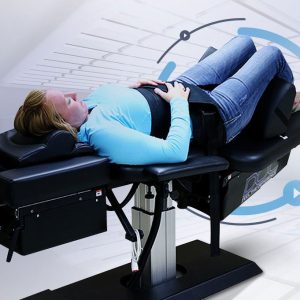
Specific Osteopathy: As a complement to spinal decompression, specific osteopathy is used to treat musculoskeletal imbalances and improve overall bodily function. This gentle manual practice helps restore movement in restricted areas, balance the body's systems and promote circulation, contributing to faster recovery and reduced pain. The holistic approach of specific osteopathy addresses the complex aspects of chronic pain by considering the interaction between different parts of the body.

Precision Percussion Device: The precision percussion device is an innovative therapeutic tool used by TAGMED for targeted adjustments. This device applies specific forces to soft tissues and joints, helping correct spinal misalignments and release muscular tension without discomfort for the patient. Using the precision percussion device as part of a comprehensive treatment plan helps improve alignment, mobility and function, providing lasting relief from chronic pain.
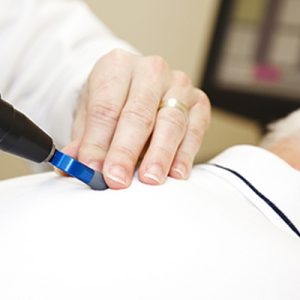
TAGMED Clinic's innovative approach to treating chronic pain represents a significant advance in pain management. By combining advanced technologies with established manual therapies, TAGMED offers patients comprehensive, personalized solutions to overcome chronic pain and improve their quality of life.
Conclusion
The fight against chronic pain is a complex, multidimensional journey that requires a deep understanding and a personalized approach for each patient. TAGMED Clinic stands out in this field by offering a range of innovative, non-invasive treatments designed to address both the symptoms of pain and their underlying causes. Through advanced techniques such as spinal decompression, specific osteopathy, laser therapy, shockwave therapy and the precision percussion device, TAGMED offers renewed hope to people living with chronic pain, helping them regain an improved quality of life.
The clinic's holistic and integrated approach, with its emphasis on personalized treatment, illustrates the importance of treating the whole patient rather than focusing solely on isolated symptoms. This philosophy is crucial to achieving lasting and significant results in the treatment of chronic pain, enabling patients to benefit from a more complete and effective solution to their condition.
The impact of innovation in the treatment of chronic pain, as demonstrated by the TAGMED clinic, underscores the potential to dramatically improve healthcare and patient well-being worldwide. As research and development continues to evolve, it is essential that the medical community remains open and receptive to new methods and technologies that can transform the lives of chronic pain sufferers.
In conclusion, the TAGMED clinic's innovative approach to the treatment of chronic pain represents a promising advance in the field of pain management. By adopting a personalized treatment strategy and using cutting-edge technologies, TAGMED is paving the way towards a future where chronic pain can be managed with greater effectiveness and compassion, offering a glimmer of hope to those who have long sought relief.
FAQ
Chronic Pain
Which conditions are most frequently treated for chronic pain at TAGMED Clinic?
Herniated discs, spinal stenosis, facet osteoarthritis and several other degenerative or injury-related conditions.
Does TAGMED Clinic offer treatment packages for chronic pain?
No, each treatment plan is personalized to meet each patient's unique needs.
How does TAGMED Clinic assess treatment needs for chronic pain?
A comprehensive assessment is carried out at the first consultation to understand the patient's specific needs and develop a personalized plan.
What payment options are available for chronic pain treatments at TAGMED Clinic?
The clinic accepts various payment methods, including cash, debit and credit.
Are chronic pain treatments at TAGMED Clinic covered by insurance?
Many treatments may be covered by insurance. We recommend checking with your insurer.
What factors influence the number of treatments needed for chronic pain?
The severity of the condition, the patient's age, daily activities, adherence to recommendations, overall health and individual response to treatment.
How many sessions are generally needed to treat chronic pain at TAGMED Clinic?
The number of sessions varies depending on the individual and the condition being treated, with a personalized plan established after assessment.
What makes TAGMED Clinic's chronic pain treatments unique?
The use of advanced technologies and manual therapies within a personalized, integrated approach.
Do TAGMED Clinic's treatments require a medical referral?
No, patients can book an appointment directly without a medical referral.
Is laser therapy effective for chronic pain?
Yes, it promotes rapid tissue healing and effectively reduces pain and inflammation.
What role does the precision percussion device play in treating chronic pain?
It allows targeted adjustments, improving alignment, mobility and function without discomfort for the patient.
How does specific osteopathy benefit patients with chronic pain?
It treats musculoskeletal imbalances, thereby improving overall bodily function and reducing pain.
How does spinal decompression help relieve chronic lower back and neck pain?
It reduces pressure on the intervertebral discs and nerves, facilitating natural healing and providing significant relief.
What types of conditions can lead to chronic pain?
Degenerative diseases such as osteoarthritis, neurological conditions such as peripheral neuropathies, injuries and conditions such as fibromyalgia.
What distinguishes chronic pain from acute pain?
Chronic pain persists beyond the normal healing period without an identifiable cause, unlike acute pain, which is a temporary warning signal.
How does chronic pain affect quality of life?
It negatively affects sleep, mood, social relationships and the ability to carry out daily activities.
What are the main benefits of the treatments offered by TAGMED Clinic for chronic pain?
The treatments aim to address the underlying causes of pain, offering personalized solutions based on a thorough assessment of each patient.
What approach does TAGMED Clinic use to treat chronic pain?
It uses an innovative approach combining specific osteopathy, spinal decompression, laser therapy, shockwave therapy and the precision percussion device.
How does TAGMED Clinic define chronic pain?
Chronic pain is described as pain that persists well beyond the normal healing period, becoming a condition in its own right.


 Français du Canada
 English (Canada)