Musculoskeletal disorders (MSDs)
Musculoskeletal disorders (MSDs) encompass a wide range of pathological conditions affecting the musculoskeletal system, including muscles, tendons, ligaments and nerves. These disorders, which manifest as symptoms such as pain, weakness and disability, often result from occupational exposures or repetitive movements in daily life. The increasing prevalence of MSDs among the working population raises major concerns, both for individual health and for their economic impact on healthcare systems and organizations.
Changes in working conditions, marked by increasing digitalization and prolonged working postures, have led to a rise in MSD cases, placing the urgent need for appropriate intervention at the centre of public health discussions. However, an inappropriate choice of treatment for MSDs can cause unnecessary suffering, contribute to chronic health conditions and impose enormous costs on society. This highlights the crucial importance of an accurate diagnosis and targeted therapeutic care, which must take priority to prevent symptoms from worsening and promote optimal recovery.
Furthermore, the complexity of MSDs and the diversity of contributing factors require a personalized, multidisciplinary approach to treatment selection. Developing appropriate prevention and care strategies depends on a thorough understanding of the underlying mechanisms and individual and occupational risk factors. Raising awareness among individuals and employers about ergonomic practices and the need for early intervention is also fundamental to reducing the incidence of MSDs.
Failure to adopt appropriate management of MSDs can lead to a deterioration in the quality of life of those affected, with lasting effects on their ability to work and lead an active life. Consequently, an informed and judicious choice of treatment for MSDs is essential to minimize unnecessary suffering, prevent disorders from becoming chronic and reduce costs for individuals and society. This requires close collaboration among healthcare professionals, patients and workplace stakeholders to develop and implement effective, appropriate management strategies.

Definition
Musculoskeletal disorders (MSDs) refer to a group of pathological conditions affecting the different components of the musculoskeletal system, including muscles, tendons, ligaments and nerves. These disorders primarily manifest as pain, discomfort, burning sensations, tingling or weakness in the affected limbs. Their origins vary, ranging from repetitive movements and inappropriate postures at work to demanding daily activities or specific traumatic events.
The complexity of MSDs lies in their diversity and the many associated risk factors. They can be caused or aggravated by occupational conditions, such as repeatedly lifting heavy loads, performing repetitive tasks over long periods or exposure to vibration. MSDs are also influenced by individual factors, such as age, sex, pre-existing health conditions and physical activity levels. This complexity requires an individualized approach to diagnosing, treating and preventing these disorders.
Furthermore, MSDs do not only affect individuals physically; they also have significant psychosocial consequences. Chronic pain and functional limitations can lead to psychological distress, reduced quality of life and prolonged work absences. This aspect highlights the importance of holistic care that integrates physical, psychological and social considerations in the treatment of MSDs.
Early recognition of MSD symptoms and risk factors is essential to prevent their onset or progression. An ergonomic assessment of working environments and lifestyle habits, combined with education on health and safety practices, can play a decisive role in reducing the incidence of these disorders. Awareness and proactive action are therefore key elements in addressing MSDs, with the aim of improving overall well-being and reducing the burden on healthcare systems and economies.
List of Conditions
Musculoskeletal disorders (MSDs) encompass a wide range of conditions affecting various parts of the body: carpal tunnel syndrome, for example, is a common condition resulting from pressure on the median nerve at the wrist, causing pain, numbness and weakness in the hand and fingers. Often associated with activities involving repetitive hand movements or prolonged non-ergonomic postures, this disorder illustrates the direct impact of working conditions on musculoskeletal health.
Tendinitis, characterized by inflammation of a tendon, is another frequently encountered condition. It causes acute or chronic pain around the affected joint, often limiting mobility and the ability to perform daily tasks. Tendinitis is particularly common among athletes and workers performing manual or repetitive tasks, highlighting the importance of prevention and appropriate management of ergonomic risks.

Low back pain is a major cause of disability worldwide. It can be attributed to a variety of factors, including inappropriate postures, incorrect lifting techniques or unfavourable working conditions. This condition highlights the complexity of MSDs, requiring a multidisciplinary approach to prevention and treatment that includes adapting working environments, physical exercise and targeted therapeutic interventions.
Furthermore, conditions such as bursitis, epicondylitis (also known as "tennis elbow") and rotator cuff disorders highlight the diversity of MSDs and the need for an accurate diagnosis for effective management. Each of these conditions can result from a combination of mechanical overload, repetitive movements and poor ergonomics, requiring specific treatment strategies that address both the symptoms and the underlying causes.
Finally, it is crucial to recognize that MSDs have more than physical effects. Their management requires careful consideration of the psychosocial, economic and occupational impacts on affected individuals. Collaboration among healthcare professionals, employers and workers is essential to develop safe, supportive working environments and promote active, healthy lifestyles that prevent these disorders.
Diagnosis
The diagnostic process for MSDs typically begins with a detailed clinical assessment, including a complete medical history and physical examination. Healthcare professionals seek precise information about the patient's symptoms, work and leisure activities, and any previous exposure to MSD risk factors. This initial step is crucial to guide the choice of subsequent diagnostic tests and establish a personalized treatment plan.
A thorough physical examination allows the assessment of pain, stiffness, swelling and function in the affected areas. Strength tests, range-of-motion assessments and specific manoeuvres may be performed to identify the structures involved. This direct approach is often sufficient to diagnose common MSDs, but further investigations may be necessary in some cases.
Advanced diagnostic tests, such as magnetic resonance imaging (MRI), X-rays or ultrasound, may be required to confirm the diagnosis and rule out other conditions. These imaging methods provide a detailed view of internal structures, allowing precise identification of abnormalities in soft tissues, joints or bones. MRI is particularly useful for visualizing tendons, ligaments and intervertebral discs, while ultrasound can be used to assess tendinitis and bursitis in real time.
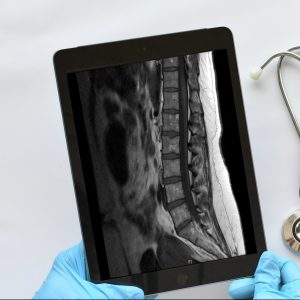
Furthermore, for certain MSDs such as carpal tunnel syndrome, electrophysiological tests such as electromyography (EMG) and nerve conduction studies may be performed. These tests measure electrical activity in muscles and nerve conduction speed, helping confirm the presence and extent of nerve damage. These assessments are particularly important for diagnosing conditions in which nerve symptoms predominate.
Considering psychosocial factors is also a key part of diagnosing MSDs. Healthcare professionals may assess the impact of working conditions, stress and emotional factors on the patient's symptoms. This holistic approach ensures that MSD treatment addresses not only physical symptoms but also contributing environmental and psychological factors.
Finally, an accurate and comprehensive diagnosis of MSDs requires close collaboration among patients, healthcare professionals and, sometimes, ergonomists. Together, they can identify not only the immediate cause of pain but also underlying risk factors related to the patient's lifestyle or work, facilitating the development of an effective treatment and prevention plan.
TAGMED Clinic's Innovative Approach to Treating MSDs
TAGMED Clinic stands out in healthcare through its innovative, integrated approach to treating musculoskeletal disorders (MSDs). Recognizing the complexity of these conditions and the limitations of traditional methods, TAGMED has developed a multidisciplinary strategy combining advanced technology with advanced therapeutic techniques to offer personalized, effective solutions for patients with MSDs.

Advanced, Personalized Techniques
At the heart of TAGMED's approach, individualized treatment is based on a precise assessment of each MSD case. This detailed assessment allows the development of a tailored treatment plan that may combine advanced techniques such as manual therapy, spinal decompression and laser therapy at high intensity. By adapting treatment to each patient's specific needs, TAGMED aims to maximize the effectiveness of interventions and accelerate the healing process.
Integration of Innovative Technologies
The TAGMED clinic integrates advanced technologies into its treatment protocols, such as shockwave therapy and precision percussion, recognized for their ability to effectively target affected areas and stimulate the body's natural healing processes. These advanced technologies allow MSDs to be treated at their source, offering a non-invasive, painless alternative to conventional methods.
Multidisciplinary Collaboration
TAGMED's team adopts a collaborative approach, combining the expertise of different healthcare professionals, including physicians, osteopaths and physiotherapists. This collaboration ensures comprehensive management of MSDs, addressing not only physical symptoms but also the underlying factors contributing to the condition. The goal is to restore function, reduce pain and prevent recurrence.
Education and Prevention
In addition to direct interventions, TAGMED places strong emphasis on patient education and MSD prevention strategies. Patients receive information about ergonomic best practices, strengthening and stretching exercises, and lifestyle changes that can contribute to better musculoskeletal health. This educational approach aims to equip individuals with the tools needed to maintain the benefits of treatment over the long term and minimize the risk of recurrence.
Treatments
Specific Osteopathy
Osteopathy is distinguished by its holistic approach to the body, treating MSDs through manual manipulations aimed at restoring mobility and reducing pain. The specific osteopathic techniques may vary depending on the condition being treated, but generally focus on improving circulation, reducing muscle tension and supporting the body's natural ability to heal itself.

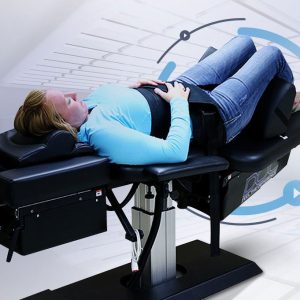
Spinal decompression therapy
The Spinal decompression therapy is a non-invasive technique used to treat back pain, particularly pain caused by herniated discs. By gently stretching the spine, it aims to reduce pressure on the intervertebral discs, promoting healing and providing pain relief.
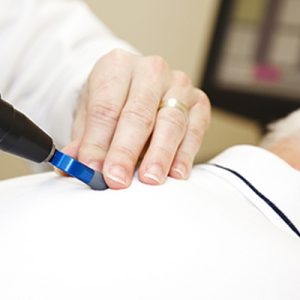
Laser Therapy
The laser therapy at low intensity is used to treat MSDs by stimulating soft-tissue healing and reducing inflammation. This non-invasive method uses laser light to penetrate the skin and reach targeted tissues, accelerating cellular repair.

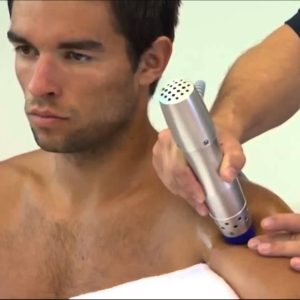
Shockwave Therapy
Shockwave therapy is another non-invasive treatment modality for MSDs, using sound waves to stimulate healing in affected areas. It is particularly effective in treating tendinitis that is chronic by breaking down calcium deposits and improving blood circulation in the injured tissue.
Precision Percussion Device
The precision percussion device is a therapeutic tool designed to target specific areas of tension or imbalance in soft tissues. Used to treat MSDs, it assists in releasing tense muscles and improving range of motion by delivering precise mechanical impulses to affected areas.
Conclusion
Musculoskeletal disorders (MSDs) represent a major challenge for public health and healthcare systems worldwide. Their complexity, arising from numerous risk factors and a wide variety of clinical presentations, requires sophisticated, multidimensional approaches to diagnosis, treatment and prevention. Increased awareness of the impact of MSDs on individuals' quality of life and on the economy highlights the urgency of adopting effective management strategies that encompass both traditional healthcare and technological innovations.
The introduction of the innovative approach of TAGMED clinic to treating MSDs marks a turning point in how these conditions are addressed. By combining personalized assessment, advanced technologies and multidisciplinary collaboration, TAGMED illustrates the effectiveness of an integrated, patient-centred strategy. This method not only addresses MSD symptoms effectively but also tackles their underlying causes, offering lasting solutions for patients.
Prevention also plays a crucial role in addressing MSDs. Patient education and awareness of healthy working and lifestyle practices are essential to reduce the incidence of these disorders. Furthermore, working environments must continue to evolve to promote ergonomics and reduce MSD-related risk factors. Widespread adoption of these preventive practices, combined with the innovative treatment approach, can significantly reduce the burden of MSDs on individuals and society.
In conclusion, effective management of musculoskeletal disorders requires an ongoing commitment to innovation, education and prevention. The approach of TAGMED clinic represents an exemplary model in this field, offering hope and relief to the many individuals affected by these disorders. As we move forward, it is essential to continue exploring and integrating new treatment and prevention strategies, with the ultimate goal of improving musculoskeletal health and quality of life for everyone.
FAQ
Musculoskeletal disorders
What benefits does shockwave therapy offer for treating MSDs?
Shockwave therapy is particularly effective in breaking down calcium deposits in chronic tendinitis and stimulating tissue healing and regeneration. It improves blood circulation in treated areas, reducing pain and increasing mobility. This non-invasive approach offers an effective alternative to conventional treatments, with little or no downtime for patients.
What are the benefits of laser treatment for MSDs?
Laser treatment provides a significant reduction in inflammation and pain, stimulates soft-tissue healing and accelerates cellular repair. This non-invasive method precisely targets affected areas, promoting rapid recovery without the side effects associated with medication.
What benefits does spinal decompression offer for MSDs?
It reduces pressure on the intervertebral discs, promoting healing and providing relief from back pain.
How does specific osteopathy contribute to MSD treatment?
Through manual manipulations to restore mobility and reduce pain, adapted to each patient's needs.
What innovations does TAGMED Clinic bring to MSD treatment?
It integrates advanced technologies (shockwave, laser, spinal decompression) and advanced therapeutic techniques (specific osteopathy, precision percussion) to provide personalized, effective treatments.
What are the challenges in diagnosing MSDs?
Their complexity and diversity make diagnosis demanding, often requiring advanced diagnostic tests.
Why is early action important for MSDs?
To prevent them from worsening, minimize unnecessary suffering and reduce costs for individuals and society.
How does a multidisciplinary approach assist in treating MSDs?
It ensures comprehensive care, addressing physical symptoms as well as underlying factors.
Which strategies are effective for treating MSDs?
These include ergonomic adjustments and targeted therapeutic interventions.
How does low back pain affect individuals?
It causes pain in the lower back, resulting from inappropriate postures, incorrect lifting techniques or unfavourable working conditions.