Treatment of facet osteoarthritis by spinal decompression therapy
09/27/23
Herniated Disc: Understanding the Causes and Available Treatment Options
09/28/23
Introduction
Foraminal stenosis is a medical condition that affects a considerable number of individuals, primarily manifesting as back pain and various neurological symptoms such as numbness and tingling. This condition can seriously hamper the quality of life of those affected, limiting their mobility and daily comfort. The symptoms can be quite debilitating, making even the simplest tasks difficult to complete, highlighting the importance of finding effective treatment.
Traditionally, surgery has been the most common recourse to treat this condition, but it carries risks and complications that may deter some patients. However, non-surgical alternatives are gaining popularity and scientific credibility. Among these options, the Spinal decompression therapy stands out as a non-invasive method offering promising results. This technique, which will be explored in detail in this blog post, uses a specialized traction table to gently stretch the spine, relieving pressure on compressed nerves and improving blood circulation to affected areas.
What is Foraminal Stenosis?

Definition and etiology
Foraminal stenosis is a medical condition characterized by a narrowing of the foraminal space, which is the opening through which nerves exit the spine to other parts of the body. This narrowing is often caused by degenerative conditions such as osteoarthritis, where the cartilage between the vertebrae wears away over time, or by the presence of herniated discs, which are abnormal protrusions of the intervertebral disc that can compress adjacent nerves.
The causes of foraminal stenosis are multiple and can include a variety of factors. Natural aging is one of the most common contributors, as degenerative changes to the spine are more common with age. In addition, external factors such as physical trauma, accidents or degenerative diseases like spondyloarthritis can also lead to narrowing of the foraminal space. Understanding the etiology of this condition is crucial to developing an effective treatment plan, which can vary from conservative management to more invasive interventions depending on the severity of symptoms.
Common symptoms
Foraminal stenosis is a medical condition that presents with a range of symptoms, often difficult to ignore. Among the most common is back pain which can be both acute and chronic. These pains are often accompanied by numbness and tingling sensations, especially in the extremities like the arms and legs. These symptoms may be intermittent or constant, but they are usually a sign that the nerves passing through the spinal foramina are compressed or irritated in some way.
It is crucial to note that these symptoms are not static; they tend to get progressively worse if the condition is left untreated. The impact on mobility can become increasingly limiting, making simple tasks like walking or even standing for long periods increasingly difficult. Additionally, quality of life may be significantly affected, as symptoms may interfere with sleep, work, and other daily activities. Therefore, it is imperative to seek proper diagnosis and treatment to avoid further deterioration of the condition.
Traditional treatment options
When treating foraminal stenosis, several traditional options are commonly used to alleviate symptoms and improve patients' quality of life. Among these options, nonsteroidal anti-inflammatory drugs (NSAIDs) are often the first line of treatment to control pain and inflammation. Physical therapy is also a frequently recommended modality, offering exercises and rehabilitation techniques that aim to improve mobility and strengthen the back muscles. In more severe cases where these conservative treatments do not provide sufficient relief, surgery may be considered as a more permanent solution, although this option is usually reserved for the most extreme cases.

However, it is important to note that these traditional methods are not free of risks and side effects. Anti-inflammatory medications, for example, can cause gastrointestinal problems, cardiovascular risks and other complications when used over a long period of time. Surgery, on the other hand, carries its own risks, including those related to anesthesia, postoperative infections, and the long recovery period. These potential drawbacks prompt many patients to seek less invasive and safer treatment alternatives. It is in this context that options like spinal decompression therapy are gaining popularity, offering a less risky and often equally effective approach.
Neurovertebral Decompression as an Alternative
What is spinal decompression therapy?
Neurovertebral decompression is an innovative therapeutic approach that stands out for its non-invasive nature and its focus on the well-being of the spine. Using a traction table specifically designed for this procedure, this technique aims to stretch the spine in a controlled and precise manner. The main goal is to create additional space between the vertebrae, which has the immediate effect of relieving pressure on the spinal nerves, often the cause of various painful or uncomfortable symptoms.

Additionally, spinal decompression therapy doesn't just provide temporary relief; it also promotes blood circulation to areas of the spine that are affected, which can speed up natural healing processes. This improvement in blood circulation also allows for better distribution of essential nutrients to the spinal discs, thus contributing to their regeneration and long-term health. In short, spinal decompression therapy offers a complete therapeutic alternative, aiming not only to alleviate symptoms but also to promote a more lasting state of vertebral health.
How it works?
The spinal decompression therapy process is a highly specialized procedure that begins with positioning the patient on an advanced traction table. This table is programmed to apply targeted traction forces at specific intervals along the spine. The goal is to create optimal space between the vertebrae, which helps reduce pressure on the nerves and intervertebral discs. Table programming is carefully calibrated for each patient, based on their specific condition, to ensure traction is applied in a manner that maximizes therapeutic benefits.
The application of these traction forces generates a unique “pumping” effect on the spinal discs. This effect promotes the circulation of essential fluids and nutrients in and around the discs, facilitating the process of cellular regeneration. By creating an environment conducive to healing, Neurovertebral decompression not only relieves pain and other symptoms associated with conditions such as foraminal stenosis, but it also contributes to overall spinal health. This mechanism of action, supported by clinical studies, makes the neurovertebral decompression a treatment option non-invasive treatment for a variety of back conditions.
Benefits of decompression neurovertébrale
Neurovertebral decompression stands out as a particularly beneficial treatment option due to its non-invasive nature. This intrinsic quality eliminates many of the risks and complications often associated with surgical procedures, such as infections, reactions to anesthetics and long recovery periods. By avoiding these obstacles, spinal decompression therapy offers a safer treatment pathway for patients, while still maintaining clinical effectiveness in relieving symptoms associated with conditions like foraminal stenosis.
Additionally, the ambulatory nature of this medical technique adds an extra layer of convenience for patients. Unlike surgical methods that may require prolonged hospitalization and recovery time, spinal decompression therapy allows individuals to return to daily activities almost immediately after treatment. This speed of recovery is not only beneficial for the psychological well-being of the patient, but it also has a positive impact on the quality of life in general, allowing faster and smoother integration into the daily routine.
Outpatient procedure and return to activities
Neurovertebral decompression stands out for its simplicity and effectiveness, providing patients with an outpatient procedure that eliminates the need for prolonged hospitalization. In general, the duration of the procedure is remarkably short, often completed in less than an hour. This speed not only minimizes the time spent in the clinic, but also reduces the stress associated with longer and more complex medical procedures.
One of the most significant advantages of this treatment method is the almost immediate return to daily activities. Patients can return to their usual routine without delay, making it a particularly convenient option for those who cannot afford an extended recovery period. This feature is particularly beneficial for active people or those who have work and family responsibilities that make prolonged absence difficult. Neurovertebral decompression thus offers a treatment solution that is both effective and adapted to the modern pace of life.
Treatment Effectiveness and Safety
Scientific research on the Neurovertebral decompression as a treatment method for foraminal stenosis have produced encouraging results. Several clinical studies and systematic reviews have put This highlights the effectiveness of this non-invasive technique. The data collected show a significant reduction in symptoms commonly associated with this condition, including back pain, numbness, and weakness in the limbs. These results are particularly noteworthy because they offer a viable alternative to surgical treatments, which are often associated with greater risks and longer recovery times.

In addition to the alleviation of symptoms, studies also highlighted a notable improvement in the quality of life of patients who underwent spinal decompression therapy. This improvement is measured using various indices, such as pain rating scales and quality of life questionnaires. Importantly, these benefits were observed in several independent studies, supporting the credibility of spinal decompression therapy as an effective and safe treatment option for foraminal stenosis.
Comparison with surgical options
When it comes to treating foraminal stenosis, surgery is often considered an option of last resort due to its inherent risks and potential side effects, such as infections, anesthetic complications, and long recovery periods. In stark contrast, spinal decompression therapy is emerging as a safer alternative. This non-invasive technique minimizes the risks associated with the treatment, including eliminating the need for surgery which could lead to complications. Additionally, it offers the benefit of faster recovery, allowing patients to return to daily activities almost immediately.
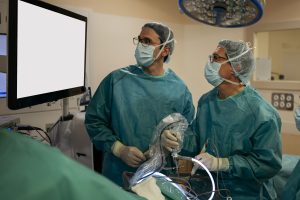
Neurovertebral decompression is particularly beneficial for a subpopulation of patients who might be ineligible for surgery due to various medical contraindications, such as cardiac problems, history of allergic reactions to anesthesia, or other health conditions. pre-existing health. For these individuals, as well as those who are reluctant to undergo surgery, this method offers an alternative route to achieving significant symptom relief. It allows for a more personalized treatment approach that can be tailored to the specific needs of each patient, while providing clinical effectiveness supported by scientific studies.
Side effects and risks
Neurovertebral decompression is a non-invasive treatment method that has gained popularity due to its effectiveness and safety. However, like any medical intervention, it is not completely free of risks or side effects. In general, side effects associated with this technique are considered minimal. Patients may experience slight pain or temporary discomfort immediately after the procedure. These symptoms are generally short-lived and fade as the body adapts to the structural changes induced by decompression.
Since spinal decompression therapy involves manipulation of the spine, it is imperative to consult a qualified healthcare professional for a complete evaluation before undergoing this treatment. Accurate diagnosis and eligibility assessment are essential to minimize risks and maximize treatment benefits. The healthcare professional will consider various factors, such as age, general health, and severity of foraminal stenosis, to determine if this method is most appropriate for you. A prior consultation not only allows us to assess the suitability of the treatment, but also to discuss expectations and possible side effects or complications.
Conclusion
The Spinal decompression therapy presents itself as a promising non-surgical alternative in the treatment of foraminal stenosis. Using a specialized traction table to gently stretch the spine, this technique has the potential to effectively relieve pressure on compressed nerves and promote blood flow to affected areas. It offers the advantage of being an outpatient procedure, meaning that patients do not need to be hospitalized and can resume their daily activities almost immediately. What's more, it eliminates the risks often associated with surgical procedures, such as infections and post-operative complications.
What makes this method particularly appealing is the growing body of scientific evidence that supports its effectiveness. Several studies have demonstrated that spinal decompression therapy is able to significantly reduce symptoms associated with foraminal stenosis, including pain, numbness and weakness in the limbs. These positive results suggest that this technique could well be a viable solution to improve the quality of life of people with this condition, without the constraints and risks inherent to surgical options. So, for those looking to treat their foraminal stenosis without having to undergo surgery, spinal decompression therapy merits serious consideration.
Contact us immediately
If you or a loved one are struggling with the challenges and discomforts associated with foraminal stenosis, it is crucial to know that there are non-surgical treatment options that can offer significant relief. Neurovertebral decompression, supported by rigorous scientific studies, offers a viable alternative to surgery, with minimal risks and side effects. We strongly encourage you to consider this method as a potential avenue to improve your quality of life without the complications often associated with surgical procedures.
For more detailed information on this revolutionary technique, or to discuss your eligibility for treatment, we invite you to visit our website, where you will find additional resources, patient testimonials and options for taking the treatment. appointment. You can also contact us directly for a personalized consultation with our spine care experts. Don't miss this opportunity to take charge of your well-being and discover a solution that could change your life.
Scientific Studies and Articles:
- Efficacy of Spinal Decompression Therapy for Lumbar Disc Herniation: A study published in the Journal of Orthopedic Surgery and Research that examines the effectiveness of spinal decompression for herniated disc treatment lumbar. Link to the study
- Non-Surgical Spinal Decompression for the Treatment of Chronic Low Back Pain: An article from the journal Spine that explores the benefits of spinal decompression for the treatment of chronic back pain. Link to article
- Spinal Decompression in the Treatment of Foraminal Stenosis: A study published in the Journal of Spinal Disorders & Techniques that focuses specifically on the effectiveness of spinal decompression for the treatment of foraminal stenosis. Link to the study
- Safety and Effectiveness of Spinal Decompression: An article from the European Spine Journal that examines the risks and side effects associated with spinal decompression. Link to article
Would you like to know more about the treatment of foraminal stenosis? Visit our website for more information.
If you are dealing with foraminal stenosis and looking for relief, don't miss this opportunity to learn more about available treatments. Visit the TagMed Clinic today by clicking on the link below:





 Français du Canada
  English (Canada)