Lumbar disc replacements: the benefits for young patients
09/06/25
Dynamic implants: tailored solutions for each patient
09/10/25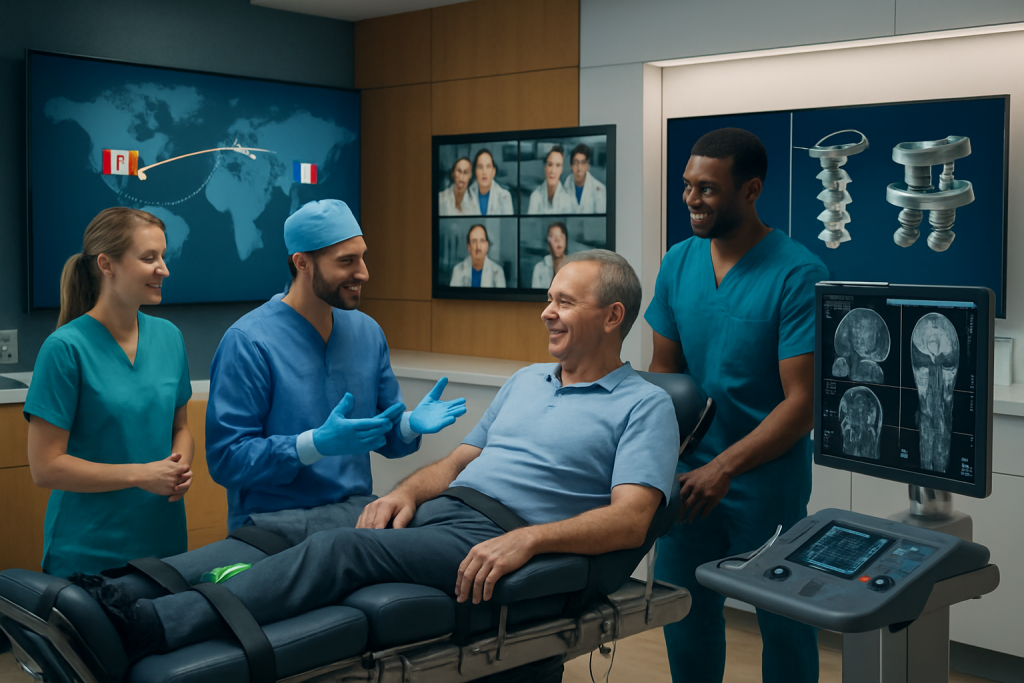
Spinal fusion surgery, often called spinal arthrodesis, is a recognized solution for treating chronic back and neck pain when conservative treatments have been insufficient. Despite its effectiveness in stabilizing the spine and reducing debilitating symptoms, this procedure carries risks and complications that are essential to understand before undergoing it. By 2025, advances in dynamic implants and innovative surgical techniques offer promising alternatives focused on preserving spinal mobility. For Quebec patients considering surgical treatment in France, the personalized and coordinated care pathway, with specialized centers like the TAGMED Clinic, guarantees high-quality support. This text explores in depth the issues related to risks, post-operative complications, and rehabilitation afterward. merger, while highlighting the importance of rigorous expertise and appropriate transatlantic coordination.
The major risks associated with spinal fusion surgery and their impact on spinal health
Spinal fusion involves permanently joining two or more vertebrae to stabilize a pathological segment of the spine, often in cases of spinal stenosis, degenerative disc disease, or herniated disc. This intervention, by immobilizing an area, inevitably alters the natural biomechanics of the spine by transferring stresses to adjacent segments.
This mechanical overload can lead to accelerated degeneration of these neighboring segments, causing residual pain or the need for further surgery. This phenomenon is called adjacent segment degeneration. Furthermore, the success of the fusion depends on bone consolidation between the treated vertebrae, a delicate phase that can be compromised by pseudarthrosis, a failure of spinal bone grafting that leads to persistent instability and chronic pain.
Beyond these biomechanical effects, spinal arthrodesis can lead to a significant decrease in mobility at the fused level, which influences the patient's functional, physical and social quality of life.
Main long-term risks of spinal fusion
- Degeneration of the adjacent segment: The increased load on the neighboring vertebrae causes them to wear out rapidly.
- Pseudarthrosis: Failure of bone fusion, resulting in persistent pain and instability.
- Functional loss: Stiffening of the operated area limits flexibility and can affect posture.
| Long-term risk | Description | Possible consequences |
|---|---|---|
| Degeneration of the adjacent segment | Premature wear of vertebrae near the fused segment | Recurring pain, additional surgical interventions |
| Pseudarthrosis | Lack of stable bone consolidation after arthrodesis | Persistent pain, instability, new surgery |
| Reduced mobility | Spinal immobilization at the fused level | Loss of flexibility, biomechanical adaptation |
To better understand these risks, it is advisable to consult specialists in back surgery Having extensive experience, particularly in dynamic implants such as the TOPS or IntraSPINE systems, this represents an attractive solution. These techniques, offered in leading centers in France, aim to maintain spinal mobility while ensuring the necessary stabilization.
Quebec patients are advised to consider a complete medical journey including a phase of prolonged conservative treatments – such as those offered by the TAGMED Clinic – before any final surgical decision.
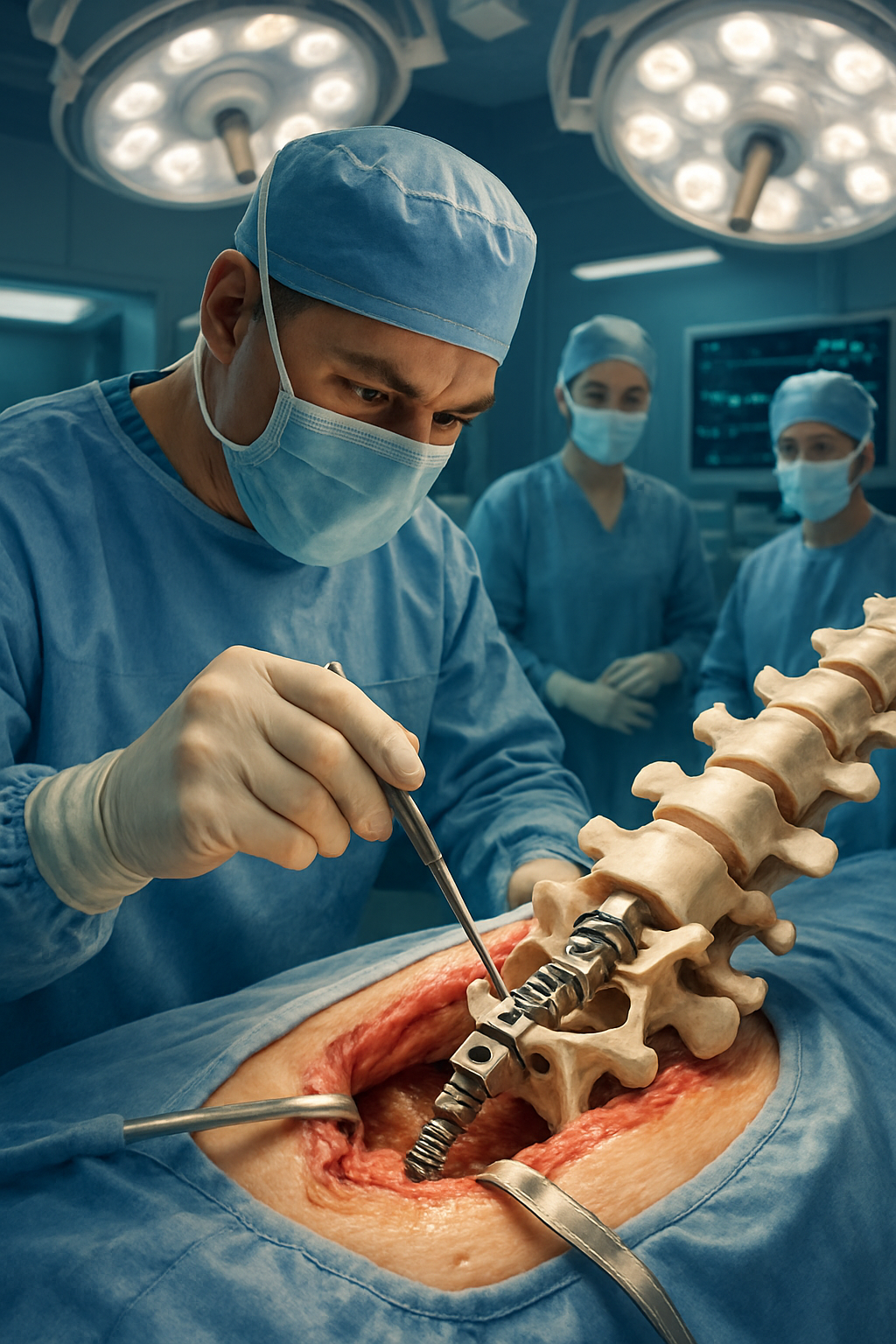
Common post-operative complications include spinal infections, pain, and nerve disorders.
After lumbar or cervical fusion, the postoperative period must be closely monitored. Potential complications include: spinal infections Infections at the surgical site represent a major challenge. They can manifest as local or deep inflammation, sometimes requiring reoperation for drainage and prolonged antibiotic treatment.
Nerve damage during surgery is another significant risk. The surgeon must handle natural nerve structures with care to minimize postoperative neuropathy, which can cause numbness, tingling, or muscle weakness in the limbs. Close monitoring and rehabilitation after fusion are crucial to alleviating these symptoms.
Thromboembolic complications such as blood clot formation also pose a threat. Prevention through early mobilization and appropriate anticoagulant therapy is a cornerstone of postoperative management. It is also important to address residual pain, a phenomenon sometimes observed despite successful surgery and often linked to factors such as nonunion or irritation of surrounding tissues.
- Post-operative infections: Surgical wound, bone inflammation
- Neuropathy: Nerve damage causing pain and weakness
- Deep vein thrombosis: Risk of blood clots in the limbs
- Persistent chronic pain: They can result from pseudarthrosis or other causes
| Post-operative complication | Description | Support |
|---|---|---|
| Infection | Local or deep infection of the surgical site | Antibiotics, drainage, possible reoperation |
| Neuropathy | Nerve damage causing pain, weakness | Rehabilitation, medication, neurological monitoring |
| Thrombosis | Postoperative blood clot formation | Anticoagulants, rapid mobilization |
The expertise and collaboration between French surgeons and Quebec teams, integrated through services such as SOS Medical Tourism, allow for secure management in order to minimize these complications and ensure quality post-operative follow-up.
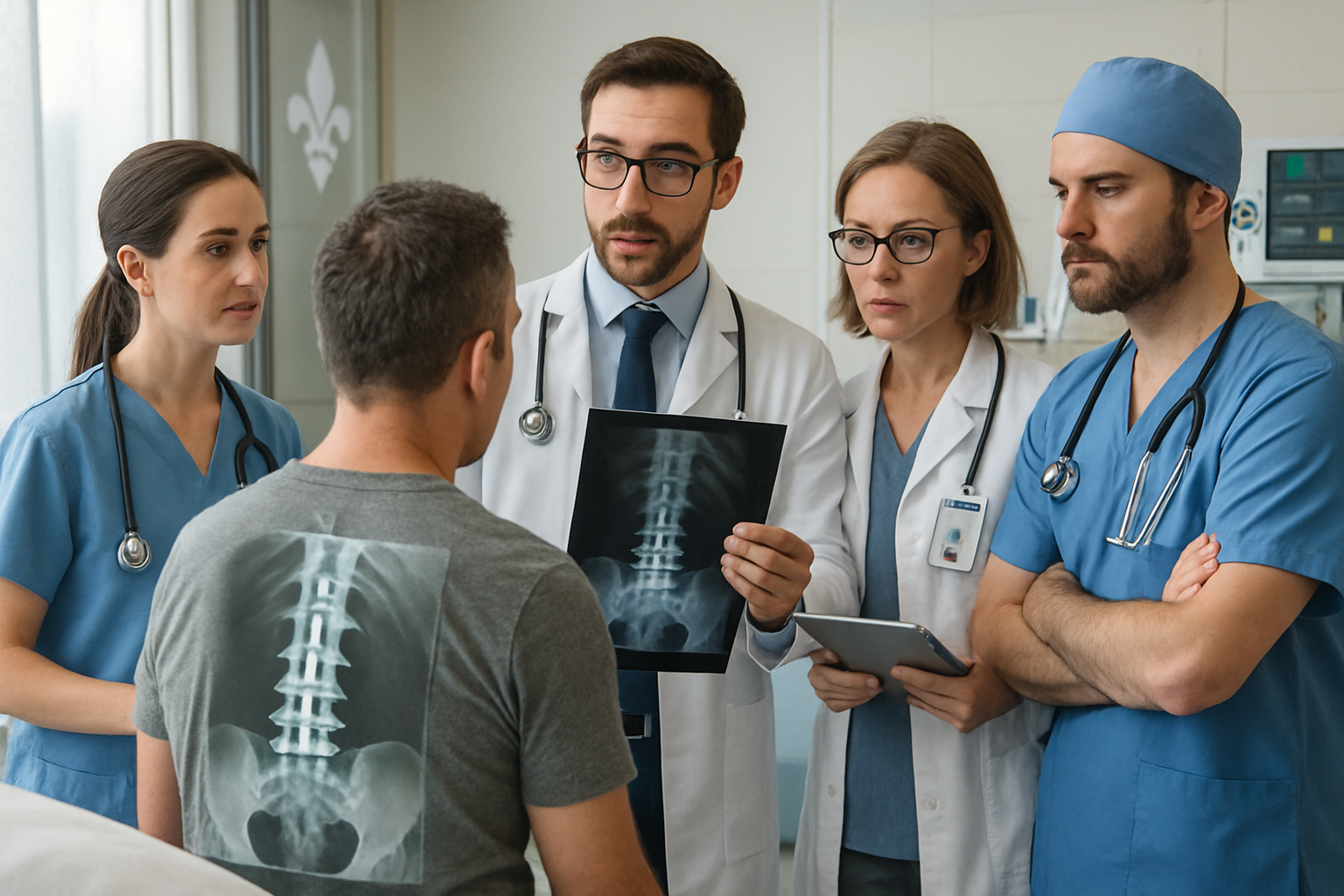
Rehabilitation after spinal fusion: an essential pillar for optimizing recovery and preserving mobility
Post-fusion rehabilitation is a crucial phase, aiming not only to accelerate healing but also to limit long-term risks, including excessive loss of mobility and the development of residual pain. A tailored protocol focuses on strengthening the paraspinal muscles, improving joint range of motion, and teaching protective postures for everyday activities.
Thanks to a personalized approach, rehabilitation also helps prevent the degeneration of adjacent segments. This stage, often carried out in specialized facilities such as the TAGMED Clinic, is part of a comprehensive pathway that integrates multidisciplinary patient care from the initial assessment to full functional recovery.
- Immediate phase: pain management, gentle mobilization
- Intermediate phase: progressive muscle strengthening exercises
- Advanced phase: Implementation of ergonomic postures, prevention of relapses
| Rehabilitation phase | Clinical objectives | Main interventions |
|---|---|---|
| Postoperative mediate | Pain control, gentle mobilization | Physiotherapy, medication management, postural advice |
| Intermediate phase | Muscle strengthening, restoration of mobility | Physiotherapy, progressive exercises |
| Late phase | Relapse prevention, functional autonomy | Occupational therapy, postural coaching |
This rehabilitation is also a time for human support, where motivation and accurate information contribute to the ultimate success of the intervention. The use of innovative technologies and the advice of specialists in back surgery is an asset for a return to a satisfying active life.
Dynamic implants: a surgical advancement to limit complications and preserve mobility
Dynamic implants such as the TOPS or IntraSPINE systems are revolutionizing spinal surgery by providing an alternative to traditional lumbar fusion. These devices stabilize the vertebrae while allowing a degree of freedom of movement, thus limiting the overload on adjacent segments and reducing the risk of long-term complications.
These implants are particularly well-suited to conditions such as spondylolisthesis or complex disc herniations, offering significant biomechanical benefits. Surgery motion is a widely recognized French innovation, with a rapid return to professional life demonstrated and documented in reference centers such as the TAGMED Clinic.
- TOPS: dynamic segmental stabilization ideal for cases of spondylolisthesis
- IntraSPINE: interfacet device to dampen stresses and preserve the joint
- Preserving mobility: functional maintenance and reduction of residual pain
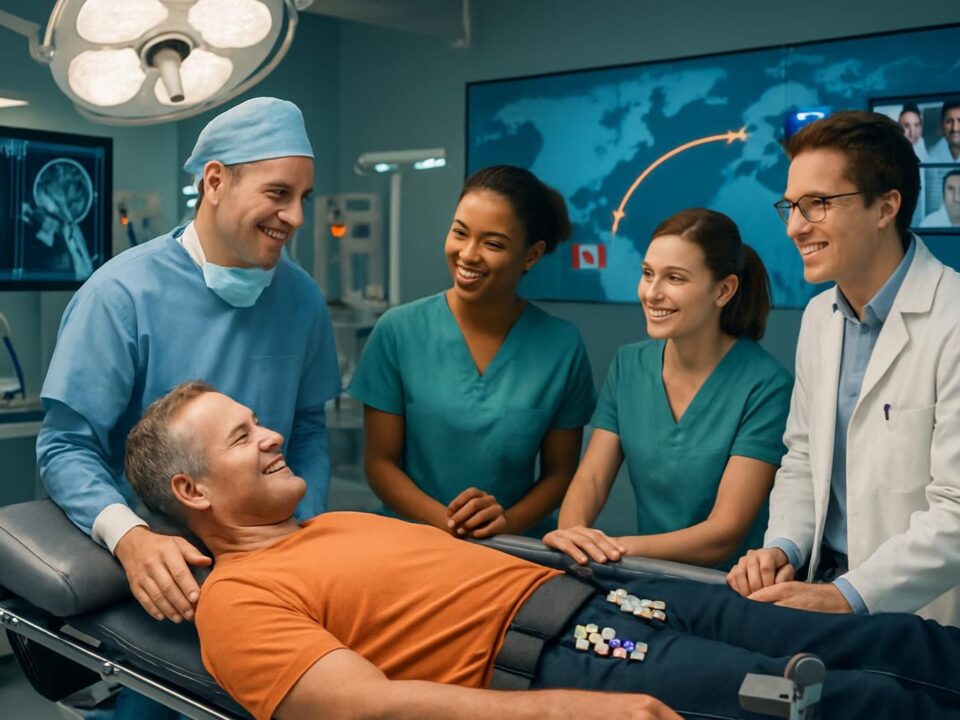
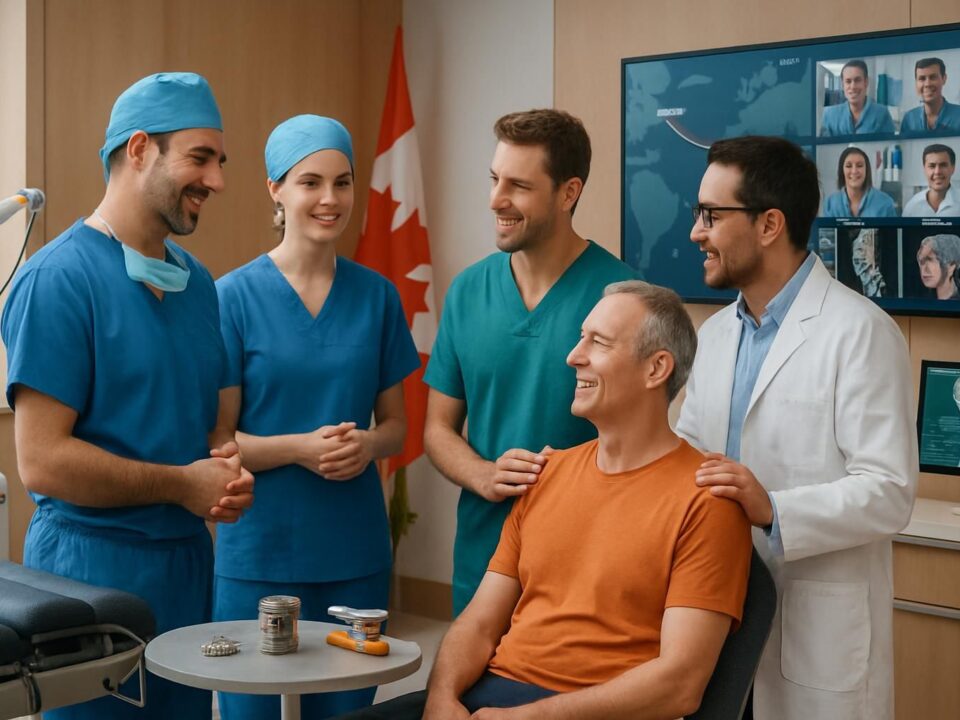
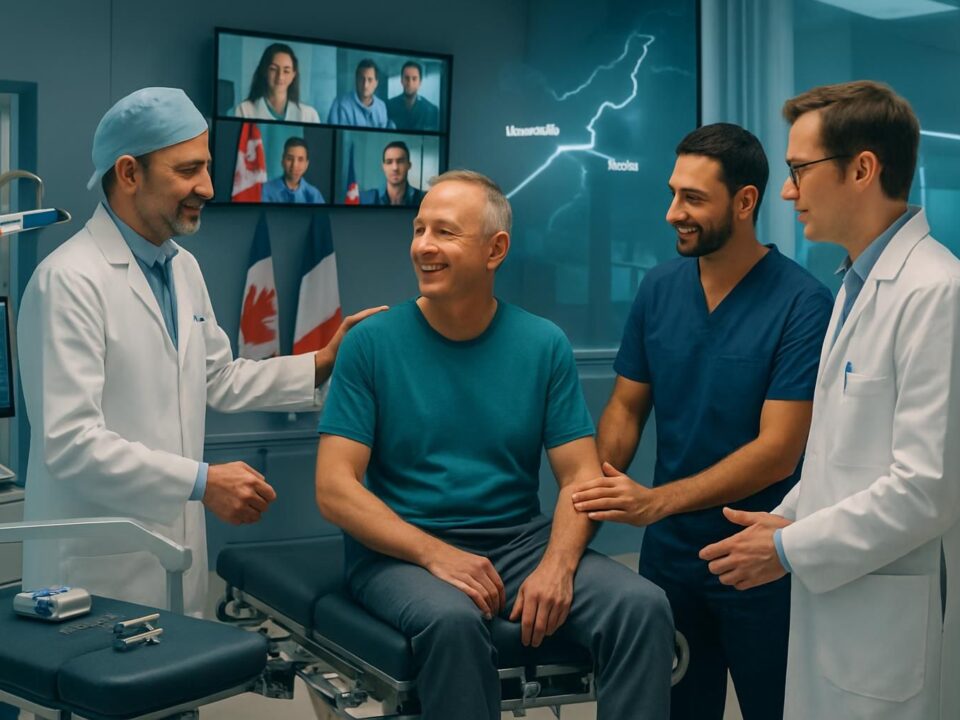
Coordination between experienced French surgeons and Quebec patients, with the help of SOS Medical Tourism, guarantees optimal, safe and personalized care, facilitating the journey and transatlantic exchanges.
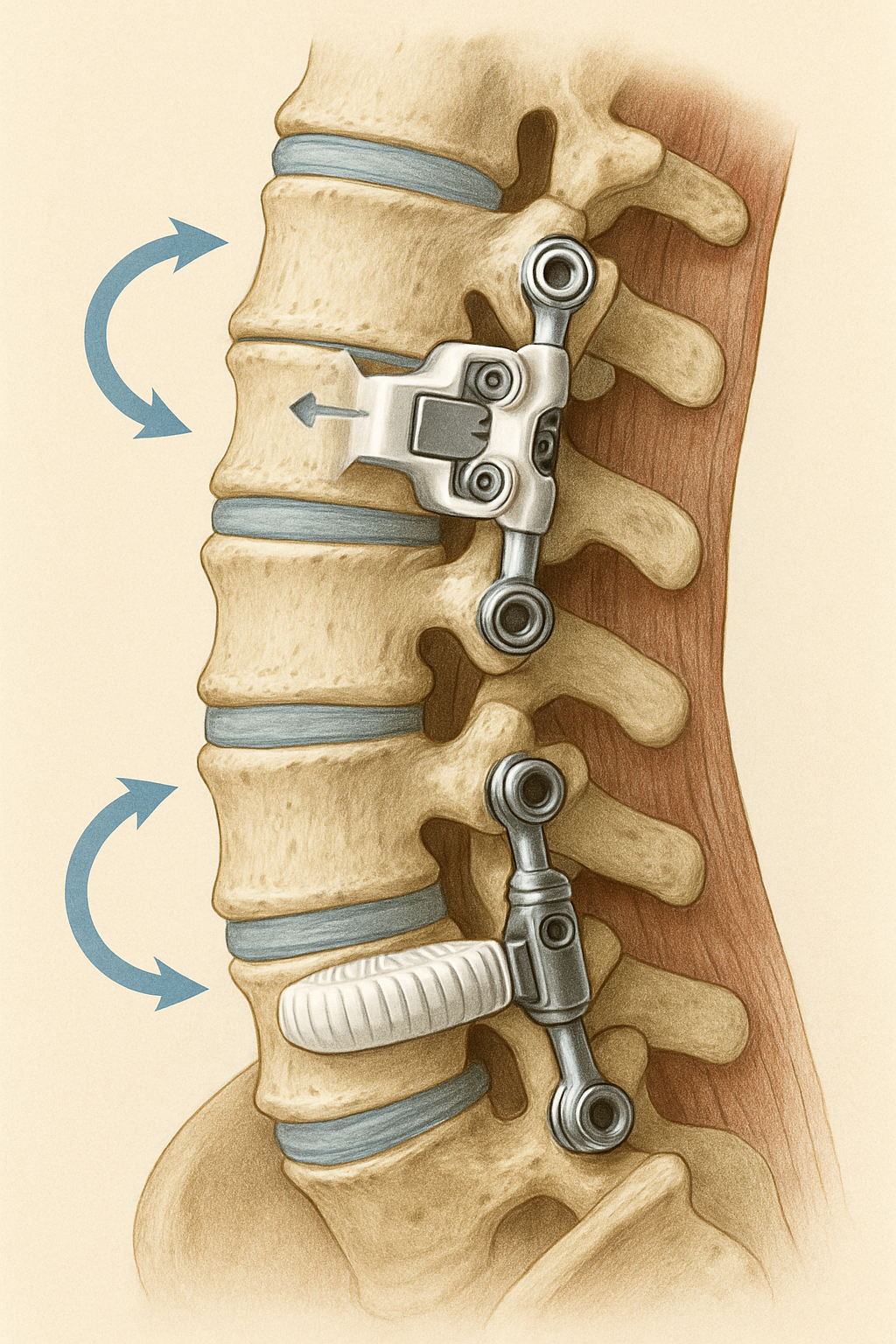
Comparison: Spinal Fusion vs. Dynamic Implants
| Criteria | Spinal fusion | Dynamic implants |
|---|
Choose a surgeon and clinic specializing in back surgery to limit the risks
The success of a spinal fusion procedure depends largely on the surgeon's expertise and the technical resources at their disposal. It is essential to select a professional recognized for their mastery of techniques, particularly in innovative implants that revitalize the spine, and a clinic equipped with the latest technologies.
A multidisciplinary team involved in rigorous monitoring ensures a humane and safe approach. This level of commitment reduces the risk of post-operative complications and optimizes functional recovery.
- Highly specialized surgical expertise: risk reduction and better adaptation to the patient's case
- Modern technology: access to innovations for less invasive surgery
- Post-operative follow-up: close monitoring for early detection of complications
- Transatlantic support: Coordination between France and Quebec facilitated
Support from integrated platforms such as SOS Medical Tourism is a guarantee of quality, safety and a personalized journey, specially designed for Quebec patients wishing to access this advanced surgical expertise in France.
Frequently asked questions about spinal fusion and its long-term risks
- What are the main risks of spinal fusion?
The main risks include degeneration of the adjacent segment, pseudarthrosis, loss of mobility and persistent chronic pain. - Are there alternatives to the merger to preserve mobility?
Yes, the dynamic implants TOPS and IntraSPINE offer stabilization with preservation of spinal mobility. - What does rehabilitation after spinal fusion consist of?
A personalized physiotherapy program, progressive exercises and postural advice is essential to strengthen muscles and limit stiffness. - Why choose surgery in France?
France offers state-of-the-art clinics with expert surgeons, innovative techniques and personalized support, guaranteeing a safe and effective journey. - How to minimize post-operative risks?
By following rigorous monitoring, adopting a healthy lifestyle and respecting the prescribed rehabilitation, the risks are significantly reduced.
To learn more or for a personalized assessment, visit SOS Medical Tourism.


 Français du Canada
  English (Canada)