Dynamic implants: an effective treatment for chronic lower back pain
02/05/26
Lumbar disc replacement: function and indications
02/05/26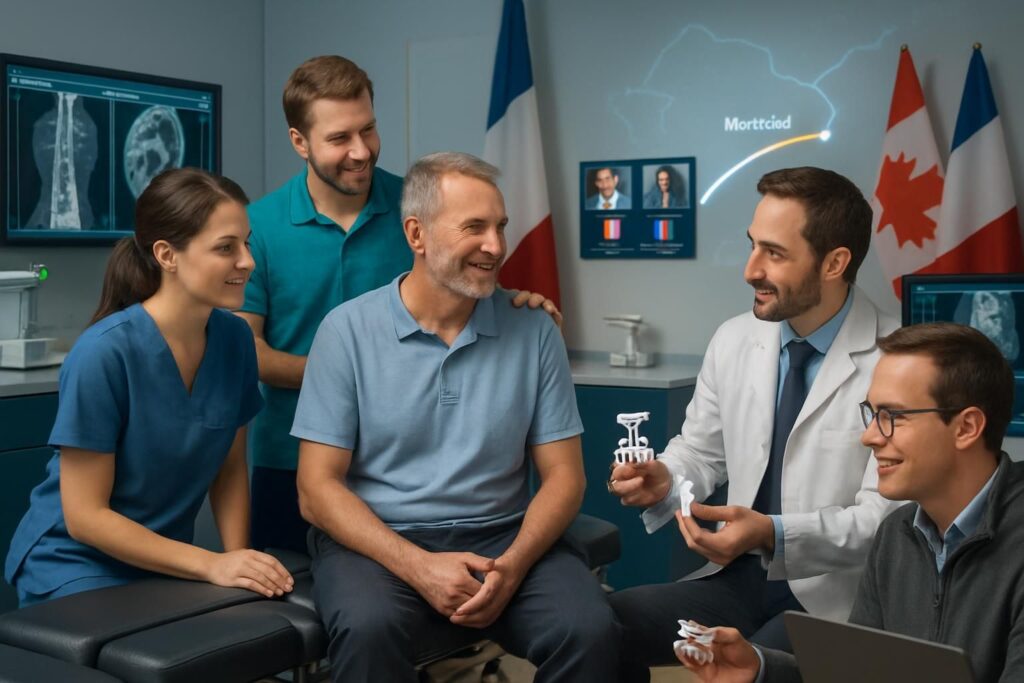
Back surgery is undergoing major advances thanks to innovations in dynamic stabilization. These new approaches offer promising solutions for patients suffering from chronic lower back pain and complex spinal pathologies. While traditional spinal fusion methods have long been the standard, dynamic implants such as the TOPS system or IntraSPINE offer an alternative that preserves spinal mobility while ensuring optimal stability.
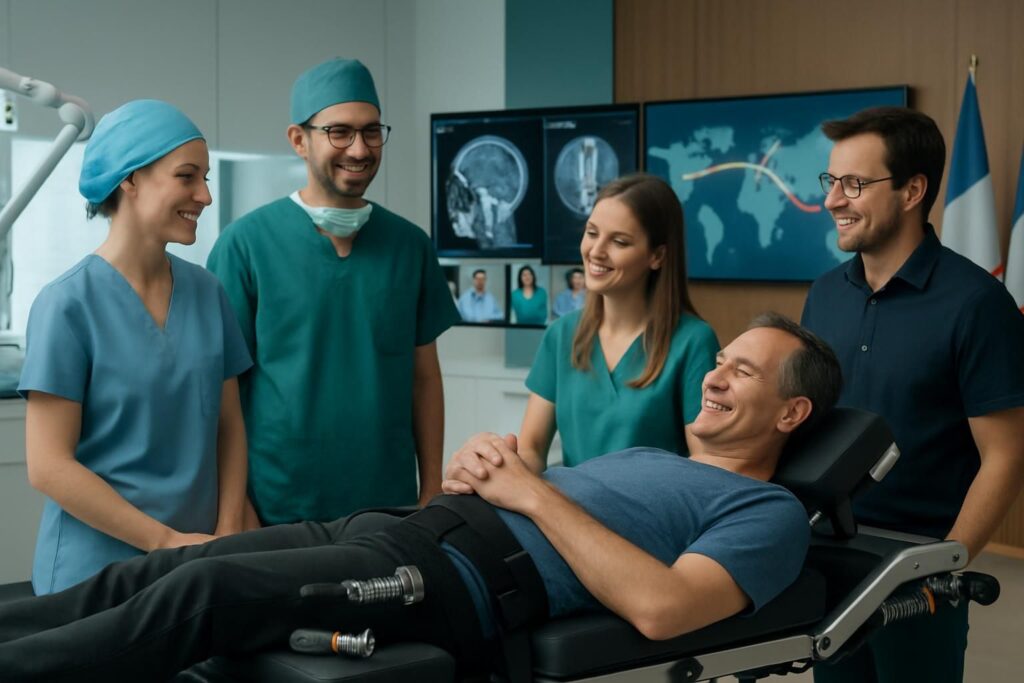
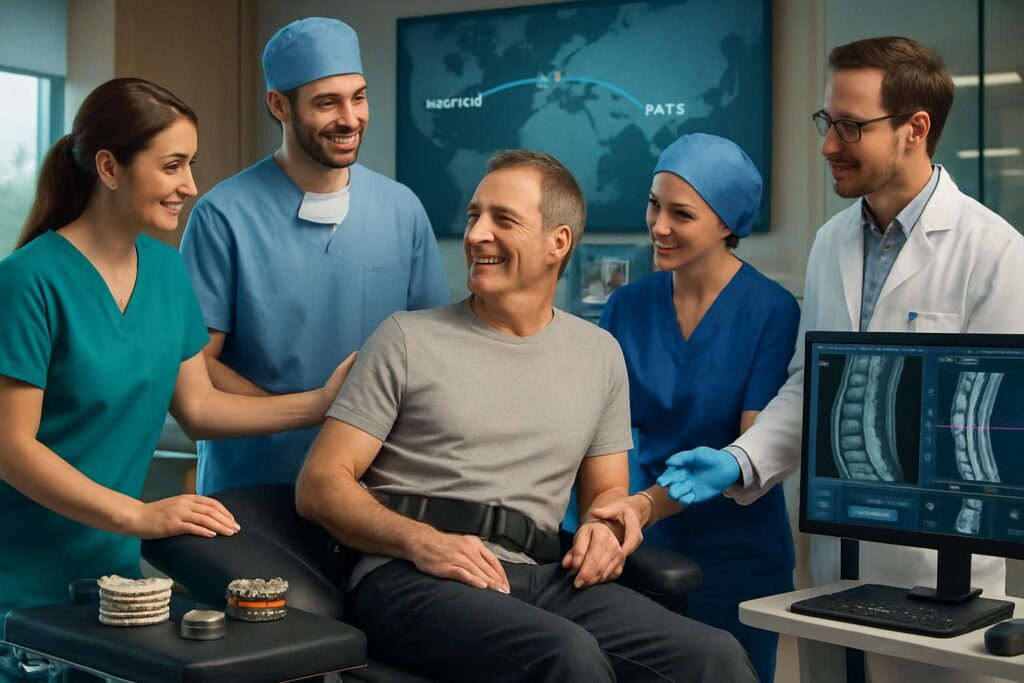
In France, these cutting-edge technologies are mastered by top-tier surgical teams, providing an ideal environment for complex procedures. Coordination between French specialists and Quebec patients is facilitated through platforms such as SOS Medical Tourism guarantees a smooth, secure, and personalized care pathway. This transatlantic approach, combined with clear patient education, facilitates understanding of the biomechanical and functional implications of these innovative implants.
Major innovations in dynamic spinal stabilization
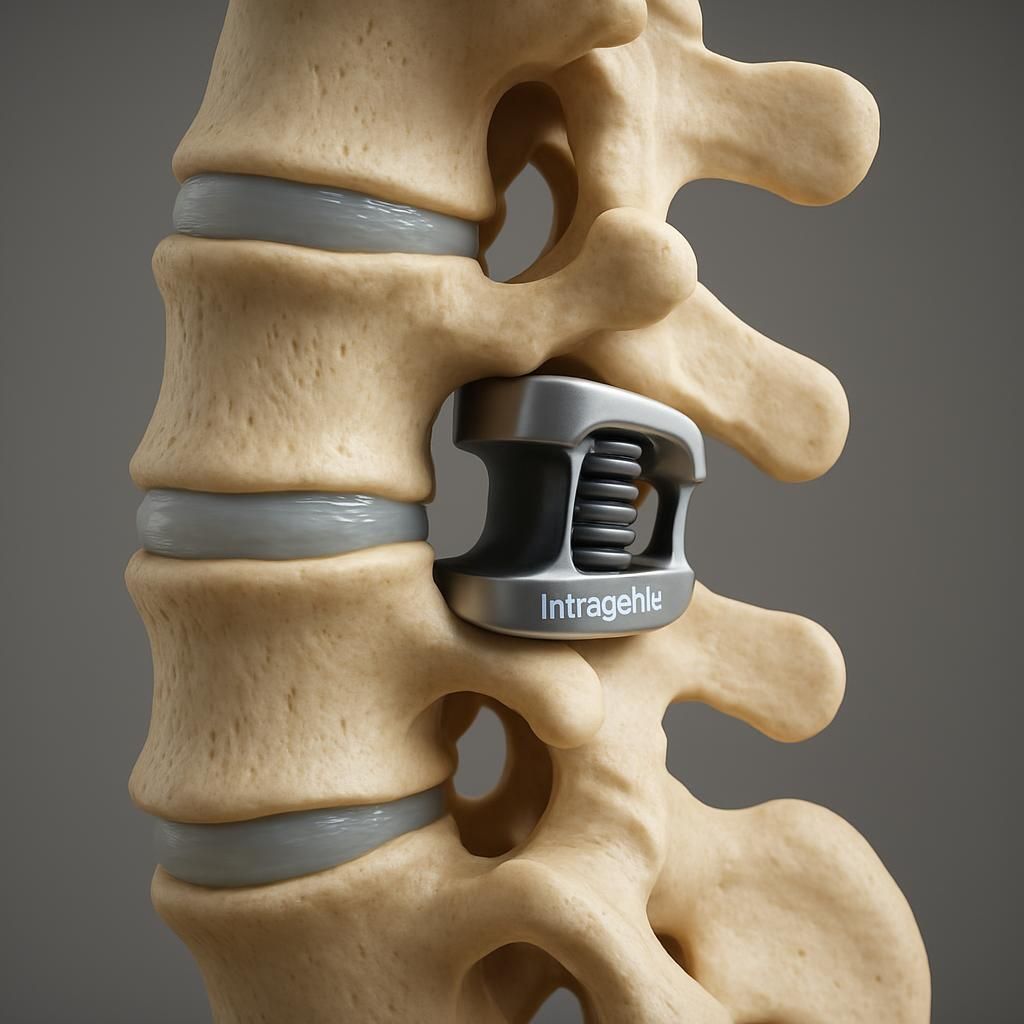
The dynamic stabilization represents a revolution in the surgical treatment of spinal disorders. Unlike the merger Unlike traditional spinal implants that immobilize the vertebrae, dynamic spinal prostheses maintain a degree of mobility, thus reducing the risk of adjacent degeneration. The system TOPS (Total Posterior Spine System) is a significant advance in this field, designed to replace vertebral movements in a controlled manner while ensuring durable mechanical support.
Similarly, the implant IntraSPINE This technique is specifically designed to relieve lower back pain by maintaining the intervertebral space and improving local biomechanics. It is particularly suitable for patients with complex disc herniations or moderate spinal instability, offering a less invasive solution than full spinal fusion.
France boasts world-renowned surgical expertise in implementing these technologies. Teams associated with leading centers, some of which are partners of SOS Medical Tourism, are committed to a rigorous approach to innovation and safety. For example, pre-operative evaluation relies on strict imaging and functional testing protocols to select the most suitable candidates for this technique.
To better understand the benefits of dynamic implants, it is essential to’to understand biomechanical principles which underlie their operation:
- Natural maintenance of spinal flexion, extension and rotation
- Reduction of stress on the discs and adjacent joints
- Limitation of the formation of secondary spinal osteoarthritis
- Improved post-operative comfort with accelerated functional recovery
The comparative study between traditional fusion and dynamic stabilization highlights significant long-term differences, particularly regarding the maintenance of quality of life. These innovative solutions are thus redefining available therapeutic options, with a direct impact on the management of chronic lower back and neck pain.

Advanced surgical techniques and personalized care pathway
Access to these innovations in back surgery This involves a comprehensive and coordinated care pathway, particularly for Quebec patients considering surgery in France. The process begins with a rigorous evaluation that includes a detailed analysis of symptoms, a thorough radiological assessment, and a consultation with a spinal implant expert.
Before any surgical decision is made, it is essential to follow a conservative treatment plan for a recommended duration of 3 to 6 months. These methods include, in particular, neurovertebral decompression, a non-invasive technique available in specialized centers such as the TAGMED CLINIC. This step aims to relieve pain and improve mobility without immediately resorting to surgery.
When surgery is indicated, the procedure is performed using the latest technology, under the guidance of expert French teams. This framework guarantees not only perfect mastery of the technique, but also strict adherence to international standards for safety and medical monitoring. The surgeon's expertise, combined with innovative equipment, optimizes functional outcomes and reduces postoperative risks.
Transatlantic coordination plays a fundamental role in ensuring comprehensive support, from the initial consultation to follow-up assessments after hospital discharge. Thanks to SOS Medical Tourism, patients benefit from logistical and administrative support, with full coverage including travel, accommodation, and additional care. This model addresses a growing demand for rapid, high-quality solutions, in contrast to the sometimes lengthy waiting times experienced in Quebec.
Beyond the technical aspects, this personalized support takes into account the specific needs of each patient, with a focus on communication and clear information about the upcoming steps. This reassuring framework fosters better adherence to treatment and increased confidence in the decision made, essential conditions for the overall success of the surgical process.
Biomechanical benefits of dynamic implants for spinal mobility
Dynamic implants Devices such as TOPS and IntraSPINE introduce a new dimension in the surgical management of spinal pathologies. Their design is based on sophisticated biomechanical principles that allow for the preservation, or even improvement, of the natural mobility of the spine while stabilizing pathological segments.
This technology avoids the excessive rigidity induced by fusion, thereby limiting degenerative changes in adjacent areas. Protected mobility also promotes the maintenance of normal spinal dynamics, essential for the even distribution of stress during everyday movements.
For example, in patients suffering from chronic lower back pain For cases of moderate instability or complex disc herniations, the IntraSPINE implant provides mechanical support while maintaining the necessary flexibility. This allows the patient to retain a range of motion closer to normal, promoting better postoperative rehabilitation and a faster return to activities.
A comparative table of biomechanical characteristics between fusion and dynamic stabilization illustrates these advantages:
| Criteria | Spinal Fusion | Dynamic Stabilization (TOPS, IntraSPINE) |
|---|---|---|
| Residual mobility | Absent, complete rigidity | Partial to complete maintenance |
| Impact on adjacent segments | Frequent deterioration | Significant reduction |
| Post-operative recovery | Long, limited function | Fast, improved function |
| Main indication | Severe instabilities, major deformations | Moderate instability, chronic lower back pain |
This table clearly highlights that dynamic implants represent a suitable response to current expectations of efficiency and quality of life, while adopting a gentler biomechanical approach.
The importance of transatlantic coordination for comprehensive support
Surgical travel between Quebec and France, while offering opportunities, requires meticulous planning. It is in this context that the expertise of personalized support becomes truly valuable. The crucial role of the expert in spinal surgery is to ensure an effective communication interface between the patient, the French medical teams and the Quebec structures.
This system facilitates a smooth journey including:
- An initial assessment via teleconsultation allows us to target the indications and guide towards the most innovative therapeutic options.
- Precise surgical planning in a French clinic renowned for its expertise in dynamic implants.
- Complete management of logistical, administrative, and post-operative follow-up aspects, with real continuity of care between the two countries.
- Psychological and educational support, with clear and understandable information to reduce anxiety and encourage confidence in treatment.
Thanks to this system, each patient benefits from personalized follow-up, promoting optimal results in terms of both function and quality of life. This coordination also relies on the sharing of best practices and the latest innovations, with regular exchanges between French and Quebec specialists.
To strengthen this synergy, the TAGMED CLINIC plays a leading role in the conservative phase, providing advanced treatments before any surgical intervention. These joint efforts reflect an integrative vision where safety and innovation are at the heart of every decision.
Added value of implant solutions with an expert perspective
What notably distinguishes the implant solutions promoted by spinal surgery experts in France is the combination of technological innovation and recognized know-how. These scientifically validated dynamic implants are the result of in-depth research aimed at optimizing spinal function and reducing long-term complications.
Thanks to this approach, the patient can hope for:
- Significant preservation of mobility with a better quality of life.
- A reduction in postoperative pain and a faster recovery.
- Rigorous monitoring respecting international standards guaranteeing safety and personalization of care.
- Access to top-level expertise combined with an innovative and human approach.
Each case is carefully examined to propose a tailored solution, taking into account individual anatomical and functional specificities. This personalized approach allows surgery to be considered not as an end in itself, but as an intelligent means of restoring spinal dynamics and tangibly improving patients' daily lives.
It is essential to remember that surgery is considered only after a complete course of conservative treatments. This protocol ensures that surgical intervention becomes a justified and optimized option, thus minimizing risks and maximizing lasting benefits. Close collaboration between specialists and patients is key to the success of this complex process.

Comparison: Back Surgery – Innovations in Dynamic Stabilization
| Surgical options | Spinal Fusion | Dynamic Stabilization (TOPS, IntraSPINE) |
|---|
What are the main differences between spinal fusion and dynamic stabilization?
Spinal fusion permanently immobilizes the affected vertebral segments, which can lead to degeneration of adjacent segments. Dynamic stabilization maintains some mobility, reducing stress on other segments and preserving the spine's natural function.
What are the most commonly used dynamic implants?
TOPS and IntraSPINE implants are among the most advanced and widely used in spinal surgery. They provide effective stabilization while maintaining spinal flexibility.
Is the surgical process in France suitable for patients coming from Quebec?
Yes, thanks to transatlantic coordination and personalized support via platforms like SOS Medical Tourism, Quebec patients benefit from comprehensive follow-up, from the initial consultation to post-operative follow-up.
When should surgery be considered after conservative treatment?
Surgery is generally offered after 3 to 6 months of comprehensive conservative treatments, including the Spinal decompression therapy, if the pain persists and mobility is compromised.
How does rehabilitation proceed after dynamic implantation?
Post-operative rehabilitation is facilitated by the preservation of mobility provided by dynamic implants. It includes specific exercises aimed at strengthening the spine and restoring optimal function, often guided by rehabilitation specialists.



 Français du Canada
  English (Canada)