Dynamic implants: preserving spinal mobility
02/06/26
Neck surgery: innovations and alternatives
02/06/26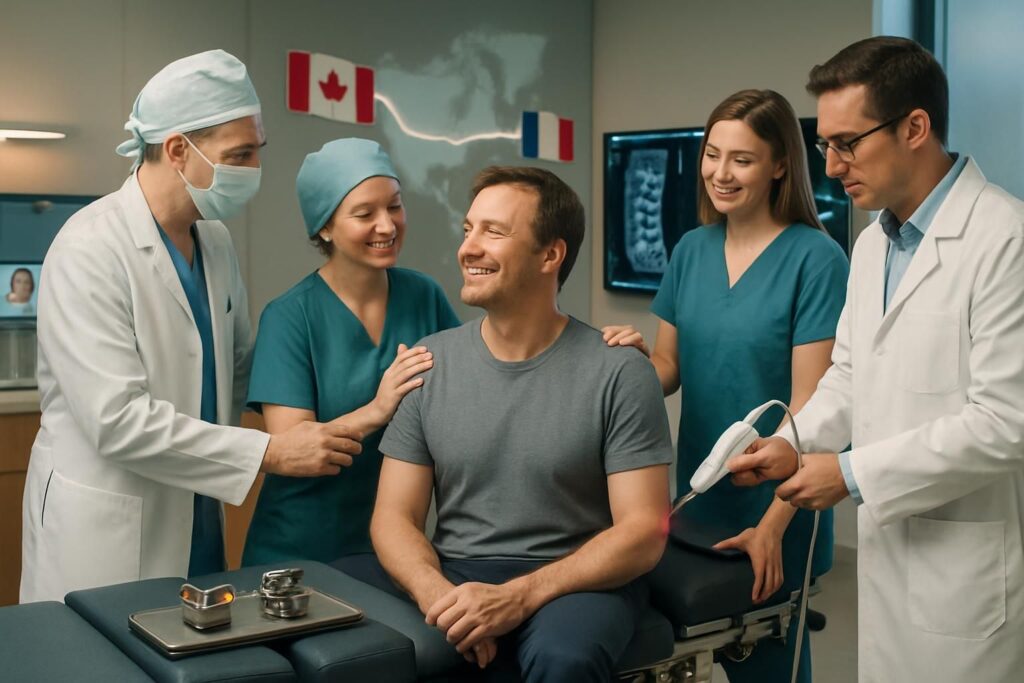
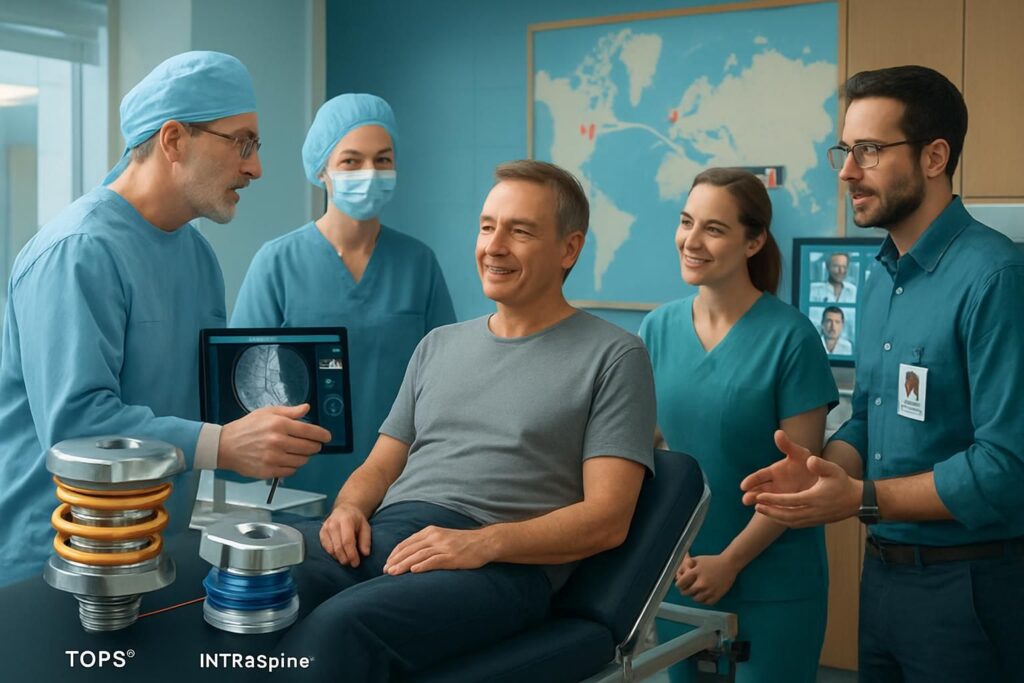
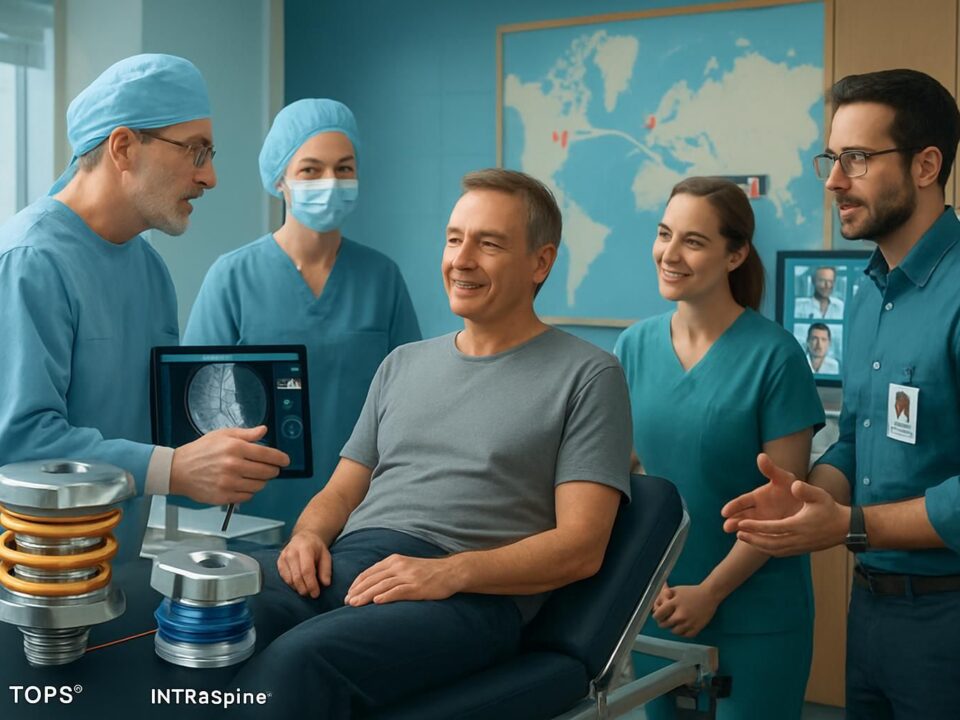
The choice between traditional spinal fusion surgery and an innovative dynamic stabilization technique, often called "motion preservation," is a central concern for patients suffering from debilitating spinal conditions. This medical dilemma directly impacts quality of life, the balance between physical well-being and mental health, and the ability to resume a calm and active professional life. For several years, dynamic implant prostheses such as the TOPS system or IntraSPINE have been revolutionizing back surgery, offering an alternative that maintains the natural mobility of vertebral segments while relieving pain.
Louis Blanchard, a recognized expert in spinal implants and in spinal surgery, This invites a thorough reflection on the major differences between these two approaches. merger, The traditional method, while reliable, often results in rigidity of the treated segment, potentially leading to increased stress on adjacent levels and sometimes causing long-term complications. In contrast, dynamic implants aim to preserve spinal movement, minimizing secondary risks and contributing to better overall balance. This technological advancement, made possible through collaborations with leading centers in France, is accompanied by a rigorous protocol that prioritizes patient safety and personalized care.
Addressing the entire patient journey in Quebec, including the initial secure assessment, conservative treatments at the TAGMED Clinic, and surgical care in France, is essential for ensuring appropriate and reassuring surgery. Beyond the technical aspects, it is the human dimension of the support that makes all the difference, providing clear and accessible information about the biomechanical benefits of the implants, their implications for daily life, and their positive impact on mental health. The concepts of motion versus fusion are not limited to a technical debate, they reveal concrete issues of comfort and long-term adaptation for each patient.
The fundamental differences between spinal fusion and dynamic stabilization for a better understanding
Spinal fusion involves permanently fusing one or more segments of the spine to eliminate pain associated with disc instability or degeneration. This well-established procedure involves rigidly fixing vertebrae together using screws, plates, or interbody cages. The result is a permanent loss of mobility at the affected level, which can lead to stress transfer to the levels above and below, sometimes resulting in osteoarthritis or secondary degeneration.
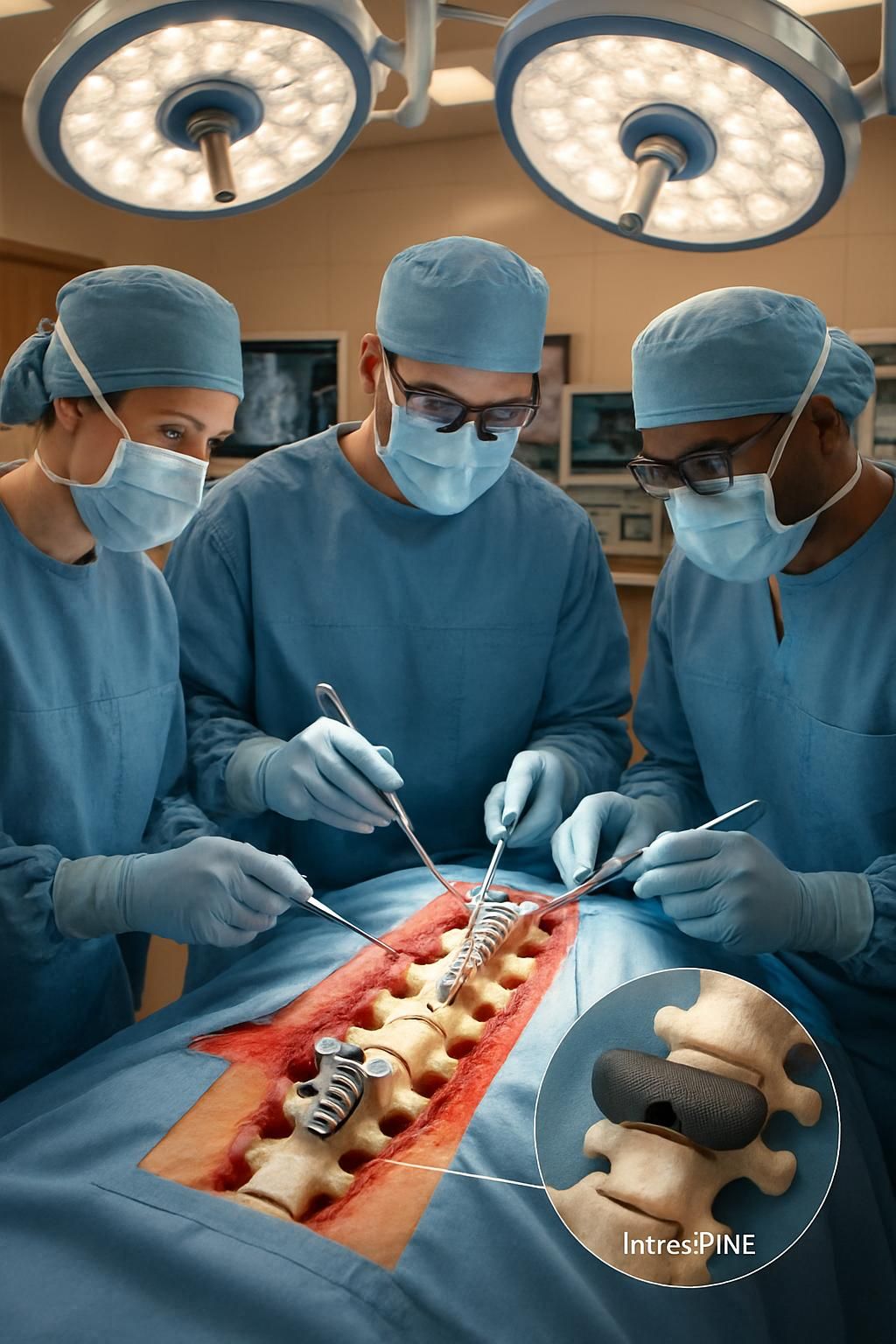
Conversely, the dynamic stabilization Systems like TOPS or IntraSPINE aim to maintain a degree of vertebral movement while stabilizing the affected area. These implants allow for a more natural biomechanical balance, limiting stress on adjacent segments and promoting better functional recovery. This preservation of mobility often translates into a significant improvement in quality of life, allowing patients to regain greater freedom of movement and a better ability to manage daily tasks.
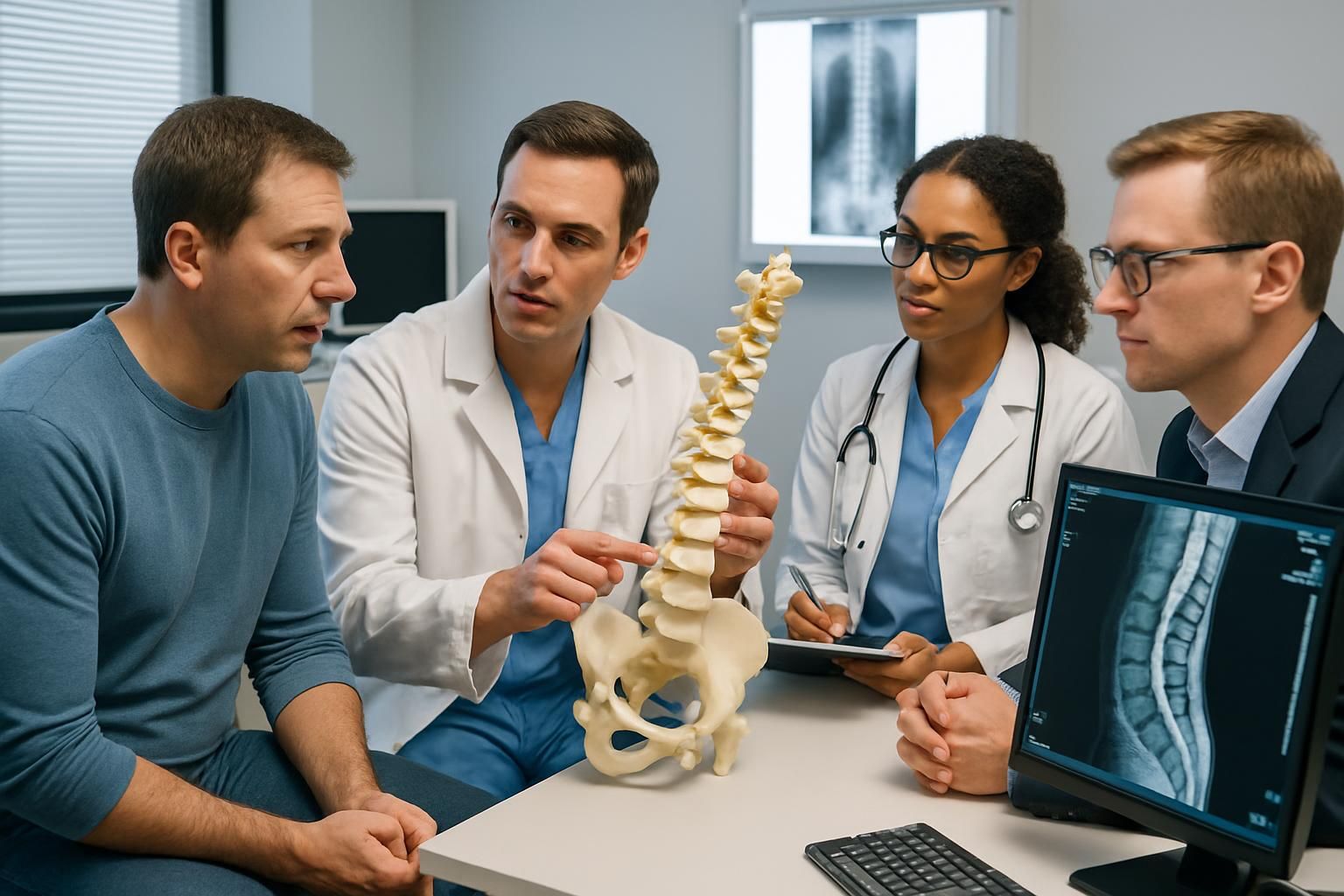
The choice between fusion and motion must be done according to precise criteria, analyzed during a thorough assessment. The nature of the pathology, the patient's general condition, their expectations, and the body's ability to adapt are taken into account. For example, for a herniated disc with moderate instability, a implant Dynamic surgery can provide effective relief while maintaining flexibility, whereas in cases of severe osteoarthritis or significant deformity, fusion remains essential.
Clinical results confirm these observations. According to recent studies available on the evolution of post-operative results, Patients treated with dynamic stabilization report greater comfort and satisfaction, particularly in terms of functional well-being and long-term adaptation. These diverse findings, corroborated by rigorous analysis, are part of a demanding scientific approach, characteristic of all collaborations with leading French centers.
The biomechanical and functional benefits of dynamic implants in preserving spinal mobility
Dynamic implants, designed to allow controlled movement within the spine, meet the specific needs of patients seeking a less invasive solution than traditional fusion. Maintaining mobility plays a central role in reducing spinal stress, a key factor in preventing the onset of recurrent pain and secondary degenerative changes.
In biomechanical terms, these devices are distinguished by their ability to absorb mechanical stresses and restore flexibility comparable to a healthy spine. For example, the TOPS system acts as a jointed mechanism, controlling rotation, flexion, and extension, while limiting excessive movements that could damage nerve structures. Similarly, the IntraSPINE implant offers indirect decompression that relieves pressure on nerve roots while modulating dynamic stability.
The functional impact on patients is often remarkable. The ability to maintain segmental mobility helps reduce secondary muscle tension and facilitates postoperative rehabilitation. This potential to better manage mechanical stress contributes to improved mental health, offering patients a greater sense of autonomy and control over their bodies. This innovative approach thus promotes a faster return to a balanced social and professional life, limiting downtime and anxiety associated with chronic pain.
To better understand these benefits, it is important to grasp the delicate balance between stability and mobility. The dynamic implant acts as an intelligent shock absorber, preventing excessive stiffness that increases joint stress, while ensuring rigorous protection of nerve structures through precise movement control. Studies validated by the rigorous clinical evaluation philosophy are available via TOPS system analyses, They highlight the notable improvements observed in pain, functionality and post-operative satisfaction.
The transatlantic journey and personalized support for confident spinal surgery
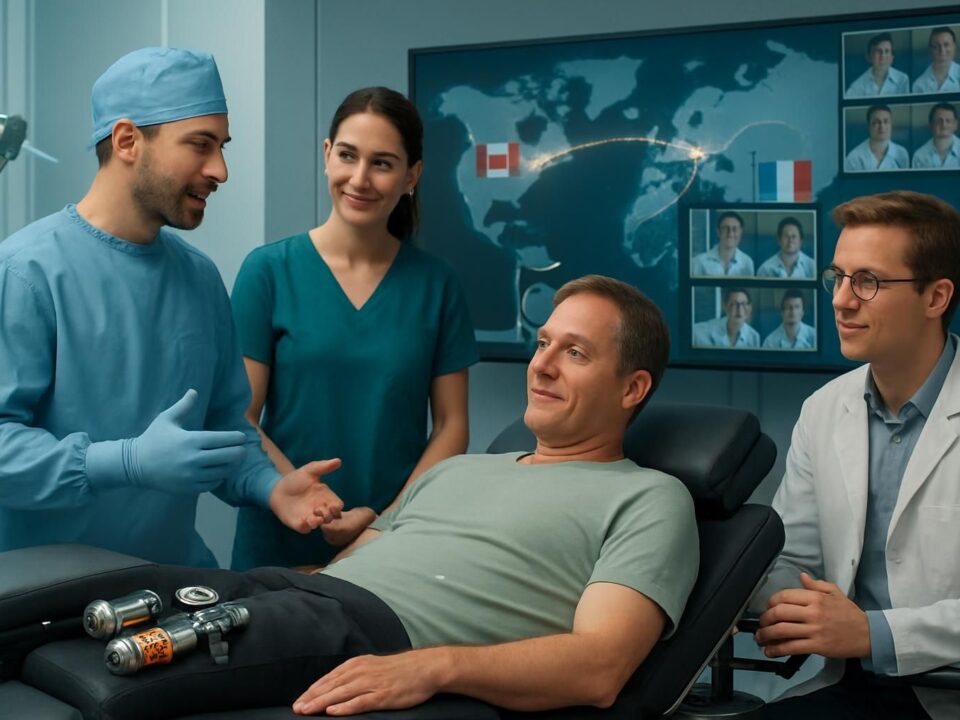
For Quebec patients facing long wait times or high costs for a back surgery, The coordination between healthcare professionals in Quebec and France represents a significant step forward. This structured pathway is based on a comprehensive prior assessment, often conducted at the TAGMED CLINIC, a reference center for conservative treatments and neurovertebral decompression.
This progressive care protocol ensures that surgery is only considered after a 3- to 6-month period of non-invasive treatment. This step is essential to optimize outcomes and minimize risks, while respecting the spine's natural physiology. Through close collaboration, the patient benefits from continuous support, clear information, and thorough preparation before their transfer to France.
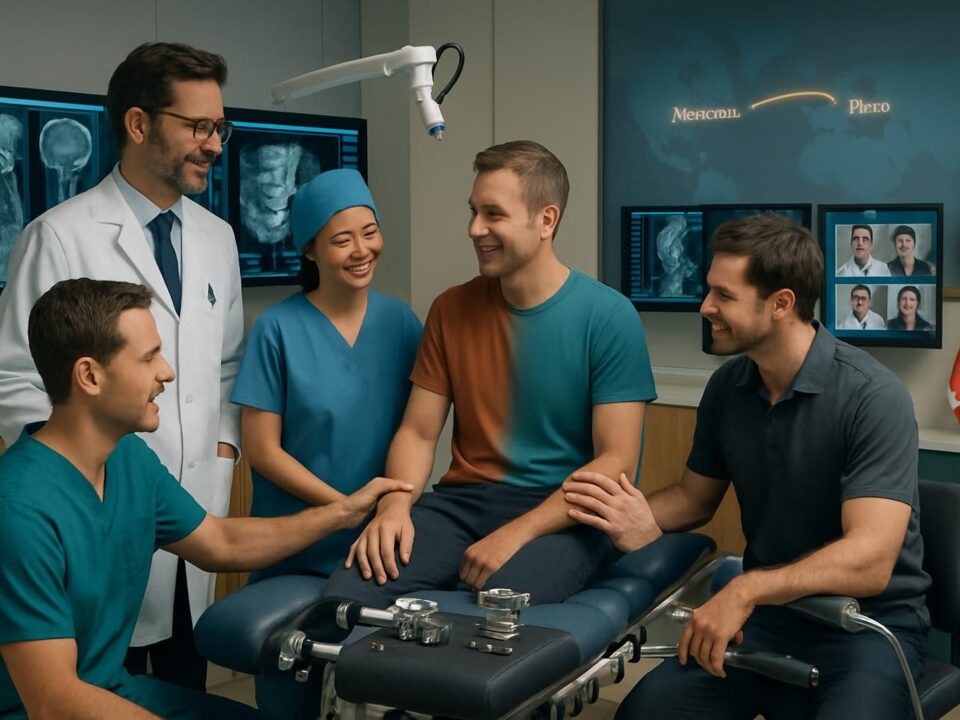
Upon arrival at partner facilities, renowned for their expertise in innovative spinal surgery, patients are welcomed by a multidisciplinary team including neurosurgeons, physiotherapists, and biomedical engineers. The use of advanced implant technologies, combined with rigorous post-operative monitoring, supports the patient throughout their recovery, ensuring optimal safety and comfort.
This integrated model offers unique added value: by combining French surgical excellence with personalized Quebec support, it optimizes quality of life while controlling the economic aspects of the process. Patients thus feel reassured and supported, whatever their specific needs, with a tailored treatment plan to ensure progressive and lasting rehabilitation.

The importance of scientific rigor and safety in the choice of spinal surgery
The development of dynamic implants should not overshadow the fact that safety and scientific rigor are essential pillars of any surgical procedure. Regardless of the type of surgery considered, the absolute priority remains patient protection, based on validated practices, specialized training, and adherence to international implantology standards.
Louis Blanchard, a renowned expert, emphasizes that the evaluation must be comprehensive and individualized to rule out any premature and unjustified surgical attempts. A thorough clinical analysis, combined with additional imaging and open communication, allows for the selection of the most appropriate solution. This approach results in maximum clinical benefit, with minimized surgical risks and full adherence to best practices.
In addition to the surgeons' qualifications, mastery of new implantable technologies is a key factor. Continuing education, collaboration with research centers in France, and the use of validated protocols guarantee patients access to the most advanced solutions. These combined elements reduce stress related to the procedure, strengthen patient confidence, and promote optimal recovery.
This scientific rigor is also reflected in post-operative monitoring and rehabilitation, which are essential for ensuring lasting adaptation. The patient is accompanied, supported, and informed at every stage, within a humanistic approach that values physical and mental well-being, as well as a harmonious balance between professional and personal life.
Comparative table of characteristics between fusion and dynamic stabilization
| Criteria | Spinal fusion | Dynamic stabilization (Motion) |
|---|---|---|
| Mechanism | Rigid blockage of the vertebral segment | Maintaining controlled movement |
| Mobility | Total loss at the treated level | Partial to complete preservation |
| Secondary risks | Increased stress on adjacent segments | Mechanical stress reduction |
| Functional recovery | Often slower | Better, with a faster return to activities |
| Impact on quality of life | Stiffness, sometimes long-term discomfort | Flexibility, better daily adaptation |
| Main indications | Severe pathologies, advanced osteoarthritis | Moderate instability, disc pain |
Practical advice for informed decision-making and optimal follow-up in spinal surgery
Given the numerous therapeutic options available, it is crucial that each patient receives clear and accessible information. This requires a precise understanding of the concepts of fusion and motion, as well as knowledge of the successive stages of the care pathway. The role of a specialist is, in particular, to support the patient throughout this process, emphasizing education and compassion.
Before any surgery, a period of 3 to 6 months of conservative treatments is recommended, including specific care such as neurovertebral decompression offered at the TAGMED CLINIC. This step allows for the exploration of all alternatives, the evaluation of the response to non-invasive treatments, and the minimization of stress associated with surgery. If surgery is unavoidable, the use of cutting-edge techniques, such as dynamic implants, ensures better functional and psychological adaptation.
Transatlantic coordination, thanks to specialized platforms such as SOS Medical Tourism, This facilitates administrative, logistical, and medical management. Personalized support is provided, guaranteeing comprehensive follow-up from the initial consultation to the final rehabilitation. The patient can thus approach their journey with peace of mind, relying on a dedicated and experienced team.
- It is important to be well informed about the different surgical techniques (fusion, dynamic implants).
- Promoting rigorous initial conservative care at the TAGMED Clinic.
- Evaluate the biomechanical benefits related to preserving mobility.
- Consider the psychological dimension and the impact on quality of life.
- To be accompanied in a personalized transatlantic journey to streamline the process.
Fusion vs. Motion: Impacts on Quality of Life
| Criteria | Spinal Fusion | Dynamic Stabilization |
|---|
Use the search bar to filter by the criteria that interest you. Click on the column headers to sort the table alphabetically.
When should spinal surgery be considered?
Spinal surgery is generally considered after a period of 3 to 6 months of conservative treatment, when pain persists despite these efforts and quality of life is significantly impaired. This procedure is always preceded by a thorough medical evaluation.
What are the advantages of dynamic implants compared to fusion?
Dynamic implants allow for preserve segmental mobility, reduce stress on adjacent segments and promote faster functional recovery, thus improving the patient's overall quality of life.
What is the process for a Quebec patient seeking surgery in France?
The process begins with an initial assessment, often conducted in Quebec, particularly at the TAGMED Clinic, followed by coordination between Quebec and French teams. Personalized support is provided throughout the entire process, from the initial consultation to post-operative follow-up.
Is dynamic stabilization suitable for all types of spinal pathologies?
No, dynamic stabilization is generally reserved for cases of moderate instability and disc pain. More advanced conditions, such as severe osteoarthritis, often require traditional fusion surgery. Expert evaluation is essential to determine the most appropriate option.
What role does mental health play in recovery after back surgery?
Mental health is a key factor in post-operative adaptation. Psychological support and tailored guidance help reduce stress, improve well-being, and promote a better work-life balance.


 Français du Canada
  English (Canada)