Dynamic stabilization: principles and applications
02/06/26
TOPS™: detailed postoperative monitoring
02/06/26
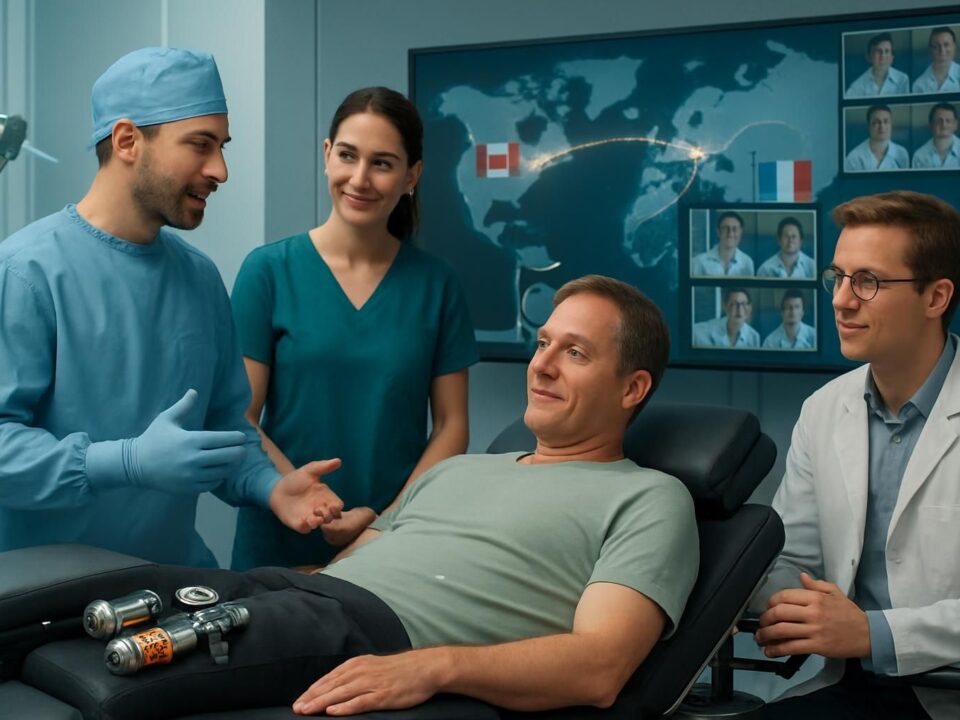
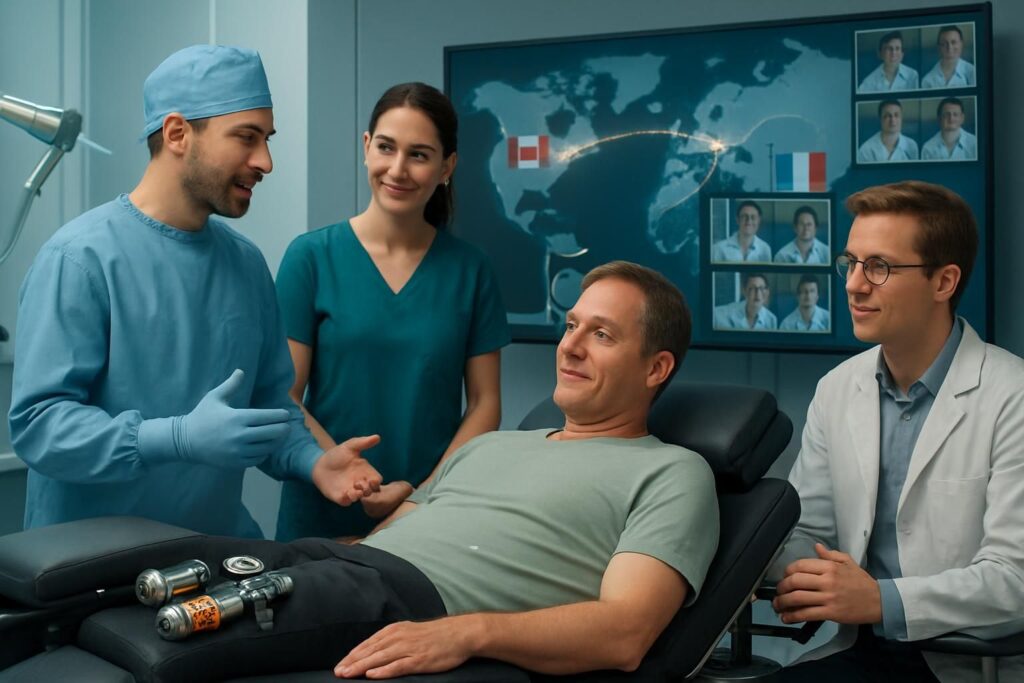
Spinal surgery is undergoing remarkable evolution, particularly with the emergence of so-called "motion surgery" techniques that preserve the natural mobility of the spine. This surgical revolution is transforming the management of spinal pathologies, offering patients a less invasive and more functional alternative to traditional fusion procedures. For Quebec patients facing long wait times or high costs for private care, the possibility of being referred to France for motion surgery presents a promising and safe solution. This innovative approach relies on advanced dynamic implants such as TOPS or IntraSPINE, allowing for stability support while respecting local biomechanics.
The path to a surgery The process is not limited to the surgical procedure. It includes a rigorous evaluation, often after a minimum of 3 to 6 months of effective conservative treatments, including the Spinal decompression therapy This service is offered, in particular, at the TAGMED Clinic. World-renowned French expertise, combined with seamless transatlantic coordination, provides patients with comprehensive and personalized support. This guide aims to inform patients about the various surgical options available, preparation, biomechanical benefits, and post-operative recovery, while emphasizing the human and reassuring aspects of this process.
Innovative surgical techniques in motion surgery for the spine
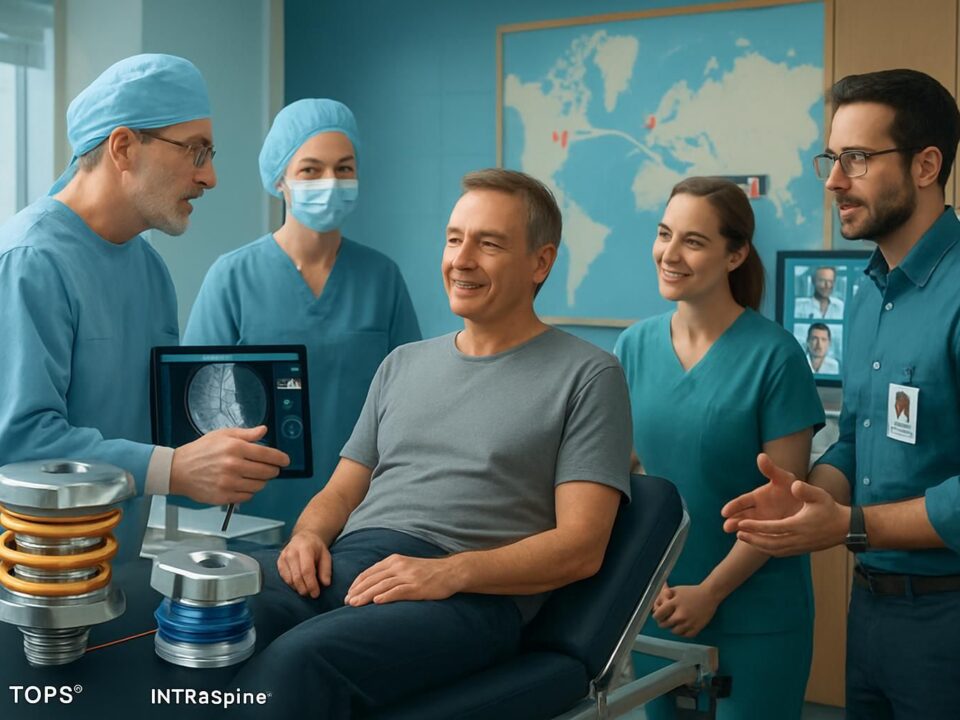
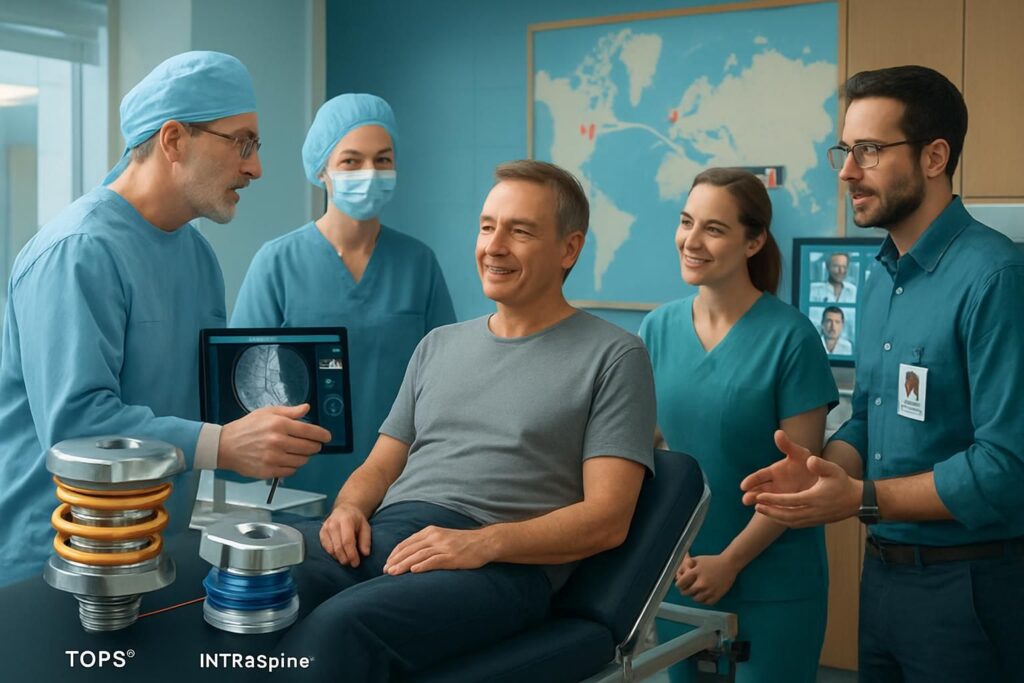
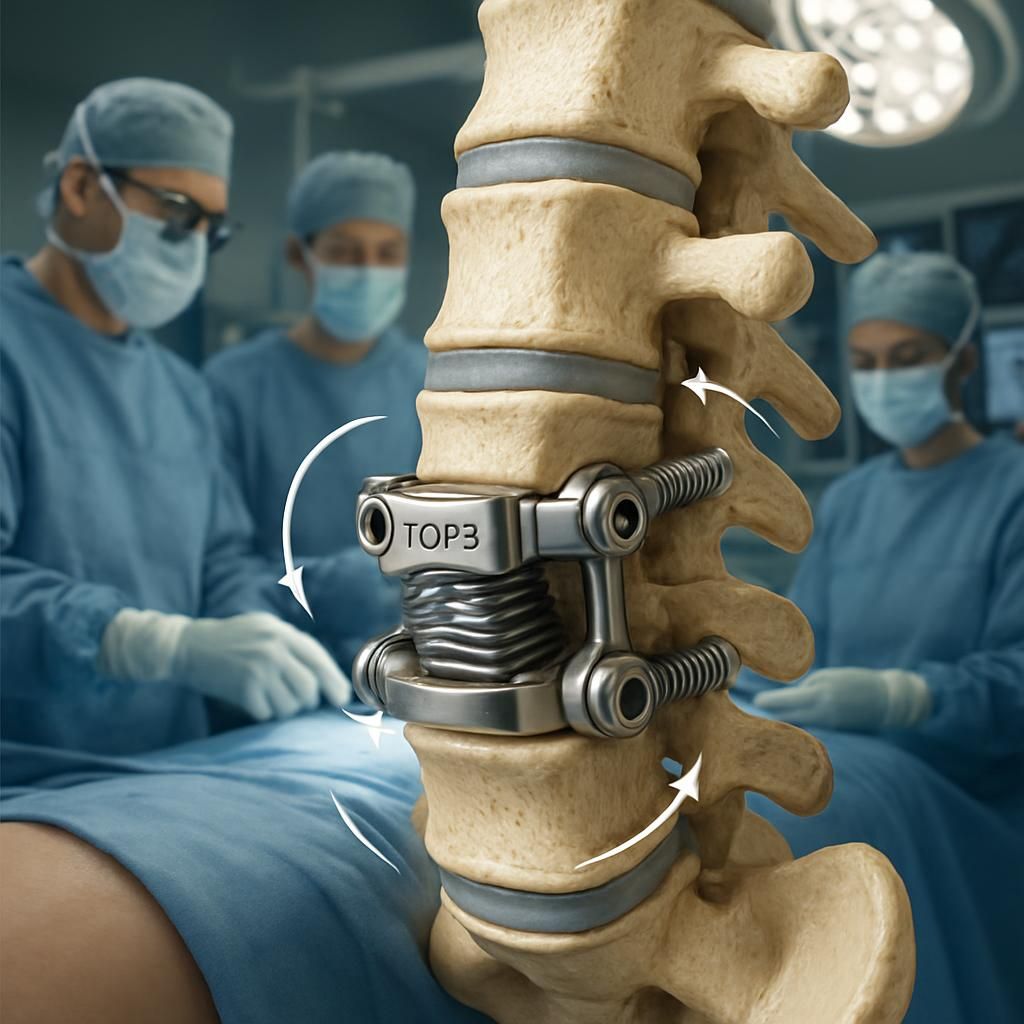
Motion surgery is distinguished primarily by its effort to preserve spinal mobility, unlike traditional spinal surgery. merger which immobilize the operated area, sometimes at the expense of neighboring floors. Dynamic implants such as the system TOPS and IntraSPINE illustrate this innovative approach. These sophisticated mechanical devices act as a biomechanical hinge, ensuring segmental stability while allowing physiological movements.
The TOPS system is an advanced technological solution that replaces traditional rigid fixation. It is designed to allow flexion, extension, and rotation, thus avoiding the negative consequences of complete immobilization. For example, a patient with symptomatic spinal stenosis can regain a more natural range of motion after TOPS implantation, which also facilitates faster functional recovery. Similarly, the IntraSPINE implant acts as a posterior intersegmental spacer, decompressing the area while dynamically stabilizing it.
The adoption of these implants requires highly specialized surgical expertise and a rigorous understanding of spinal biomechanics. It is precisely within this context that collaboration with leading institutions in France takes place, where experience and mastery of minimally invasive techniques allow for optimization of the surgical procedure, reduction of risks, and improved outcomes.
Comparison with traditional fusion techniques
Spinal fusion This is a well-established surgical method that involves permanently fusing two or more vertebrae together, often using bone grafts and osteosynthesis hardware. While it has proven effective for certain conditions, it limits local mobility and can lead to mechanical overload in adjacent areas, promoting secondary osteoarthritis. In contrast, motion surgery techniques aim to reduce these adverse effects in active patients who wish to maintain their quality of life.
The biomechanical benefits of dynamic implants They promote a better distribution of forces, reducing the risk of premature wear and tear on adjacent segments. For patients, this means less long-term chronic pain and a faster return to their daily activities. These advantages are taken into account in the pre-surgical evaluation, which remains personalized and thorough.
Preparation and assessment before motion surgery: a personalized and secure pathway
Before considering motion surgery, it is essential that the patient has undergone a proven course of conservative treatments, ideally between 3 and 6 months. This approach is part of a rigorous process aimed at avoiding premature intervention. Among the available conservative methods is neurovertebral decompression, offered, among other places, at the TAGMED CLINIC, This often makes it possible to alleviate compressive symptoms and restore satisfactory function without major surgery.
The preoperative assessment involves several steps:
- Specialist consultations to analyze the medical file, symptoms and detailed imaging examinations (MRI, CT scan).
- Biomechanical analyses to understand the patient's specific vertebral dynamics, essential for adapting dynamic implants.
- Multidisciplinary discussion between neurosurgeons, radiologists, physiotherapists and medical coordinators on both sides of the Atlantic.
- Clear and educational information to explain the options, benefits, risks and procedure of the motion surgery, building the patient's confidence.
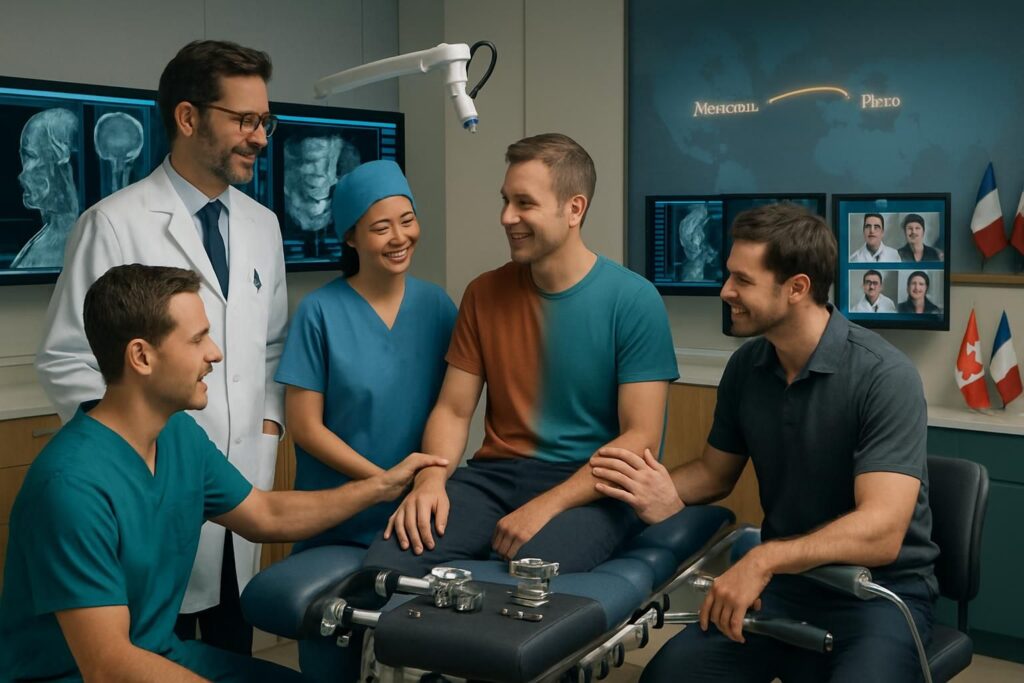
Coordination between Quebec and France ensures seamless care. Personalized follow-up includes administrative and logistical support, as well as optimized preparation for hospitalization and recovery. This network guarantees a complete, safe surgical procedure that meets international standards.
Example of a patient journey
A patient from Montreal presenting with debilitating lower back pain related to symptomatic disc degeneration may initially contact a platform such as SOS Medical Tourism. After an initial teleconsultation, the case is sent to a partner center in France. A thorough examination and mechanical assessment lead to a proposed solution. implant IntraSPINE is a validated alternative to traditional fusion. Preparation includes a stay at the TAGMED Clinic to optimize functional status prior to surgery. Post-operatively, a tailored rehabilitation protocol is followed under Franco-Canadian supervision, with regular remote monitoring available.
Biomechanical and functional benefits of dynamic implants for spinal mobility
Implants like TOPS and IntraSPINE are designed to provide flexible stabilization that respects the natural anatomy of the spine. Unlike rigid fixations, they allow for segmental mobility, a key factor for comfort, functionality, and the prevention of long-term complications.
For example, a recent study conducted at a leading French center showed that patients receiving a TOPS system presented with:
- A significant improvement in quality of life linked to the reduction of chronic pain.
- A rapid resurgence in their ability to resume professional and sporting activities.
- A significant limitation of the degeneration of adjacent vertebral segments after 12 months.
The dynamic approach also makes it possible to optimize the distribution of mechanical stresses, avoiding harmful overloads and instability phenomena.
To illustrate the value of these techniques, it is relevant to compare surgical options according to several criteria:
| Criteria | Dynamic implants (TOPS, IntraSPINE) | Traditional fusion |
|---|---|---|
| Spinal mobility | Preserved | Blocked |
| Risk of adjacent osteoarthritis | Reduced | Increase |
| Average recovery time | Shorter | Longer |
| Technical complexity | Advanced | Standard |
| Biomechanical adaptation | Superior | Limited |
These benefits are enhanced by French innovations in minimally invasive surgery, which reduce surgical trauma, optimize safety, and accelerate recovery, as detailed in the dossier on the minimally invasive surgery and reduction of surgical trauma.

Post-operative care, rehabilitation and return to an active life after surgery
The success of motion surgery depends as much on the quality of the procedure as on rigorous post-operative care tailored to each patient. Post-operative care focuses on pain management, complication prevention, and personalized follow-up from the first days after the procedure. Close monitoring, conducted jointly by the French surgical teams and coordinators in Quebec, ensures continuity of care even after the patient returns home.
Rehabilitation is a crucial phase for restoring mobility, strengthening the paraspinal muscles, and optimizing functional performance. The protocol may include:
- Physiotherapy sessions adapted according to tolerance and clinical progress.
- Physiotherapy support to improve posture, stability and motor coordination.
- Regular monitoring of radiological parameters to assess proper implant integration.
This gradual approach aims to facilitate a rapid and safe return to daily life, work, and sports activities, in accordance with medical recommendations. The major benefit of motion surgery is precisely this early regain of functional independence, which motivates patients to fully engage in their recovery process.

Transatlantic coordination and human support with SOS Medical Tourism
One of the key strengths of the surgical pathway in France for Quebec patients is the proven coordination between French medical teams and Quebec facilitators. Specialized platforms such as SOS Medical Tourism ensure comprehensive care, from the initial consultation to post-operative care, including the logistical organization of travel and stays. This international collaboration optimizes safety, clear communication, and access to recognized surgical expertise.
This personalized support is particularly appreciated by patients, allowing them to focus calmly on their preparation and recovery, while benefiting from a single point of contact throughout the entire process. Transparency regarding surgical options, clear explanations of benefits and risks, and individualized follow-up reinforce confidence in this innovative treatment choice.
To illustrate the advantages of this coordination, here are a few key points:
- Personalized assessment medical records by experts in dynamic implants and spinal surgery.
- Fluid organization of the surgical schedule between the French center and the Quebec patient.
- Administrative support and support with visa applications, accommodation, and insurance.
- Post-operative follow-up continuous, with French-speaking teleconsultations and medical assistance as needed.
- Comprehensive care encompassing pre-surgery preparation and post-operative rehabilitation.
This collaborative model embodies the scientific rigor and attentive care essential to a back surgery This successful approach offers an accessible and secure option for French-speaking patients in Quebec seeking an effective alternative. Recognizing that each case is unique, this support ensures an informed decision tailored to individual needs.
Test your knowledge of motion surgery
What are the main indications for considering motion surgery?
Motion surgery is primarily indicated for conditions such as spinal stenosis, symptomatic disc degeneration, or certain herniated discs that do not respond to conservative treatments. A complete assessment and a multidisciplinary decision are essential.
What are the risks associated with dynamic implants?
Like any surgical procedure, motion surgery involves risks, including infection, problems with implant integration or neurological complications. However, scientific rigor and technical expertise minimize these risks, with strict post-operative monitoring.
What is the rehabilitation process like after motion surgery?
Rehabilitation is progressive, focused on regaining mobility and strengthening muscles. It follows a personalized protocol under the supervision of multidisciplinary teams, promoting a rapid return to activities.
Is it possible to communicate easily with the French teams after surgery?
Yes, transatlantic coordination facilitates teleconsultations and remote monitoring in French, offering continuous support to the patient.
How to begin a journey towards motion surgery in France from Quebec?
It is recommended to contact specialist platforms such as SOS Medical Tourism for a personalized assessment and to organize the various administrative and medical steps.