TOPS™: tracking
02/06/26
Spinal fusion: risks
02/07/26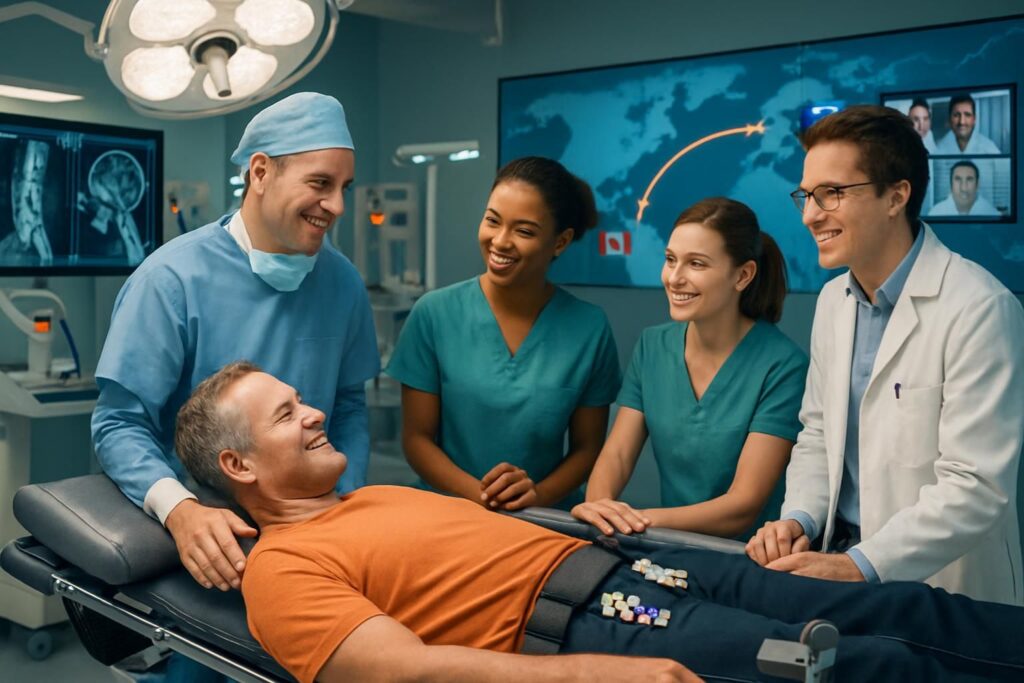
Surgical treatment of spinal pathologies has seen major advances in recent years thanks to the integration of innovative dynamic implants, providing technical solutions that are more respectful of spinal mobility and patient comfort. At the forefront of these technologies is the IntraSPINE system, a cutting-edge spinal implant designed to treat back and lower back pain with proven efficacy while minimizing the functional limitations associated with traditional methods. A recognized expert in neurosurgery and spinal implants, Louis Blanchard highlights the importance of a rigorous, safe, and personalized approach, which is particularly beneficial for Quebec patients considering specialized surgery in France.
This transatlantic choice is accompanied by meticulous coordination between reference centers such as the TAGMED Clinic, renowned for its advanced practices in orthopedics and rehabilitation, and French surgical teams expert in minimally invasive technologies such as TOPS and IntraSPINE. The surgeon, specializing in the surgery IntraSPINE, an innovative back care solution, supports patients throughout a complete journey, from initial assessment to post-operative follow-up, ensuring safe and optimal care, notably by reducing the often critical waiting times in Quebec. The uniqueness of the IntraSPINE system lies not only in its biomechanical benefits – by preserving the natural mobility of the vertebrae – but also in its ability to offer an alternative to surgery. merger traditional spinal alignment, often synonymous with rigidity and increased risk of long-term complications.
By exploring the various surgical solutions available, this guide invites a deeper understanding of the impacts of this technology on the management of back pain, the spinal surgery as well as the possibilities for rapid recovery thanks to minimally invasive techniques. Patient support includes clear education aimed at demystifying the technical concepts surrounding dynamic implants and surgical procedures, while emphasizing constant human support. This comprehensive approach reassures and motivates patients to consider treatment based on scientific evidence and proven expertise, always respecting each step of the care pathway.
The biomechanical advantages of the IntraSPINE implant in spinal surgery
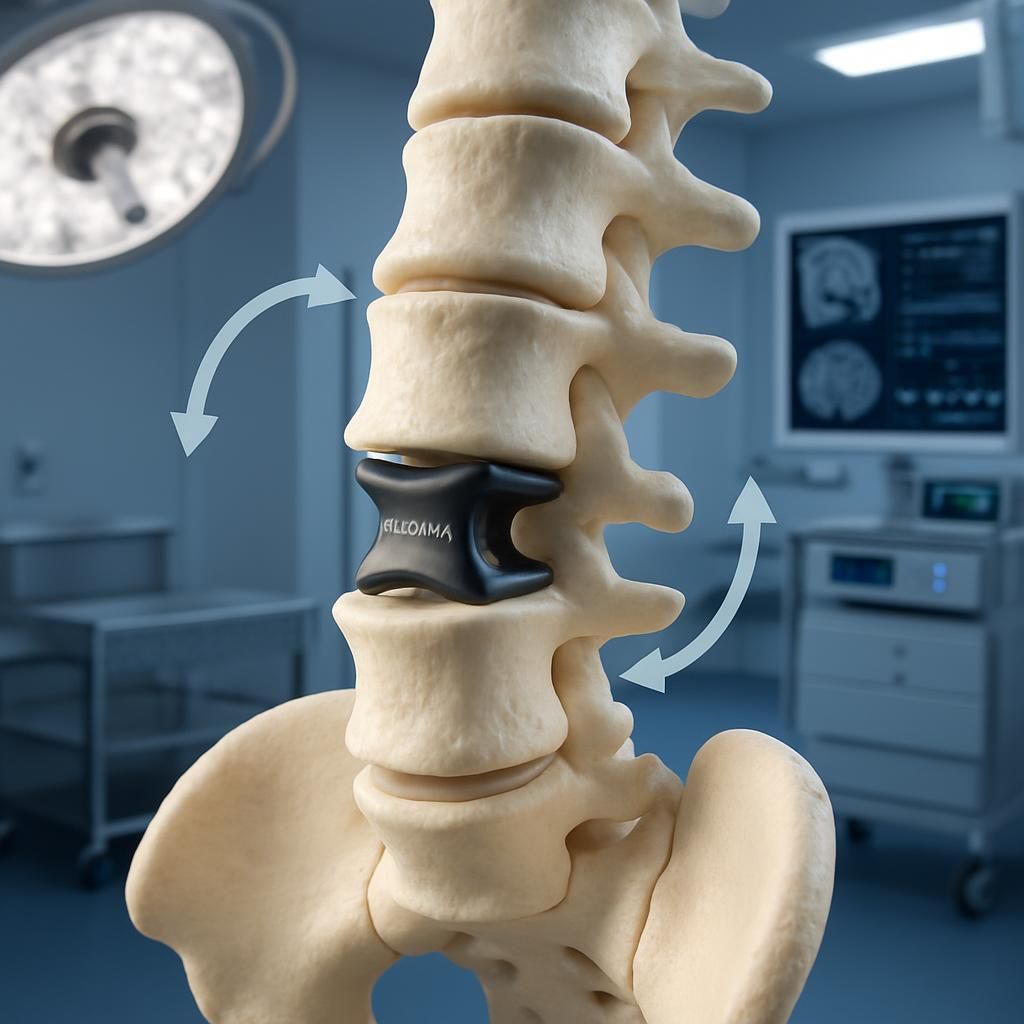
The IntraSPINE implant is a major advancement in orthopedic and neurosurgical treatment for chronic lower back pain and degenerative spinal processes. Unlike traditional spinal fusion techniques that immobilize the affected segments, IntraSPINE is a implant This dynamic technique aims to restore and preserve the natural mobility between two vertebrae. This biomechanical characteristic offers numerous benefits for the patient, directly resulting in a better post-operative quality of life, a faster return to daily activities, and a significant reduction in complications related to spinal stiffness.
The design of this device allows the vertebral implant to be inserted at the interspinous level, between the spinous processes of the lumbar vertebrae, thus acting as a flexible shock absorber. Its primary function is to relieve pressure on the intervertebral discs and nerve roots, while maintaining spinal biomechanics close to natural physiology. This system therefore counteracts indirect nerve compression, which is responsible for many symptoms of back pain and functional lumbar disorders.
Key benefits of the IntraSPINE system include:
- Maintaining spinal mobility with limitation of the ankylosis phenomena that can occur after fusion.
- Reduction of mechanical stress on the discs adjacent to the operated area, thus minimizing the risk of secondary degeneration.
- Reduction in painful episodes thanks to better vertebral positioning and natural decompression.
- Possibility of minimally invasive intervention, avoiding large incisions and facilitating recovery.
- Preserving flexibility, essential for functional back mobility in daily and sporting activities.
This type of spinal implant is particularly recommended in cases of advanced spinal osteoarthritis or stenosis foraminal mild to moderate cases where conservative treatments, notably those offered by the TAGMED Clinic, were followed without satisfactory improvement over a period of 3 to 6 months. This period, essential before any spinal surgery, underscores the importance of interdisciplinary collaboration between Quebec specialists and French surgeons specializing in motion surgery to optimize results.
Furthermore, the IntraSPINE implant is part of a comprehensive treatment plan that includes early rehabilitation and rigorous follow-up to ensure long-term spinal stability. This innovative approach to conservative surgery redefines the standards of spinal surgery by offering patients a reliable and less invasive alternative to traditional spinal fusion.
Comparison of surgical options for back pain and lumbar pain in France
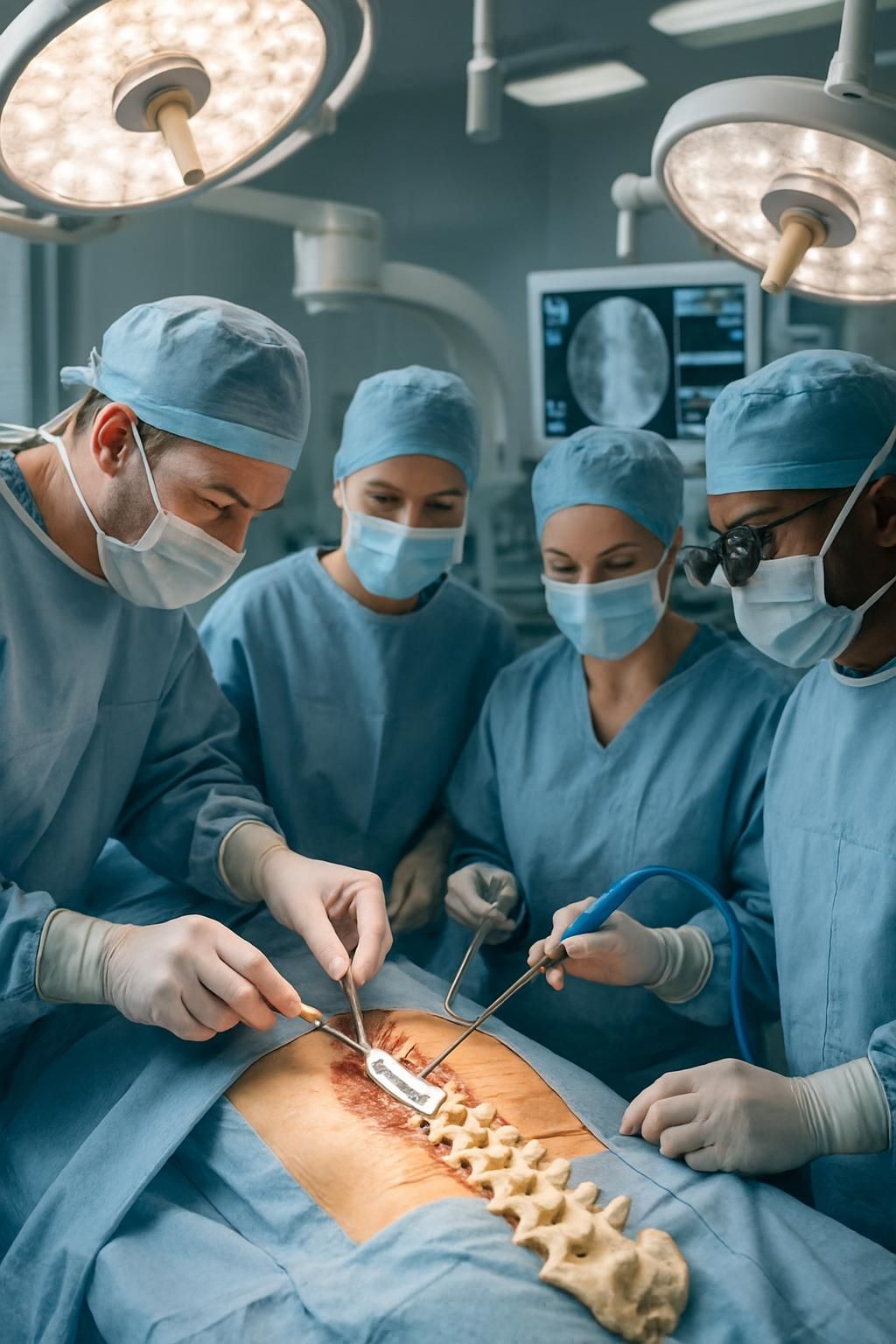
France is renowned for its advanced surgical techniques, particularly in spinal surgery. Quebec patients can therefore benefit from cutting-edge French expertise, especially with dynamic implants such as TOPS and IntraSPINE. These options differ from traditional spinal fusion methods, although each technique has its place depending on the specific diagnosis.
Traditional surgeries, such as spinal fusion, involve immobilizing a segment of the spine by fusing vertebrae together. This method is widely used in cases of severe spinal instability or significant deformities, but it often results in rigidity and can lead to compensatory pain in adjacent areas. Spinal fusion remains an effective standard, but it is now being complemented, or even replaced in some cases, by innovative techniques with a more favorable biomechanical profile.
Alternatives offered only in specialized centers, such as the TAGMED Clinic in France, include:
- Minimally invasive surgery, reducing soft tissue trauma and facilitating rapid recovery.
- The placement of dynamic implants such as IntraSPINE or TOPS, which preserve spinal mobility to the maximum.
- The Spinal decompression therapy simple, in case of nerve compression without the need for immobilization.
A comparative table illustrates the key differences:
| Surgical technique | Post-operative spinal mobility | Average recovery time | Main risks | Indications |
|---|---|---|---|---|
| Spinal fusion | Reduced or even non-existent mobility at the merged level | 3 to 6 months | Stiffness, secondary degeneration, pain in adjacent areas | Severe instability, severe deformations |
| IntraSPINE Implant | Mobility preserved, biomechanics close to natural | 6 to 8 weeks | Rare complications, requiring technical expertise | Moderate back pain, mild to moderate foraminal stenosis |
| TOPS | Dynamic mobility, optimal preservation | 6 to 10 weeks | Sensitivity to patient selection, technical proficiency required | Specific cases of decompression and moderate instability |
| Simple decompression | Mobility preserved if no implant | 4 to 6 weeks | Risk of symptom recurrence, no stabilization | Isolated nerve compression without instability |
This overview highlights the importance of a thorough and personalized assessment to determine the most appropriate surgical approach, avoiding systematic fusion. The role of experts, particularly those involved in transatlantic collaborations, is crucial in guiding patients toward cutting-edge surgical solutions, always in accordance with international standards and best practices.
The integration of minimally invasive technologies via solutions like IntraSPINE is part of this quest for surgical innovation, promoting patient safety and optimal return to function, as proposed in the latest advances in back surgery.
Care pathway and transatlantic coordination between Quebec and France for IntraSPINE surgery
The success of spinal surgery, particularly with dynamic implants such as IntraSPINE, depends largely on the quality of the care pathway, from the initial assessment to postoperative follow-up. Louis Blanchard ensures that Quebec patients receive personalized support, combined with seamless coordination between Quebec specialists and French surgeons. This collaboration is essential to guarantee safety, scientific rigor, and adherence to international protocols.
The process often begins with an in-depth consultation in physiotherapy and advanced orthopedics, particularly possible at the TAGMED CLINIC, where conservative treatments, including neurovertebral decompression, are carried out. This observation period, lasting 3 to 6 months, allows for a reduction in the need for surgery if there is improvement or, conversely, for the preparation of a tailored surgical plan if symptoms persist.
Once the decision is made, administrative and medical coordination facilitates the decision-making process. appointment In France, pre-operative preparation takes place in a secure environment. The patient is supported by a multidisciplinary, French-speaking team, ensuring continuity of care and ongoing communication. This personalized follow-up extends to the post-operative phase through telemedicine tools, allowing for close monitoring of results and management of any potential complications.
This transatlantic handling model offers several advantages:
- Rapid access to innovative surgical procedures thanks to an optimized calendar
- Full administrative support to facilitate travel and accommodation
- French-speaking medical follow-up coordinated between specialists from both continents
- Access to surgical techniques that minimize risks and accelerating rehabilitation
- Clear and reassuring communication to alleviate anxiety related to surgery abroad
Thanks to this coordinated approach, IntraSPINE surgery has emerged as a relevant solution, particularly in light of the sometimes long wait times and prohibitive costs of private surgery in Quebec. This approach offers comprehensive and safe care, meeting the high standards of excellence and innovation expected by today's patients.
Clinical indications and selection criteria for the IntraSPINE implant
The success of surgery with the IntraSPINE implant depends on rigorous candidate selection. This step is crucial to maximizing biomechanical and functional benefits while minimizing potential complications. Post-operative care should be considered after a phase of conservative treatments, including physiotherapy, appropriate medication, and advanced nerve decompression techniques offered by, among others, the [organization name missing]. TAGMED CLINIC.
The main eligibility criteria revolve around the following issues:
- Chronic back pain or lower back pain with major functional impact despite complete rehabilitation
- Mild to moderate foraminal stenosis responsible for nerve compression, with partial preservation of spinal mobility
- Absence of severe spinal instability ; The implant replaces fusion only in cases without major deformities.
- Motivated patients with an understanding of the surgical process and committed to the postoperative rehabilitation phase
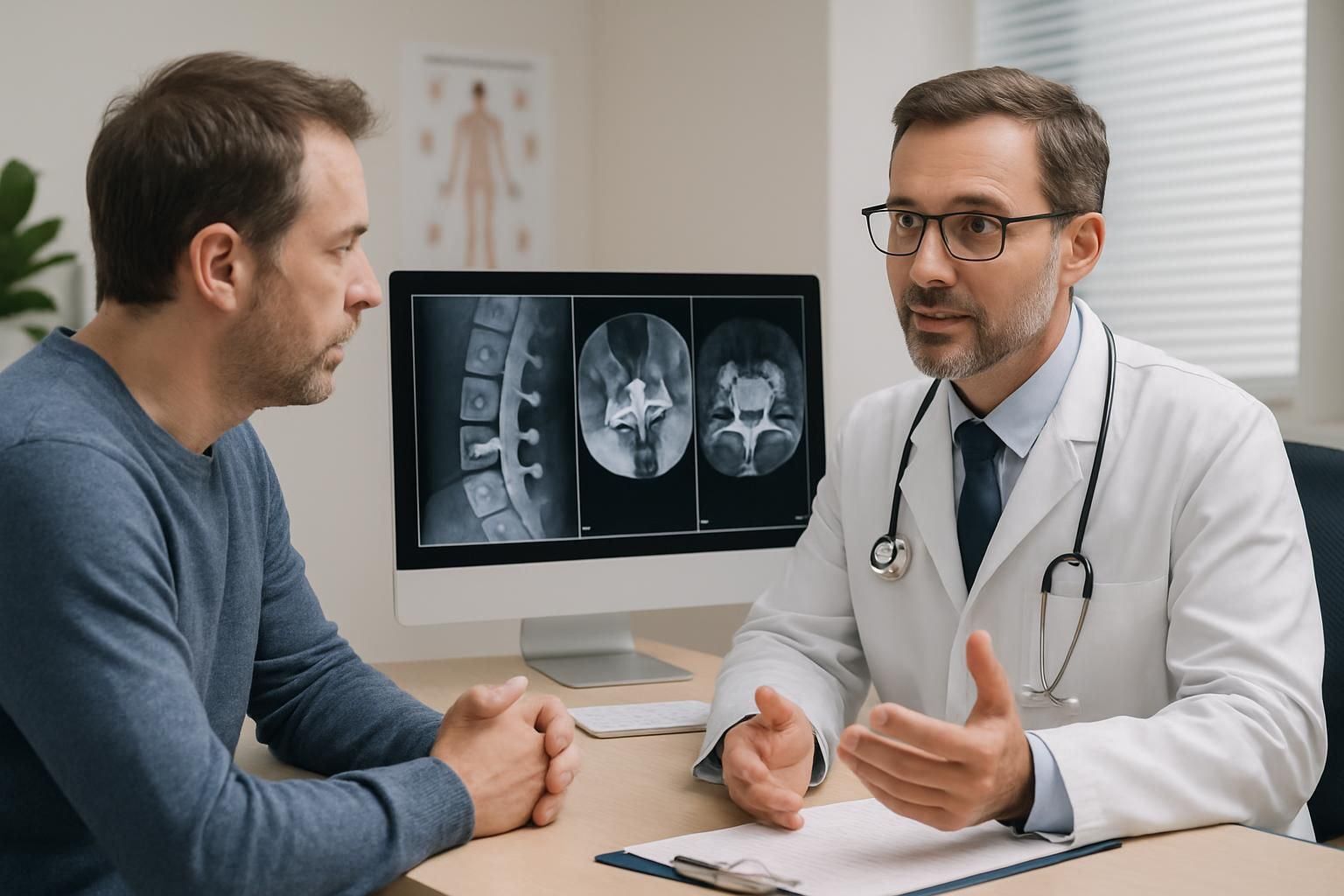
Conversely, patients with significant deformities, unstable fractures, or severe neurological conditions should opt for more conventional interventions, sometimes combined with spinal fusion. A comprehensive evaluation, including precise medical imaging and multidisciplinary consultation, is therefore essential.
The use of IntraSPINE helps avoid common complications associated with spinal fusion, such as pain in adjacent areas, functional loss, and long-term consequences. By combining biomechanical innovations with tailored rehabilitation, optimal and lasting recovery can be ensured.
Rehabilitation and post-operative follow-up: ensuring the long-term success of IntraSPINE surgery
Following spinal surgery with an IntraSPINE implant, the rehabilitation phase is crucial. It aims to strengthen the paraspinal muscles, improve posture, reduce the risk of back pain recurrence, and optimize the recovery of mobility. This follow-up is designed to be progressive and tailored to each patient's individual needs, combining scientific rigor with personalized support.
Recommended protocols include gentle mobilization from the first postoperative days, under the close supervision of physiotherapy and orthopedics specialists. Collaboration with specialized centers, such as the TAGMED Clinic, provides an ideal setting for this targeted rehabilitation with multidisciplinary support.
The transatlantic coordination team also ensures effective remote follow-up through teleconsultations and personalized therapeutic adjustments, essential for patients returning to Quebec after surgery. Psychological support is also offered to bolster motivation and manage any anxieties related to residual pain or the healing process.
Key steps in post-operative rehabilitation include:
- Initial phase : relative rest and gentle mobilization to limit stiffness.
- Strengthening phase : targeted exercises to strengthen the stabilizing muscles of the spine.
- Return to function phase : gradual resumption of daily and sporting activities.
- Regular monitoring with imaging and clinical assessments to validate the stability and effectiveness of the implant.
Long-term results They show a marked reduction in lower back pain, improved range of motion, and a better quality of life. This surgery is therefore part of a continuum of care where innovation goes hand in hand with rigor and humanity, values upheld by the Franco-Quebec multidisciplinary teams.
IntraSPINE Post-Operative Rehabilitation Timeline
For more information on innovative surgical techniques combining effectiveness and rapid recovery, see also the complete dossier on the minimally invasive surgery.
What is the IntraSPINE implant?
This is a dynamic interspinous implant designed to relieve lumbar pain while preserving spinal mobility.
What are the benefits of the IntraSPINE implant compared to spinal fusion?
The implant preserves the mobility of the operated vertebrae, reduces pain and limits complications related to stiffness and degeneration of adjacent levels.
What is the surgical process like for a patient from Quebec?
The patient benefits from a thorough initial assessment, coordination between specialists in Quebec and France, advanced surgery and personalized post-operative follow-up including adapted rehabilitation.
When is IntraSPINE surgery indicated?
After 3 to 6 months of conservative treatments without sufficient improvement, in cases of mild to moderate foraminal stenosis and without severe instability.
Is IntraSPINE surgery safe?
Yes, it is carried out in reference centers with a high level of safety and expertise, involving complete mastery of implantable technologies.
To learn more or for a personalized assessment, visit SOS Medical Tourism.