Dynamic implants: preserving cervical spine mobility
08/06/25
Arthrodesis vs. Motion: Impact on the Patient's Quality of Life
08/08/25
Spinal surgery in France is now distinguished by access to advanced medical technologies, embodying a new era for patients suffering from complex spinal pathologies. Alongside traditional techniques, revolutionary dynamic implants, such as the TOPS and IntraSPINE systems, offer innovative perspectives for preserving spinal mobility while ensuring effective stabilization. This progress relies on outstanding surgical expertise and meticulous coordination between reference centers, particularly in innovative neurosurgery, thus guaranteeing a smooth and safe patient journey, especially for those coming from Quebec. The integration of surgical robotics, exemplified by the use of the Mazor robot at the Saint-Martin Private Hospital in Pessac – the first in France equipped with this technology – optimizes the precision of the surgical procedure and profoundly transforms patient care. This context is an invitation to discover the many solutions that mark the cutting edge in surgery back pain in France, supported by personalized guidance and increased scientific rigor.
Advanced medical technologies in spinal surgery: the Mazor robot and dynamic implant innovations
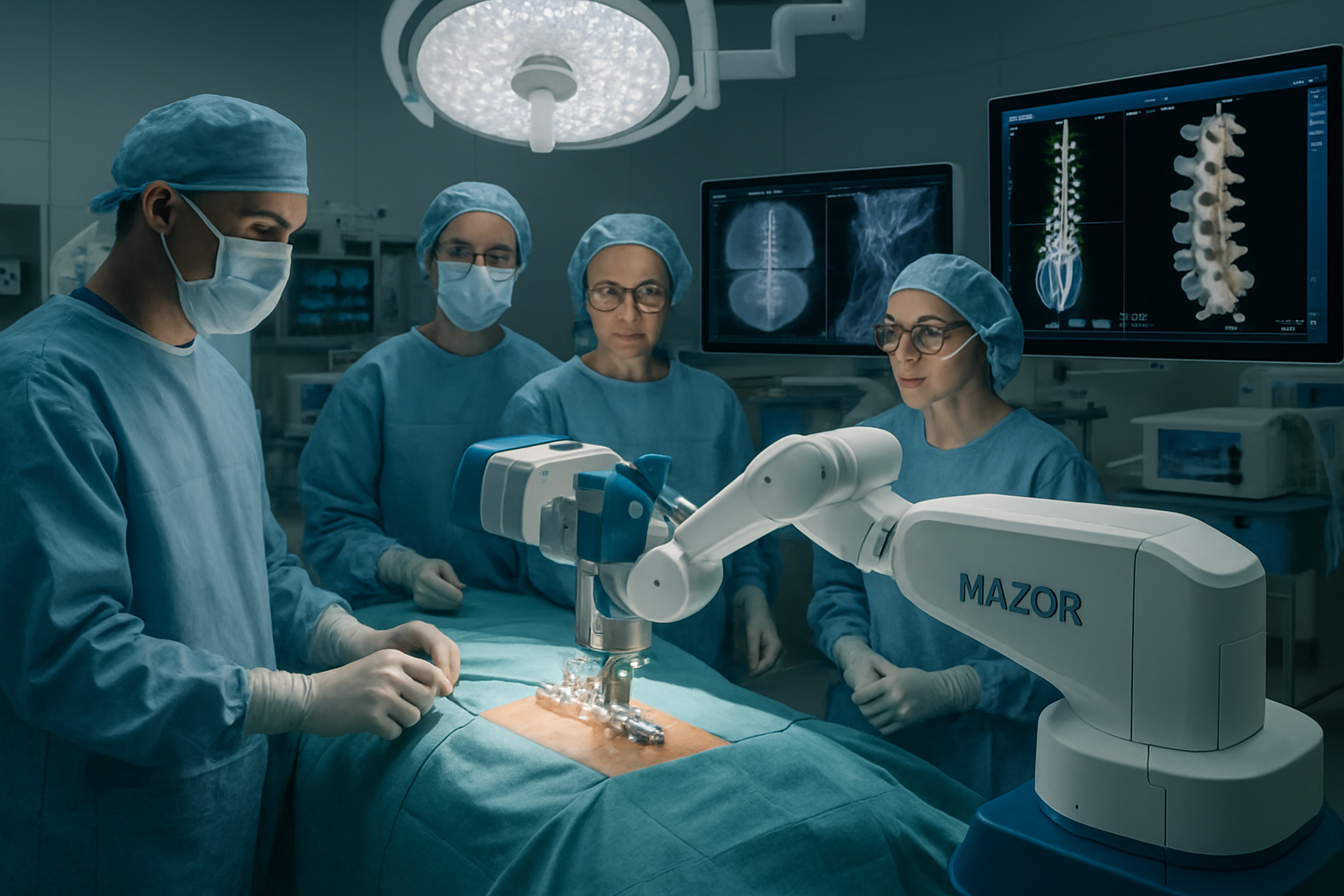
Access to cutting-edge technologies in spinal surgery In France, this is closely linked to the introduction of modern surgical systems that combine precision, safety, and personalization. Since June 2022, the Mazor robot, developed by Medtronic, has been adopted by the Saint-Martin Private Hospital in Pessac, ushering in a new era in the planning and execution of spinal surgeries. This robot-assisted surgery allows surgeons at the Aquitaine Back Center, a leading team in France, to perform these procedures with greater precision. neurosurgery innovative, to rigorously plan each step in 3D, guaranteeing unparalleled precision when placing implants such as pedicle screws or stabilizing rods.
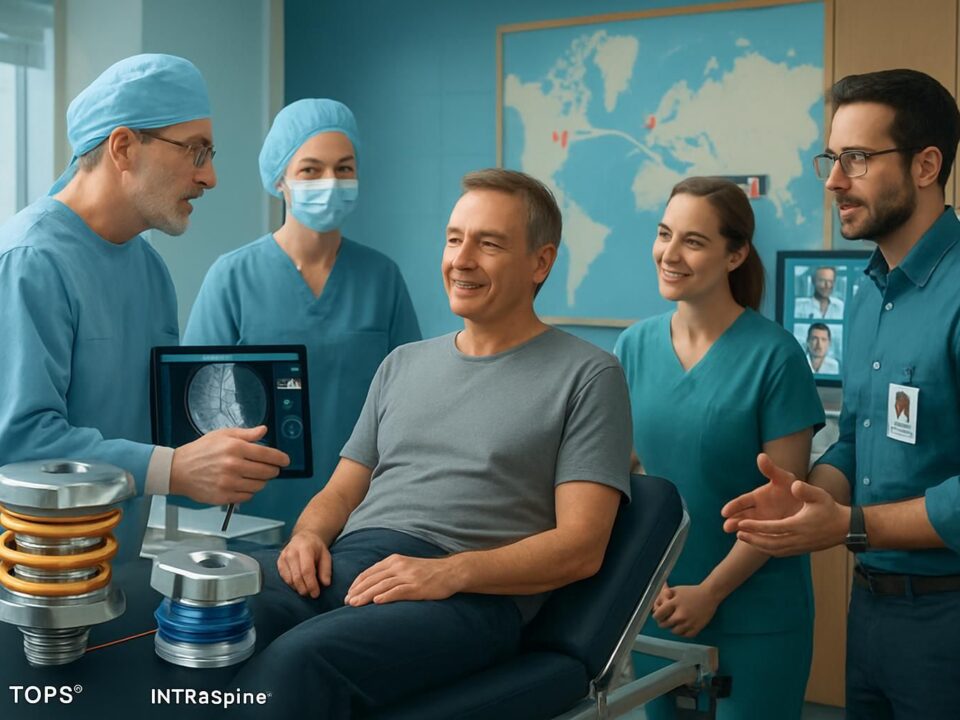
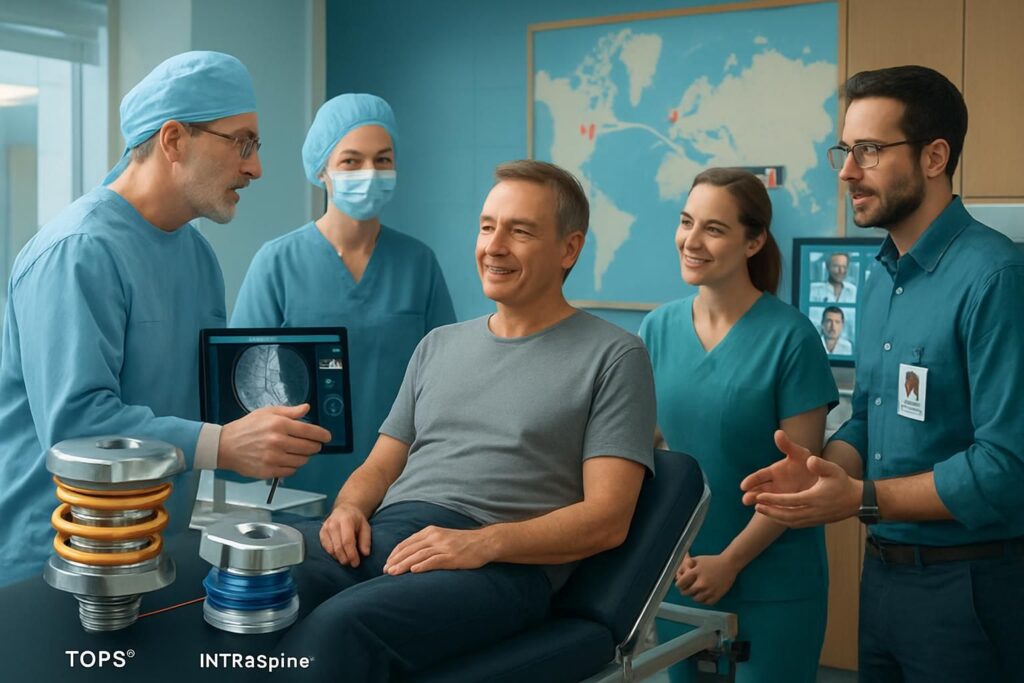
The move towards dynamic implants, such as TOPS IntraSPINE highlights a surgical approach that respects the natural biomechanics of the spine. These devices promote the preservation of vertebral movement, unlike traditional rigid fusions. This represents a significant advancement for patients wishing to maintain an active lifestyle after surgery.
- Mazor Robot: 3D planning and robotic mechanical assistance for extreme precision.
- TOPS and IntraSPINE dynamic implants: stabilization with preservation of mobility.
- Minimally invasive surgery : reduction of tissue trauma and accelerated recovery.
- Enhanced security: Real-time navigation during the procedure to limit complications.
These innovations offer a new solution for conditions such as degenerative disc disease, spondylolisthesis, or complex disc herniations, often recommended after a prior phase of conservative treatment at the TAGMED Clinic, a key partner for the non-invasive management of spinal pain.
| Technology | Main advantages | Clinical applications |
|---|---|---|
| Mazor Robot | 3D planning, precise gesture control, real-time navigation | Percutaneous fusions, minimally invasive surgery, revisions |
| TOPS Dynamic Implants | Preservation of mobility, segmental stabilization | Treatment of degenerative disc disease, spondylolisthesis |
| IntraSPINE Implants | Intermediate decompression, biomechanical flexibility | Chronic lower back pain, segmental instability |
These technological advances illustrate the synergy between high-precision surgery and biomechanical innovations in the service of a better quality of life.
Personalized care pathway and transatlantic coordination for successful back surgery in France
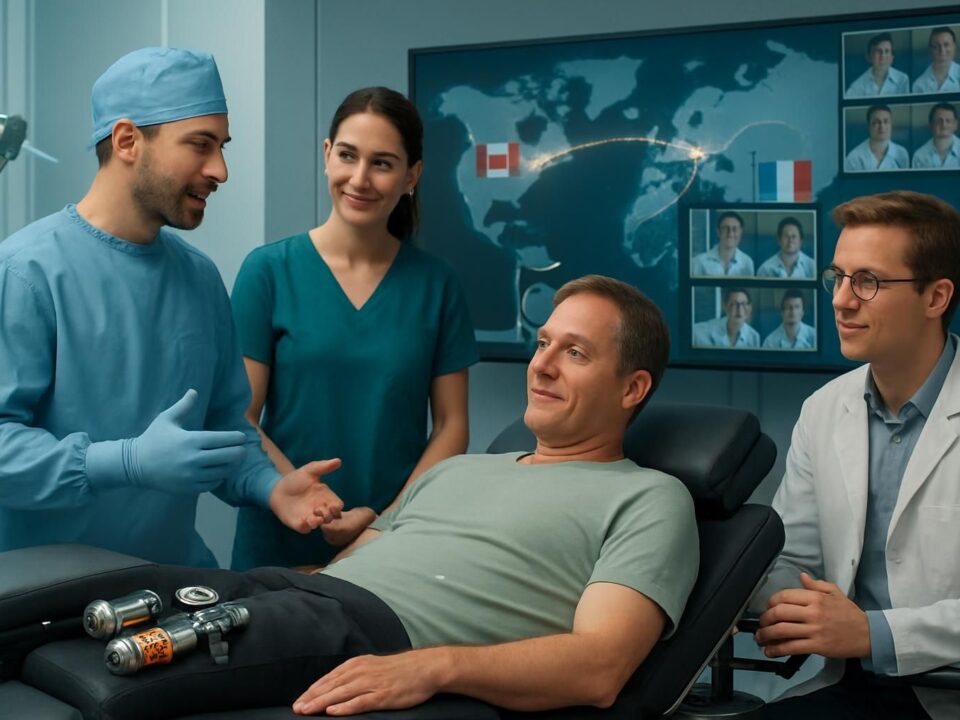
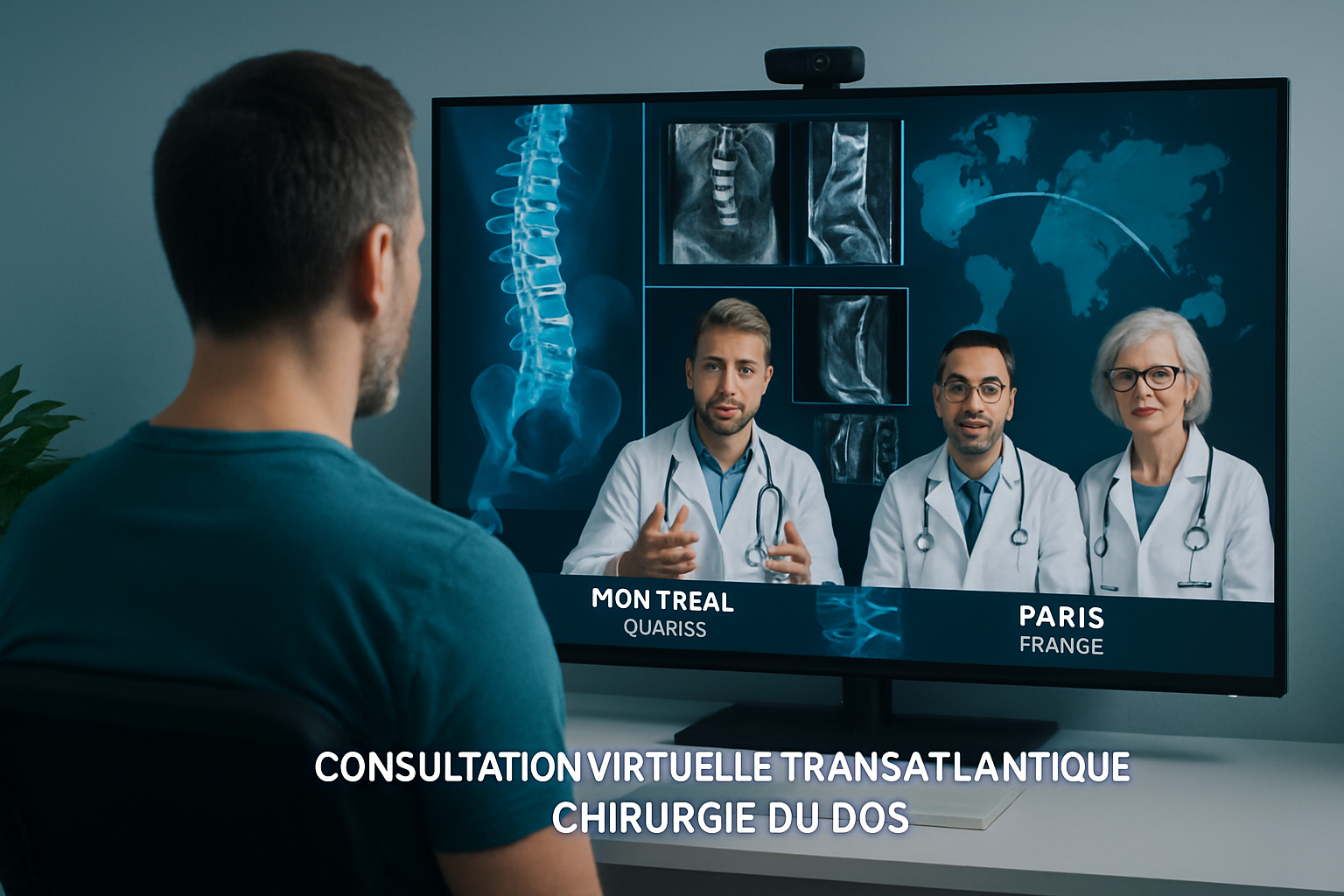
The success of innovative back surgery in France relies on integrated coordination between healthcare professionals, specialized orthopedic facilities, and support platforms such as SOS Medical Tourism. This close partnership ensures a personalized welcome for patients, particularly those from Quebec, who often face long delays or high costs in their local healthcare system.
The process begins with a comprehensive evaluation, based on thorough examinations and specialist consultations to discuss surgical options, taking care to establish a clear and reassuring dialogue with the patient. This step is crucial before any surgical decision is made, respecting the rule of conservative treatment for at least 3 to 6 months, including, in particular, the neurovertebral decompression available at the TAGMED CLINIC.
- Initial consultation and detailed analyses with recognized specialists.
- Referral to advanced conservative treatments before surgery.
- Logistical organization of transatlantic reception, administrative assistance and follow-up.
- Successful implantation of spinal implants according to a suitable schedule.
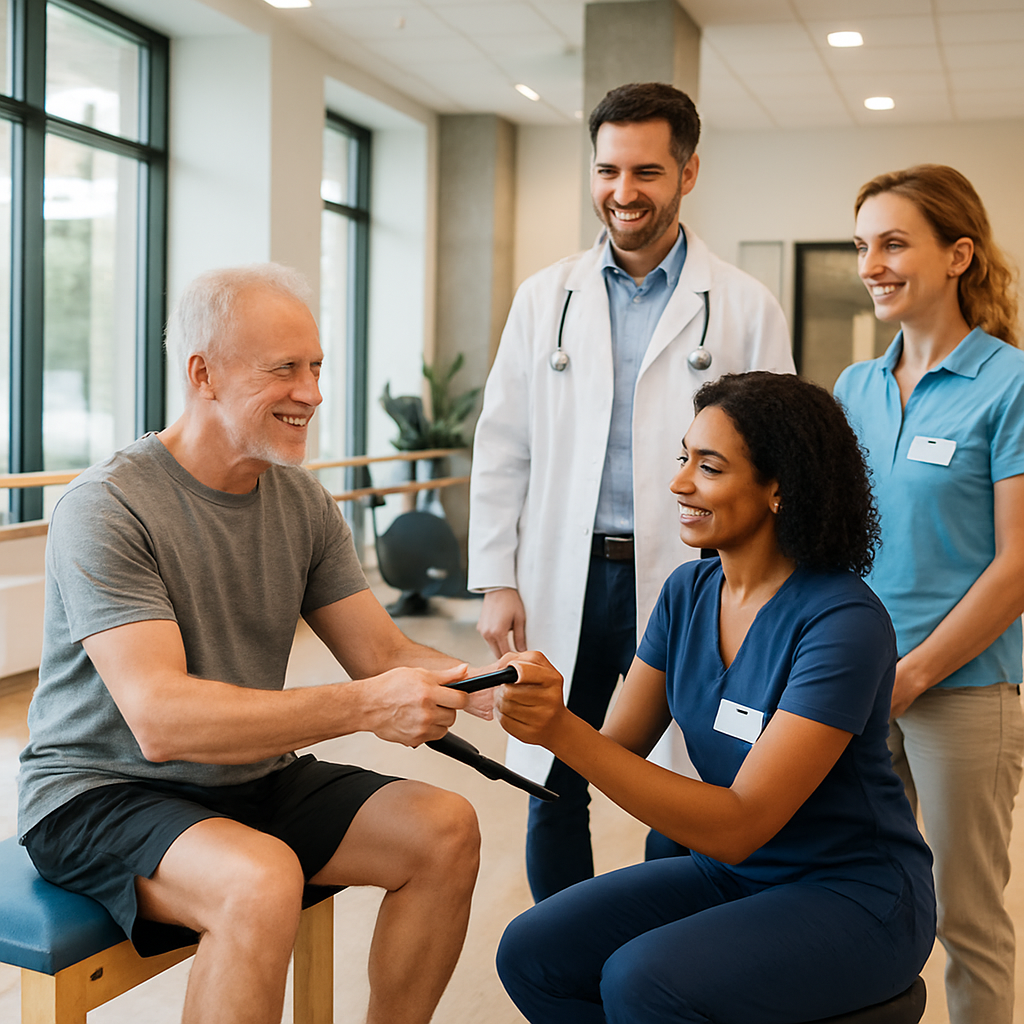
- Multidisciplinary post-operative follow-up including rehabilitation and psychological support.
Communication between the teams in Quebec and France is facilitated through digital tools and regular exchanges, allowing for optimal monitoring at every stage. This coordination model ensures that each patient benefits from a care environment that meets international standards and is supported with empathy and professionalism throughout their journey.
| Stage | Description | Officials |
|---|---|---|
| Preliminary assessment | Clinical analysis and imaging, discussion of options | Neurosurgeons, Orthopedic Surgeons France/Quebec |
| Preservative treatment | Neurovertebral decompression, physiotherapy, medication | TAGMED Clinic, specialist therapists |
| Admission to France | Logistical organization, pre-operative consultation | Teams SOS Medical Tourism, surgeons |
| Surgery | Surgery with advanced technology, dynamic implants | Specialized surgeons at the Aquitaine Back Center |
| Post-operative follow-up | Rehabilitation, medical monitoring and personalized support | Interdisciplinary teams, patient |
Surgical options in France: between traditional techniques and innovative implants for spinal health
The range of back surgeries has been significantly expanded thanks to the introduction of dynamic implants and the modernization of established techniques. merger vertebral, long the standard for treating degenerative pathologies, now coexists with options like the TOPS system or the IntraSPINE implant, which favour a motion-preserving approach – that is, the preservation of segmental mobility.
These implants are designed to allow patients to to restore a more natural spinal function, This improves quality of life and reduces the risk of adjacent syndrome, which is common after rigid fusion. Their robot-assisted placement optimizes safety and precision, thus minimizing postoperative complications.
Treatments offered in France include:
- Simple decompression: intervention aimed at releasing compressed nerve structures.
- Spinal fusion: rigid stabilization for severe cases of degeneration or instability.
- TOPS dynamic implants: stabilizing and dynamic system allowing for better mobility.
- IntraSPINE implants: interspinous device preserving the functionality of the lumbar spine.
The decision to proceed with surgery is always made in consultation with the patient and after a rigorous evaluation taking into account their medical conditions, lifestyle, and preferences, the TAGMED Clinic is an essential partner in this process, offering the opportunity to assess the benefits of dynamic implants and guide patients toward the best solution suited to their individual situation.
| Surgical technique | Benefits | Boundaries |
|---|---|---|
| Simple decompression | Less invasive, reduces pain quickly | Does not stabilize the spine |
| Spinal fusion | High stability, proven solution | Loss of mobility, risk of adjacent syndrome |
| TOPS Implants | Preservation of mobility, reduction of adjacent stress | Requires a rigorous patient-team selection |
| IntraSPINE Implants | Minimally invasive technique, maintaining flexibility | Limited to certain specific cases |
Clear and accessible information about these options is crucial for patients to understand the biomechanical and functional benefits offered, as well as the associated care pathway.
Safety and scientific rigor: a key commitment for back surgery in France
Back surgery in France rests on a solid foundation of scientific and ethical requirements. Innovations introduced, particularly in the context of dynamic implants and... robotic surgery, These procedures are always integrated within a rigorous framework that respects international safety standards and good medical practices. The use of technologies like the Mazor robot does not replace human skill but enhances it through increased precision and optimal planning.
All stages of the surgical process are subject to strict protocols, including a comprehensive clinical evaluation, meticulous preparation, and intensive post-operative monitoring, ensuring patient safety. These processes are supported by clinical studies, feedback, and regular audits conducted in particular by the teams at the Centre Aquitain du Dos and the French Orthopedic Network.
- Scientific validation: evidence-based integration.
- International standards: strict adherence to good surgical practices.
- Patient safety: control protocols throughout the process.
- Continuing education: Updating medical and technological skills.
This rigorous approach ensures that each patient benefits from optimal and personalized care, in a climate of trust and transparency, promoting better surgical success and easier recovery.
Added value of back surgery in France: innovation, mobility and human support
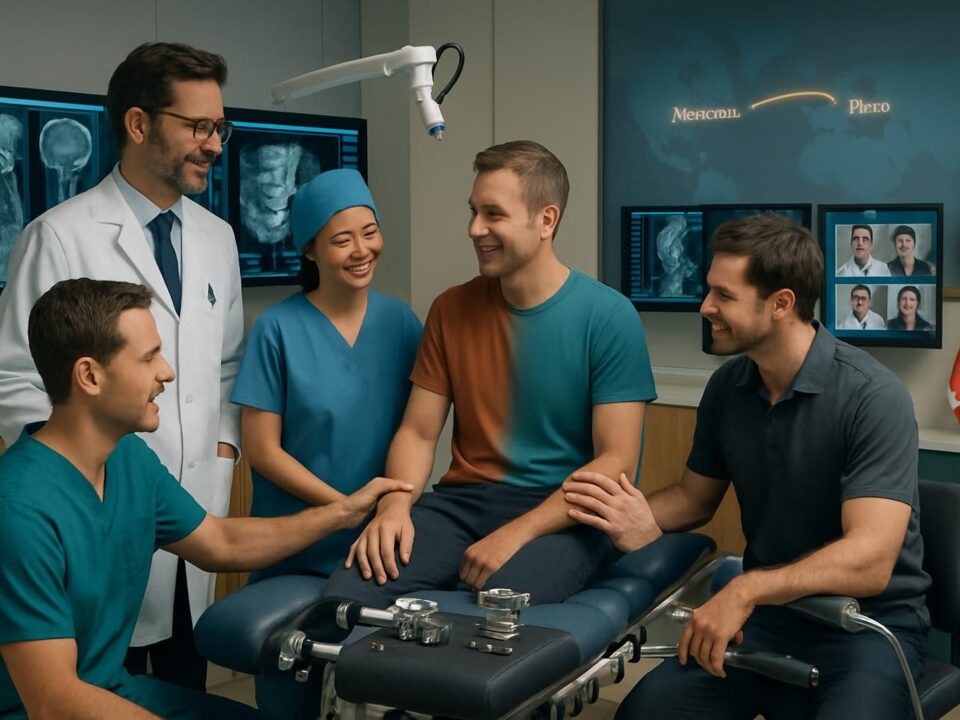
Back surgery in France is not limited to the use of cutting-edge technologies; it also incorporates an essential human dimension. Dynamic implants offered by recognized experts make it possible to reconcile spinal stability with the preservation of movement, representing a significant turning point in the management of spinal pathologies. The collaboration between the surgeons of the Spinal Surgery Center and partners such as the TAGMED Clinic guarantees quality support before, during and after the procedure.
In addition to technological innovation, this surgical offering emphasizes:
- Preserving mobility: allowing for an active post-operative life.
- French surgical expertise: an international reference in innovative neurosurgery.
- Personalized follow-up: comprehensive medical and psychological support.
- Transatlantic coordination: Simplifying the process for international patients.
These advantages contribute to a care approach that goes beyond the simple surgical procedure, placing the patient at the heart of a system designed to meet their specific needs, with continuous attention to their quality of life and overall well-being.
| Appearance | Added value | Impact on the patient |
|---|---|---|
| Technological innovation | Dynamic implants, Mazor robot | Precision, safety, preserved mobility |
| Surgical expertise | Surgeons from the Aquitaine Back Center | Better care, cutting-edge techniques |
| Accompaniement | Personalized pre- and post-operative support | Serenity, better recovery |
| International coordination | Quebec-France interface via SOS Medical Tourism | Smooth journey, easy access |
Comparison of techniques in back surgery
FAQs about back surgery in France and innovative spinal implants
- What are the advantages of dynamic implants compared to spinal fusion?
Dynamic implants such as TOPS and IntraSPINE stabilize the spine while preserving natural mobility, reducing the risk of pain and adjacent syndrome associated with rigid fusions. - How does Mazor robot-assisted surgery work?
The Mazor robot uses a 3D planning software to precisely prepare for surgery. During the procedure, a robotic arm guides the surgeon in real time to place the implants with extreme precision, minimizing errors. - What criteria determine the choice between implant Dynamic and traditional surgery?
The choice depends on the patient's clinical condition, medical history, the presence of spinal instability, and functional goals. A comprehensive evaluation with a specialist will determine the most appropriate strategy. - Is the treatment process in France accessible to Quebec patients?
Yes, thanks to personalized support provided in particular by SOS Medical Tourism, Quebec patients benefit from smooth and complete coordination, including assessment, surgery and follow-up. - Is it necessary to have tried conservative treatments before surgery?
Indeed, it is recommended to follow a thorough conservative treatment for 3 to 6 months, including neurovertebral decompression, before considering surgical intervention.
To learn more or for a personalized assessment, visit https://www.sostourismemedical.com/contact.