
Spinal fusion: complications
02/06/26
Motion Surgery: Benefits
02/06/26
Lumbar and cervical spine disorders are a major concern for many patients seeking to improve their quality of life. Faced with persistent pain or debilitating nerve compression, surgery sometimes appears to be the only option. In France, innovation in dynamic stabilization offers a new perspective, particularly thanks to cutting-edge implants such as the TOPS or IntraSPINE systems. These revolutionary surgical techniques address mechanical back problems while preserving the spine's natural mobility. Their principle is based on precise biomechanics that combine segmental stability and flexibility, thus reducing the risks associated with traditional "fusion" surgeries.
Furthermore, the transatlantic coordination established between Quebec and France greatly facilitates access to these innovative technologies. This ongoing partnership, particularly with centers such as the TAGMED Clinic, guarantees a smooth and secure patient journey. Beyond simply surgery, Personalized support, based on rigorous assessment and accessible information, guides each patient toward informed decision-making. French surgical services are distinguished by their recognized expertise, scientific rigor, and adherence to strict international standards. This expertise guarantees both quality and safety for Quebec patients seeking optimal intervention in terms of functional outcomes and recovery.
Applications of dynamic implants in spinal surgery
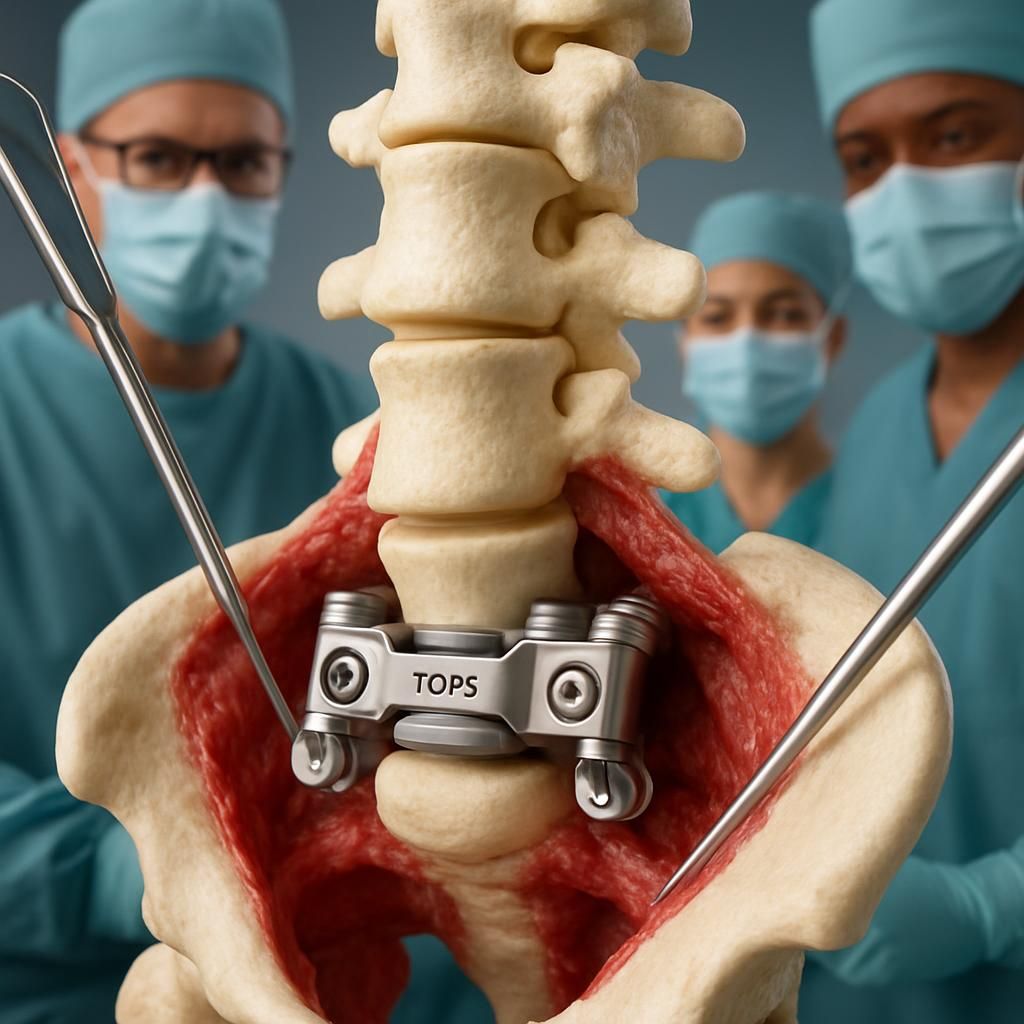
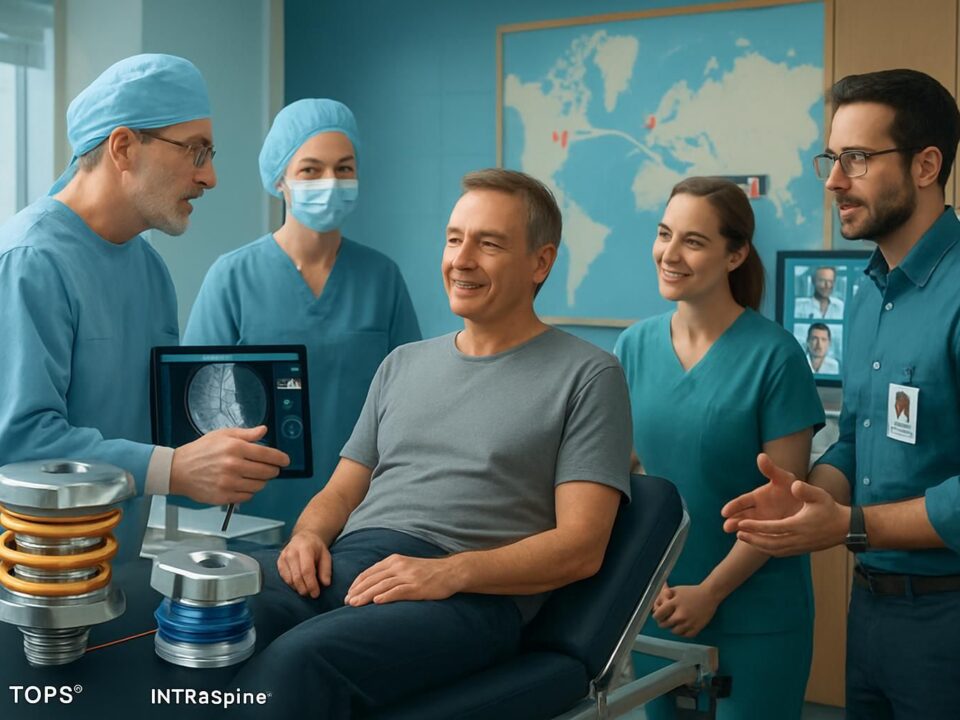
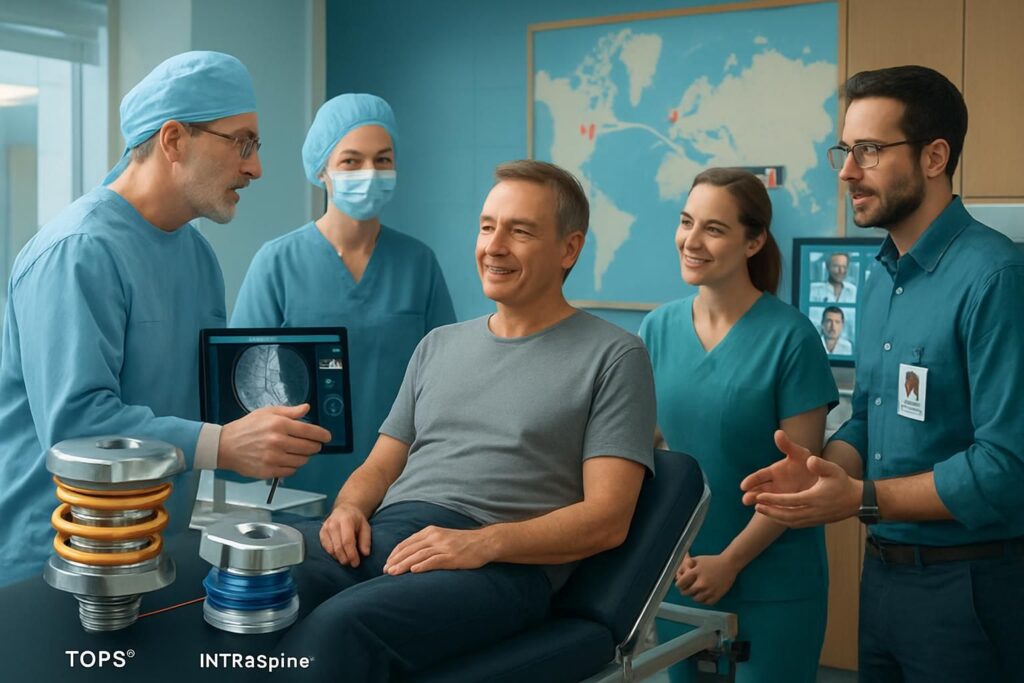
The use of dynamic implants such as the TOPS system or IntraSPINE is revolutionizing the management of spinal pathologies complex. These devices of dynamic stabilization They are designed to offer segmental stability while maintaining a degree of intervertebral mobility. This ability to reproduce biomechanics close to natural physiology is fundamental in the treatment of chronic lower back pain or structural back problems.
For example, the TOPS system allows for precise control of movements in multiple planes, thus reducing stress on adjacent disks. This sophisticated mechanism is comparable to the advanced automatic control technologies found in robotics and autonomous vehicles, where integrated gyroscopes and accelerometers ensure constant stability.
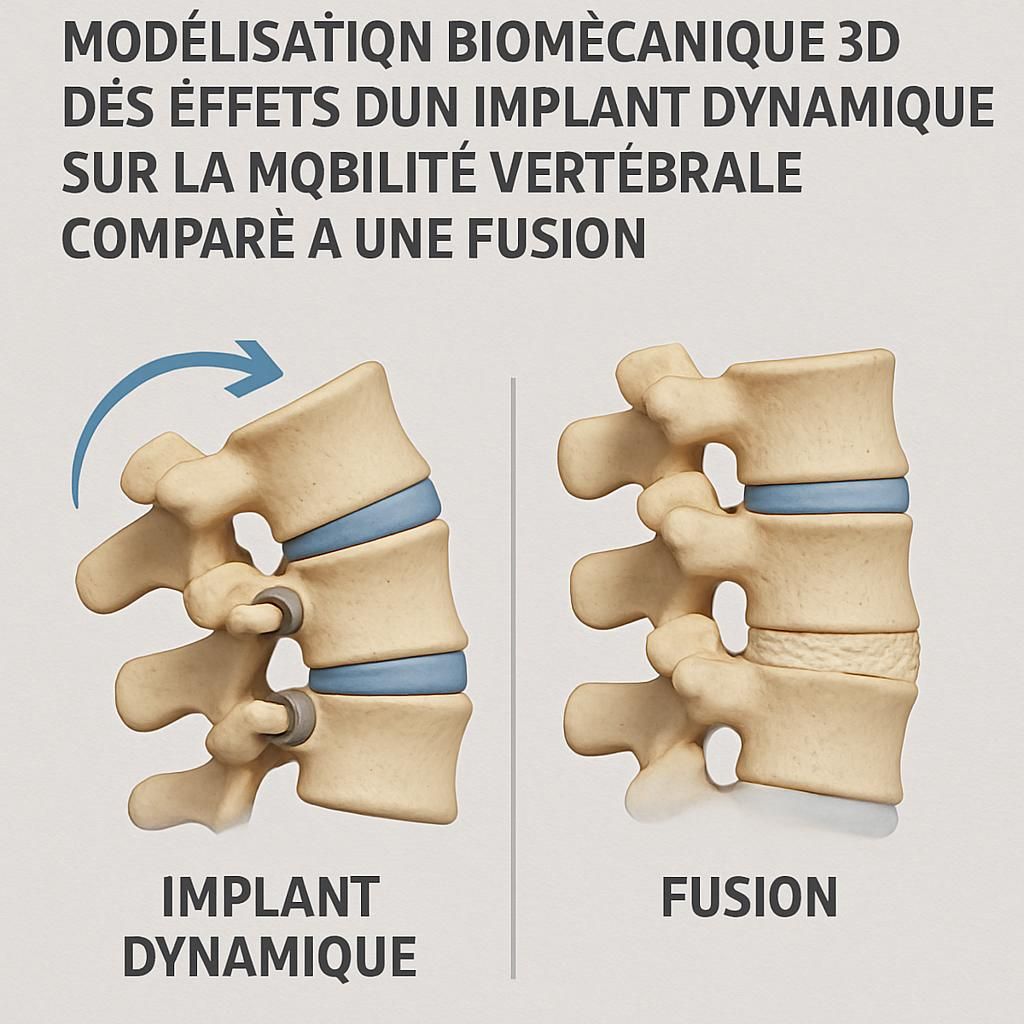
For example, in the treatment of spondylolisthesis or degenerative disc disease, dynamic stabilization ensures better preservation of mobility and a reduction in premature wear of adjacent segments, unlike conventional techniques. merger, which permanently stiffen the spine.
However, it is imperative to integrate these innovative solutions within a framework rigorously validated by clinical studies. The role of experts in this field, particularly those working closely with leading French centers, is to guarantee a protocol based on safety and efficacy. They assess the biomechanical compatibility of the implants with the patient's nervous and skeletal systems, adhering to international standards that ensure exemplary healthcare.
Furthermore, dynamic stabilization is not limited to the lumbar spine but extends its benefits to the cervical spine, where segmental mobility is even more crucial. The integration of miniaturized embedded systems into these implants paves the way for automated controls that improve surgical precision and postoperative biomechanics.
The patient journey for innovative surgery in dynamic stabilization
The path to successful dynamic stabilization intervention begins with a comprehensive preliminary assessment. For Quebec patients, this process typically starts with a conservative phase of at least 3 to 6 months, including treatments such as neurovertebral decompression available at the TAGMED CLINIC. This gradual approach aims to limit surgery to only resistant cases, emphasizing caution and adherence to good medical practices.
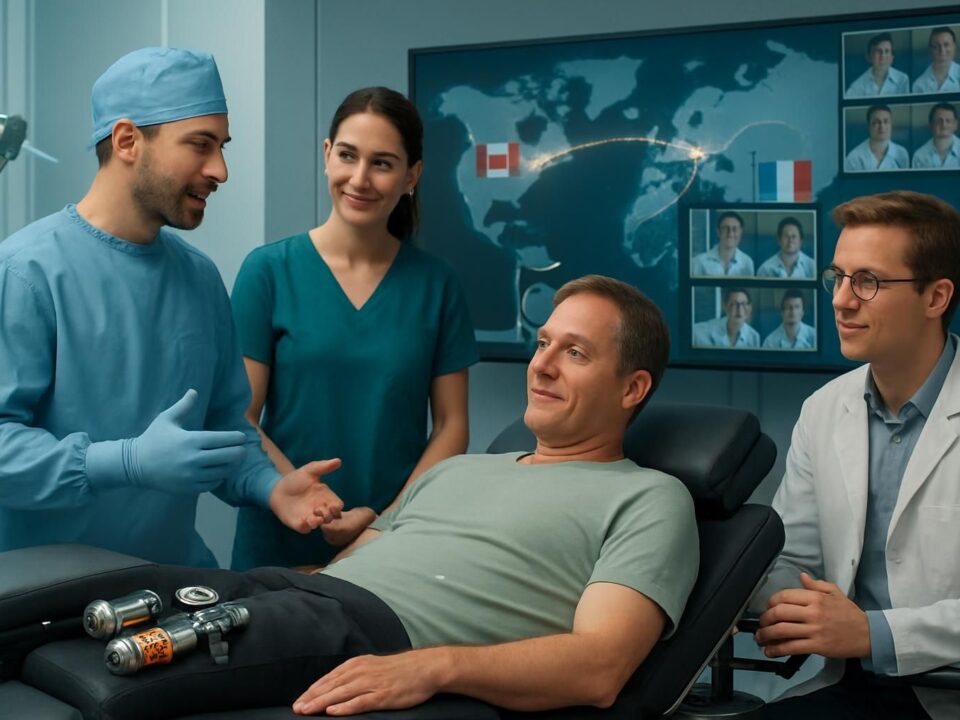
When surgery is being considered, personalized support becomes essential. Transatlantic expertise between Quebec and France facilitates this coordination through specialized platforms such as SOS Medical Tourism, which coordinate consultations, surgical planning and post-operative follow-up with renowned French surgeons.
The pre-operative phase includes a series of additional examinations, a detailed explanation of the available options, and educational feedback to reassure the patient. The patient receives attentive listening, which is essential for making a calm and informed decision.
In the operating room, surgeons use innovative techniques, sometimes incorporating automated control tools inspired by aviation gimbal technology and drone onboard systems. This promotes maximum precision, reduced risks, and better real-time control of implant adjustments.
Finally, post-operative follow-up is rigorous and includes regular consultations both in France and Quebec, ensuring optimal continuity of care. This entire process demonstrates flawless coordination, a prerequisite for a rapid recovery and an improved quality of life for the patient.
Biomechanical benefits of dynamic stabilization systems
The strength of dynamic implants such as the TOPS system and IntraSPINE lies in their ability to reproduce the natural biomechanics of the spine. In comparison with the traditional fusion techniques, These devices allow for a better distribution of stresses and preserve segmental mobility, a key factor in preventing premature wear phenomena in neighboring segments.
Published studies and clinical comparisons clearly demonstrate these advantages. For example, a significant reduction in the risk of secondary degenerative osteoarthritis and better preservation of range of motion are observed. These benefits improve daily comfort, facilitate the resumption of physical activity, and limit the prolonged use of pain relievers or anti-inflammatory medications.
In practical terms, the dynamic implant acts as a controlled "shock absorber" which, thanks to its design incorporating flexible elements, manages the pressure on the intervertebral disc. This technology draws heavily on systems integrated into robotics, where the accelerometer and gyroscope ensure stability in the face of dynamic movements.
It is worth noting that these biomechanical benefits also impact the overall lifespan of the spine and the quality of post-operative return to work or sports. By limiting stiffness, patients experience faster and more lasting functional recovery.
To delve deeper into the clinical and functional benefits, it is advisable to consult detailed analyses and comparisons available, in particular, on the website Dynamic stabilization: clinical benefits, which highlights the scientific evidence supporting these advances.
Surgical options in France: fusion vs. dynamic stabilization
In France, the choice between fusion surgery and dynamic stabilization is based on a precise analysis of the patient's needs and the condition being treated. Fusion involves permanently joining two or more vertebrae, eliminating all movement between them. In contrast, dynamic stabilization uses implants that maintain stability while allowing some mobility, thus limiting negative impacts.
This choice is never arbitrary and is part of a decision-making framework based on a multifactorial assessment: age, activity level, degree of disc degeneration, and the patient's functional expectations. French surgeons specializing in spinal implants collaborate closely with platforms in Quebec to ensure that this decision is appropriate and personalized.
To better understand these operational differences and their impact on patients, several resources available on the TAGMED Clinic website offer a clear and educational perspective, including:
- Comparison between fusion and dynamic stabilization
- Impacts of surgery on spinal mobility
- A complete guide for patients
The table below illustrates some key differences between these two approaches:
| Criteria | Spinal Fusion | Dynamic Stabilization (TOPS, IntraSPINE) |
|---|---|---|
| Post-operative mobility | Mobility removed on the operated segment | Mobility preserved on the segment operated |
| Risk of segmental osteoarthritis | High, due to the stiffening | Reduced thanks to flexibility |
| Length of hospital stay | Slightly longer | Often reduced |
| Resumption of activities | Delayed, with significant constraints | Faster and more natural |
| Technology used | Rigid hardware, screws and cages | Flexible and controlled dynamic implants |
Comparison of Spinal Stabilization Methods
| Appearance | Spinal Fusion | Dynamic Stabilization |
|---|
Personalized support and transatlantic coordination for Quebec patients
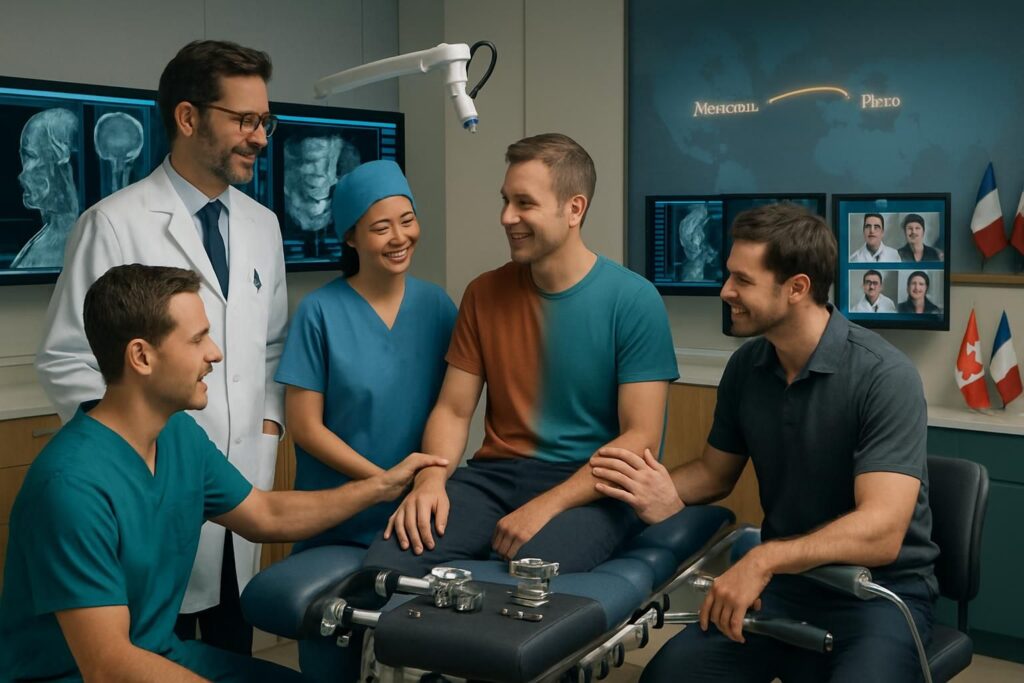
One of the most distinctive aspects of surgical care in France lies in the personalized support and intercontinental coordination, particularly for patients from Quebec. This tailored approach includes logistical organization, administrative support, and comprehensive medical follow-up before, during, and after surgery.
Collaboration between French and Quebec teams is made possible through platforms such as SOS Medical Tourism, which provide optimized access to expert surgeons, high-tech clinics, and specialists in innovative implants. This network ensures speed and quality throughout the entire care process, minimizing stress for patients unfamiliar with European medical practices.
Dr. Claire Fontaine, a neurosurgeon and partner at the TAGMED Clinic, emphasizes that this support ensures continuity of evidence-based therapeutic interventions, with particular attention paid to safety and technological expertise. Regular dialogue with patients, availability to answer questions, and effective educational approaches are essential pillars for reassuring and motivating them toward a positive and proactive approach.
Patients are encouraged to ask questions and consider a personalized assessment, recognizing that each case is unique. This respectful and individualized approach makes all the difference in the surgical experience and final satisfaction.

What is dynamic stabilization?
Dynamic stabilization This is a surgical technique that uses flexible implants to stabilize vertebral segments while preserving their natural mobility. This reduces stress on adjacent discs and improves patients' quality of life.
What advantages does dynamic stabilization offer compared to fusion?
Compared to fusion, dynamic stabilization preserves the mobility of the operated segments, reduces the risk of degeneration of neighboring segments, and facilitates a faster and less painful recovery.
What is the role of the TAGMED Clinic in this process?
TAGMED Clinic offers advanced conservative care, including Spinal decompression therapy, which often precede a surgical decision. It constitutes a key partner before any intervention in dynamic stabilization.
How is follow-up provided after surgery?
Post-operative follow-up is coordinated between the French and Quebec teams, ensuring regular consultations, personalized support and rigorous monitoring to optimize recovery.
How can I benefit from a personalized assessment?
To benefit from a suitable assessment, it is recommended to contact the team via the SOS Medical Tourism platform, which organizes a tailor-made itinerary including consultations and care.


 Français du Canada Français du Canada
  English (Canada)