Lumbar disc replacement: a personalized solution
10/01/25
IntraSPINE®: short and long-term benefits
02/05/26
In the field of spinal surgery, the question between spinal fusion and dynamic stabilization is generating increasing interest, particularly among Quebec patients seeking advanced surgical alternatives in France. While both approaches aim to relieve chronic pain and stabilize the spine, they are based on significantly different biomechanical and clinical principles. This choice influences not only functional outcomes but also the care pathway, postoperative quality of life, and the maintenance of spinal mobility. The evolution of dynamic spinal implants, such as the system TOPS IntraSPINE now offers innovative solutions that combine stability and flexibility, designed to preserve the natural biomechanical essence of the spine. Faced with this revolution, rigorous candidate selection, bi-continental coordination between Quebec and leading French centers, and personalized support are essential. This ensures safe medical care, scientifically validated surgical standards, and clear information tailored to patients.
This article carefully explores the distinctions between spinal fusion and dynamic stabilization, By detailing their rationale, the implants used, the advantages and limitations for patients, and the essential steps of the surgical process, with a particular focus on transatlantic collaboration, it also incorporates validated educational and medical resources to inform this complex choice within the context of modern surgical innovation.
- Comparison of biomechanical principles: fusion and dynamic stabilization
- Innovative technologies in spinal implants and their benefits
- Patient journey between Quebec and France: collaboration and support
- Clinical and safety implications of spinal surgical interventions
- Evaluation of functional outcomes and post-operative quality of life
Comparison of biomechanical principles: spinal fusion and dynamic stabilization
Spinal fusion and dynamic stabilization both address the need to treat an unstable or painful spine, often resulting from disc degeneration, spondylolisthesis, or surgery that disrupts the normal structure. However, their biomechanical principles differ fundamentally.
Spinal fusion aims to completely eliminate movement between two or more vertebrae by stimulating bone growth between them, leading to a solid fusion called arthrodesis. This procedure uses rigid metal devices (screws, rods, plates) from reputable manufacturers such as Medtronic, Zimmer Biomet, DePuy Synthes These techniques are frequently used to hold the segments together while the bone fuses. While this technique is now standard, it inevitably leads to stiffening that can alter the overall biomechanics of the spine, increasing stress on adjacent segments and potentially accelerating their wear. This phenomenon, known as adjacent segment disease, is a major concern for young or active patients, sometimes necessitating further surgical interventions.
In contrast, dynamic stabilization offers a more physiologically-friendly approach. It relies on implants such as the TOPS or IntraSPINE systems, manufactured by leading companies such as Innov'Spine, NuVasive, Spineart, LDR Medical. These devices are not intended to eliminate movement entirely, but rather to control it, limiting harmful excesses while preserving a degree of mobility. This surgical option requires precise expertise as it involves fine biomechanical adjustments, using flexible instrumentation composed of specific plastic components, cables, and screws. Post-operative rehabilitation takes this preserved mobility into account and is essential for optimal functional recovery.
Here is a table highlighting the major differences between fusion and dynamic stabilization:
| Criteria | Spinal Fusion | Dynamic Stabilization |
|---|---|---|
| Biomechanical objective | Eliminate all movement between the targeted vertebrae | Limit excessive movement while preserving a certain degree of mobility |
| Implants used | Screws, rigid metal rods (Medtronic, Zimmer Biomet, etc.) | Flexible and dynamic devices (TOPS, Dynesys, IntraSPINE) |
| Effect on adjacent segments | Increased stress and risk of accelerated wear and tear | Reduction of the risk of degeneration of neighboring segments |
| Post-operative mobility | Complete rigor, mobility generally lost at the operated level | Partial and controlled mobility, promoting the natural function of the spine |
| Follow-up care and rehabilitation | Often longer, with functional limitations | Rehabilitation adapted to mobility, often faster and more functional |
Before making any decision, a complete conservative treatment, including neurovertebral decompression available in specialized clinics such as the TAGMED Clinic, This should be considered for 3 to 6 months to assess the non-invasive response. Indeed, these complex surgical interventions are a last resort, when pain and instability persist and significantly impact quality of life.
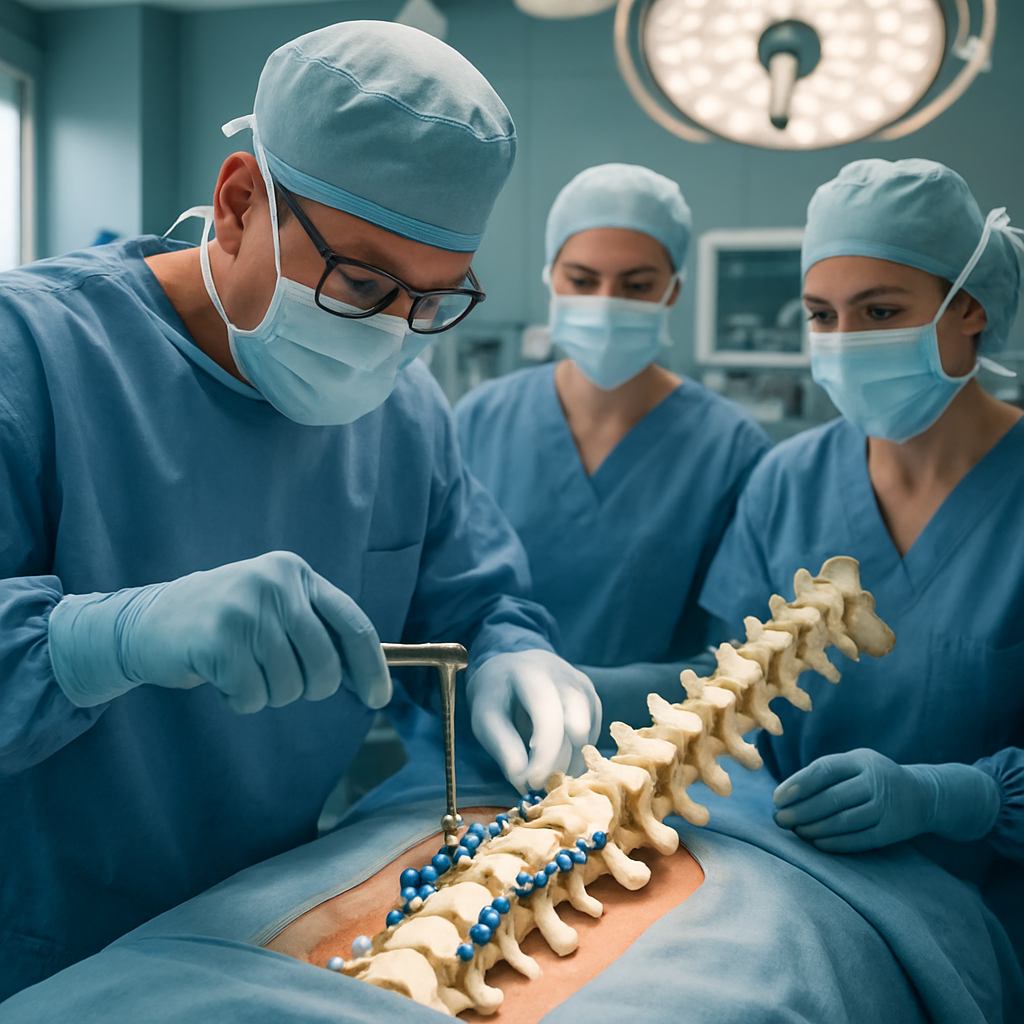
Innovative technologies in spinal implants: biomechanical and functional advantages
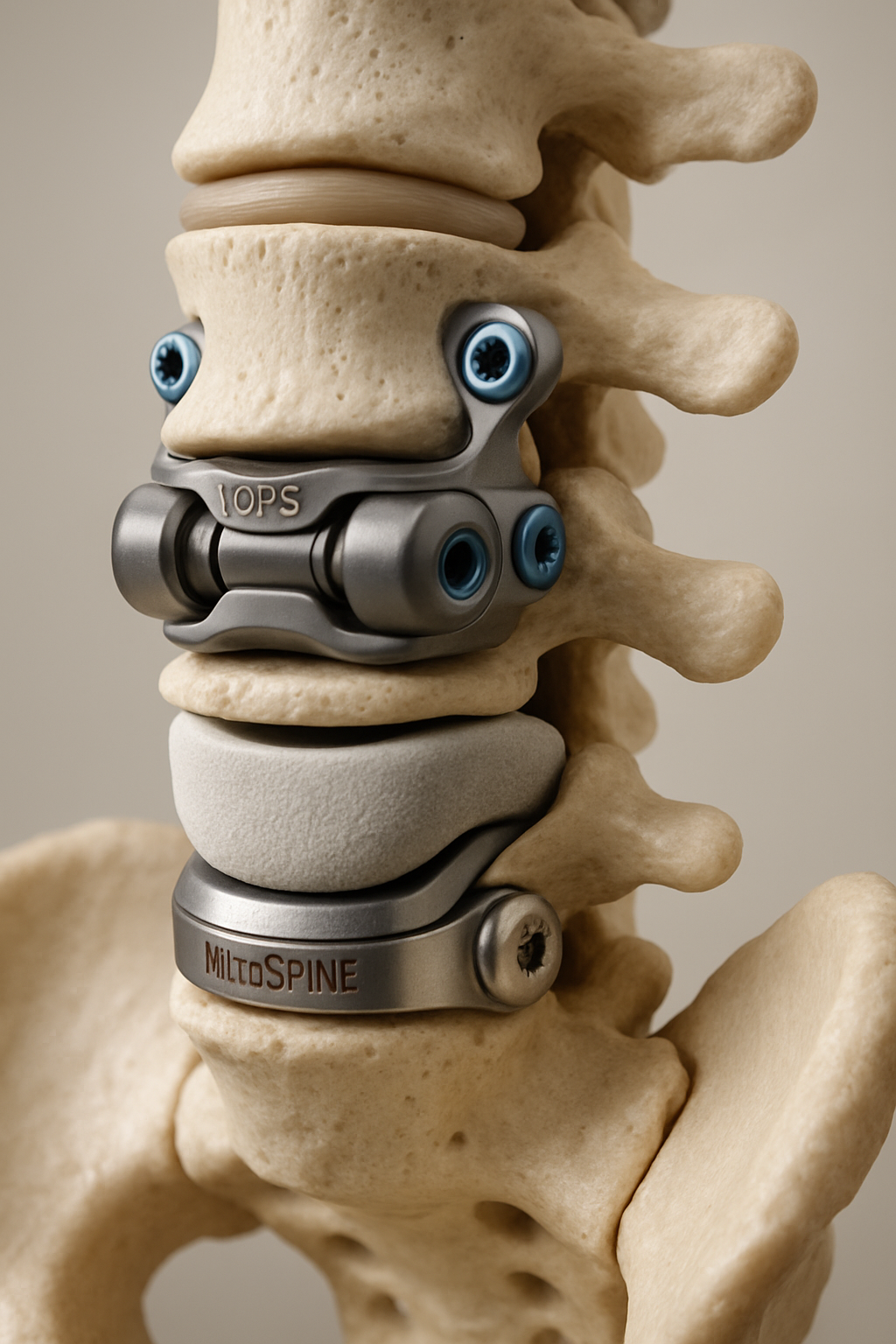
Surgical innovation has recently advanced thanks to dynamic implants such as the system TOPS or the implant IntraSPINE, which are revolutionizing the management of spinal instabilities. Manufacturers such as Stryker, NuVasive, Globus Medical, SpineVision provide advanced technologies combining biocompatibility, ergonomic design and respect for the natural mechanisms of the spine.
The TOPS system was developed with motion preservation in mind: it replaces the old rigid arthrodesis with a mechanical platform that allows control of spinal translation and rotation, while ensuring nerve decompression. This system has demonstrated its effectiveness through numerous clinical studies, notably published via ApproBy and ScienceDirect, a reduction in pain as well as a significant improvement in the return to an active daily life.
The IntraSPINE implant, on the other hand, acts in a less invasive way by inserting itself directly into the intervertebral space. It offers indirect decompression while dynamically stabilizing the spine. This innovative solution is particularly advantageous for patients wishing to avoid surgery. surgery Too aggressive and concerned with preserving their functional range of motion. Its installation is simplified compared to classic fusion and supports the postoperative phase well.
The key benefits of these technologies include:
- Preservation of mobility segmental and better assimilation of natural movement
- Reduction of constraints on the adjacent spine, minimizing the risk of secondary degeneration
- Pain reduction nerves thanks to better decompression and stabilization
- Functional rehabilitation faster, with a gradual return to normal activities
- Adaptability to different patient profiles thanks to a wide range of implants and techniques
The success of such interventions also depends on scientific rigor and the standardization of practices, in accordance with international standards. French expertise, in partnership with surgeons and specialized centers such as the Medipôle Clinic Avignon, constitutes a guarantee of technical mastery and patient safety.
| Dynamic implant | Main advantages | Partner Manufacturers | Clinical applications |
|---|---|---|---|
| TOPS | Precise movement control, nerve decompression | Innov'Spine, LDR Medical | Segmental lumbar instabilities, spondylolisthesis |
| IntraSPINE | Minimal insertion, preservation of mobility | NuVasive, Spineart | Moderate disc degeneration, mechanical pain |
| Dynesys | Flexible control of spinal movement | Zimmer Biomet | Various instabilities with functional preservation |
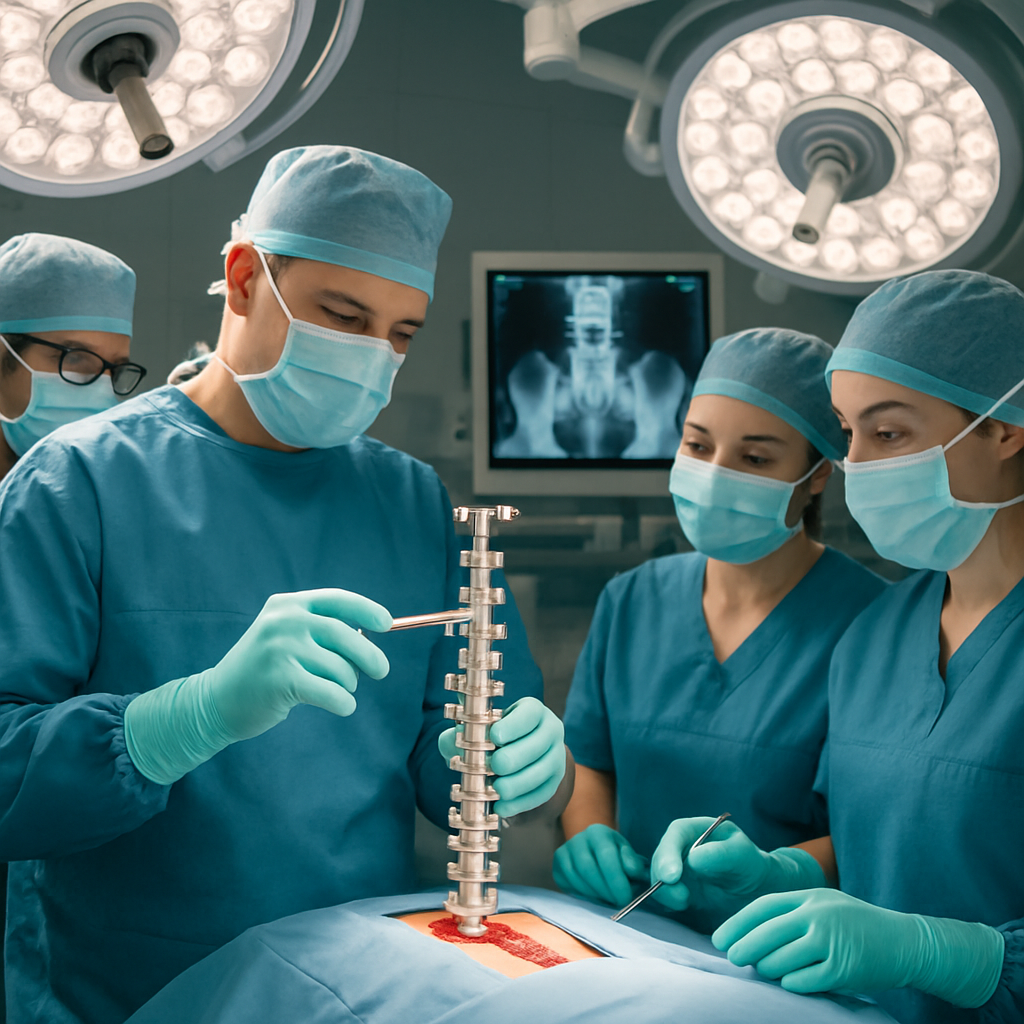
Patient journey between Quebec and France: transatlantic coordination and personalized support
For Quebec patients, consider a spinal surgery In France, this involves a complex medical journey, requiring close coordination between different specialists and facilities. Louis Blanchard's expertise in dynamic implants is a major asset in guiding patients toward appropriate therapeutic solutions and selecting renowned surgical teams. The collaborative community includes orthopedic surgeons, neurosurgeons, physiotherapists, and biomedical engineers in partnership with clinics such as TAGMED CLINIC and SOS Medical Tourism.
Here are the key steps for an optimal, coordinated journey:
- Initial contact and clinical assessment : collection of medical history, imaging and functional assessments, often carried out in Quebec.
- Remote specialist consultation : teleconsultation with expert French teams to validate surgical relevance, via secure sharing of medical records.
- Pre-operative preparation and conservative procedures : 3- to 6-month episode of advanced conservative treatment including the Spinal decompression therapy at the TAGMED Clinic, to confirm the surgical indication.
- Hospitalization and surgical intervention : care provided in highly specialized French centers equipped with the latest implantable technologies (Medtronic, Stryker, DePuy Synthes).
- Post-operative monitoring and rehabilitation : multidisciplinary care in France, then coordination for return and follow-up in Quebec.
This seamless patient journey is central to maximizing safety, reducing waiting times, and optimizing the quality of care. Platforms like SOS Medical Tourism play a fundamental role in facilitating transatlantic communication and logistics.
- Personalized administrative and logistical support
- Rigorous medical supervision with international standards
- Interdisciplinarity promoting comprehensive care
- Focus on the most innovative technologies on the market
- Accessible psychological support and educational resources
Clinical and safety implications of interventions: scientific rigor and innovation respected
The choice between spinal fusion and dynamic stabilization is framed within a demanding scientific context. Current medical data, while promising for dynamic implants, calls for caution and rigorous monitoring of long-term outcomes. By 2025, the medical community recognizes the need for further prospective studies to fully validate the durability of these new procedures.
The risks inherent in spinal surgery are nevertheless better managed thanks to validated protocols, continuing education for surgeons, and compliance with international best practices. Manufacturers such as Medtronic, Zimmer Biomet, Globus Medical, LDR Medical continuously invest in improving materials, biocompatibility and implant functionality, thus ensuring increased safety.
A key point is preserving quality of life, which depends on:
- A personalized diagnosis based on advanced imaging examinations and precise neuro-orthopedic assessments
- A surgical indication is judiciously considered after the failure of conservative treatments.
- An intervention supervised by competent teams mastering the latest implant techniques
- Appropriate post-operative follow-up including rehabilitation and implant checks
Transatlantic collaboration between Quebec expertise and innovative French centers thus ensures an integrated, safe and innovation-oriented approach, based on a robust scientific foundation and consolidated clinical experience.
Evaluation of functional outcomes and quality of life: differentiated impact depending on the technique chosen
Data from clinical follow-ups and quality-of-life questionnaires highlight differing benefits depending on whether the surgery relies on fusion or dynamic stabilization. This data is crucial for guiding patients and their teams toward the most appropriate strategy.
Overall, spinal fusion offers strong control of instabilities but at the cost of local rigidity, sometimes affecting functional recovery, particularly in demanding sports or professional activities. Studies presented by the TAGMED CLINIC confirm that after fusion, some patients report a lasting limitation of range of motion and increased fatigue.
In contrast, dynamic implants such as TOPS allow for a faster return to active life. The preserved range of motion contributes to better biomechanical adaptation and limits secondary pain. However, these implants require rigorous monitoring to ensure their mechanical integrity, as there are risks of failure and loosening. This is why an integrated care pathway, from the initial teleconsultation assessment to close postoperative follow-up, is essential.
The advantages and risks are compared in a table:
| Criteria | Spinal Fusion | Dynamic Stabilization |
|---|---|---|
| Average intervention time | 90-180 minutes | 100-200 minutes |
| Hospital stay length | 3-7 days | 2-5 days |
| Functional recovery | 4-6 months | 2-4 months |
| Maintaining segmental mobility | No | Yes |
| Risks of implant complications | Low but with increased rigidity | Higher levels, increased clinical monitoring |
| Impact on quality of life | Improvement but possible restrictions | Improvement with greater freedom of movement |
Therefore, a pragmatic and individualized approach is essential: each case requires a specific analysis of the images, neuromuscular functions, and the patient's life plan. This expert positioning and transatlantic coordination allow us to consider the best appropriate solution, while respecting a clear and optimistic therapeutic outlook.
Fusion vs dynamic stabilization: what are the differences for patients?
- Criteria
- Spine movement
- Duration of the intervention
- Recovery time
- Main consequence
- Post-operative follow-up
- Spinal fusion
- Complete suppression of movement
- 90 – 180 min
- 4-6 months
- Increased rigidity
- Standard tracking
- Dynamic stabilization
- Partial preservation of movement
- 100–200 min
- 2-4 months
- Rigorous monitoring of implants
- Rigorous monitoring
What are the main advantages of dynamic stabilization compared to fusion?
Dynamic stabilization helps to preserve partial mobility of the spine, reduces stress on adjacent segments, and promotes better functional rehabilitation with a faster return to usual activities.
What risks are associated with dynamic implants?
There is a higher risk of mechanical failure or loosening of dynamic implants compared to conventional fusion, requiring rigorous clinical follow-up after the procedure.
How important are conservative treatments before surgery?
It is essential to consider a complete conservative treatment of 3 to 6 months, including in particular neurovertebral decompression as practiced at the TAGMED Clinic, in order to avoid surgery or better prepare the patient in case of failure.
What is the process for a Quebec patient seeking back surgery in France?
The process involves an initial assessment in Quebec, a teleconsultation with French experts, 3 to 6 months of conservative treatments, a surgical intervention in a specialized French center, followed by personalized and coordinated post-operative support.
Why choose France for this type of surgery?
France has leading centers for spinal surgery, recognized expertise in dynamic implants such as TOPS and IntraSPINE, a rigorous healthcare system, and facilitated coordination for international patients, particularly through SOS Medical Tourism.