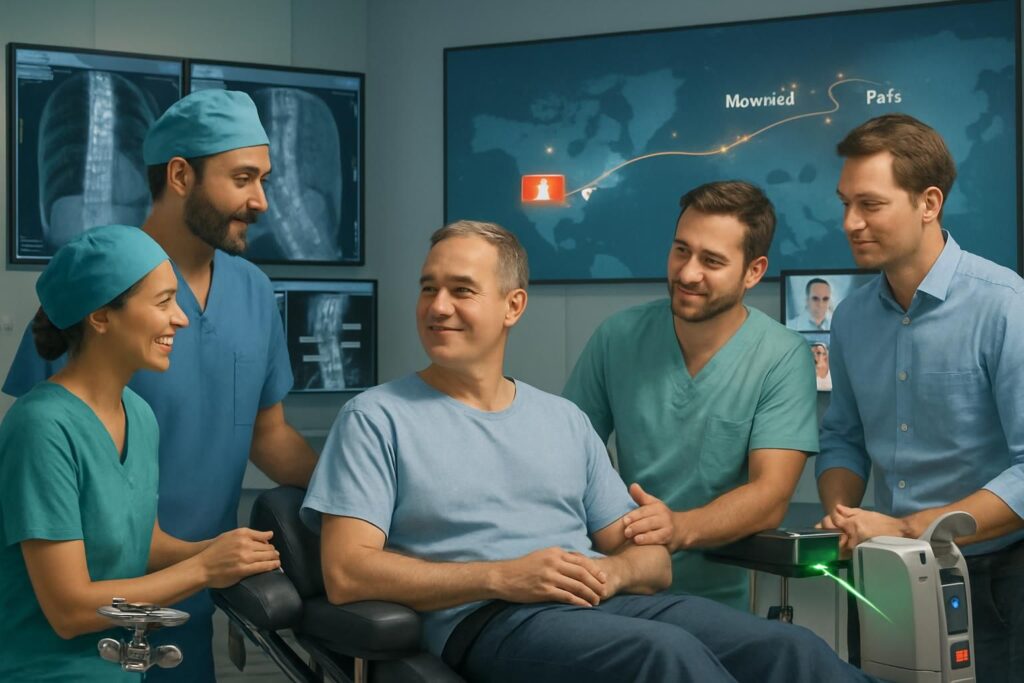
IntraSPINE®: Dynamic stabilization and pain relief
02/05/26
Neck surgery: preserving cervical mobility
02/05/26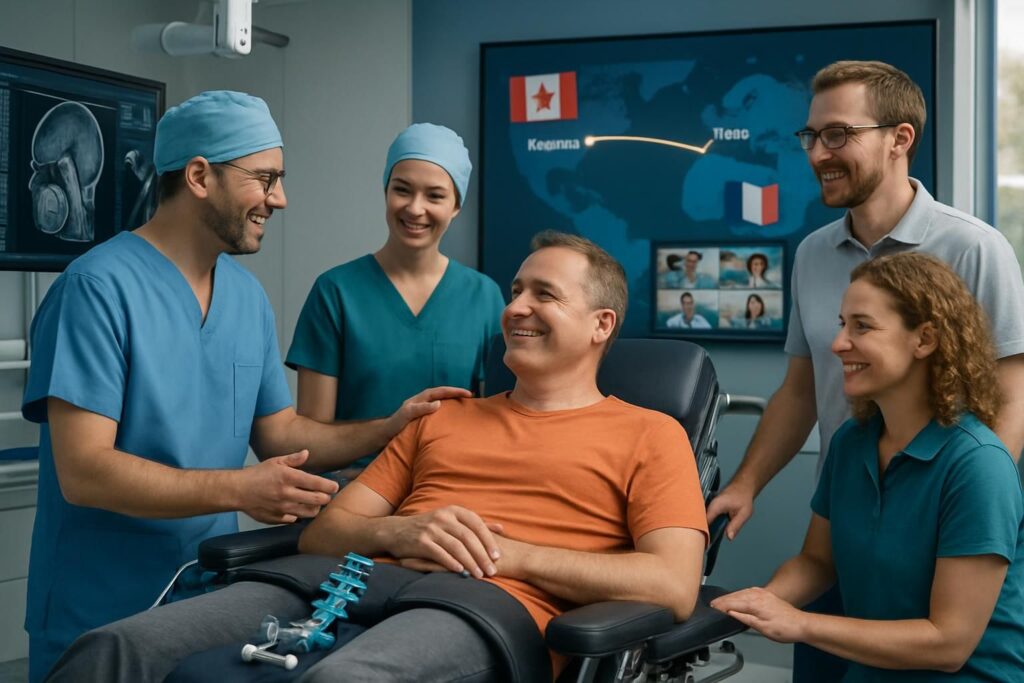
Lower back pain, or lumbago, is one of the most common conditions in adults, affecting the quality of life and mobility of millions of people. Faced with this problem, advances in orthopedic surgery and regenerative medicine are now opening up promising perspectives. Among these innovations, lumbar disc replacement stands out as a groundbreaking treatment that restores spinal function while preserving its natural mobility. Using the latest generation of dynamic implants such as the TOPS system or IntraSPINE, this surgical approach differs from traditional interventions. merger vertebral column while preserving the flexibility of the operated segments.
The use of these implants generally occurs after a prolonged phase of conservative care, including neurovertebral decompression, an advanced medical treatment that can be followed at the TAGMED CLINIC. This rigorous process extends the evaluation before surgery and offers comprehensive support. Collaboration between French experts and Quebec teams facilitates personalized support, guaranteeing safety and innovation. disc prosthesis In this context, lumbar support embodies a suitable and tailored solution for active patients suffering from lumbar osteoarthritis, offering a perfect balance between biomechanical efficiency, comfort, and functional recovery.
The different surgical options: from classic fusion to dynamic implants for lower back pain
The surgical management of lower back pain has been revolutionized by the advent of dynamic implants, which often surpass more traditional procedures such as spinal fusion. Conventional surgery typically aims to stabilize a spinal segment by eliminating its mobility through bone fusion, which can lead to additional stress on adjacent segments and sometimes accelerated deterioration. Lumbar disc replacement offers an innovative alternative by maintaining joint mobility, thus reducing the risk of secondary complications.
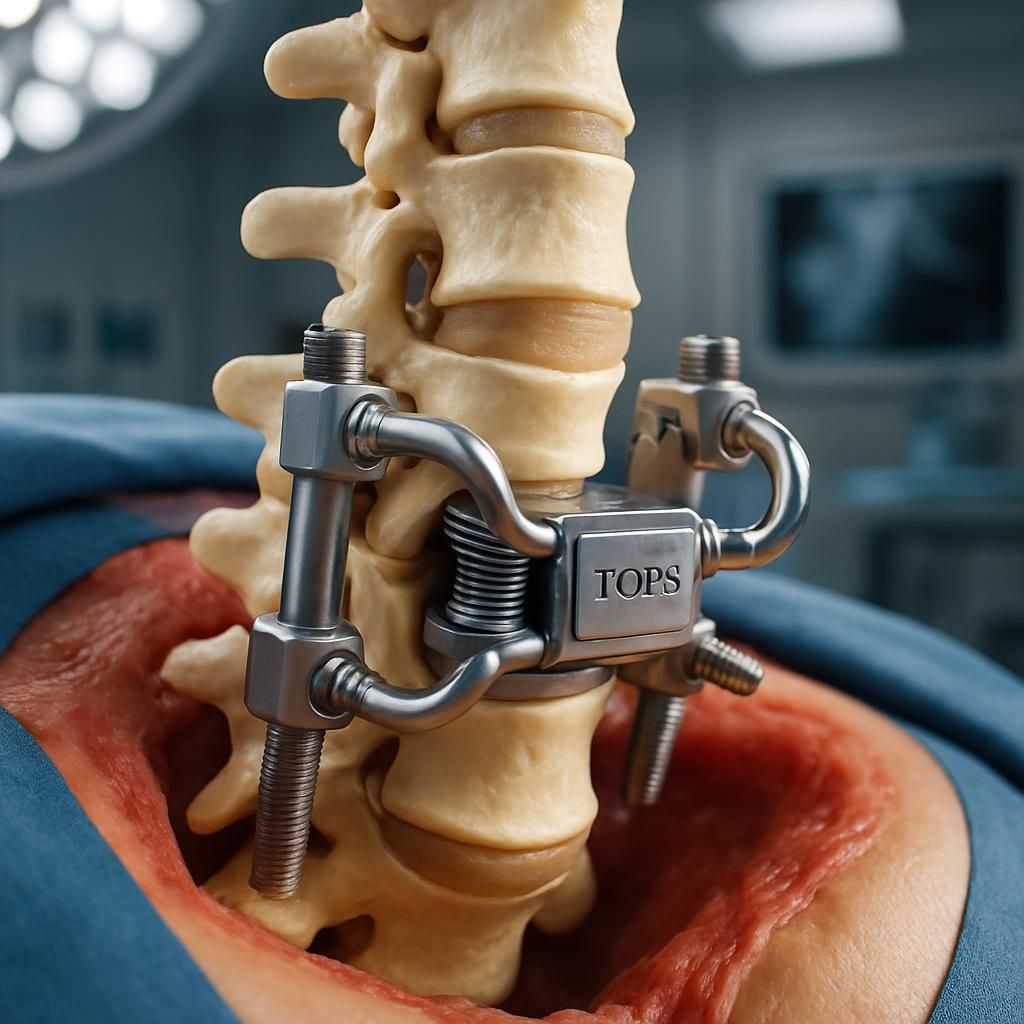
Two dynamic implant systems currently stand out: TOPS and IntraSPINE. TOPS is characterized by a device that stabilizes the spine while preserving freedom of movement in flexion, extension, and rotation, ensuring natural biomechanics. IntraSPINE, on the other hand, acts as a... support system positioned as close as possible to the intervertebral disc, relieving pressure on the nerve roots and the disc space. These technologies were developed with the collaboration of French surgical teams renowned for their expertise and scientific rigor. Although less invasive, this surgery requires perfect technical mastery incorporating international safety standards and rigorous postoperative monitoring.
Compared to simple decompression surgery, which only involves releasing compressed nerves without stabilizing or replacing the damaged disc, lumbar disc replacement provides a lasting correction of spinal disorders, with a better functional prognosis. patient selection is crucial and relies on a thorough analysis of symptoms, medical imaging and response to conservative treatments.
Here is a comparative table of the main surgical options for lower back pain:
| Type of surgery | Description | Preservation of mobility | Average recovery time | Associated risks |
|---|---|---|---|---|
| Spinal fusion | Stabilization by bone fusion between two vertebrae | No | 6 to 12 months | Degeneration of adjacent segments, stiffness |
| Simple decompression | Release of compressed nerves without stabilization | Yes | 3 to 6 months | Possible recurrence, persistent pain |
| Lumbar disc prosthesis (TOPS, IntraSPINE) | Implant dynamics preserving segmental mobility | Yes | 3 to 6 months | Less impact on adjacent segments, classic surgical risks |
This table clearly illustrates that lumbar disc replacement is an intermediate solution, combining the advantages of conservative surgery with the reliability of a stable implant. Discover the details of TOPS system allows for a better understanding of its specific benefits.
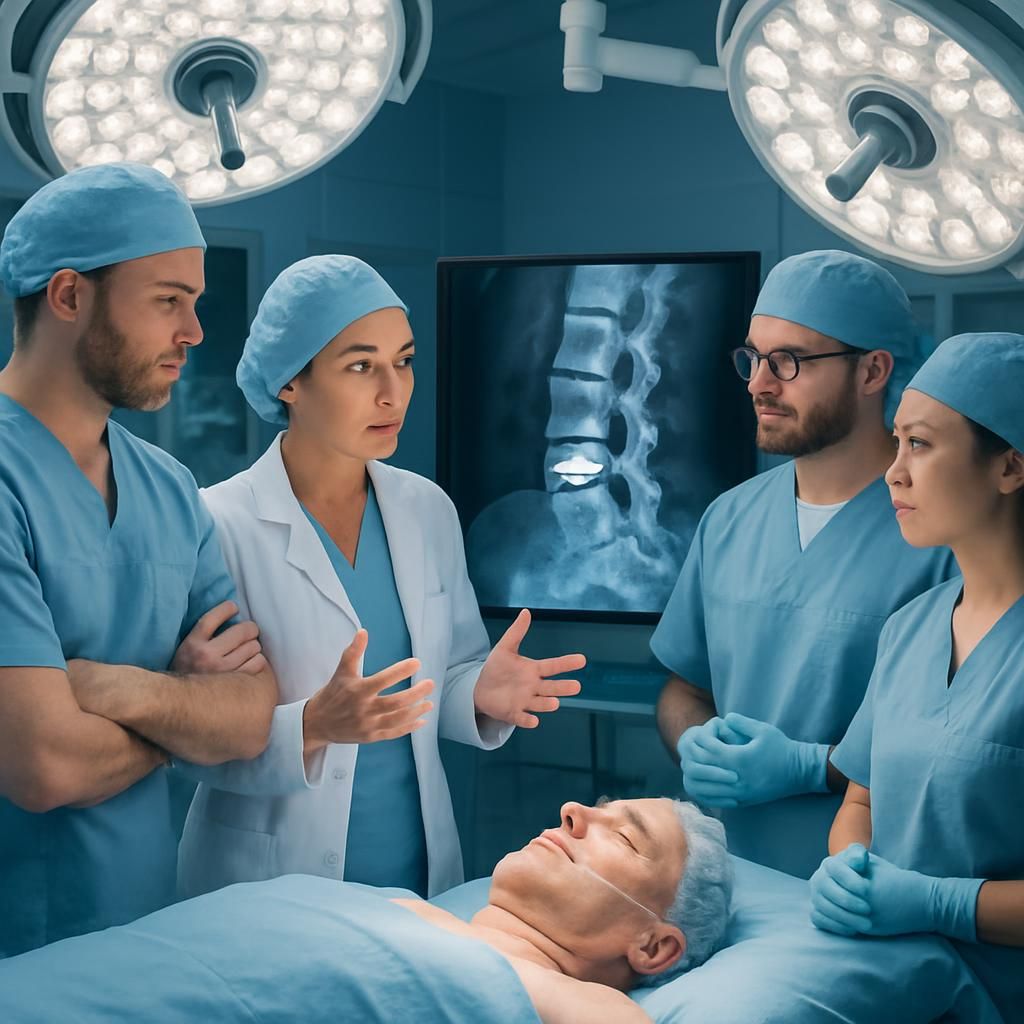
The personalized patient journey between Quebec and France: coordination, safety and support
Choosing orthopedic surgery to treat lower back pain involves a complex process that begins well before the surgical procedure. Patients in Quebec are increasingly considering France for access to innovative treatments such as lumbar disc replacement, thanks to rigorous coordination between specialists on both sides of the Atlantic. This organization facilitates a safe and personalized care pathway, integrating diagnostic evaluation, conservative and then surgical management, and finally, postoperative follow-up.
Before surgery, the patient undergoes a comprehensive assessment including advanced imaging and specialist consultations. Collaboration with the TAGMED CLINIC As a benchmark in conservative care, this approach guarantees that surgery is only considered after a minimum of 3 to 6 months of medical treatment. This approach adheres to international best practices and prioritizes patient safety.
Once the decision is made, French expertise is made available, with highly specialized centers mastering cutting-edge technologies and adhering to all international standards. Support includes administrative assistance, travel arrangements, accommodation, and the organization of medical follow-up. After surgery, rehabilitation is closely monitored to optimize functional recovery and prevent any complications. This support and coaching is based on a partnership between Quebec and French teams, providing a reassuring environment for each patient.
List of key steps in the coordinated patient pathway:
- Initial consultation and in-depth diagnosis in Quebec
- Conservative treatment at the TAGMED Clinic
- Multidisciplinary assessment in France for surgical applications
- Surgical intervention with dynamic implants (e.g., TOPS, IntraSPINE)
- Personalized post-operative monitoring and adapted rehabilitation
- Return home with continued contact with medical teams
This transatlantic support is a valuable guarantee for access to safe and innovative care, particularly within the framework of the back surgery scalable and customizable.
The biomechanical benefits of dynamic implants: preserving spinal mobility
Implanted lumbar disc prostheses represent a true biomechanical revolution in orthopedic surgery. Unlike fusion, which immobilizes a vertebral segment, dynamic implants such as TOPS or IntraSPINE preserve natural flexibility and range of motion. This characteristic is essential for limiting the progression of pathologies associated with lumbar osteoarthritis and for reducing recurring pain.
In the spine, natural movement occurs along several axes: flexion-extension, lateral flexion, and rotation. The role of dynamic implants is to replicate this mobility as closely as possible, while stabilizing weakened or damaged segments. By allowing controlled segmental mobility, these devices limit mechanical stress on adjacent discs and reduce the risk of secondary degeneration.
The specific advantages offered by these implants include:
- A harmonious distribution of mechanical forces at the level of the spine.
- Maintaining disc height and intervertebral space is essential to avoid nerve compression.
- A significant improvement in quality of life thanks to a lasting reduction in lower back pain.
- Improved functional recovery, facilitating the resumption of daily and professional activities.
Careful monitoring during postoperative rehabilitation helps optimize these benefits by strengthening supporting muscles and improving posture. The safety and scientific rigor surrounding these implants are the subject of regular research, validated by partner French surgical teams.
Added value of innovative implant solutions and an invitation to tailored care
The added value of lumbar disc replacement goes far beyond simple anatomical correction. By integrating advanced dynamic implants, this solution offers a cutting-edge outpatient treatment option that combines technological innovation with personalized, patient-centered care. The French expertise available to Quebec patients is distinguished by its in-depth understanding of the specific needs related to lower back pain, while adhering to international standards of safety and efficacy.
This surgery offers, in particular:
- A functional, tailor-made restoration while preserving natural freedom of movement.
- An enhanced option for active patients wishing to avoid the limitations associated with traditional techniques.
- A comprehensive follow-up including rigorous pre-operative preparation and tailored rehabilitation.
- A potential gain in quality of life and sustainable autonomy over the long term.
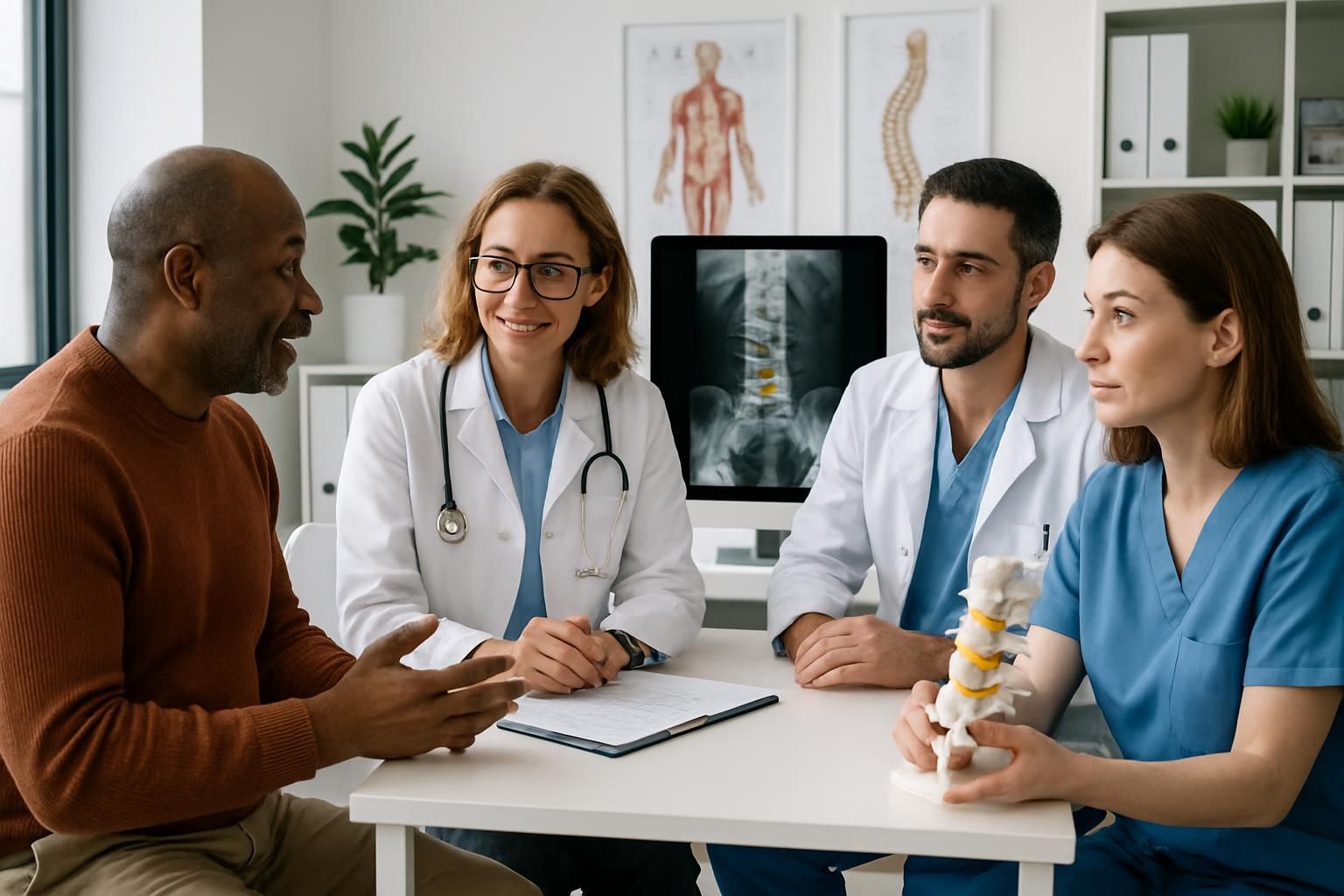
Choosing lumbar disc replacement surgery involves open and informed dialogue between the patient and their expert team. Since each case is unique, a personalized assessment is key to a successful decision. Patients are encouraged to learn more, ask questions, and explore this innovative approach in collaboration with specialized teams. To begin this process, direct contact is available via SOS Medical Tourism, a key player in facilitating and coordinating transatlantic healthcare.
To learn more or for a personalized assessment, visit SOS Medical Tourism.
Comparison of lumbar disc replacement treatments
This interactive table allows you to compare the main characteristics of the devices and techniques used to treat lower back pain with lumbar disc replacement.
| Characteristic | TOPS implant | IntraSPINE Implant | Spinal fusion |
|---|
Click on the column headings to sort the table by that characteristic.
What are the criteria for receiving a lumbar disc replacement?
The selection is based on a complete clinical assessment, Specialized imaging and failure of prolonged conservative treatments are required. The patient must have moderate lumbar osteoarthritis without severe spinal instability.
What are the benefits of surgery with dynamic implants?
It allows for the restoration of spinal mobility, a lasting reduction in lower back pain and a better quality of life, while avoiding the disadvantages associated with fusion.
What is the follow-up process like after disc replacement surgery?
Rigorous postoperative monitoring with appropriate rehabilitation is essential to optimize functional recovery and prevent complications.
Is surgery the first option for lower back pain?
No, it is only considered after a complete course of conservative treatment lasting at least 3 to 6 months, including specialized care such as Spinal decompression therapy.