Cervical disc replacement: long-term results
02/05/26
TOPS™: an implant that preserves spinal function
02/05/26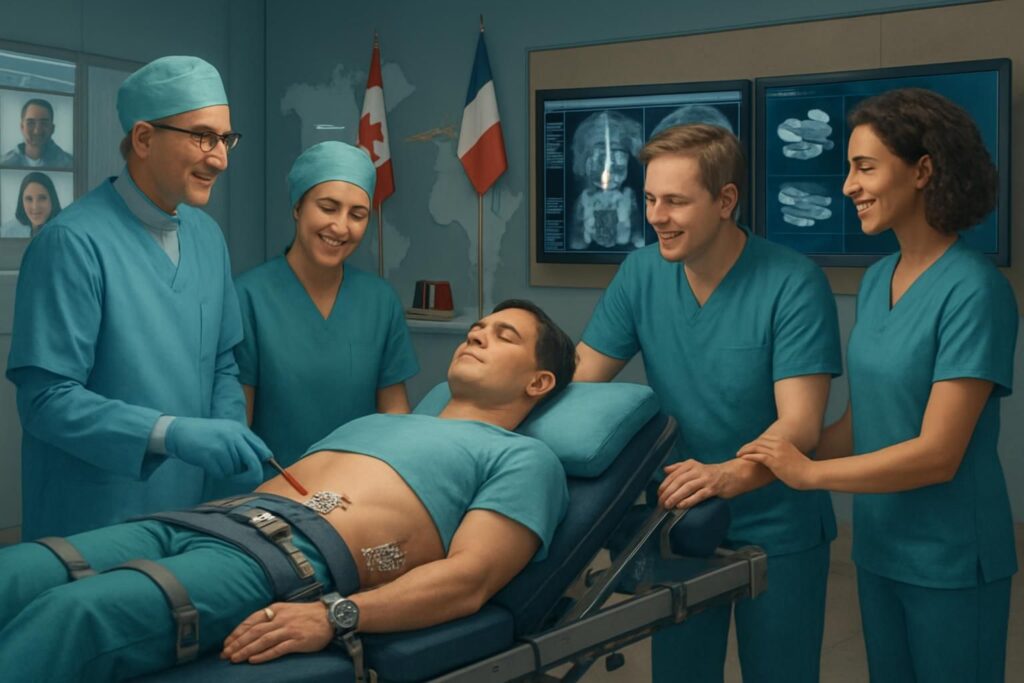
Minimally invasive surgery is now emerging as a true revolution in the field of spinal surgery. In contrast to traditional procedures, which are often lengthy and invasive, these innovative techniques, widely developed in France, offer the hope of a significant reduction in surgical trauma. They not only limit incisions but also accelerate recovery and reduce postoperative pain, representing immense progress for patients. This technological advancement is particularly valuable for Quebec patients considering back or neck surgery, given the sometimes long waiting lists and high costs in their region. By benefiting from these cutting-edge technologies in France, they gain access to advanced interventional medicine, combining scientific rigor, enhanced safety, and personalized care.
The remarkable expertise of figures like Louis Blanchard, a renowned expert in spinal surgery and vertebral implants, helps to promote these approaches. His collaboration with leading centers in France ensures rapid access to innovative solutions that comply with international best practices. Through these interventions, the benefits to spinal biomechanics are clear: preservation of mobility, maintenance of vertebral function, and reduced long-term effects. Furthermore, the meticulously orchestrated transatlantic coordination guarantees a seamless journey from the initial assessment to postoperative follow-up. This model ensures not only comprehensive care but also reassuring and motivating support for each patient.
Minimally invasive spinal surgery: characteristics and benefits for reducing surgical trauma
Minimally invasive spinal surgery is an innovative surgical approach that prioritizes minimal incisions to reduce tissue damage. The techniques used often rely on endoscopy, microsurgery, and the use of specialized instruments, allowing precise access to the areas to be treated without requiring large incisions. This minimization of surgical trauma results in a number of major clinical advantages: reduced postoperative pain, limited bleeding, decreased risk of infection, and accelerated healing.
Minimally invasive spinal procedures may include:
- Neurovertebral decompression under endoscopy to release pinched nerves.
- Implementation of dynamic implants such as the TOPS and IntraSPINE systems which preserve spinal mobility.
- Percutaneous spinal fusion techniques.
These techniques rely on a thorough understanding of spinal anatomy and the use of high-precision instruments, often assisted by real-time imaging. The expert hand of a surgeon like Louis Blanchard ensures that the procedure is tailored to each patient's specific needs, thus maximizing safety and the chances of functional success. The choice of minimally invasive surgery over traditional open surgery is always based on a rigorous evaluation and a recommendation made only after a period of conservative treatment lasting at least three to six months.
Reducing surgical trauma is also accompanied by a faster recovery, This allows for a faster return to daily activities. This optimization of the care pathway is all the more important for patients suffering from chronic pain who wish to limit the impact of the procedure on their quality of life. To better understand the associated benefits, it is helpful to compare the key differences between minimally invasive surgery and traditional surgery:
| Appearance | Traditional surgery | Minimally invasive surgery |
|---|---|---|
| Incision | A long, significant incision, often several centimeters | A minimal incision, just a few millimeters. |
| Tissue trauma | Enlarged, partial destruction of muscles and tissues | Preservation of muscles and surrounding tissues |
| Postoperative pain | Often intense and prolonged | Less pain, better controlled |
| Length of hospital stay | Longer, several days | Short, sometimes outpatient |
| Recovery | Slow progress with prolonged rehabilitation | Faster recovery, earlier return to activities |
| Risks of complications | Higher (infections, hematomas) | Reduced complications |
Beyond these advantages, minimally invasive surgery addresses a growing need for surgical innovation, driven by scientific rigor and the constant pursuit of optimal safety. Collaboration between multidisciplinary teams and the integration of cutting-edge technologies guarantee a level of excellence particularly suited to the needs of Quebec patients wishing to benefit from advanced surgical solutions in France, notably through support platforms such as SOS Medical Tourism.
A deep dive into dynamic implants: TOPS and IntraSPINE for preserving spinal mobility
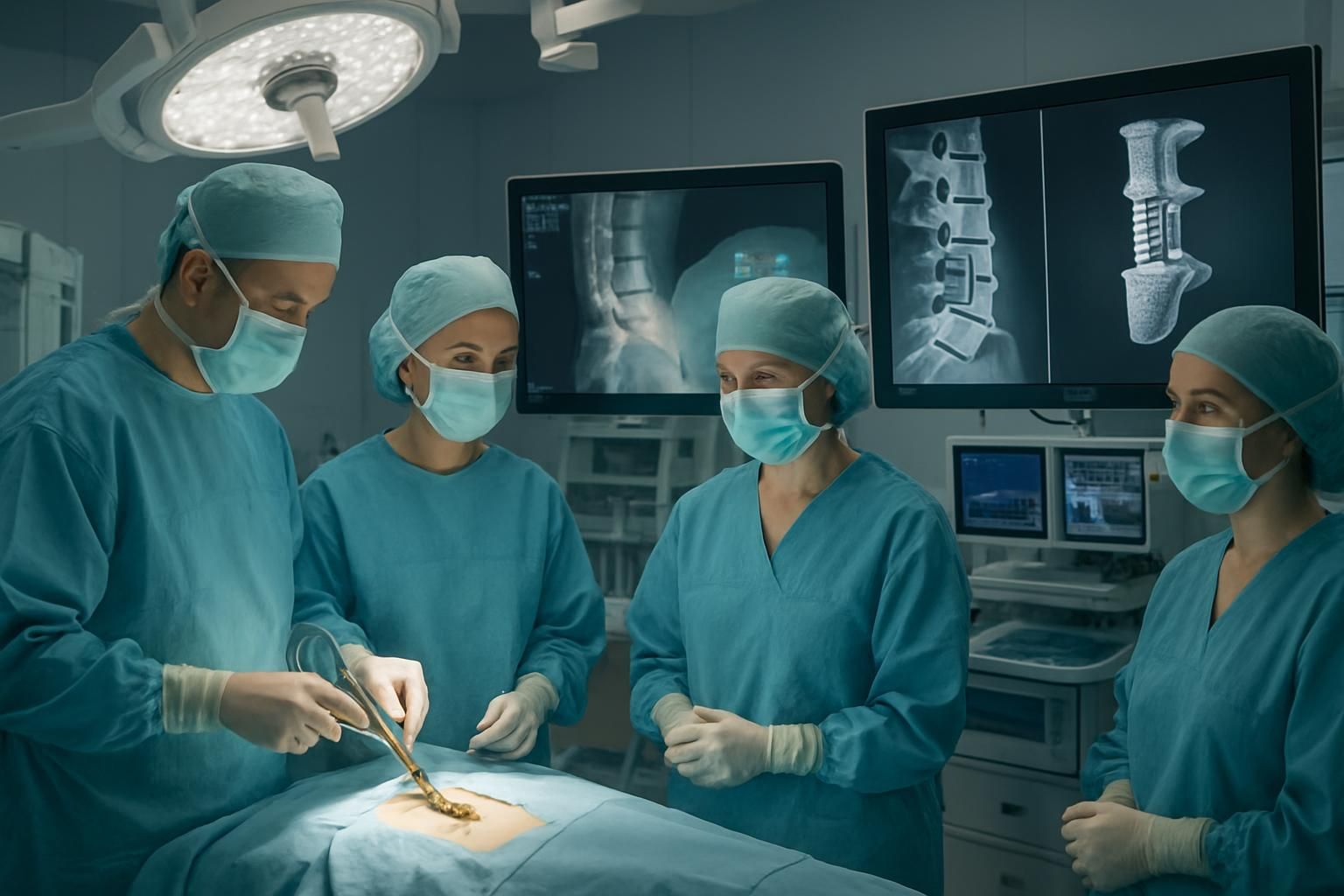
Dynamic implants represent a major advancement in spinal surgery, offering an alternative to traditional rigid methods. They are designed to preserve, or even restore, natural mobility between vertebrae, while ensuring sufficient stability to limit pain and prevent the progression of degenerative conditions. Dr. Louis Blanchard, an expert in spinal implants, highlights two recognized systems: TOPS (Total Posterior Spine System) and IntraSPINE.
The TOPS system is a posterior implant that replaces traditional fusion by allowing controlled movement in multiple directions. Thanks to its innovative mechanical design, it protects nerve structures while maintaining near-natural mobility. The biomechanical benefit is considerable, offering the patient increased comfort and reducing the risk of degenerative osteoarthritis in adjacent areas.
On the other hand, the IntraSPINE device is inserted between the spinous processes of the targeted vertebrae. It acts as a shock absorber and dynamic stabilizer. This less invasive method offers an attractive solution, reducing nerve compression while preserving spinal mobility. By choosing this type of implant, the patient benefits from effective pain relief while maintaining natural movement, representing a significant advancement over conventional techniques.
These systems are ideally suited for minimally invasive procedures, emphasizing trauma reduction and improved recovery. Furthermore, their implantation requires highly skilled surgical expertise and in-depth knowledge of the various options. Louis Blanchard's expert role is crucial in assessing indications and coordinating with surgical teams in France.
To learn more about these innovations, patients can consult specialized resources such as IntraSPINE motion-preserving spinal surgery or dynamic back surgery, which detail the biomechanical principles and clinical results obtained to date.
Patient pathway organization: transatlantic coordination for comprehensive and secure support
The process for Quebec patients seeking minimally invasive spinal surgery in France is meticulously orchestrated to ensure a smooth, safe, and comfortable experience throughout their treatment. This organization is distinguished by transatlantic coordination, provided by Louis Blanchard and his partners, which covers every step, from the initial assessment to post-operative follow-up.
Before any surgical intervention, it is essential that the patient has received complete conservative treatment lasting 3 to 6 months, such as neurovertebral decompression, offered in particular at the TAGMED CLINIC. This phase allows for optimal natural recovery and avoids unnecessary interventions, in accordance with rigorous international recommendations.
Once surgery is deemed necessary, care is facilitated by the services of SOS Medical Tourism, which offer personalized follow-up. They organize pre-operative consultations via teleconsultation, the synchronization of appointments with French surgeons, as well as the logistics of the medical stay, guaranteeing a stress-free process.
On-site, multidisciplinary teams, including surgeons, nurses, physiotherapists, and biomedical engineers, ensure patient safety while fostering a climate of trust. This integrated approach allows for better anticipation of potential complications and individualized care. Intensive postoperative monitoring, often conducted remotely for certain appointments, enables adjustments to rehabilitation, measurement of progress, and rapid intervention if necessary.
This model of compassionate and rigorous support ensures a positive patient experience, reducing anxiety associated with surgery that is sometimes perceived as complex. The quality of this relationship is enhanced by the recognized expertise of Louis Blanchard, who acts as an informed guide, facilitating access to the best strategies tailored to each clinical situation.
The biomechanical and functional advantages of innovative approaches in minimally invasive surgery
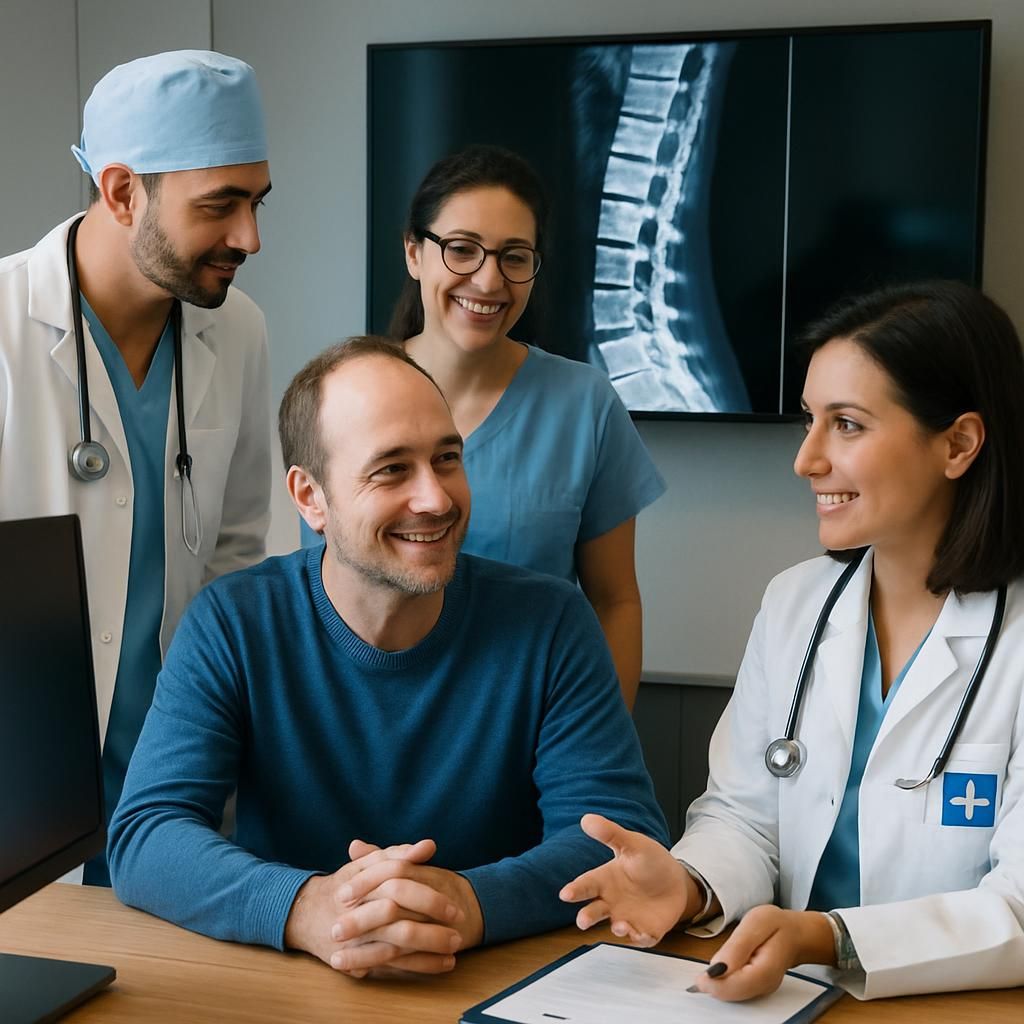
Medical advances in minimally invasive surgery are not limited to reducing incisions; they also encompass essential biomechanical benefits for long-term spinal health. Preserving mobility, reducing mechanical stress, and protecting nerve structures are key concerns.
Dynamic implants like TOPS and IntraSPINE allow the spine to retain its flexibility, unlike rigid fusion systems. This maintained mobility is a key factor in preventing overloading and premature wear of adjacent spinal segments, a phenomenon well-documented in the literature. It also promotes better posture and faster functional recovery.
Several clinical studies highlight that this approach significantly improves patients' quality of life by reducing pain episodes and increasing their ability to perform normally limited daily activities. These benefits are accompanied by a notable reduction in postoperative complications such as infections or hematomas, thanks to the minimally invasive incision and precise surgical technique.
The following table illustrates the functional benefits of dynamic implants in minimally invasive surgery:
| Biomechanical benefits | Description | Functional impact |
|---|---|---|
| Preservation of mobility | Permission of micromovements of the spinal segment | Maintaining flexibility, better posture |
| Reduction of mechanical stresses | Reduced pressure on the discs and joints | Pain reduction and slowing of deterioration |
| Nerve protection | Optimal release of compressed nerve roots | Improvement of neurogenic symptoms |
| Fewer scar adhesions | Less invasive procedure, less scar tissue | Reduction of surgical and postoperative risks |
Louis Blanchard emphasizes the importance of choosing the right option between dynamic implants and other methods, depending on each patient's profile, with a focus on minimally invasive surgery to limit complications and promote rapid, functional rehabilitation. To learn more about innovations in motion preservation, visit dedicated pages such as Motion surgery: clinical advantages and techniques is recommended.
Human and economic aspects: the impact of minimally invasive surgery on the healthcare pathway in France
The increasing adoption of minimally invasive surgery is accompanied by a marked interest in its human and economic benefits. Among these, the concept of reduced surgical trauma translates into fewer complications, but also a lesser psychological impact on the patient.
From a human perspective, the possibility of less painful procedures, shorter hospital stays, and improved pain management radically transforms the surgical experience. This improvement, supported by comprehensive and personalized care, reduces anxiety and motivates patients to engage in their rehabilitation. Innovative implantable technology, combined with meticulous follow-up, facilitates a faster return to social and professional life.
From an economic point of view, the dissemination of these techniques in France, offered in particular to Quebec patients via SOS Medical Tourism, This translates into access to high-quality care at competitive costs. Reduced hospital stays and fewer complications generate substantial savings for healthcare systems, while patients benefit from comprehensive and seamless care. This transatlantic medical model thus fosters an optimal response to current public health challenges and the need for personalized care.
The main positive outcomes can be described as follows:
- Less pain and better postoperative tolerance
- Accelerated recovery and rapid return to normal activities
- Reducing the risk of prolonged hospitalizations
- Improved psychological well-being and confidence in care
- Cost control through rigorous coordination and recognized expertise
This combination of advantages makes minimally invasive surgery with dynamic implants a preferred solution for patients wishing to avoid the constraints associated with traditional methods, while promoting a respectful and motivating human approach. To explore this treatment pathway and consider a personalized assessment, it is advisable to contact the specialized teams through [link/method]. SOS Medical Tourism.
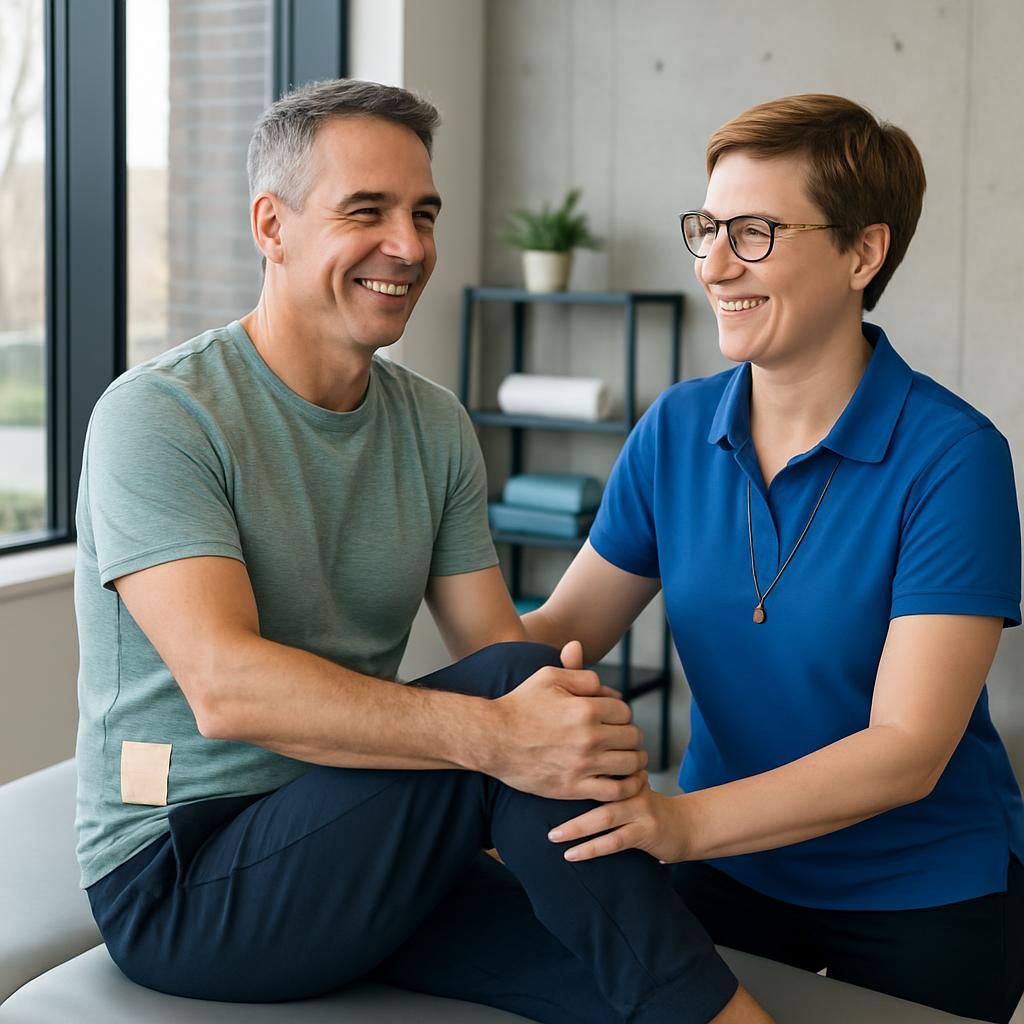
Patient Pathway: Minimally Invasive Spine Surgery
What is minimally invasive surgery?
This is a surgical technique that uses a minimal incision to access the spinal area, thus limiting muscle damage and post-operative pain.
What are the advantages of dynamic implants in spinal surgery?
They help to preserve spinal mobility while ensuring stability, limiting pain and delaying the degeneration of adjacent segments.
How does the support process work for a patient from Quebec?
Personalized follow-up is ensured through coordination between French and Quebec experts, including teleconsultations, logistical organization and comprehensive care.
Why consider surgery after conservative treatment?
Surgery is only recommended after 3 to 6 months of conservative treatments in order to avoid unnecessary intervention and to optimize postoperative results.
What are the benefits for recovery after minimally invasive surgery?
Less pain, fewer complications, shorter hospital stays and faster recovery, allowing a quick return to daily activities.