Dynamic implants: role in the prevention of adjacent segment disease
02/05/26
TOPS™: Implantation and Post-Operative Monitoring
02/05/26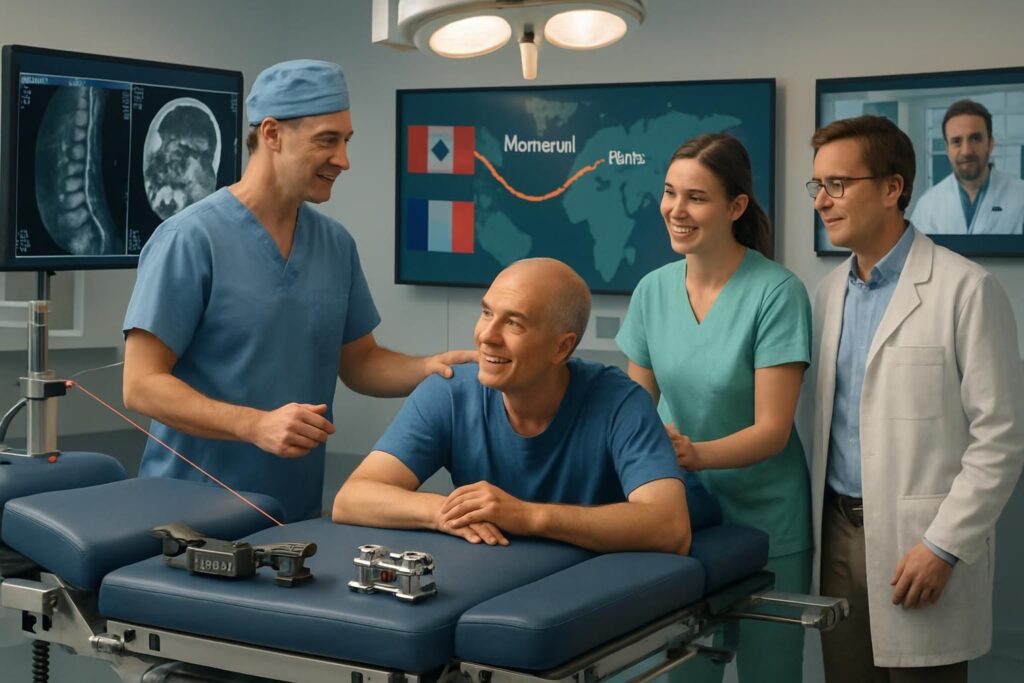
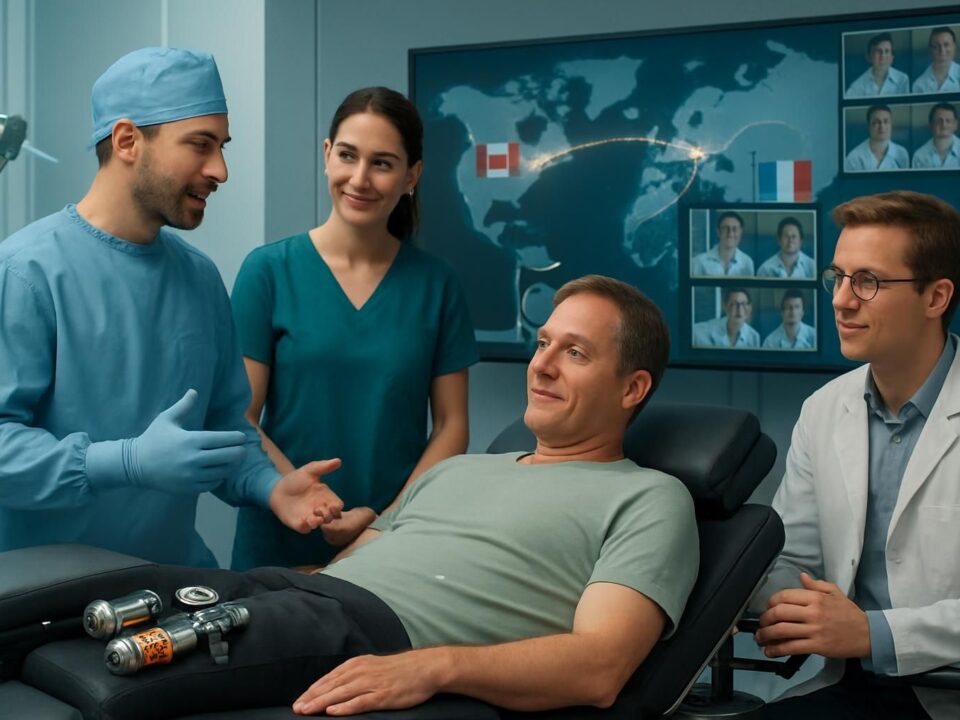
Faced with chronic spinal problems affecting a significant portion of the population, motion surgery is emerging as a revolution in the treatment of spinal pain. This approach combines medical innovation with respect for the natural physiology of the back, offering surgical solutions that prioritize mobility and minimize post-operative impacts. For Quebec patients, this prospect presents a unique opportunity: to benefit from French technological advancements in dynamic spinal implants, such as the TOPS or IntraSPINE systems, while enjoying attentive and personalized care. Transatlantic collaboration, facilitated by experts like Louis Blanchard and specialized platforms such as SOS Medical Tourism, allows for rigorous, secure and innovative monitoring, combining the best of both worlds.
Traditional surgical techniques, although still widely used, are gradually giving way to these more mobility-friendly methods. The objective is clear: to reduce pain, increase spinal function, and accelerate recovery, while limiting the risks inherent in surgery. surgery Classic approach. Each step, from the initial assessment to post-operative follow-up, is meticulously coordinated to provide optimized, comprehensive care, notably by building upon prior conservative treatments performed in leading centers such as the TAGMED Clinic. This process ensures that surgery is considered only after a complete attempt at non-invasive treatment, thus guaranteeing the safety and effectiveness of the interventions.
Innovations in motion surgery: surgical and biomechanical techniques
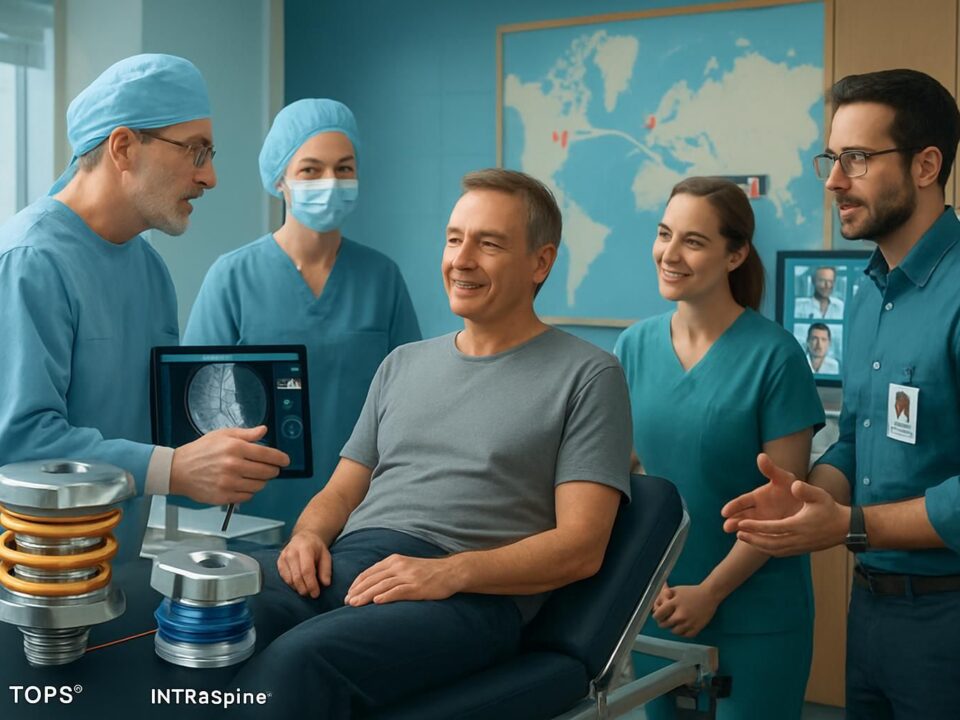
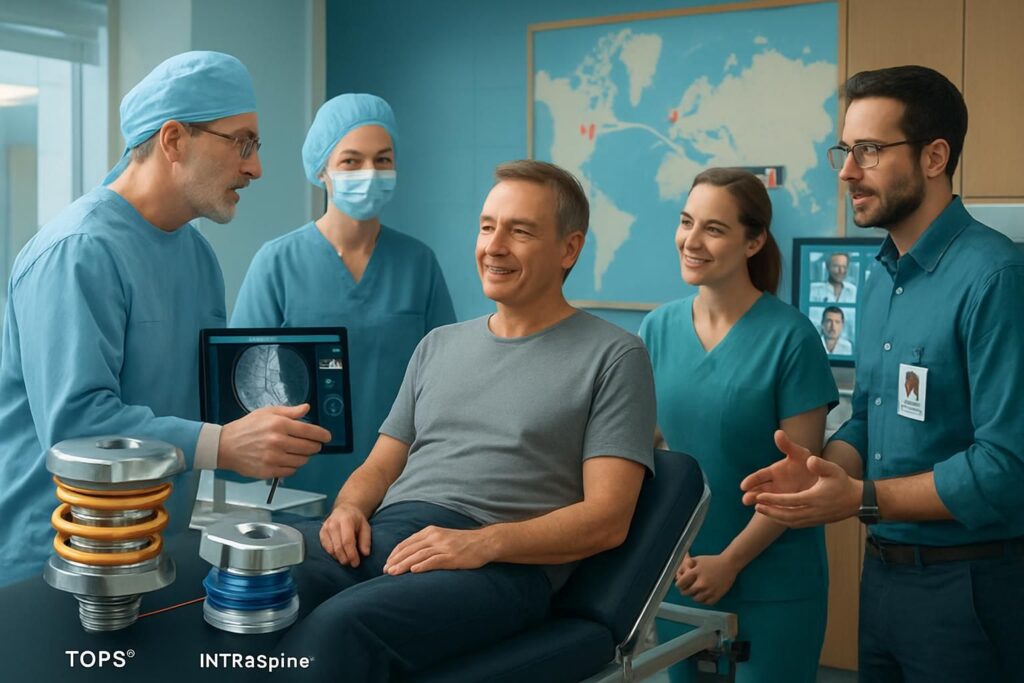
Surgery motion This represents a major advance in the treatment of spinal pathologies, particularly lumbar and cervical. This technique is based on the use of dynamic implants, such as the system TOPS and IntraSPINE, designed to preserve the natural mobility of the spine after surgery. Unlike other methods of merger Unlike conventional spinal fusion, these implants allow controlled movement between vertebrae, thus limiting side effects related to rigidity induced by fusion.
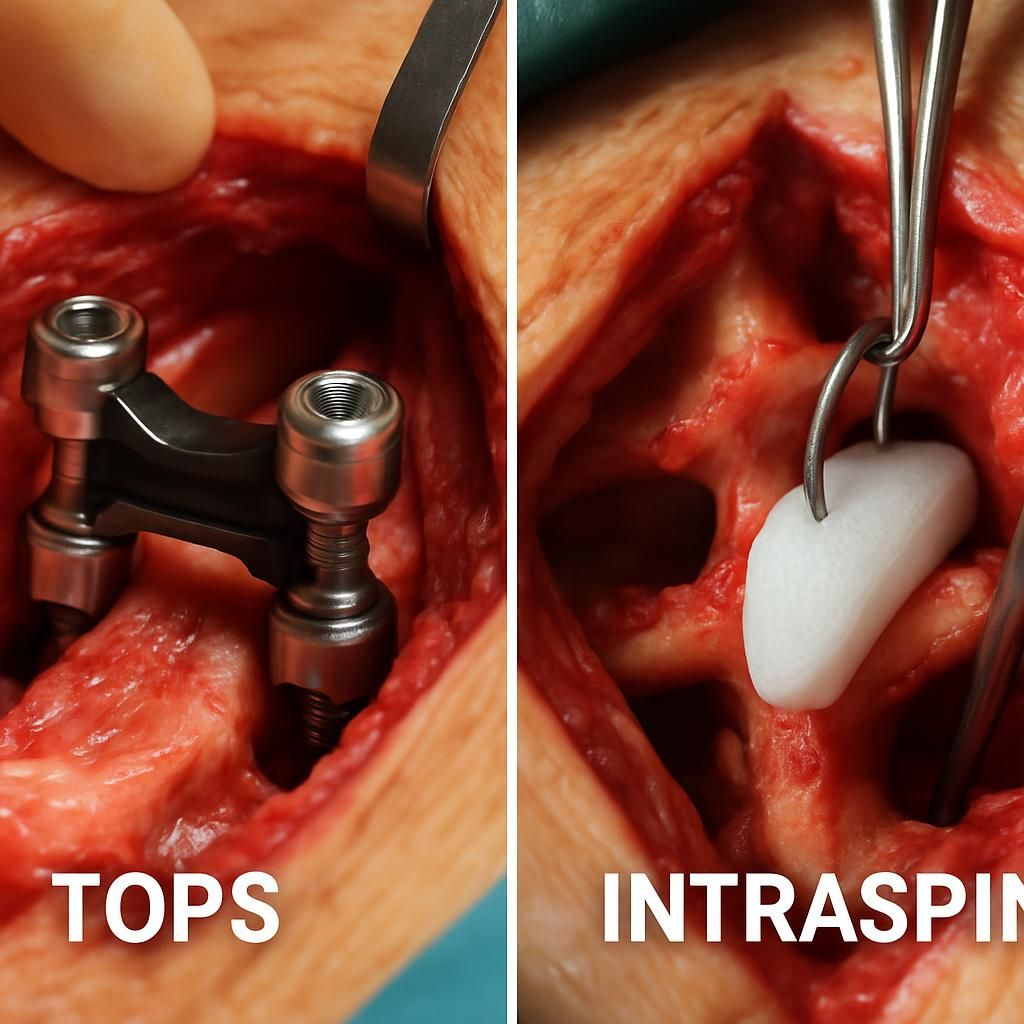
For example, the TOPS system is a multi-axial device implanted to stabilize the spine while allowing physiological movement. This ability to maintain mobility helps reduce stress on adjacent segments, which are often responsible for secondary pain or premature wear. Similarly, IntraSPINE, a implant Dynamic interspinous support offers minimally invasive lumbar support that helps decompress nerve roots while preserving flexibility.
Biomechanical advantages of dynamic implants
The functional effectiveness of these implant solutions lies in their advanced biomechanical design. By allowing controlled mobility, they contribute to:
- Reduce pressure on the intervertebral discs and facet joints, which are responsible for joint pain in prolonged postures.
- Limit the phenomenon of adjacent degeneration, often observed after rigid fusion.
- Promoting a better distribution of mechanical stresses during movements, which optimizes muscle recovery.
- To offer high surgical precision through minimally invasive procedures, reducing tissue trauma.
This innovative approach allows for a more natural functional restoration of the spine, avoiding excessive stiffness and improving the patient's long-term quality of life. These promising clinical results solidify the position of dynamic implants as the new gold standard in back surgery.
Minimally invasive surgical techniques and rapid recovery
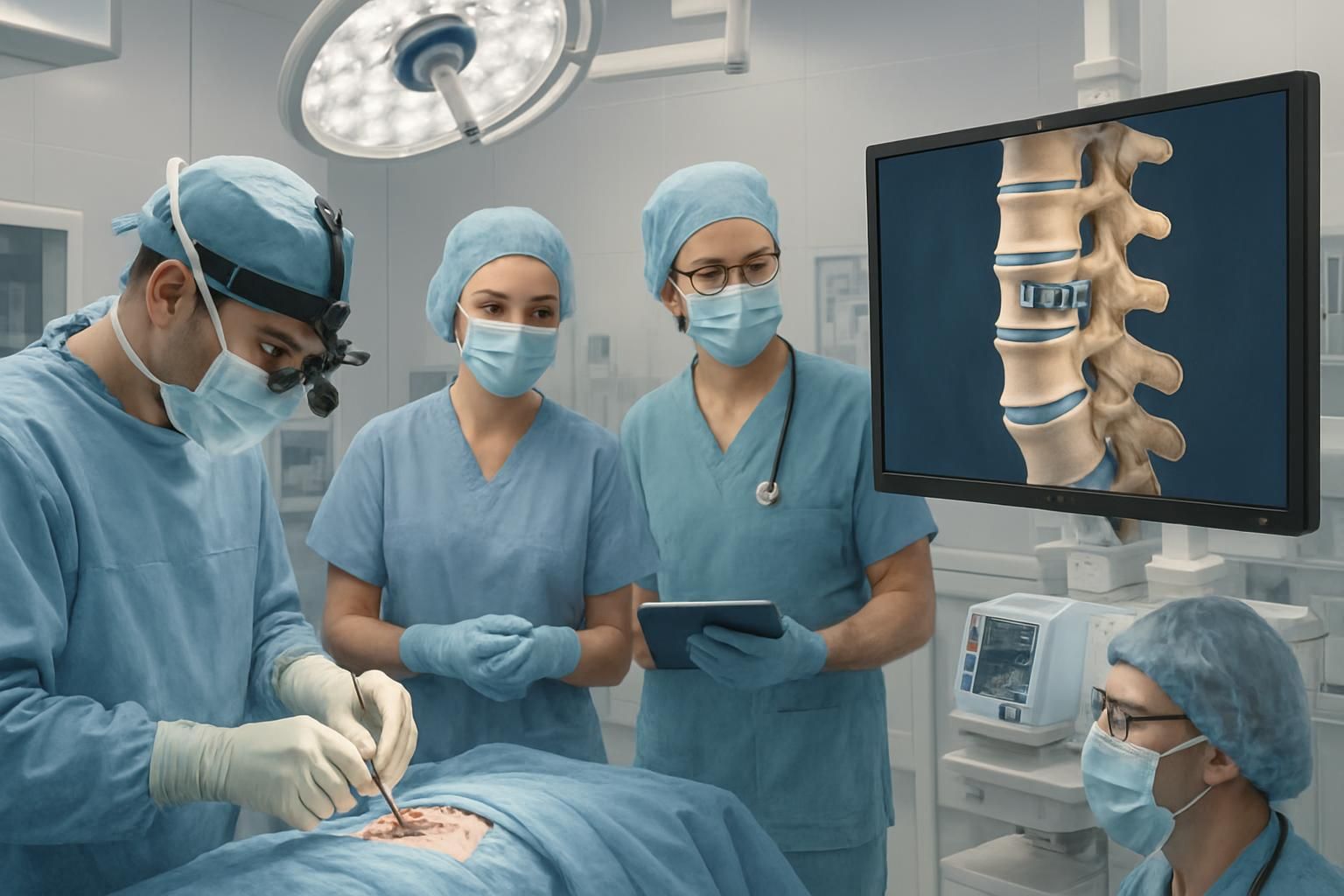
Motion surgery also relies on minimally invasive techniques that optimize surgical procedures. These methods reduce the size of incisions, limit blood loss, and minimize postoperative pain. Combined with cutting-edge technology, such as image-guided instruments, they allow for precise implant placement within the complex anatomy of the spine.
The practical benefits are numerous:
- A significant reduction in the length of hospital stay.
- Early mobilization promotes rapid and effective rehabilitation.
- A lower risk of infections and complications.
- Improved functional recovery with preserved postoperative mobility.
These advantages are both technical and clinical, highlighting the importance of surgery guided by objective benchmarks and scientific rigor in implant selection. For more information on methods aimed at reducing post-operative pain in minimally invasive surgery, the TAGMED clinic is establishing itself as an essential partner.
Patient journey in motion surgery: transatlantic coordination and personalized support
The path to successful spinal surgery relies on rigorous organization, integrating French expertise and support tailored to Quebec patients. This process begins with a thorough evaluation, including a complete clinical assessment and advanced imaging. Louis Blanchard, a recognized expert in spinal implants, plays a vital role in providing informed guidance and advice, facilitating patient understanding and directing them toward the most appropriate solutions.
The use of dynamic surgery is considered strictly after a period of 3 to 6 months of conservative treatments. This preliminary step, carried out in particular by the TAGMED Clinic, confirms the need for surgery while optimizing the chances of success. These preliminary treatments include, among other things, a Spinal decompression therapy non-invasive and targeted rehabilitation protocols.
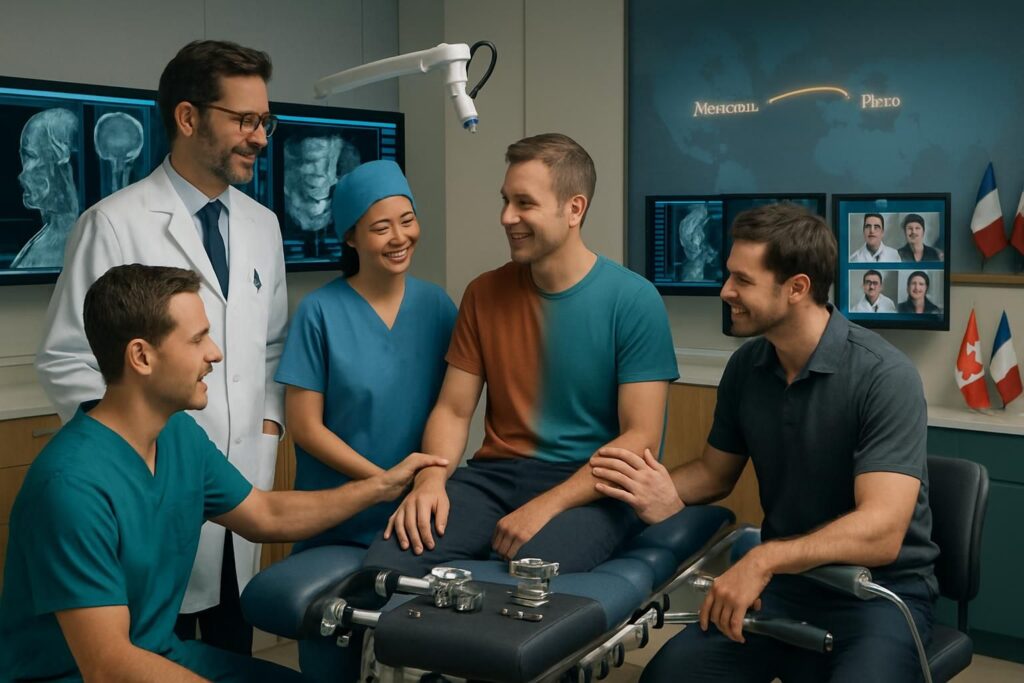
Transatlantic collaboration is also reflected in logistical and human support: organizing pre-operative consultations, planning the stay in France, close post-operative monitoring, and coordinated rehabilitation between the teams. The integration of French-language teleconsultation tools ensures seamless communication between patients, surgeons, and physiotherapists.
The role of SOS Medical Tourism in the coordination
SOS Medical Tourism facilitates connections between Quebec patients and healthcare providers in France, ensuring comprehensive support before, during, and after surgery. This platform offers a personalized approach tailored to specific needs, combining responsiveness, quality, and safety. Patients benefit from holistic care, including administrative, logistical, and medical management.
Such an organization helps to alleviate apprehensions related to mobility and encourages a calm approach to motion surgery, which remains a delicate intervention requiring recognized expertise at all stages.
The functional and economic benefits for Quebec patients
By adopting motion surgery and its innovative implant solutions, patients find a rare balance between clinical results and personal benefits. One of the major advantages of these techniques is the preservation of spinal mobility, significantly reducing disability related to postoperative stiffness. This maintained mobility promotes a more natural return to activity and reduces the risk of subsequent complications.
From an economic standpoint, the possibility of having this surgery performed in France, thanks to optimal coordination, represents an attractive alternative to the constraints in Quebec, particularly the long waiting times in the public sector and the high costs of private care. The comprehensive care pathway offered minimizes ancillary expenses while ensuring exemplary surgical quality.
In rehabilitation, the combination of dynamic implants and specialized rehabilitation programs accelerates recovery. Encouraged early rehabilitation reduces downtime and improves overall well-being.
Comparative table of clinical and economic benefits
| Criteria | Motion surgery with dynamic implants | Traditional fusion surgery |
|---|---|---|
| Postoperative mobility | Preserved thanks to the design of the implants | Often reduced |
| Post-operative pain | Less, facilitated by minimally invasive techniques | Can be more intense |
| Length of hospital stay | Reduced in general | Longer, with extended convalescence |
| Overall cost | Optimized thanks to coordination and integrated pathways | Often higher between waiting times and private care |
| Functional recovery | Fast with active rehabilitation | Slower, with a risk of complications |
Evidence-based practices: safety, rigor, and innovation in motion surgery
The patient safety is at the heart of the practices applied in motion surgery. Implant innovations are rigorously evaluated according to certified scientific protocols, guaranteeing their long-term efficacy and tolerability. Louis Blanchard, as a recognized expert, promotes strict adherence to international best practices, as well as the gradual adoption of new technologies that encourage medical innovation.
This rigor is reflected in particular in patient selection, mastery of minimally invasive techniques, and personalized postoperative management. The scientific documentation associated with dynamic implants, such as IntraSPINE, highlights evidence of their benefits in terms of pain reduction and rapid recovery.
Motion surgery thus demonstrates a paradigm shift, integrating more respectful biomechanical approaches with enhanced human support, ensuring a balance between technical performance and patient well-being.
Pedagogy at the heart of patient support
A key aspect of this approach is the clear and accessible communication of information. The complexity of spinal implants and their biomechanical benefits is explained in a clear and educational way, fostering a reasoned and reassuring understanding. The support provided is personalized, allowing time for questions and the expression of concerns, which is essential for successful acceptance of the surgical process.
To further explore this educational dimension, patients are encouraged to consult reliable resources, such as those offered by the TAGMED Clinic on the dynamic implants in spinal surgery. A caring approach thus fosters trust, a key element before any delicate intervention.
Comparison of TOPS and IntraSPINE dynamic implants
Implantation methods, indications, postoperative mobility, duration of the procedure, recovery, advantages and limitations
| Characteristic | TOPS | IntraSPINE |
|---|

What is motion surgery?
Motion surgery is an innovative approach that uses dynamic implants to stabilize the spine while preserving its natural mobility, thus reducing pain and classic complications associated with fusion.
When to consider motion surgery?
This surgery is recommended after 3 to 6 months of failure of conservative treatments, including specialized care such as neurovertebral decompression, in order to guarantee the necessity and effectiveness of the intervention.
What are the advantages of TOPS and IntraSPINE implants?
These implants help preserve spinal mobility, reduce post-operative pain, accelerate recovery and minimize the risk of complications, thanks to their advanced biomechanical design.
How does post-operative follow-up take place?
Follow-up is ensured through coordination between teams in France and Quebec, with personalized support including teleconsultations and rehabilitation programs adapted to the patient's needs.
How to organize an intervention in France from Quebec?
Thanks to specialized platforms like SOS Medical Tourism, patients benefit from comprehensive coordination that includes assessment, surgical care, logistical management, and post-operative follow-up.
To learn more or for a personalized assessment, visit https://www.sostourismemedical.com/contact.