Herniated Disc: Why Healthcare Professionals Minimize Its Importance
02/24/25
Dynamic stabilization: innovations and clinical applications
08/04/25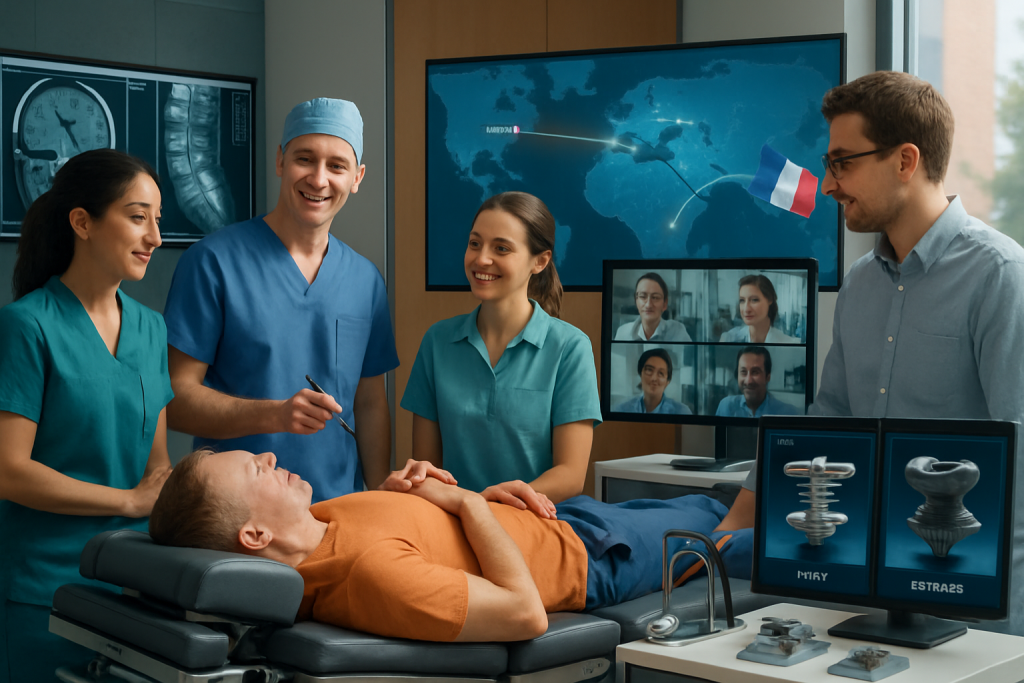
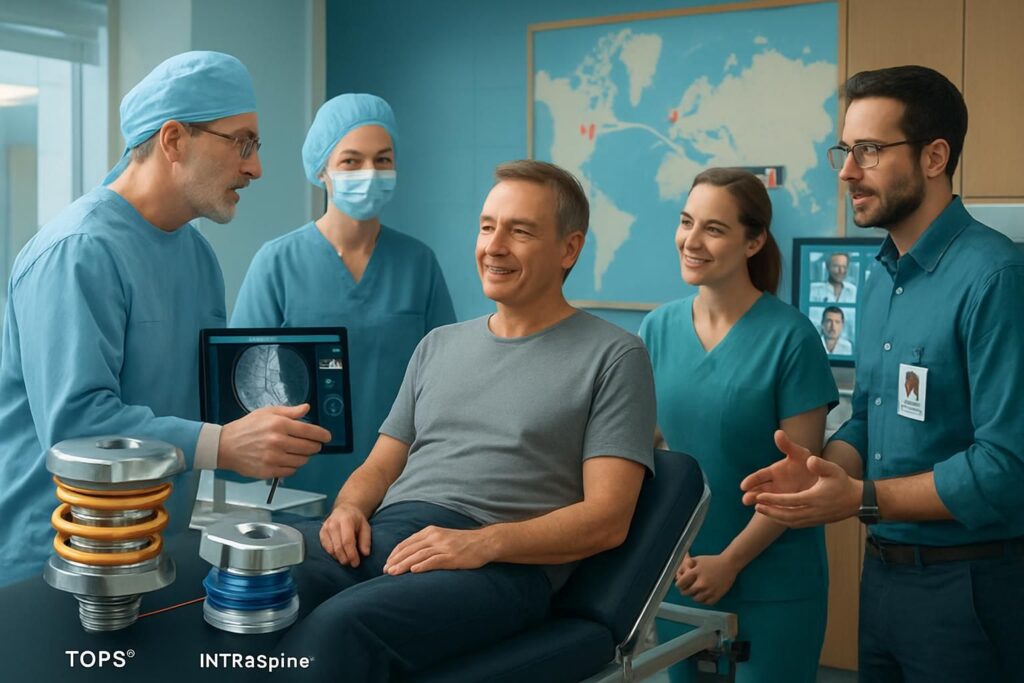
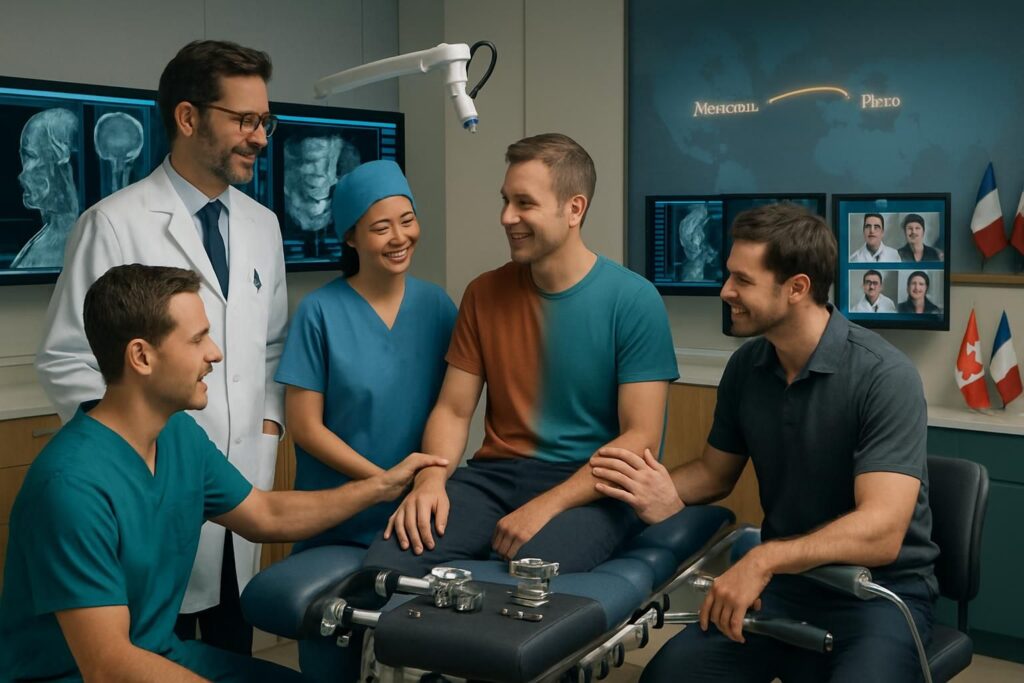
Spinal surgery is undergoing a major evolution with the emergence of so-called "motion surgery" techniques, which aim to preserve the natural mobility of the spine while providing effective stabilization. This advancement addresses the growing needs of patients who wish to avoid the rigidity often resulting from traditional spinal fusion procedures. At the heart of this innovation, France stands out for its recognized expertise and cutting-edge technologies, accessible in particular to Quebec patients through a coordinated network of professionals and specialized centers. This transatlantic pathway, guided by spinal experts, offers a reliable and safe alternative to local constraints, with a focus on scientific rigor, patient safety, and transparent education. Through innovative solutions such as TOPS or IntraSPINE dynamic implants, the surgery motion opens up new perspectives for the treatment of complex spinal pathologies, combining functionality and restored quality of life.
The sector also benefits from close collaboration between French specialists and Quebec teams, thus optimizing pre- and post-operative care. These surgical implants improve segmental mobility while relieving nerve compression, avoiding the complications inherent in more invasive techniques. In a context where each case requires a tailored approach, this care model relies on rigorous ethics and thorough evaluation, often supervised by leading experts. This overview clarifies the various surgical options, while defining their indications within a protocol where conservative treatments remain the priority. This guide ensures the patient has a complete understanding of the biomechanical issues and the steps involved, from the initial consultation to personalized rehabilitation.
Motion surgery and dynamic implants: principles and innovations in back surgery
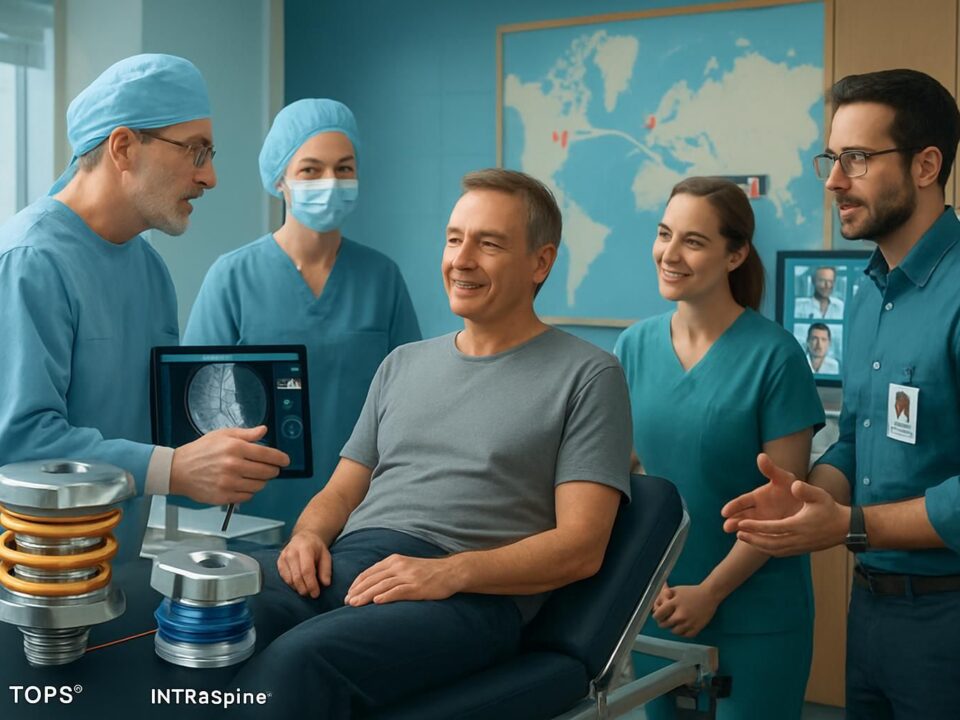
Motion surgery techniques have been developed to overcome the limitations of traditional spinal procedures, particularly spinal fusions that immobilize vertebral segments. These dynamic approaches aim to stabilize the spine while maintaining the possibility of physiological movement, offering a crucial functional advantage. Implants such as the TOPS system The TOPS system or the IntraSPINE prosthesis perfectly embody this philosophy. The TOPS system ensures dynamic posterior stabilization, limiting the load on adjacent segments and thus minimizing the risk of accelerated degeneration in these areas. IntraSPINE, on the other hand, is an interlaminar prosthesis used to preserve the natural flexibility of the lumbar spine during spinal decompression.
The biomechanics of these implants are based on the dissociation between stability and rigidity: they maintain the load while allowing flexion-extension, lateral flexion, and segmental rotation—essential characteristics for harmonious vertebral function. Several published studies show that these implants significantly reduce postoperative pain and functional disability compared to traditional techniques, while also limiting loss of mobility. Patient selection remains a fundamental prerequisite; these solutions are preferentially indicated for young patients with high functional activity levels and discopathy without major instability or severe deformity.
Thanks to renowned French expertise and international collaborations, these technologies are not merely biomedical innovations, but rather part of a comprehensive approach to excellence in orthopedic surgery, often integrating minimally invasive and robotic surgery techniques. They rely on precise assessment combining 3D imaging and computer-assisted navigation for optimal implant placement. This rigorous approach guarantees safety and efficacy, thus complying with national and international recommendations for general and specialized spinal surgery.
| Implant dynamic | Kind | Main indications | Length of hospital stay | Specific advantages |
|---|---|---|---|---|
| TOPS | Dynamic stabilization posterior | Lumbar discopathy without major instability | 2-3 days | Preservation of mobility, reduction of adjacent stress |
| IntraSPINE | Mobile interlaminar prosthesis | Lumbar decompression with maintenance of flexibility | 2-4 days | Physiological flexion-extension preserved |
| Disc prosthesis cervical | Disc replacement | Cervical radiculopathy without instability | 2-3 days | Cervical mobility preserved |
These innovations are available in France through a network of surgical excellence, ensuring multidisciplinary follow-up. The journey for Quebec patients often begins with a thorough evaluation of options and relies on conservative treatments performed at partner centers such as the TAGMED Clinic. These treatments include, in particular, the Spinal decompression therapy Robotic surgery is an essential prerequisite before any surgical intervention. This Franco-Canadian collaboration is part of a well-supported scientific approach, guaranteeing comprehensive and personalized care.
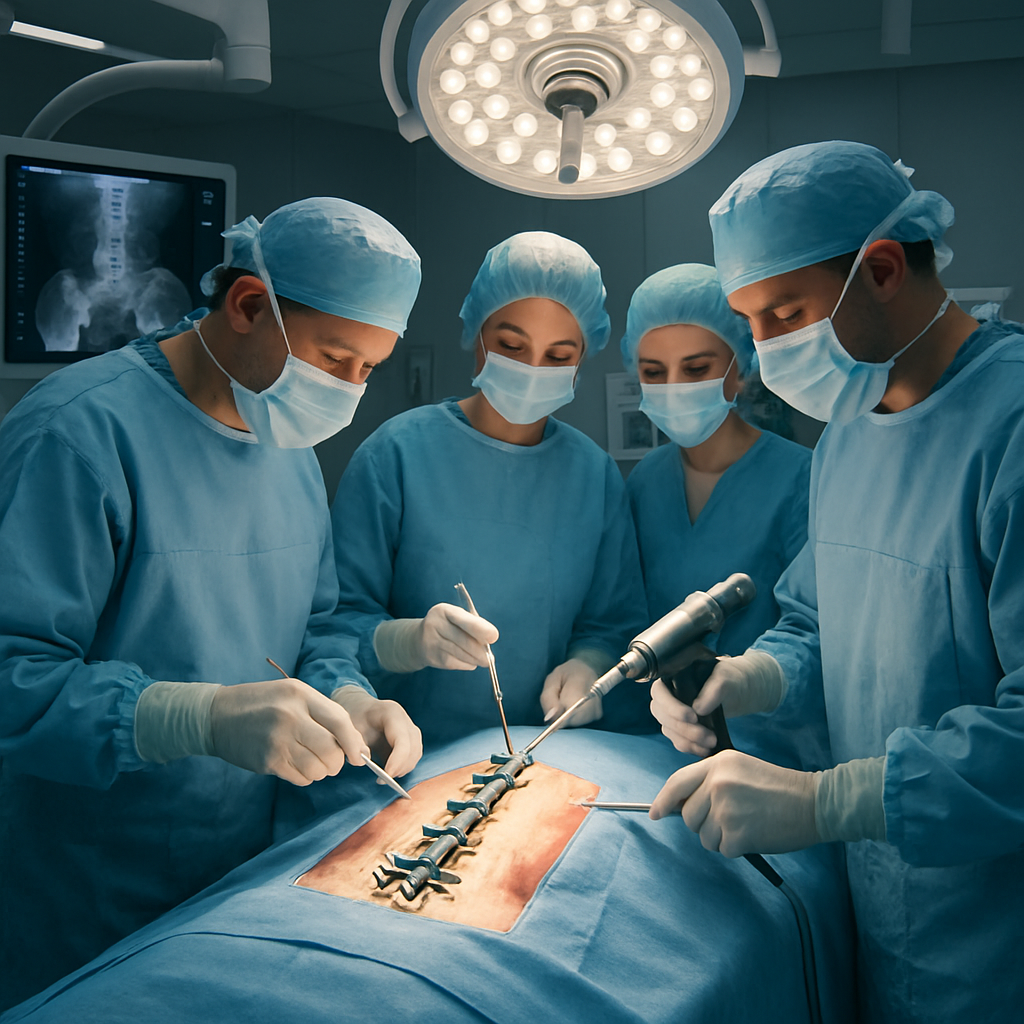
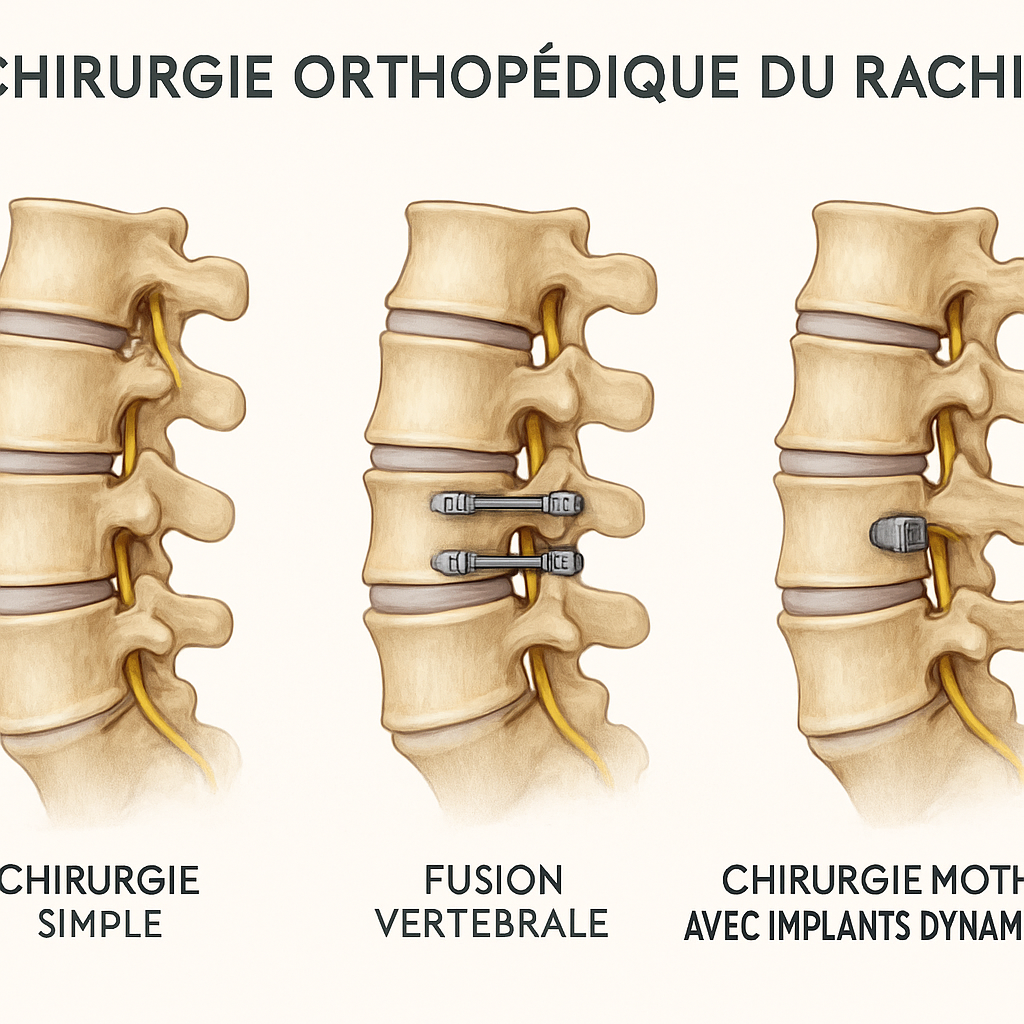
Comparison between Simple Surgery, Spinal Fusion, and Motion Surgery: Understanding the Options
In the surgical management of spinal pathologies, it is essential to understand the differences between approaches in order to consider a personalized solution. Three main families of techniques coexist:
- Simple surgery (so-called conservative): aims for nerve decompression without rigid stabilization, ideal for localized compressions such as herniated discs or mild stenoses. It relies on microsurgical interventions or endoscopy, allowing for rapid relief and a short hospital stay.
- Spinal fusion (arthrodesis: immobilizes one or more segments to treat major instabilities, severe degeneration, or deformities. This technique, while effective, results in a loss of segmental mobility that can lead to long-term damage to adjacent segments.
- Motion Surgery It uses dynamic implants to stabilize without stiffening, thus maintaining mobility. Indicated in selected patients, it limits disease of the adjacent segment and improves functional quality of life.
A comparative table summarizes these key differences:
| Technical | Main objective | Impact on mobility | Length of hospital stay | Risks / complications |
|---|---|---|---|---|
| Simple surgery | Nerve decompression | Mobility preserved | < 24 to 48 hours | Possible recurrence, residual compression |
| Spinal fusion | Stabilize rigidly | Mobility lost in the treated segment | 2-5 days | Disease of the adjacent segment, pseudarthrosis |
| Motion Surgery | Dynamic stabilization | Mobility maintained | 2-4 days | Higher implant cost, rigorous monitoring |
Before any surgical decision, a 3- to 6-month cycle of personalized conservative treatments is essential, requiring advanced methods such as... robotic neurovertebral decompression offered at the TAGMED Clinic. This step ensures that the surgical intervention is well justified and adapted to the specific condition of the patient.
It is important to remember that orthopedic spinal surgery now benefits from multiple approaches that should be understood as complementary rather than competitive, each offering a range of strategic applications. The therapeutic choice must be informed by in-depth expertise and clear explanations so that the patient can confidently navigate their treatment.
Patient pathway in spinal surgery: transatlantic coordination and personalized support
The typical journey of a Quebec patient considering motion surgery in France relies on close coordination between Canadian and French experts. This structured approach ensures rapid, safe care tailored to the specific profile of the clinical case. Here are the major steps:
- Rigorous initial assessment: produced in Quebec by the Dr. Sylvain Desforges at the TAGMED Clinic, with a focus on conservative treatments.
- Surgical qualification: SOS Medical Tourism informs and guides the patient towards the best options available in France, selecting the appropriate techniques.
- Directions towards the center in France: complete management by Crossing the choice of surgeon and the organization of the stay.
- Surgical intervention: produced in state-of-the-art facilities that comply with European standards of safety and innovation.
- Coordinated post-operative follow-up: Neurothérapie Montreal ensures remote monitoring, guaranteeing effective rehabilitation and a safe return to daily life.
This model offers several advantages:
- Access to technologies and implants not covered by insurance in Quebec, with reduced waiting times and comprehensive support.
- Scientific rigor combined with high-level surgical experience, guaranteeing safety and optimal results.
- Human, educational and adaptive support which reassures the patient at every stage.
- Savings on total costs thanks to an integrated and personalized logistics organization.
- Continuity of care between France and Canada, ensuring long-term monitoring to optimize rehabilitation.
This comprehensive and innovative offering reflects a growing trend in general and specialized surgery, with enhanced integration of minimally invasive and robotic surgery techniques. Through this coordinated approach, the patient benefits from a modern, safe, and patient-centered system, fostering seamless interaction between different disciplines, including orthopedic surgery and... back surgery.
Safety, pedagogy and scientific ethics in the choice of spinal interventions
In the field of spinal surgery, Patient safety remains the top priority. Technological advances, particularly in motion surgery, must be accompanied by rigorous evaluation based on clinical evidence and strict adherence to international standards. Therefore, consulting experts in the field ensures appropriate case selection, limiting the risk of complications such as adjacent segment disease or nonunion, which are common in some traditional protocols.
Education also plays a central role: it is essential that each patient clearly understands the principles of their treatment, realistic expectations, and the steps involved. This approach facilitates adherence to the therapeutic plan and fosters a climate of trust, a key factor in postoperative success. Communication about the different options, including simple surgery, fusion, and motion surgery, helps inform decisions while respecting the unique circumstances of each case.
Scientific rigor also includes the use of validated innovations, such as computer-aided surgery (CAD), 3D navigation, and biomechanically optimized implants. These advanced tools optimize surgical precision and contribute to superior functional outcomes. The expert's role is then to support the patient's understanding, promote structured follow-up, and ensure a tailored, progressive rehabilitation.
- Adherence to validated surgical indications according to recognized protocols
- Use of advanced technologies in orthopedic and robotic surgery
- Clear and caring communication for personalized care
- Rigorous post-operative monitoring to prevent and manage complications
This requirement raises the level of safety and effectiveness of motion surgery, while affirming its place in the modern landscape of spinal care.
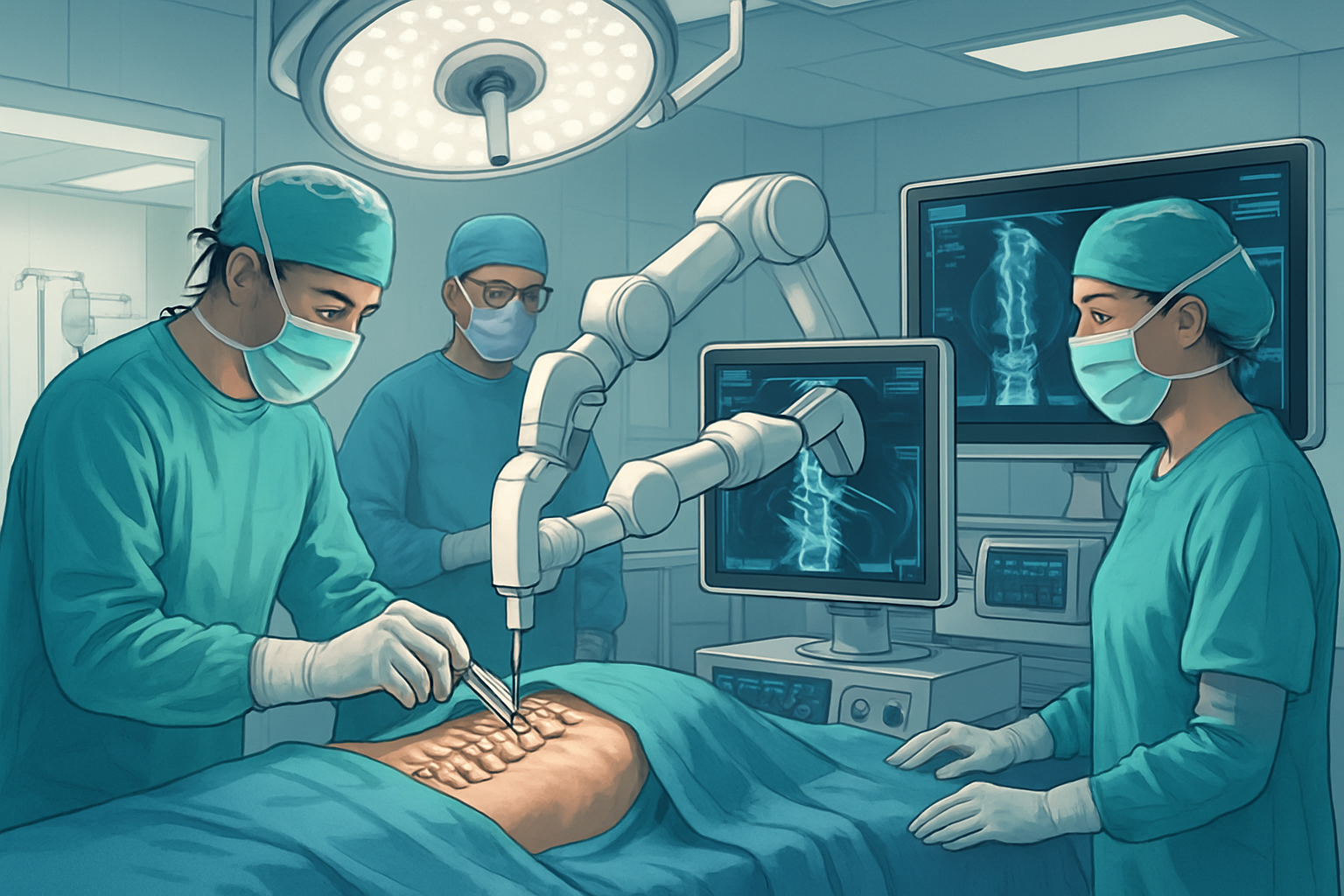
Added value of motion surgery in France: a pathway of excellence for Quebec patients
Innovative motion surgery solutions offer a major advantage: the preservation of spinal mobility, essential for many patients wishing to maintain an active lifestyle. Combined with leading French surgical expertise, this offering stands out for several strengths:
- cutting-edge implant technologies TOPS, IntraSPINE and other dynamic implants allow for sophisticated management of degenerative pathologies without compromising spinal flexibility.
- Exemplary transatlantic coordination : between Quebec and France, ensuring fluidity, speed and complete follow-up of the file.
- Personalized support : transparent information, accessible teaching methods and support at every stage of the journey.
- Relevant economic options : access to technically advanced care often not reimbursed locally, with an integrated logistics organization reducing the overall cost.
- Structured rehabilitation : post-operative follow-up provided by specialized Quebec teams to guarantee optimal recovery.
This is a tailor-made proposal based on the latest recommendations PDF HAS and university courses dedicated to spinal surgery in France, notably the DIU Spine Surgery of the SFCR SFCR. These institutional guarantees reinforce the reliability and quality of the service offered, accessible through SOS Medical Tourism. To benefit from appropriate guidance or a personalized assessment, contacting the team remains the crucial first step.
Motion Surgery: Understanding its fundamental principles
This interactive infographic compares the main surgical techniques used in spinal treatment, highlighting their advantages, disadvantages, and implications for mobility.
Select a technique to see its detailed fundamental principles.