Lumbar disc replacement: criteria
02/16/26
Dynamic implants: benefits
02/18/26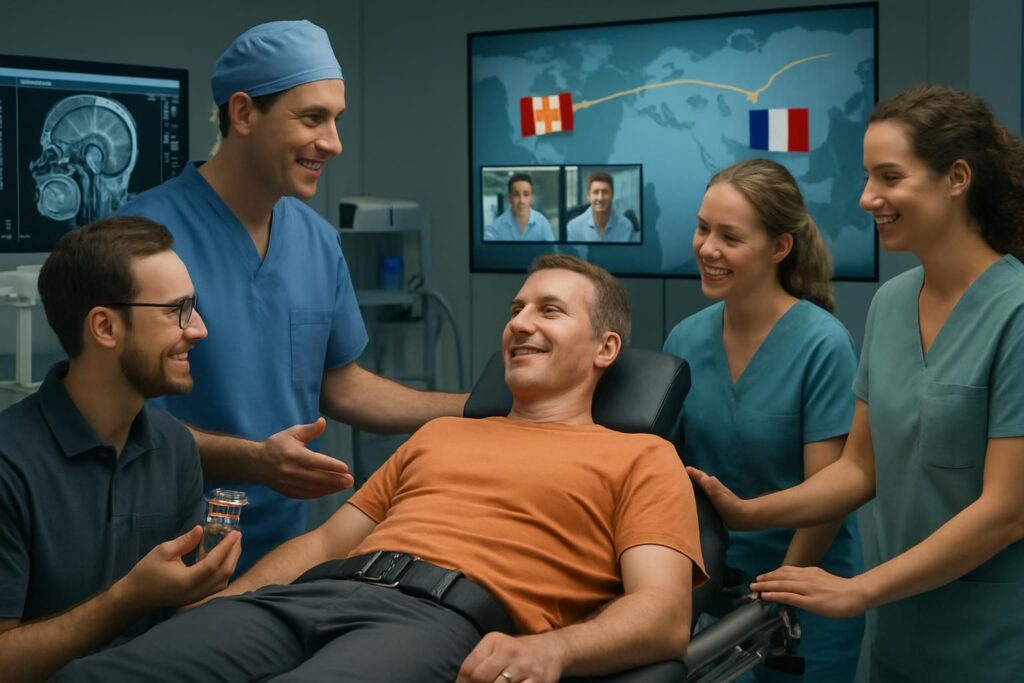
In the field of neck surgery, Recent advances now offer innovative and less invasive alternatives that are generating real hope for patients wishing to avoid the complications associated with traditional procedures. The neck, an anatomically complex and particularly sensitive area, requires a delicate balance between effective treatment and optimal preservation of mobility. Faced with the rigidity of classic procedures such as rigid fusion, techniques like dynamic implants and non-invasive treatments are gradually emerging as preferred solutions.
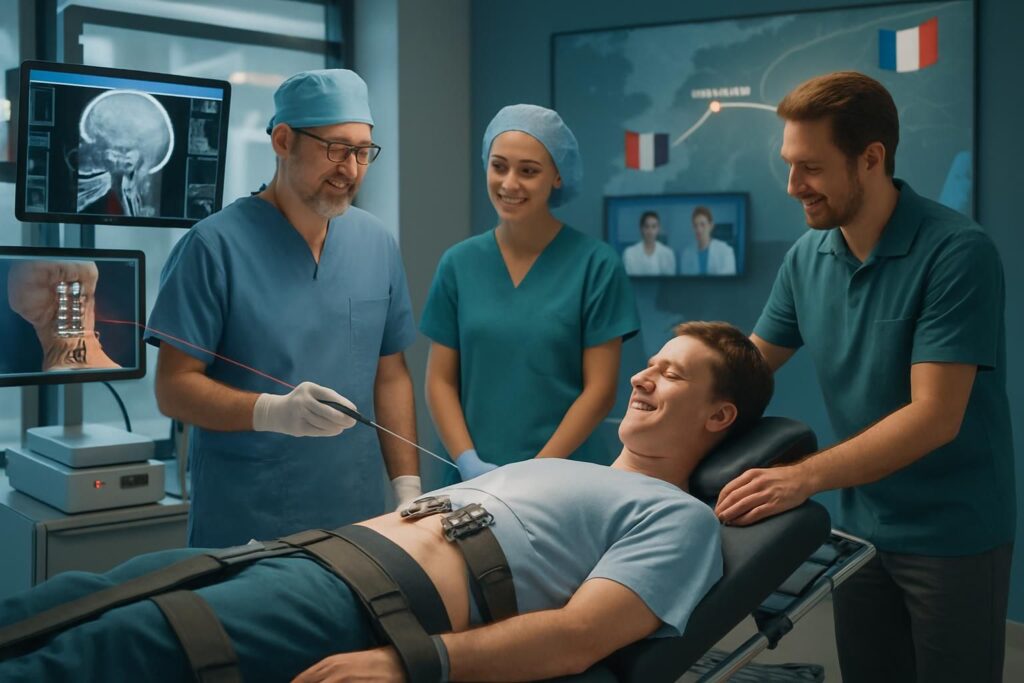
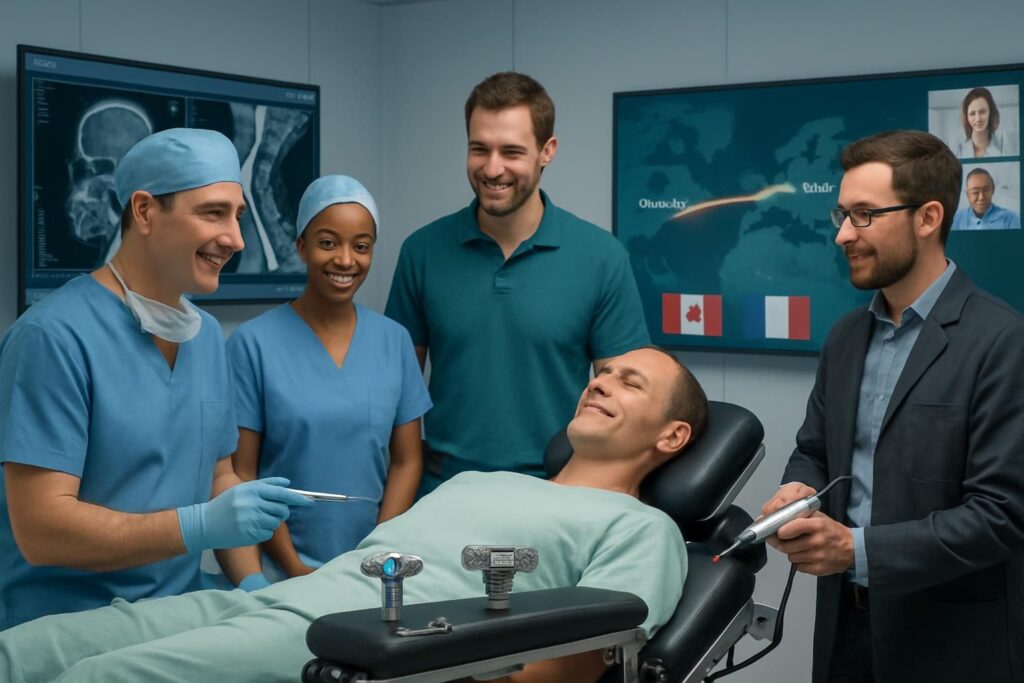
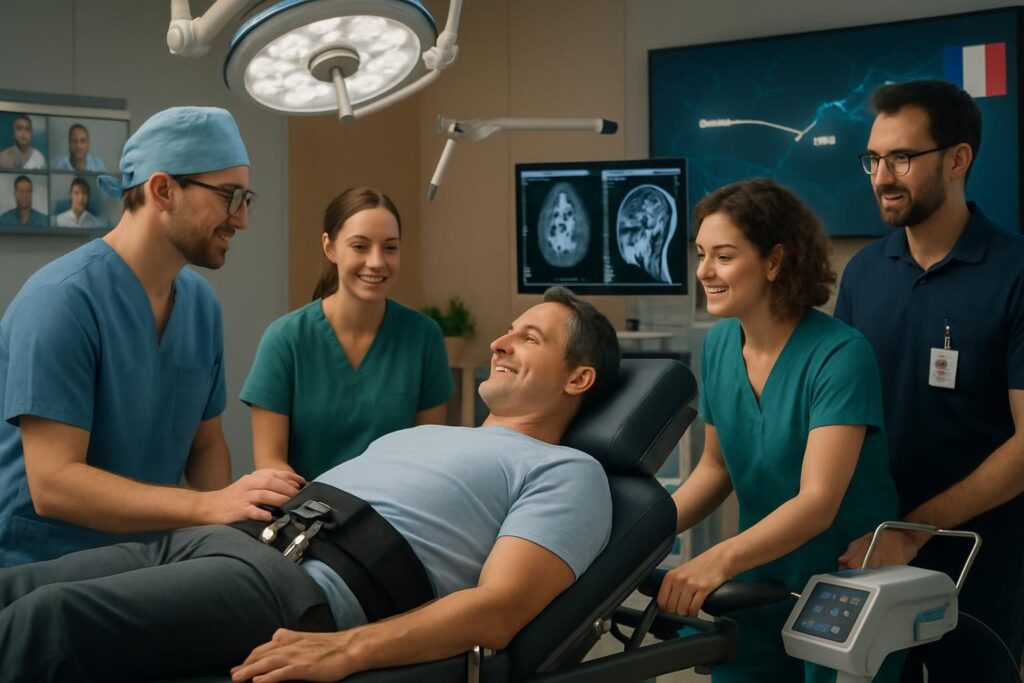
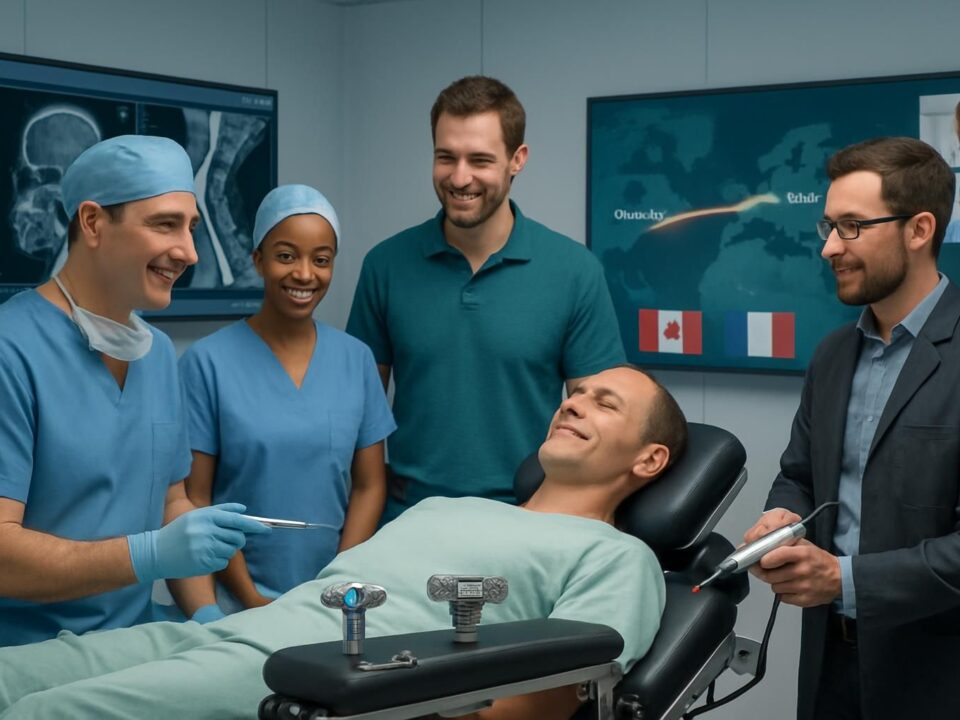
These alternatives are part of a personalized and secure care pathway, drawing on the experience and proven expertise of specialized surgeons, particularly in France. This framework allows access to cutting-edge technologies while providing tailored human support, where transatlantic coordination plays a vital role for Quebec patients. Thanks to dedicated platforms and close collaboration between European and Quebec medical facilities, the path to a surgery A softer neck is becoming increasingly accessible and reassuring.
Innovative techniques in neck surgery: between dynamic implants and conservative methods
Traditional neck surgery, often embodied by the merger Spinal immobilization involves immobilizing cervical segments to relieve pain or stabilize the spine. This technique, although widespread, has major limitations such as loss of mobility and a negative biomechanical impact on adjacent segments, causing long-term pain or secondary degeneration.
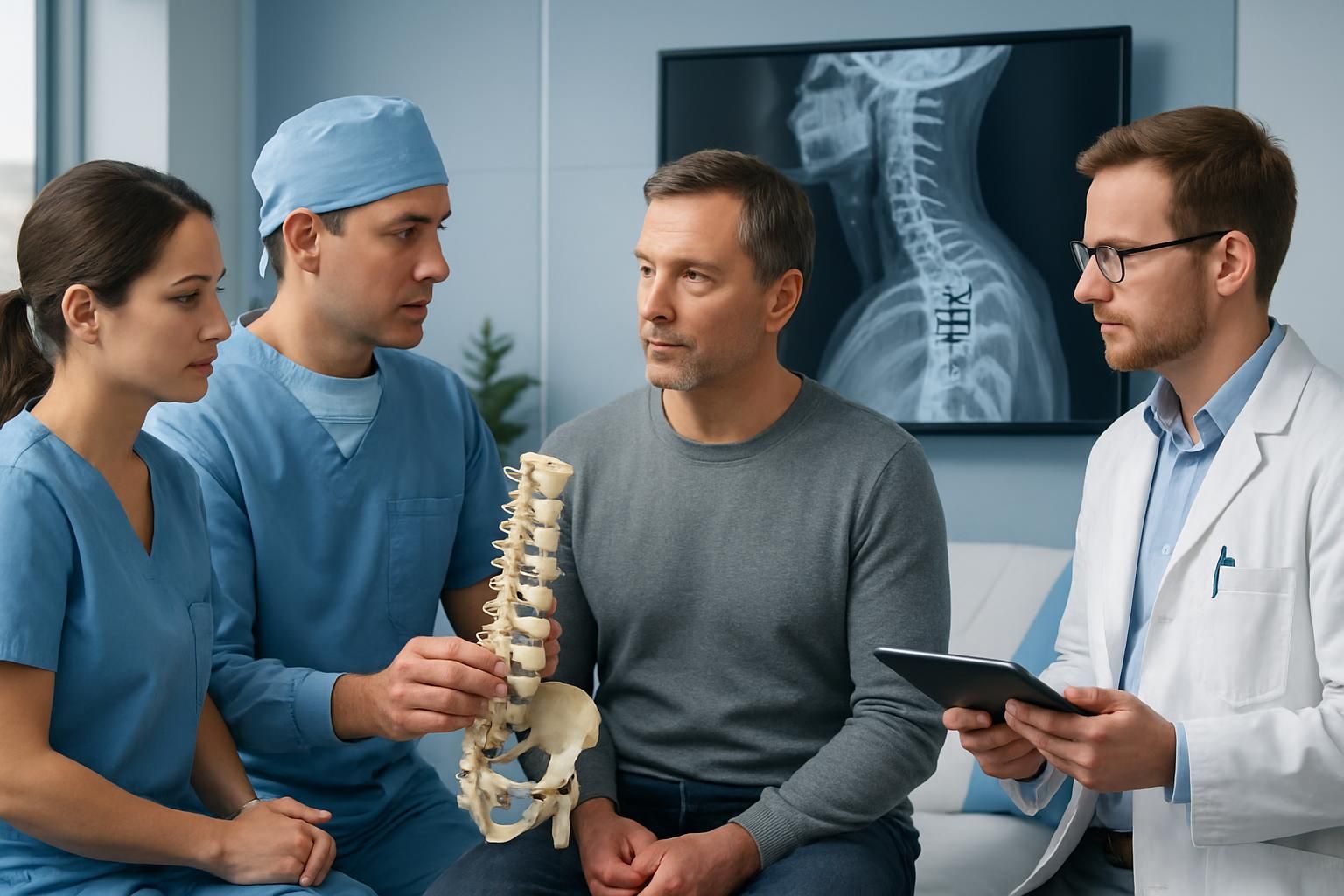
Faced with these challenges, dynamic implants represent a promising alternative. Systems such as the TOPS or the’IntraSPINE, Developed with renowned French surgical expertise, these devices aim to stabilize the cervical spine while preserving the natural movement of the vertebrae. This biomechanical innovation, perfected over several years, optimizes functional rehabilitation, reduces wear and tear on neighboring segments, and significantly improves quality of life.
These implants also benefit from an evidence-based approach and strict adherence to international standards, guaranteeing optimal safety. Their implantation requires highly specialized expertise, available in leading French centers, in close partnership with teams in Quebec for coordinated and seamless follow-up.
In parallel, neck surgery also offers less invasive techniques than traditional fusion, such as simple cervical canal decompression. This procedure, often recommended after a period of conservative treatment lasting at least three to six months, relieves pressure on the nerves without resorting to spinal fusion. Success depends on rigorous patient selection, ensured by collaboration with centers such as the TAGMED CLINIC, recognized for its advanced neurovertebral decompression practices and its individualized approach.
It is essential that surgery, whatever its nature, be considered a final step after all conservative options, such as the cervical physiotherapy reinforced, targeted rehabilitation, or even certain non-invasive treatments such as ultrasound therapy or shock wave therapy.
Non-invasive treatments: an essential step before the surgical decision
For many patients, the prospect of neck surgery can cause legitimate apprehension, particularly due to perceived risks, potential complications, or the associated recovery time. However, modern medicine offers a growing range of treatments. non-invasive which, in addition to rigorous medical monitoring, sometimes make it possible to provide lasting relief from pain and improve cervical function.
Among these options, the ultrasound therapy, Ultherapy, in particular, stands out as a gentle alternative to surgical neck lifting. Primarily designed to reduce skin laxity and stimulate natural collagen production, this ultrasound-based technique strengthens connective tissue without invasive intervention. The result is characterized by progressive firming with few side effects, offering an attractive solution for a wide range of patients.
In the more specific context of cervical pain, the shockwave therapy It also represents a major therapeutic innovation. This method uses high-energy acoustic waves that promote soft tissue healing, reduce inflammation, and improve local vascularization. Integrated into a comprehensive plan, often combined with a osteopathy whether specific or related to cervical physiotherapy, it can considerably relieve certain cervical disorders without resorting to surgery.
The neck rehabilitation It also plays a key role in conservative treatment. Tailored programs, targeted exercises, massage, and neuromuscular stimulation work together to restore mobility, reduce pain, and preserve function. In this context, complementary medicine usefully complements these approaches with complementary techniques such as laser therapy, valued for its anti-inflammatory and regenerative properties.
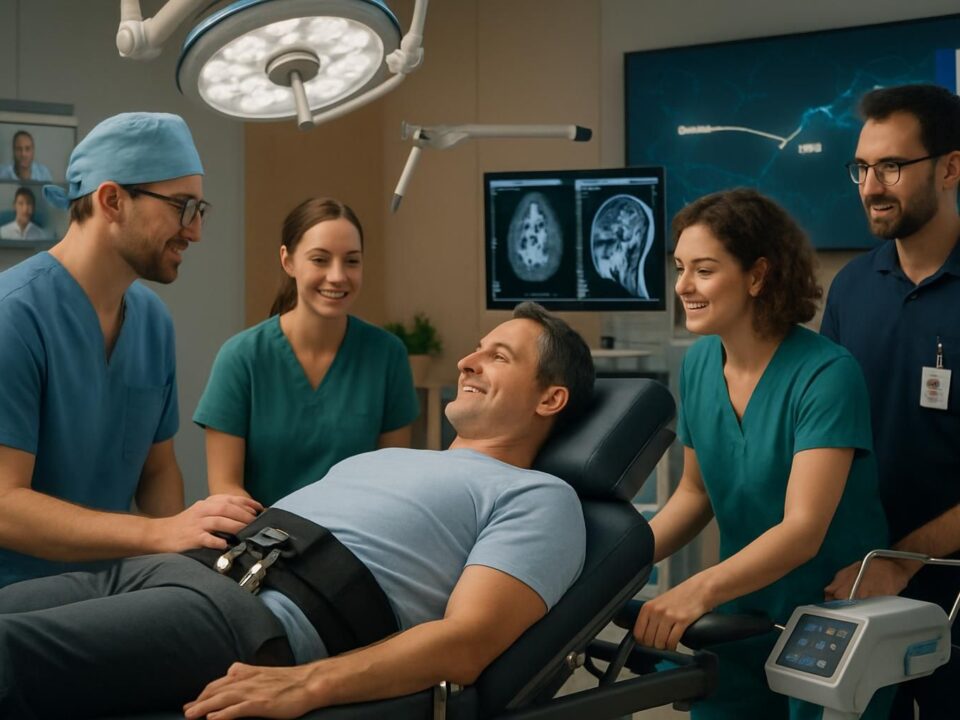
The use of these methods requires a rigorous and personalized assessment, conducted by experienced professionals. This step, particularly well-developed at the TAGMED Clinic, is mandatory before any referral for surgical intervention, thus guaranteeing a progressive and tailored care pathway.
The patient journey between Quebec and France: personalized transatlantic support
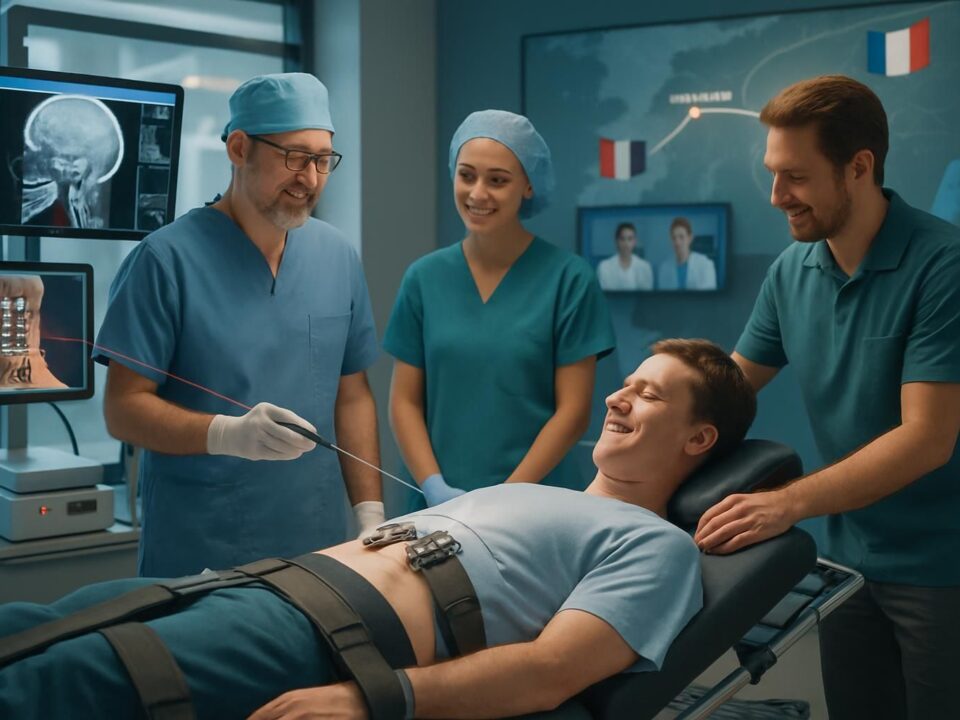
The treatment of neck pathologies, whether conservative or surgical, finds a highly organized support in the coordination transatlantic between Quebec professionals and top-level French centers. This dynamic, driven in particular by experts in spinal implants and in spinal surgery, is a source of innovation and reassurance for French-speaking Canadian patients.
The process systematically begins with a comprehensive evaluation at a partner clinic, such as TAGMED, where a precise biomechanical and functional assessment is performed. This initial step prioritizes a holistic understanding of the clinical picture without establishing a diagnosis, in accordance with an ethical approach and respect for the standards in force in Quebec.
When conservative options reach their limits, the advanced expertise of French surgeons is leveraged through coordination provided by dedicated platforms such as SOS Medical Tourism. These guarantee flawless organization of appointments, innovative interventions (TOPS implementation, IntraSPINE) and postoperative follow-up, with particular attention to safety, speed and cost transparency.
Upon returning to Quebec, personalized support is provided through partner organizations such as Neurothérapie Montreal, These programs offer targeted rehabilitation and follow-up care. This integrated model optimizes clinical outcomes while ensuring continuous support for the patient within their home and work environment. This approach preserves or restores cervical mobility and strengthens the patient's long-term independence.

Biomechanical and economic benefits of alternatives to traditional neck surgery
Innovations in cervical spine surgery, such as dynamic implants and non-invasive techniques, offer major benefits both biomechanically and in terms of overall patient care. Preserving cervical mobility, in particular, limits overuse of adjacent segments, which can significantly slow the onset of osteoarthritis or secondary degenerative changes.
Functional gains translate into a greater ability to resume daily activities, more effective pain management, and an improved quality of life. In this respect, French surgical expertise in systems such as TOPS and IntraSPINE guarantees precise adaptation to the patient's needs, limiting risks and optimizing recovery potential.
From an economic standpoint, a coordinated care pathway between Quebec and France proves advantageous, notably by bypassing the often lengthy waiting times in Canada, while also benefiting from greater budgetary transparency. This approach also avoids interruptions in care and facilitates comprehensive management, from pre-operative care to final rehabilitation. For many patients, this cross-border solution represents an informed choice, combining technological innovation, human-centered care, and cost-effectiveness.
| Appearance | Traditional surgery (cervical fusion) | Innovative alternatives (dynamic implants, conservative therapies) |
|---|---|---|
| Cervical mobility | Immobilization of the operated segment | Preservation of natural movement |
| Risk of degeneration | Augmented at the level of adjacent segments | Reduced thanks to respectful biomechanics |
| Recovery time | Longer, with significant restrictions | Significant reduction in recovery time |
| Cost | Variable, often high with prolonged hospitalization | Less expensive via an optimized cross-border route |
| Security | Common risks associated with invasive surgery | Evidence-based practices and recent technologies |
Comparison table: Neck surgery and alternatives
| Type of surgery ▲▼ | Conservation mobility ▲▼ | Risk limitation ▲▼ | Recovery time ▲▼ | Cost ▲▼ | Risks ▲▼ |
|---|
Educational approach and support for Quebec patients to make informed decisions
In a context as delicate as neck surgery, education plays a fundamental role. The recognized expertise of specialists like Louis Blanchard translates into a clear commitment to simplifying the complex concepts related to spinal implants and surgical options. The goal is to offer Quebec patients a comprehensive, accessible, and reassuring understanding, enabling them to weigh the advantages and limitations of different approaches.
The approach is based on detailed explanations of the biomechanical functioning of dynamic implants, their functional benefits, and the complete care pathway. Collaboration with the TAGMED CLINIC guarantees personalized support, ensuring that everyone benefits from appropriate guidance, as well as careful monitoring before, during and after the intervention.
Such a humane, motivating, and caring approach encourages each patient to ask questions, seek information from reliable sources, and calmly consider a personalized assessment. Far from imposing a one-size-fits-all solution, it values the uniqueness of each case and emphasizes the importance of ethics, safety, and best practices based on sound evidence.
- Evaluate surgical options based on symptoms and daily activities
- Consider conservative treatments before resorting to surgery
- Understanding the biomechanical benefits of dynamic implants
- To appreciate the importance of coordinated transatlantic monitoring
- Ask questions to a multidisciplinary team for an informed choice

What criteria determine eligibility for surgery with dynamic implants?
Eligibility depends on a precise biomechanical assessment, clinical symptoms, and tolerance to conservative treatments. The expertise of specialized centers like TAGMED ensures rigorous selection.
Can shockwave therapy really replace major surgery?
This therapy is effective in reducing pain and improving cervical function in some cases, but it does not always replace surgery. Its role is to delay or avoid surgery whenever possible, as part of a comprehensive, personalized plan.
How does transatlantic coordination work for a Quebec patient?
The process begins in Quebec with a comprehensive assessment, followed by the organization of the stay in France through dedicated platforms. Post-operative follow-up is provided upon return via partner organizations for complete support.
What are the biomechanical advantages of TOPS and IntraSPINE implants?
These implants preserve the dynamic nature of the cervical spine, limit stress on adjacent segments and reduce the risk of chronic pain or postoperative osteoarthritis, promoting better functional mobility.
What non-invasive treatments complement the management of neck pain?
Among the complementary options are ultrasound therapy, cervical physiotherapy, neck rehabilitation, Botox injections and laser treatments, offering a progressive approach before any surgery.
To learn more or for a personalized assessment, visit SOS Medical Tourism.


 Français du Canada
  English (Canada)