Clinique TAGMED Montreal / Mount Royal · Topic guide — Causes
Causes of sciatica: herniated disc, stenosis and other mechanisms
Understanding the likely cause without confusing imaging with a diagnosis
Sciatica can occur when a nerve root is irritated or compressed, but several different mechanisms can produce a similar clinical picture. Disc abnormalities, foraminal or central narrowing, degenerative changes and some forms of instability are interpreted in relation to the side, level and symptoms.
- Part of the guide series on Sciatica treatment in Montreal.
- This page brings together the specialized guides already published on this topic.
- Progressive neurological signs and urgent situations are distinguished from routine care.

Overview
Understanding the likely cause without confusing imaging with a diagnosis
Sciatica can occur when a nerve root is irritated or compressed, but several different mechanisms can produce a similar clinical picture. Disc abnormalities, foraminal or central narrowing, degenerative changes and some forms of instability are interpreted in relation to the side, level and symptoms.
Intervertebral disc
A herniation or protrusion can affect a nerve root, but not all disc abnormalities cause symptoms.
Stenosis
Narrowing of the spinal canal or a foramen can reduce the space available for nerve structures.
Degenerative changes
Disc space narrowing, osteoarthritis or spondylolisthesis can contribute to the mechanical and neurological context.
Explore these guides
Specialized guides to explore
These pages explore the main questions related to this topic and all link back to the main Sciatica Montreal page.
Herniated disc and sciatica
Explore this topic in the Montreal sciatica guide series.
Disc protrusion and sciatica
Explore this topic in the Montreal sciatica guide series.
Disc space narrowing and sciatica
Explore this topic in the Montreal sciatica guide series.
Foraminal stenosis and sciatica
Explore this topic in the Montreal sciatica guide series.
Spinal stenosis and sciatica
Explore this topic in the Montreal sciatica guide series.
Spondylolisthesis and sciatica
Explore this topic in the Montreal sciatica guide series.
Clinical interpretation
Putting the information in context
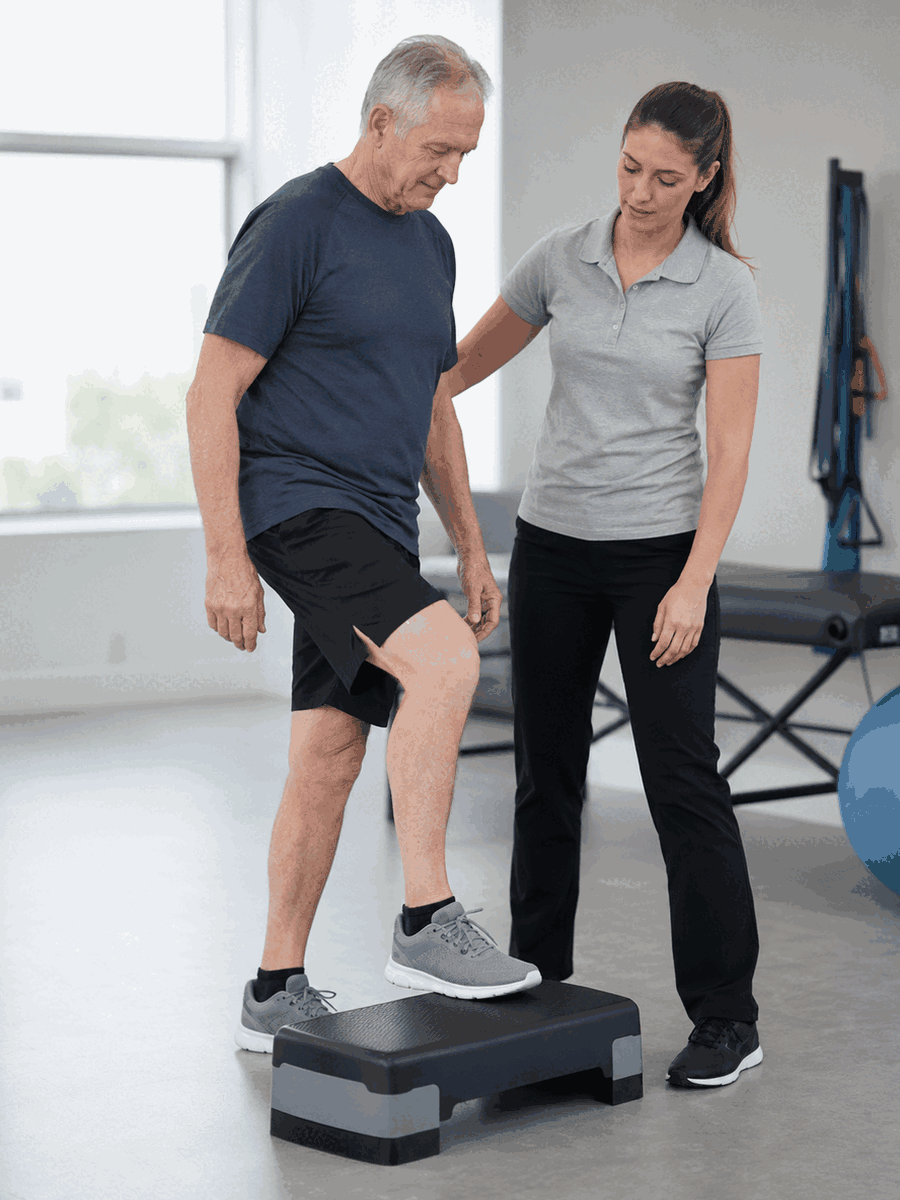
The same symptom can have several explanations. The assessment compares the pain distribution, sensation, strength, walking, aggravating positions and any available test results. The aim is to look for findings that fit together rather than draw a conclusion from a single sign.
An important point
An imaging abnormality, test or area of pain should not be interpreted in isolation. Function and the progression of neurological signs remain essential.
Assessment
Planning the next steps
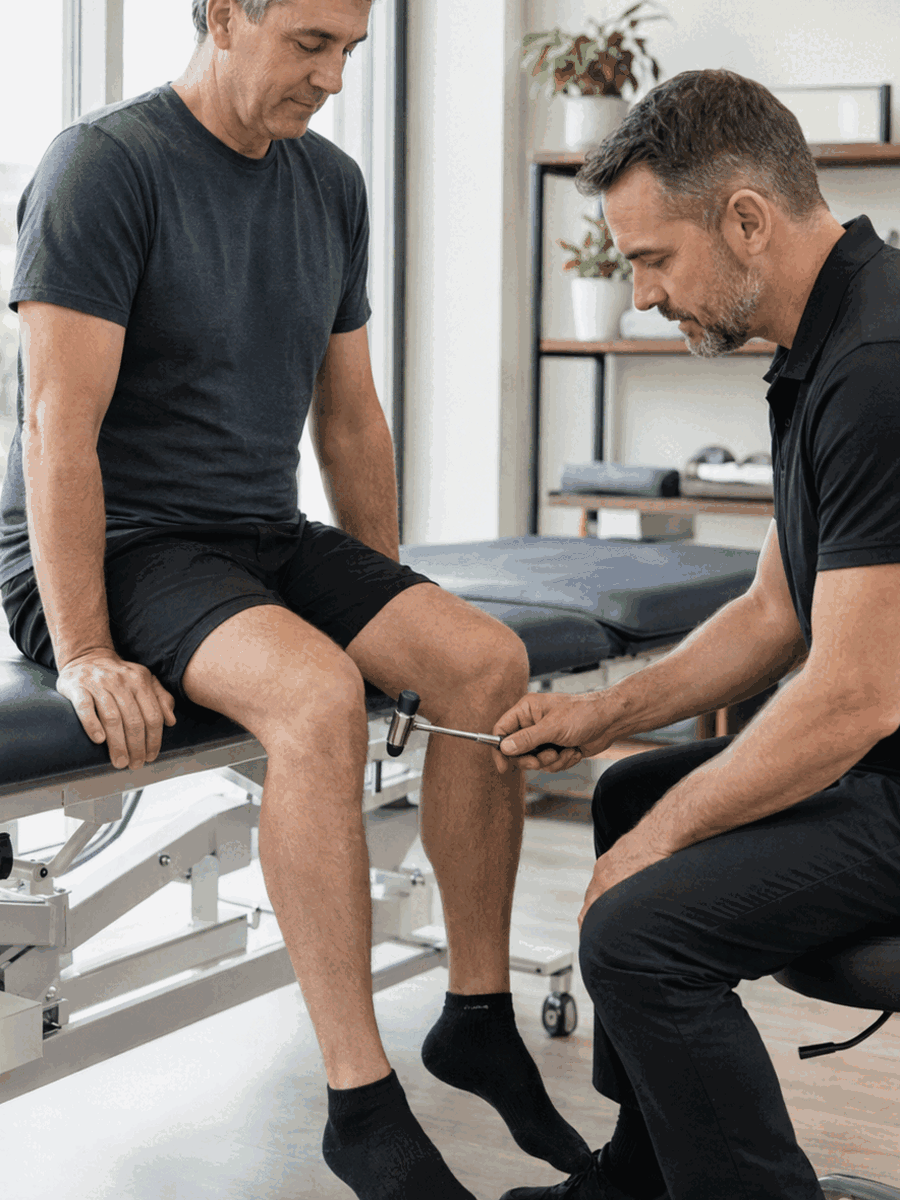
A consultation can clarify the level of priority, identify signs requiring medical referral and determine whether conservative care, further investigation or another option should be discussed.
Describe
Distribution, duration, intensity, triggers and recovery.
Examine
Strength, sensation, reflexes, walking and relevant tests.
Correlate
Compare clinical findings with available investigations when relevant.
Decide
Choose the next steps and criteria for reassessment.
Support
Match care options to the likely cause and functional needs
Care may combine advice, continued activity within tolerance, rehabilitation and other conservative approaches. Depending on severity, duration and neurological signs, further investigation or a medical referral may be appropriate. Spinal decompression can be discussed for selected patients, without presenting it as suitable for everyone or as a guaranteed solution.
Self-management and activity
Information, tolerated movement, load adjustment and gradual progression.
Conservative approaches
Exercise, rehabilitation and interventions suited to the clinical profile.
Medical referral
Imaging, injections or specialist advice according to indications and progression.
When should you seek prompt or emergency care?
- New, significant or rapidly progressive weakness.
- Recent foot drop or a leg that gives way more often.
- New bladder or bowel problems.
- Numbness in the saddle area or perineum.
- Significant symptoms on both sides, major trauma, fever or a decline in general health.
These signs should not wait for a routine appointment. Urgent medical assessment may be necessary.
Follow-up
Measuring progress through function
Follow-up compares important activities: walking, sitting, sleeping, working, sports, daily tasks and recovery after exertion. These measures help determine whether the plan should be continued or adjusted.

Function
Compare the activities that matter to the person.
Neurology
Monitor strength, sensation and any new deterioration.
Main guide
Would you like an assessment of your sciatica symptoms?
A consultation can help clarify the likely cause, signs to watch for and relevant options based on function and progression.
Spinal decompression in Montreal · Spinal decompression in Terrebonne
Sciatica treatment in Montreal · Sciatica treatment in Terrebonne
Frequently Asked Questions
FAQ — Causes of sciatica: herniated disc, stenosis and other mechanisms
Is a herniated disc the most common cause?
It is an important cause of radiculopathy, but other mechanisms can produce sciatic symptoms.
Does a disc protrusion always cause sciatica?
No. A protrusion may cause no symptoms or may not match the symptoms.
Can stenosis cause pain when walking?
Yes. Some forms of lumbar stenosis can be associated with limited walking ability and neurogenic claudication.
Is disc space narrowing enough to explain the pain?
No. It must be considered in relation to the level, side and clinical examination.
Can lumbar osteoarthritis contribute?
Yes, especially when it contributes to foraminal or central narrowing.
Why can two people with the same MRI findings have different symptoms?
Imaging describes anatomy, while pain also depends on how the findings match the clinical picture and on many individual factors.
When should an urgent cause be investigated?
When there are major neurological signs, symptoms of cauda equina syndrome or concerning signs of a systemic condition.
Medical references
References and guidelines
These references provide a general framework for assessing low back pain with sciatica, radiculopathy and the use of imaging. They do not replace individualized clinical decisions.
- NICE NG59 — Low back pain and sciatica: assessment and management
- American College of Radiology — Appropriateness Criteria: Low Back Pain
- North American Spine Society — Lumbar disc herniation with radiculopathy
Important information
This page provides general information and does not establish a diagnosis. Results and recovery times vary according to the cause, duration, neurological signs, medical history and individual response to care.
Sylvain Desforges, docteur en ostéopathie
TAGMED Clinic — Spinal decompression, specific osteopathy and assessment of low back, disc-related and sciatic pain.
Professional profile · Contact · Main guide to sciatica in Montreal
In the same guide series
Related guides to sciatica
Continue with guides that explore the same symptom, its possible cause, assessment or options for care.
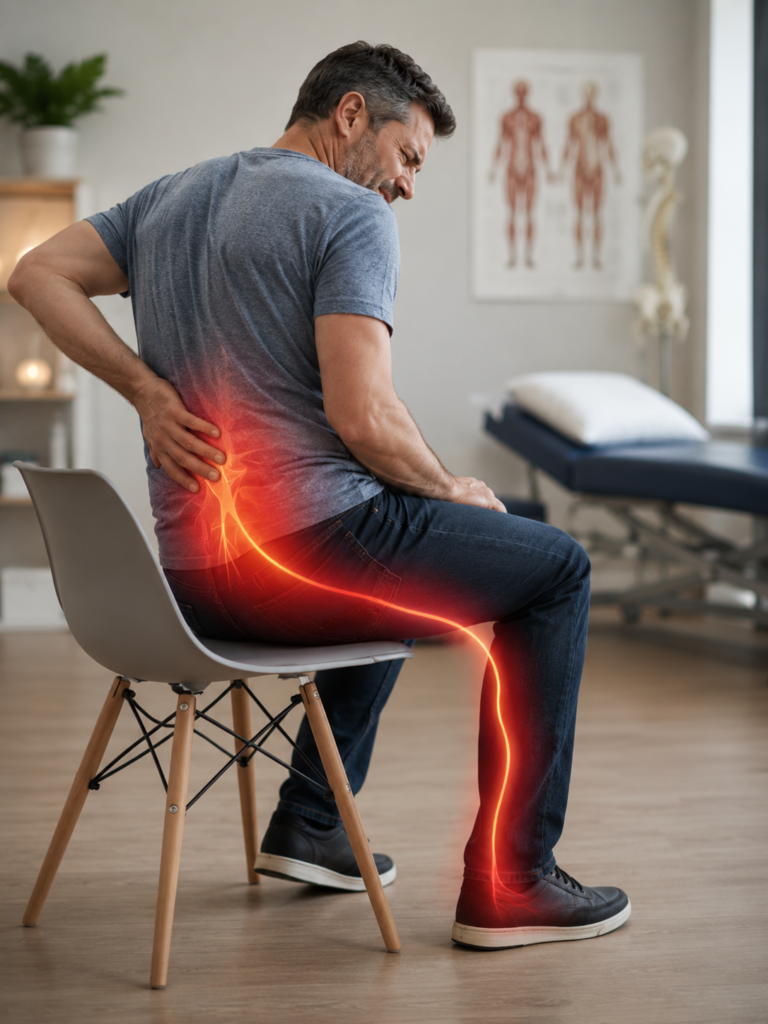
Sciatica treatment in Montreal
Clinique TAGMED Montréal / Mont-Royal Traitement de la sciatique à Montréal Examen gratuit — valeur de 85 $ CADemander mon examen gratuitVoir les disponibilitésDemandez…
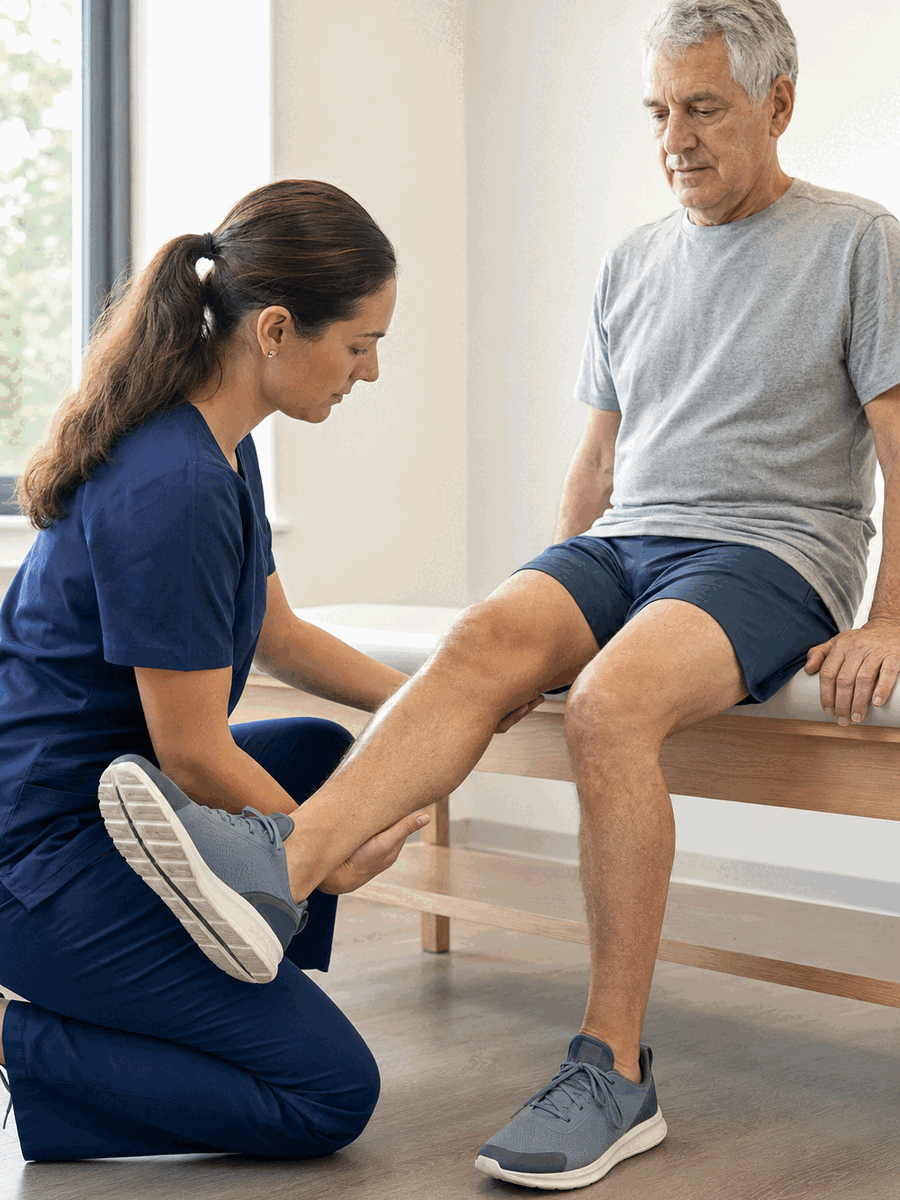
Herniated disc and chronic sciatica: why pain can persist
TAGMED Clinic Montreal / Mount Royal — Herniated disc and chronic sciatica: why pain can persist. Understanding the connection between a herniated disc, the…

Herniated disc and sciatica without back pain: is it possible?
TAGMED Clinic Montreal / Mount Royal — Herniated disc and sciatica without back pain: is it possible? Understanding the connection…
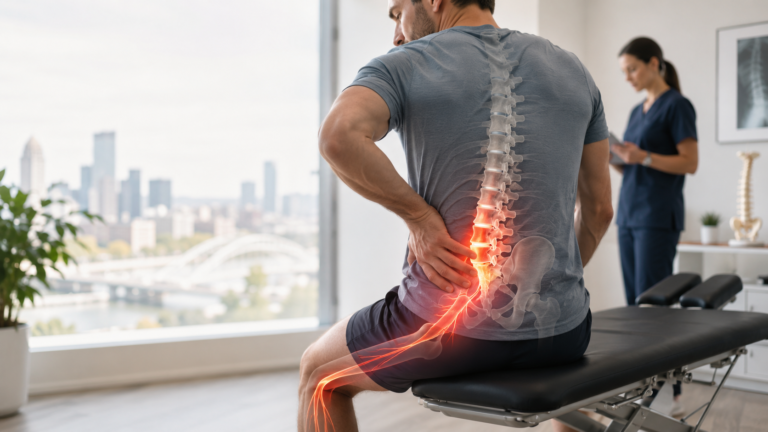
Herniated disc and sciatica in Montreal: understanding the connection
TAGMED Clinic Montreal / Mount Royal — Herniated disc and sciatica in Montreal: understanding the connection. Clinical guidance, signs to watch for and next steps…

L4–L5 herniated disc and sciatica: what symptoms can it cause?
TAGMED Clinic Montreal / Mount Royal — L4–L5 herniated disc and sciatica: what symptoms can it cause? Understanding the connection with sciatic pain…

Sciatica and herniated discs: a complete guide to L4-L5 and L5-S1
TAGMED Clinic Montreal / Mount Royal · Topic overview — Herniated discs. Sciatica and herniated discs: a complete guide to L4-L5 and L5-S1. A structured starting point…