IntraSPINE®: dynamic surgery and rapid recovery
02/06/26
Dynamic stabilization: principles and applications
02/06/26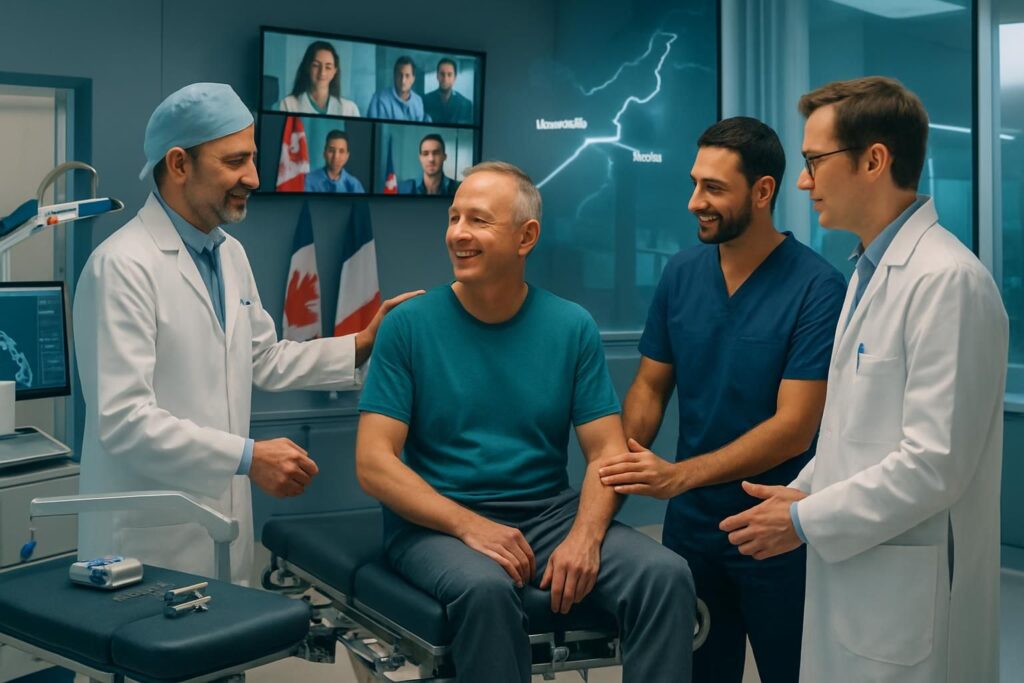
Managing chronic back pain or spinal instability often involves a complex process where a precise assessment of the risks and benefits of each surgical strategy is crucial. Spinal fusion, long considered a gold standard treatment in certain spinal surgery cases, is experiencing renewed interest thanks to technological innovations developed in Europe, particularly in France. Combined with dynamic implants such as the TOPS or IntraSPINE systems, this procedure is at the heart of modern alternatives, promoted to limit neurosurgical complications and improve patients' quality of life.
In a context where waiting times and healthcare costs in Quebec can hinder rapid access to advanced treatments, transatlantic collaboration between French and Quebec experts offers a safe and efficient pathway. The central role of qualified intermediaries facilitates personalized guidance, from the initial assessment to post-operative rehabilitation. This coordinated approach guarantees rigorous scientific monitoring, supported by cutting-edge medical imaging and a strict treatment protocol, in accordance with international best practices.
Surgical risks of spinal fusion: understanding to better anticipate
The merger Spinal fusion surgery aims to stabilize an unstable or pathological segment by fusing two or more vertebrae. Despite its recognized effectiveness, it carries surgical risks that can impact long-term recovery and function. Among the most frequent complications These include infections, nerve damage, and disorders related to bone healing. Vigilance regarding these risks is paramount for any surgical team, especially when incorporating advanced implantable technologies.
Neurosurgical risks, such as nerve root or spinal cord injury, can lead to temporary or permanent sensory or motor deficits. Note that surgical procedures are often monitored using sophisticated medical imaging, ensuring the precision of the interventions and patient safety. Furthermore, spinal fusion can cause stiffening of the spine, potentially leading to mechanical overload on adjacent segments, a phenomenon known as adjacent segment degeneration.
Rigorous post-operative monitoring is therefore essential to quickly detect any complications and adapt treatment accordingly. The average length of hospital stay varies depending on the technique used and the patient's overall condition, with new practices in France aiming to reduce stays through optimized care protocols. To better understand the issues related to fusion and its risks, the website of the TAGMED CLINIC offers in-depth resources that facilitate informed decision-making.
Medical and biomechanical benefits of dynamic implants in spinal surgery
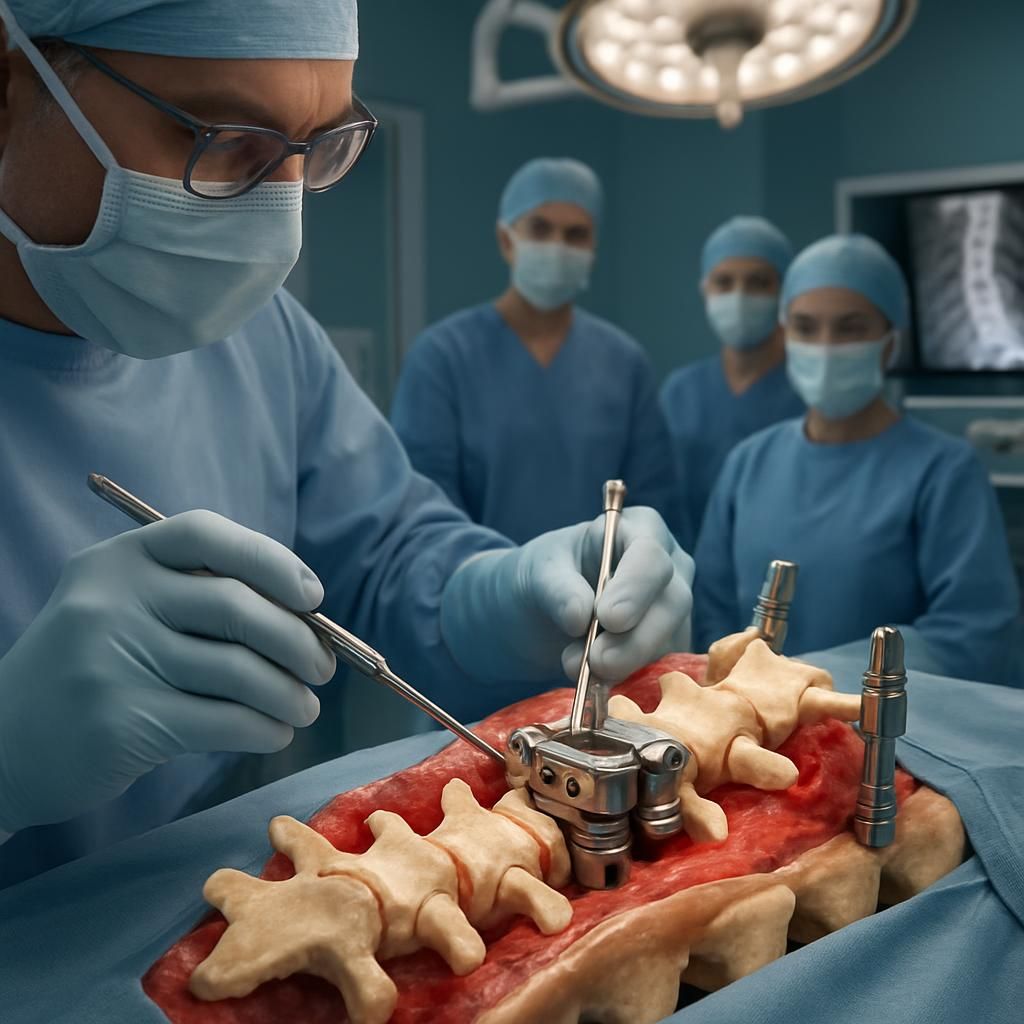
Dynamic implants represent a turning point in the surgical management of spinal disorders. Unlike traditional fusion, which permanently immobilizes the treated vertebral segment, systems such as TOPS and IntraSPINE allow for partial preservation of mobility while ensuring sufficient stability to limit back pain and prevent the progression of spinal instability.
These innovative implants offer a biomechanical balance that reduces the load on adjacent segments, thus limiting the risk of degeneration and long-term complications. Surgery using these devices is part of a less invasive approach, promoting better functional rehabilitation and an improved quality of life for the patient. For example, recent French clinical studies highlight reduced recovery times and a significant decrease in postoperative pain.
In addition to these technical benefits, the expertise of French surgeons, supported by international collaborations, ensures access to the best implant technologies under optimal conditions of safety and efficacy. These innovations are particularly well-suited to Quebec patients seeking a reliable and rapid alternative to the limitations of the local system. To further understand the advantages of dynamic implants, the TAGMED CLINIC offers a comprehensive guide to these modern solutions.
In this video, experts detail how dynamic implants work and their medical benefits, clearly illustrating the surgical process and expected results.
Personalized itinerary and transatlantic coordination for optimal support
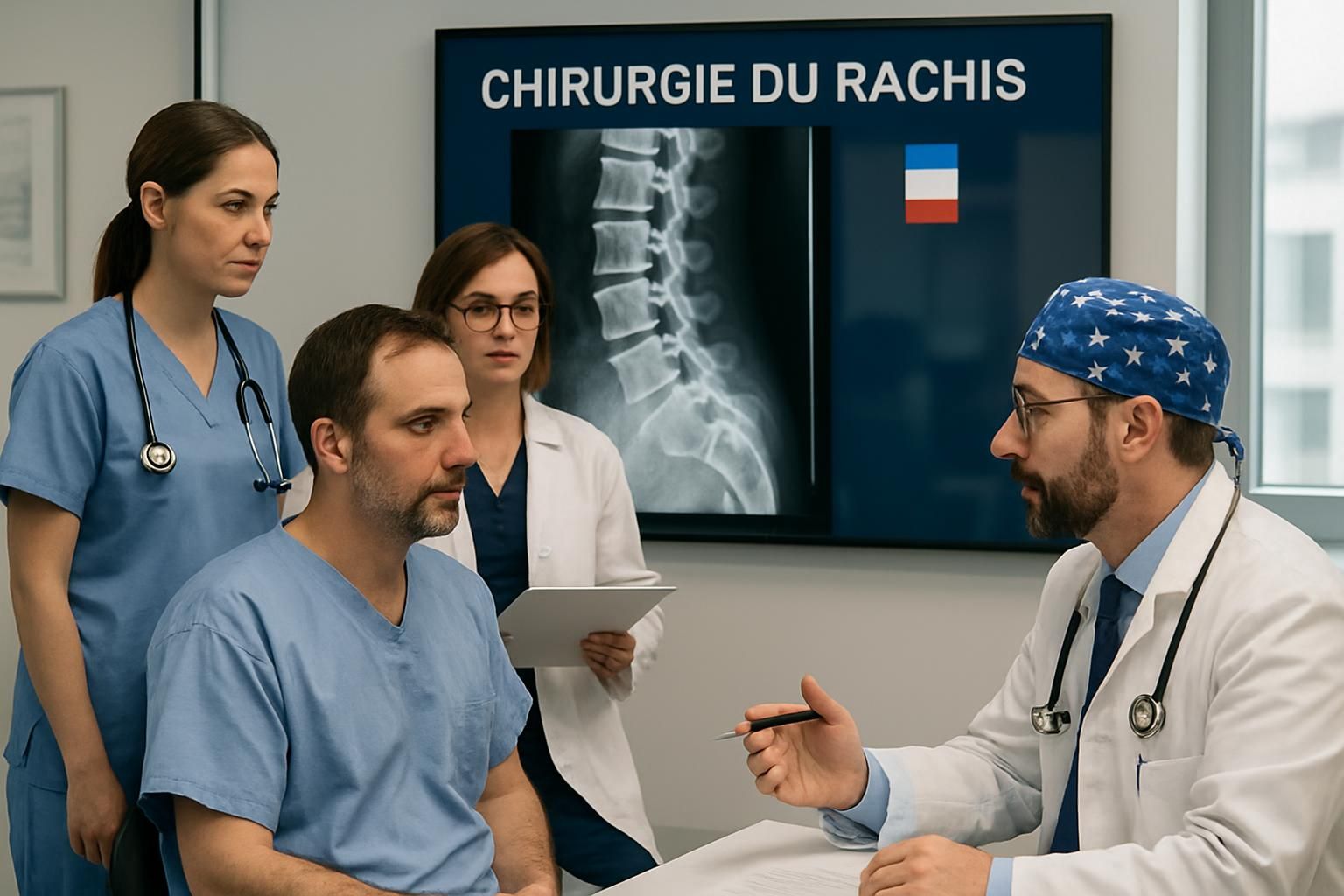
The patient journey for those considering spinal fusion or innovative back surgery in France is structured around a comprehensive evaluation conducted by a multidisciplinary team. Scientific rigor and a personalized protocol guarantee the quality and safety of care. This preparation often includes a mandatory phase of conservative treatments lasting 3 to 6 months, during which the Spinal decompression therapy is being considered to relieve symptoms without resorting to invasive surgery.
TAGMED Clinic, a leading partner in advanced conservative care, plays a key role before any surgical decision is made, offering alternatives such as specialized physiotherapy, targeted injections, and close neurosurgical monitoring. This step is essential to minimize surgical risks and optimize the medical benefit of the intervention should it become necessary.
Organizing a medical stay between Quebec and France is facilitated by platforms such as SOS Medical Tourism, This ensures seamless coordination between the two continents, personalized care, and tailored post-operative follow-up. This synergy also guarantees a human-centered approach where communication and respect for the patient's individual needs take precedence, in order to alleviate any anxiety related to surgery and promote a smooth rehabilitation.
Innovative alternatives to traditional spinal fusion: preserving mobility and limiting complications
Faced with the limitations of traditional spinal fusion, including induced rigidity and the risk of long-term complications, modern alternatives are being developed to offer patients a better quality of life. Among these is... dynamic stabilization Thanks to biomechanical implants, it is possible to maintain a certain range of motion while treating spinal instability.
Devices such as TOPS and IntraSPINE are at the heart of this evolution, combining safety and innovation. Their implantation follows a strict protocol, ensuring seamless integration without compromising surrounding nerve or bone structures. However, the use of these technologies requires highly specialized surgical expertise, available particularly in leading centers in France.
A prime example of this approach is the management of patients with chronic back pain unrelieved by conservative methods. By preserving segmental mobility, these implants reduce biomechanical stress on adjacent segments, thus minimizing the need for extensive secondary surgery. This benefit is accompanied by improved function and increased comfort, essential elements for a return to an active life and effective rehabilitation.
This video presentation outlines the latest surgical advances aimed at avoiding post-fusion stiffness and preserving spinal mobility.
Human and economic aspects of spinal surgery in France for Quebec patients
Beyond the clinical advantages, surgical services in France offer a pragmatic solution to the constraints of the Quebec system, where waiting times and costs can hinder rapid access to care. International coordination ensures a comprehensive pathway, integrating consultation, hospitalization, and remote follow-up within a safe and supportive environment.
This optimized economic model also reduces indirect costs associated with recovery by promoting rapid rehabilitation and an earlier return to independence. Quebec patients thus benefit from personalized support that integrates advice, therapeutic education, and psychological support, all essential for optimizing surgical outcomes.
Through this Franco-Quebec partnership, the spinal surgery progressing towards a standard that combines scientific rigor, technological innovation, and humanity. These elements contribute to comprehensive and safe care, centered on the specific needs of each patient.

Spinal fusion: risks and benefits
Interactive introduction
Discover in a few clicks the key concepts about spinal fusion, expectations and risks to fully understand this treatment.
Personalized profit and risk simulator
Specify your parameters to view the estimated benefits and risks of spinal fusion and dynamic implants.
Complication risk graphs
Comparison of the risks of complications between traditional fusion and dynamic implants.
Quiz on spinal fusion and dynamic implants
Treatment chosen: ${treatment === 'fusion' ? 'Traditional spinal fusion' : 'Dynamic implants'}
Estimated profits: ${benefice} / 10
Estimated risks: ${risk} / 10
Note: This simulator is an indicative estimate, based on simplified parameters.
`; resultEl.classList.remove(‘hidden’); resultEl.focus(); }); // Quiz: évaluation et feedback document.getElementById(‘quizForm’).addEventListener(‘submit’, function(event) { event.preventDefault(); let score = 0; quizData.forEach((q, idx) => { const selected = document.querySelector(`input[name= »q${idx} »]:checked`); if(selected && selected.value === q.answer) score++; }); const total = quizData.length; const resultsEl = document.getElementById(‘quizResults’); resultsEl.innerHTML = `Vous avez obtenu ${score} / ${total} Correct answers.` + (score === total ? 'Well done, excellent!' : score >= total/2 ? 'Good! Some further exploration is possible.' : 'It is advisable to reread the article for better understanding.'); resultsEl.classList.remove('hidden'); resultsEl.focus(); }); // Graph: simple bar chart in canvas // Estimated risks (%) taken from simplified literature // Source of fictitious data: // Traditional fusion: infection 5%, degeneration 15%, other 10% // Dynamic implants: infection 4%, degeneration 6%, other 7% const canvas = document.getElementById('riskChart'); const ctx = canvas.getContext('2d'); const data = { labels: ["Infection", "Degeneration of adjacent segments", "Other complications"], fusion: [5, 15, 10], implant: [4, 6, 7] }; // Dimensions and styles const width = canvas.width; const height = canvas.height; const margin = 60; const barWidth = 25; const gap = 40; const maxRisk = 20; // max % for scale // Colors const colors = {fusion: '#15803d', implant: '#34d399'}; // Auxiliary functions function drawText(text, x, y, color = 'black', align='center', fontSize = '14px', baseline = 'middle') { ctx.fillStyle = color; ctx.font = `${fontSize} sans-serif`; ctx.textAlign = align; ctx.textBaseline = baseline; ctx.fillText(text, x, y); } // Clear ctx.clearRect(0, 0, width, height); // Y axis ctx.beginPath(); ctx.moveTo(margin, margin); ctx.lineTo(margin, height – margin); ctx.lineTo(width – margin, height – margin); ctx.strokeStyle = '#15803d'; ctx.lineWidth = 2; ctx.stroke(); // Plot scale % Y for(let i=0; i { const xBase = margin + i * (2 * barWidth + gap); // Fusion const hFusion = (data.fusion[i]/maxRisk) * (height – 2*margin); ctx.fillStyle = colors.fusion; ctx.fillRect(xBase, height – margin – hFusion, barWidth, hFusion); // Dynamic implant const hImplant = (data.implant[i]/maxRisk) * (height – 2*margin); ctx.fillStyle = colors.implant; ctx.fillRect(xBase + barWidth, height – margin – hImplant, barWidth, hImplant); // Labels X (en bas) drawText(label, xBase + barWidth, height – margin + 20, ‘#065f46’, ‘center’, ’12px’, ‘hanging’); }); // Légende const legendX = width – margin – 140; const legendY = margin – 30; ctx.fillStyle = colors.fusion; ctx.fillRect(legendX, legendY, 20, 20); drawText(‘Fusion traditionnelle’, legendX + 30, legendY + 10, colors.fusion, ‘left’, ’14px’, ‘middle’); ctx.fillStyle = colors.implant; ctx.fillRect(legendX, legendY + 30, 20, 20); drawText(‘Implants dynamiques’, legendX + 30, legendY + 40, colors.implant, ‘left’, ’14px’, ‘middle’);
- Rigorous validation of surgical indications
- Compliance with international safety standards
- Use of innovative and dynamic implants
- Multidisciplinary and personalized care
- Structured and extensive post-operative follow-up
| Appearance | Classical Spinal Fusion | Dynamic Implants (TOPS, IntraSPINE) |
|---|---|---|
| Mobility | Long-term immobile | Partial preservation of mobility |
| Risks related to adjacent segments | Increased mechanical stress and degeneration | Reduction of mechanical stress on adjacent segments |
| Recovery time | Longer | Accelerated recovery |
| Surgical complexity | Less complex | Requires specific expertise |
| Adaptability | Less suitable for active patients | More suitable for patients wishing to maintain normal activity |
What are the main risks associated with spinal fusion?
The main risks include infections, nerve damage, spinal rigidity, and degeneration of adjacent segments. Careful medical monitoring helps to limit these complications.
How do dynamic implants improve quality of life?
They preserve spinal mobility, thus reducing pain and mechanical stress, promoting a faster return to an active life.
Why prioritize surgery in France for Quebec patients?
Surgery in France offers shorter waiting times, recognized expertise and personalized support via platforms like SOS Medical Tourism, ensuring a safe journey.
When should surgery be considered for back pain?
Surgery should only be considered after 3 to 6 months of complete conservative treatments, including neurovertebral decompression, notably available at the TAGMED Clinic.
What are the economic and human benefits of surgery in France?
Comprehensive and coordinated care reduces indirect costs, optimizes rehabilitation and ensures appropriate human support throughout the entire process.