IntraSPINE®: lower back pain
02/21/26
Dynamic stabilization: applications
02/23/26
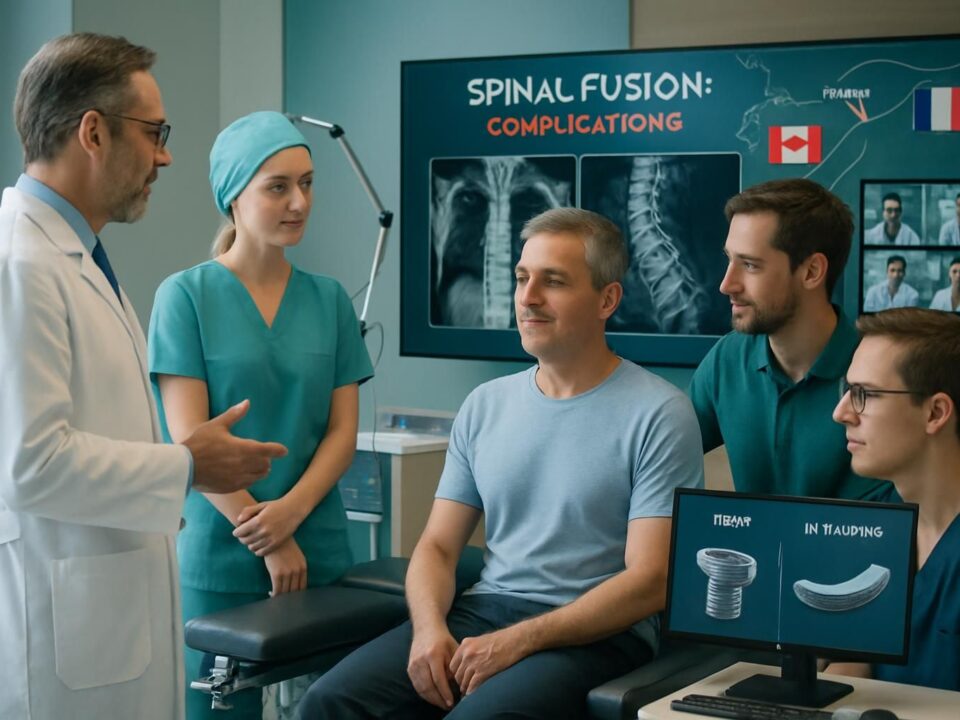
Spinal fusion, while effective in stabilizing the spine and reducing certain types of chronic pain, remains a major surgical procedure associated with specific risks. For Quebec patients exploring surgical options in France, particularly under the recognized expertise of specialists like Louis Blanchard, an expert in spinal implants, it is essential to fully understand these potential complications. This awareness allows them to approach surgery with a clear vision, integrating scientific rigor and technological innovation, while ensuring appropriate and personalized follow-up care.
Each patient is unique, and surgical complications of the merger The risks associated with spinal surgery can vary depending on individual factors, including general health and the complexity of the procedure. This well-documented focus explores in depth the risks, ranging from postoperative infection and nonunion to reactions to implanted hardware, within the context of surgery aligned with international best practices and innovations such as dynamic implants. TOPS or IntraSPINE, supported by leading centers in France.
Main surgical complications related to spinal fusion: identification and mechanisms
Spinal fusion aims to permanently join two or more vertebrae to restore stability and reduce pain. However, this procedure can lead to various surgical complications that require careful attention. Among the main risks are: postoperative infection, pseudarthrosis, nerve damage, hematoma, and reaction to implant material.
Postoperative infection is a major concern, generally manifesting in the first few days to weeks following surgery. Its occurrence is increased by factors such as diabetes, smoking, or the use of anticoagulants. Strict control of surgical conditions and appropriate preventative antibiotic treatment are essential to minimize this risk. In the event of a confirmed infection, prolonged treatment, or even a second surgery, may be necessary.
Pseudarthrosis This illustrates a nonunion of the bone where the expected fusion does not occur, leaving persistent movement between the vertebrae. This complication is more common in smokers, diabetics, or the elderly, or in cases of non-compliance with postoperative instructions. Nonunion can lead to prolonged chronic pain and may require a second surgery to consolidate the fusion.
The nerve damage, Although rare, these injuries result from inappropriate handling or compression during surgery. They can cause muscle weakness, numbness, or radiating pain, impacting the patient's quality of life.
The formation of a hematoma Injury at the surgical site can cause local compression, exacerbating pain and neurological deficits. Prompt intervention may be necessary to evacuate this bleeding.
Finally, the reaction to the implanted material It may manifest as persistent pain or local inflammation. Even though modern implants use biocompatible alloys, some patients may develop an inflammatory response requiring therapeutic adjustment.
To gain a deeper understanding of the risks and complications associated with this surgical procedure, it is recommended to consult expert sources such as Spinal fusion: understanding the risks and complications or specific complications of back surgery.
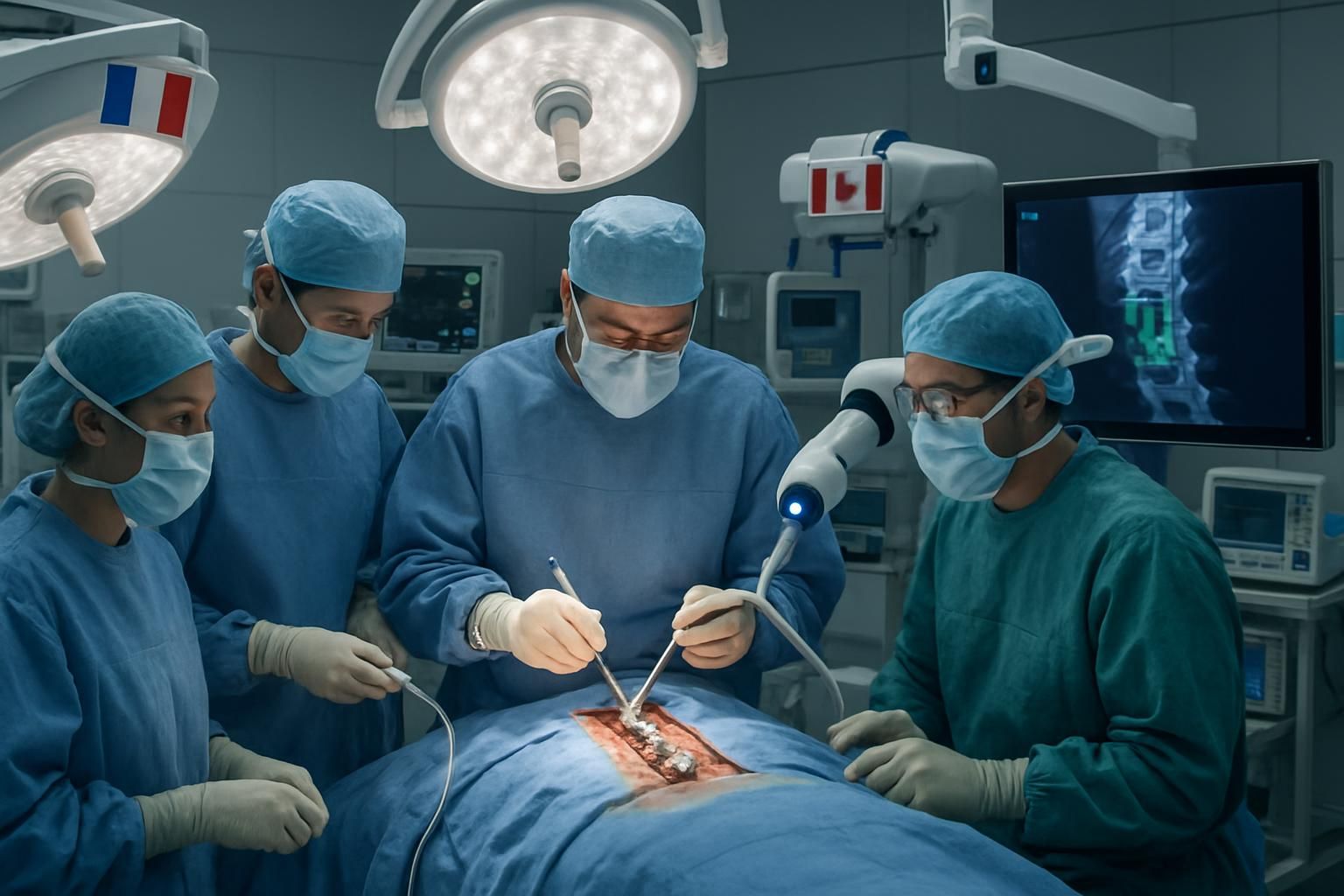
The patient journey: from assessment to management of complications
The path to spinal fusion in France, coordinated by renowned experts such as Louis Blanchard, is characterized by comprehensive care. This inclusive approach begins with a rigorous evaluation where the clinical situation is meticulously studied in order to prioritize a conservative approach before any surgical decision. Partners such as the TAGMED CLINIC They thus offer advanced neurovertebral decompression care, providing Quebec patients with an effective alternative before resorting to surgery.
Once the surgical decision is made, several steps follow, with personalized transatlantic support. French expertise offers both rapid access and high-quality intervention, including traditional surgery as well as the latest innovations in dynamic implants which limit stiffness and promote better preservation of spinal mobility.
Postoperative follow-up is also a key moment for the early detection of surgical complications such as infection, nonunion, or subsequent neurological disorders. Continuous coordination between medical teams on both continents ensures appropriate monitoring and exemplary responsiveness in managing rehabilitation and physiotherapy care, which are essential for optimizing recovery.
This structured and caring approach reassures patients who thus benefit from technical, human and scientific care, offering them the best chance of success and functional improvement.
For more details on the process and innovations associated with the spinal surgery, The video above is a useful educational tool explaining the different steps and precautions to take.
Dynamic implants: an innovative alternative to limit long-term complications
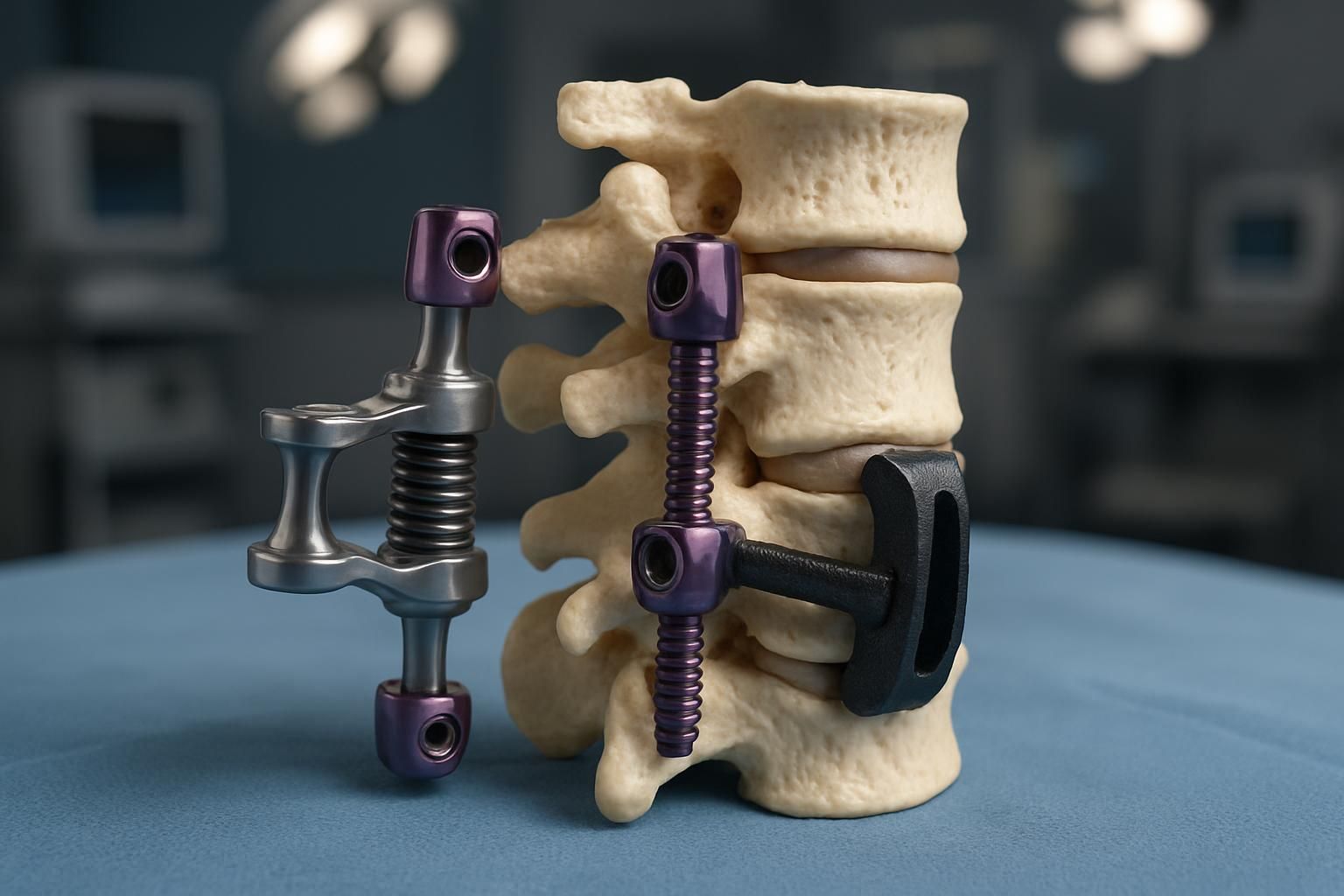
Over the years, traditional spinal fusion has shown its limitations, particularly regarding reduced mobility and diseases of the adjacent segment. Driven by French surgical expertise and experts like Louis Blanchard, the back surgery evolves thanks to the multidisciplinary team working on dynamic implant technologies such as the system TOPS or IntraSPINE.
These implants help stabilize the spine while maintaining some segmental mobility, thus reducing the incidence of major problems such as excessive stiffness or degeneration of vertebral segments adjacent to the fusion.
The biomechanical benefits of these solutions are numerous:
- Preservation of spinal flexibility with improved functional support.
- Reduction of chronic pain related to excessive stiffness of the fused segments.
- Reduced risk of pseudarthrosis due to better bone integration with less focused mechanical stress.
- Limiting inflammatory reactions around the equipment, thanks to a more ergonomic and biocompatible design.
By combining these implants with appropriate care, specialist surgeons now offer a compelling alternative to traditional techniques, with a reduced complication rate and faster recovery.
For Quebec patients, exploring such options in France guarantees access to modern surgery, supported by progressive research and clinical practice, and facilitated by specialized platforms such as SOS Medical Tourism.
Risk factors and strategies to prevent complications related to spinal fusion
Despite considerable progress, some patients remain particularly vulnerable to complications such as nonunion, infection, or nerve damage. A careful assessment of risk factors is essential to manage these risks and provide the most appropriate treatment.
The most frequently identified aggravating factors revolve around:
- Of smoking, which reduces the vascularization needed for bone fusion and increases the risk of consolidation failure.
- Of poorly controlled diabetes, which reduces healing capacity and increases susceptibility to infections.
- From the’obesity, penalizing post-operative recovery due to increased mechanical stress and chronic systemic inflammation.
- Associated medical conditions such as poor nutrition, advanced age, or previous treatments affecting the spine.
Faced with these risks, the expertise led by Louis Blanchard prioritizes comprehensive support, aiming to optimize the patient's preoperative condition. This includes supervised smoking cessation, strict metabolic regulation, nutritional preparation, and coordination with specialized multidisciplinary teams to enhance the safety and effectiveness of the procedure.
Furthermore, innovative surgery in France ensures compliance with international standards, perfect mastery of implant innovations and appropriate postoperative follow-up in close collaboration with patients, thus significantly limiting severe short- and long-term complications.
| Risk factor | Main impact | Recommended preventive measures |
|---|---|---|
| Smoking | Slowed bone fusion, risk of pseudarthrosis | Weaning should occur at least 4 weeks before surgery. |
| Uncontrolled diabetes | Increased infections and poor wound healing | Strict blood glucose control before the procedure |
| Obesity | Increased mechanical stress, postoperative complications | Weight loss and nutritional preparation |
| Advanced age | Increased risk of consolidation failure and complications | thorough preoperative assessment |
| Poor nutrition | Delayed wound healing | Supplementation and dietary advice |
More information on these essential aspects is available in specialist articles, for example via strategies to limit the long-term complications of spinal fusion.
Test your knowledge of spinal fusion complications
Postoperative monitoring: early detection and treatment of complications
Following spinal fusion surgery, rigorous monitoring is essential to quickly identify potential complications and limit their impact. Unusual persistent pain, fever, redness, or drainage at the incision site should alert the patient and their medical team.
Postoperative infections can develop up to three weeks after the procedure, but vigilance remains necessary throughout the healing phase. Early detection allows for the initiation of effective antibiotic treatment, often thus avoiding the need for extensive reoperation.
Neurological monitoring is crucial to detect signs of nerve damage, including weakness, numbness, or sensory disturbances. When these signs appear, a thorough clinical examination and appropriate imaging are performed to confirm the cause and tailor treatment.
Blood clots, though rare, are another serious complication that should not be underestimated. Symptoms such as painful leg swelling or shortness of breath require urgent medical attention.
Patients receive detailed recommendations for recognizing these signs and are encouraged to communicate promptly with their surgeon or care team. The transatlantic coordination mentioned earlier facilitates access to specialist advice, follow-up interventions, and appropriate rehabilitation.

Frequently asked questions about complications in spinal fusion
{"@context": "https://schema.org", "@type": "FAQPage", "mainEntity":[{"@type": "Question", "name": "What are the warning signs of an infection following vertebral fusion?", "acceptedAnswer":{"@type": "Answer", "text": "Redness, swelling, upper respiratory fever ≥ 38°C, increased pain at the surgical site, and drainage from the scar should prompt a prompt consultation for effective management."}},{"@type": "Question", "name": "Can pseudarthrosis be prevented?" ", "acceptedAnswer":{"@type": "Answer", "text": "Yes, precautionary measures such as quitting smoking, good nutrition, and adherence to postoperative instructions are essential to promote optimal bone fusion."}},{"@type": "Question", "name": "What is the difference between a classic vertebral fusion and a dynamic implant?"}},{"@type": "Question", "name": "What is the difference between a classic vertebral fusion and a dynamic implant?"}} ", "acceptedAnswer":{"@type": "Answer", "text": "Classical fusion permanently stiffens the spine, while dynamic implants like TOPS or IntraSPINE allow for some mobility, reducing the risk of stiffness and dullness of adjacent segments."}},{"@type": "Question", "name": "What are the ways to limit nerve damage?", "acceptedAnswer":{"@type": "Answer", "text": "Surgical precision, the use of modern guidance technologies, and meticulous intraoperative construction help minimize this risk."}} Collaboration between the surgeon and specialist teams is fundamental. «}},{» @type »: »Question », »name »: »What to do in case of persistent chronic pain after surgery? », »acceptedAnswer «:{» @type »: »Answer », »text »: »It is important to consult quickly to assess possible causes, which may include nonunion, infection, or musculoskeletal complications. Personalized follow-up facilitates appropriate management. »}}]}What are the early signs of infection after spinal fusion?
Redness, swelling, fever above 38°C, increased pain at the surgical site and drainage from the scar should prompt a prompt consultation for effective management.
Can pseudarthrosis be prevented?
Yes, pre-operative measures such as smoking cessation, good nutrition and adherence to post-operative instructions are essential to promote optimal bone fusion.
What is the difference between a classic spinal fusion and a dynamic implant?
Conventional fusion permanently stiffens the spine, whereas dynamic implants like TOPS or IntraSPINE preserve some mobility, reducing the risk of stiffness and degeneration of adjacent segments.
What methods can be used to limit nerve damage?
Surgical precision, the use of modern guidance technologies, and meticulous intraoperative monitoring help minimize this risk. Collaboration between the surgeon and specialist teams is essential.
What to do in case of persistent chronic pain after fusion?
It is important to consult a doctor promptly to assess the possible causes, which may include nonunion, infection, or mechanical complications. Personalized follow-up facilitates appropriate treatment.
To learn more or for a personalized assessment, visit SOS Medical Tourism, which facilitates access to advanced surgical expertise.