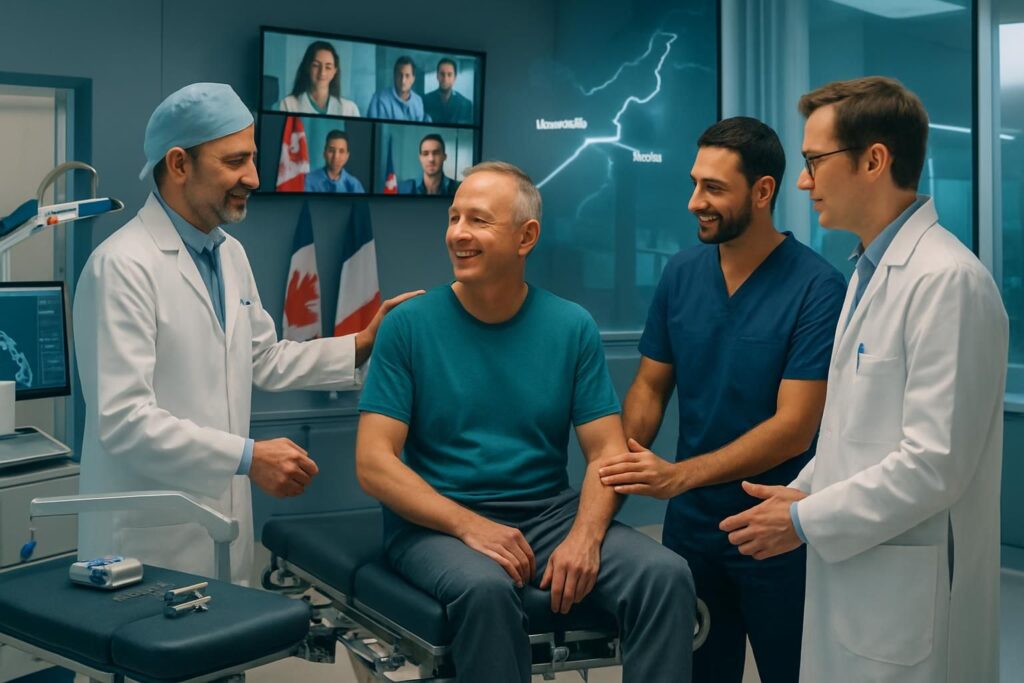
Spinal surgery in France: pathways and support
09/19/25
Minimally invasive surgery: benefits for elderly patients
09/22/25
Spinal fusion is a crucial intervention in the treatment of complex spinal pathologies. Faced with a multitude of surgical options, expertise becomes paramount to ensure safe and innovative care. Quebec patients confronted with long waiting times or high costs can consider surgery in France, where excellence and cutting-edge technology are combined with personalized support. Fusion, often associated with spinal stabilization, utilizes innovative implants such as TOPS and IntraSPINE designed to preserve spinal mobility while reducing pain. This transatlantic medical pathway rigorously coordinates each step, from preoperative assessment to rehabilitation, relying on leading centers such as the TAGMED Clinic. A thorough understanding of the procedures, biomechanical benefits, and associated risks is essential for making an informed choice, especially when the support is provided by a multidisciplinary team and accessible communication.
The foundations of spinal fusion and its role in specialized spinal surgery
Spinal fusion, also known as arthrodesis, involves permanently joining two or more vertebrae using a bone graft. This procedure is recommended to stabilize an unstable or painful spine, whether due to complications related to a herniated disc, scoliosis, spondylolisthesis, or degenerative disc disease. The fusion eliminates movement between the affected vertebrae, which can significantly reduce pain associated with instability or bone friction.
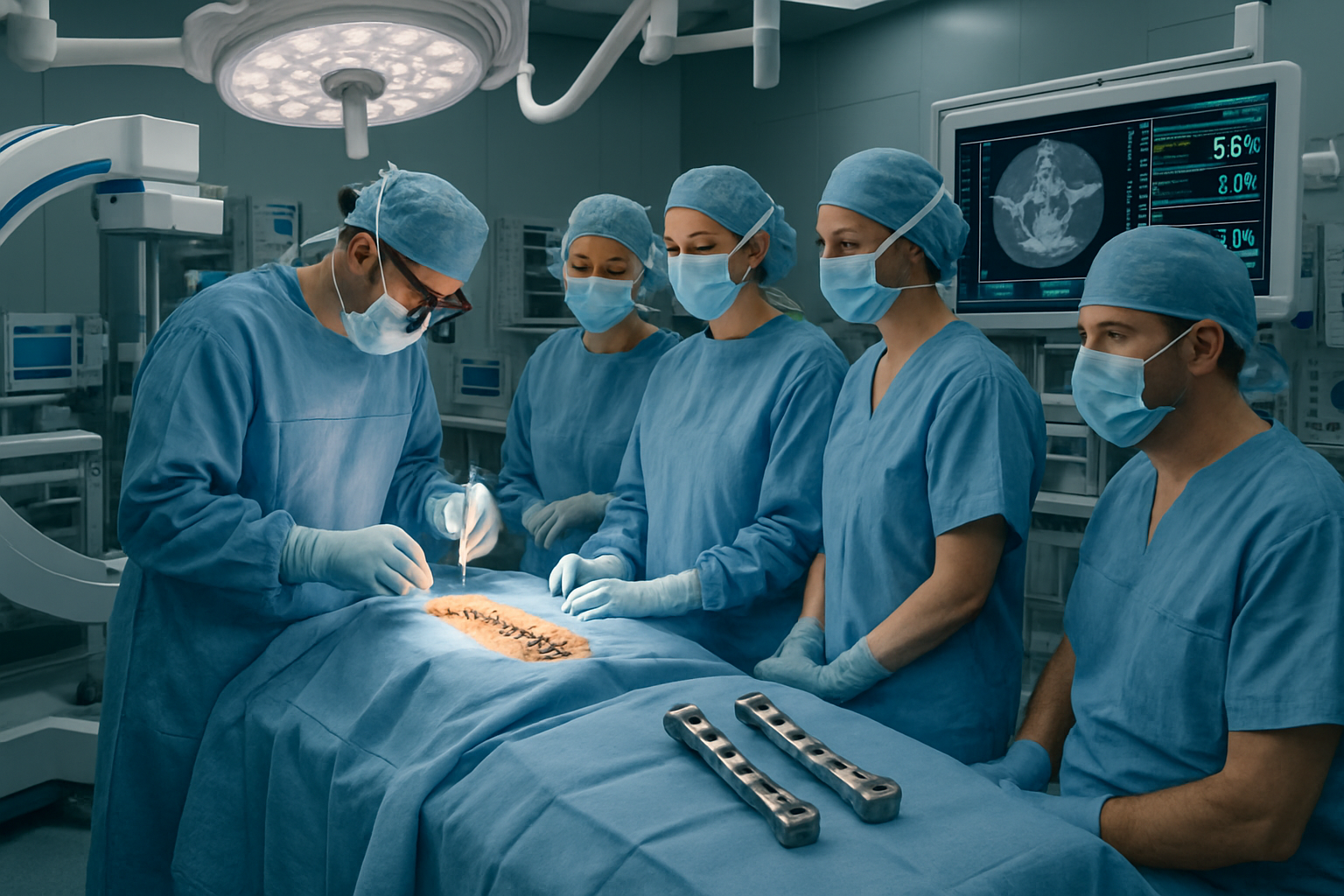
To guarantee optimal results, the procedure often combines bone fusion with mechanical stabilization using implants. These implants, made of medical-grade titanium, include screws, rods, and interbody cages, whose rigorous manufacturing by industry leaders such as Medtronic, Zimmer Biomet, and Stryker ensures safety and compatibility with medical imaging examinations, including MRI. This targeted stabilization allows for consolidated bone healing, limiting the risk of vertebral displacement.
The fusion can be performed using different surgical approaches, depending on the location and the pathology to be treated:
- Anterior approach (through the front of the neck or abdomen), mainly used for cervical fusions and some lumbar disc replacements.
- Posterior approach, frequently chosen for lumbar decompression and stabilization.
- Combined approach depending on the complexity and access required.
Each surgical option is evaluated based on the precise condition of the spine and the patient's specific needs. The surgeon's expertise, like that developed at the TAGMED Clinic, is based on rigorous diagnosis, in-depth mastery of traditional and innovative techniques, and strict adherence to international safety and hygiene protocols.
| Type of intervention | Main indication | Implants used | Key advantages |
|---|---|---|---|
| Anterior cervical fusion | Disc disease, cervical disc herniation | Titanium plates and cages (Medtronic, Zimmer Biomet) | Preservation of stability, accelerated healing |
| Posterior lumbar fusion | Spondylolisthesis, lumbar instability | Screws, rods, interbody cages (Stryker, NuVasive) | Solid mechanical stabilization, pain reduction |
| TOPS and IntraSPINE dynamic implants | Disc degeneration with joint preservation | Semi-rigid devices (Globespine, Spineway) | Preserved mobility, reduced risk of adjacent degenerative changes |
To delve deeper into the surgical principles of spinal fusion, the resources available on Medigence or Quebec University Hospital They offer further precise explanations. These sources confirm the importance of a rigorous care pathway led by experts, where each step is personalized and validated.
The added value of dynamic implants in preserving spinal mobility
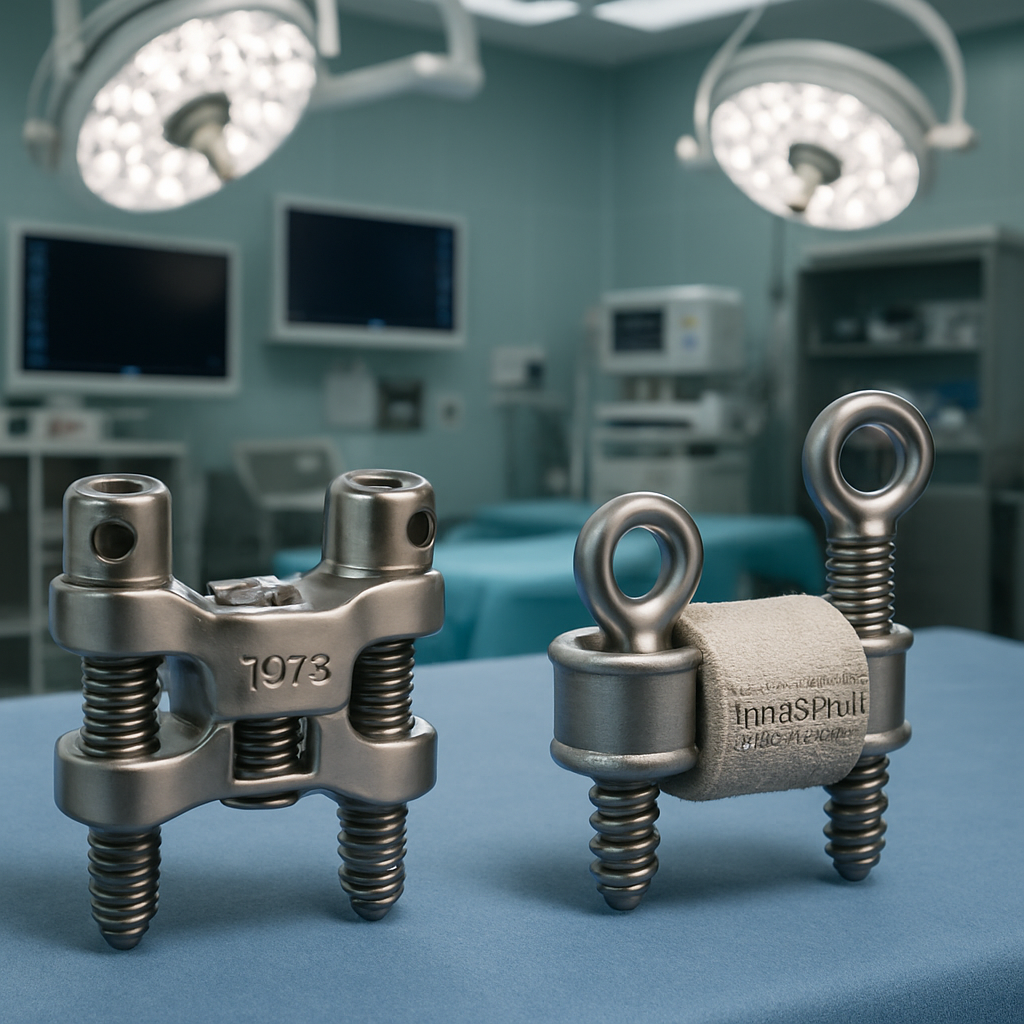
Beyond traditional rigid fusion techniques, the development of dynamic implants is set to revolutionize spinal surgery by 2025. These devices, such as the TOPS system or the IntraSPINE implant, stabilize vertebral segments while preserving a degree of physiological mobility. This innovation reduces stress on adjacent vertebrae, potentially decreasing the occurrence of secondary pain or degeneration.
The TOPS implant, developed and perfected by renowned experts, partially replaces the role of intervertebral discs while allowing controlled movement in multiple planes. As for IntraSPINE, it acts as a protective mechanical support mechanism for nerve structures, limiting pressure on nerve roots without restricting spinal mobility.
Choosing a dynamic implant requires a comprehensive evaluation, including advanced imaging (particularly with technologies like Eos Imaging), a precise clinical assessment, and in-depth consultation with surgical teams familiar with these new solutions. This is essential to ensure patient safety and optimize functional outcomes.
- Biomechanical advantages of dynamic implants:
- Maintaining a natural range of motion
- Reduction of stress on adjacent joints and discs
- Prevention or slowing of secondary degeneration
- Reduction of post-operative pain
Specialized platforms such as TAGMED CLINIC These innovations are presented in detail, accompanied by patient testimonials and validated studies. This expertise also underscores the importance of personalized, multidisciplinary support based on the latest scientific data.
| Dynamic Implant | Main function | Ideal indication | Manufacturer |
|---|---|---|---|
| TOPS | Maintaining posterior movement, multi-planar stabilization | Lumbar stenosis with moderate instability | Globespine, NuVasive |
| IntraSPINE | Less invasive anterior support, nerve decompression | Lower back pain without severe instability | Spineway, Orthofix |
In addition, innovative spinal surgery in France, as detailed on TAGMED CLINIC, This approach is distinguished by its integrated design, where dynamic implants are combined with tailored rehabilitation. This care model promotes faster recovery while minimizing the potential complications of traditional fusion.
The patient journey between Quebec and France: expertise, coordination and personalized support
The transatlantic collaboration established for spinal surgery, particularly spinal fusion, is a major advantage for Quebec patients. Due to often long waiting times in the local system and the high cost of private care, treatment in France offers a fast, qualified, and well-supervised solution.
The process begins with a comprehensive evaluation by a multidisciplinary team, including neurosurgeons, radiologists, and physiotherapists. This phase relies on advanced imaging (CT, MRI, EOS Imaging) and a precise diagnosis. TAGMED Clinic distinguishes itself through its expertise in conservative pre-surgical care, encouraging a minimum of 3 to 6 months of non-invasive treatments such as spinal decompression to avoid premature interventions.
The organization is designed to guarantee compassionate, supportive, and educational care. Patients benefit from close monitoring from the pre-operative phase, a personalized surgical approach, and structured post-operative rehabilitation. The use of cutting-edge technologies, including innovative implants and safety devices validated by Brainlab and DePuy Synthes, is standard practice.
- Key stages of the transatlantic journey:
- Personalized consultation and initial assessment in Quebec
- Orientation towards partner centers of excellence in France
- Surgical intervention with advanced implant technologies
- Remote post-operative monitoring and rehabilitation coordinated
This system ensures continuity of care and maximum safety, while offering a reassuring experience. It is essential that every patient can ask questions and have access to clear information, particularly through platforms such as TAGMED CLINIC or SOS Medical Tourism, which precisely define these modalities.

Risks, safety, and scientific rigor are at the heart of spinal fusion surgery.
While spinal fusion is a proven procedure, it is not without risks and potential complications. Thorough medical expertise, rigorous preparation, and judicious implant selection are essential to minimize these risks. Post-operative risks include:
- Infections, requiring increased vigilance and targeted antibiotic monitoring
- Hemorrhages and coagulation complications
- Nerve damage that can cause pain or motor deficits
- Formation of blood clots, particularly in the legs, with a risk of embolism
- Non-fusion or absence of bone consolidation (pseudarthrosis)
Proactive management of these complications is facilitated by adherence to international protocols and the use of equipment manufactured by experts such as NuVasive and DePuy Synthes, guaranteeing very high standards. Close coordination between French surgeons and Quebec teams allows for adjustments in patient care, particularly during postoperative follow-up.
Particular attention is paid to the quality of the implant and the transparency of the information provided to the patient. The teams rely on scientific criteria and recent clinical data to adapt protocols, enhance patient education, and support rehabilitation.
| Potential complication | Approximate frequency | Preventive measures |
|---|---|---|
| Infection | 2-5% | Antibiotic prophylaxis, adherence to sterile standards |
| Blood clots | 1-3% | Early mobilization, anticoagulants |
| Nerve damage | Less than 1% | Precise monitoring, microsurgical techniques |
| Pseudarthrosis | 5-10% | Quality materials, post-operative monitoring |
To better understand these risks and the importance of rigorous surgical expertise, well-documented articles are available on TAGMED CLINIC as well as on iCloud Hospital. Patients are encouraged to fully collaborate with their team for a safe and optimized care pathway.
The importance of informed choice and support for optimal results
The decision to initiate spinal fusion occurs after conservative treatments have failed or proven insufficient, for a minimum period of 3 to 6 months. This preliminary step, often emphasized at the TAGMED Clinic, includes physical therapies, pain management, and sometimes conservative interventions such as neurovertebral decompression.
Surgical expertise is not limited to surgical technique. It encompasses informed advice and support for the patient throughout their entire journey. In France, access to cutting-edge technologies (from leaders such as Brainlab, DePuy Synthes, and Medtronic) is coupled with an educational approach designed to reassure and inform.
- Important milestones before surgery:
- Precise diagnosis thanks to state-of-the-art imaging
- Personalized clinical tests and assessments
- Initial non-surgical management (e.g., neurovertebral decompression)
- Customized consultation and surgical planning
- Structured post-operative follow-up and appropriate rehabilitation
This approach makes all the difference in improving comfort, reducing pain, and restoring a better quality of life. The experience of specialized centers, combined with seamless transatlantic coordination, guarantees reassuring and effective continuity of care. To learn more or for a personalized assessment, visit SOS Medical Tourism.