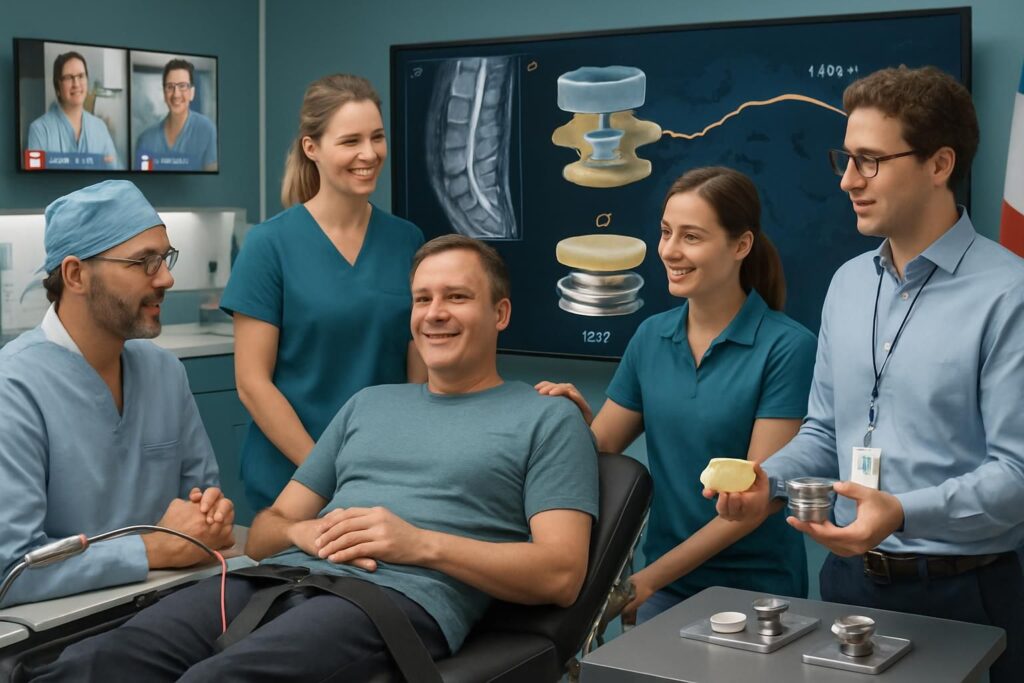
Treatment of spinal stenosis by decompression neurovertébrale
03/23/23
Back pain treatment by spinal decompression
03/23/23
Introduction
Disc protrusion, also known as disc protrusion, is a condition in which the intervertebral disc moves out of its normal position, without rupture of the fibrous ring. This condition can cause pain, numbness, and muscle weakness by putting pressure on surrounding nerves. Neurovertebral decompression is a non-invasive method that aims to relieve these symptoms by restoring the intervertebral space and promoting blood circulation. In this article, we describe the treatment of disc protrusion by spinal decompression therapy, its advantages and its results.
Neurovertebral decompression: what is it?
The Spinal decompression therapy is a manual and mechanical therapy that aims to reduce pressure on the nerves and adjacent structures of the spine. This technique uses traction and mobilization forces to create space between the vertebrae, allowing blood circulation to be restored and inflammation to be reduced in the affected area. This approach aims to relieve the symptoms of disc protrusion without resorting to surgery.
Treatment process
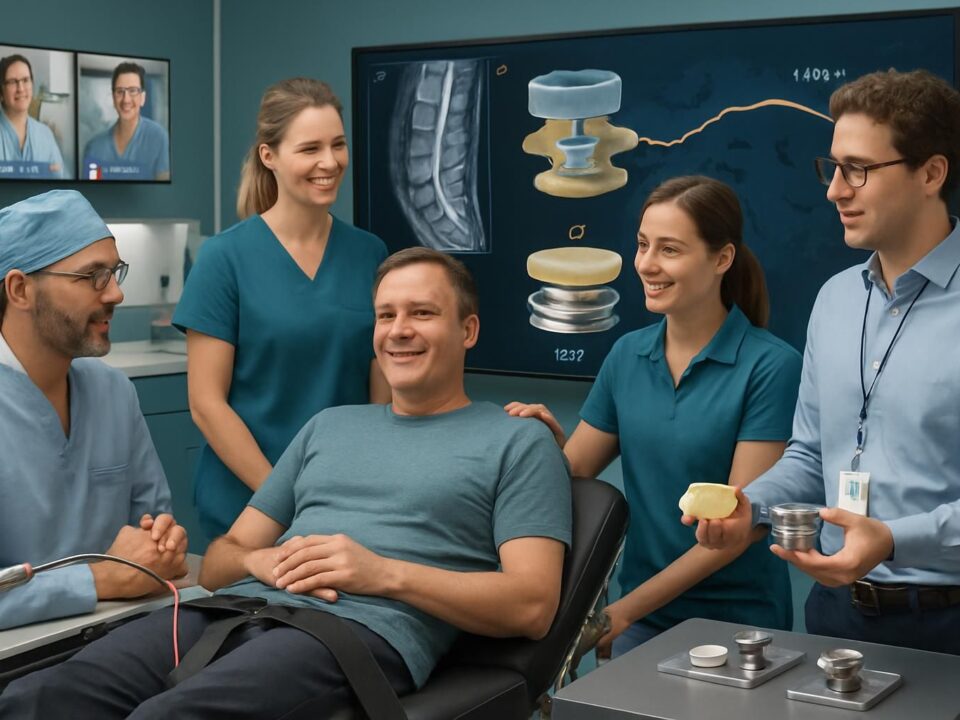
The spinal decompression treatment The procedure typically unfolds in several stages. First, the patient is positioned on a decompression table specifically designed for this treatment. The therapist then applies controlled traction forces, depending on the area being treated and the severity of the disc protrusion. Sessions usually last between 30 and 45 minutes and are repeated over several weeks, depending on the patient's needs.
Benefits and results
The Neurovertebral decompression has several advantages over traditional treatments traditional treatments for disc protrusion, such as surgery or corticosteroid injections. Among these advantages, we can cite:
Non invasive : This method does not require surgery, which reduces the risk of complications and recovery times.
Efficiency Numerous studies have demonstrated the effectiveness of neurovertebral decompression in the treatment of disc protrusionwith significant improvements in patients' pain and mobility.
Security : the treatment is carried out under the supervision of a qualified healthcare professional, guaranteeing the safety and comfort of the patient throughout the procedure.
Conclusion
The treatment of disc protrusion by spinal decompression therapy is an innovative, non-invasive solution proven to relieve pain and improve mobility in people with this condition. By creating space between the vertebrae and promoting blood circulation, this method enables patients to regain their quality of life and mobility.
carry out their daily activities without pain. Consult a healthcare professional to discuss the possibility of including spinal decompression therapy in your treatment plan. treatment if you suffer from disc protrusion.
It is important to note that although spinal decompression has shown promising results, it is not suitable for all patients. Some cases of disc protrusion may require other treatment approaches or surgical procedures. This is why it is essential to consult a healthcare professional specializing in spinal disorders to assess your condition and determine the most suitable treatment for your specific needs.
Finally, it is crucial to keep in mind that the success of spinal decompression also depends on the patient's commitment to following the therapist's recommendations regarding exercise, posture and lifestyle. Combining this therapeutic approach with appropriate lifestyle changes can maximize results and promote long-lasting healing of disc protrusion.
For more information regarding the treatment of disc protrusion, please visit our website:




 Français du Canada
  English (Canada)