Minimally invasive surgery: benefits for elderly patients
09/22/25
Lumbar disc replacement: a personalized solution
10/01/25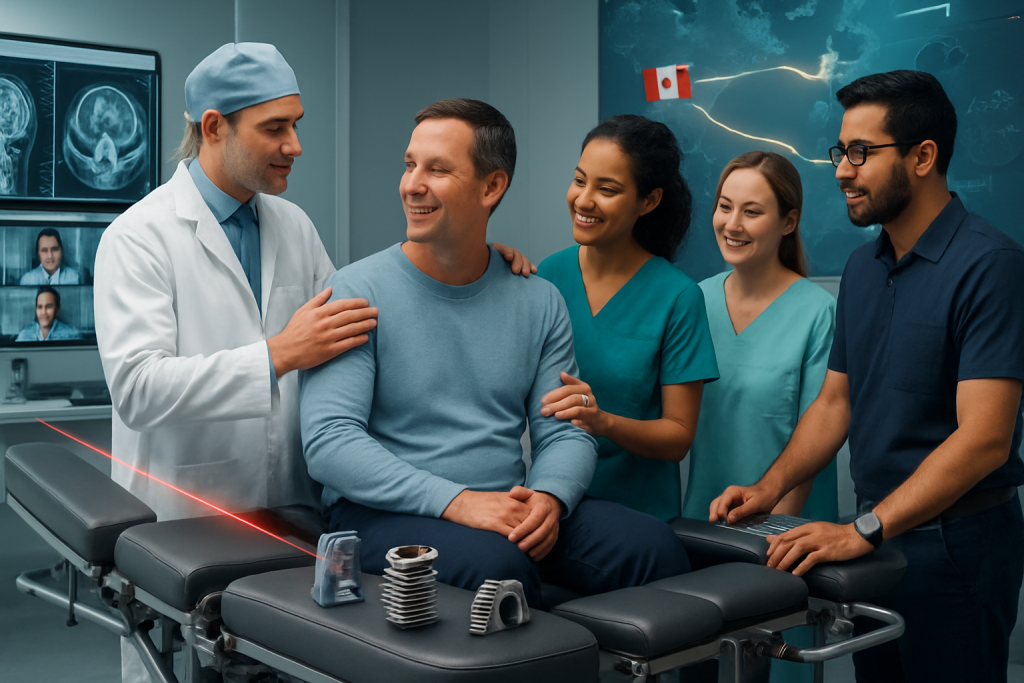
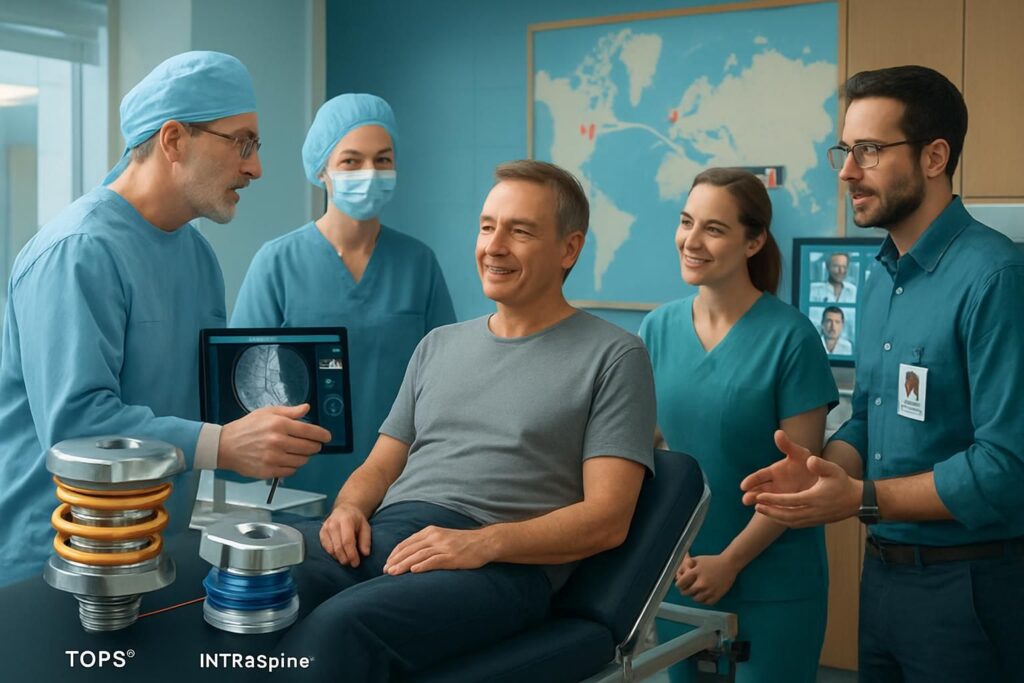
The TOPS (Total Posterior Solution) system marks a major advancement in the field of dynamic implants for spinal surgery, illustrating sophisticated technological progress and the use of cutting-edge materials by 2025. Designed to provide effective spinal stabilization while preserving natural mobility, this implant reflects a trend in medical innovation that integrates advanced biomechanical components and materials that are both durable and biocompatible. Simultaneously, the rise of new biomaterials is essential in the face of environmental and economic challenges, accelerating the transformation of surgical practices and the quality of care provided. This technological revolution, combined with personalized transatlantic support in centers of excellence such as the TAGMED Clinic in France, positions TOPS at the heart of a high-quality therapeutic pathway for Quebec patients. Beyond its components, this innovative solution is supported by scientific rigor and technical expertise resulting from close collaboration between European and North American experts.
Revolutionary materials of the TOPS system: biomechanical qualities and biocompatibility
The success of the TOPS system relies heavily on the use of innovative materials that meet strict biomechanical criteria while ensuring excellent biocompatibility. The implant is primarily constructed from advanced metal alloys, including medical-grade titanium and specific stainless steels, renowned for their corrosion resistance, lightness, and durability within the human body. These metals are complementary, providing mechanical strength capable of withstanding the pressures exerted on the spine without compromising segmental mobility.
The titanium used benefits from advanced surface treatments designed to improve osseointegration, promoting better bone fixation while limiting inflammatory processes. This is essential to prevent post-operative complications, such as material migration or the formation of excessive scar tissue. Combining titanium with specific alloys developed through research, sometimes inspired by innovations from manufacturers like Saint-Gobain and ArcelorMittal, enhances mechanical stability while reducing the overall mass of the implant.
Furthermore, specific polyethylene components play a fundamental role in absorbing stress and restoring controlled flexibility. This highly resistant polymer, often developed in collaboration with specialized companies such as Dassault Systèmes and Legrand using 3D modeling-assisted optimization, ensures shock absorption and homogeneous force distribution. It is this ability to combine rigidity for stabilization and flexibility for movement that distinguishes TOPS from other conventional rigid implants.
In addition to mechanical qualities, the focus on biocompatibility reflects the environmental and regulatory requirements in force in the medical and industrial sectors. The development of the materials used in TOPS incorporates sustainability and eco-design principles similar to those advocated in industrial innovations involving Dyson and Devialet, where technical performance meets environmental responsibility. These efforts guarantee not only patient safety but also better integration of international standards such as RE 2020, introduced for high-performance medical equipment.
- Biocompatible medical-grade titanium for optimal fixing and durability
- Specialty stainless steel for high mechanical resistance
- Polyethylene damping components for biomechanical flexibility
- Advanced surface treatments aiming to promote osseointegration
- Compliance with environmental and regulatory standards ensuring safety and durability
| Material | Properties | Advantages for TOPS |
|---|---|---|
| Medical titanium | Lightweight, biocompatible, corrosion-resistant | Improved osseointegration, durability |
| Specialty stainless steel | High mechanical strength, robustness | Support for spinal stress, stability |
| High-density polyethylene | Cushioning, wear resistance | Biomechanical flexibility, comfort |
To learn more about the quality of the materials used, consult the following resources: Current challenges of innovative materials and advanced materials in industry.
Advanced technologies integrated into TOPS dynamic implants for spinal surgery
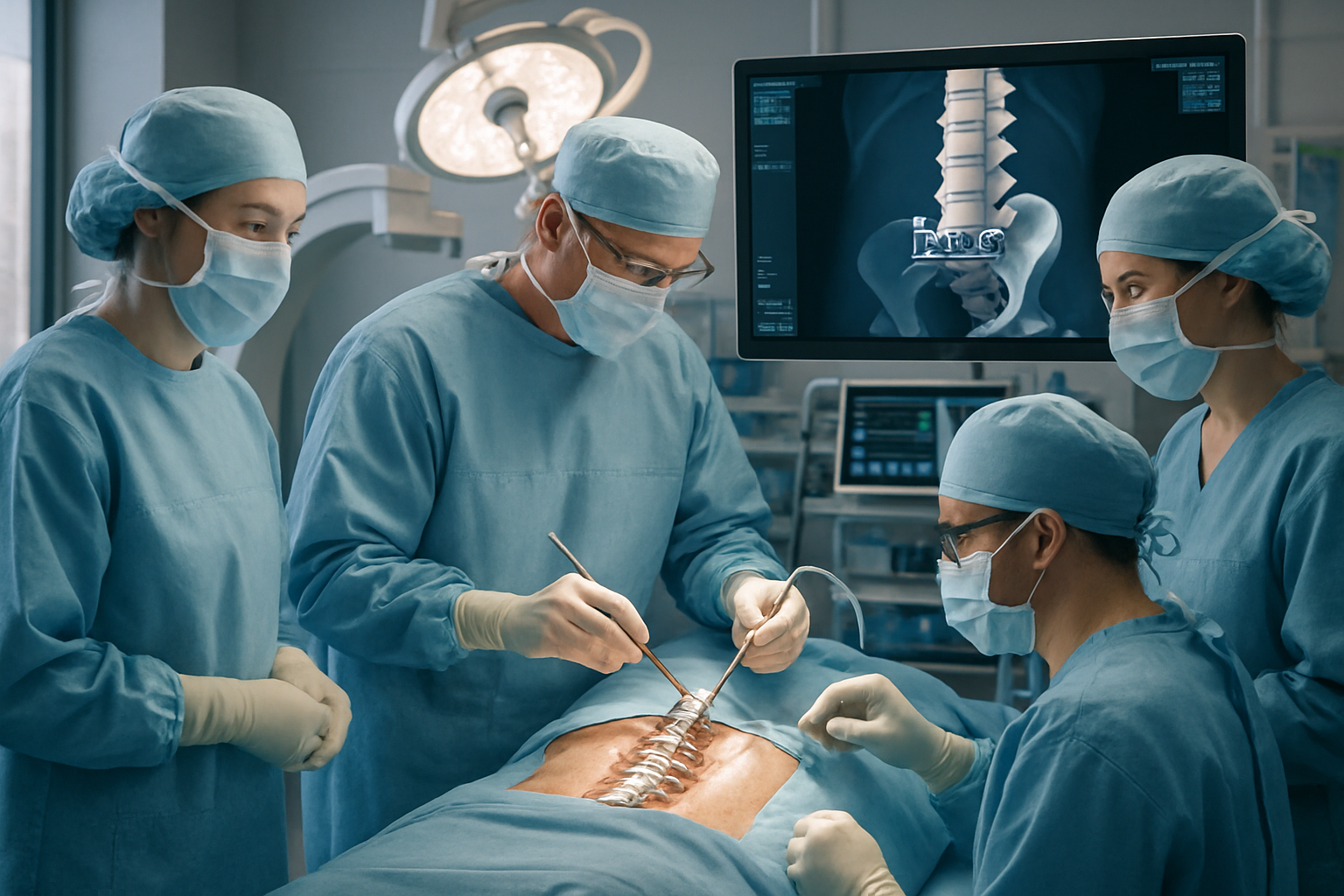
Spinal surgery benefits from the latest technologies, and the TOPS system embodies this alliance between medical innovation and technical expertise. The integration of 3D modeling-assisted methods, surgical robotics, and meticulously studied minimally invasive techniques makes this system reliable and efficient, meeting the requirements of both patients and the experts with whom Louis Blanchard collaborates.
Digital modeling using tools from Dassault Systèmes allows for the design of implants perfectly adapted to the patient's specific anatomy, optimizing fit and reducing the risk of errors. Robot-assisted surgery enables millimeter-level precision in implant placement, thus decreasing complications and improving postoperative comfort.
Furthermore, the minimally invasive procedure is made possible by cutting-edge instrumentation developed in collaboration with companies specializing in medical and biomedical technologies. These advancements echo innovations in other sectors, notably the connected and intelligent systems developed by Withings, Somfy, and Navya, which emphasize functional efficiency and user safety.
The multimodal approach developed aims for less invasive surgery, accelerating recovery and limiting hospital stays—essential elements observed in high-level French surgical practices and promoted by specialists in centers like the TAGMED Clinic. This innovative policy focuses on tangible results for the patient in terms of mobility, prevention of postoperative pain, and reduction of side effects related to implants.
- Custom 3D modeling for an optimal fit
- Robot-assisted surgery for precise placement
- Minimally invasive techniques reducing surgical trauma
- State-of-the-art instrumentation suitable for dynamic implants
- Technological and biomechanical monitoring optimized post-operative
| Technology | Function | Impact on treatment |
|---|---|---|
| 3D Modeling (Dassault Systèmes) | Precise anatomical adaptation | Error reduction, better integration |
| Surgical robotics | Millimeter-accurate positioning | Less invasive intervention |
| Minimally invasive instrumentation | Less fabric tearing | Accelerated recovery |
To further explore the technological dimension of TOPS, a recommended reading can be found here: TOPS innovations in lumbar surgery.
Biomechanical advantages of TOPS implants: preservation of mobility and reduction of stress
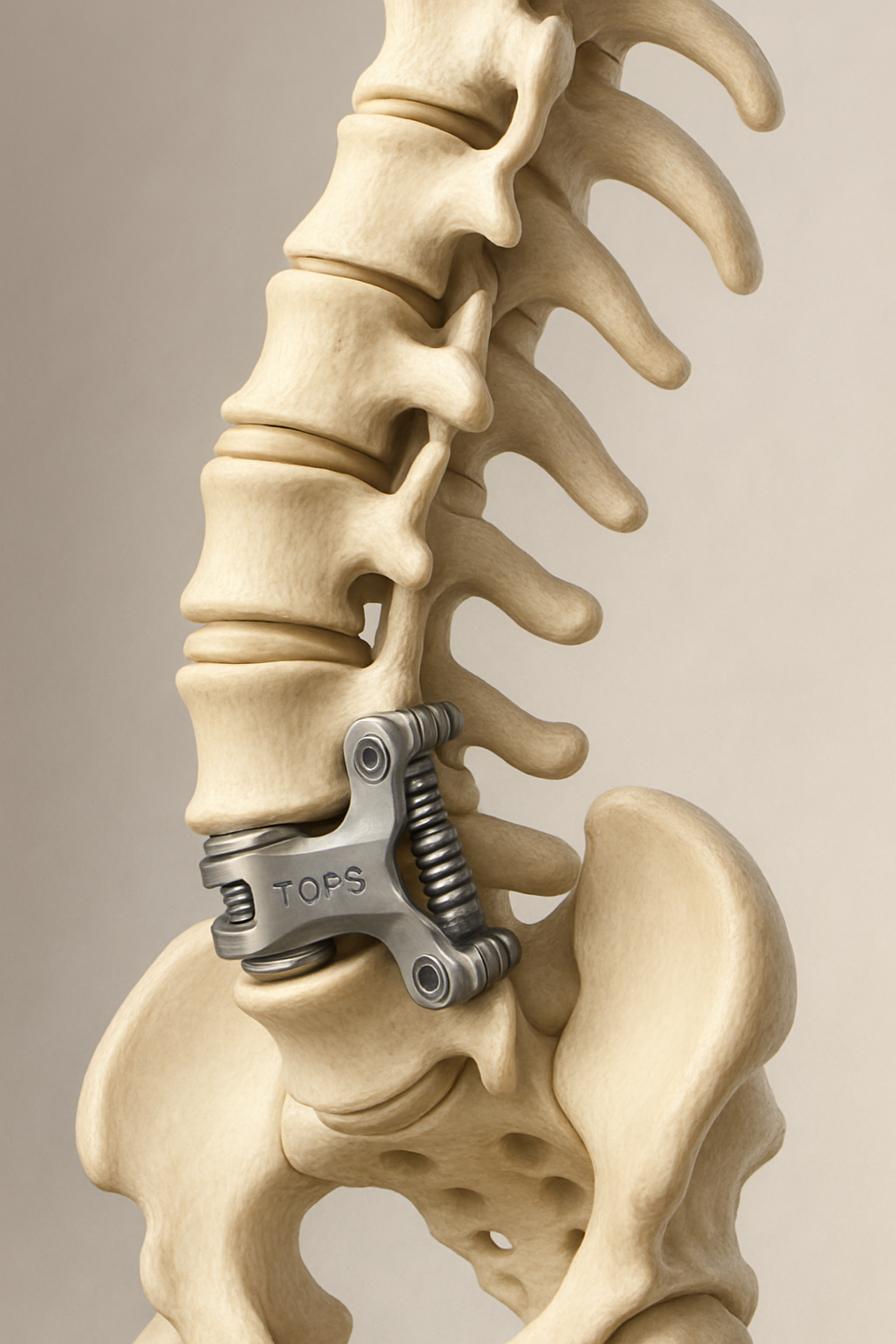
TOPS implants embody an innovative, dynamic approach, offering an alternative to traditional spinal fusion. Their design not only stabilizes the injured spinal segment but also preserves natural mobility, significantly improving patients' quality of life.
The biomechanical benefits manifest themselves through:
- Maintaining physiological flexibility thanks to controlled flexion and extension, allowing for natural movement
- Harmonious distribution of forces avoiding overloading adjacent segments, a key factor in preventing complications such as adjacent segment disease
- Cushioning of spinal shocks thanks to the polyethylene elements which act as a cushion, limiting wear and tear on the structures
- Reduction of bone wear, avoiding secondary degeneration phenomena
- Limiting the risks of excessive stabilization, common in traditional rigid systems
The TOPS technique thus preserves biomechanics close to natural physiology, unlike traditional fusion techniques that completely immobilize the affected segment and do not always prevent the onset of secondary pain. This advancement has been extensively validated in numerous clinical studies conducted in France and internationally, often in collaboration with innovative centers such as the TAGMED Clinic. The latter also offers complementary solutions such as the IntraSPINE implant, which provides dynamic stabilization with minimal impact on nerve structures.
According to these studies, patients who underwent surgery with TOPS report a significant improvement in daily function and a marked reduction in chronic pain, restoring confidence for active rehabilitation. This approach also optimizes the lifespan of the implanted components, thanks to its optimized biomechanics. This benefit is particularly relevant in the context of modern spinal surgery, which is attentive to the specific needs of patients such as the elderly or frail, where preserving mobility is a crucial factor.
- Controlled flexion and extension for natural mobility
- Prevention of adjacent segment disease
- Cushioning of spinal stress
- Reduction of bone wear
- Optics for rapid functional recovery
For a detailed understanding of these benefits, see also: TOPS and prevention of adjacent segment disease.
Patient journey in France for surgery with TOPS: organization and personalized support
Beyond the technology, the patient journey is a key factor in the success of TOPS implants. Coordination between French medical teams and Quebec patients is a priority, ensuring comprehensive, safe, and seamless support from the initial consultation through post-operative follow-up.
The process typically begins with a thorough evaluation in collaboration with conservative treatment centers such as the TAGMED Clinic, where a minimum of 3 to 6 months of non-surgical treatments is recommended. This approach ensures that surgery is only considered if conservative options have proven unsuccessful, thus enhancing patient safety and their commitment to the therapeutic process.
Once the decision is made, the specialized team organizes the transfer and logistics in collaboration with platforms such as SOS Medical Tourism. This includes pre-hospitalization care, the surgical stay, as well as rehabilitation and remote follow-up with transatlantic teleconsultations, optimizing continuity of care.
This innovative organization is based on:
- Comprehensive and multidisciplinary assessment ensuring guidance tailored to specific needs
- Close collaboration with the TAGMED Clinic for access to conservative therapies
- Transatlantic coordination between Quebec and French teams via SOS Medical Tourism
- Personalized support before, during and after surgery
- Advanced post-operative monitoring thanks to teleconsultation and connected technologies
This streamlined process ensures compliance with international standards and risk management, promoting a smooth recovery and a rapid return to optimal quality of life. Leveraging the expertise of renowned surgeons and the robustness of implantable devices, patients benefit from a reassuring and empowering personalized approach.
| Stage | Description | Manager / Partner |
|---|---|---|
| Initial assessment | Clinical assessments and imaging, conservative treatments | TAGMED CLINIC |
| Surgical decision-making | Specialized consultations, personalized equipment selection | French and Quebec experts |
| Organization of the stay | Logistics, accommodation, transport | SOS Medical Tourism |
| Surgery | Surgery with the TOPS system | Expert surgeons in France |
| Post-operative follow-up | Rehabilitation, teleconsultations | French-Quebec medical teams |
To learn more about this process, innovations related to spinal surgery, and personalized assessment, Visit the TAGMED Clinic website.
Future perspectives and innovations: evolution of materials and technologies in spinal surgery
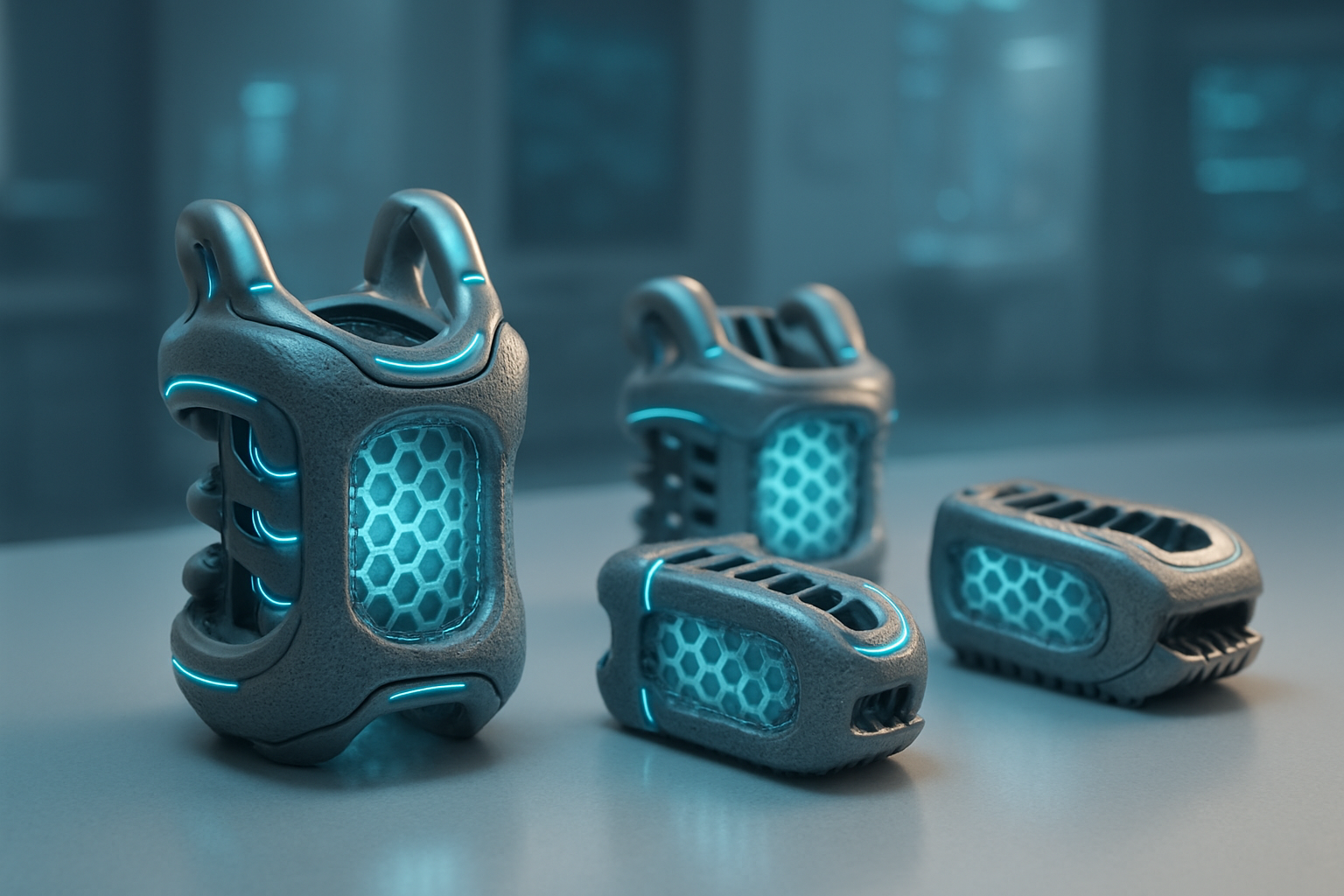
While TOPS implants already represent a major technological advancement, the future of spinal surgery is moving towards continuous improvement of materials and techniques to optimize functional outcomes while limiting the environmental impact of medical devices. This dynamic aligns with global industry trends, where collaboration between industrial players such as Saint-Gobain, ArcelorMittal, and Legrand, and the medical sector, fosters the development of hybrid and intelligent solutions.
Future innovations should incorporate:
- High-performance nanomaterials to increase mechanical resistance at a reduced weight
- Biodegradable polymers promoting remodeling and natural integration with bone tissue
- 3D bioprinting enabling the creation of custom-made implants in real time
- Smart connected systems ensuring real-time monitoring of post-operative biomechanical conditions
- Even more precise robotic surgical techniques limiting incisions and maximizing safety
These avenues highlight the importance of enhanced interdisciplinarity between engineers, surgeons, and scientists, a model already initiated through platforms such as SOS Medical Tourism, which plays a central role in Franco-Quebec coordination. These advances promise not only safer and better-tolerated interventions, but also a reduced environmental impact, in line with the principles of circular economy and sustainable innovation described in the construction and industrial sectors (innovations in building materials, building sustainable).
Recent studies also show that materials such as wood fiber composites, hemp wool, or aerogel could eventually find suitable applications in spinal surgery, as a substitute for or complement to traditional metals, offering lightness and thermal efficiency. This includes biomechanical improvements, as well as a more environmentally friendly design, meeting the growing demands of patients and practitioners increasingly aware of these issues.
The integration of these innovations at the surgical level is closely monitored by experts like Louis Blanchard to ensure that any technical advancement is accompanied by enhanced safety and tangible clinical benefit. The patient is thus placed at the heart of a flexible, evolving care strategy based on the best available evidence, in line with international standards.
To learn more about these innovations and the trends to follow, visit sustainable materials and innovations and new materials and technologies.
TOPS: technological innovations and materials used
Discover the key technological innovations and cutting-edge materials used in TOPS spinal implants. Click or navigate to each innovation to learn more.
Select an innovation above
Details will be displayed here.
Frequently Asked Questions
What are the main materials used in the TOPS implant?
The TOPS system primarily uses medical-grade titanium for its biocompatibility, specialized stainless steel for robustness, and high-density polyethylene to allow for biomechanical flexibility.
How does TOPS preserve spinal mobility?
The implant is designed to allow controlled flexion and extension while stabilizing the affected vertebral segment, thus avoiding the total rigidity associated with conventional fusion.
What is the role of 3D technology in surgery with TOPS?
3D modeling allows the implant to be precisely adapted to individual anatomy, improving positioning and limiting surgical risks.
How is post-operative follow-up organized for a Quebec patient?
The combined follow-up between French and Quebec teams via teleconsultation ensures personalized, effective and accessible support after returning to Quebec.
Can we foresee future advances for spinal implants?
Yes, the integration of nanomaterials, 3D bioprinting and connected systems promises even more efficient implants tailored to individual needs.
To learn more or for a personalized assessment, visit SOS Medical Tourism.


 Français du Canada
  English (Canada)