Lumbar disc replacement: effectiveness
02/06/26
TOPS™: tracking
02/06/26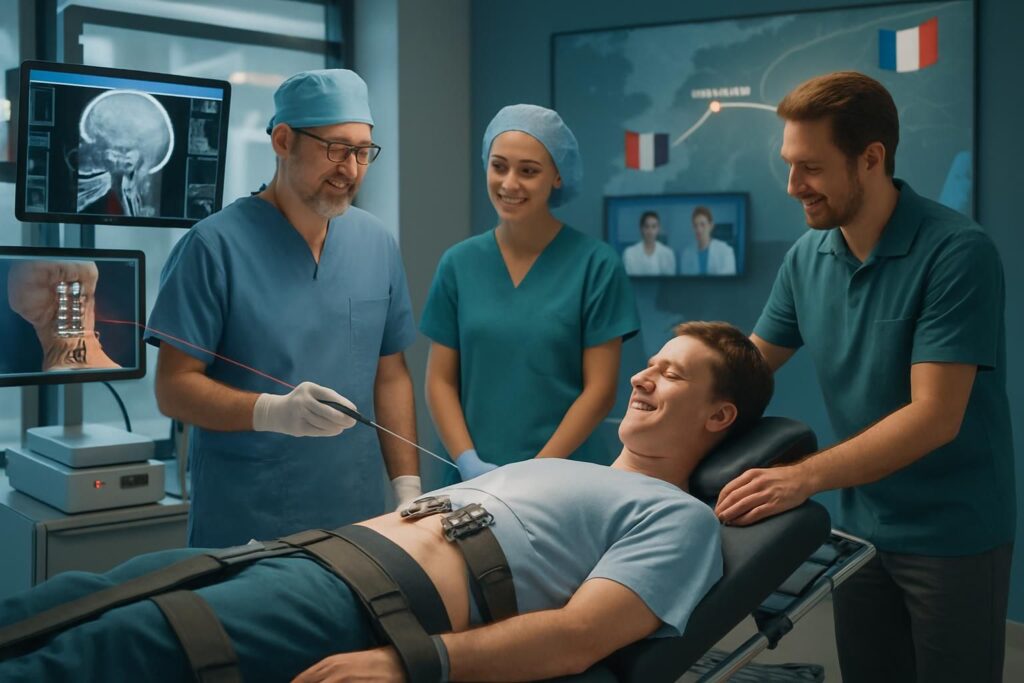
Neck surgery represents a complex and delicate medical field, encompassing various surgical techniques designed to treat pathologies ranging from nerve compression to degenerative changes in cervical structures. This diversity necessitates a thorough understanding of the’cervical anatomy, In this context, structures such as lymph nodes, the thyroid gland, and essential nerves like the recurrent laryngeal nerve play a fundamental role in surgical success and recovery. By 2026, innovations such as endoscopic surgery are poised to revolutionize these procedures, offering less invasive approaches with precise tissue cutting and optimized tissue repair to promote mobility and reduce postoperative pain.
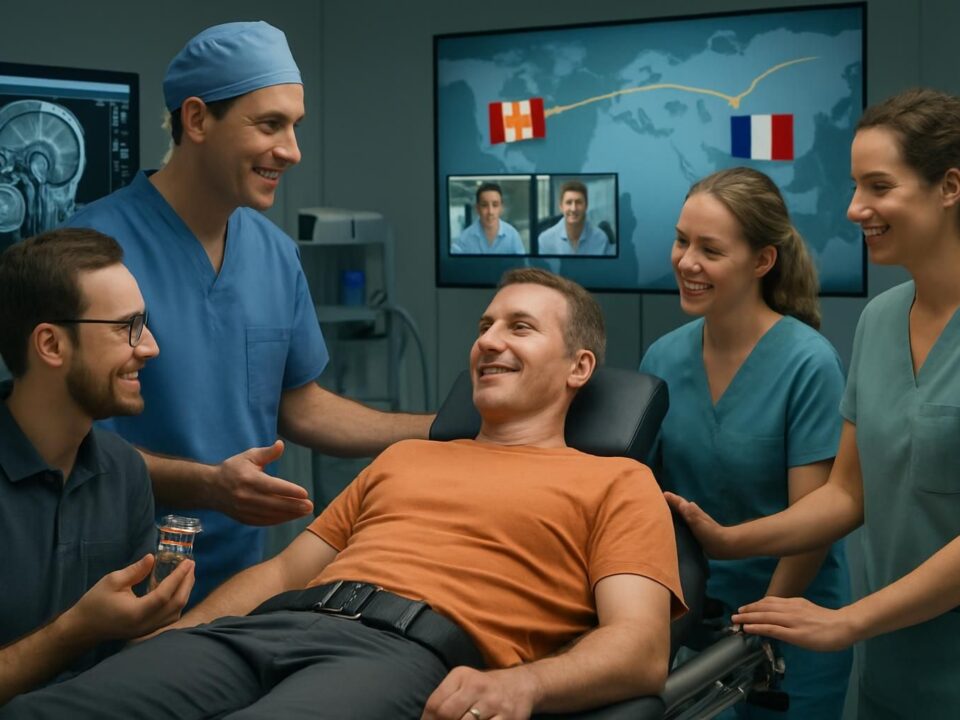
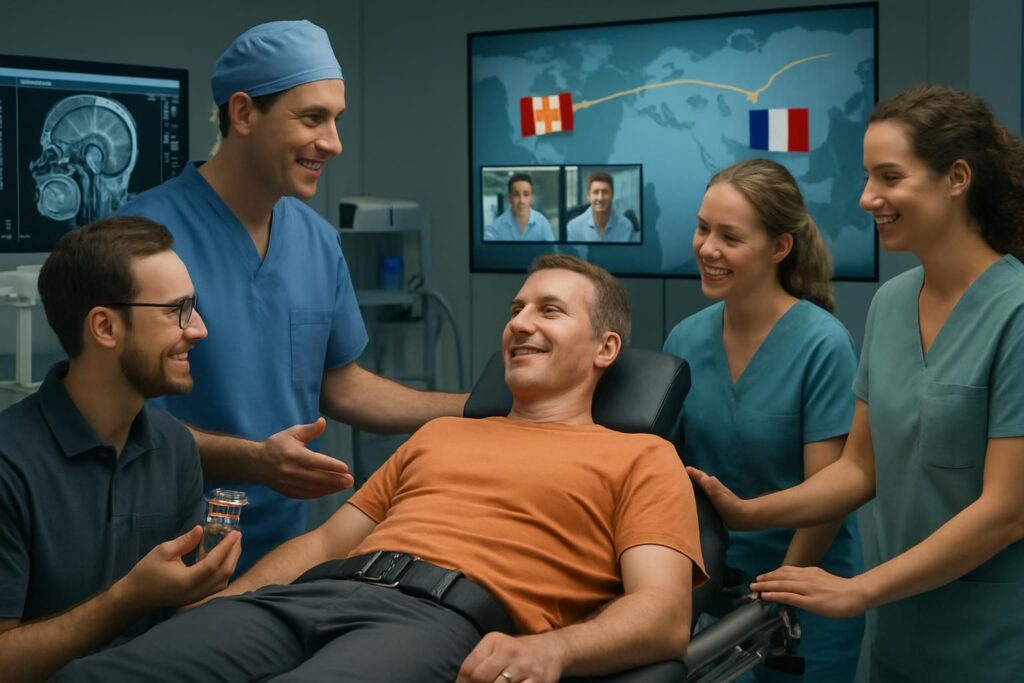
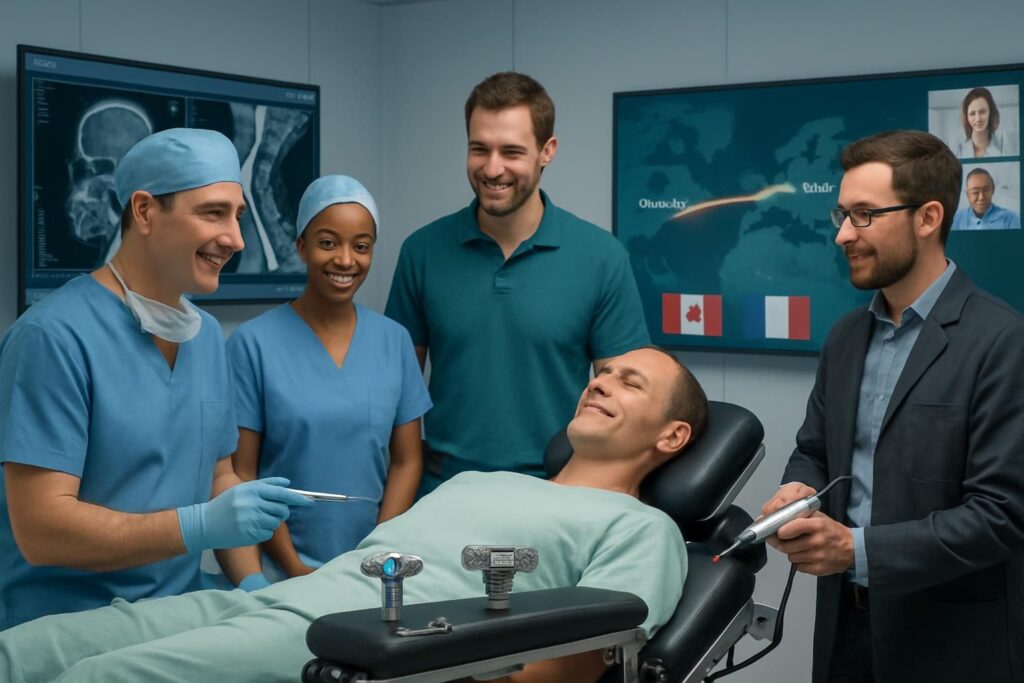
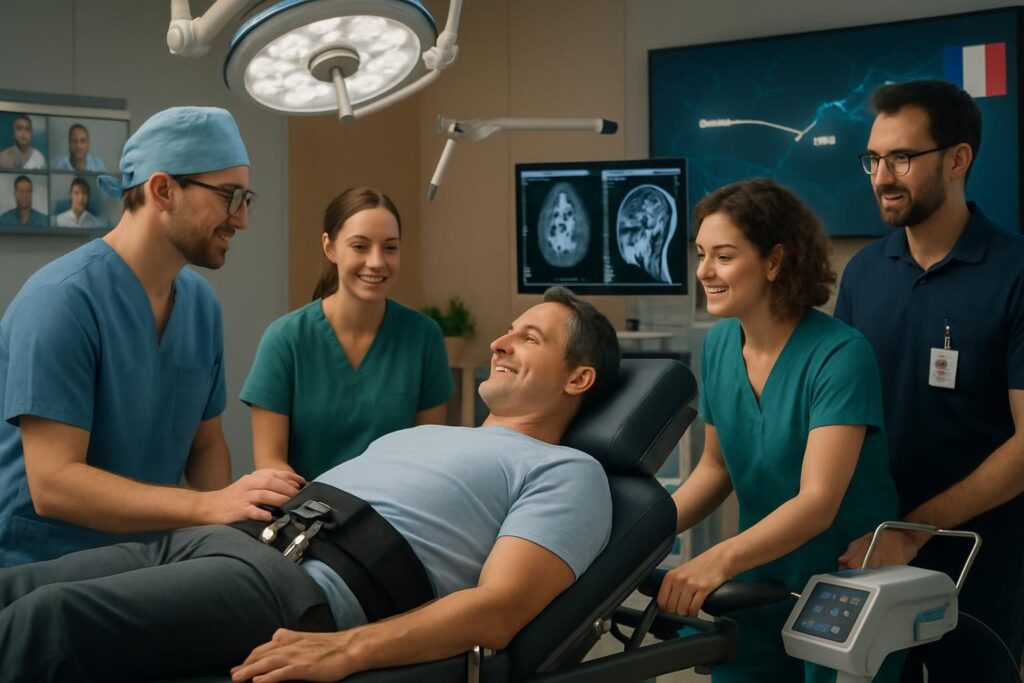
Quebec patients who are considering a neck surgery They find in France a reliable and technologically advanced partner, thanks in particular to recognized experts in spine and vertebral implants. These specialists, in collaboration with leading centers such as the TAGMED Clinic, focus their practices on scientific rigor, safety, and innovation, guaranteeing a comprehensive, safe, and effective care pathway. This choice addresses both the challenges of wait times in Quebec and the demand for highly specialized surgical solutions, such as the TOPS dynamic implant or the system IntraSPINE, which help to preserve cervical mobility while treating specific neck pathologies.
The different surgical techniques in neck surgery: innovations and traditional approaches
Neck surgery in France encompasses a diverse range of surgical techniques tailored to the specific needs of patients. Among the classic procedures is the thyroidectomy, allowing the removal of all or part of the thyroid gland in cases of nodules or cancer. Precision is crucial to avoid complications such as... recurrent nerve paralysis, which could compromise vocal function and swallowing. This procedure is often combined with a cervicotomy, which ensures optimal surgical access while minimizing aesthetic sequelae, a fundamental aspect for the psychological well-being of patients.
For spinal pathologies, techniques are evolving significantly towards less invasive and more functional solutions. Endoscopic neck surgery now allows targeted access with a fabric cutting limited, thus reducing risks and promoting faster and more reliable tissue repair. These surgical options are part of a contemporary philosophy aimed at preserving cervical mobility, which would otherwise be compromised by procedures of merger traditional methods. Innovative systems like TOPS or IntraSPINE represent major alternatives, maintaining a more natural spinal biomechanics and limiting residual pain.
The importance of selecting the appropriate technical approach is central to the practices of the French group of experts specializing in spinal implants. This expertise guarantees perfect mastery of innovative technologies while respecting international standards, particularly during complex procedures on international patients, including those from Quebec, who benefit from personalized support and rigorous follow-up.
The importance of cervical anatomy and surgical precautions in neck surgery
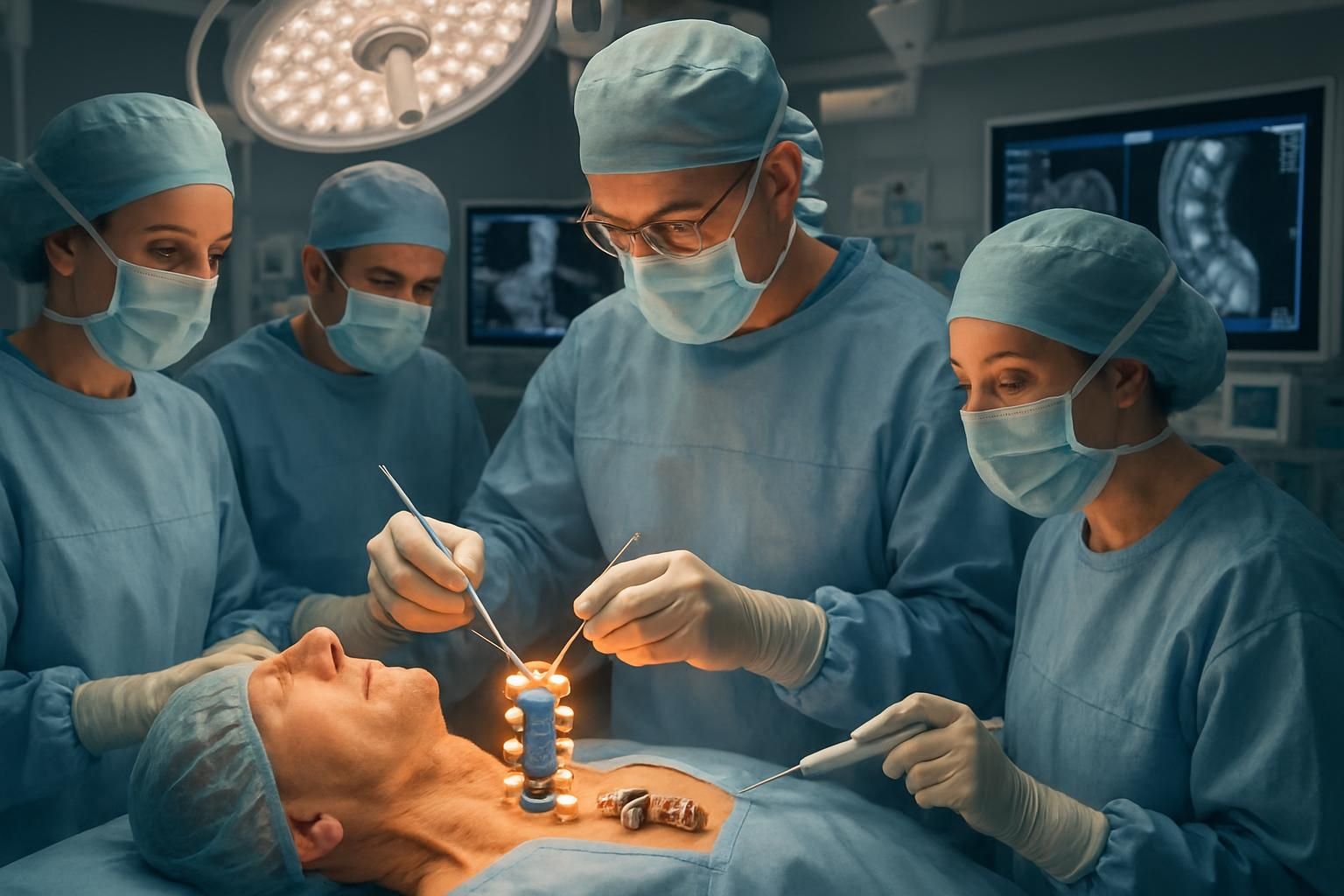
Mastering cervical anatomy is essential for optimizing outcomes in neck surgery. The neck houses not only vital vascular and nerve structures, but also lymph nodes that may require delicate intervention, particularly during oncological or infectious procedures. Adherence to surgical techniques, such as cervicotomy, must absolutely take these components into account to avoid any major complications.
Particular attention is paid to the recurrent laryngeal nerve, the main nerve responsible for vocal cord mobility. Its preservation is crucial to avoid a recurrent nerve paralysis, which could lead to speech disorders or breathing difficulties. For this reason, surgery uses approaches with a fabric cutting precise and endoscope-assisted methods, reducing the manipulation of sensitive tissues and minimizing postoperative inflammation.
Finally, the management of surrounding tissues relies on a tissue repair Careful and tailored. Current techniques favor microsurgical sutures and biocompatible materials, allowing for rapid healing while minimizing the risks of adhesions and complications. The innovative approach offered in France includes advanced preoperative diagnostic steps, often performed at the TAGMED CLINIC, to ensure safety and optimal operational success.
Dynamic implants in cervical surgery: TOPS and IntraSPINE to preserve mobility
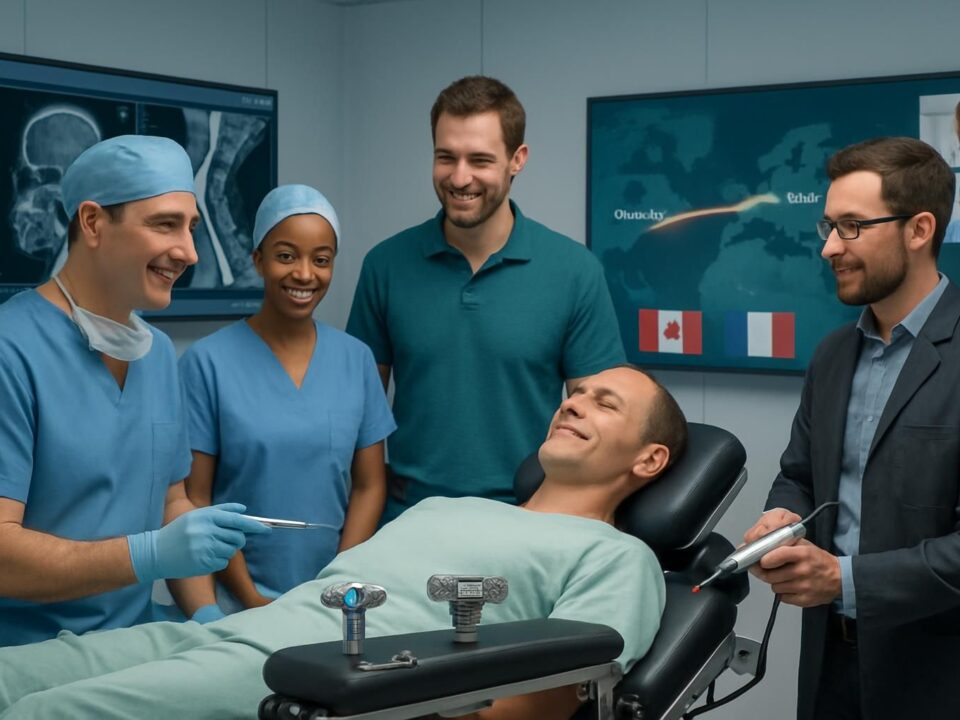
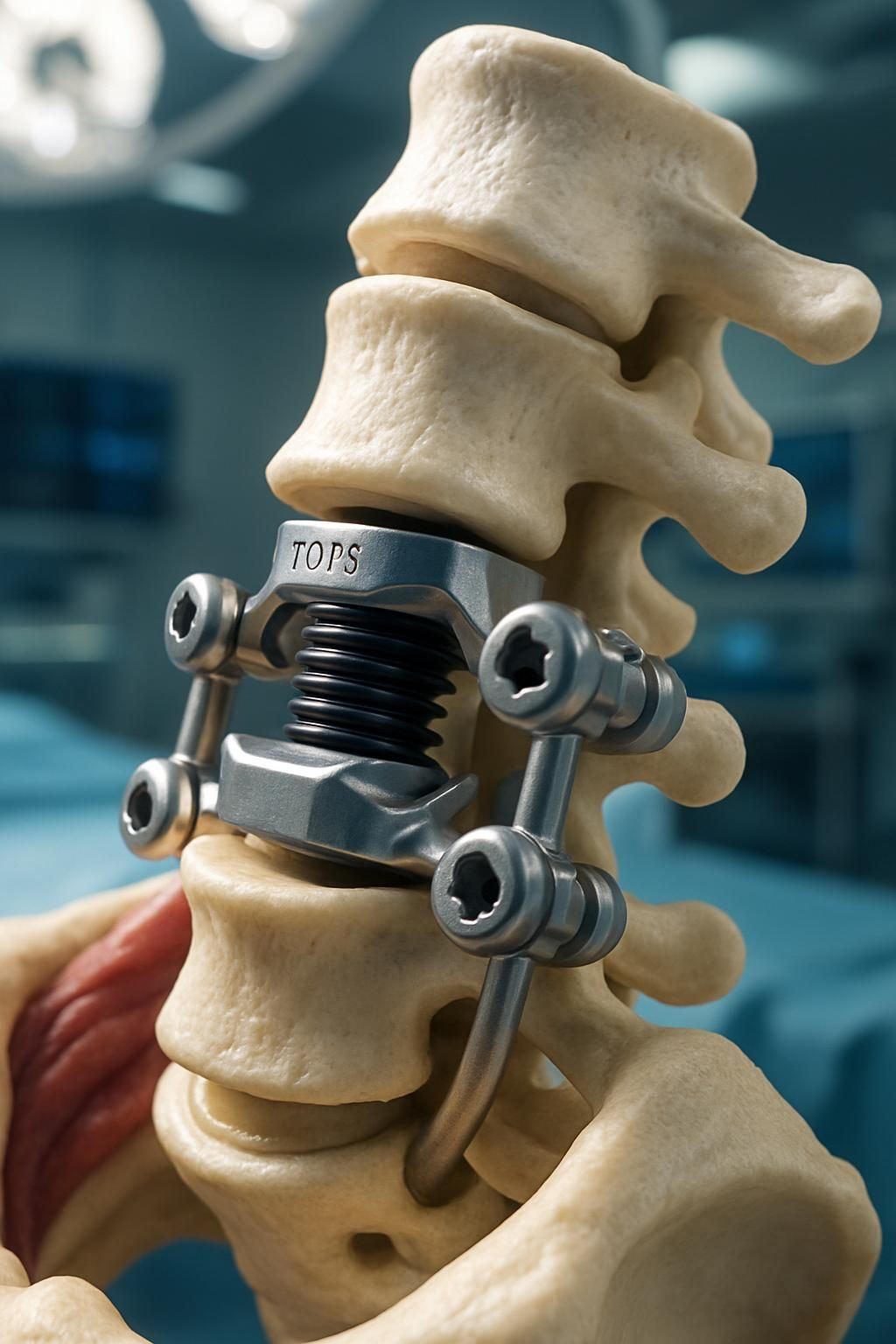
The major advancement in neck surgery lies in the integration of dynamic implants, designed to replace or complement traditional procedures often focused on rigid spinal fusion. The TOPS (Total Posterior Spine) system and the IntraSPINE implant embody this technological breakthrough, offering innovative biomechanical solutions to maintain natural mobility while ensuring robust structural stability.
The TOPS works by substituting for the natural movements of the vertebrae, allowing flexion, extension, and rotation to be maintained, which is fundamental for patients facing degenerative disc disease or debilitating nerve compression. The IntraSPINE implant, on the other hand, is positioned between the spinous processes, creating a space that decompresses the nerve roots without imposing a rigid locking of the cervical segment. These techniques significantly reduce residual pain and improve postoperative quality of life.
These implants require recognized surgical expertise and a rigorous evaluation and monitoring protocol. Their implantation in France represents an innovative response to the limitations of traditional techniques, both biomechanically and economically. This integrated approach is part of a patient journey supported by specialists who prioritize quality, safety, and personalized care.
Personalized care pathway and transatlantic coordination for Quebec patients
For Quebec patients considering neck surgery in France, a smooth and comprehensive care pathway is essential. From the initial assessment, often conducted in collaboration with the TAGMED Clinic, the approach aims to ensure optimal preparation, including prior use of conservative treatments for 3 to 6 months, such as... Spinal decompression therapy. This phase is crucial before any surgical intervention, in order to prioritize... non-invasive solutions.
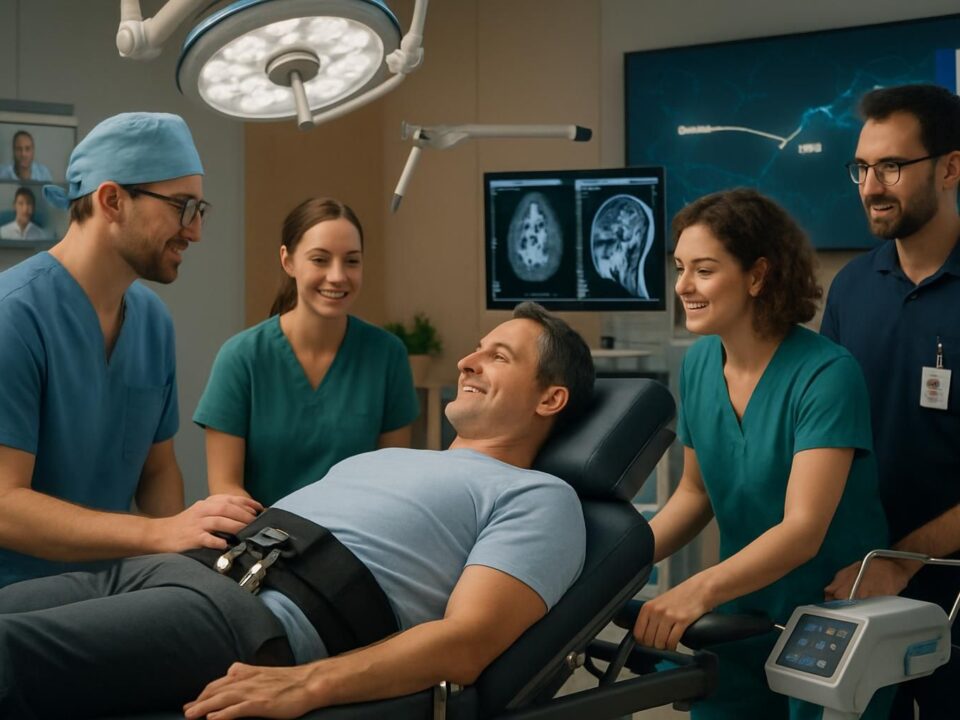
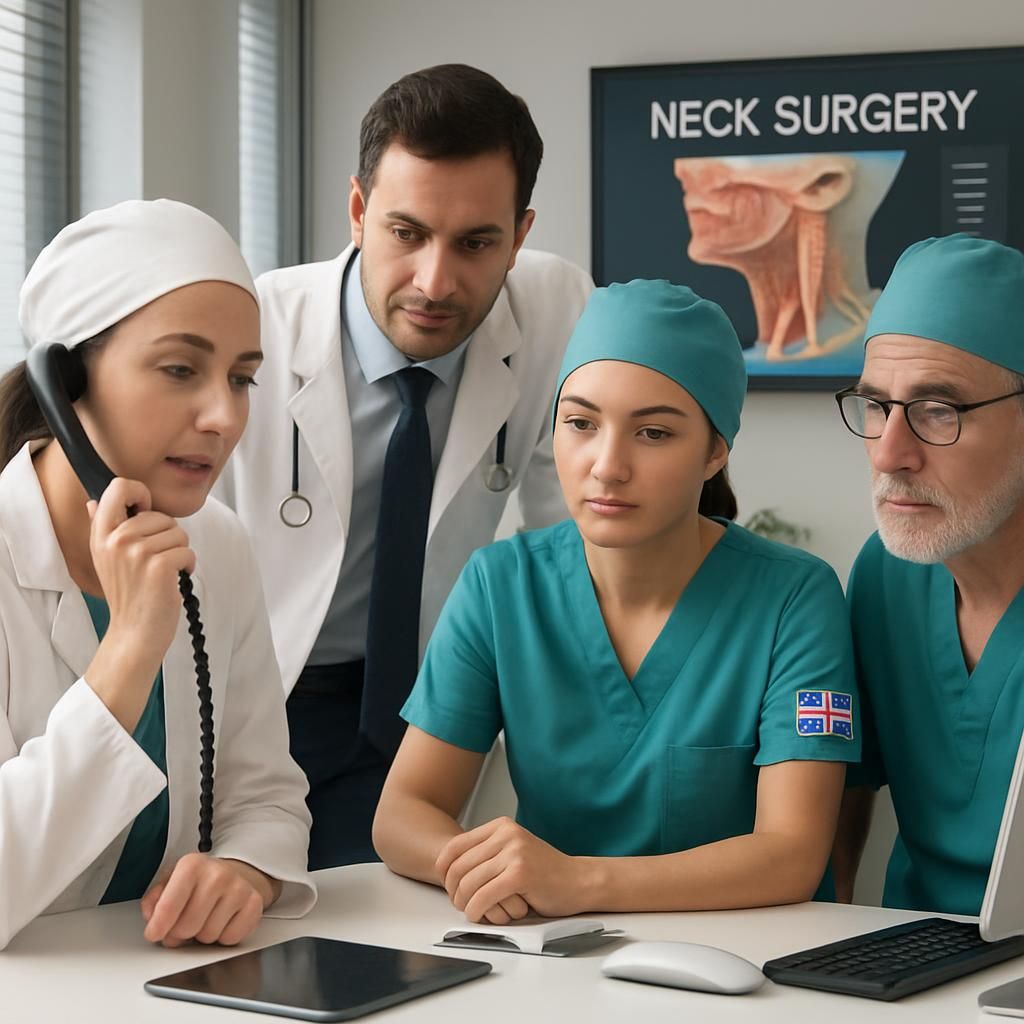
French expertise, combined with scientific rigor and adherence to international standards, ensures patients receive personalized care, covering preoperative preparation, the procedure itself, and postoperative rehabilitation. A transatlantic network facilitates teleconsultations, enabling careful coordination of care and personalized support throughout the entire process. This structure results in significantly reduced waiting times and comprehensive care, encompassing medical, administrative, and logistical aspects.
Thus, the collaboration between experts from Quebec and France, orchestrated by platforms such as SOS Medical Tourism, It offers a safe and innovative environment. Patients benefit from privileged access to advanced techniques, while being guided at each step, encouraging an informed approach tailored to their specific needs.
The biomechanical and functional benefits of implants and innovative techniques in neck surgery
Dynamic implant solutions and modern surgical techniques offer significant benefits beyond simply stabilizing the cervical spine. Their design aims to preserve spinal mobility, a crucial element for patients' quality of life. By promoting natural movement and reducing trauma around nerve structures, these procedures allow for faster functional recovery and a decrease in postoperative pain.
The advantages translate into a reduced risk of long-term complications, such as secondary osteoarthritis or vertebral imbalances, frequently observed after rigid fusions. TOPS and IntraSPINE implants thus allow for more biomechanically sound procedures. Furthermore, the current trend is also toward conserving surgical resources, with shorter hospital stays and optimized rehabilitation.
Here is a summary of the benefits provided by these innovative solutions:
- Preservation of cervical mobility, essential for daily and professional activities.
- Pain reduction thanks to targeted decompression and less tissue manipulation.
- Reduced risk of complications, including adjacent segmental osteoarthritis.
- Faster recovery with a quicker return to normal activities.
- Cost optimization through less invasive interventions and better coordinated follow-up.
- Personalized support ensuring follow-up tailored to the specific needs of each patient.
| Surgical technique | Main Benefits | Specific risks | Average length of hospital stay |
|---|---|---|---|
| Thyroidectomy with cervicotomy | Targeted treatment, precise access | Recurrent laryngeal nerve paralysis, infection | 2-3 days |
| Endoscopic cervical surgery | Less invasive, better healing | Lower risk of bleeding, nerve damage | 1-2 days |
| Dynamic implant TOPS | Preserved mobility, reduced pain | Technical implantation, surgical duration | 3-4 days |
| IntraSPINE Implant | Targeted decompression, flexible stabilization | Anatomical adaptation, risk of displacement | 2-3 days |
The robustness of this data is based on rigorous clinical studies and experience accumulated by specialist surgeons working in a network across both continents. This integrated approach promotes safety and optimal quality of procedures.
Comparison of techniques in neck surgery
| Criteria / Techniques |
|---|
What are the main techniques used in neck surgery?
The main techniques include thyroidectomy, cervicotomy, endoscopic surgery with limited tissue cutting, and the use of dynamic implants such as TOPS and IntraSPINE to preserve cervical mobility.
What are the advantages of dynamic implants like TOPS?
These implants allow the natural mobility of the cervical spine to be maintained, reduce post-operative pain and limit complications related to rigid fusions, thus offering a better quality of life.
Why is it important to preserve the recurrent laryngeal nerve during surgery?
The recurrent laryngeal nerve controls the mobility of the vocal cords. Preserving it prevents paralysis and voice or breathing disorders, which is vital for the patient's comfort and safety.
How is the transatlantic journey organized for patients?
The process is structured around an initial assessment in collaboration with specialized centers, personalized support before, during and after surgery, and intensive follow-up thanks to coordination between Quebec and French teams.
When to consider neck surgery after conservative treatment?
Surgery is recommended after a period of 3 to 6 months of conservative treatments including neurovertebral decompression, to ensure that less invasive interventions have been optimized.