Dynamic stabilization: principles
02/08/26
Cervical disc replacement: clinics
02/10/26
Motion surgery, or dynamic spinal stabilization surgery, represents a major advancement in the treatment of spinal pathologies, aiming to preserve the natural mobility of the spine while relieving pain and correcting instability. However, like any highly technical surgical procedure, it involves... surgical risks and complications potential opportunities that must be seized to prepare a safe and effective care pathway. In France, spinal implant experts such as Louis Blanchard collaborate closely with reference centers, integrating the latest innovations, including dynamic implants like the system TOPS and IntraSPINE, which are designed to minimize these complications while maximizing post-operative freedom of movement.
Approaching Motion surgery also requires understanding that this alternative to traditional fusion procedures is only possible after rigorous conservative treatment, which can last from 3 to 6 months, including advanced neurovertebral decompression performed in particular at the TAGMED CLINIC. Quebec patients seeking this surgical expertise in France can rely on transatlantic coordination that combines compassion, innovation, and scientific rigor. This collaboration ensures personalized follow-up at every stage, from initial assessment to recovery.
The various possible complications in Motion surgery: a complete guide to surgical risks
Surgery Motion, Although innovative, this procedure is not without complications. Understanding these risks is essential for a smooth surgical process. The most frequently encountered complications include:
- Postoperative infection : a major concern in spinal surgery, which may require prolonged antibiotic treatment or even reoperation.
- Hemorrhage Even when controlled, it can occur during the operation or post-operatively, requiring close monitoring.
- Postoperative pain : variable depending on the nature of the intervention and the individual reaction of the patient, it can be acute or chronic.
- Inflammatory reaction : a normal response from the body but sometimes excessive, which can complicate healing and recovery.
- Nerve damage Although rare, they constitute a serious complication, which can lead to motor or sensory disorders.
Dynamic implants, such as the system TOPS or IntraSPINE, These techniques, developed by experts like Louis Blanchard, were designed to significantly reduce these complications compared to traditional fusion techniques. This is due to their ability to maintain a degree of flexibility and avoid excessive rigidity of the spine. However, even these technologies require perfect mastery of the surgical technique and rigorous patient selection.
For example, a postoperative infection can occur if aseptic protocols are not strictly followed, or if the patient has a weakened immune system. Hemorrhage remains a concern, especially when manipulating the soft tissues around nerves and vertebrae. Postoperative pain, often misunderstood, may not always reflect a mechanical problem but may result from a local inflammatory reaction or increased sensitivity of scar tissue.
A better understanding of complications related to spinal fusion It also provides a comparative perspective: Motion surgery tends to limit the long-term side effects common in conventional procedures, but no risk is zero. This is why appropriate postoperative monitoring, such as that offered with the dedicated monitoring of the TOPS system (see the TOPS tracking), remains essential to optimize recovery and detect any difficulties early.
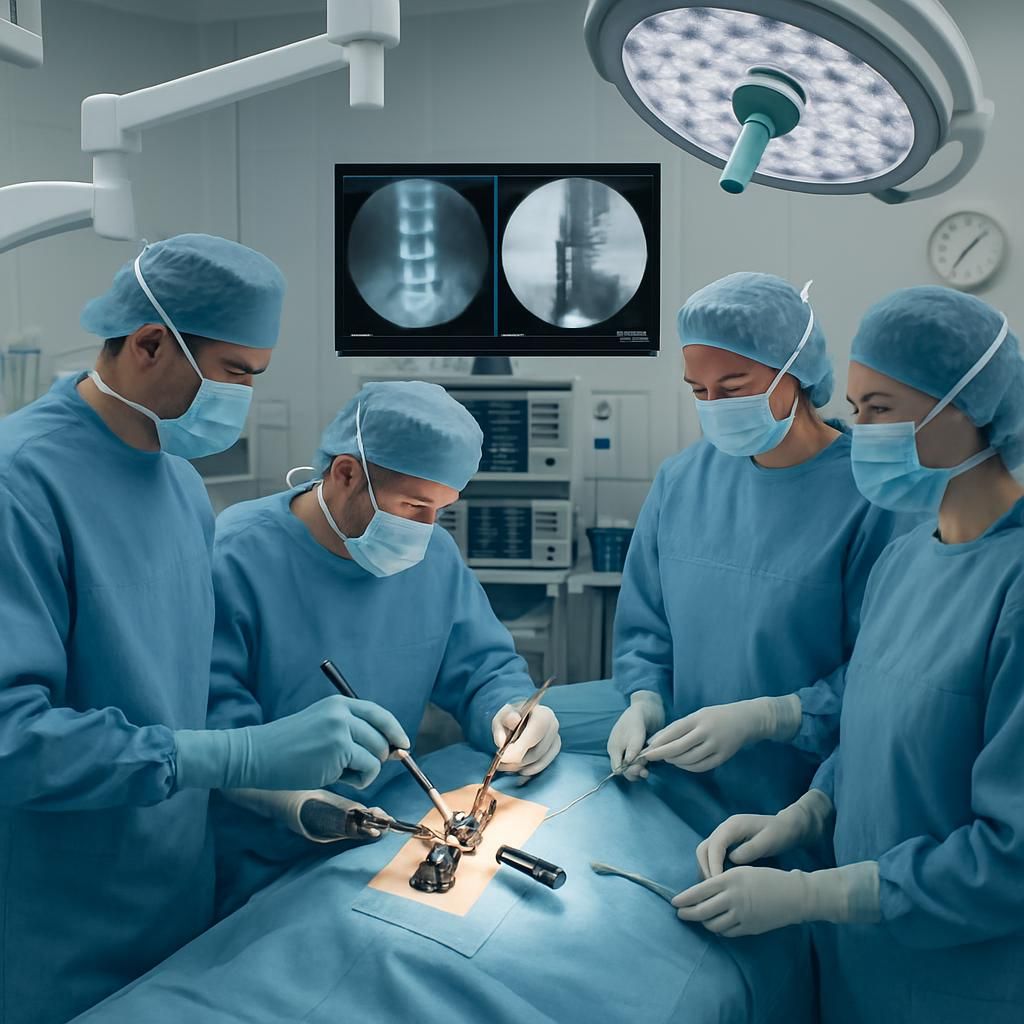
The biomechanics of dynamic implants: how they influence post-surgical complications
Motion surgery offers a revolutionary approach through dynamic implants designed to provide stability while respecting spinal mobility. These implants, in particular the TOPS system or the implant IntraSPINE, act as joint shock absorbers, limiting stiffness and therefore the incidence of complications related to prolonged immobilization.
The key point lies in the biomechanical benefit of these devices: they absorb some of the mechanical stresses, thus preserving the integrity of the discs and adjacent joints. This characteristic significantly reduces the phenomenon of adjacent osteoarthritis, often observed after a merger classic, and reduces postoperative pain related to overloading another area.
For example, a patient presenting with herniated disc Lumbar spine patients with moderate instability treated with IntraSPINE will regain functional mobility more quickly, preventing stiffness and chronic pain. Dynamic systems also allow for adjustments to the distribution of spinal forces, minimizing the risk of premature wear of the implants and surrounding bone structure.
It should be noted, however, that biomechanical success depends closely on patient selection and surgical precision. Poorly tailored surgery or a implant Incorrect positioning can lead to complications such as persistent pain, residual instability, or localized inflammatory reactions.
A thorough understanding of these mechanisms is one of the reasons why Louis Blanchard works in partnership with centers such as the TAGMED CLINIC, a specialist in dynamic implants. This partnership guarantees comprehensive and secure care, with recognized expertise in France and personalized support for Quebec patients.
Transatlantic coordination and patient pathway: ensuring safety and quality in surgery. Motion
The journey of a Quebec patient considering surgery in France using dynamic implants requires rigorous organization and tailored support. Louis Blanchard plays a central role in this transatlantic coordination, facilitating communication between French and Quebec medical teams, as well as with specialized platforms such as SOS Medical Tourism.
This process begins with a comprehensive remote assessment, allowing for the identification of the best surgical options based on the clinical and radiological data provided. Care is then coordinated with renowned French clinics where innovative treatments, such as the TOPS or IntraSPINE systems, are offered with rigorous standards and safety protocols.
Before any intervention, a conservative approach is preferred, including sessions of Spinal decompression therapy at the TAGMED Clinic, in order to reduce potential complications and try to avoid surgery if possible. This process is part of a policy aimed at limiting unnecessary interventions and ensuring a personalized medical pathway.
Beyond the surgery itself, postoperative care is an integral part of this process. Louis Blanchard and his team provide human and technical support to monitor recovery and detect any potential problems early. complications such as inflammatory reactions or the nerve damage, and adapt rehabilitation protocols.
Patients thus have access to a comprehensive, internationally standardized service, combining advanced technology and attentive listening, in a secure environment. This transatlantic model is a valuable alternative to the sometimes prohibitive delays and costs encountered in Quebec, offering care in a French hospital setting renowned for its excellence. spinal surgery.
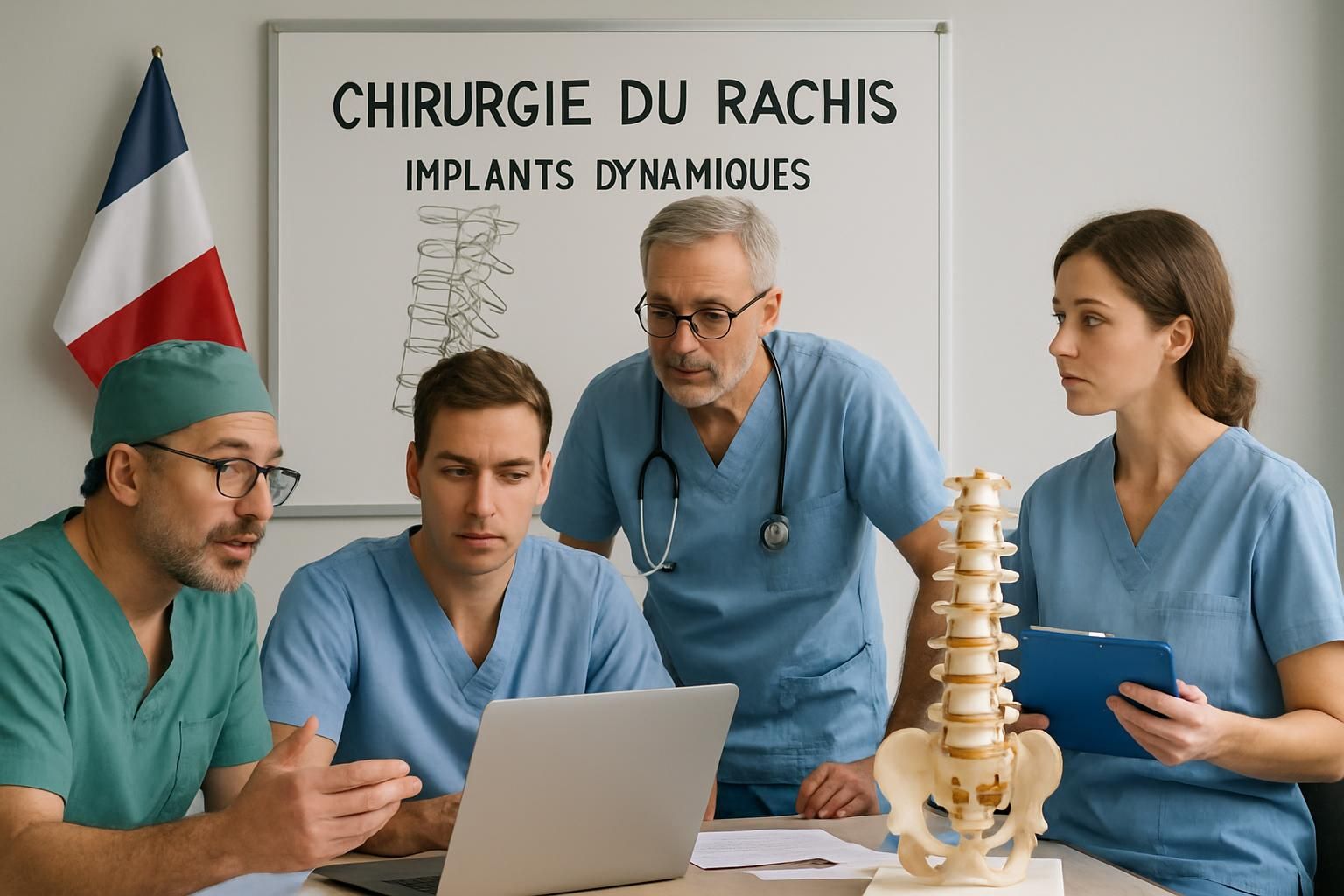
Comparison of complications between fusion surgery and motion surgery: summary table
To better understand the differences between the two main surgical approaches to the spine, it is instructive to compare their complication profiles. This table summarizes the main risks, their frequency, and their impact on patient recovery.
| Type of complication | Fusion surgery | Motion Surgery (Dynamic Implants) |
|---|---|---|
| Postoperative infection | 3-7% of cases, often related to the duration of intervention | 2-5%, reduction thanks to less invasive installation |
| Hemorrhage | More frequent, possible recourse to transfusion | Less frequent, controlled by minimally invasive techniques |
| Postoperative pain | Often persistent, linked to fusion and rigidity | Generally less, mobility preserved |
| Inflammatory reaction | Frequent reactions that can delay healing | Less pronounced, linked to biocompatible materials |
| Nerve damage | Rare but possible, sometimes severe | Very rare with assisted techniques and dynamic implants |
| Functional recovery | Often a long process, with intensive rehabilitation | Faster thanks to the preservation of mobility |
This table highlights the net benefits of dynamic implants, but also underscores the importance of careful monitoring for each patient, especially since the risk profile varies depending on medical history and the surgical technique used. Patients are encouraged to learn about each modality, particularly by consulting specialized resources such as the risks associated with fusion surgery, in order to be able to clearly compare the advantages and limitations of the options offered to him.
Comparison of complications: Fusion Surgery vs. Motion Surgery
| Complications | Frequency of fusion surgery | Frequency Surgery Motion |
|---|
Click on the column headers to sort. Filter by keywords in the bar above.
Support and advice to reduce complications related to Motion surgery
The decrease in complications In surgery, the outcome depends as much on surgical expertise as on the preparation and overall care of the patient. To optimize results, here are some valuable tips:
- Adhere to a strict conservative approach Before any surgery, a non-invasive treatment should be considered for 3 to 6 months, including neurovertebral decompression, available at the TAGMED CLINIC.
- Choose a specialized center and a recognized expert in order to benefit from the latest technologies and perfect mastery of dynamic implants.
- Personalized post-operative follow-up with a multidisciplinary team to monitor for signs of infection, bleeding or abnormal pain.
- To practice appropriate rehabilitation prescribed according to recommendations, promoting optimal functional recovery.
- Maintain regular communication with the healthcare professionals involved in the process, particularly within the framework of transatlantic coordination for Quebec patients.
Louis Blanchard's commitment to patients reflects a constant desire to combine innovation, scientific rigor, and human care. His role is to support, guide, and evaluate each case to ensure that Motion surgery is a suitable, safe, and beneficial solution, while also providing easy access to cutting-edge French expertise.
What are the main risks associated with Motion surgery?
The main risks include postoperative infection, bleeding, postoperative pain, inflammatory reactions, and, in rare cases, nerve damage. The innovation of dynamic implants reduces these risks but does not eliminate them completely.
What is the follow-up process like after Motion surgery with dynamic implants?
Rigorous monitoring is ensured by a multidisciplinary team, including clinical surveillance, radiological control and adaptations to rehabilitation in order to detect and manage any complications quickly.
What is the role of conservative treatments before surgery?
They allow us to assess the body's response to non-invasive methods, often involving spinal decompression, to avoid or delay surgery. They are essential for reducing postoperative complications.
Does Motion surgery preserve spinal mobility?
Yes, this is one of the main advantages of dynamic implants, which provide stabilization while maintaining a range of motion close to normal, thus reducing pain associated with stiffness.
How can I obtain a personalized assessment for this surgery in France?
It is recommended to contact specialist platforms such as SOS Medical Tourism, where an expert will accompany the patient throughout the entire process, from assessment to recovery.