Spinal fusion: risks
02/07/26
Motion Surgery: Complications
02/09/26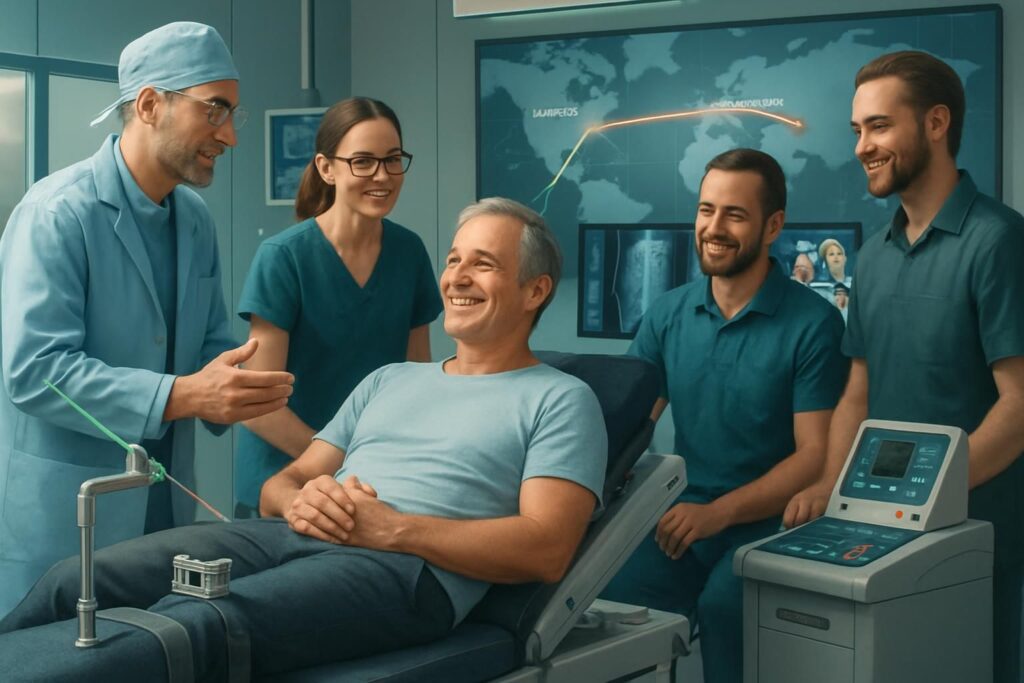
Dynamic spinal stabilization represents a major advancement in the surgical treatment of spinal pathologies. Faced with the limitations of traditional techniques such as spinal fusion, this innovative method aims to preserve the spine's natural mobility while ensuring the stability essential for healing and functional recovery. It aligns with a technological trend where biomechanics, closed-loop control, and inertial sensors play a key role in optimizing the spine's dynamic balance after surgery.
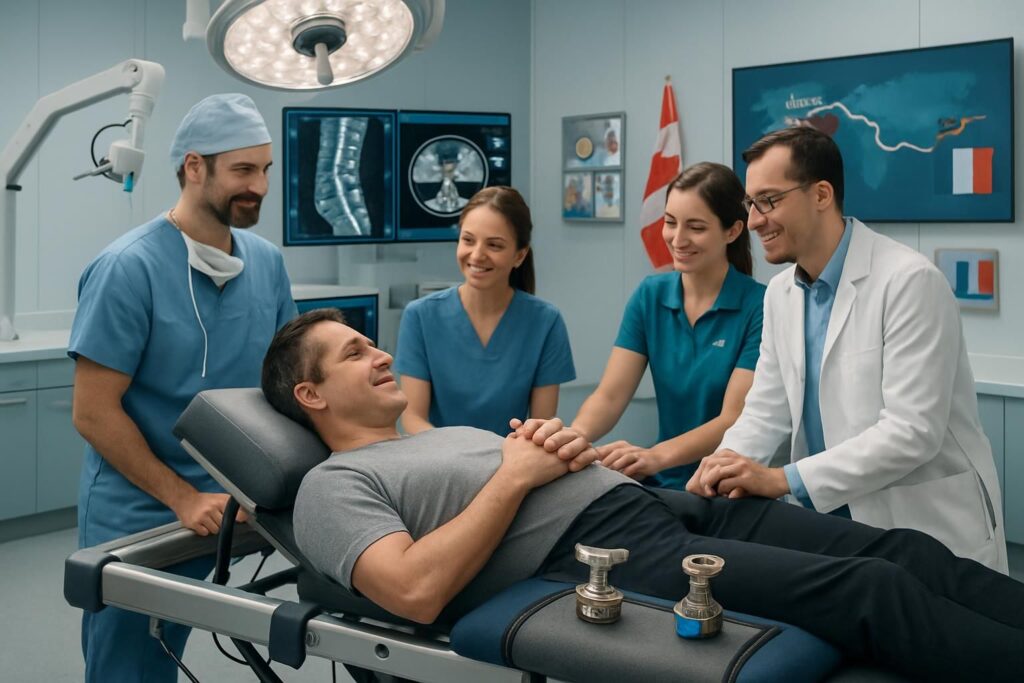
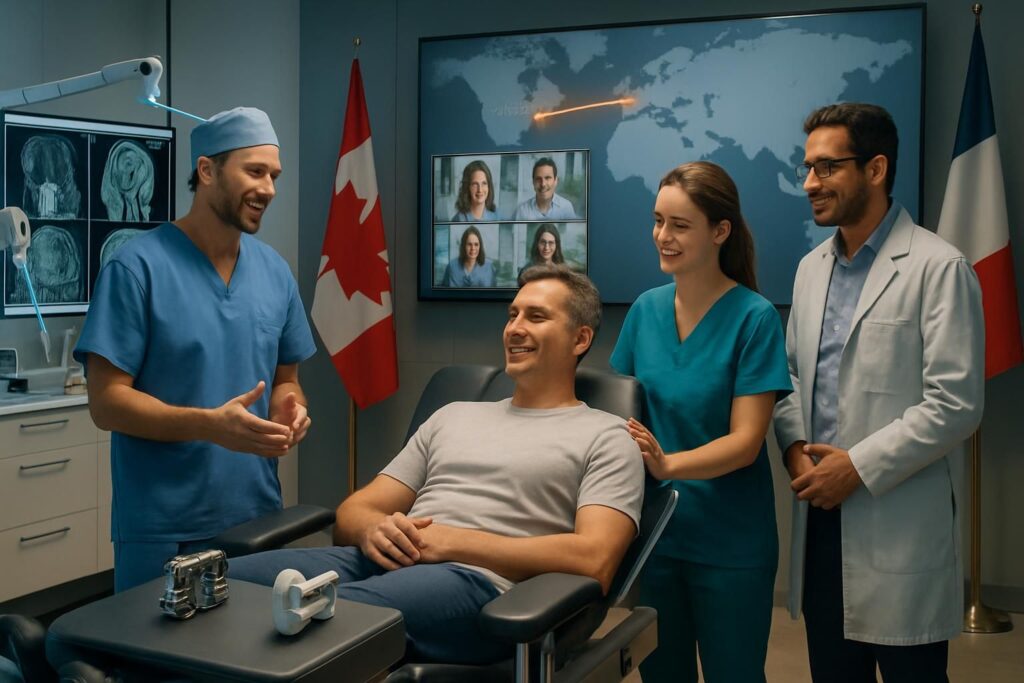
In France, internationally renowned experts are collaborating on the development and implementation of these dynamic implants, including the system TOPS and IntraSPINE, already adopted in several specialized centers. The transatlantic pooling of expertise and coordination with Quebec partners guarantee a seamless patient journey, combining innovation, scientific rigor, and optimal safety. This context makes the back surgery more than a medical act — a true humanistic commitment towards restored quality of life.
Fundamental principles of dynamic spinal stabilization
The dynamic stabilization rests on the principle of maintaining a certain controlled mobility at the level of the implanted segments, unlike arthrodesis which permanently fixes the vertebrae. This approach promotes the absorption of mechanical stresses and thus protects adjacent segments from the accelerated degeneration that can occur after conventional fusion.
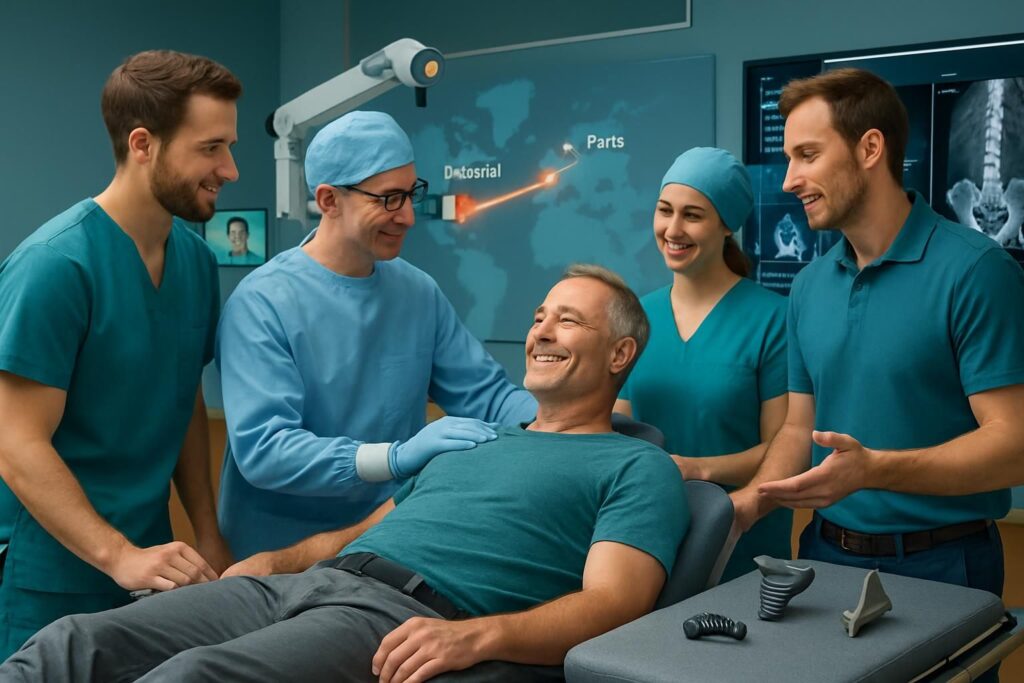
Dynamic implants such as the system TOPS or IntraSPINE incorporate advanced embedded technologies They use inertial sensors and gyroscopic systems to ensure a automatic control precise, guaranteeing a quick reaction to movements. This mechanism allows rigidity and flexibility to be adjusted according to forces and positions, thus obtaining a true dynamic equilibrium which preserves spinal function.
The key factor lies in closed-loop control, where the implant's response adjusts in real time based on data collected by sensors. This capability reduces wear and tear and optimizes postoperative comfort and mobility. Thus, dynamic stabilization provides a compromise between freedom of movement and mechanical safety, defining a new era in the spinal surgery.
To better understand these principles, it is relevant to consider the three major functions performed by these implants:
- Improved segmental stability to protect the operated area from harmful micromovements.
- Natural preservation of biomechanics and spinal mobility, particularly in flexion-extension.
- Stress reduction on neighboring segments, thus limiting the risk of adjacent osteoarthritis.
Clinical results, particularly in France, confirm a significant reduction in lower back pain and accelerated functional recovery for patients receiving dynamic implants, as detailed on the website of the TAGMED CLINIC.
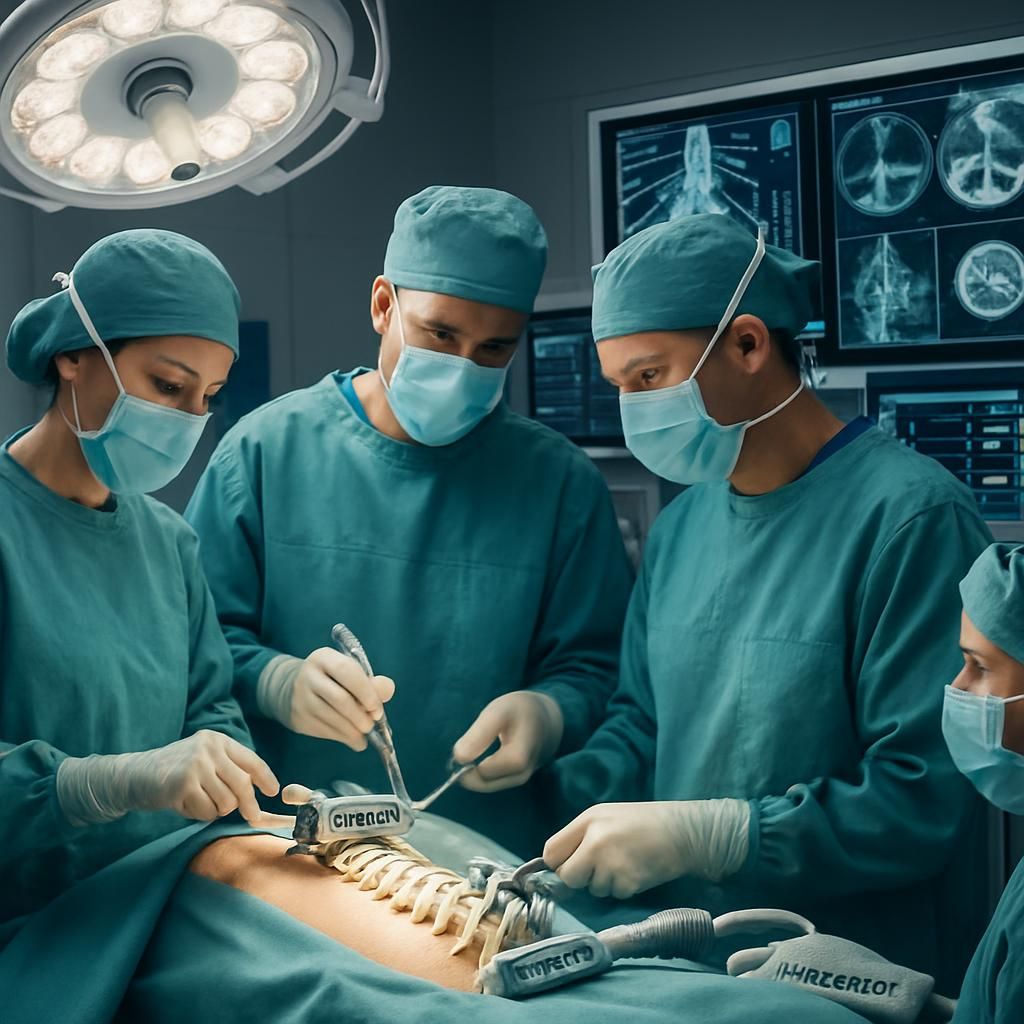
Comparison between dynamic stabilization and traditional surgical techniques
For decades, back surgeries relied on methods such as spinal fusion or simple decompression. While these procedures often resolved neurological pain, they also presented major drawbacks: loss of mobility and risks of degeneration in adjacent segments. Dynamic implants are revolutionizing this paradigm.
Dynamic stabilization offers a a more flexible range of surgical options, in particular thanks to systems like TOPS and IntraSPINE. These implants facilitate complex movement control, capable of absorbing a significant portion of mechanical stresses without total immobilization of the vertebral segments. This translates into a better long-term quality of life, combined with a reduction in postoperative side effects.
A table summarizes the fundamental differences between these two approaches:
| Criteria | Arthrodesis classic | Dynamic stabilization |
|---|---|---|
| Vertebral segment mobility | Absent (complete merger) | Preserved and controlled |
| Risk of degeneration of adjacent segments | Pupil | Significantly reduced |
| Average recovery time | Longer | Reduced |
| Postoperative functional comfort | Limit | Improved |
Comparative studies, as mentioned on the website TAGMED CLINIC, corroborate these major benefits obtained through a more advanced implantable technology, managed by automatic control and inertial sensors, specific to dynamic stabilization.
Finally, the choice between these techniques depends strictly on the clinical context, the pathology, and the patient's prior medical history. Dynamic stabilization is considered only after a thorough evaluation and generally when conservative treatments have failed, in partnership with specialized centers such as the TAGMED CLINIC.
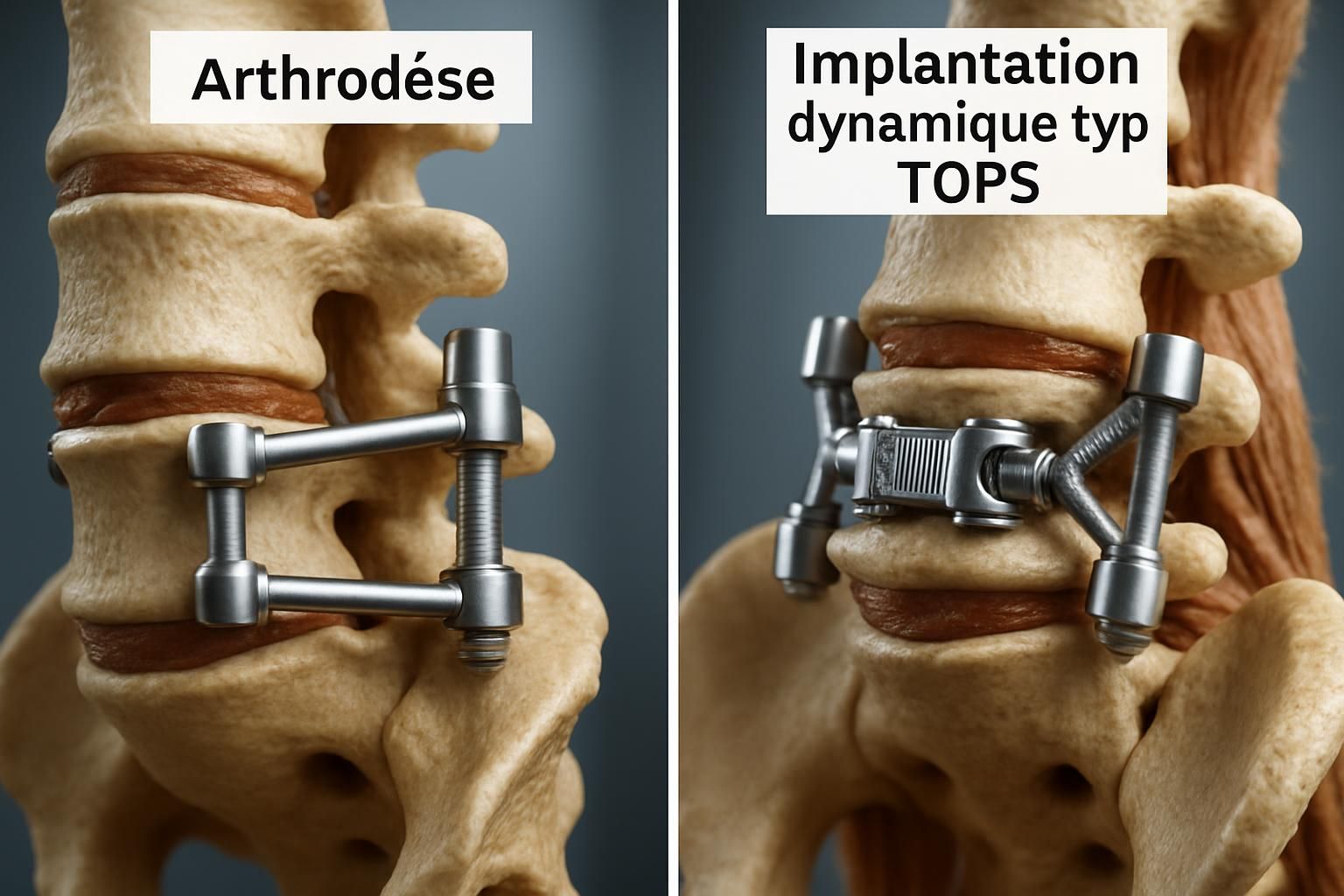
Embedded technology and biomechanics of dynamic stabilization implants
At the heart of dynamic stabilization lies sophisticated engineering, based on embedded technology integrating high-precision inertial sensors and gyroscopic systems. These components enable the implementation of a closed-loop control system.
In practical terms, this means that the implant can detect in real time the movements and forces applied to the operated vertebral segment, and adapt its range of motion accordingly to offer a quick reaction and adequate. This functionality is essential for a effective damping shocks and the prevention of microtrauma different from those encountered in a rigid spine.
Closed-loop control also contributes to personalizing the implant's operation according to the patient's activity and postoperative progress. It is comparable to the mechanisms of modern automotive systems or certain cutting-edge medical devices, thus demonstrating the technological rigor applied to spinal surgery.
This biomechanical mastery offers concrete advantages:
- Better integration with the natural behavior of the spine, avoiding harmful changes in spinal dynamics.
- Reduction of postoperative pain by limiting excessive tension on surrounding tissues.
- Optimizing rehabilitation thanks to a suitable and scalable support system.
The complexity of the system requires demanding surgical mastery, which the recognized expertise of specialized French surgeons guarantees, in perfect alignment with patient safety and compliance with international standards.
Transatlantic patient journey: from assessment to post-operative support
For Quebec patients considering dynamic stabilization in France, the care pathway is designed to ensure a safe, smooth, and transparent transfer. This process begins with a rigorous and personalized assessment, often conducted in collaboration with specialized platforms such as SOS Medical Tourism, which facilitate exchanges between French and Quebec teams.
Before any surgery, a conservative approach of at least 3 to 6 months is implemented, often at the TAGMED CLINIC, which offers advanced treatments including neurovertebral decompression. This step aims to ensure that dynamic stabilization is considered as a last resort, in accordance with international best practices.
At the time of surgery, the implantation of systems such as TOPS or IntraSPINE relies on French surgical expertise, recognized worldwide for its rigor and results. The patient then benefits from comprehensive medical support, including the coordination of pre- and post-operative care with rehabilitation specialists, ensuring an optimal transition back to an active life.
Individualized follow-up, supported by telemedicine technologies and Franco-Quebec collaboration, is essential to monitor the proper functioning of the implant, prevent complications and adapt rehabilitation protocols.
This transatlantic organization, integrating cutting-edge human and technical support, offers gains in terms of both time and cost for patients often faced with the lengthy processes of the Quebec private system, while guaranteeing a high level of requirements in terms of safety and innovation.

Added value of dynamic stabilization: functional, economic and human benefits
The dynamic surgical solutions offered in France are distinguished by their dual strength: technological innovation and a strong human commitment to patient support. These implants do more than simply stabilize the spine; they actively contribute to preserving patients' quality of life and natural mobility.
From a biomechanical perspective, dynamic stabilization limits the need for a conservative approach and improves functional comfort by reducing the impact on adjacent joints. recent clinical literature also attests to a reduction in chronic pain and a faster return to daily activities.
From an economic standpoint, these innovations in spinal surgery significantly reduce the costs associated with complications, reoperations, or prolonged disability. Furthermore, the transatlantic organization makes these technologies more accessible, while ensuring personalized and reassuring follow-up care for each patient.
Finally, the comprehensive approach emphasized also incorporates clear and tailored teaching methods. Patients are simply informed of the options, biomechanical principles, and expectations at each stage, promoting an informed and confident decision.
French specialists, in close collaboration with Quebec teams, provide each patient with tailored support throughout all phases from evaluation to recovery, for a reassuring and humane surgical experience.
Key benefits of dynamic stabilization
This interactive infographic presents the main benefits observed through dynamic stabilization in spinal surgery.
- Dynamic preservation of the operated spinal segment.
- Significant reduction secondary arthritic phenomena.
- Comfort improvement and global mobility.
- Personalized learning path support services in Quebec and France.
- Advanced technology ensuring safety and performance.
What is dynamic spinal stabilization?
This is an innovative surgical technique that aims to stabilize a vertebral segment while preserving its natural mobility through implants equipped with sensors and advanced control systems.
What are the advantages of dynamic implants compared to arthrodesis?
Dynamic implants allow for the preservation of some spinal mobility, reduce the risk of degeneration of neighboring segments, accelerate recovery and improve postoperative comfort.
What is the healthcare journey like for a patient in Quebec?
The process includes a thorough evaluation, a conservative phase of at least 3 to 6 months at the TAGMED Clinic, an intervention in France with personalized transatlantic follow-up, and relies on close coordination between medical teams in both countries.
What are the biomechanical principles underlying dynamic stabilization?
Dynamic stabilization uses closed-loop control with inertial sensors and gyroscopic systems to adapt the rigidity of the implant in real time, thus ensuring dynamic balance and effective damping of movements.
Who is this surgical technique intended for?
Dynamic stabilization is recommended for patients suffering from spinal pathologies specific, after failure of conservative treatments, and requires recognized surgical expertise to be implemented in specialized centers.
To learn more or for a personalized assessment, visit SOS Medical Tourism.



 Français du Canada
  English (Canada)