TOPS™: Clinical Results
02/06/26
Lumbar arthrodesis: alternatives
02/06/26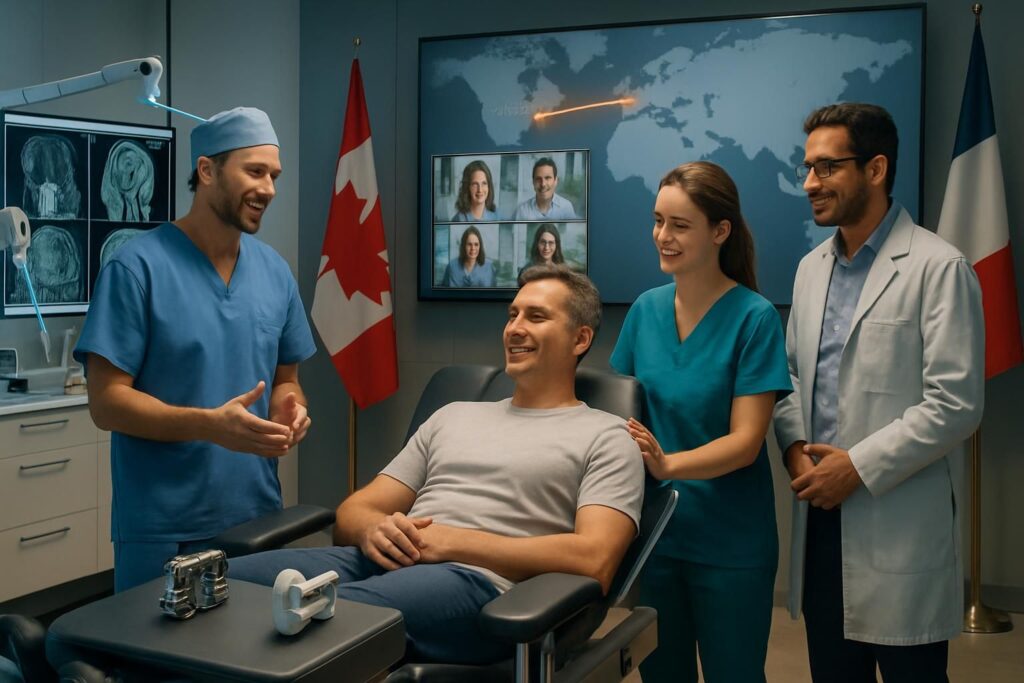
In the field of spinal surgery, the quest for innovations that enable rapid recovery and lasting pain relief is constant. The IntraSPINE dynamic implant, recognized for its innovative design, represents a significant advancement in the orthopedic treatment of lumbar pathologies. Its ability to preserve improved spinal mobility while promoting accelerated rehabilitation offers patients a new perspective on back surgery. This medical device, the result of cutting-edge European scientific rigor, integrates perfectly into an approach that combines safety and innovation to benefit from personalized support, particularly for Quebec patients who benefit from transatlantic coordination between France and Canada.
This comprehensive care pathway, supported by recognized expertise in dynamic implants such as the system TOPS IntraSPINE is based on a progressive approach that includes conservative treatments, careful evaluation, and rigorous post-operative monitoring. It also relies on specialized facilities such as the TAGMED Clinic in France, which offers a Spinal decompression therapy Minimally invasive as an alternative to, or preparation for, surgery. This integrated method optimizes results while ensuring a rapid return to daily activities, in an environment that adheres to international standards and best practices.
Biomechanical advances of the IntraSPINE implant for rapid recovery
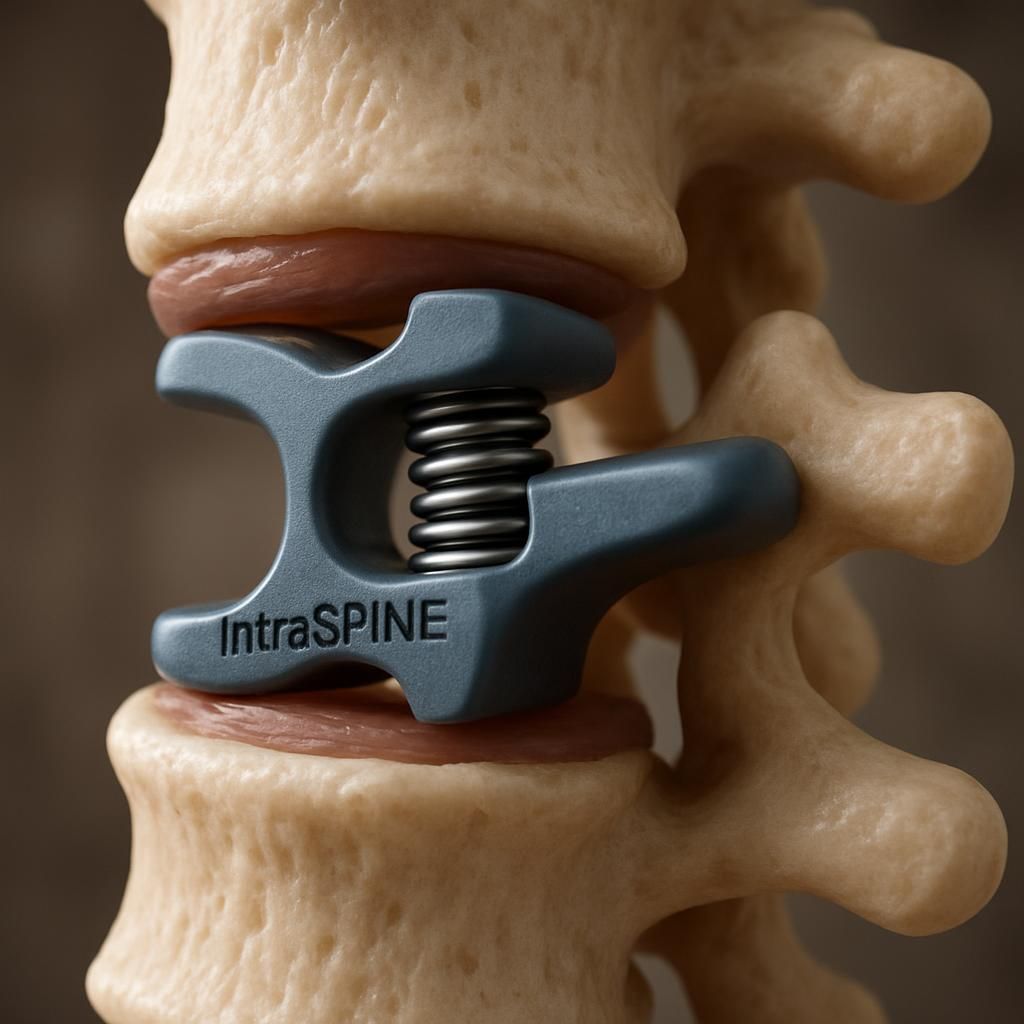
The IntraSPINE implant differs fundamentally from more conventional techniques of merger This device, with its dynamic nature and respect for lumbar physiology, is designed for the spine. Placed between the spinous processes, it acts as a biomechanical "cushion," supporting the spine without hindering natural mobility. This characteristic is essential to avoid complications related to segmental rigidity, such as adjacent segment degeneration, which often limits the results of traditional surgeries.
The biomechanical benefits of IntraSPINE translate directly into faster recovery. By maintaining spinal flexibility, the patient retains better functional posture, which facilitates rehabilitation through targeted spinal therapy. Improved mobility also reduces the risk of muscle atrophy and promotes better oxygenation of surrounding tissues, key factors in the natural healing and repair process.
Clinical studies conducted in renowned centers show that the use of this implant Dynamic surgery allows for significant pain relief from the first postoperative weeks, compared to traditional techniques. In parallel, orthopedic treatment does not end with implant placement: a rigorous rehabilitation protocol is systematically implemented. put in place to effectively maximize functional recovery.
Furthermore, compared to the TOPS system, which is often indicated for complex cases and more advanced stages of disease, IntraSPINE offers a less invasive surgical solution with a reduced functional impact. This is ideal for patients seeking an alternative to fusion while hoping for a rapid return to a normal, active life. This range of innovative surgical options is now available in specialized centers in France, where medical expertise is combined with advanced implant technologies.
Back surgery in France: innovative techniques and transatlantic coordination
Quebec patients are increasingly considering the back surgery in France as an alternative to the slowness and high cost of local private procedures. Thanks to close collaboration with leading French centers, the patient journey incorporates innovative protocols combining minimally invasive surgery and dynamic implants, particularly the system IntraSPINE and TOPS.
This transatlantic coordination is facilitated by specialized platforms such as SOS Medical Tourism, which provide not only the logistical support but also personalized assistance. From the initial assessment, often carried out remotely via teleconsultation, surgical experts evaluate the relevance of the interventions and guide each patient according to their specific needs, based on rigorous clinical analysis and precise imaging.
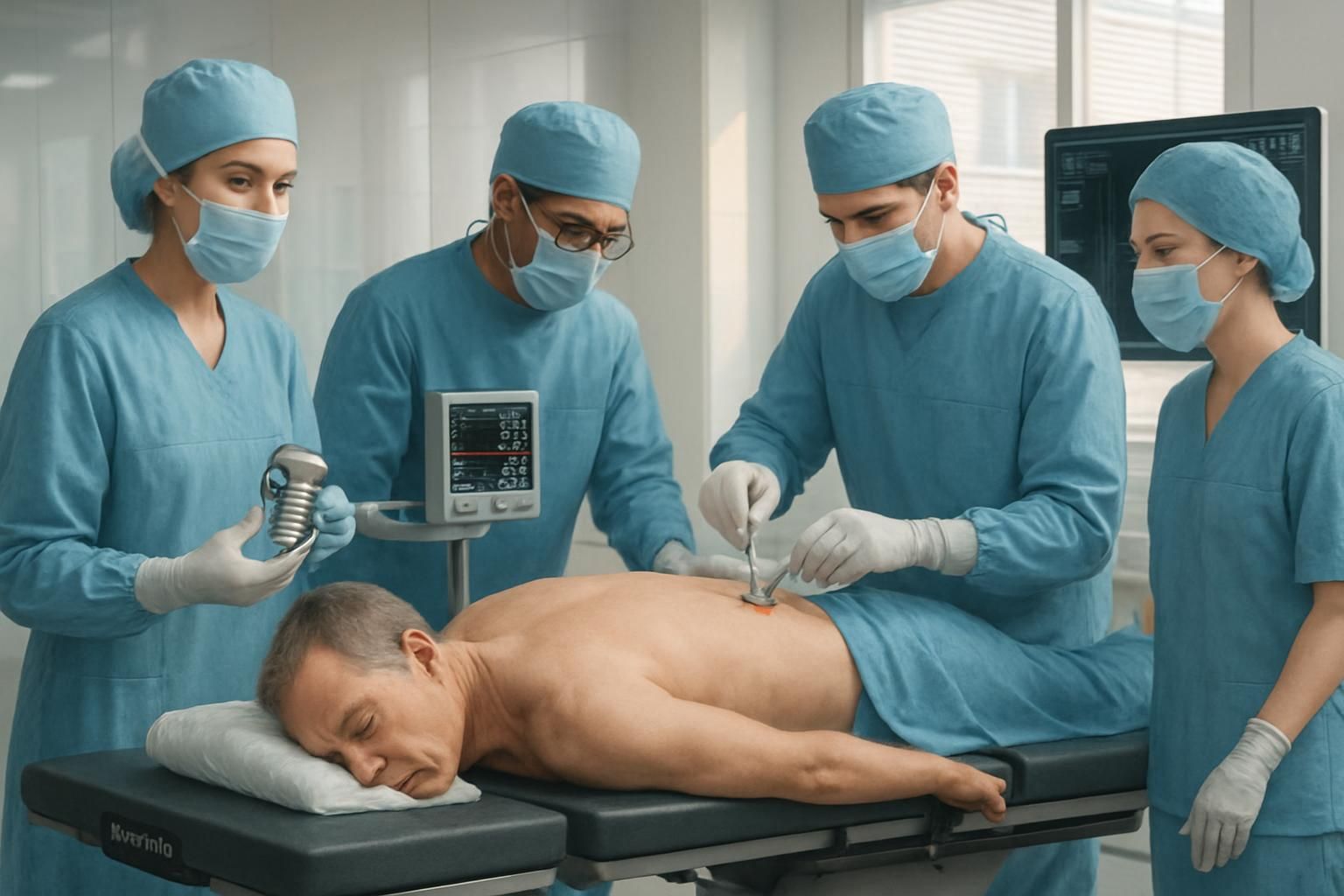
The process continues with care provided in state-of-the-art facilities that combine cutting-edge laser technology, surgical navigation tools, and dynamic medical devices. This structure ensures strict adherence to international safety standards. Patients thus benefit from an environment conducive to therapeutic success, with tailored post-operative monitoring and intensive rehabilitation.
In addition to surgery, the emphasis placed on conservative care is remarkable. In partnership with the TAGMED Clinic, renowned for its advanced neurovertebral decompression techniques, it is recommended to try non-invasive treatments for a period of 3 to 6 months before any surgical procedure. These preventative options, based on solid evidence, often offer lasting relief, limiting risks and complications.
This Franco-Quebec model of care perfectly illustrates how innovation and humanization of care combine to offer the best experience to the patient, combining surgical efficiency and constant reassurance.
Understanding the concrete benefits of dynamic implants for mobility and pain
It is essential that the patient can easily understand how dynamic implants like IntraSPINE work. Unlike traditional fusion methods, these implants maintain stability while allowing controlled movement of the spinal segment. This biomechanical approach results in better force distribution and a natural analgesic effect, crucial for lasting pain relief.
For example, in a patient suffering from chronic lower back pain due to moderate disc degeneration, the placement of a dynamic implant will reduce pressure on the nerve roots and limit the worsening of spinal structures, thus preventing total rigidity. This allows, within the framework of a orthopedic treatment Overall, a rapid resumption of daily activities without major risk of complications.
Furthermore, preserving mobility improves local muscle dynamics, thus preventing the atrophy that is common after conventional surgery. This dynamic promotes effective rehabilitation, where spinal therapy plays a crucial role in progressive strengthening and optimal functional recovery.
In summary, the IntraSPINE implant combines the mechanical aspect essential for stabilization with a flexibility that respects the natural physiology of the spine.
These biomechanical benefits also come with an economic advantage. By reducing complications and improving recovery, this type of implant helps to decrease downtime and shorten the total rehabilitation time, which is often crucial for Quebec patients constrained by their professional or personal schedules.
The patient journey in spinal surgery with IntraSPINE: a tailored support system
Choosing a dynamic implant like IntraSPINE requires careful consideration. The process begins with a thorough consultation, often facilitated by a teleconsultation with French experts, who assess the need for surgery after a mandatory period of conservative treatments. This step is crucial for ensuring the medical decision is sound and reassuring the patient.
Before the operation, the patient undergoes a comprehensive assessment that includes advanced imaging and multidisciplinary consultations. The partner French surgeons, experts in minimally invasive techniques, tailor the surgical strategy to each individual case. This personalized approach is crucial for optimizing functional outcomes and minimizing postoperative pain.
The surgery itself takes place in modern operating rooms equipped with the latest technological innovations, contributing to optimal safety. The IntraSPINE implant, due to its minimally invasive design, allows for a smaller incision and limited tissue trauma. This approach significantly reduces pain and accelerates recovery.
In the post-operative period, an individualized rehabilitation protocol supervised by specialized physiotherapists is implemented. Spinal therapy plays a crucial role, helping the patient regain mobility and strengthen muscle structures for lasting stability.
In partnership with the TAGMED Clinic, follow-up care extends over several months, ensuring controlled and dynamic progress. This transatlantic continuum of care illustrates the importance of personalized, human support that goes beyond the surgical procedure itself, establishing a truly comprehensive pathway focused on the patient's quality of life.
Interactive comparison tool for dynamic implants
Discover and compare the key features of dynamic implants, including IntraSPINE and TOPS. This table allows you to see at a glance their advantages, surgical approach, recovery and other essential elements for a better understanding.
| Dynamic implants | Biomechanical advantages | Surgical approach | Recovery | Indications | Potential complications |
|---|
- Improved mobility thanks to the preservation of the vertebral segments.
- Fast recovery facilitated by minimally invasive surgery.
- Pain relief durable from the first few weeks.
- Rehabilitation optimized with a customized protocol.
- Transatlantic tracking for comprehensive human support.
- Orthopedic treatment integrated upstream and downstream.
What are the main indications for the IntraSPINE implant?
The IntraSPINE implant is primarily indicated in cases of moderate to severe disc degeneration, chronic lower back pain related to mechanical instability, or to avoid fusion in functional pathologies.
How does recovery proceed after the IntraSPINE implant is placed?
Recovery is generally rapid, thanks to minimally invasive surgery and the preservation of mobility. A personalized rehabilitation protocol promotes a gradual return to activities, with pain relief from the first few weeks.
What are the advantages of IntraSPINE compared to conventional techniques?
Unlike conventional fusion, the IntraSPINE implant preserves spinal mobility, reduces the risk of degeneration of adjacent segments, and allows for faster functional recovery with fewer complications.
What is the role of conservative treatments before surgery?
Before any surgical intervention, it is recommended to undergo 3 to 6 months of conservative treatments, particularly at the TAGMED Clinic, including neurovertebral decompression to optimize the chances of success and limit the risks.



 Français du Canada
  English (Canada)