Cervical disc replacement: effectiveness and safety
02/06/26
TOPS™: Implementation and Monitoring
02/06/26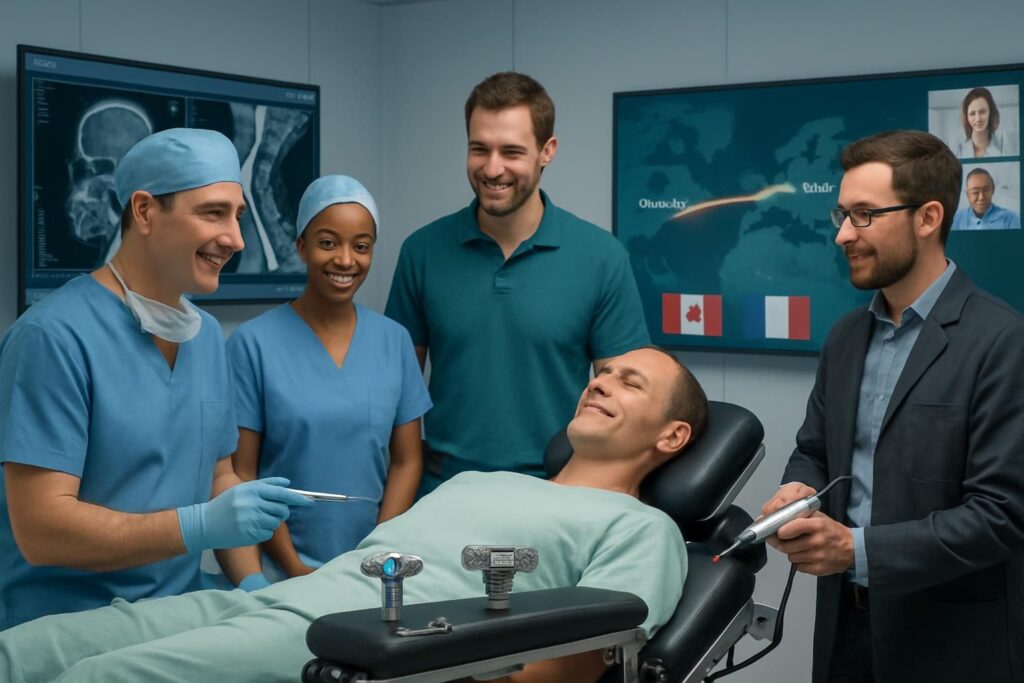
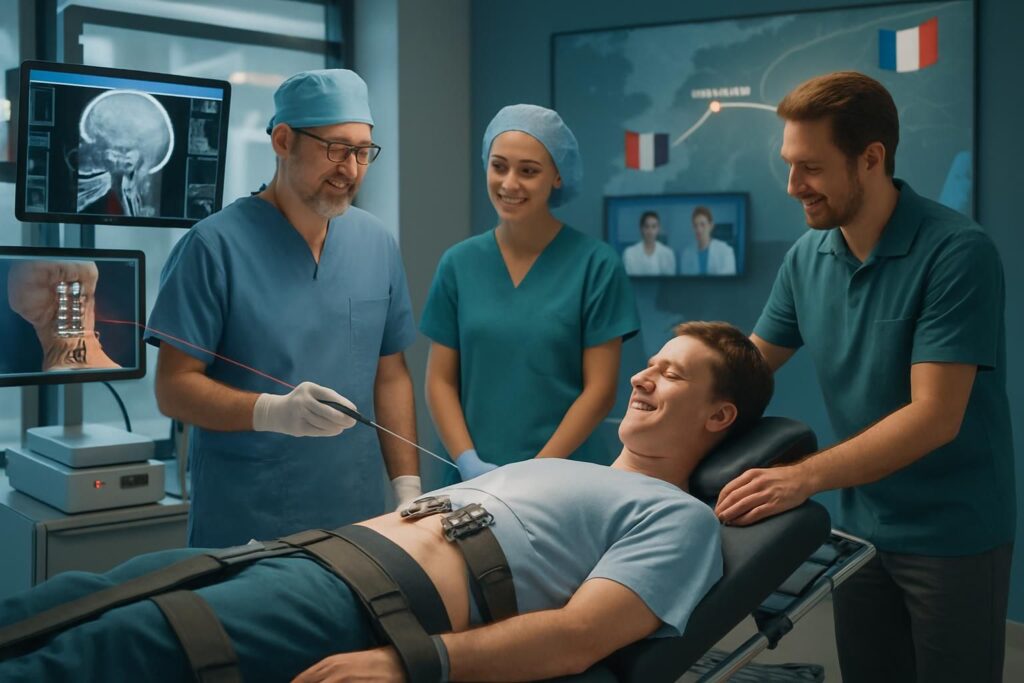
In the complex field of neck surgery, Technological advancements and therapeutic innovations are bringing new life to the management of cervical pathologies. Cervical anatomy, characterized by a high density of cervical nerves and essential mobility, requires precise and tailored surgical techniques. Advanced techniques offered in France, particularly dynamic implant systems such as TOPS and IntraSPINE, provide a modern alternative to traditional surgeries, preserving spinal mobility while ensuring excellent cervical stabilization. For Quebec patients, access to these procedures is often facilitated through a personalized and coordinated pathway, promoting comprehensive care.
These innovations come at a time when the deadlines for a surgery in Quebec can be restrictive. Furthermore, the complexity of the cervical dissection This requires rigorous mastery of implantable technologies and highly specialized expertise. Collaborating with leading centers and specialized clinics such as the TAGMED Clinic in France, our recognized expertise in dynamic implants helps us offer surgical solutions that are effective, safe, and focused on patient comfort. This approach, based on scientific rigor and adhering to international standards, is complemented by clear educational methods to help patients understand the implications and biomechanical benefits of each option offered.
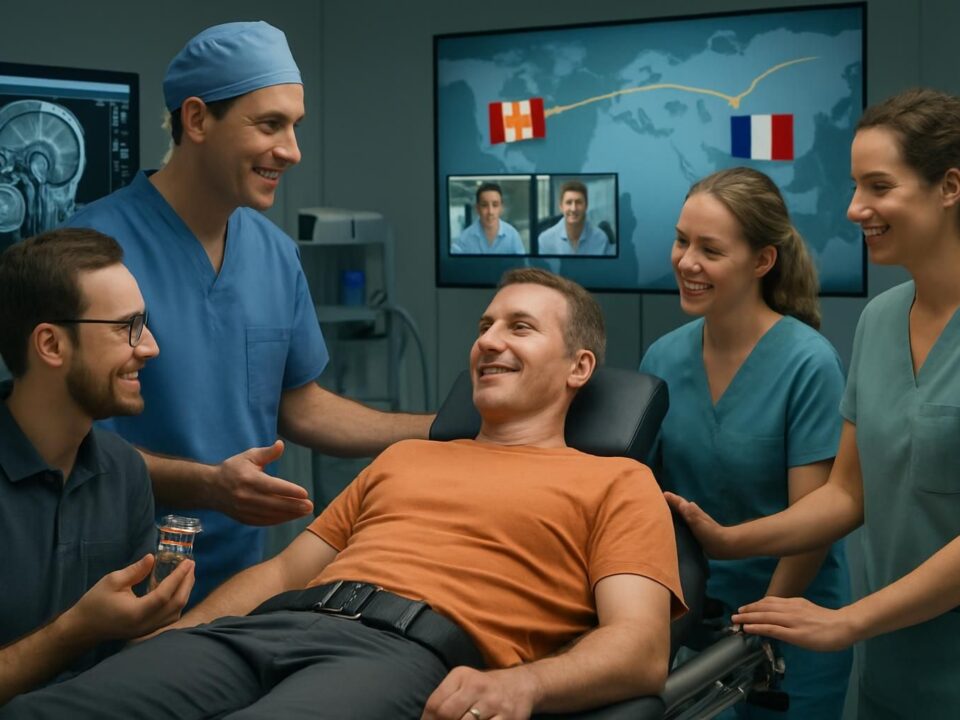
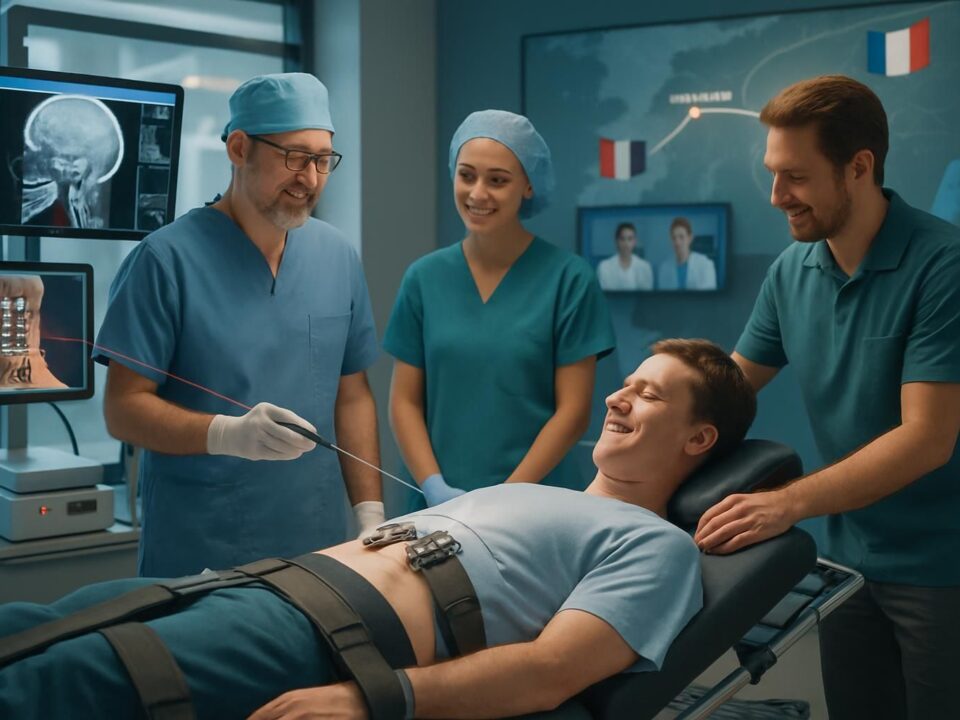
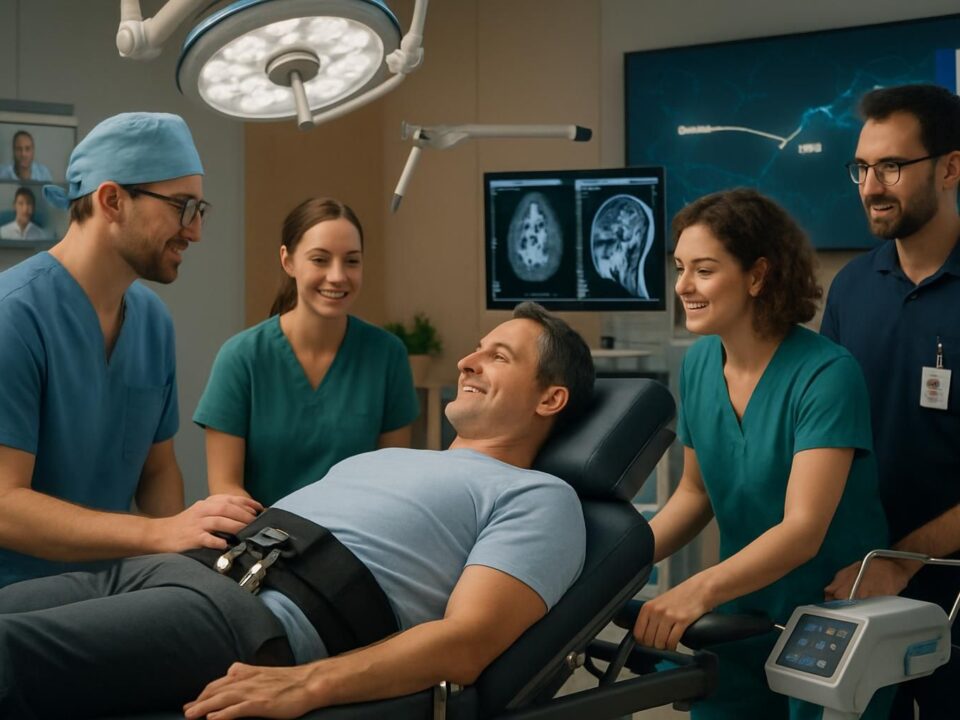
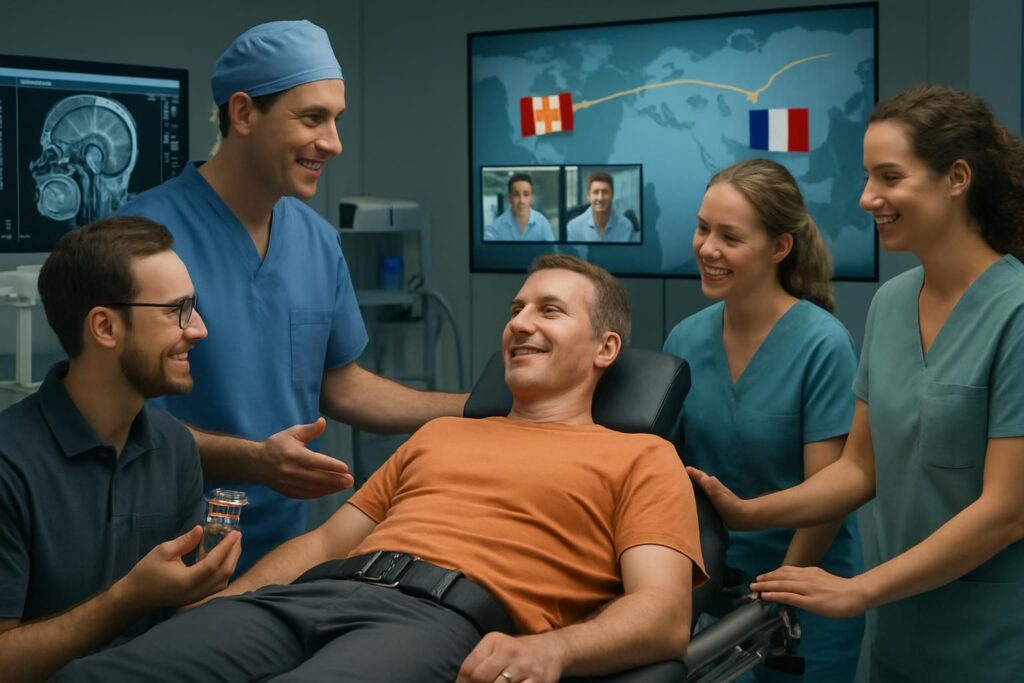
To guarantee optimal results, a comprehensive care pathway is implemented, from the initial assessment, often preceded by several months of conservative treatments, to post-operative follow-up. This follow-up ensures transatlantic coordination between French specialists and Quebec teams, thus facilitating seamless and safe care. This supportive approach reassures and motivates patients in their surgical decision-making process, allowing them to consider an innovative solution tailored to their specific situation.
Advanced techniques in neck surgery: from classic to dynamic
The neck surgery long relied on traditional procedures such as spinal fusion or simple decompression. These interventions, while effective, can sometimes limit cervical mobility, an essential element for preserving patients' quality of life. Today, the emergence of dynamic implants represents a significant technological breakthrough in spinal surgery.
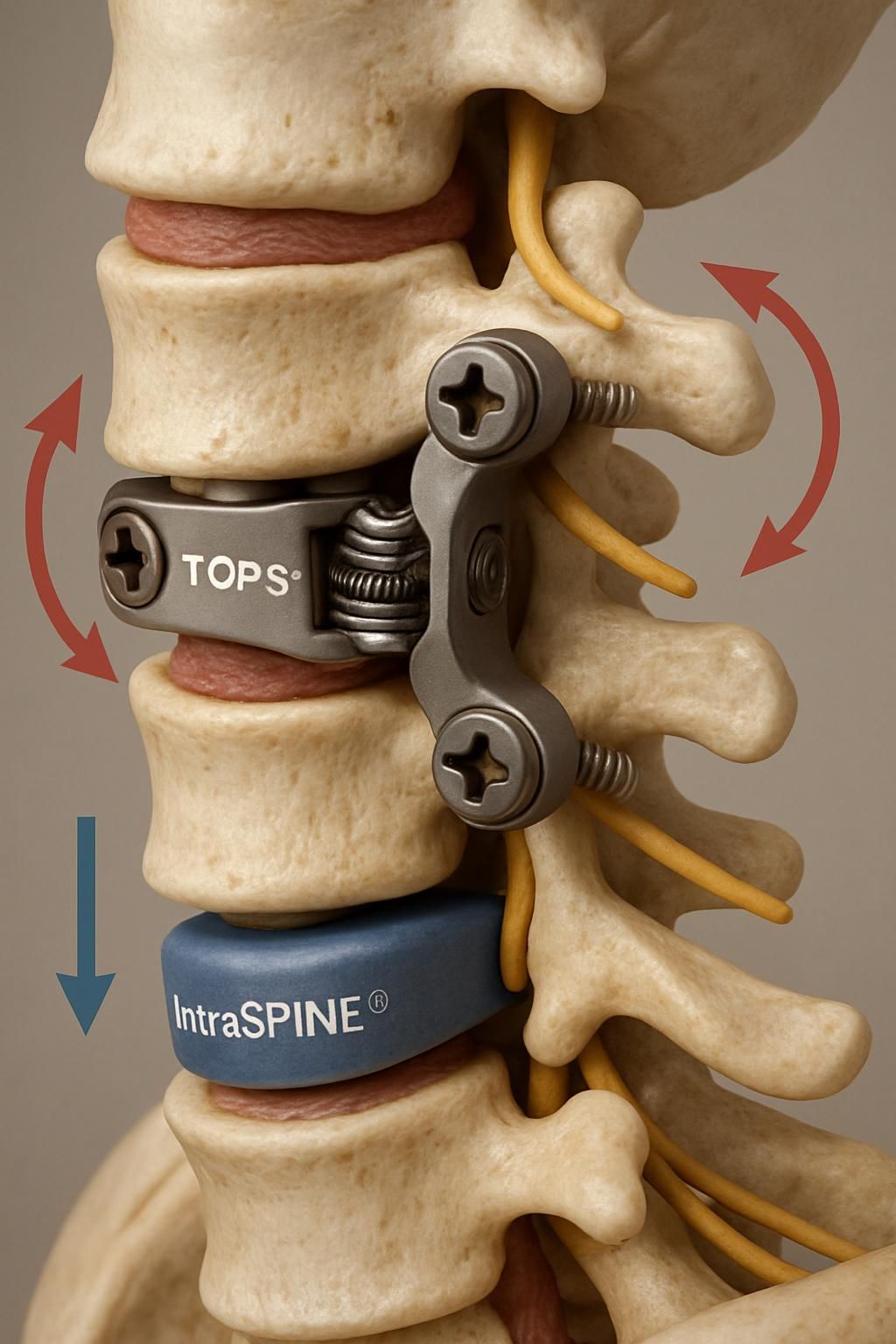
The system TOPS, For example, the TOPS system is a dynamic implant specifically designed to stabilize the cervical spine while maintaining functional mobility. Its principle is based on a mechanism that controls vertebral movements, preventing excessive rigidity. Thus, unlike a conventional fusion, the TOPS system limits the progression of degenerative changes in adjacent segments, a major biomechanical advantage for the longevity of the cervical spine.
A second innovative device, IntraSPINE, It integrates into the intervertebral spaces to restore the height of the vertebral discs and reduce neurovertebral compression. This modern solution represents a valuable option in the management of degenerative cervical disc disease, as it also preserves the natural physiology of cervical movements.
Beyond these implants, the minimally invasive surgery This field is also experiencing rapid growth. Thanks to advanced tools and techniques, surgeons can perform procedures with reduced trauma to surrounding tissues, and specific equipment allows for better visualization during cervical dissection, thus limiting complications. These approaches greatly contribute to faster recovery and a better postoperative quality of life.
Before any surgical decision, it is essential to have undergone conservative treatment for at least 3 to 6 months. In this context, the TAGMED Clinic is an indispensable partner, offering innovative and personalized solutions to optimize the initial management of neck pathologies. Conservative treatments often allow to reduce pain and improve functionality, avoiding or delaying the need for surgery.
Personalized itinerary and transatlantic coordination for optimal support
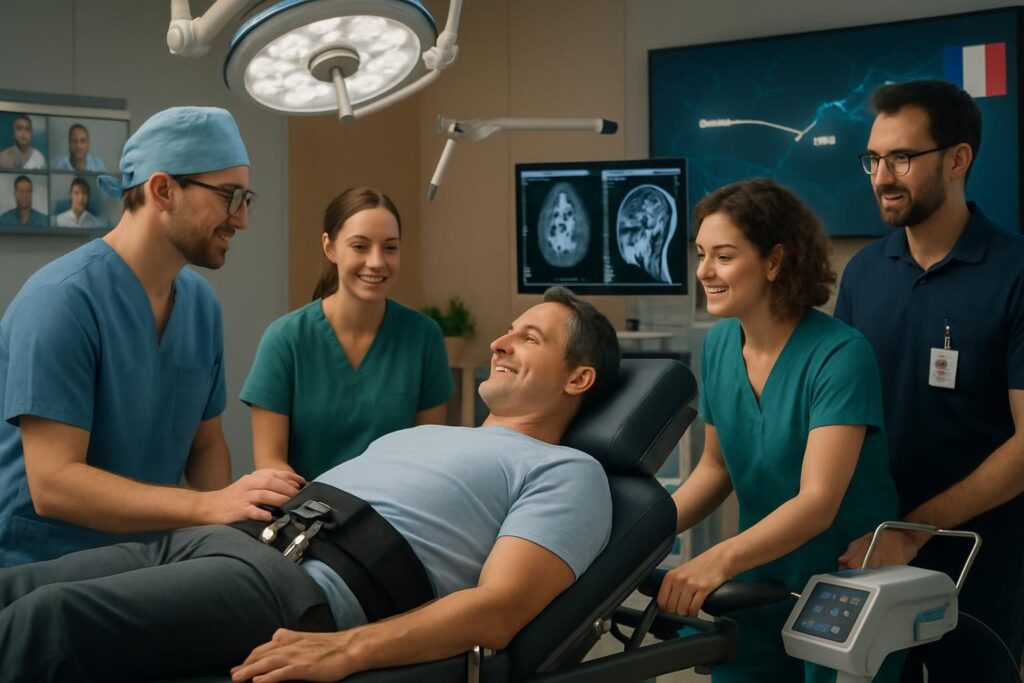
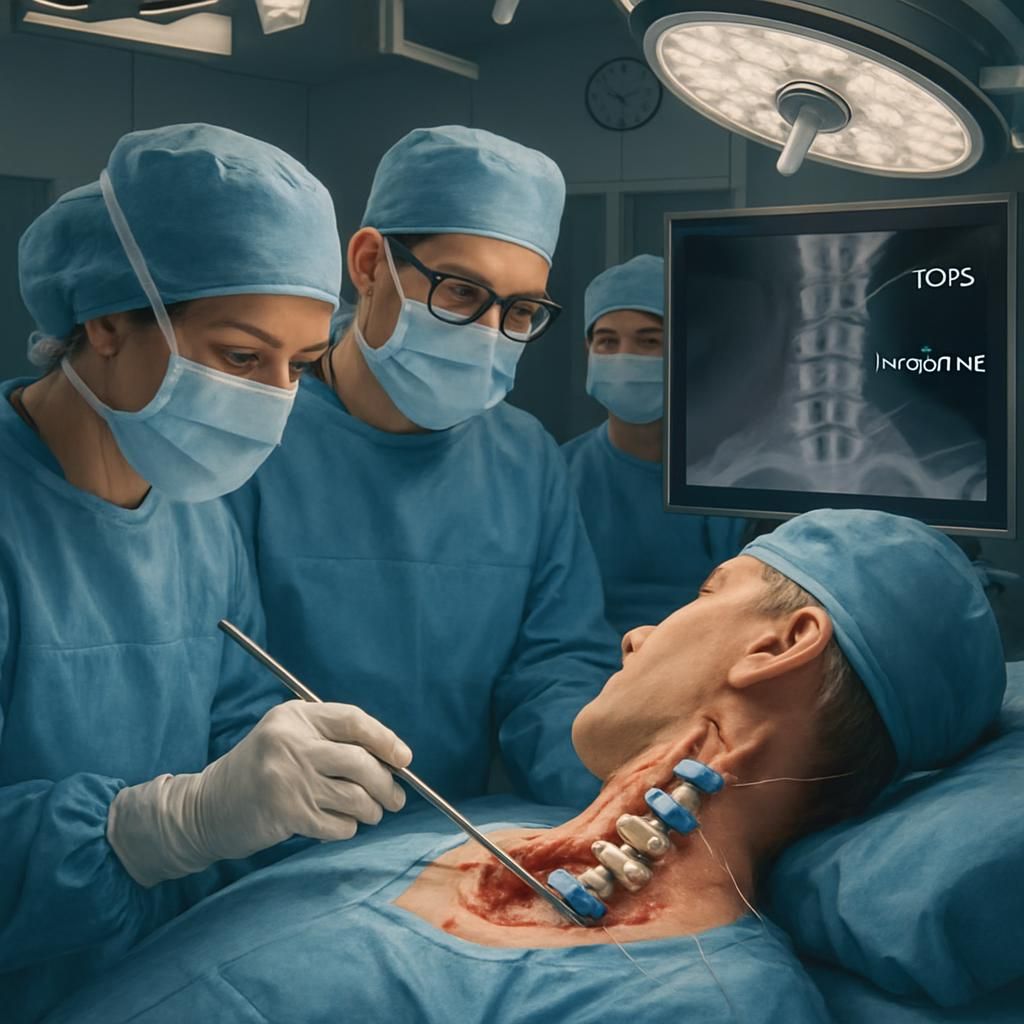
For Quebec patients wishing to benefit from advanced French techniques, a customized care pathway is offered. This support is the result of a collaboration between surgeons, specialized clinics, and platforms such as SOS Medical Tourism, guarantees comprehensive care, from initial diagnosis to post-operative follow-up.
It all begins with a thorough evaluation, conducted remotely or on-site, incorporating detailed preoperative imaging (MRI, CT scan) and a complete clinical assessment. This phase allows for a better understanding of the exact nature of neck pathologies, whether it be discopathy, stenosis foraminal or cervical instability. The recognized expert in spinal implants plays a fundamental role here by guiding the patient towards the most suitable solution, taking into account the latest innovations available in France.
Once the surgical decision is made, the logistics coordination team handles the formalities, schedules the procedures, and liaises between the French medical teams and the Quebec specialists. This system ensures a safe and smooth process, reducing the usual stress associated with surgery abroad.
Staying in France thus allows you to benefit from state-of-the-art facilities and an experienced multidisciplinary team in the minimally invasive surgery and cervical stabilization. Furthermore, post-operative rehabilitation programs are designed to promote optimal recovery and a rapid return to daily activities.
This path may include:
- Personalized pre-operative consultations and exchanges in French to eliminate any misunderstandings.
- Detailed postoperative follow-up with regular assessments and therapeutic adjustments.
- A digital interface facilitating communication between teams in both countries.
- Specific advice for a safe return to Quebec and continuity of care.
This support system is a concrete illustration of the importance of international collaboration to improve access to complex, sometimes costly or long-awaited care in their region of origin.
Biomechanical and functional benefits of dynamic cervical implants
The main added value of dynamic implants lies in their ability to preserve spinal mobility while ensuring safe stabilization of the spine. Understanding these benefits requires an accessible biomechanical explanation.
In traditional spinal fusion surgery, the vertebrae are fused together, eliminating all movement between them. While effective in relieving pain associated with instability or nerve compression, this procedure creates rigidity in the operated segment. This rigidity can lead to mechanical overload on neighboring segments, causing accelerated degeneration known as vertebral junction syndrome. By using a dynamic implant, such as the TOPS or IntraSPINE system, a degree of flexibility is maintained, facilitating a natural distribution of forces and thus reducing the risk of long-term complications.
L'TOPS implant It acts like a controlled hinge, allowing limited movement across six degrees of freedom, thus providing a perfect balance between mobility and stability. This mechanism not only helps reduce post-surgical pain but also maintains a higher functional quality of life.
The IntraSPINE device, on the other hand, restores disc height and improves spinal biomechanics without restricting movement, a valuable advantage for patients with degenerative cervical disc disease. The implant is often used in conjunction with decompression techniques, resulting in significant improvement of neurological symptoms caused by cervical nerve compression.
This innovative approach has been validated by several clinical studies demonstrating better functional recovery and fewer reoperations compared to traditional methods. Furthermore, surgery guided by high-precision preoperative image-guided surgery allows for optimal implantation, reducing the risk of error and increasing device lifespan.
Human and educational aspects of supporting Quebec patients
Neck surgery, especially when it involves innovative implants, can raise many legitimate questions. That's why expertise is combined with a clear educational approach aimed at informing patients simply and comprehensively, avoiding overly technical terms.
Providing transparent information about the possibilities, risks, and benefits of different surgical techniques helps to build trust. Explaining concepts such as cervical mobility, the role of cervical nerves in daily functioning, and the need for detailed preoperative imaging facilitates a reassuring understanding.
Particular attention is also paid to personalizing the treatment process. As each case is unique, the patient is encouraged to ask all their questions, to have regular follow-up, and to communicate with the expert for any adjustments to the treatment or surgical protocol.
A successful case study is that of a patient suffering from degenerative disc disease associated with cervical instability. After undergoing advanced conservative treatment at the TAGMED Clinic, he was able to access innovative surgery using the TOPS system, benefiting from a rapid recovery without significant functional loss. This type of experience perfectly illustrates the value of a personalized and integrated approach.
Patients can view these surgical advances in detail on platforms such as Neck surgery to preserve cervical mobility or surgical innovations and alternatives offered in France, in order to better prepare their journey.
Comparative table of surgical techniques in neck surgery
| Surgical technique | Type of implant | Spinal mobility | Major advantages | Limitations |
|---|---|---|---|---|
| Classic spinal fusion | No dynamic implant | Mobility removed at the operated segment | Strong stabilization, well-controlled procedure | Rigidity, risk of adjacent degeneration |
| TOPS System | Articulated dynamic implant | Preserves controlled mobility | Less rigidity in neighboring segments, better comfort | More experimental implant, higher cost |
| IntraSPINE | Intervertebral implant | Mobility preserved | Restores disc height, reduces nerve compression | Use limited to specific pathologies |
| Minimally invasive surgery | May include dynamic or conventional implants | Variable depending on implants | Less trauma, faster recovery | Demanding technique, requires surgical experience |
Timeline: Neck surgery – key steps
-
Initial assessment
In-depth consultations and assessments
-
Conservative treatments
3 to 6 months of non-surgical care at the TAGMED Clinic
-
Surgical decision
Personalized selection with a dynamic implant expert
-
Surgery
Advanced surgery with TOPS or IntraSPINE implants
-
Postoperative follow-up
Personalized rehabilitation in France and continuous monitoring in Quebec
What are the criteria for considering neck surgery with dynamic implants?
Surgery is considered after 3 to 6 months of conservative treatment, when pain and functional limitations persist despite care. A complete assessment, including precise preoperative imaging and evaluation by an expert, is necessary to determine eligibility for implants such as TOPS or IntraSPINE.
What are the concrete benefits of dynamic implants compared to traditional fusion?
Dynamic implants preserve the mobility of the operated cervical segment, thus reducing the risk of degeneration in adjacent segments. They offer greater long-term comfort and limit the rigidity caused by traditional fusion.
What is the follow-up care like after neck surgery in France?
The follow-up includes regular clinical check-ups, a specific rehabilitation program, as well as continuous support provided by transatlantic coordination between French and Quebec teams for optimal monitoring.
Is minimally invasive surgery suitable for all patients?
Minimally invasive surgery offers numerous benefits, including faster recovery, but it requires rigorous patient selection and considerable surgical expertise. It is not always suitable for all cervical pathologies.