Arthrodesis vs. dynamic stabilization: studies
02/06/26
Dynamic implants: preservation
02/06/26
Innovations in spinal surgery represent a true medical revolution, particularly for Quebec patients facing long wait times and often high costs in their region. Thanks to collaboration between French experts and Quebec medical teams, advanced surgical options in France offer unique access to cutting-edge technologies that preserve spinal mobility and significantly improve quality of life. Dynamic implants such as the TOPS and IntraSPINE systems are emerging as promising alternatives to traditional techniques, offering better biomechanics and faster recovery. This transatlantic journey is supported by specialized platforms such as SOS Medical Tourism, guarantees personalized and secure care, from the first assessment to post-operative rehabilitation.
In a context where the back surgery This option should only be considered after a rigorous evaluation and several months of conservative treatments, particularly those available at leading centers such as the TAGMED Clinic. The decision-making process is based on precise criteria, combining French surgical expertise with patient education. This dynamic of medical innovation, blending 3D imaging, medical robotics, and minimally invasive techniques, is redefining the standards of spinal care while rigorously adhering to international safety and quality standards. Let's explore in detail the innovative surgical options, their biomechanical effectiveness, the coordinated patient pathway between Quebec and France, and the human and economic benefits of such a medical choice.
Dynamic implants in spinal surgery: technologies and biomechanical benefits
Dynamic implants represent a major advance in the spinal surgery, aiming to preserve the natural mobility of vertebral segments while providing sufficient stability. Unlike traditional fusions that immobilize the vertebrae together, these innovative devices, such as the system TOPS and the implant IntraSPINE allow controlled freedom of movement, thus reducing the risk of degeneration of adjacent segments and improving long-term comfort.
The system TOPS is a posterior prosthesis designed to replace damaged joint function, particularly in patients with spinal stenosis or disc degeneration. It limits nerve compression while maintaining flexion, extension, and rotation, thanks to a specialized mechanical hinge. This type of implant is particularly recommended in cases of Spinal decompression therapy associated, where preserving mobility is essential to avoid secondary complications.
Similarly, the implant IntraSPINE It is distinguished by its insertion into the interspinous space, acting as a flexible shock absorber. It reduces the load on the intervertebral discs while allowing physiological movement, thus contributing to pain reduction and improved postoperative function. This innovation is also valued for its ease of implantation using minimally invasive techniques and for the rapid recovery it facilitates.
The choice of these innovative implants is based on a precise analysis of the biomechanical factors specific to each patient, often incorporating high-resolution 3D imaging for optimal positioning. These technologies help avoid certain complications such as the need for a bone graft associated with the merger, limiting the risks of non-union and secondary pain.
For the patient, the benefits are clearly identifiable: less spinal stiffness, easier post-operative rehabilitation, and a faster return to daily activities. However, this type of procedure requires specialized expertise. This is where the recognized expertise of spinal implant specialists comes in, offering a comprehensive evaluation and educational support to demystify these innovative surgical options.
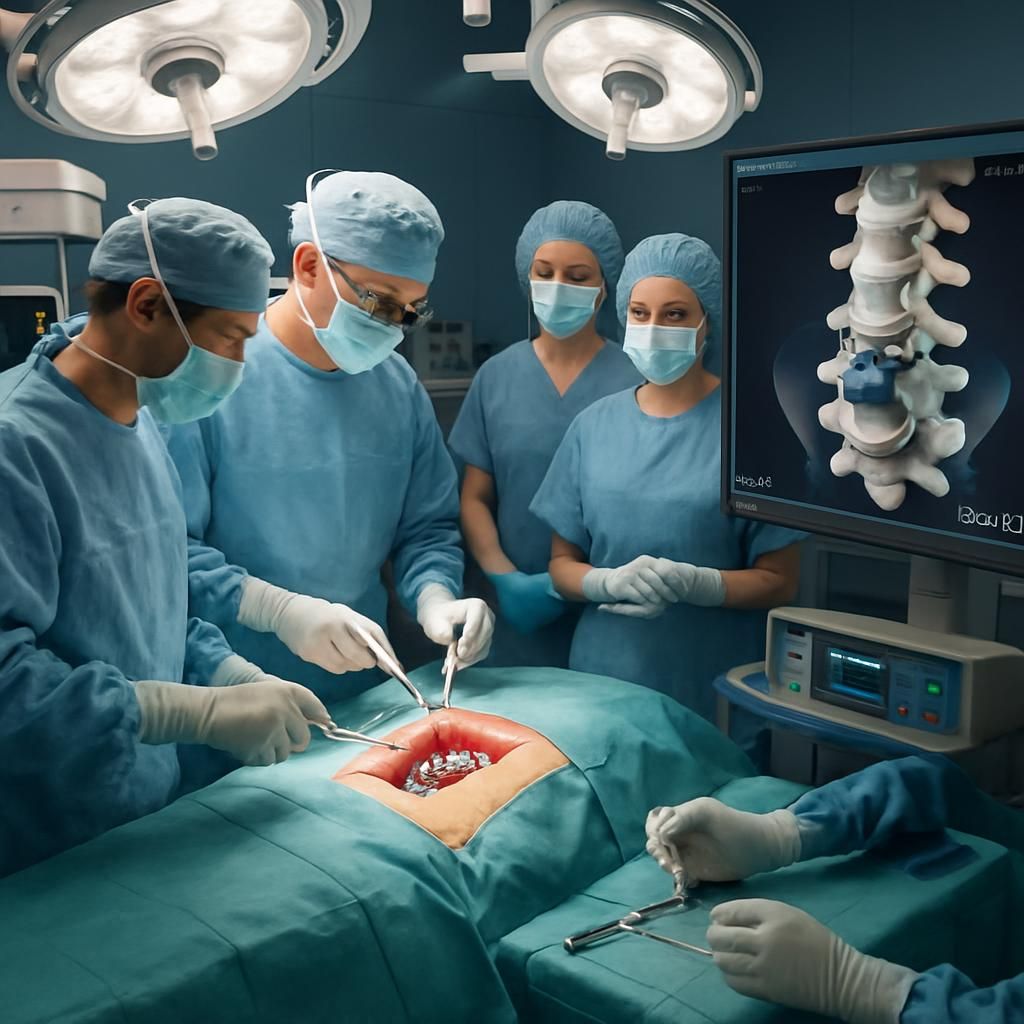
Traditional and minimally invasive surgical techniques: what are the differences for back surgery?
Traditional back surgery is based primarily on two pillars: spinal fusion and nerve decompression. These techniques have proven effective for decades but are often associated with significant immobilization of the operated segments, accompanied by a long and sometimes difficult recovery period.
The spinal fusion This procedure involves joining two or more vertebrae to eliminate painful movement. It generally requires a bone graft and mechanical fixation with plates or screws. While reliable for stabilizing the spine, it can lead to a loss of mobility and place greater stress on adjacent levels, promoting their premature degeneration.
Furthermore, the Spinal decompression therapy aims to release nerve roots compressed by herniated discs or stenosis. This approach can be performed alone or in combination with fusion. It is very effective, particularly in the TAGMED CLINIC, Today, it is done using so-called minimally invasive techniques.
Recent advances in minimally invasive surgery revolutionize these procedures. The use of small incisions, robotic tools, and laser-assisted surgical imaging integrates the cutting-edge surgical technology. This approach significantly reduces the risk of extensive scarring and blood loss, and accelerates recovery. For example, endoscopic techniques or microdiscectomy are minimally invasive procedures that promote rapid rehabilitation.
This shift from traditional methods to minimally invasive techniques not only offers immediate comfort for the patient but also better preservation of surrounding anatomical structures, reducing the risk of chronicity and persistent pain. As highlighted by the expertise of some renowned centers in France, fusion surgery is increasingly reserved for cases where dynamic or decompressive alternatives are insufficient.
These procedures, however, require significant scientific rigor and in-depth knowledge of the implantable material to ensure safety and quality of the outcome. The patient pathway includes an intensive support phase encompassing nerve stimulation and regularly supervised postoperative rehabilitation.
The transatlantic patient journey: coordination, safety and personalization of care
The complexity of back surgery, combined with technological innovations, requires an integrated and perfectly coordinated care pathway, especially when it takes place between Quebec and France. Thanks to collaboration with specialized platforms such as SOS Medical Tourism, personalized patient support begins as early as the initial assessment phase.
It all starts with a comprehensive assessment in Quebec, particularly within partner institutions such as the TAGMED CLINIC, where conservative treatments are favored for 3 to 6 months before any surgical decision. This mandatory phase includes physiotherapy, non-surgical neurovertebral decompression techniques, and optimization of medical care.
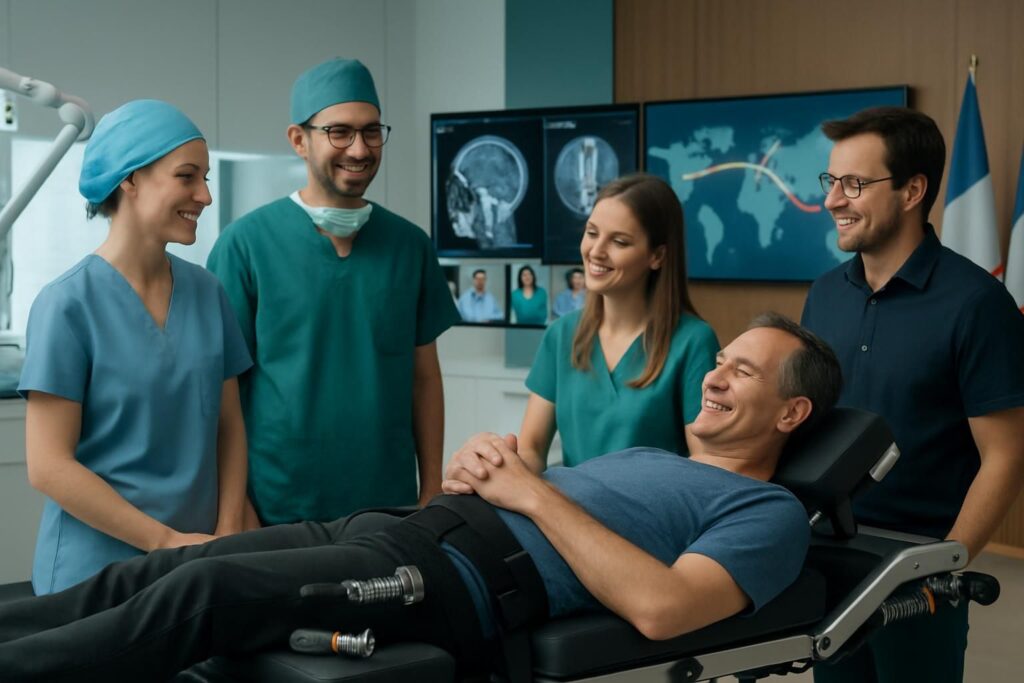
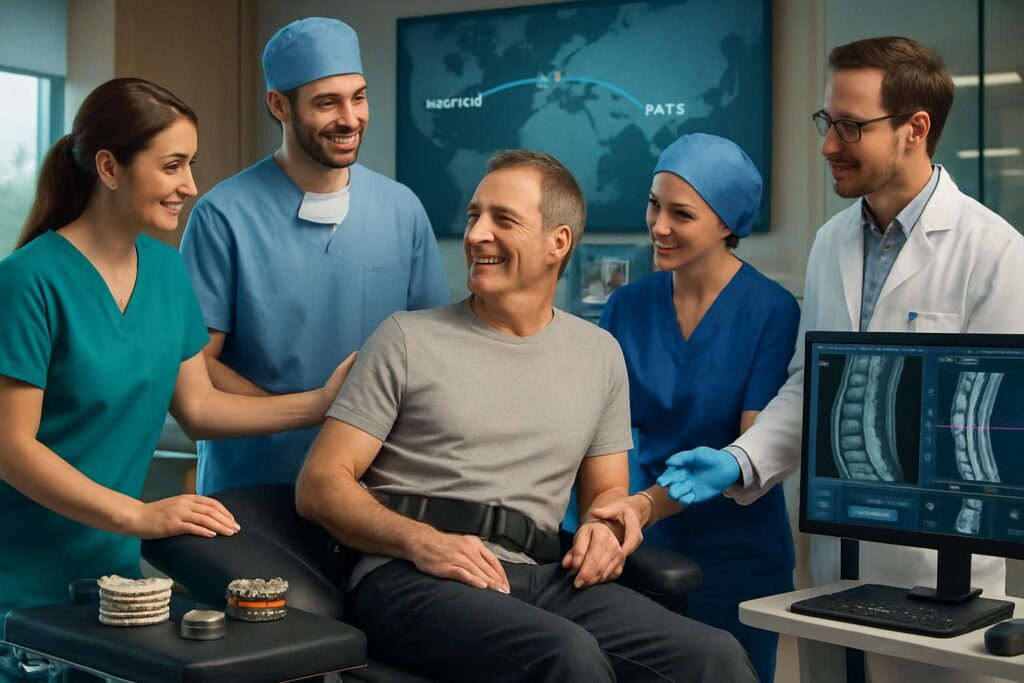
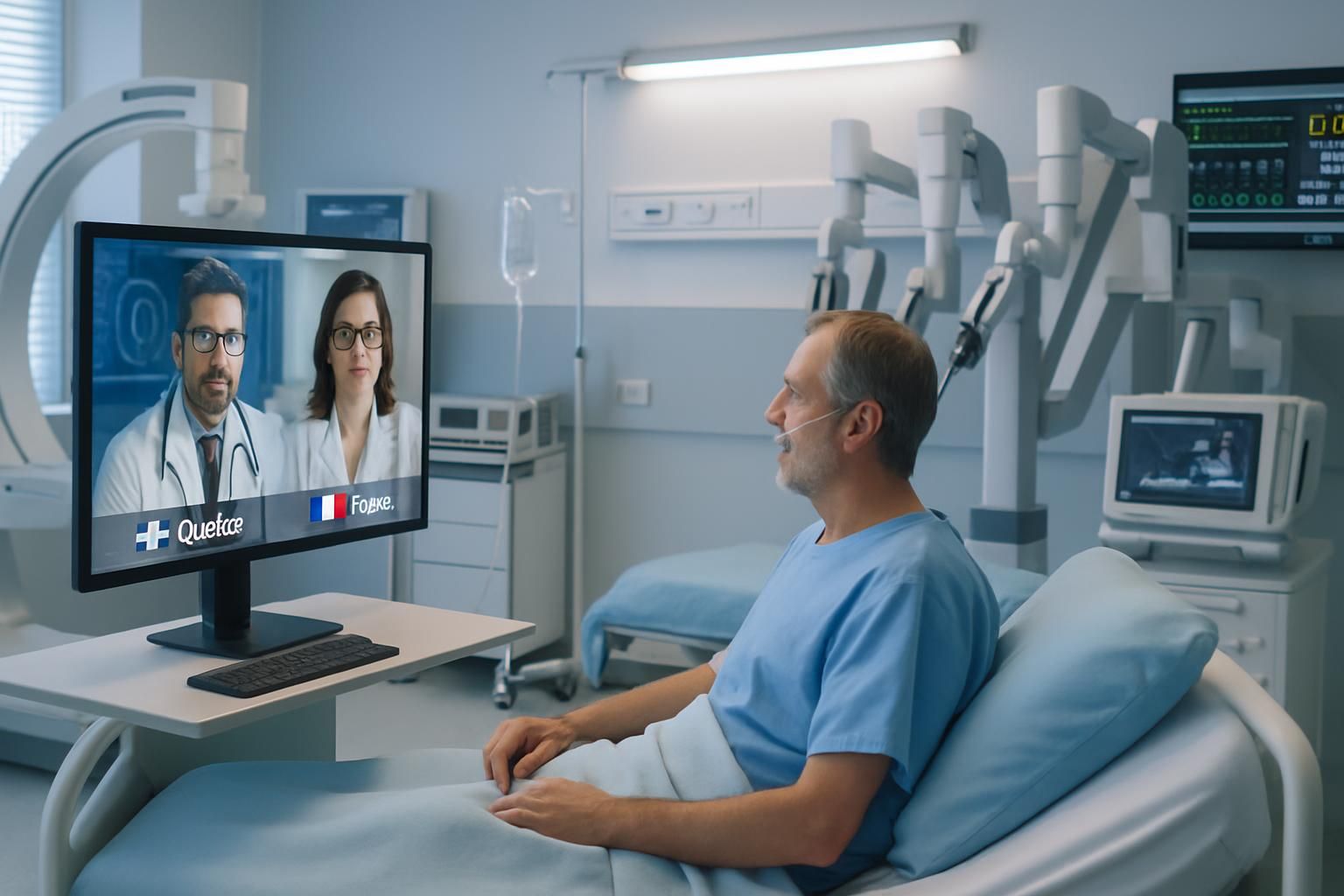
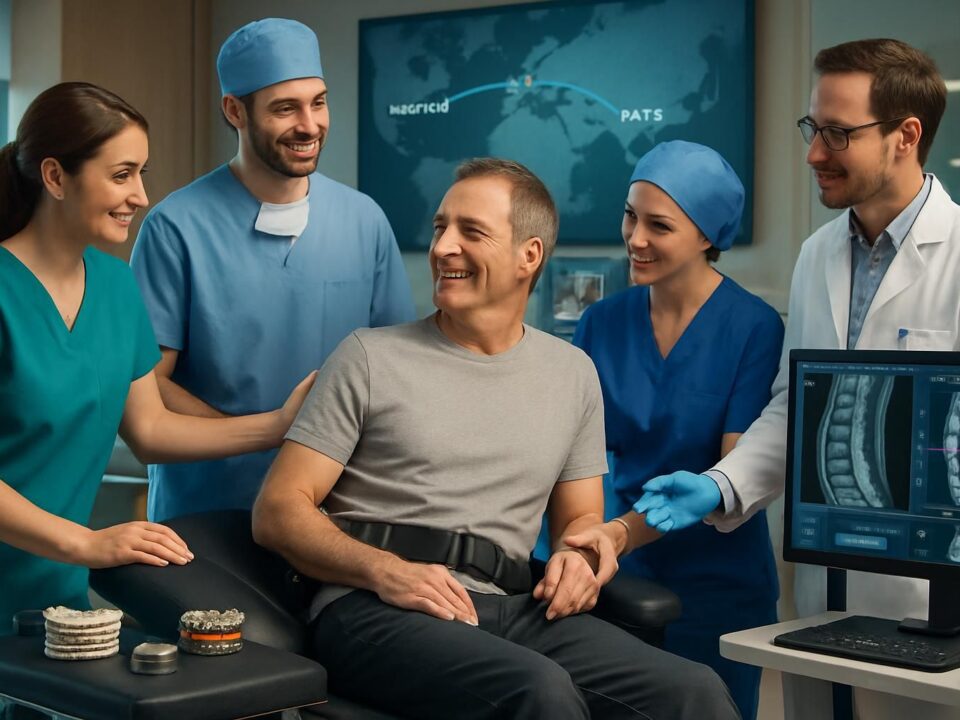
Once the surgical indication has been validated by experts, the patient is referred to highly specialized French centers. There, care is comprehensive and multidisciplinary: neurosurgeons, biomedical engineers, physiotherapists, and nurses work together, assisted by cutting-edge technology such as medical robotics and 3D imaging intraoperative. This system ensures the best positioning of implants, such as TOPS or IntraSPINE dynamic devices, and guarantees safety throughout the procedure.
Communication between the French team and the healthcare professionals in Quebec is seamless and continuous, facilitating remote post-operative monitoring and rehabilitation. This transatlantic model helps reduce the waiting times typically encountered in the Quebec system, while delivering cutting-edge care. Personalized support also provides invaluable human assistance, addressing the psychological and logistical concerns associated with medical treatment abroad.
What distinguishes the surgical services offered in France for Quebec patients
The French surgical offering for back surgery is distinguished by a harmonious synthesis of technological innovation, scientific rigor and human support. Dynamic implants and minimally invasive techniques are at the heart of the advantages, but other key points deserve to be highlighted.
- Surgical excellence France is among the European leaders in spinal surgery, with qualified teams and protocols aligned with international best practices.
- Advanced technology : The integration of medical robotics, intraoperative nerve stimulation and 3D image-guided bone grafting ensure optimal results.
- Respect for spinal mobility Solutions like TOPS and IntraSPINE preserve natural functionality, unlike traditional rigid fusions.
- Comprehensive support : Follow-up begins well before surgery with conservative treatments, and continues with appropriate post-operative rehabilitation and continuous communication between French-Canadian teams.
- Economic advantages Although the French health system offers private access, it often proves to be more financially accessible than Quebec private solutions, with a superior value for money.
This table summarizes the major differences between traditional surgery and surgery using dynamic implants in France:
| Criteria | Traditional surgery (fusion) | Dynamic implants (TOPS, IntraSPINE) |
|---|---|---|
| Spinal mobility | Immobilization of the operated segments | Preservation of physiological movement |
| Recovery | Long, sometimes painful | Quick, facilitated by minimally invasive procedures |
| Secondary risks | Degeneration of adjacent segments | Reduced size, improved biomechanics |
| Technical complexity | Standard, controlled | Requires advanced expertise |
| Cost | Variable, sometimes high | Economically competitive |
Educating and supporting patients: understanding back surgery to make better decisions
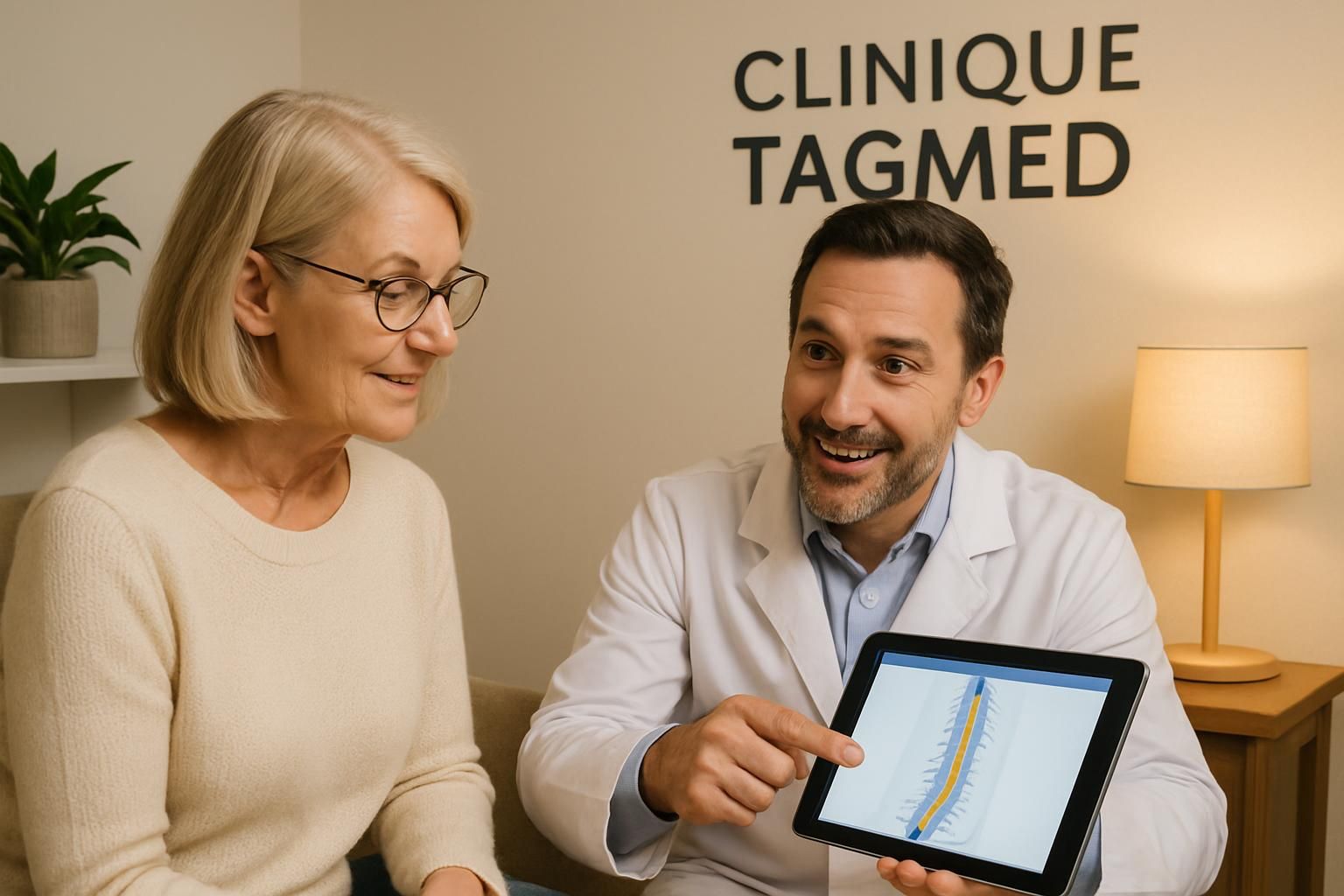
The complexity of the available surgical options makes clear and educational support essential. Each patient must be informed of the different possibilities, the expected benefits, and the potential risks. This requires open and empathetic dialogue, supported by visual aids and simple explanations of spinal biomechanics and the advantages of modern implants.
In this context, the expert guideline outlines the steps in the care pathway, from the initial assessment to the post-operative rehabilitation phase. It is crucial that patients understand that surgery should only occur after a period of 3 to 6 months of intensive conservative treatments, which include, in particular, the care available at the TAGMED CLINIC. This cautious and methodical approach aims to maximize the chances of success and minimize complications.
Furthermore, patients are encouraged to ask all their questions and to learn about the specifics of dynamic implants and minimally invasive techniques, in order to approach surgery with confidence. This dialogue is essential for developing a personalized treatment plan that respects the uniqueness of each case.
Here is an essential list of criteria to check before undergoing back surgery with dynamic implants:
- Comprehensive assessment of pain and functional limitations
- Use of 3D imaging for surgical planning
- The surgeon has proven experience in the placement of dynamic implants.
- Access to a multidisciplinary team for post-operative follow-up
- Availability of prior conservative treatment
- Transparent information on the benefits and risks
Comparison of spinal implant technologies
Select a characteristic to filter and easily compare spinal implants.
What are the main innovations in back surgery?
Key innovations include dynamic implants such as the TOPS system and the IntraSPINE implant, minimally invasive techniques, 3D imaging for better surgical planning, and medical robotics for increased accuracy.
What are the benefits of dynamic implants for the patient?
These implants preserve spinal mobility, reduce pain, allow for faster recovery and limit the risk of degeneration of adjacent segments compared to traditional surgery.
Why choose to have surgery in France?
France offers world-renowned surgical expertise, access to cutting-edge technologies, effective transatlantic coordination and personalized support, thus offering excellent value for money to Quebec patients.
What is the surgical process like between Quebec and France?
After an initial phase of conservative treatments in Quebec, the patient is referred to specialized centers in France. Post-operative follow-up and rehabilitation are provided jointly by both countries, ensuring safe and continuous care.
When should back surgery be considered?
Surgery is generally offered only after a period of 3 to 6 months of comprehensive conservative treatments, including neurovertebral decompression performed in a specialized clinic, to maximize the chances of success.



 Français du Canada
  English (Canada)