Cervical disc replacement: alternatives to rigid fusion
02/05/26
Back surgery: minimally invasive innovations
02/05/26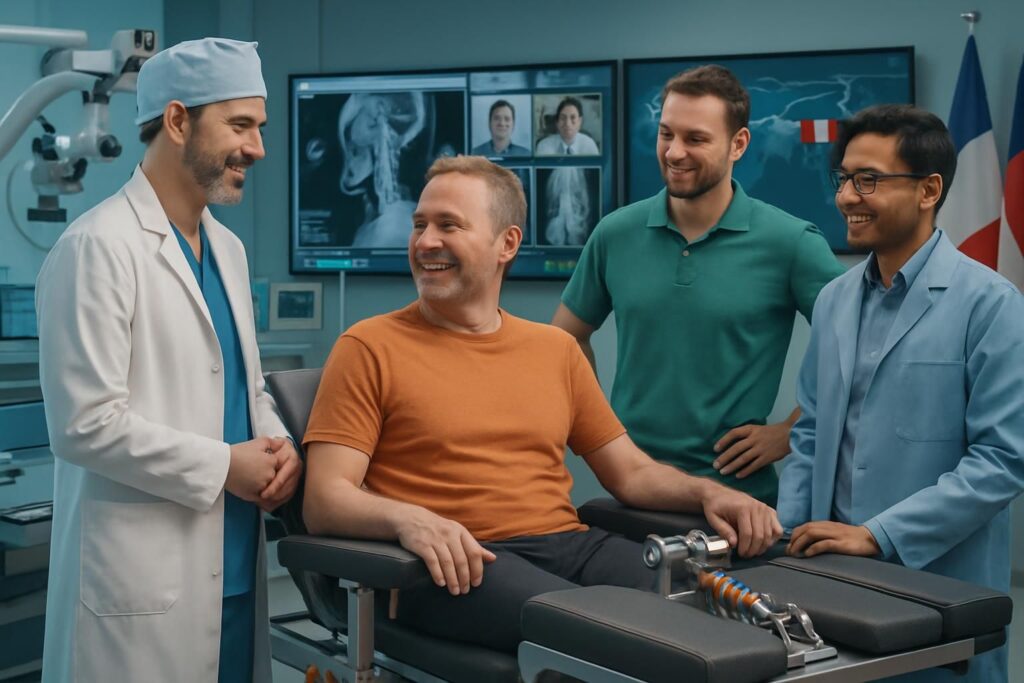
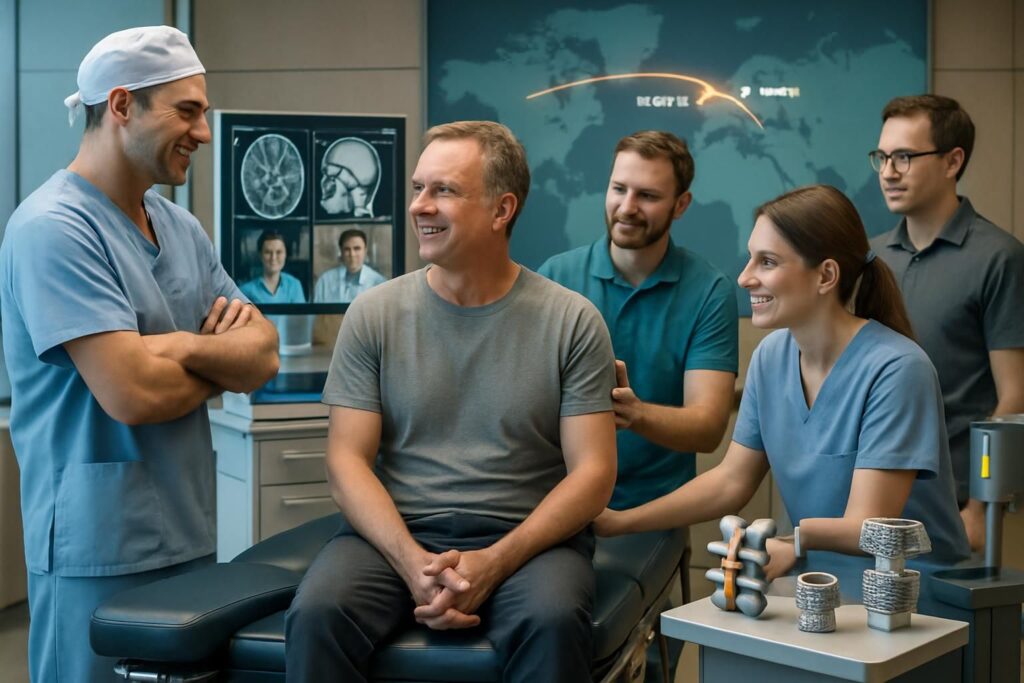
The ongoing search for innovative surgical solutions that preserve spinal mobility represents a major advancement for patients suffering from back problems. In this context, dynamic implants are emerging as promising alternatives, capable of combining effective spinal stabilization with the maintenance of natural spinal movements. Their development is central to a general improvement in surgical practices in France, renowned for their scientific rigor and technological innovation. These technologies, including the TOPS system and the implant IntraSPINE, represent today points of reference for specialist surgeons seeking to reconcile therapeutic efficacy and post-operative quality of life.
Spinal mobility plays a crucial role in vertebral biomechanics, influencing not only quality of life but also preventing more rapid degeneration of adjacent intervertebral discs. Through a transatlantic program supporting Quebec patients seeking cutting-edge care in France, a personalized care pathway is offered, guaranteeing safety, transparency, and follow-up tailored to each clinical situation. The focus is put based on a clear educational approach, enabling everyone to understand the different surgical options and to choose the most appropriate strategy according to the identified pathology. Dynamic implants, as innovative solutions, thus open a new era in the spinal surgery, integrating both advanced technological mastery and sustainable patient well-being.
Understanding dynamic implants and their role in preserving spinal mobility
Dynamic implants represent a major technological advancement in spinal surgery. Unlike traditional fusion techniques that stiffen the spine, these devices allow for dynamic stabilization, offering effective support while respecting the natural movement of the affected vertebral segments. This joint preservation is essential, particularly to limit the phenomenon of accelerated degeneration of adjacent intervertebral discs, often observed in the case of rigid solutions.
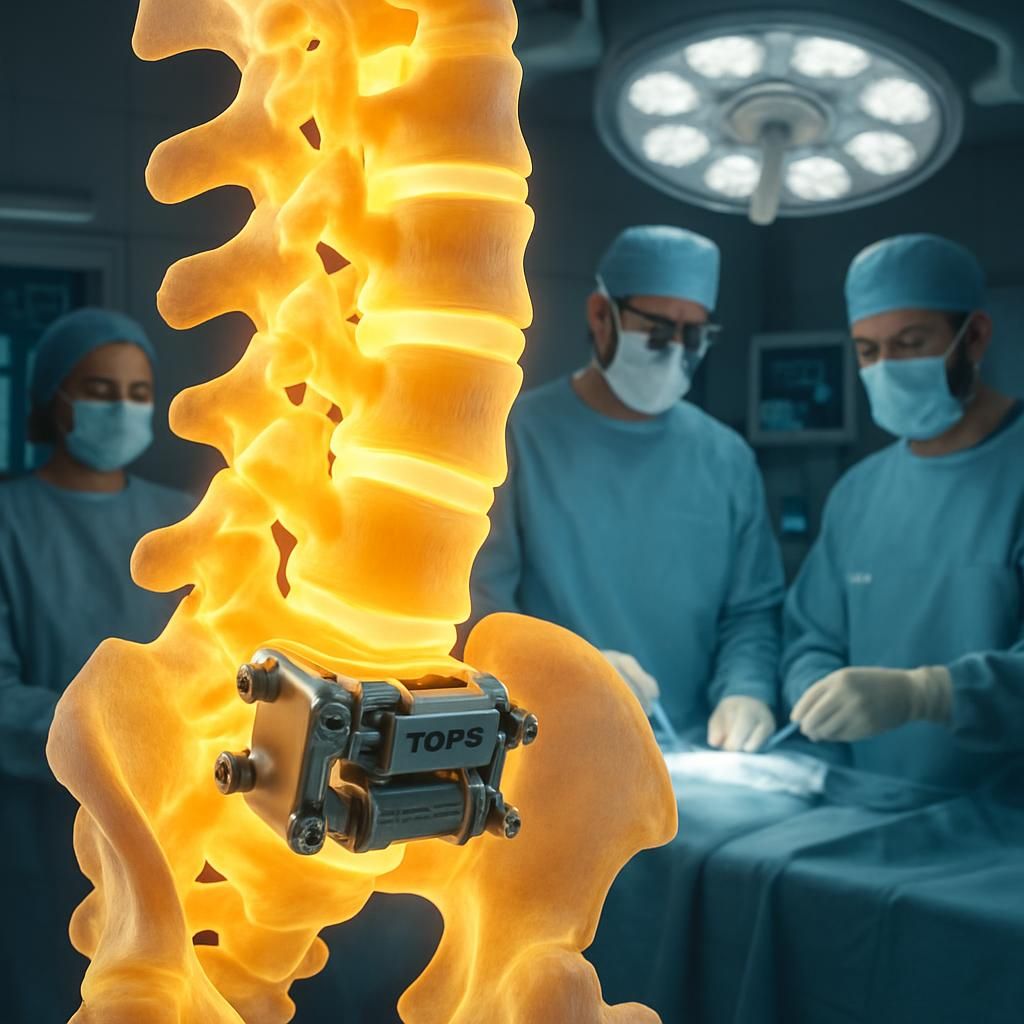
The TOPS system, for example, is a implant The IntraSPINE implant is a mechanical device designed to replace an affected facet joint, while ensuring mobility in flexion, extension, rotation, and lateral flexion. Furthermore, the implant supports the posterior intervertebral space, reducing pressure on the nerve roots while maintaining disc height. These technical innovations address a complex biomechanical mechanism, where each component is designed to work in harmony with the natural spine.
Their use is particularly suitable in the treatment of spinal pathologies such as foraminal stenosis, disc degeneration and certain complex disc herniations. Compared to spinal fusion, these dynamic implants promote more lasting pain relief and allow for better post-operative rehabilitation by preserving joint mobility.
Surgical options in France: traditional fusion versus dynamic implants
The choice between fusion techniques and dynamic implants must be made rigorously and based on a comprehensive patient evaluation, often following a period of conservative treatment lasting at least 3 to 6 months. In France, spinal surgery benefits from a high level of expertise with recognized specialized centers, such as the TAGMED CLINIC, which offers advanced neurovertebral decompression and guides patients towards tailor-made solutions.
Spinal fusion involves immobilizing a segment of the spine by fusing two or more vertebrae using rigid implants. While this technique is well-established for relieving certain types of pain, it has the major drawback of reducing the mobility of the operated segment. This can cause mechanical overload on adjacent segments, accelerating disc degeneration and potentially necessitating further surgery.
Conversely, dynamic implants, such as the TOPS or IntraSPINE system, These devices provide stabilization while maintaining a natural degree of flexibility. This means the patient benefits from improved spinal biomechanics and greater freedom of movement, often associated with a reduction in chronic post-operative pain. These solutions are suitable for young or active patients for whom preserving spinal mobility is a priority.
In practice, selecting the optimal technique relies on a personalized analysis involving advanced imaging, functional assessment, and multidisciplinary discussion. This approach ensures tailored treatment based on the best available scientific evidence, with a constant focus on patient safety and post-surgical quality of life.
Transatlantic care pathway and personalized support for Quebec patients
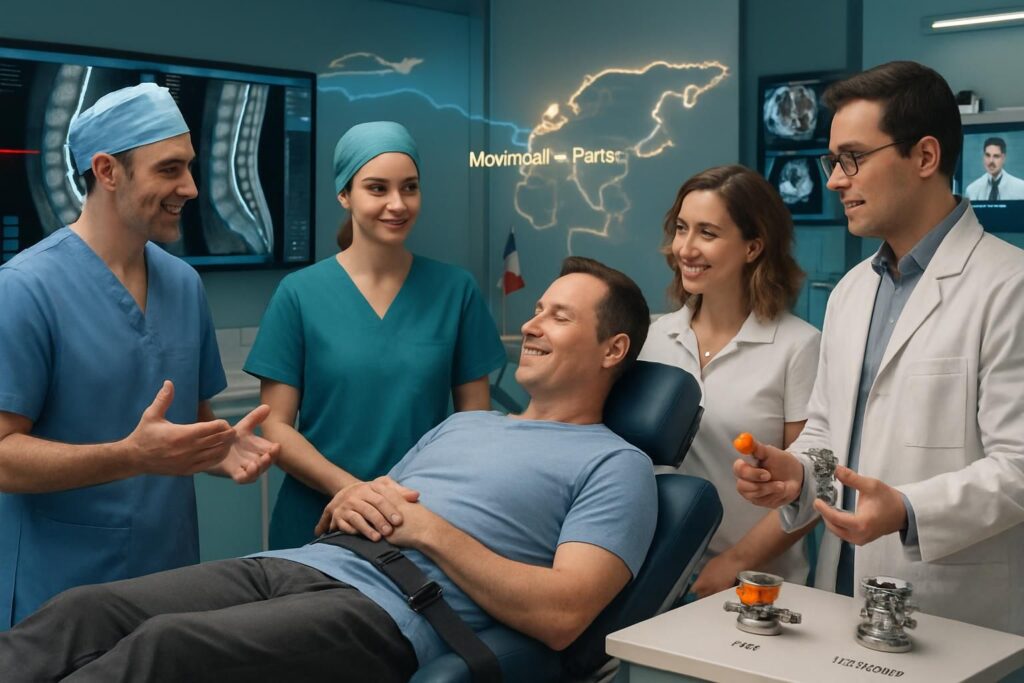
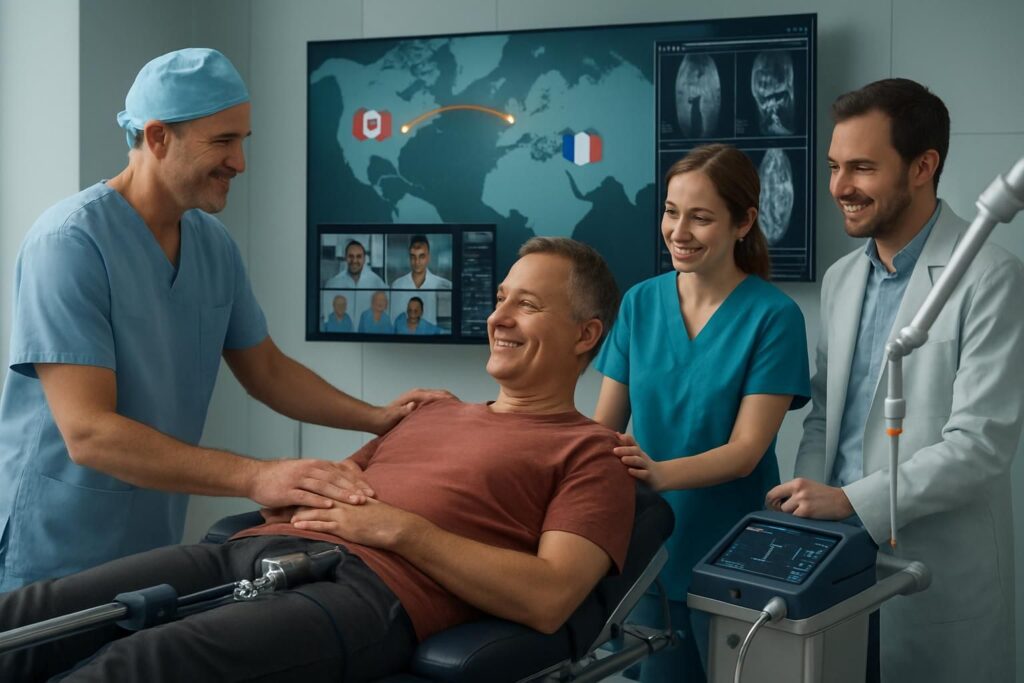
Quebec patients often consider the back surgery in France to benefit from advanced surgical expertise and rapid access to innovative implant technologies. Coordination between medical teams on both continents is key to ensuring consistent and safe care throughout the entire process.
This process typically begins with a comprehensive remote assessment, allowing the treatment strategy to be tailored to the individual situation. Exchanges between specialists in Quebec and France, facilitated by clear and transparent communication, provide the patient with reassuring and informed support. Pre- and post-operative follow-up is also provided, notably through specialized platforms such as SOS Medical Tourism, facilitating administrative and logistical procedures.
A distinctive feature of this care pathway is the close collaboration with centers specializing in conservative treatments, such as the TAGMED Clinic, which provides essential preliminary support. This approach avoids premature interventions and prioritizes non-invasive solutions before considering surgery. If surgery is recommended, the focus is entirely on safety and innovation, particularly through mastery of the most advanced implant technologies.

Spinal biomechanics and functional benefits of dynamic implants
Spinal biomechanics are at the heart of the benefits offered by dynamic implants. By respecting the natural mobility of the spine, these devices limit excessive stress on neighboring segments, thus preserving the health of the intervertebral discs and improving overall quality of life.
For example, a patient treated with a TOPS implant can retain flexion, extension, and rotation of the operated segment, which is essential for maintaining postural balance and avoiding mechanical compensations that are often a source of chronic pain. Furthermore, joint preservation promotes better postoperative muscle dynamics, accelerating rehabilitation and the return to daily or professional activities.
Dynamic implants also improve pain management through non-rigid stabilization that reduces nerve compression without restricting physiological movement. This targeted approach helps limit the prolonged use of pain medication and reduces the risks associated with prolonged sedentary behavior.
| Type of implant | Main function | Key Benefits | Common indications |
|---|---|---|---|
| TOPS | Articular facet joint replacement with preserved mobility | Flexion-extension, rotation, pain reduction, preservation of mobility | Foraminal stenosis, facet joint degeneration |
| IntraSPINE | posterior intervertebral space support | Réduction pression nerveuse, maintien hauteur discale, dynamic stabilization | Herniated disc, chronic lower back pain |
| Traditional fusion | Spinal segment immobilization | Rigid stabilization, pain relieved but loss of mobility | Severe instability, vertebral fractures |
Average recovery time calculator
after surgery with dynamic implants or spinal fusion
Estimate the average recovery time based on age, level of physical activity and pathology.
Estimation result:
‘' + message + '‘
‘'; resultatSection.classList.remove('hidden'); }); })(); /* No external API call because data is estimated manually. Reference API documentation (free public example not used here): – https://public-api.example.com/recovery-time?age=xx&activite=yy&pathologie=zz – Example JSON response (not used): { "age": 45, "activite": "moderate", "pathologie": "hernie_discale", "duree_semaine": 7.8 } */Supporting each patient towards an informed and appropriate decision
The choice between dynamic implants and other surgical techniques must be based on clear, rigorous, and personalized information. The expertise developed in France is complemented by meticulous patient education, particularly for those in Quebec, to ensure they understand the biomechanical and functional implications of their treatment. Louis Blanchard, a recognized expert in the field, guides patients through his presentations and publications, facilitating their understanding of innovative implant solutions and improving access to the best available surgical options.
Because each case is unique, personalized support is essential. After a period of conservative treatments carried out in partnership with the TAGMED Clinic, surgery, and in particular the use of dynamic implants, is considered within a safe framework that adheres to international best practices. This approach guarantees not only maximum safety, but also a compassionate and motivating care experience, instilling confidence and peace of mind.
Patients are encouraged to ask questions, share their concerns, and learn in detail about how the implants work, their benefits, and also the potential risks. This interactive approach is essential for a successful surgical procedure, with rigorous monitoring before and after the operation. The economic and human advantages of having surgery in France, without any delays, maximize patient satisfaction.
- Preservation of cervical and lumbar spine mobility
- Neuropathic pain reduction through dynamic stabilization
- Improved post-operative rehabilitation and accelerated functional recovery
- Reduced risk of degeneration of adjacent discs
- Personalized support and optimized transatlantic coordination
What are the main advantages of dynamic implants compared to traditional fusion?
Dynamic implants preserve the natural mobility of the operated vertebral segment, limit the degeneration of adjacent discs and promote faster rehabilitation, unlike fusion which stiffens the spine.
When should surgery with dynamic implants be considered?
Surgery is recommended after a period of 3 to 6 months of comprehensive conservative treatments, including the Spinal decompression therapy, for patients whose pain persists or worsens despite these treatments.
Does surgery in France via SOS Medical Tourism guarantee comprehensive follow-up?
Yes, the coordination between French and Quebec medical teams ensures support before, during and after surgery, with adapted and personalized follow-up.
What types of pathologies can be treated with dynamic implants?
These implants are effective for foraminal stenosis, facet joint degeneration, complex disc herniations, and chronic lower back pain, among other specific conditions.
How does rehabilitation proceed after the placement of a dynamic implant?
Post-operative rehabilitation is faster and more functional thanks to preserved mobility, with personalized programs promoting muscle strengthening and recovery of normal movements.



 Français du Canada
  English (Canada)