IntraSPINE®: Modern Spinal Surgery
02/06/26
Dynamic stabilization: clinical benefits
02/06/26Faced with the complexity and challenges of back surgery, the spinal fusion remains a widely used intervention to treat various spinal pathologies, particularly in cases of chronic pain related to spinal degeneration. intervertebral disc. However, despite its promising results, this surgical technique carries risks and sometimes adverse consequences on the patient's mobility and quality of life. Today, thanks to technological advances and a better biomechanical understanding of the spine, non-invasive alternatives and innovative approaches enrich the therapeutic offering, providing solutions that preserve spinal functionality while limiting post-operative complications.
In this context, Quebec patients facing delays and high costs of local private care are increasingly considering surgery France is internationally recognized for its cutting-edge expertise, particularly in dynamic implantology and less rigid techniques. This trip is part of a coordinated and personalized program, organized by specialists such as Louis Blanchard, a renowned expert in spinal implants and innovative surgery, who provides rigorous, educational, and reassuring transatlantic support.
Understanding the issues and risks of conventional spinal fusion
The merger vertebra This procedure relies on the permanent fixation of two or more vertebrae, immobilized by the implantation of screws and interbody cages, with the aim of relieving pain and stabilizing the spine. This intervention is frequently indicated in cases of fractures and advanced degeneration of the spine. intervertebral disc, mechanical instability or certain forms of herniated disc. However, this induced rigidity generates major biomechanical changes, which can lead to deleterious phenomena on adjacent segments.
Several complications are associated with this operation, including:
- Risk of pseudarthrosis: A lack of complete bone fusion may necessitate further intervention.
- Effects on adjacent segments: increasing pressure and wear on nearby vertebrae, generating new pain or conditions.
- Loss of spinal mobility: Post-fusion immobilization limits normal flexibility, affecting quality of life.
- Infections and surgical complications: Although rare, they should not be overlooked, especially in frail patients.
Without rigorous monitoring and adequate preparation, these risks can increase. This is why collaboration with centers like the TAGMED CLINIC, specializing in pre-operative and conservative care, is essential to address these issues upstream.
Beyond the complications, spinal fusion should be considered after an initial period of conservative treatment lasting 3 to 6 months. This phase involves physical therapy, delayed postoperative rehabilitation, and other non-invasive approaches aimed at reducing chronic pain. A comprehensive clinical examination and precise imaging are also crucial to accurately determine the surgical indication appropriate for each individual case.
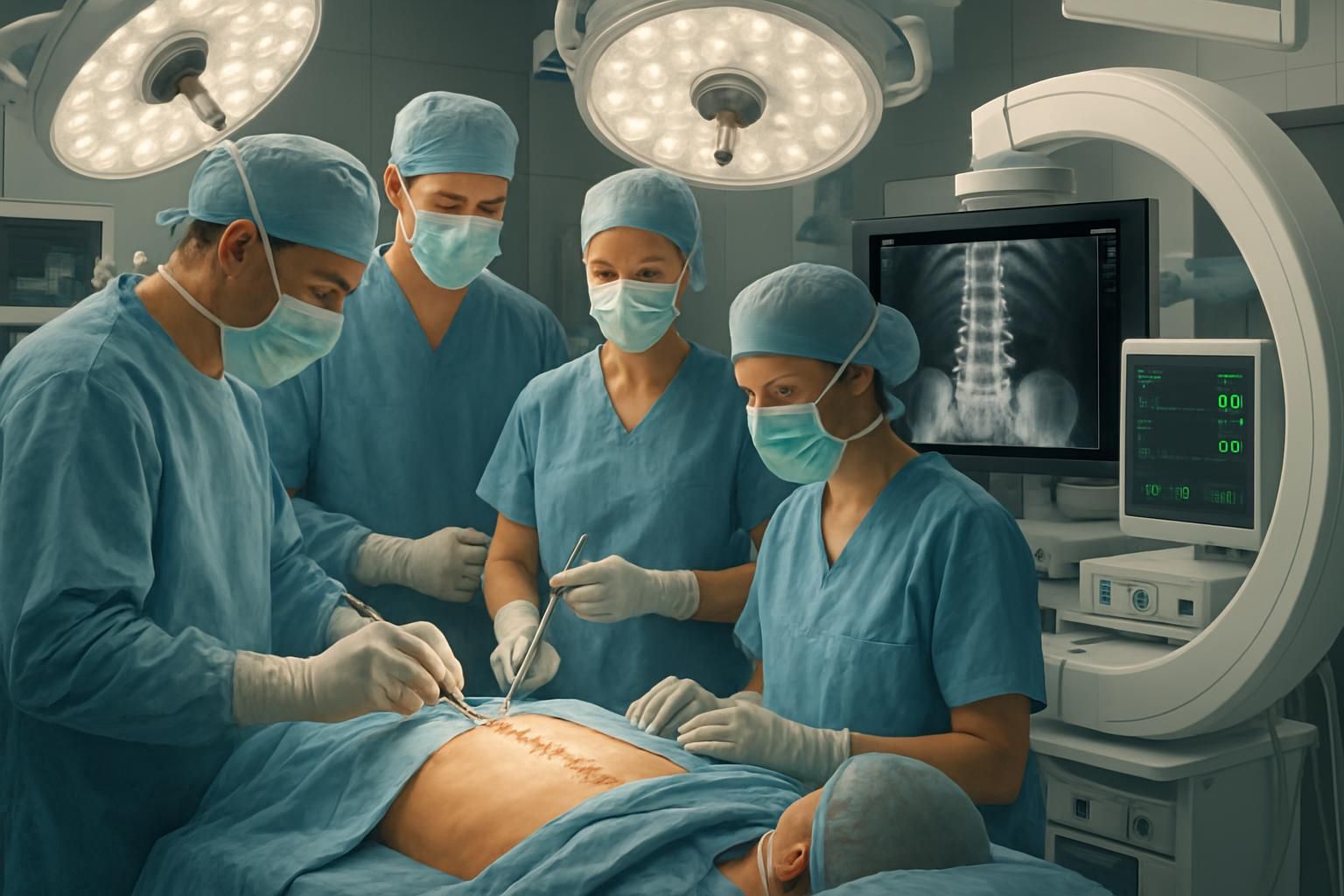
Innovative alternatives to spinal fusion to preserve spinal mobility
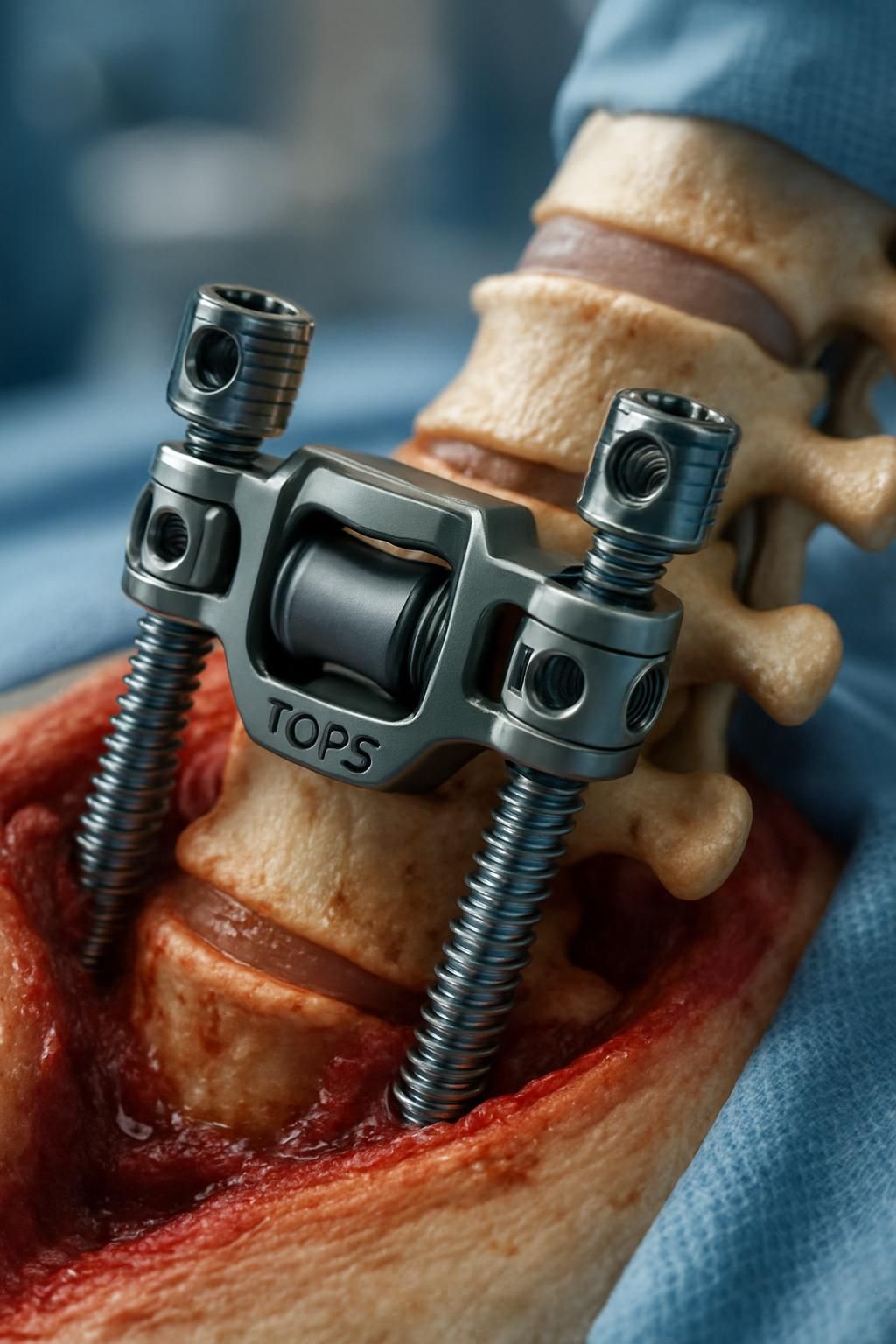
Spinal surgery is now moving towards less invasive solutions that preserve the spinal mobility and limit the stresses on neighboring segments. Dynamic stabilization, embodied by technological implants such as the system TOPS or devices IntraSPINE, stands out as a revolution in this field.
These dynamic implants offer several recognized advantages:
- Maintaining segmental mobility: Unlike rigid fusion, they allow controlled movement of the vertebrae.
- Reduction of pain related to biomechanical stresses: Dampening the pressures prevents premature degradation of neighboring spaces.
- Reduced recovery time: The operation is generally less traumatic, facilitating a faster return to activities.
- Improved post-operative quality of life: Thanks to the retained flexibility, patients benefit from superior functional adaptation.
These techniques are central to the Franco-Quebec collaboration led by Louis Blanchard, who rigorously guides patients toward optimal surgical options grounded in solid scientific evidence. His role as an expert consists of to explain simply the biomechanics of implants, their mechanism and their added value, in order to reassure and clearly inform the people concerned.
Some comparative studies also report a reduction in the risk of long-term complications with dynamic stabilization, particularly a lesser impact on adjacent segments. For further information on these aspects, patients can refer to specific resources such as this comparative analysis.
Complete patient journey: assessment, surgery and follow-up in a transatlantic context
The success of a spinal surgery It is based on a coordinated care pathway, established to meet the specific needs of patients, particularly those from Quebec. This pathway begins with a comprehensive assessment including a detailed clinical evaluation, functional examinations and a precise radiological analysis.
The TAGMED CLINIC in France constitutes an essential partner for the pre-operative phase, thanks to its advanced protocols for conservative treatment and Spinal decompression therapy. Patients thus benefit from an optimization of their condition before any intervention, reducing the risks associated with spinal fusion or implants.
During the surgical phase, multidisciplinary teams provide comprehensive care, combining technical expertise and cutting-edge technologies. This support ensures a safe operation that meets the strictest international standards.
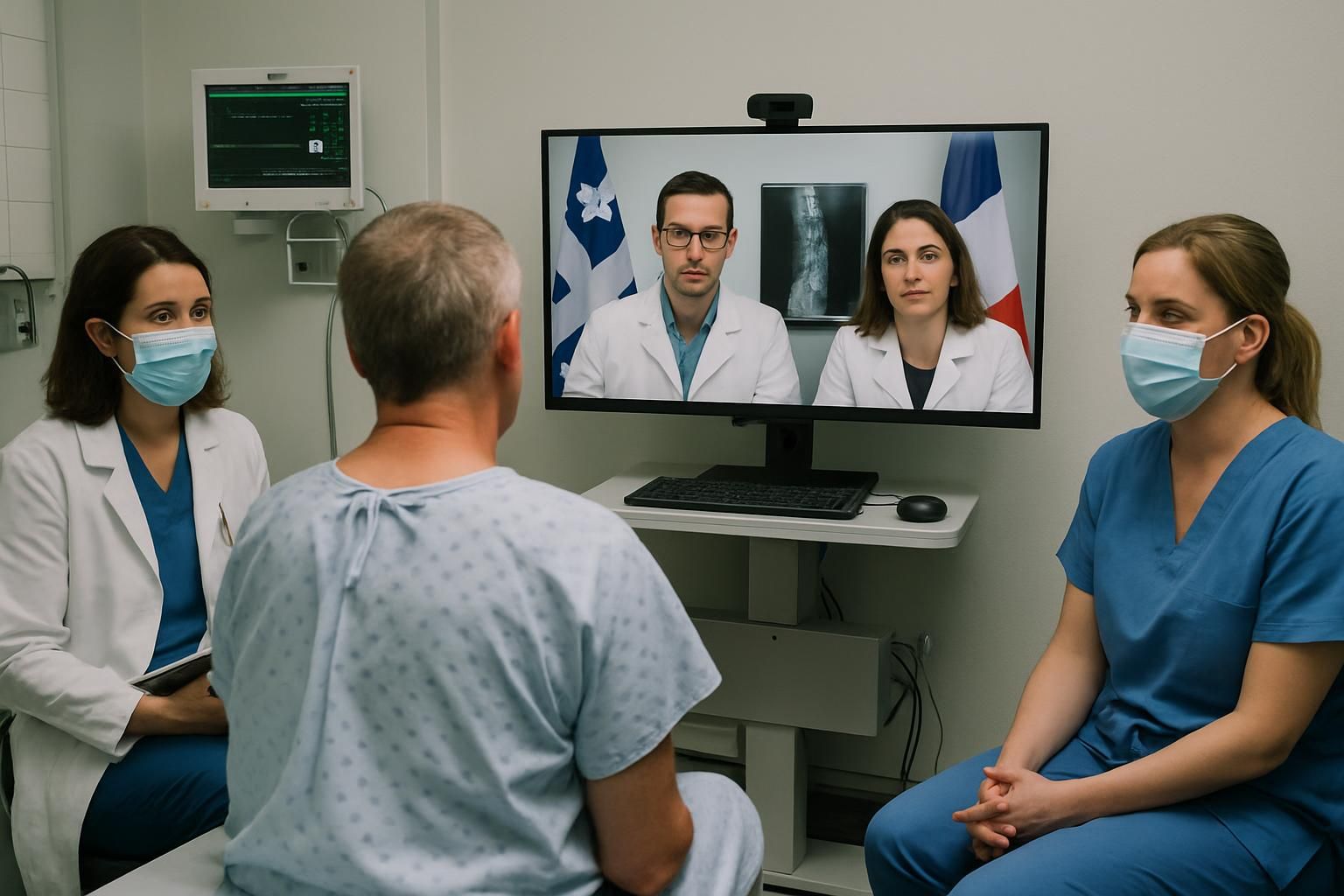
Post-operative follow-up remains essential and includes tailored physiotherapy focused on post-operative rehabilitation to restore functionality and encourage a smooth return to activity. It also involves personalized support, with close communication between French and Quebec specialists, facilitated by teleconsultation platforms.
Here are the key steps in the coordinated process:
- Initial assessment and referral towards conservative treatment.
- Joint surgical decision, incorporating innovative dynamic implant options.
- Logistical organization of the stay in France, with simplified administrative support via SOS Medical Tourism.
- The procedure was performed by an expert surgical team.
- Post-operative rehabilitation and personalized follow-up over several months.
Comparative table of the main spinal surgical procedures
| Technical | Description | Benefits | Disadvantages |
|---|---|---|---|
| Spinal fusion | Permanent immobilization through bone grafting and instrumentation | Solid stability, a proven solution in cases of severe instability | Loss of mobility, risk of nonunion, effects on adjacent segments |
| Dynamic stabilization (TOPS, IntraSPINE) | Implants that allow micromovements to preserve function | Maintained mobility, faster recovery, reduced constraints | Recent technique, patient choice limited by certain contraindications |
| Simple decompression | Removal of nerve-compressing structures without instrumentation | A less invasive intervention, often the first-line treatment | Does not correct instability, risk of recurrence |
Comparison of spinal surgery techniques
| Technical | Description | Benefits | Disadvantages |
|---|
The biomechanical and human benefits of dynamic spinal implants
Dynamic implants represent a major advance in the management of spinal pathologies, These devices offer an ideal compromise between stability and preservation of physiological movement. They are designed to address the biomechanical complexity of the spine, providing cushioning and flexibility that significantly reduce the stresses typically associated with fusion.
The benefits of such implants are numerous:
- Preservation of spinal mobility, essential for maintaining optimal function and a satisfactory quality of life.
- Harmonious distribution of the burdens at the level of the discs and facets, reducing wear and degeneration.
- Limiting side effects related to immobilization, such as aggravated chronic pain or post-operative deformity.
- Improved functional recovery facilitated by an adapted post-operative rehabilitation protocol.
The crucial role of specialists like Louis Blanchard is to ensure a clear popularization of these concepts, which proves decisive for Quebec patients to understand the options available to them, within the framework of a personalized and highly secure surgical project.
These implants are often recommended in alternative to classic fusion, This is particularly relevant for young or active patients, or those wishing to avoid the potential for stiffness and significant long-term complications. These innovations are closely monitored by rigorous scientific standards and practices validated in reference centers in France, guaranteeing safety and effectiveness.
Personalized support and Franco-Quebec coordination for a successful surgery
Spinal care requires special attention, especially when the procedure takes place abroad. The expert support offered by Louis Blanchard emphasizes transatlantic coordination between Quebec and specialized centers such as the TAGMED CLINIC. This cooperation guarantees comprehensive and seamless patient care, from initial assessment to post-operative follow-up, in a secure and cutting-edge environment.
The advantages of the personalized learning path include:
- Assistance with administrative and logistical procedures.
- Access to experts in spinal implants, particularly regarding TOPS and IntraSPINE systems.
- Regular follow-up via teleconsultations with professionals on both sides of the Atlantic.
- Adapting rehabilitation protocols to the specific situation of each patient.
- Encouraging informed decision-making, respecting personal pace and context.
This intervention model, illustrating the alliance between French surgical excellence and human support, results in optimized clinical outcomes and a better patient experience at every stage of the journey.
For an initial contact or a personalized assessment, it is strongly recommended that book an appointment via SOS Medical Tourism, in order to benefit from clinical guidance tailored to each individual's specific situation.
{"@context": "https://schema.org", "@type": "FAQPage", "mainEntity":[{"@type": "Question", "name": "What are the main risks associated with vertebral fusion?", "acceptedAnswer":{"@type": "Answer", "text": "Risks include nonunion, infection, loss of mobility due to immobilization, and increased wear of adjacent segments, which can cause additional long-term pain."}},{"@type": "Question", "name": "How do dynamic implants like TOPS differ from conventional fusion?"}} ", "acceptedAnswer":{"@type": "Answer", "text": "Dynamic implants allow for the maintenance of a certain degree of vertebral mobility, dampening biomechanical stresses, which reduces complications and improves functional recovery."}},{"@type": "Question", "name": "What is the role of physiotherapy before and after back surgery?"}},{"@type": "Question", "name": "What is the role of physiotherapy before and after back surgery?"}} ", "acceptedAnswer":{"@type": "Answer", "text": "Physiotherapy is crucial to prepare the spine for surgery by strengthening muscles and optimizing posture, then it facilitates post-operative rehabilitation, promoting a faster and more comfortable recovery."}},{"@type": "Question", "name": "How does the transatlantic journey for spinal surgery in France work?"}} ", "acceptedAnswer":{"@type": "Answer", "text": "This pathway includes a preliminary evaluation in Quebec, conservative treatment if necessary, coordination of the follow-up stay in France via SOS Tourisme Musical, surgery in a center of excellence, and then personalized follow-up provided by French and Quebec specialists."}},{"@type": "Question", "name": "What are the non-invasive alternatives to vertebral fusion?" ", "acceptedAnswer":{" @type": "Answer", "text": "The main alternatives include TOPS and IntraSPINE dynamic implants, simple non-fusion compression, and advanced conservative treatments offered in particular at the TAGMED Clinic."}}]}What are the main risks associated with spinal fusion?
Risks include pseudarthrosis, infections, loss of mobility due to immobilization, and increased wear and tear on adjacent segments, which can generate additional pain in the long term.
How do dynamic implants like TOPS differ from conventional fusion?
Dynamic implants allow for maintaining a certain degree of spinal mobility, cushioning biomechanical stresses, which reduces complications and improves functional recovery.
What is the role of physiotherapy before and after back surgery?
Physiotherapy is crucial to prepare the spine for the procedure by strengthening muscles and optimizing posture, then it facilitates post-operative rehabilitation, promoting a faster and safer recovery.
What is the transatlantic journey like for spinal surgery in France?
This process includes a preliminary assessment in Quebec, conservative treatment if necessary, coordination of the stay in France via SOS Medical Tourism, surgery in a center of excellence, and then personalized follow-up provided by French and Quebec specialists.
What are the non-invasive alternatives to spinal fusion?
The main alternatives include TOPS and IntraSPINE dynamic implants, simple decompression without fusion, as well as advanced conservative treatments offered in particular at the TAGMED Clinic.