The role of dynamic implants in the treatment of scoliosis
08/11/25Spinal fusion: what are the effects on adjacent segments?
08/13/25Faced with chronic spinal problems, Motion surgery presents itself as an innovative solution capable of combining effectiveness with the preservation of the spine's natural mobility. This surgical approach, still relatively uncommon in Quebec, is gaining popularity thanks to its potential to reduce the post-operative limitations typical of traditional spinal fusions. By 2025, several centers of excellence in France will offer these advanced procedures through facilitated transatlantic coordination, opening new perspectives for Quebec patients facing long waiting times and high costs. Motion surgery relies on dynamic implants such as TOPS or IntraSPINE, which mimics native spinal biomechanics, thus offering a precise and safe alternative. This comprehensive program, organized in partnership with SOS Medical Tourism, combines cutting-edge technologies, recognized French surgical expertise and personalized support, guaranteeing the patient an adapted, innovative and safe treatment.
The foundations and precise indications of motion surgery in spinal surgery
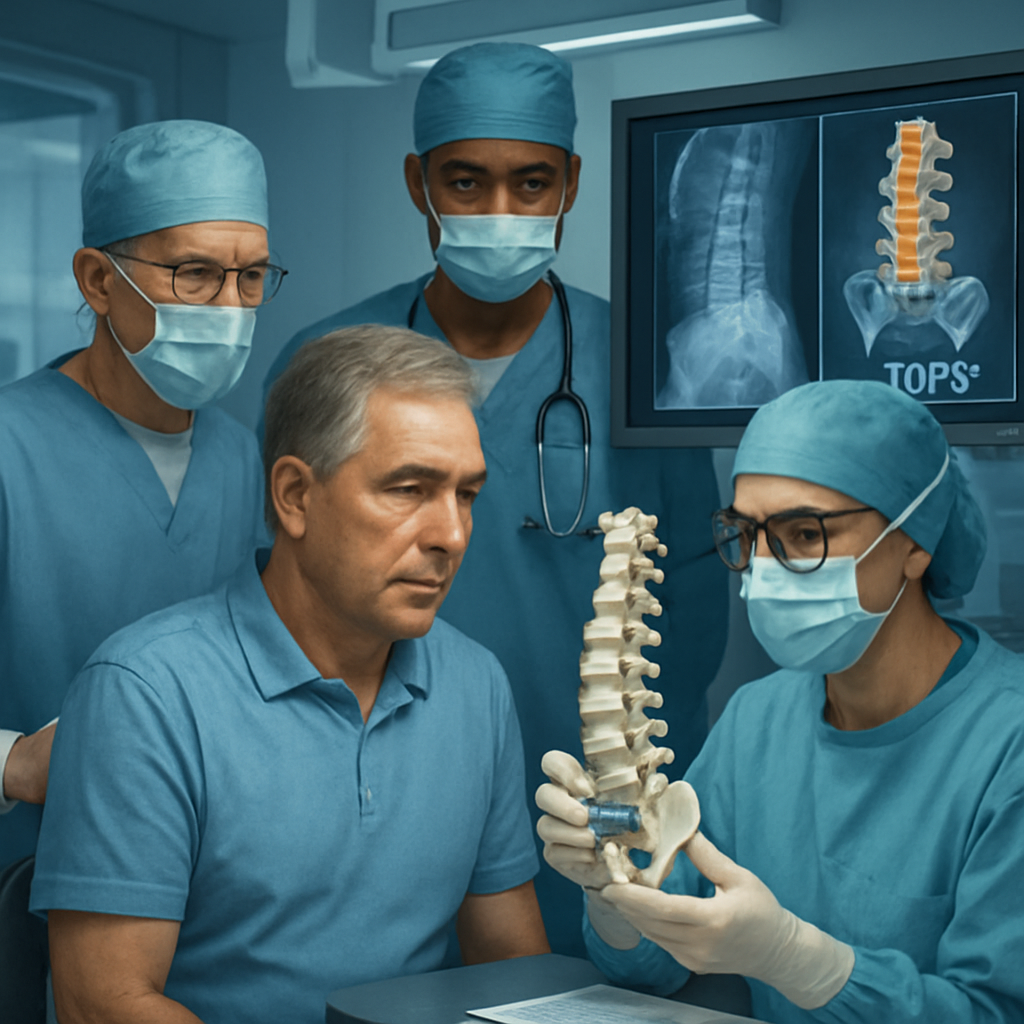
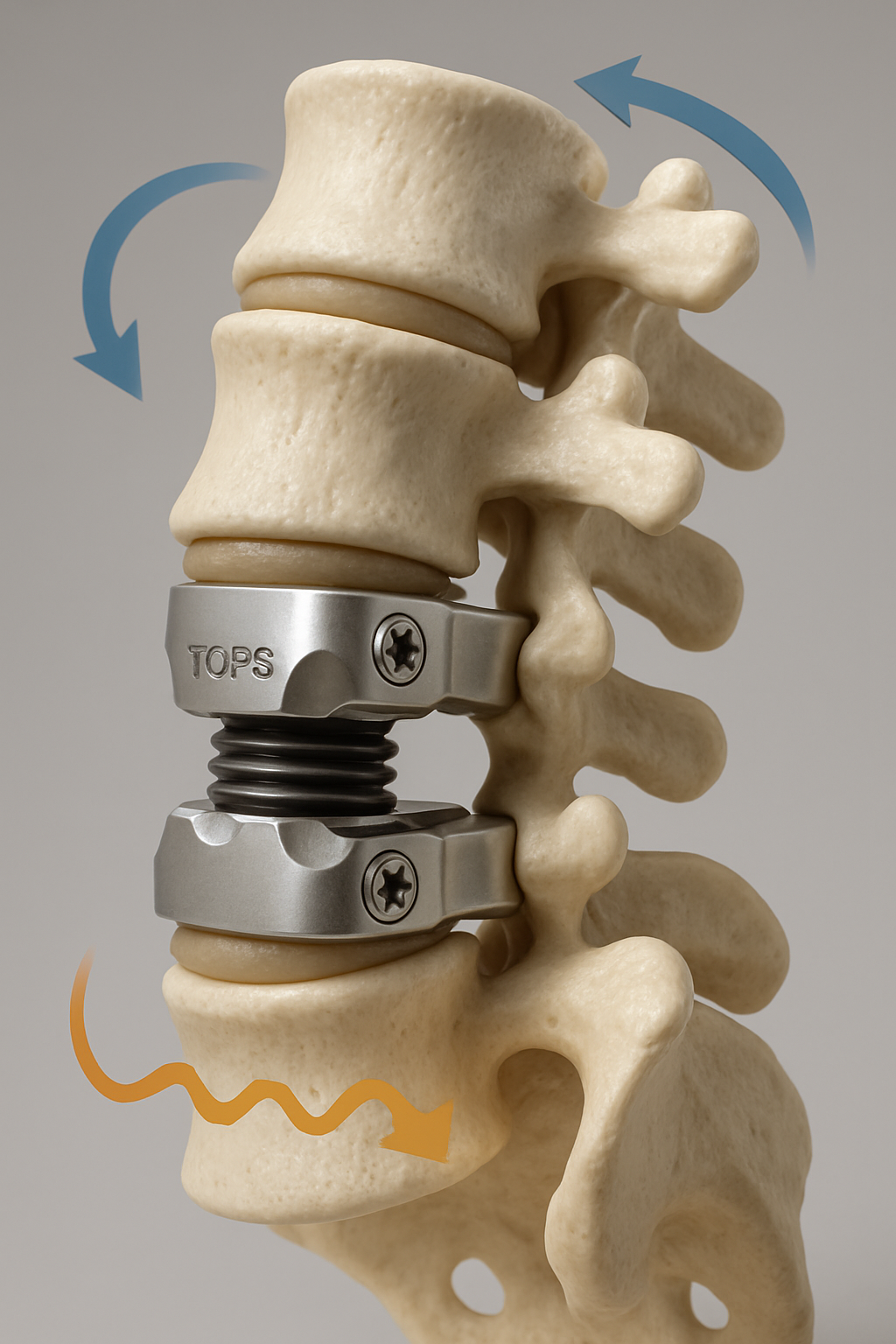
Motion surgery is defined by its primary objective: to stabilize affected vertebral segments without stiffening them. Unlike traditional spinal fusion, which blocks movement at the operated level, Motion surgery uses dynamic, articulated implants capable of preserving 60 to 80% of the targeted segment's natural mobility. These devices include the TOPS system, which replaces the posterior arch while allowing flexion, extension, and rotation, and the IntraSPINE implant, a flexible interspinous pad that respects the natural lordosis. These biomechanical innovations allow for better stress distribution, thus limiting wear on adjacent segments and reducing the risk of secondary osteoarthritis.
The indications for choosing Motion surgery are rigorous and based on a thorough evaluation of symptoms, age, degree of instability, and severity of the lesions. Among the main clinical situations are:
- Herniated disc recurrent lumbar pain in active adults, where preserving mobility helps to limit relapses.
- Foraminal stenosis or moderate facet joint with controlled instability, often treated with targeted decompression combined with a dynamic implant to stabilize without blocking.
- Mono- or bi-segmental degenerative disc disease where restoration of disc height is possible without resorting to complete fusion.
- Post-laminectomy syndrome, also known as "failed-back syndrome", a complication where Motion surgery can prevent further major intervention.
- Prevention of adjacent segment disease (ASD) after initial fusion, by maintaining movement in neighboring vertebral levels.
In a clinical setting, these indications are confirmed after a complete conservative treatment lasting a minimum of 3 to 6 months, including physiotherapy, pain management, and possibly neurovertebral decompression such as that available at the TAGMED CLINIC In France, the use of Motion surgery should therefore be considered as a later step only after conservative measures have failed.
| Criteria | Motion Surgery (Dynamic Implants) | Classic spinal fusion |
|---|---|---|
| Mobility of the operated vertebral segment | Preserved, with natural movements | Deleted, rigid fixing |
| Risk of adjacent osteoarthritis | Reduced thanks to the dynamics | Pupil in the medium and long term |
| Rehabilitation time | Shorter, accelerated recovery | Longer, prolonged convalescence |
| Surgical approach | Minimally invasive with innovative implants | Classic open or minimally invasive |
| Post-operative pain management | More efficient thanks to the maintenance of the function | Variable, sometimes prolonged |
Motion surgery finds an ideal application in patients wishing to maintain a high level of physical or professional activity, particularly those who play sports or have mechanically demanding jobs. It relies on advancements in implants developed by renowned manufacturers such as Zimmer Biomet, Medacta, Stryker, And DePuy Synthes, Leaders in spinal implant technologies. This selection of certified and CE-marked implants, combined with appropriate French surgical expertise, guarantees a high standard of medical safety and harmlessness.
Complete patient journey in Quebec: from initial assessment to post-operative follow-up in Motion surgery
The process by which a Quebec patient can undergo Motion surgery in France relies on rigorous organization and personalized support, ensuring consistency and safety throughout the entire process. This coordination is orchestrated by SOS Medical Tourism, facilitating access to renowned French centers and enabling seamless follow-up care.
The first stage takes place in Quebec, where a medical evaluation An exhaustive list is compiled. It includes:
- A complete clinical examination and analysis of symptoms associated with functional limitations.
- Detailed imaging with MRI and CT scan, jointly analyzed by certified radiologists in the Quebec and French networks.
- A recourse to conservative treatments, including neurovertebral decompression offered by partners such as the TAGMED CLINIC, the mandatory step recommended before any surgery.
After a minimum period of 3 to 6 months of observation and non-invasive treatment, a multidisciplinary Franco-Quebec meeting is held to review the case and decide on the best therapeutic strategy. This meeting allows for the sharing of expertise and the development of a personalized treatment plan.
A pre-operative consultation in France or via videoconference with the expert referring surgeon allows the project to be finalized, including 3D simulation of the implantation for high surgical precision. The operating room is equipped with the latest technologies, incorporating innovative contributions from companies such as Exactech, Smith+Nephew and Aesculap, for optimal minimally invasive treatment. The procedure, generally performed in 1-2 hours, allows for a short hospital stay of only 24 to 48 hours.
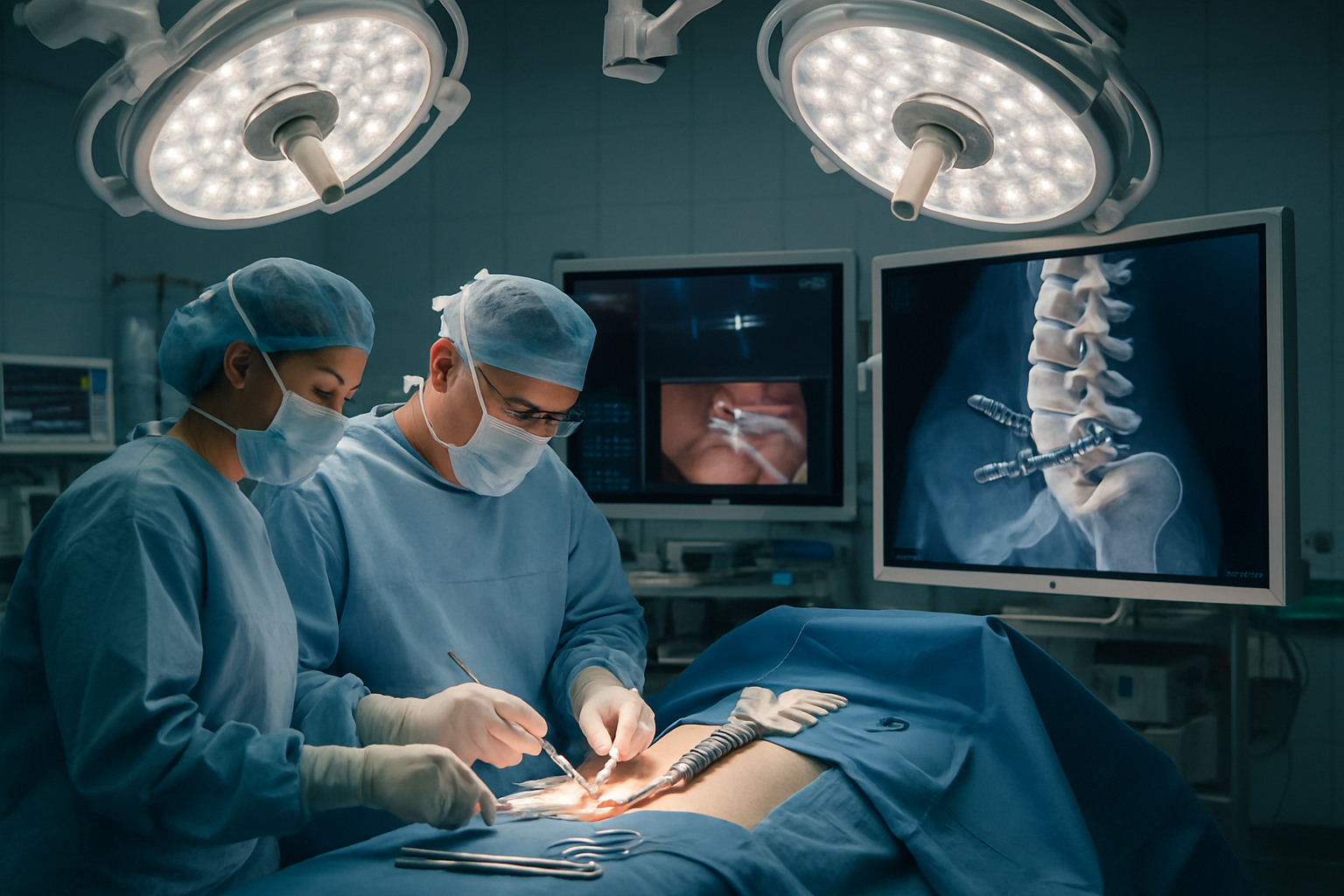
Post-operative follow-up is organized according to a hybrid protocol combining on-site rehabilitation sessions in France and remote monitoring in Quebec by specialist physiotherapists and physicians. Video consultations are scheduled at 7, 1, 3, and 6 months post-surgery, with a comprehensive assessment at 12 months to ensure the quality of the outcome and optimal management of any potential complications.
| Stage | Description | Main advantage |
|---|---|---|
| Initial assessment in Quebec | Consultations, imaging and periods of conservative treatment | Rigorous selection of candidates |
| Franco-Quebec multidisciplinary meeting | Multidisciplinary analysis of clinical records | Informed decision-making |
| Pre-operative consultation | 3D simulation and individualized surgical planning | Precision and optimal adaptation |
| Intervention in France | Minimally invasive surgery by experts in the high-tech operating room | Security and innovation |
| Coordinated postoperative follow-up | Hybrid rehabilitation program and regular follow-up | Rapid rehabilitation and close support |
Biomechanical advantages of dynamic implants compared to conventional techniques in spinal surgery
Dynamic implants in motion surgery represent a major advancement in spinal biomechanics. Their design aims to respect the natural mechanics of the spine, promoting flexibility, shock absorption, and the preservation of physiological movement. This approach is clearly opposed to rigid arthrodesis, where vertebral fusion results in a permanent loss of mobility and increased stress on adjacent segments, often leading to secondary pain and accelerated degeneration.
The specific biomechanical benefits of devices like TOPS and IntraSPINE are numerous:
- Preservation of joint range of motion with maintenance of flexion-extension, rotation and lateral tilt facilitating more natural movements.
- Reduction of mechanical load on the surrounding ligamentous and bony elements, thus preventing the early development of osteoarthritis or instability.
- Reduction of compensation phenomena on untreated segments, limiting so-called "compensatory" pain and postural disorders.
- Improved quality of life through rapid functional recovery, a reduction in postoperative pain and greater independence.
It is also essential to note that the choice of a dynamic implant prevails in cases where fine biomechanical restoration is fundamental. For example, TOPS stabilization is effective in cases of moderate lumbar spondylolisthesis, where maintaining movement is vital for postural adaptation. The TAGMED Clinic highlights this innovative equipment among other dynamic solutions from laboratories such as MicroPort Orthopedics and Link Orthopaedics.
| Dynamic implants | Key biomechanical advantages | Clinical example |
|---|---|---|
| TOPS | Preservation of flexion-extension and rotation, posterior stabilization | Moderate spondylolisthesis, demanding physical jobs |
| IntraSPINE | Flexible interlaminar wedge, respecting the natural lordosis | Lumbar stenosis, reduced facet pressure |
| LP-ESP | Viscoelastic core absorbs micro-vibrations | degenerative disc disease |
| Mobi-C | Double movable joint, reduces wear | Neck pain with cervicogenic migraines |
This biomechanical balance not only optimizes functional results but also contributes to a longer lifespan for the implant. This is essential for active patients, particularly athletes or professionals who take care of their spinal health.
Selection criteria and contraindications: knowing when to avoid surgery Motion
Despite its many advantages, Motion surgery is not suitable for all patients. Rigorous selection is based on careful analysis to avoid complications and ensure maximum benefit. Major contraindications include:
- Severe spinal instabilities or major deformities, for example in cases of significant uncorrected scoliosis.
- Active infections or a history of unresolved spinal infection.
- Advanced osteoporosis compromising the fixation of the implants.
- Severe neurological damage unstable conditions that may require urgent or more invasive intervention.
- Bone cancers or metastases to the spine.
In addition, patients must have completed a phase of conservative treatment, including physiotherapy and available decompression options, as proposed to the TAGMED CLINIC, before considering Motion surgery.
The French and Quebec regulatory framework, compliant with the standards of the French National Authority for Health (HAS) and the recommendations of international organizations, mandates a tailored selection process to maximize safety. To this end, multidisciplinary assessment tools are systematically implemented to determine feasibility.
- Precise radiological assessment and 3D analysis protocol.
- Multidisciplinary consultations involving surgeons, spinal anesthesiologists and physiotherapists.
- Taking into account the patient's rehabilitation capacity.
- Assessment of the psychosocial and motivational context, a key factor in success.
The document from the SFAR on anesthesia for spinal surgery further emphasizes the importance of appropriate preparation, particularly to minimize risks related to surgical posture in cases of associated cervical instability.
| Criteria | Indication for Motion Surgery | Contraindication or caution |
|---|---|---|
| Degree of instability | Controlled moderate instability | Severe instability/major deformations |
| Bone integrity | Healthy bones of good quality | Advanced osteoporosis |
| Infection | No infection | Active infections |
| Neurological state | Stable pathologies without decompensation | Severe neurological damage |
| Therapeutic phase | After failure of conservative treatments (3-6 months) | No failure of conservative treatments |
Why choose Motion surgery in France: innovation, quality and transatlantic coordination
Choosing Motion surgery in France offers several decisive advantages thanks to the expertise and long experience of its specialized teams. Since the early 2000s, French centers, pioneers in arthroplasty vertebral, have acquired solid clinical experience of over twenty years. This long history of techniques guarantees patients access to perfected solutions, incorporating the latest implant advances and high-precision minimally invasive procedures.
France is also recognized for its strict regulations, which combine CE marking for implants, recommendations from the French National Authority for Health (HAS), and rigorous scientific validation. Only devices proven safe and effective are approved for routine use, ensuring optimal patient protection. This responsible innovation policy is reinforced by active research collaborations with leading manufacturers such as Corin or Link Orthopaedics.
The coordination organized by SOS Medical Tourism between French and Quebec teams optimizes the patient's journey at each stage, reducing anxiety and improving the overall experience:
- Rapid analysis of examinations in less than 48 hours by expert radiologists.
- Transatlantic interdisciplinary meetings ensuring combined care.
- Personalized welcome in France with private transfer and VIP accompaniment.
- Adapted remote monitoring, thanks to a hybrid in-person and digital program.
For Quebec patients, this surgical option represents an economically attractive alternative to the often high costs and long waiting times in Quebec, while ensuring a high standard of care, both medically and personally. The use of recognized implants on the dedicated SOS Medical Tourism platform allows these benefits to be optimized.
Comparison of spinal surgery techniques: Motion vs. traditional fusion
| Criteria | Motion Surgery | Spinal Fusion |
|---|