Motion Surgery: Reducing Complications
02/06/26
Minimally invasive surgery: optimal results
02/06/26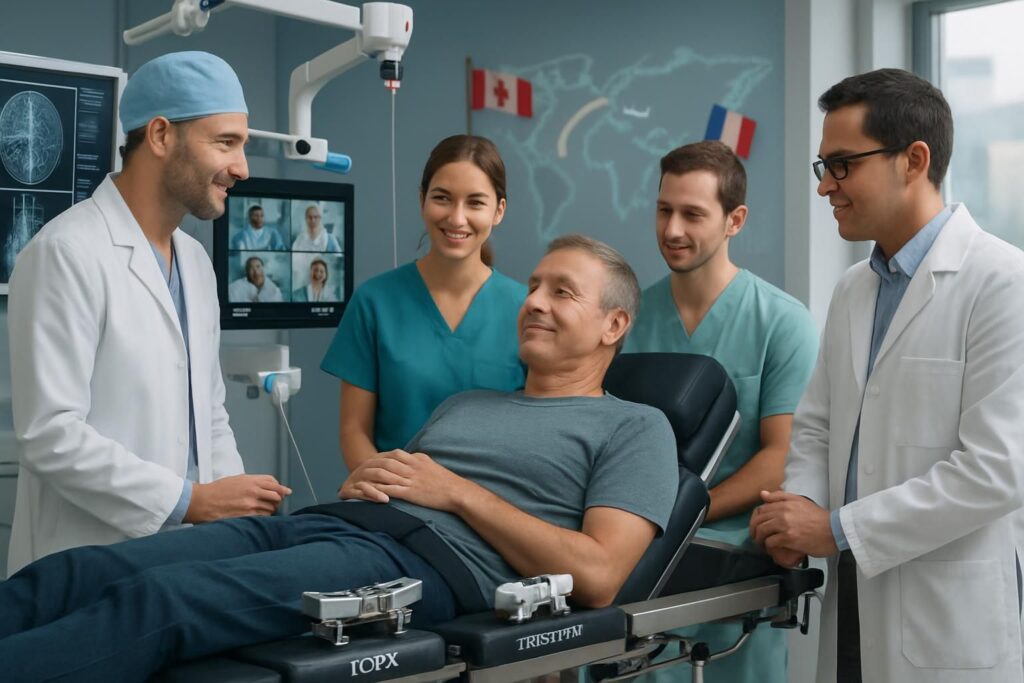
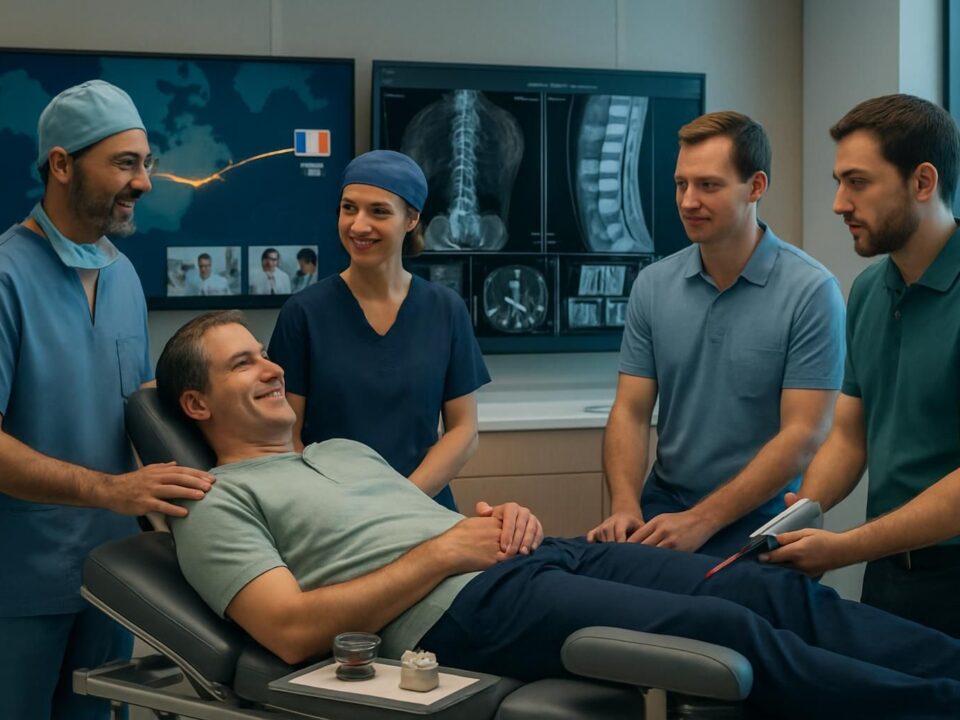
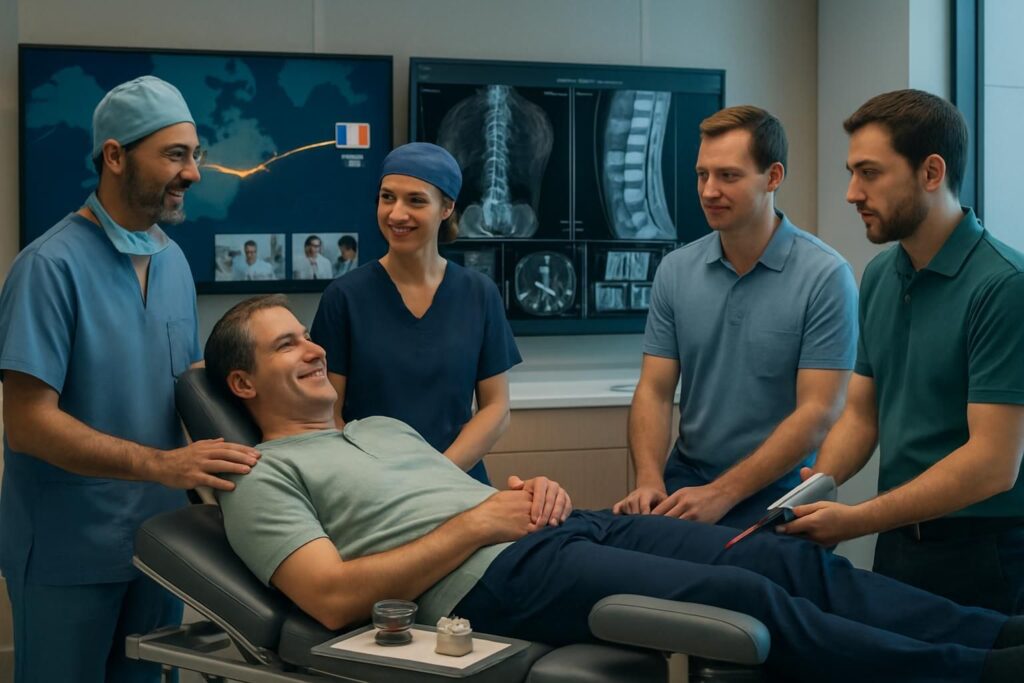
In the field of spinal surgery, cervical disc replacement has emerged as a major advancement offering numerous clinical advantages. Unlike traditional rigid fusion techniques, this innovative solution aims to treat neck pain while respecting the natural mobility of the spine. For Quebec patients facing often lengthy wait times in the local healthcare system, cervical surgery in France represents a promising alternative, combining cutting-edge expertise, innovative technologies, and personalized support. The entire process, from the initial assessment to postoperative follow-up, is orchestrated with scientific rigor to guarantee safety, rapid rehabilitation, and a lasting improvement in quality of life.
Preserving neurological function, preventing advanced osteoarthritis, and significantly reducing pain are at the heart of the clinical benefits demonstrated by cervical disc prostheses. Thanks to dynamic implants like the system TOPS or IntraSPINE, used as a complement or alternative depending on the case, patients can expect optimal functional recovery. In consultation with reference centers such as the TAGMED Clinic, which offers conservative treatment before any surgical intervention, this approach places the patient at the center of an innovative transatlantic journey, combining world-renowned French technologies and tailored human support.
The specific characteristics of cervical disc prostheses in the treatment of neck pain
Chronic neck pain represents a significant medical challenge, often linked to degenerative lesions of the cervical intervertebral disc. disc prosthesis Cervical shunting is a modern surgical solution designed to replace the damaged disc while maintaining a normal range of motion in the cervical spine. This preserved mobility not only promotes comfort but also helps protect adjacent spinal segments from premature wear.
The clinical benefits of cervical disc replacement are evident on several levels:
- Pain reduction related to nerve compression or mechanical irritation of the disc.
- Maintaining mobility segmental, which avoids the classic biomechanical imbalances observed with the merger rigid.
- Improvement of neurological function, with a favorable effect on the motor and sensory symptoms of the cervical nerves.
- Rapid rehabilitation, with an earlier return to daily and professional activities.
- Prevention of osteoarthritis of the adjacent segment by limiting its biomechanical overload.
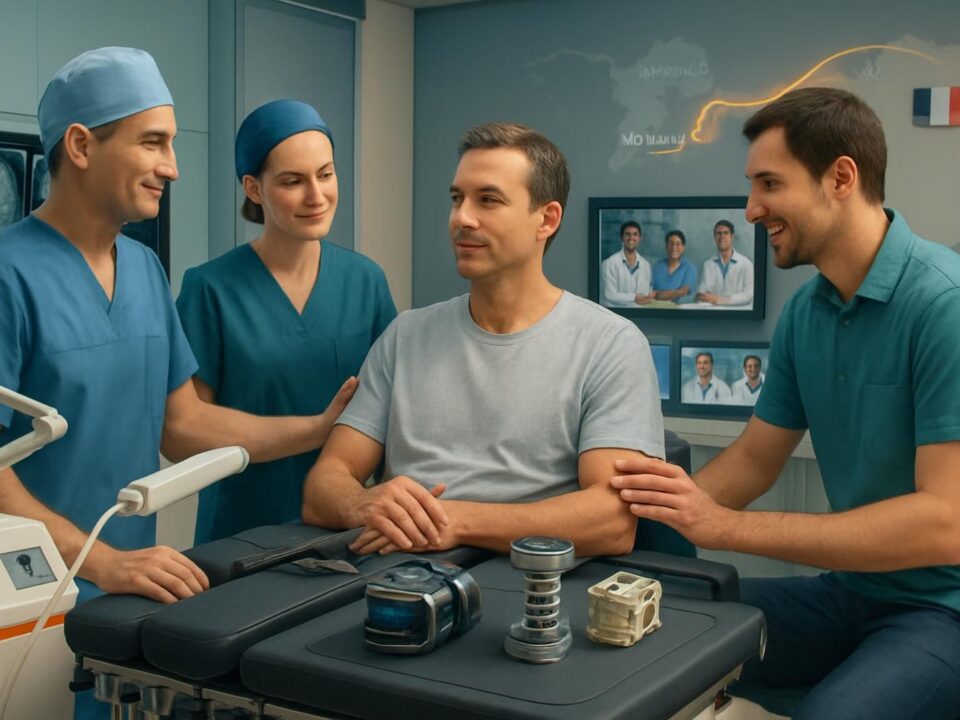
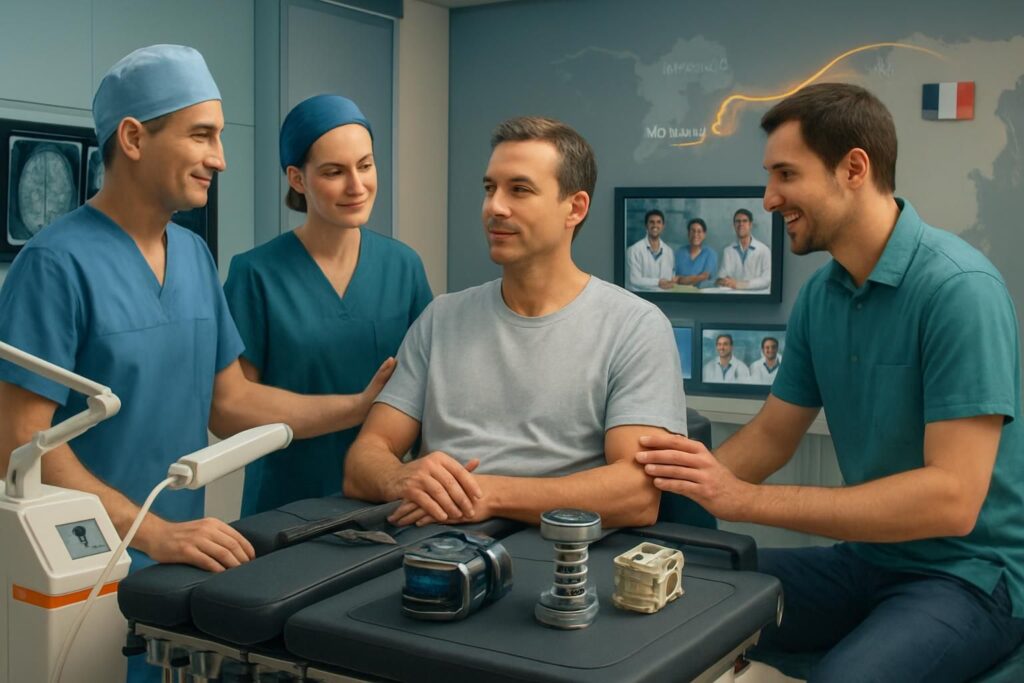
Innovations such as the TOPS system and the implant IntraSPINE They illustrate this dynamic by incorporating sophisticated biomechanics that mimic the natural behavior of the disc. By comparison, rigid fusion results in complete immobilization, which can induce secondary pain and weaken neighboring segments.
The clinical effectiveness of cervical disc replacement relies on rigorous patient selection. It is generally offered after a period of conservative treatment of at least 3 to 6 months, including specialized physiotherapy and other procedures. Spinal decompression therapy, and medical pain management. TAGMED CLINIC In France, it is a privileged partner in this pre-surgery stage, ensuring optimal monitoring for patients before considering surgery.
Comparison between cervical disc replacement and traditional surgical techniques
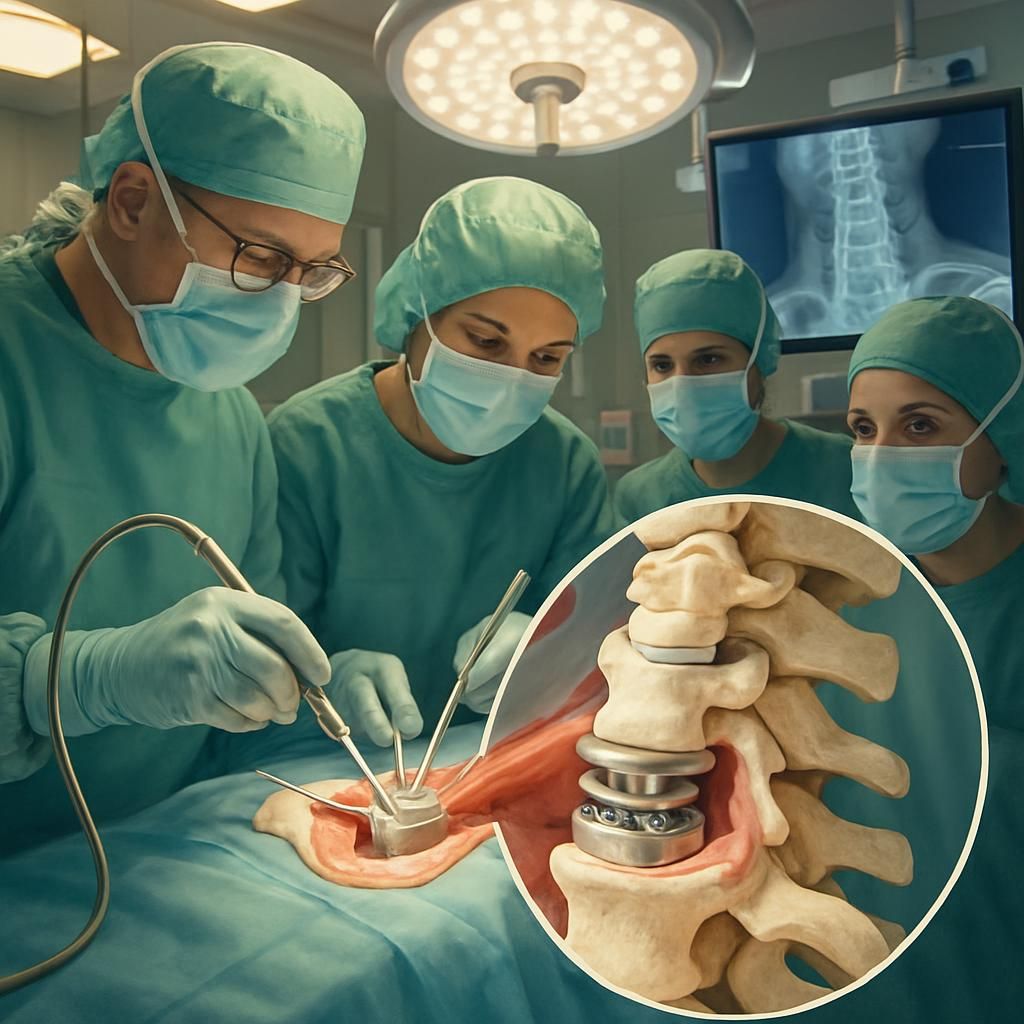
In the universe of surgery In cervical spine surgery, the choice of technique is based on specific medical criteria, including the nature and severity of the vertebral lesions. Traditionally, interbody fusion was the gold standard, permanently immobilizing the affected segment. However, several drawbacks are associated with this approach, including loss of mobility, prolonged rehabilitation, and an increased risk of degeneration of adjacent segments.
Cervical disc replacement, introduced as an alternative, requires a different biomechanical approach. By replacing the failing disc with a implant Being mobile, it preserves natural flexion, extension, and rotation movements, thus reducing stress on neighboring vertebrae. This mechanical preservation positively impacts neurological function and quality of life.
| Criteria | Cervical disc prosthesis | Traditional spinal fusion |
|---|---|---|
| Post-operative mobility | Preserved | Complete immobilization |
| Recovery | Fast with a return often within a few weeks | Slower, potentially requiring several months |
| Risks | Minors, mainly related to the establishment | Increased risk of adjacent degeneration and long-term complications |
| Biomechanical preservation | Excellent, respecting the physiology of the segment | Altered, load transferred to adjacent segments |
| Recommendations | Suitable for cases without major instability or severe deformation | Recommended in cases of instability or serious deformation |
By choosing cervical disc replacement, the patient benefits from a modern surgical procedure performed by experts in dynamic implants, such as Louis Blanchard, who works closely with leading French centers. This partnership ensures access to cutting-edge technology and a dedicated multidisciplinary team, an essential combination for safe and innovative care.
Care pathway and transatlantic coordination for a Quebec patient
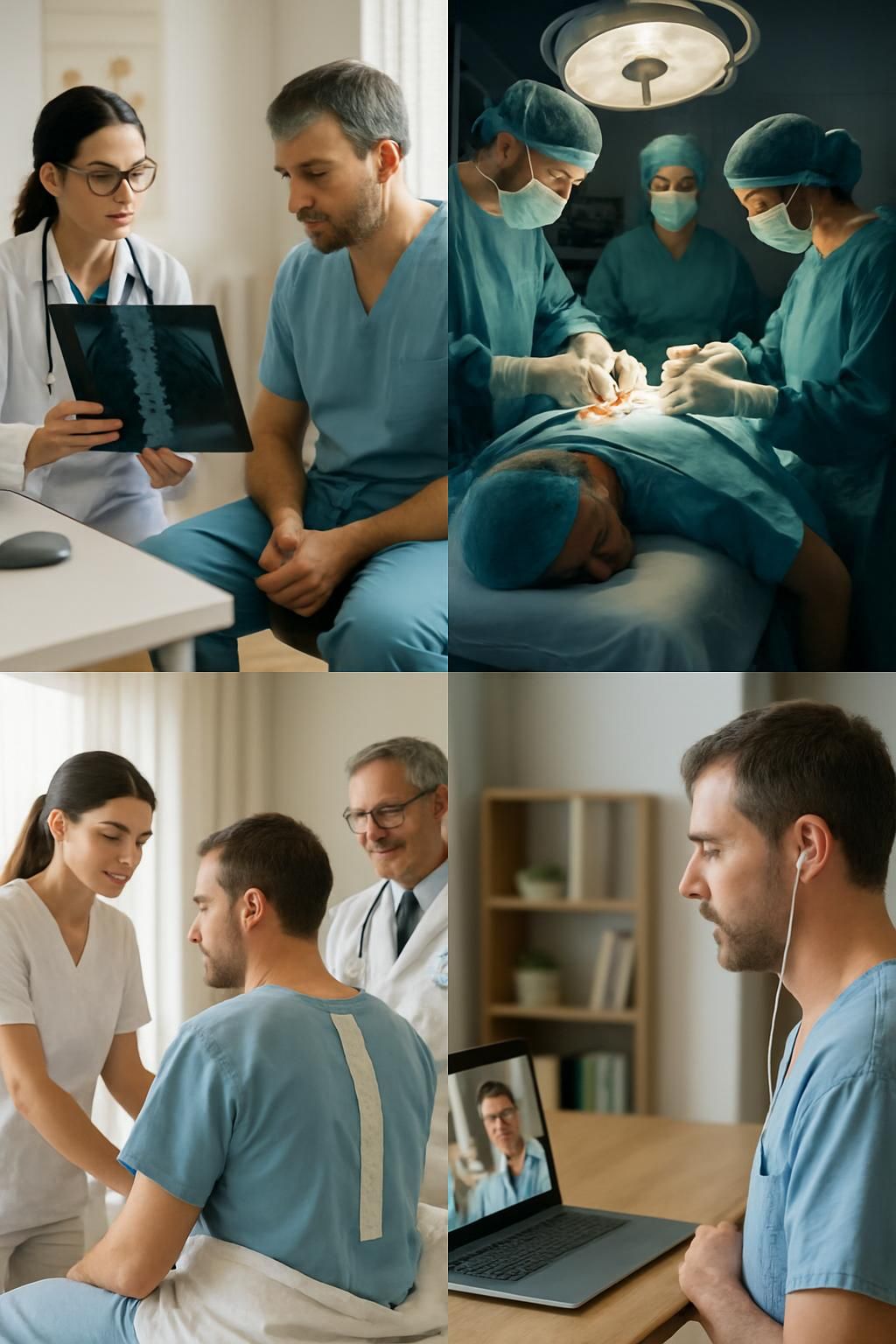
The surgical process for a Quebec patient considering cervical disc replacement in France is carefully calibrated to offer safety, seamlessness, and comfort. It all begins with a comprehensive evaluation, including imaging and advanced neurological assessment. In France, collaboration between specialist surgeons, paramedical teams, and support platforms such as SOS Medical Tourism optimizes communication and care planning.
Medical follow-up begins from the first contact, with a teleconsultation allowing for tailored guidance and a clear explanation of the various surgical options, including TOPS or IntraSPINE dynamic implants. This informed advice, provided by a recognized expert, significantly reduces stress and provides the patient with psychological reassurance, an essential factor for a successful recovery.
After confirmation of surgical feasibility, treatment at a French center includes rigorous preparation, ensuring mastery of innovative implantable technologies and adherence to international standards. The hospital stay is optimized through a multidisciplinary team, continuous pain management, and an early rehabilitation program to accelerate functional recovery.
Personalized support extends beyond the surgical procedure. Particular attention is paid to postoperative follow-up, with a precise schedule of necessary consultations and check-ups to ensure implant stability and favorable neurological function. To better understand this critical phase, resources are available in the field of Post-operative care following cervical disc replacement are invaluable to the patient.
The importance of technological innovation and scientific rigor for patient safety
Cervical disc replacement utilizes state-of-the-art biomedical implants, whose efficacy and safety are strongly supported by rigorous clinical studies. World-renowned French surgical expertise guarantees mastery of procedures and adherence to best practices. Safety relies on rigorous patient selection and meticulous preparation, which includes optimizing biomechanical parameters specific to each case.
The choice of a dynamic implant Systems like TOPS and IntraSPINE are designed to maximize functional preservation, limiting the complications often seen with traditional spinal fusion. These innovative devices allow for precise adaptation to the mechanical stresses of the cervical spine, thus contributing to the prevention of osteoarthritis and the preservation of quality of life.
Collaboration between biomedical engineers, surgeons, and follow-up specialists ensures the continuous development of implant technologies. A commitment to evidence-based protocols strengthens patient confidence in these new surgical options. This innovative environment is complemented by a strong focus on pain management and postoperative well-being, key to a rapid and comfortable recovery.
The long-term benefits of cervical disc replacement for quality of life
While immediate pain relief is a major reason for considering cervical disc replacement, its medium- and long-term benefits further enhance its appeal. Preserving spinal mobility means maintaining normal physiological function, thus limiting long-term complications and degeneration. This innovative approach facilitates faster reintegration into daily professional and family life.
Patients who have undergone surgery frequently report a significant improvement in their ability to resume their activities without discomfort or limitations. Maintaining neurological function is key, particularly for preventing the sensory or motor disturbances commonly reported in cervical pathologies. Specialized follow-up, combined with regular monitoring using the tools available in French centers, ensures optimal control of surgical success.
The humanistic approach adopted in the coordination between Quebec and France adds a reassuring and motivating dimension to the entire process. By combining technological innovation and attentive listening, this surgical model demonstrates that it is possible to envision effective and lasting rehabilitation, with a positive impact on patients' quality of life.
- Rigorous patient selection after 3 to 6 months of conservative treatment
- Use of dynamic implants to preserve mobility
- Comprehensive pre-, peri- and post-operative management with personalized follow-up
- Optimizing functional rehabilitation for a rapid return
- Continuous monitoring via specialized tools and multidisciplinary collaborators
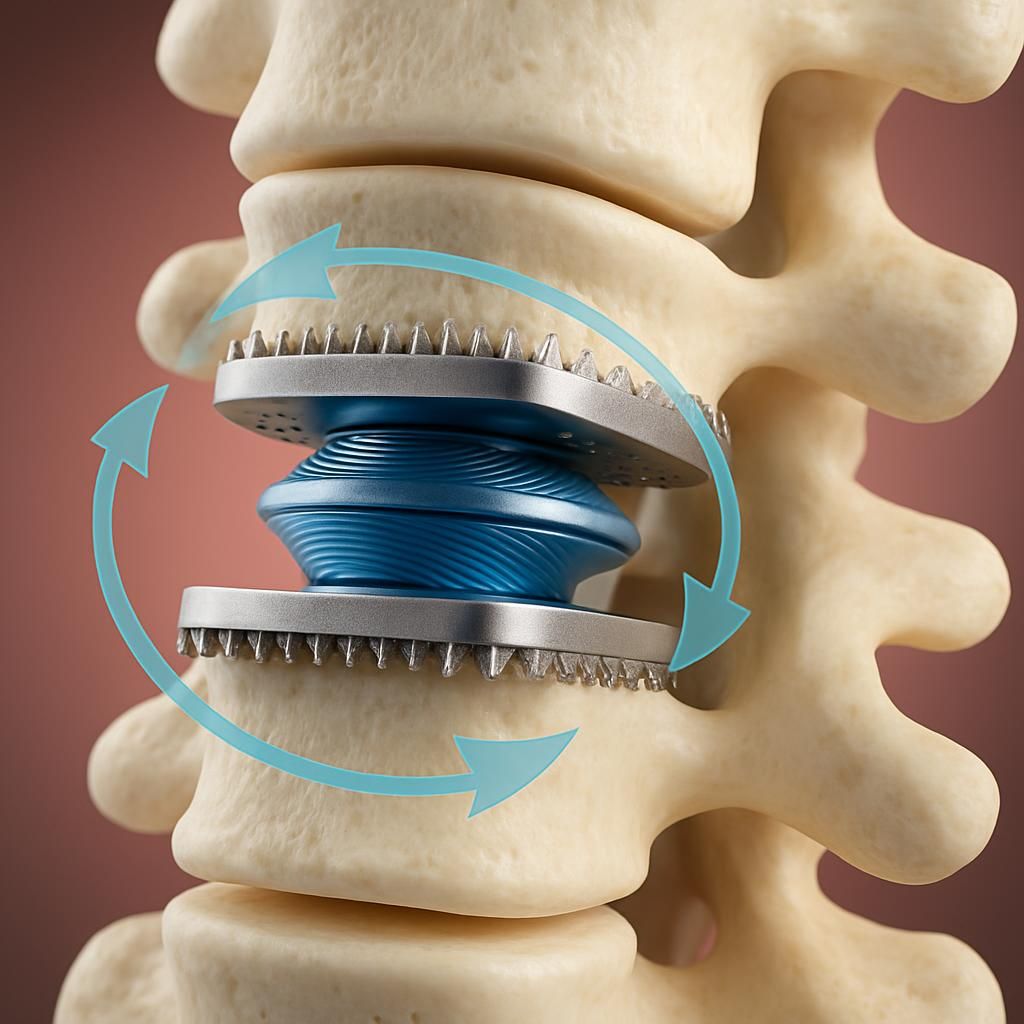
Comparison of dynamic implants in cervical surgery
| Characteristic | TOPS System | IntraSPINE Implant |
|---|
For a patient considering cervical surgery, this data provides a clear overview of the available options and innovations. Rigorous expertise and transatlantic support enhance safety and confidence in this complex process.
What are the main indications for cervical disc replacement?
The main indications include chronic neck pain related to disc degeneration, with nerve or mechanical pain, after failure of conservative treatment for 3 to 6 months. The patient must have adequate spinal stability without severe deformity.
Is cervical disc replacement a safe option?
Yes, clinical studies demonstrate that cervical disc replacement is a safe technique, provided that patients are rigorously selected and the surgical procedure is performed by a recognized expert. Post-operative follow-up is essential to ensure proper integration of the implant.
What are the advantages compared to spinal fusion?
Disc replacement helps maintain cervical mobility, reduces the risk of degeneration of adjacent segments, offers faster recovery and a better long-term quality of life.
What is the typical path before surgery in France?
After an initial assessment and conservative treatment at the TAGMED CLINIC, SOS Tourisme Médical coordinates the consultation, intervention and follow-up with surgical experts in France.
What is the rehabilitation process like after the operation?
Rehabilitation is rapid thanks to the preserved mobility of the implant, including targeted physiotherapy sessions and appropriate pain management for a return to normal life in the weeks following the procedure.
Similar Items