Fusion vs. Motion: Impact on Athletic Performance
09/12/25
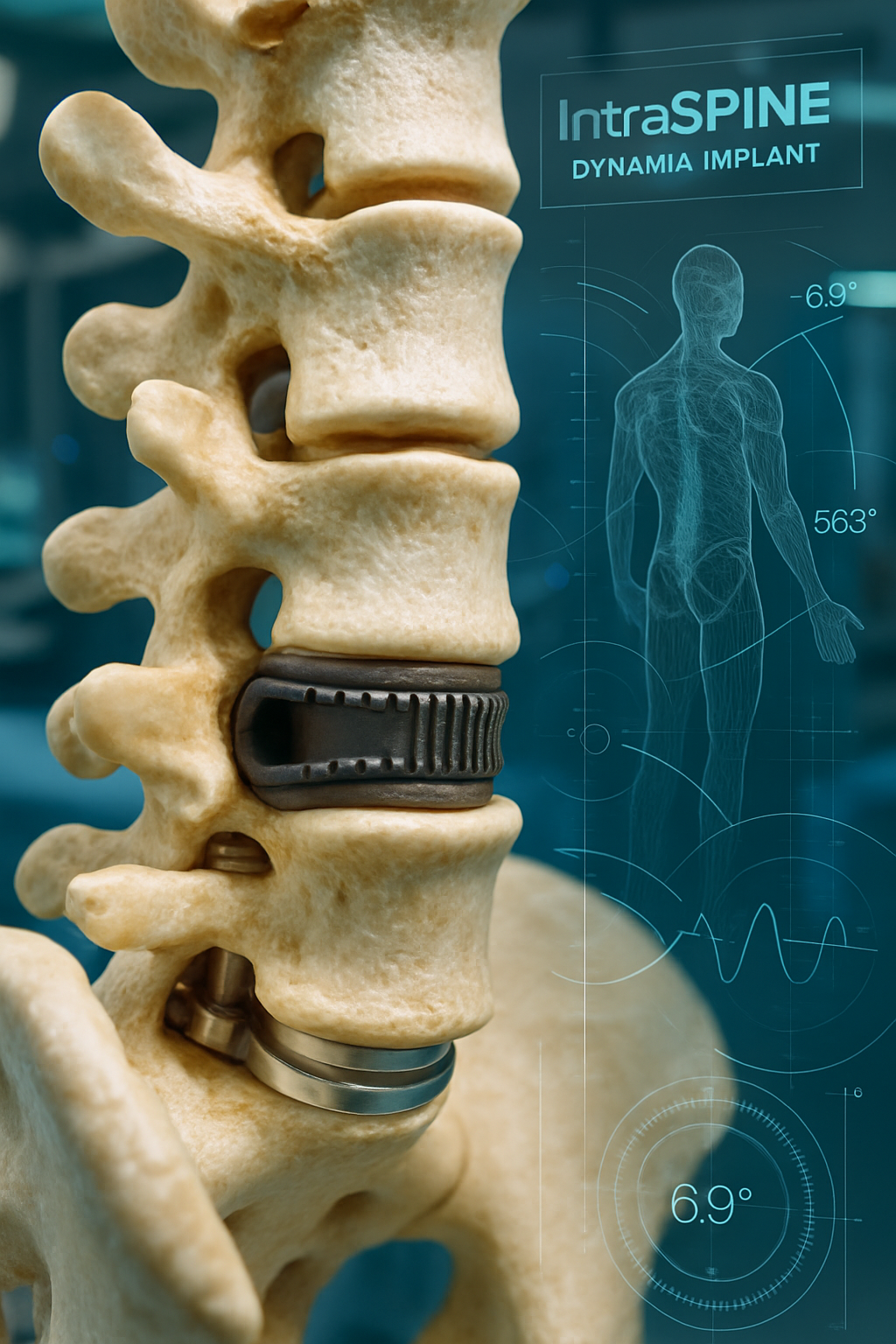
IntraSPINE®: an implant that protects nerve structures
09/15/25
The management of spinal pathologies is evolving considerably with the integration of innovative technologies such as the TOPS system, a major advancement in preserving lumbar spine mobility and preventing adjacent segment disease. This condition, common after traditional spinal fusion, results from overload and accelerated degeneration of the spinal segments adjacent to a rigid surgical site. The TOPS system is based on a sophisticated biomechanical design that maintains a certain range of motion at the treated level, while ensuring sufficient stability and protecting neighboring segments from premature wear. Numerous clinical and biomechanical studies now demonstrate the lasting benefits of this device, which is establishing itself as a credible alternative to traditional spinal fusion. merger classic rigid, especially for patients suffering from spinal stenosis with moderate degenerative spondylolisthesis.
The surgical environment in France, renowned for its expertise in spinal implants, combines innovation and safety with transatlantic support tailored to Quebec patients. Close collaboration between specialized centers, such as the TAGMED Clinic, and leading experts ensures a coordinated care pathway, from diagnosis to post-operative rehabilitation. This device, implanted via a standard posterior approach, faithfully reproduces the physiological movements of the vertebral segment while limiting excessive displacement that could cause pain or instability.
TOPS: A revolution in the prevention of adjacent segment disease
Adjacent segment disease (ASD) frequently occurs after spinal fusion, a procedure that completely eliminates movement at the operated level. This lack of mobility leads to biomechanical overload in the immediately superior and inferior segments, increasing their risk of accelerated degeneration, particularly through the development of herniated discs., facet arthrosis or even spondylolisthesis. The system TOPS distinguishes itself by recreating dynamic mobility in the segment operated, thus avoiding this abnormal transfer of constraints.
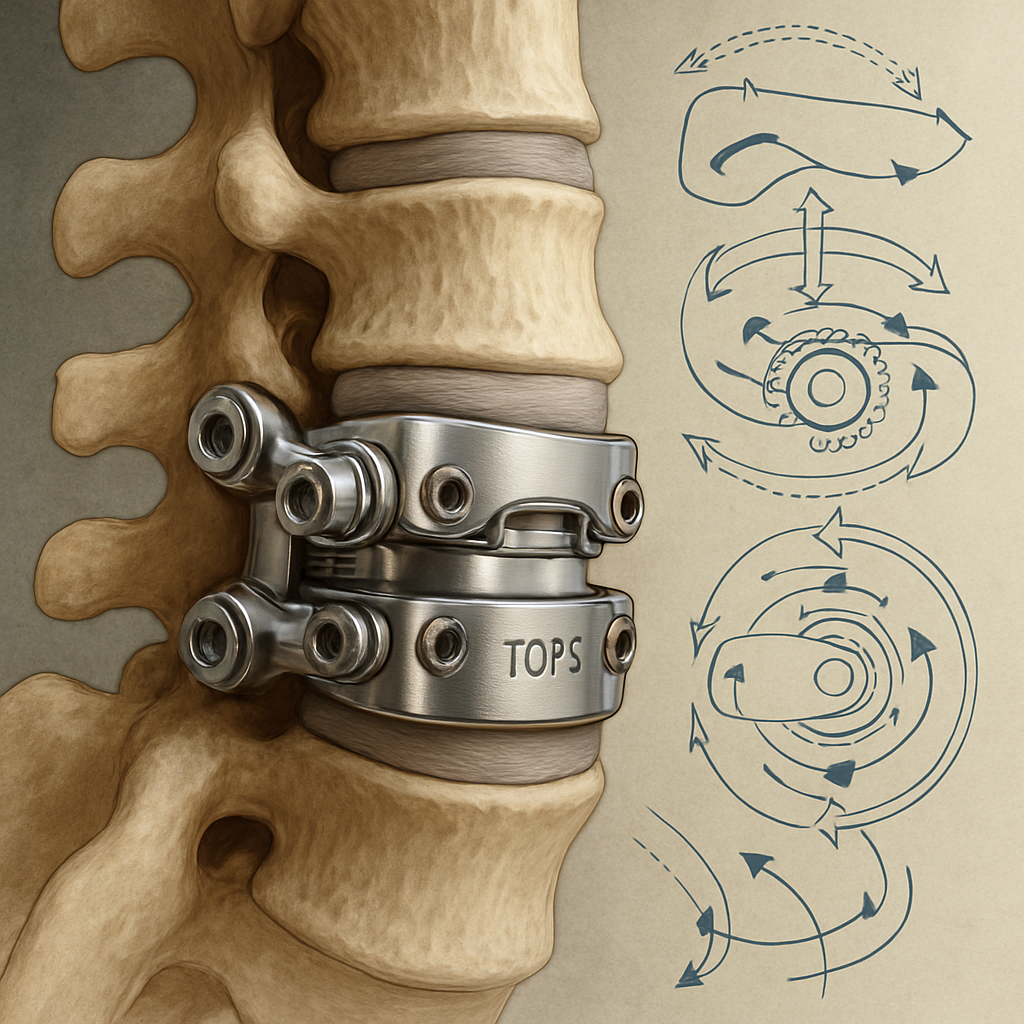
Developed by Premia Spine and scientifically validated by universities such as Ulm and by European and American field studies, this system is composed of titanium plates linked by a mobile mechanism that allows:
- Controlled axial rotation;
- Flexion and extension;
- Lateral flexion;
- Blocking excessive anterior and posterior translations.
This biomechanical mechanism faithfully reproduces the function of the natural vertebral elements (facets, ligaments) lost during surgical decompression. By preserving the mobility of the segment, TOPS protects adjacent segments by reducing their excessive stress..
An alternative to traditional rigid fusion splices
While traditional spinal fusion remains a gold standard for stabilizing certain severe spinal conditions, it has significant limitations. The rigidity it creates in one segment forces adjacent levels to compensate in order to maintain the flexibility required for daily activities, thus accelerating their wear and tear. This phenomenon can lead to recurring pain and the need for further surgical treatment. TOPS therefore offers a technological solution Who :
- Allows a faster functional recovery and facilitated a return to normal activities;
- Reduces complications related to adjacent segment syndrome thanks to its ability to maintain physiological mobility;
- Reduces the risk of secondary reintervention;
- Supports better biomechanical balance and improved long-term quality of life.
The choice between fusion or TOPS is based on a rigorous assessment taking into account the history, the type of pathology (including the presence of grade 1 spondylolisthesis), and the overall clinical context, with an emphasis on personalized follow-up.
For further information, a detailed overview is available on how the TOPS System.
The biomechanical and functional benefits of the TOPS system compared to adjacent segments
At the heart of this innovation, the TOPS system preserves the natural dynamics of a vertebral segment by restoring multidirectional mobility, which is crucial for preventing disease of the adjacent segment. This prevention relies on several complex pathophysiological mechanisms:
- Elimination of excessive stress on neighboring segments: unlike a complete fusion, TOPS distributes the load mechanically.
- Maintaining normal kinematics: The balance between flexion, extension, rotation and lateral tilt is maintained.
- Reduction of premature degeneration: The adjacent platforms, which are less in demand, are protected from the harmful effects of overload.
Biomechanical studies, notably those from the research of Professor Hans-Joachim Wilke at the University of Ulm, demonstrate that the TOPS system significantly reduces excessive movements and abnormal stresses that usually affect adjacent segments after fusion.
The following table summarizes the major differences between conventional fusion and the TOPS system:
| Criteria | Classical Spinal Fusion | TOPS System |
|---|---|---|
| Movement at the operated level | Eliminated | Preserved in all directions |
| Stress on adjacent segments | Increased, high risk of wear and tear | Reduced, effective protection |
| Risk of disease in the adjacent segment | Pupil | Significantly reduced |
| Functional recovery | Slow, delayed return to activities | Faster, improved mobility |
These observations highlight the growing interest in dynamic implants like TOPS, integrated into a broader range of innovations towards a back surgery Less invasive and more respectful of the body, the modern medical approach thus promotes the preservation of quality of life while maintaining a high degree of safety.
Furthermore, detailed eligibility criteria and implementation principles are disseminated by specialized experts and accessible on platforms such as the TAGMED CLINIC or via comparative analyses.
The transatlantic patient journey: expert coordination between Quebec and France
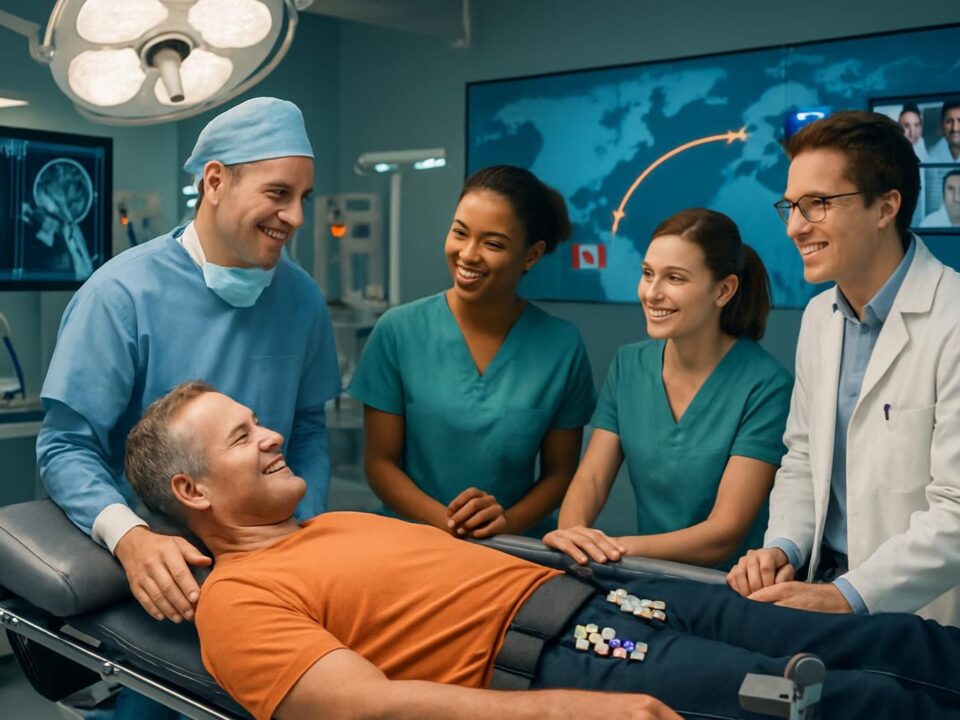
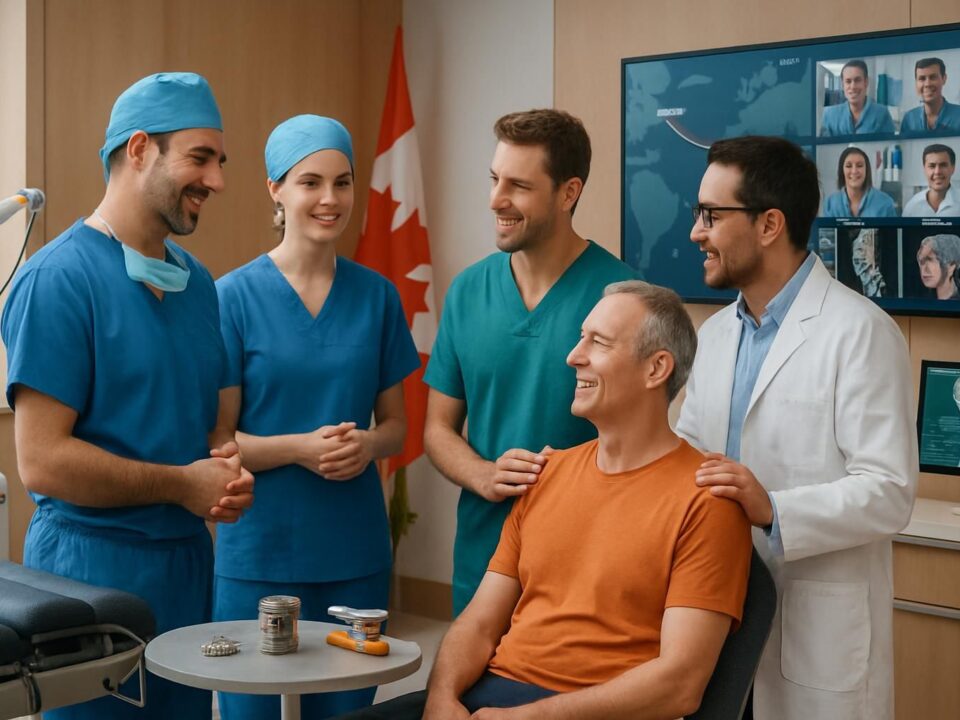
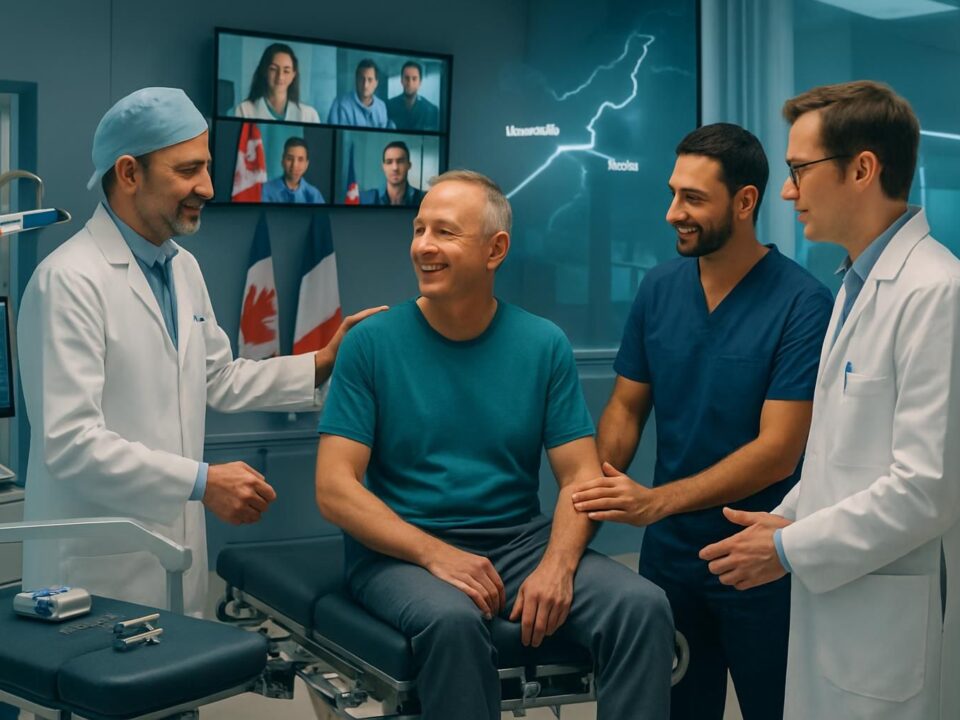
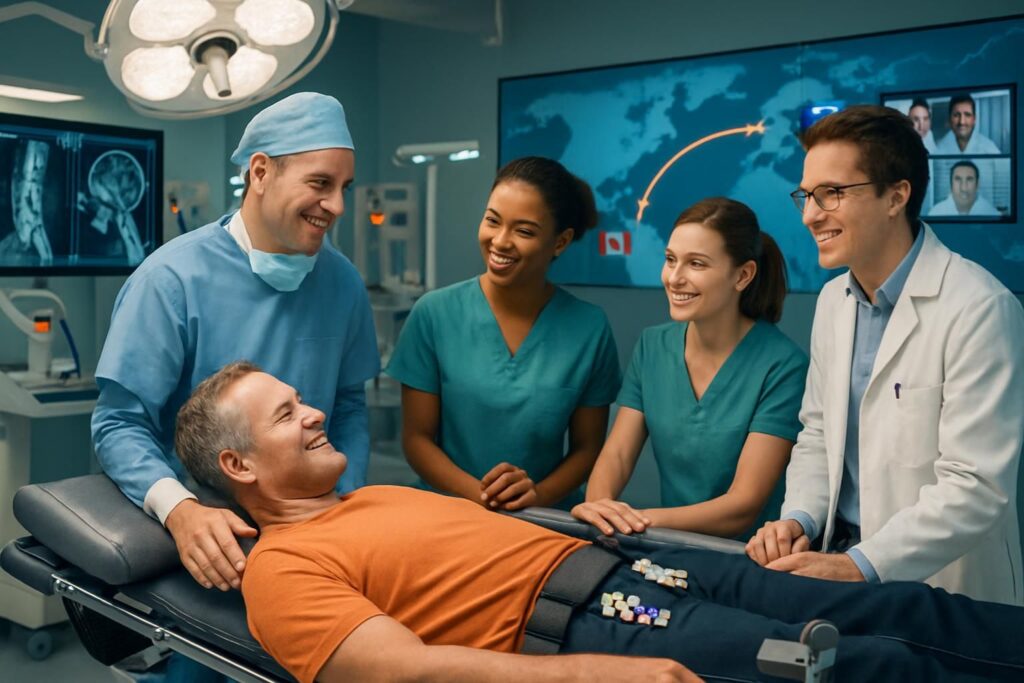
The care pathway for the implantation of a TOPS system is rigorously coordinated between Quebec and French medical teams, an essential collaboration for providing optimal care in an international context. This organization ensures:
- A first comprehensive assessment in Quebec, often in collaboration with the TAGMED Clinic, specializing in advanced conservative treatments such as Spinal decompression therapy;
- Personalized support guided by a recognized expert in spinal implants, guaranteeing informed advice and referral to the most suitable specialists in France;
- Administrative and logistical management facilitated via SOS Medical Tourism, taking into account the specific needs of the patient, reduced waiting times, and protocols of excellence;
- Coordinated reception and postoperative follow-up with French-speaking practitioners specializing in innovative lumbar and cervical spine surgery;
- Continuity of care ensured, including physiotherapy and rehabilitation with a gradual return to daily activities.
The added value of such an international journey is twofold: economic, with controlled costs outside the often congested Canadian private system; human, with empathetic support and patient-centered care. Adherence to international standards and consistent scientific rigor are at the heart of this transatlantic system., which places the patient at the center of all care.
For more information on the specific process and assessment options, it is recommended to visit the dedicated page. SOS Medical Tourism.
Scientific rigor and safe innovations in spinal surgery
The recognized expertise in dynamic implants, particularly those offered by Premia Spine such as the TOPS system, is based on rigorous clinical and biomechanical principles validated internationally, notably by the French National Authority for Health (HAS) and numerous research and reference centers in Europe and the United States. These innovations are designed to meet patient safety requirements, a crucial element in the spinal surgery.
The TOPS is implanted using a conventional posterior technique, with optimized fixation thanks to four polyaxial pedicle screws and a patented crossbar configuration, minimizing the force exerted on the screws and improving implant lifespan. This biomechanical stability, combined with the permitted mobility, contributes to a rare balance between spinal support and flexibility, perfectly suited to the current demands of functional surgery.
Long-term results, including several clinical follow-ups over more than ten years, attest to a very low incidence of mechanical complications such as unlocking or loosening screws, thus promoting confidence in this innovative surgery.
- Systematic collection of clinical and biomechanical data;
- Continuous adaptation of implants to respond to feedback from the field;
- Integration of future epidemiological studies as patient cohorts grow longer;
- Strict adherence to internationally validated implantation protocols;
- Collaboration with industry leaders such as Medtronic, Zimmer Biomet, DePuy Synthes, NuVasive, Stryker, Globus Medical, Alphatec Spine, Spineart and Orthofix, to ensure the best integrated technologies.
Through this combined approach, blending cutting-edge engineering and surgical expertise, the TOPS system represents a modern benchmark in spinal surgery, aiming to reduce postoperative morbidity and improve functional outcomes.
Dynamic implant solutions: a promising future for back surgery
Dynamic implants such as TOPS and IntraSPINE These devices represent a major advancement in the treatment of complex spinal conditions, particularly for patients suffering from neuropathic pain, spinal stenosis, or low-grade spondylolisthesis. They offer several advantages:
- Preservation of segmental mobility, limiting the negative consequences of rigid fusions;
- Reduction of social costs through a faster return to employment and a decrease in re-interventions;
- Improvement of quality of life and patient satisfaction;
- Proven alternatives for cases where traditional fusion is contraindicated or likely to lead to severe complications;
- Surgical care is facilitated by minimally invasive techniques adopted in several leading centers in France, combining safety and speed.
Therefore, the adoption of these innovations contributes to a reshaping of the surgical landscape, focusing on biomechanics, functionality, and anatomical integrity. Accessible and popularized publications, including those of the TAGMED CLINIC, present these advances to patients wishing to learn more before considering an intervention.
| Criteria | TOPS | IntraSPINE | Classic Fusion | Disc replacement |
|---|
The decision to opt for a dynamic implant Alternatively, a more in-depth analysis by experts, based on an assessment of the nature of the injuries, the patient's physical condition, and lifestyle, must be conducted collaboratively between the patient and medical teams in Quebec and France to ensure a personalized, safe, and innovative treatment.
What are the conservative treatments before surgery?
- Physiotherapy adapted to improve posture and muscle strength;
- Targeted injections to reduce inflammation;
- Effective drug control of pain;
- Non-invasive neurovertebral decompression, notably offered by the TAGMED Clinic;
- Regular monitoring and reassessment of symptoms for 3 to 6 months.
Surgery should only be considered after a full course of ineffective conservative treatment. This approach limits the intervention to truly indicated cases and ensures maximum benefit for the patient.
Frequently asked questions about preventing adjacent segment disease with TOPS
What are the main indicators of the TOPS system?
TOPS is primarily indicated for patients with moderate to severe spinal stenosis with grade 1 spondylolisthesis. It aims to decompress the nerve roots while preserving the mobility of the vertebral segment to reduce the risk of degeneration of adjacent segments.
Can TOPS be removed in case of complications?
Yes, the TOPS implant can be easily removed via a secondary surgical procedure. In the event of removal, a conventional fusion can be performed without difficulty. This surgical flexibility is a definite advantage that reassures both patients and surgeons.
What are the comparative risks between a merger and a TOPS?
The risks of mechanical complications such as screw loosening or hardware breakage are extremely low with TOPS, less than 1% according to studies. Furthermore, recovery is generally faster and patients report less postoperative pain thanks to the preservation of physiological mobility.
How can the journey between Quebec and France be optimized for this surgery?
Using a specialized organization, such as SOS Medical Tourism, allows for smooth and secure coordination between the two territories, ensuring full handling of the case, organization of transport, and continuity of post-operative care.
Is the TOPS system covered by insurance?
Reimbursement depends on the insured person's plan and applicable agreements. The monitoring of rigorous clinical studies and recent regulatory approvals facilitate the gradual integration of TOPS into reimbursable protocols, particularly in some European healthcare systems.