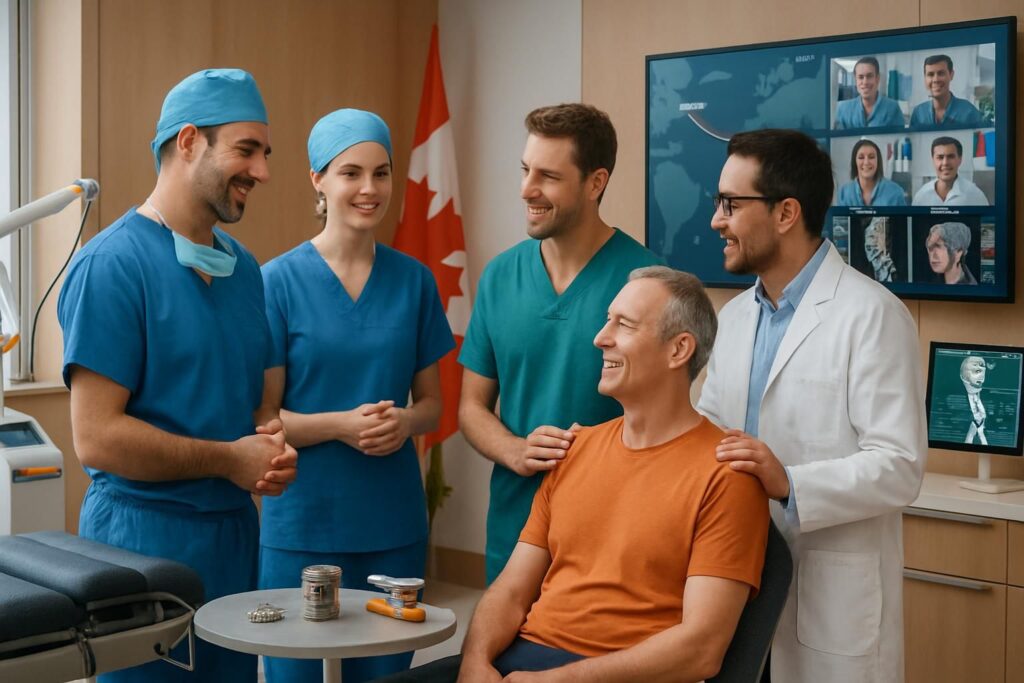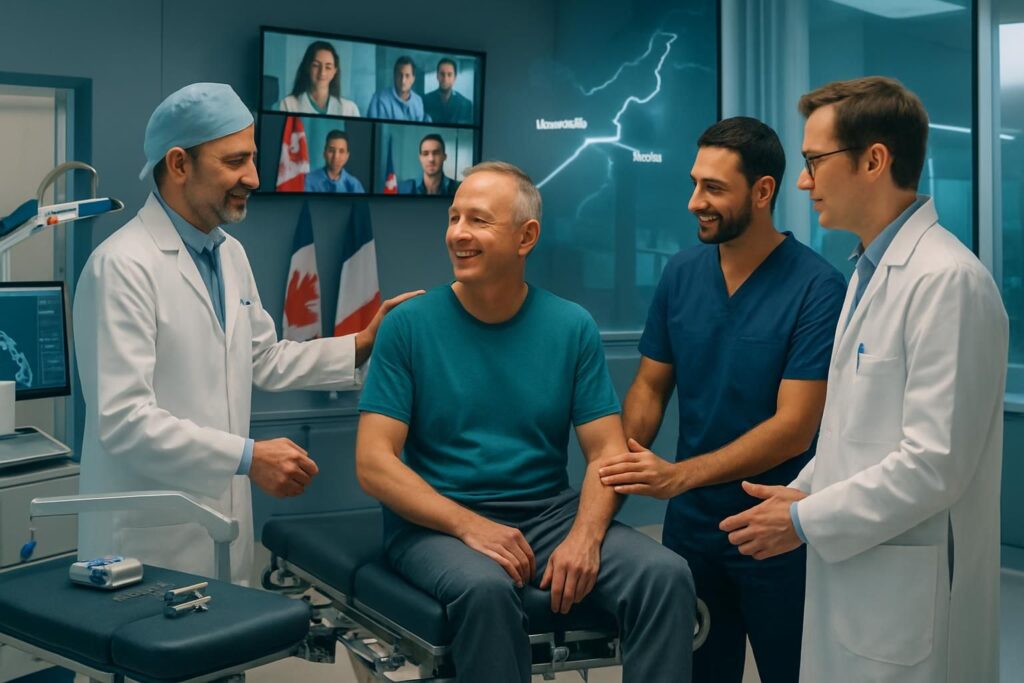
TOPS™: Step-by-step implantation explained to patients
08/19/25
Motion Surgery: a quick return to professional life
08/27/25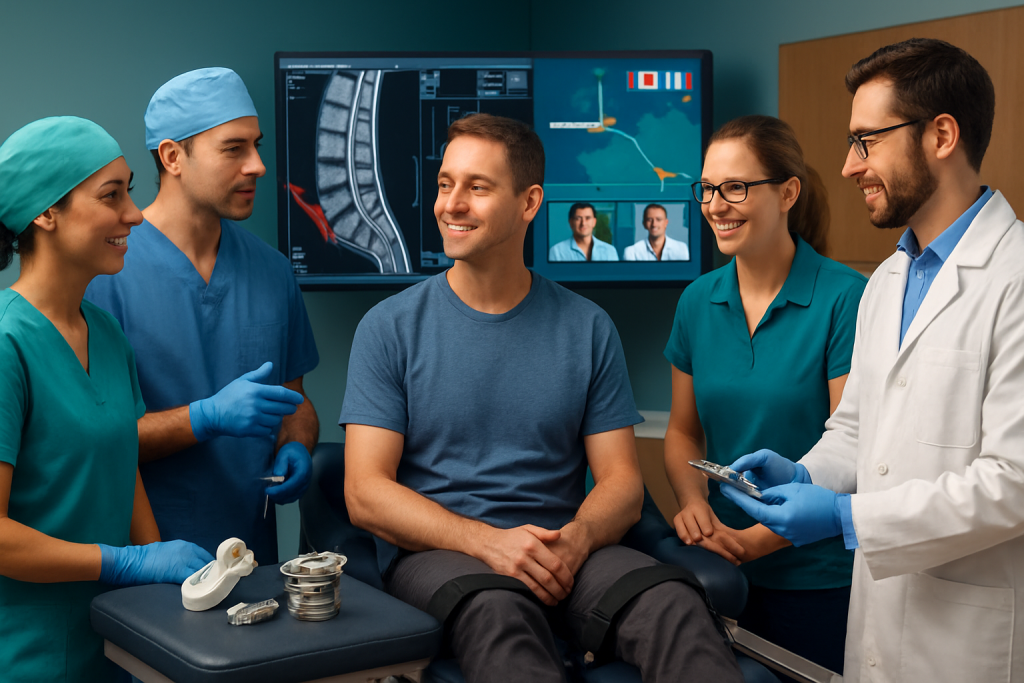
Spinal surgery, constantly evolving, is now witnessing the emergence of a major advancement: dynamic implants. These innovative devices are revolutionizing the management of spinal pathologies by offering the possibility of effectively treating back pain and instability while preserving the natural mobility of the spine. Faced with the limitations of traditional spinal fusion techniques, dynamic stabilization is emerging as a promising alternative for patients seeking faster functional recovery and long-term maintenance of their motor skills. In France, specialized centers, in partnership with renowned experts such as Louis Blanchard, offer a comprehensive, rigorous care pathway tailored to specific needs, particularly for Quebec patients, who thus benefit from reduced waiting times and highly personalized care. This surgical dynamism is part of a rigorous scientific approach and a constant focus on safety, integrating the most advanced medical technologies, notably those from renowned manufacturers such as Medtronic, NuVasive, and Zimmer Biomet. This article will explore innovations such as TOPS implants and IntraSPINE are presented with their biomechanical and clinical benefits, as well as the optimized pathway, guaranteeing a smooth and secure medical stay in France.
The biomechanical principles of dynamic implants in spinal surgery
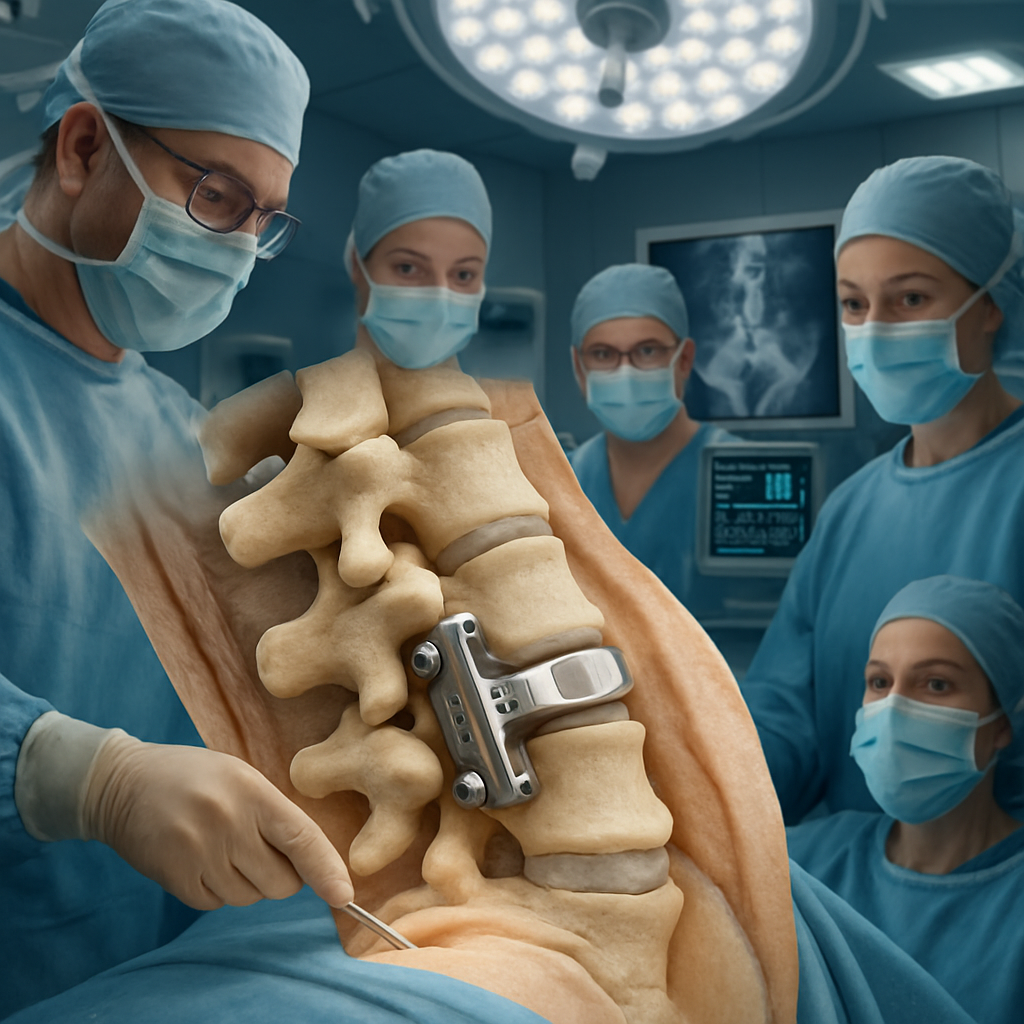
The dynamic stabilization This differs fundamentally from traditional spinal fusion techniques, which completely immobilize a vertebral segment. Instead of rigidly locking two vertebrae together, dynamic implants offer controlled fixation, allowing for the natural micromovements essential for spinal health. This consistent biomechanical approach aims to reduce the load on adjacent intervertebral discs, thus limiting the degenerative changes that frequently occur after conventional fusion. Systems like the TOPS (Total Posterior Spine System) or the IntraSPINE implant are designed to stabilize the spine while preserving a significant portion of its mobility, thereby facilitating the maintenance of the spine's physiological function.
This technology relies on specific materials and precision engineering to ensure optimal absorption and redistribution of stress during movement. For example, the TOPS implant consists of a robust articulated mechanism secured by pedicle screws, allowing flexion, extension, and rotation while maintaining sufficient stability. The IntraSPINE implant, positioned between the spinous processes, acts as a shock absorber, reducing pathological compression of certain segments without completely blocking movement. These innovations also allow patients to better tolerate daily and sporting activities after surgery. surgery, with a reduced risk of symptom recurrence or degradation of adjacent vertebral segments.
The major biomechanical benefits include:
- Partial preservation of mobility of the operated spinal segment
- Reduction of excessive stress on adjacent disks
- Significant reduction in the risk of secondary vertebral degeneration
- Reduced post-operative functional recovery time
The choice of these dynamic implants is the result of in-depth biomechanical studies and rigorous clinical validation. For example, the detailed comparative study on dynamic stabilization shows functional results equivalent to those of fusion techniques, while offering the advantage of maintaining mobility and improved recovery in the medium and long term. To explore this topic further, consult the work available at [website address]. this link allows for a detailed examination of the radiological and clinical evaluations of these implants.
| Criteria | Dynamic Implants (TOPS, IntraSPINE) | Classical Spinal Fusion |
|---|---|---|
| Spinal Movement | Partially preserved | Completely removed |
| Risks of Adjacent Degeneration | Reduced | Increased |
| Recovery Time | Faster | Longer |
| Surgical Invasiveness | Less important | Often more important |
Surgical options in France: between dynamic implants and traditional techniques
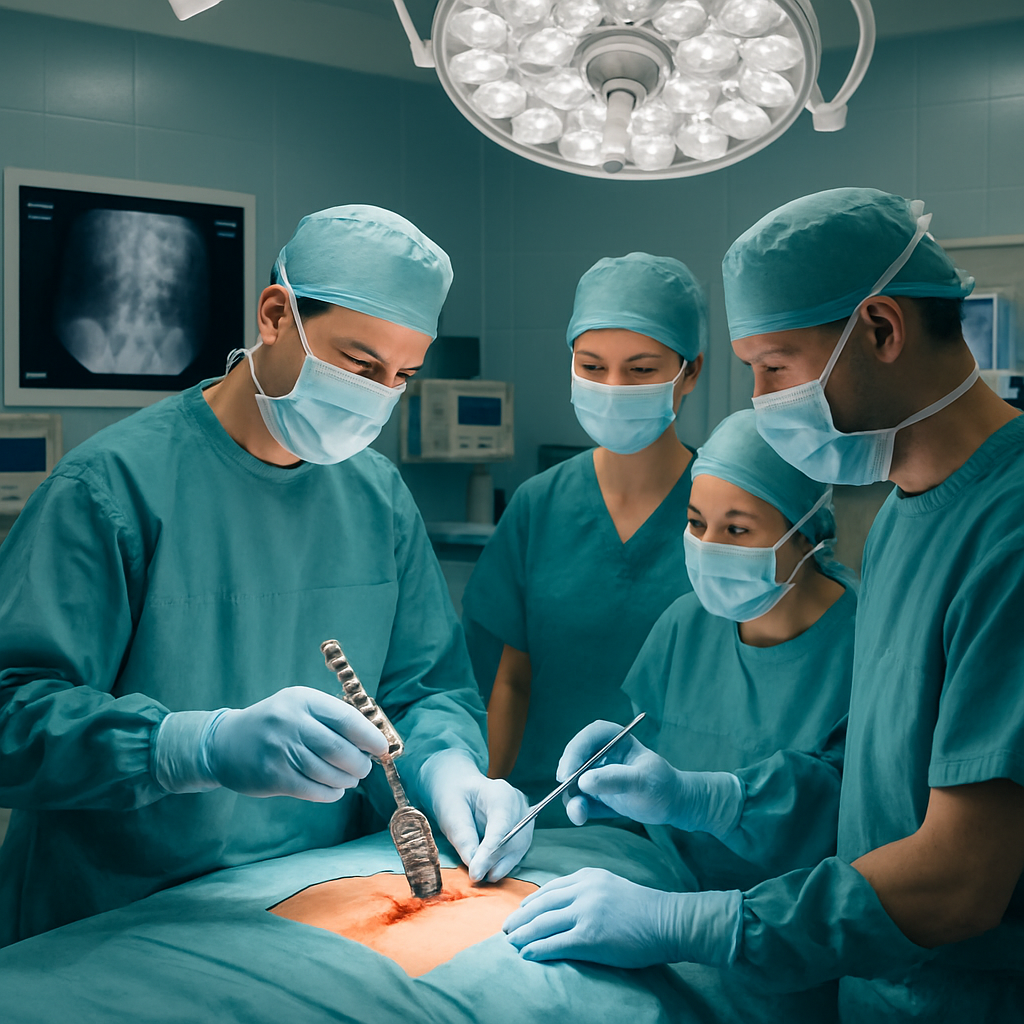
France is recognized worldwide for its expertise in spinal surgery, combining traditional know-how with technological innovations. The range of surgical options available to patients, particularly Quebecers seeking access to cutting-edge care at controlled costs, is very broad. Among modern solutions, dynamic implants play a leading role, with benchmark devices such as the TOPS system, developed in collaboration with European experts, and the IntraSPINE implant, designed to preserve lumbar mobility.
In parallel, traditional techniques such as lumbar arthrodesis by posterolateral fusion remain relevant in cases of severe lesions or major instabilities requiring complete immobilization to ensure stability. Similarly, the Spinal decompression therapy This simple approach represents an effective option for reducing nerve compression without systematically resorting to an implant. This diversity allows for precise adaptation to each clinical situation.
Factors influencing the choice of surgery:
- Nature and severity of spinal pathology
- Bone quality and condition of the intervertebral discs
- Patient profile (age, activity level, functional expectations)
- Response to conservative treatments performed particularly at the TAGMED Clinic
- Multidisciplinary assessment and expert opinion, including support from experts such as Louis Blanchard
Leading French centers, in collaboration with renowned manufacturers such as DePuy Synthes, Stryker, and B. Braun Aesculap, ensure the implementation of these techniques according to the most demanding international standards. This scientific rigor is essential to guarantee lasting results and a minimal rate of side effects.
For a better understanding of the instructions, a dedicated page Motion surgeries offers a detailed analysis of the eligibility criteria for dynamic implants, emphasizing the contraindications to be respected, particularly in cases of very advanced pathologies or serious deformities.
| Technical | Implant Type | Main Objective | Risks |
|---|---|---|---|
| Dynamic Stabilization (TOPS, IntraSPINE) | Dynamic implants with controlled mobility | Preserving mobility and relieving pain | Reduced adjacent degeneration, low recurrence |
| Posterolateral Vertebral Fusion | Pedicle screws and rigid rods | Immobilize an unstable segment | Risk of degeneration of the adjacent segment, prolonged recovery |
| Simple Neurovertebral Decompression | No implant | Reduce nerve compression | Possible instability, potential surgical revision |
Patients are thus guided towards the most appropriate surgical solution, with a personalized care pathway supported by expert transatlantic coordination. To learn more about these approaches, visit the website. Pulse Align Clinic provides a comprehensive overview of modern techniques.
The transatlantic patient journey: coordination, safety and personalized support
The challenges associated with spinal surgery – particularly for Quebec patients considering surgery in France – require rigorous organization and seamless care. Expert Louis Blanchard plays a key role in this process, providing his specialized expertise in dynamic implants and ensuring informed guidance from the initial consultation through post-operative follow-up.
This quality-focused approach is based on several steps:
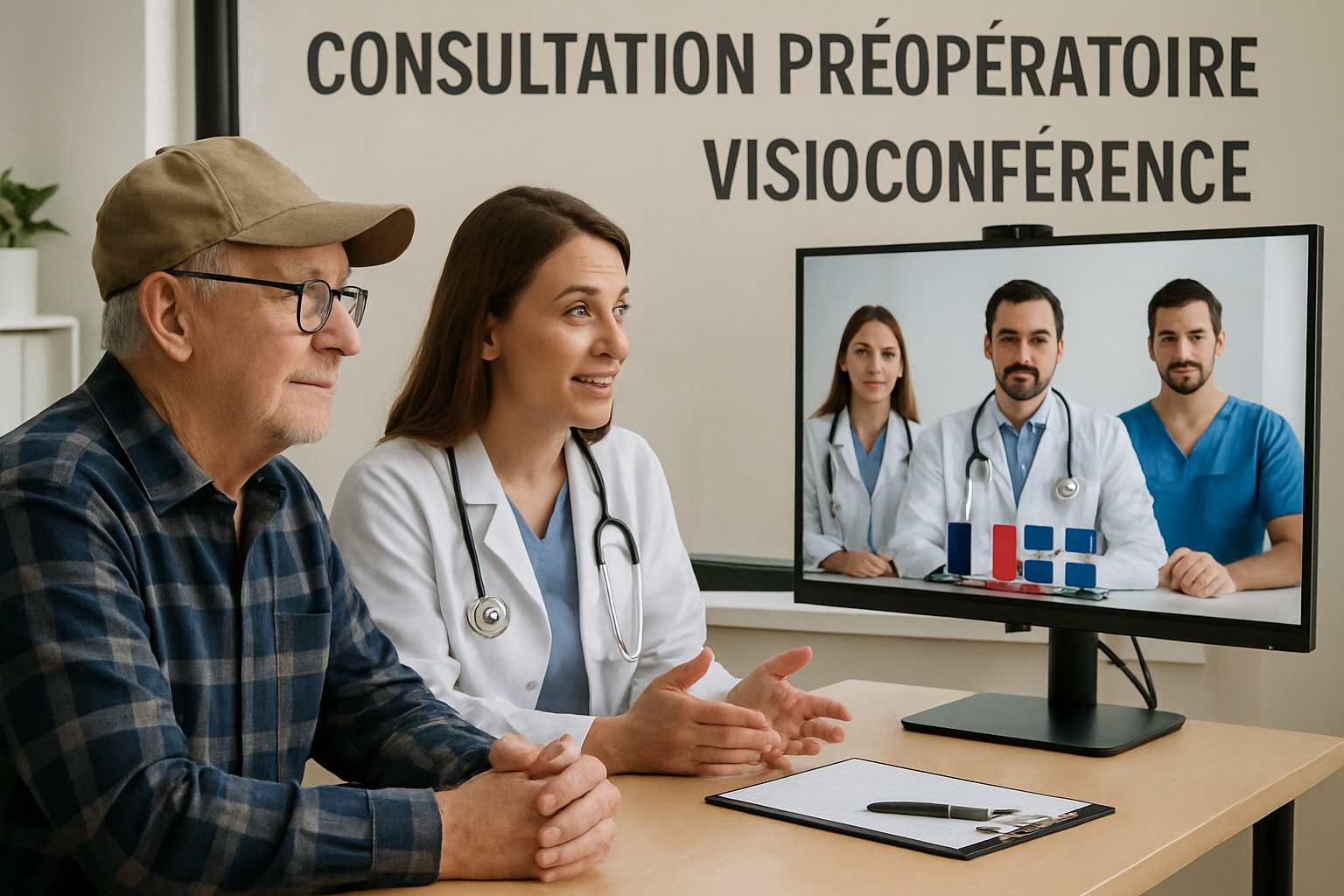
- Initial in-depth assessment: Teleconsultation with a panel of international and bilateral experts analyzes medical history and imaging examinations.
- Conservative care before surgery: A minimum of 3 to 6 months with non-invasive treatments is recommended, particularly at the TAGMED Clinic which offers neurovertebral decompression using minimally invasive methods and other advanced techniques (more information).
- Informed choice of surgical technique: incorporating the opinion of Louis Blanchard and French surgeons, taking into account individual needs and precise clinical condition.
- Practical organization: complete management of your stay in France via SOS Medical Tourism, including transport, accommodation, and bilingual support.
- Personalized post-operative follow-up: Regular teleconsultations with the French center and close communication with the Quebec medical team to ensure an optimal gradual return.
This coordination ensures safety and efficiency throughout the entire process, combining scientific rigor with human compassion. The patient is thus supported by a multidisciplinary team composed of neurosurgeons, biomedical engineers, physiotherapists, and specialized nurses.
This specialized care is a real added value, addressing patients' concerns about the waiting times and costs of private healthcare in Quebec. The experience gained in France, and particularly the structured support offered, makes a difference on a medical, logistical, and human level.
Functional and economic benefits of dynamic implants for Quebec patients
Beyond clinical advantages, dynamic implants offer tangible benefits in terms of quality of life and the cost-effectiveness of the treatment process. Their ability to maintain controlled mobility allows patients to regain their normal functions more quickly, including a faster return to professional and sporting activities.
Devices such as those from Globius Medical, SpineGuard, or Centinel Spine, integrated into French protocols, play a crucial role in this innovative approach. They also reduce the incidence of complications related to excessive stiffening, such as degeneration of adjacent segments, which often leads to costly and painful re-interventions.
The main benefits for the patient are:
- Rapid reduction of debilitating chronic pain
- Significant improvement in functional mobility
- Reduction of side effects associated with fusion treatments
- Improved prospects for a longer and preserved active life
- Optimizing indirect costs through a faster return to work
From a financial perspective, coverage in France through programs like SOS Tourisme Médical offers excellent value for money, with organized stays, access to high-end technologies from B. Braun Aesculap, LDR Médical, Medtronic, and NuVasive, and comprehensive follow-up care. This combination reduces hidden costs such as extended sick leave, promoting a more serene and efficient overall experience.
| Appearance | Dynamic Implants | Classic Fusion |
|---|---|---|
| Maintaining Mobility | Yes, functional stabilization | No, strict immobilization |
| Length of Hospitalization | Short (2-4 days) | Longer (5-7 days) |
| Risks of Complications | Less frequent, limited degeneration | Higher levels, increased risks |
| Overall Cost | Optimized – short lead times, increased efficiency | Increased indirect costs (extended delays) |
This integrated offering illustrates the added value of a European pathway perfectly coordinated with the expectations of Quebec patients, for whom accessibility, clinical rigor and innovation are fundamental criteria.
Understanding to make better choices: information, education and patient support
The success of an intervention in spinal surgery It depends not only on the technique used but also on the level of information and the quality of support. Louis Blanchard's recognized expertise is based on clear and caring teaching methods, aimed at demystifying spinal implants and their benefits so that each patient can approach their treatment with confidence.
It is essential that every patient knows:
- The differences between arthrodesis and dynamic stabilization
- The biomechanical mechanisms of dynamic implants
- The steps in the care pathway, including the preliminary conservative phase
- Expected clinical outcomes and limitations of the different options
- Practical details of a surgical stay in France
Useful and accessible educational resources, such as those available on the page dynamic implants in the cervical spine or presentation of the TOPS, They facilitate understanding of the issues. Personalized support allows recommendations to be adapted to each individual's unique situation, encouraging them to ask questions and calmly prepare for the intervention.
Furthermore, this ongoing support, involving bilingual multidisciplinary teams, helps alleviate anxieties and motivates patients for optimal recovery. Based on the latest scientific data and rigorous monitoring, every decision made is informed and safe. This exemplary approach underscores the importance of open communication and a relationship of trust between patient, expert, and surgeon.
Quiz: Dynamic implants in spinal surgery
Frequently asked questions about dynamic implants in spinal surgery
- What types of pathologies can benefit from dynamic implants?
Dynamic implants are particularly indicated in cases of lumbar osteoarthritis with moderate instability, complex disc herniations, or lumbar spinal stenosis. They are also suitable for certain patients with debilitating chronic pain where preserving mobility is a priority. - What are the conservative treatments recommended before surgery?
This is a protocol lasting a minimum of 3 to 6 months, including physiotherapy, rehabilitation, pain management, and sometimes minimally invasive spinal decompression. The TAGMED Clinic in France is a preferred partner for these non-invasive treatments. - What is the precise role of the spinal implant expert in the process?
The expert, such as Louis Blanchard, guides patients in making informed choices about surgical options, directs them to appropriate centers in France, and ensures optimal coordination between Quebec and French medical teams, without making a diagnosis or performing any direct medical procedure. - Are dynamic implants compatible with robotic technologies in surgery?
Yes, the latest innovations such as the surgical robots presented by IMPLANET and 8i Robotics in 2025 incorporate the placement of dynamic implants to optimize the precision and safety of the intervention. - What are the economic advantages of resorting to surgery in France?
In addition to reduced waiting times, the support provided by SOS Medical Tourism minimizes indirect costs associated with extended sick leave. Access to cutting-edge technologies in recognized facilities optimizes value for money.
To learn more or for a personalized assessment, visit SOS Medical Tourism.