Dynamic implants: a major innovation in spinal surgery
08/26/25
IntraSPINE®: dynamic stabilization for chronic lower back pain
08/28/25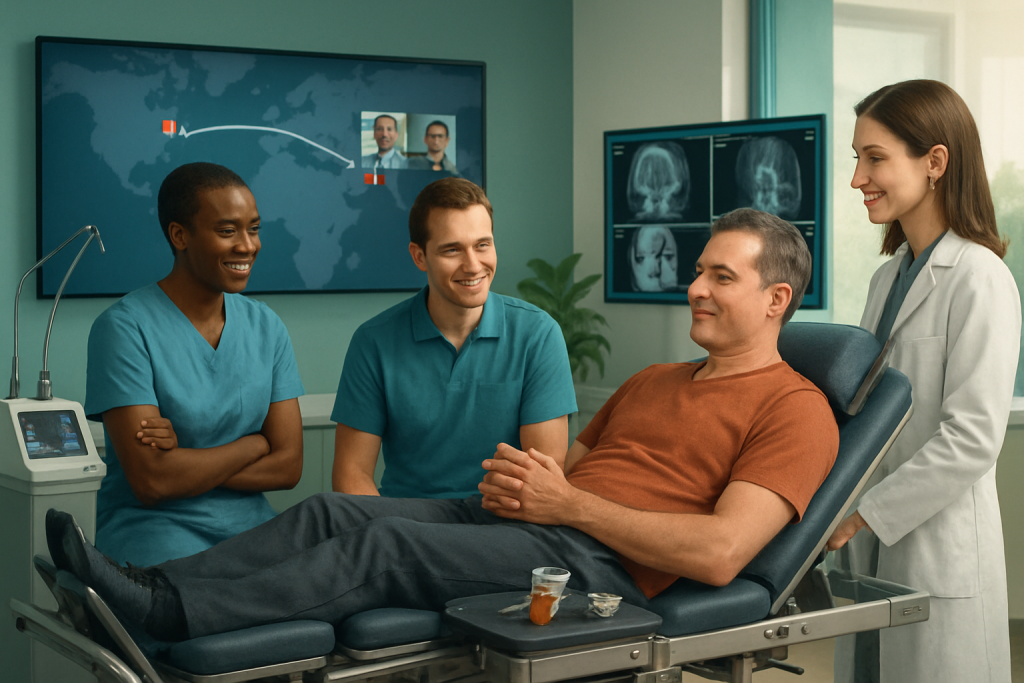
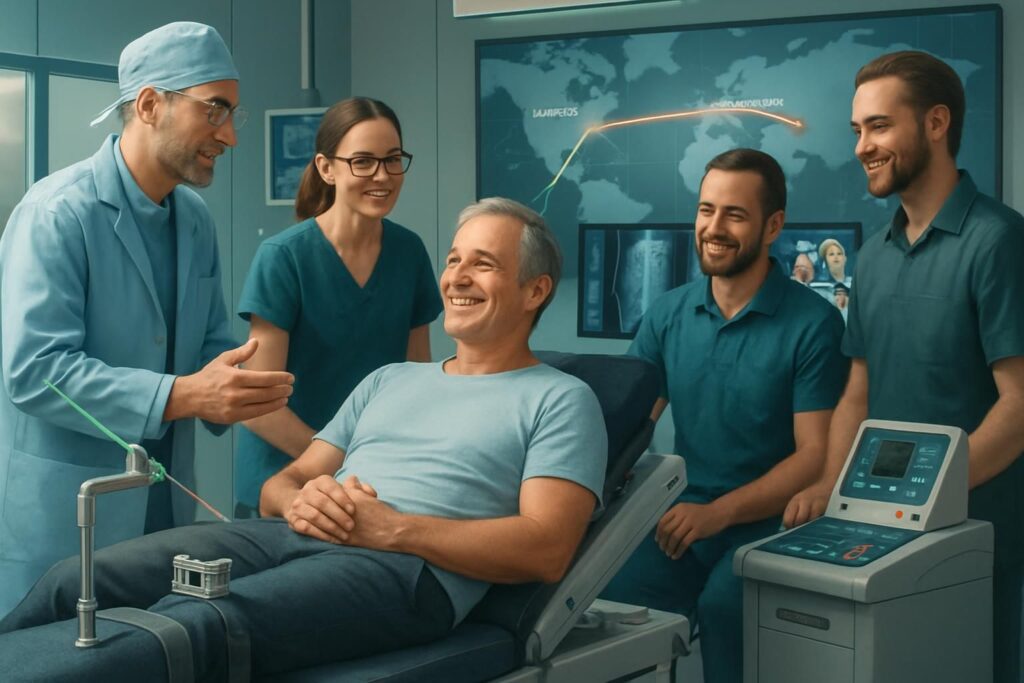
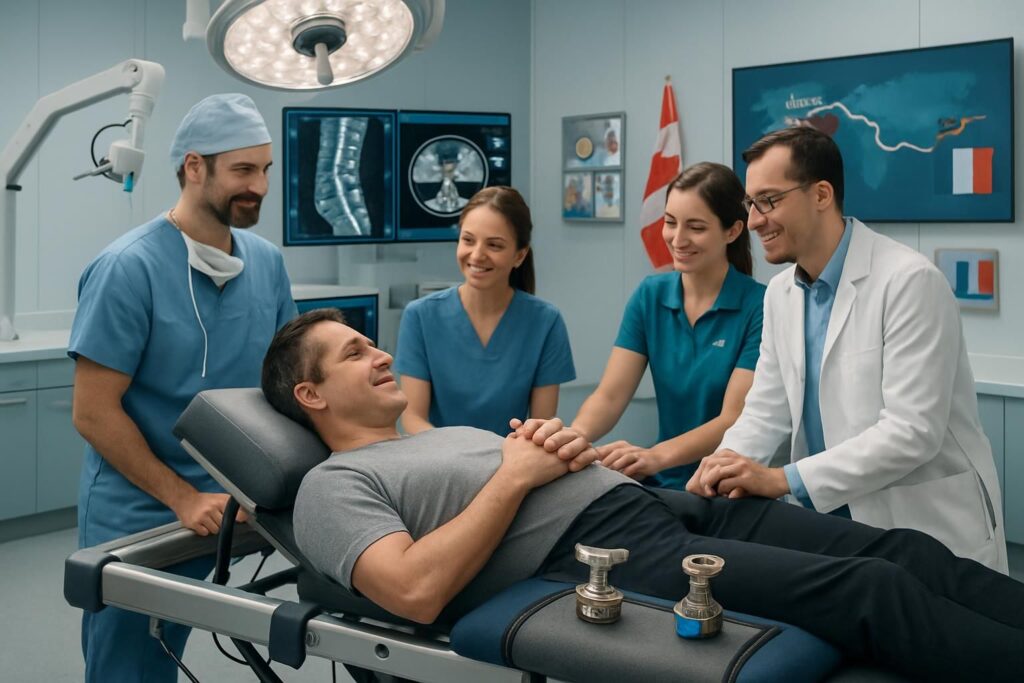
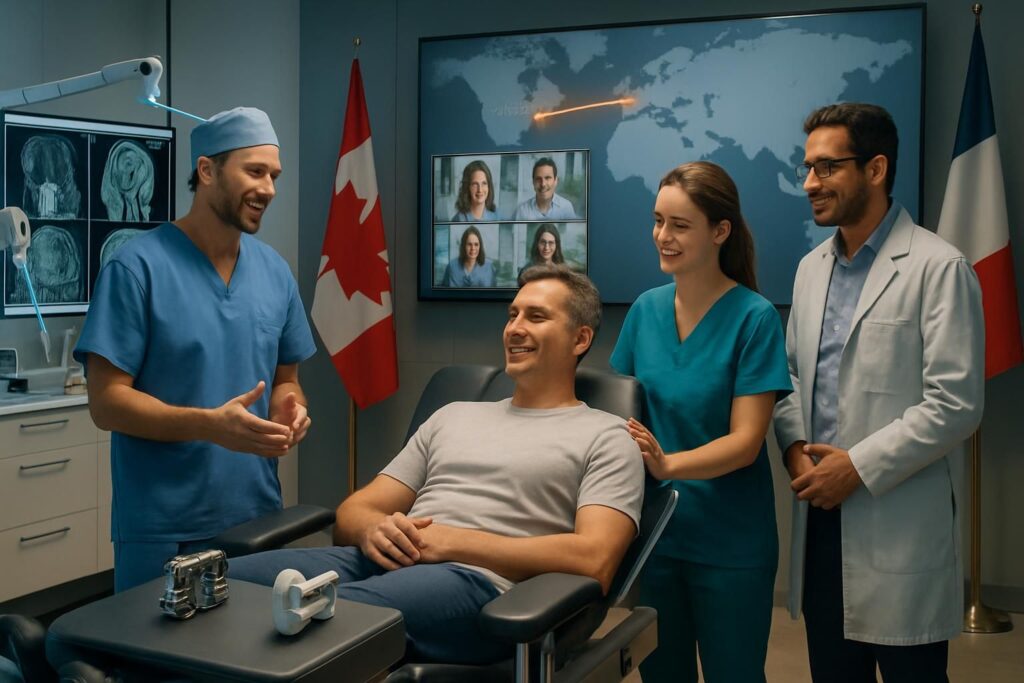
With the rise of medical technologies and strengthened transatlantic coordination between Quebec and France, Motion Surgery is emerging as a true revolution for patients suffering from spinal pathologies. By offering an innovative alternative to traditional spinal fusion, this method preserves the spine's natural mobility, essential for a rapid return to professional and daily life. Dynamic implants such as TOPS or IntraSPINE facilitate a quick recovery, reduce postoperative pain, and incorporate advances in minimally invasive surgery for optimized biomechanical results. The renowned expertise of French surgeons, combined with personalized care including advanced conservative treatments at the TAGMED Clinic, guarantees maximum safety and coordinated follow-up. By 2025, these solutions will be accessible through platforms such as SOS Medical Tourism, embody the promise of a modern, human and innovative MobilisChir, a true lever of DynamiSanté for Quebec patients seeking reliable and rapid alternatives.
Understanding the fundamentals of Motion surgery for a safe Vital Return
The surgery Motion stands out for its ability to restore or preserve segmental mobility of the spine, unlike traditional spinal fusion surgeries that permanently immobilize certain parts of the spine. This innovative technique relies on the implantation of dynamic devices, including systems TOPS and IntraSPINE, which act as mobile stabilizers, allowing physiological flexion, extension and rotation without compromising the safety of the operated segment.
In biomechanical terms, this preservation of natural movement It plays a crucial role in preventing degeneration of adjacent segments, a common side effect of fusion procedures that imposes mechanical overload on neighboring vertebral levels. Thus, Motion surgery promotes long-term quality of life maintenance, with a reduced impact on motor functions and improved tolerance for professional and recreational activities.
This innovative approach, however, requires rigorous diagnosis and precise patient selection, based on a multidisciplinary assessment to ensure that the indications correspond to moderate degenerative pathology or early segmental instability. Motion surgery is not recommended for severe cases requiring rigid stabilization by arthrodesis.
Several key benefits of Motion surgery are noted, essential for a Vital Return rapid and clinically successful:
- Maintaining vertebral joint range of motion allows for accelerated functional recovery.
- Reduction of post-operative pain thanks to a less traumatic surgical procedure.
- Reduction of adjacent degeneration facilitating improved longevity of the surgical result.
- Optimal adaptation of implant technologies to modern minimally invasive surgery.
- Facilitation of a RepriseExpress progressive professional activities, promoting a balance between performance and well-being.
A comparative table highlights the essential differences between conventional arthrodesis and Motion surgery:
| Criteria | Spinal Fusion (Arthrodesis) | Motion Surgery (Dynamic Implants) |
|---|---|---|
| Segmental movement | Permanently blocked | Preserved or restored |
| Impact on adjacent segments | Increased risk of degeneration | Reduction of degenerative risk |
| Post-operative pain | Often present | Significantly attenuated |
| Functional recovery | Slower | Accelerated, allowing RapidoReprise |
| Technologies used | Pedicle screws, cages (Depuy Synthes, Stryker) | Dynamic implants (TOPS, IntraSPINE) |
To gain a deeper understanding of Motion surgery, it is recommended to consult, in particular this detailed guide on the fundamental principles, which precisely illustrates the advantages and eligibility criteria.

Biomechanical innovations at the heart of minimally invasive surgery: a redesigned MobilisChir
The evolution of minimally invasive techniques in spinal surgery has profoundly changed the surgical approach, reducing muscle trauma and postoperative complications. The integration of dynamic implants such as TOPS and IntraSPINE perfectly illustrates this pharmaceutical approach to preserving movement.
These implants are designed to adapt to the biomechanical constraints of the spine, respecting its natural movements while providing sufficient stabilization against local instabilities. The TOPS system, for example, is implanted via a posterior approach, using a minimally invasive tubular technique that preserves muscle tissue and limits blood loss. Its articulated mechanism allows for flexion-extension and rotation, offering functional flexibility close to normal physiology.
IntraSPINE, for its part, is inserted between the spinous processes to recreate dynamic vertebral spacing, which improves nerve root decompression while maintaining mobility. This dual action, combined with a minimally invasive procedure, not only facilitates immediate recovery but also optimizes the post-surgical prognosis.
Specific benefits associated with these innovations include:
- A less invasive surgical technique, combined with a ProRecovery fast.
- A reduction in intense post-operative pain, promoting comfort from the acute phase.
- A shorter hospital stay, sometimes on an outpatient basis, is synonymous with economic and human gains.
- Reducing the risk of infection and bleeding through targeted access routes.
- Better preservation of spinal muscles, essential for long-term spinal function.
Mini-invasion via the posterior tubular approach is now widely accepted, particularly in specialized centers like the TAGMED Clinic, where Quebec patients benefit from an integrated and expert care pathway. This innovative technique is also combined with the latest robotic guidance systems and real-time 3D imaging, essential tools for optimizing implant placement.
A summary table highlights the complementarity of minimally invasive approaches:
| minimally invasive technique | First route | Key Benefits | Associated implants |
|---|---|---|---|
| ALIF, XLIF (previous surgeries) | Retroperitoneal | Less traumatic for muscles and organs, direct access to the discs | Interbody cages (Medtronic, Zimmer Biomet) |
| Tubular posterior approach | Intermuscular, preserving muscle fibers | Flexibility, faster recovery, less blood loss | TOPS, IntraSPINE, Globus Medical |
For in-depth information on these techniques, please consult the website of the TAGMED CLINIC is highly recommended, providing a comprehensive view of the procedures and results.

A personalized and coordinated process for an optimal Express Resumption between Quebec and France
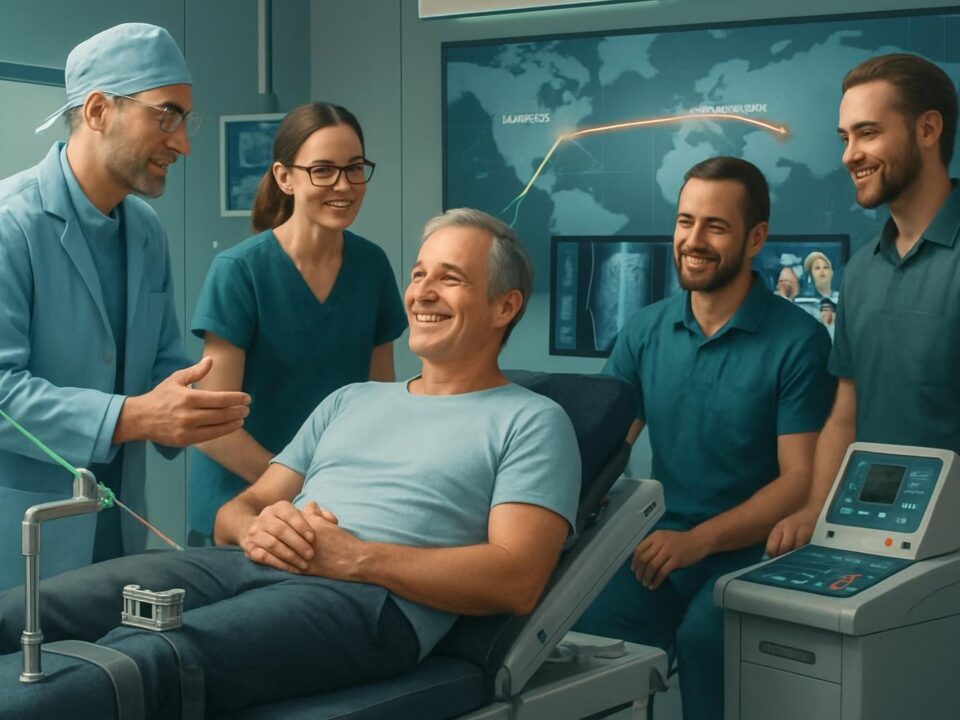
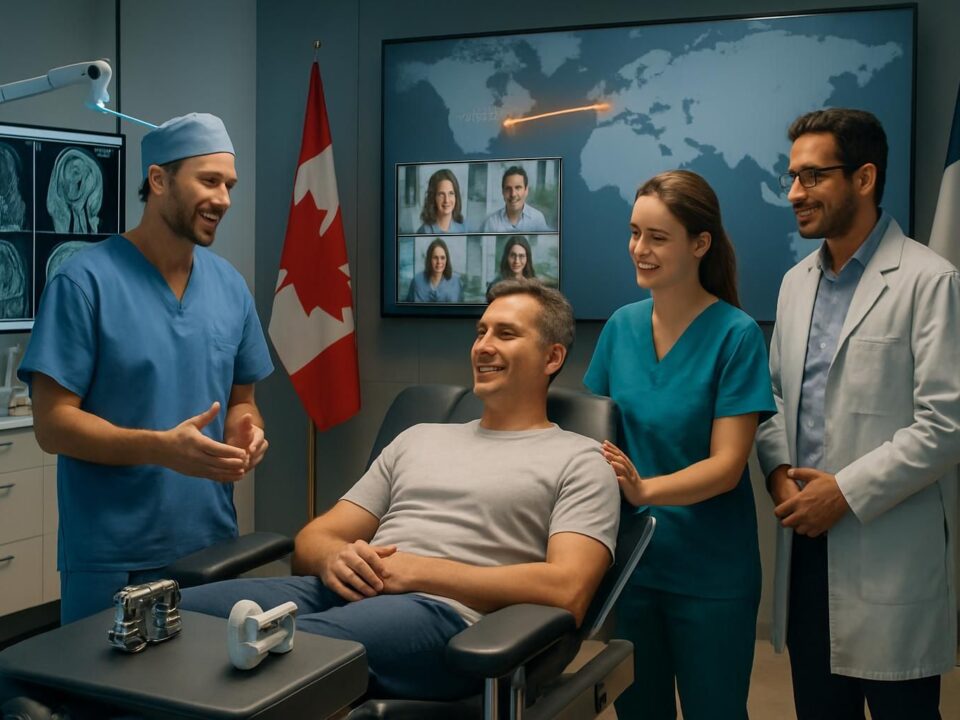
Accompanying a Quebec patient to Motion surgery in France requires rigorous and compassionate organization, based on exemplary transatlantic cooperation. Under the recognized expertise of French surgeons in partnership with leading centers such as the TAGMED Clinic, the ChirurPro is based on a comprehensive pathway integrating all stages, guaranteeing each patient a safe, rapid and comfortable mobilization.
This process often begins with an initial remote assessment, where the case is carefully analyzed to guide treatment. Priority is given to a complete phase of conservative treatment, lasting 3 to 6 months, including in particular the Spinal decompression therapy robotic surgery offered by TAGMED, in order to avoid premature surgical intervention.
If surgery is necessary, the care plan then organizes:
- A precise selection of the surgeon and the appropriate operating center via platforms such as Crossing.
- Complete logistical organization of the stay, including accommodation and transport, to reduce stress and maximize comfort.
- Intervention by expert teams using the latest technological innovations.
- Personalized post-operative follow-up, with guaranteed handover between the French and Quebec teams via Neurothérapie Montreal.
- Ongoing support that promotes ActiRecup progressive and lasting post-surgery.
This proven system maximizes safety and respects scientific rigor while remaining accessible and humane, thus combining medical benefits and quality of life during the delicate recovery phase.
Here is a summary table describing each key step:
| Stage | Responsible | Description |
|---|---|---|
| Initial assessment and conservative treatments | Dr. Sylvain Desforges / TAGMED | Rigorous analysis, neurovertebral decompression, personalized follow-up |
| Selection of centers and organization of stay | Crossing | Surgeon selection, appropriate logistical support, administrative management |
| Surgery | French surgeons | Application of advanced techniques, implantation of dynamic implants |
| Post-operative follow-up | Neurothérapie Montreal | Rehabilitation program, coordination with the patient and family |
For a broader understanding of the services offered, please consult the dedicated page. back surgery in France allows us to understand the synergy between innovation and personalized service.
The key role of TOPS and IntraSPINE dynamic implants in improving quality of life
Dynamic implants, such as the TOPS and IntraSPINE systems, represent the cutting edge of spinal surgical innovation adopted in leading French centers of excellence. Their technical characteristics are designed to meet patients' functional expectations while ensuring optimal safety.
The TOPS system is a dynamic posterior device that stabilizes without immobilizing, allowing natural movement of the treated segment. Its minimally invasive implantation minimizes muscle damage and facilitates a RapidoReprise essential mobilities. IntraSPINE, meanwhile, acts as an interspinous prosthesis designed to maintain natural spacing between vertebrae, thus improving neurological decompression and reducing pressure on the intervertebral discs.
These implants allow:
- A DynamiSanté while maintaining flexibility, which is essential for physical or sedentary professional activities.
- A limitation of secondary degenerative processes usually observed after fusion.
- A perfect fit for minimally invasive surgery, reducing the overall surgical impact.
- Technological support with integrated guidance and monitoring systems, guaranteeing surgical precision.
- Significant prior clinical experience validated by scientific publications and current practice in partner centers.
To better understand the TOPS system implantation procedure and its post-operative effects, educational resources are available, particularly on this dedicated page which details precisely each phase of the intervention.

Choosing between spinal fusion and motion surgery: advice for an informed decision with ChirurPro
The decision to opt for Motion surgery or traditional spinal fusion is based on a thorough analysis of the condition, the patient's needs, and their functional expectations. The time dedicated to the conservative treatment phase, coordinated in particular by the TAGMED Clinic, is crucial to ensure that surgery is only considered as a last resort. This 3- to 6-month phase provides a comprehensive assessment and a better understanding of the effects of non-invasive approaches before a decision is made.
Patients should seek information and surround themselves with a multidisciplinary team including surgeons, physiotherapists, and radiologists for a comprehensive evaluation. The goal is to:
- Maximize functional preservation and MotionSanté.
- Avoid complications associated with rigid fixation.
- Promote a ProRecovery short and durable.
- Adapting surgery to specific professional and personal requirements.
- Ensure transparent coordination during the transatlantic journey.
This choice, based on solid clinical data and scientific rigor, optimizes results and tends towards a Vital Return quick in the professional sphere. Reliable and educational documentation is available on specialized websites such as PulseAlign Clinic to better understand the crucial importance of choosing the surgeon in this context.
Quiz: Motion Surgery – a quick return to professional life
Frequently Asked Questions to Better Navigate the World of Motion Surgery
What are the eligibility criteria for Motion surgery?
This surgery is generally reserved for patients with moderate degenerative conditions or early segmental instabilities. A thorough multidisciplinary evaluation is essential to ensure the technique is appropriate, thus guaranteeing a balance between safety and functional benefits.
La chirurgie Motion est-elle toujours préférable à la fusion ?
Chaque cas est unique. Si la chirurgie Motion offre des avantages en termes de mobilité et prévention de la dégénérescence, elle n'est pas adaptée aux pathologies sévères ou complexes nécessitant une stabilité rigide. Le choix dépend des caractéristiques spécifiques de la lésion et de la condition du patient.
Peut-on espérer un retour rapide à la vie professionnelle après une chirurgie Motion ?
Oui, grâce à la RepriseExpress facilitée par des techniques mini-invasives, la préservation musculaire et l’utilisation d’implants dynamiques, la majorité des patients bénéficie d’un retour au travail rapide, souvent en quelques semaines à quelques mois selon la nature de l’activité.
What is the role of the TAGMED Clinic in the patient's journey?
La Clinique TAGMED assure une prise en charge conservatrice avancée, incluant des traitements spécialisés comme la décompression neurovertébrale robotisée, afin de différer ou éviter la chirurgie quand cela est possible, garantissant ainsi des choix thérapeutiques éclairés.
Comment se déroule le suivi après une chirurgie en France ?
Un suivi personnalisé et coordonné entre les équipes françaises et québécoises est put en place, avec programmes de rééducation ciblés et accompagnement psychologique et fonctionnel, pour une VitaChirurgie optimale et durable.
Pour en savoir plus ou pour une évaluation personnalisée, Visit SOS Medical Tourism et initiez un parcours chirurgical parfaitement adapté à vos besoins particuliers.



 Français du Canada
  English (Canada)