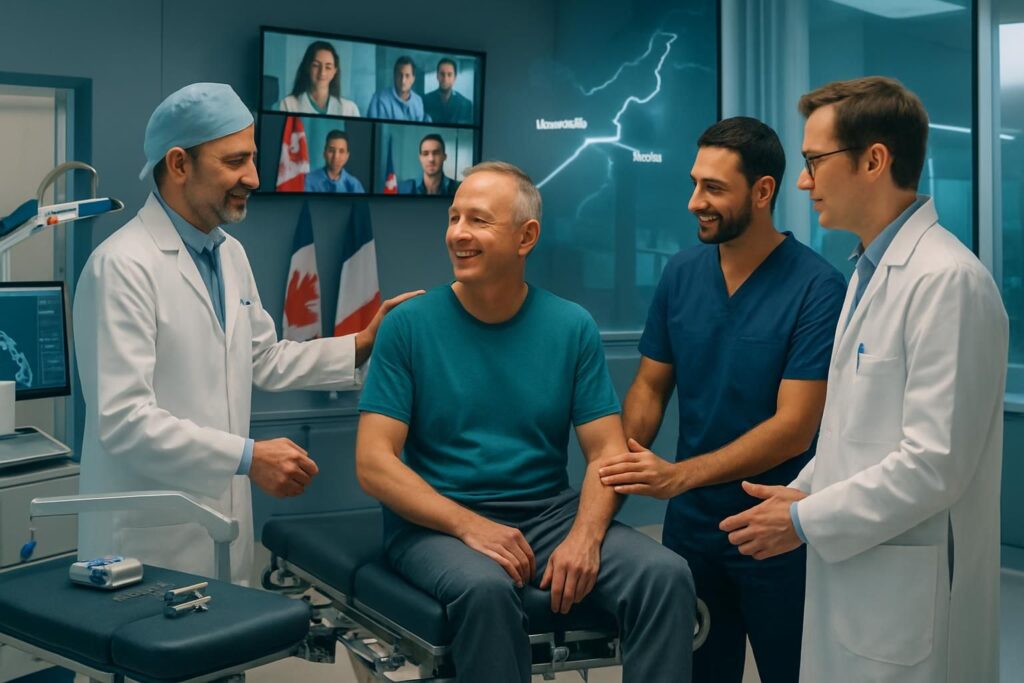
TOPS™: Preventing Adjacent Segment Disease
09/14/25
Dynamic implants: their role in post-operative rehabilitation
09/18/25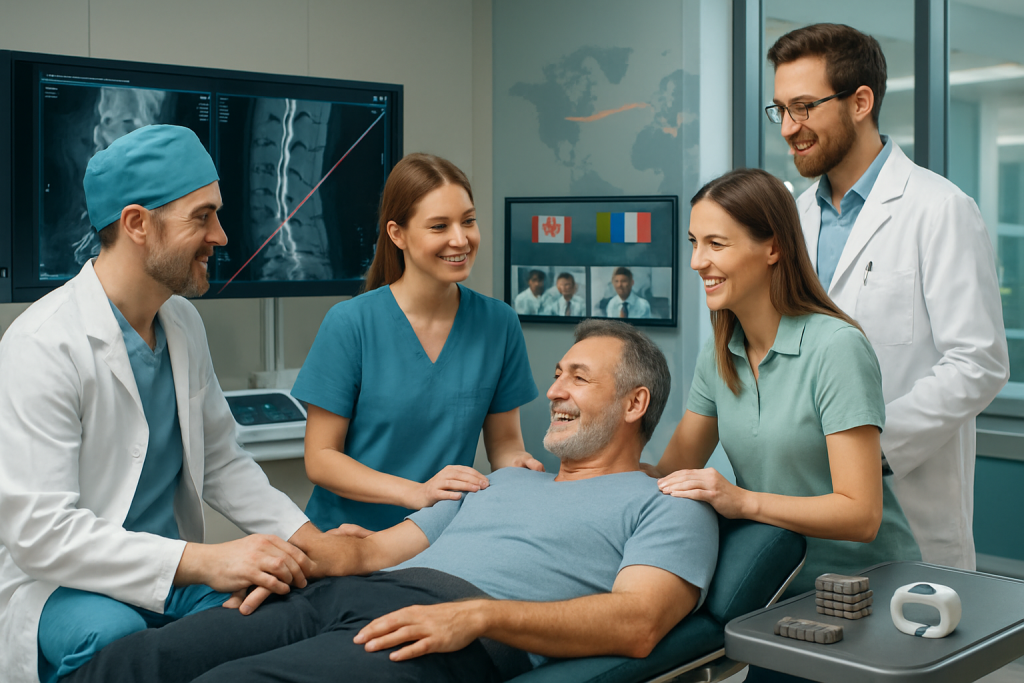
In the field of spinal pathologies, the search for effective and less invasive surgical solutions is a major challenge for improving patients' quality of life. The IntraSPINE device is emerging as a significant advancement in protecting nerve structures while respecting the natural mobility of the spine. This innovative implant, developed to address the limitations of conventional procedures, offers a valuable alternative to traditional spinal fusion techniques, reducing the complications often associated with spinal rigidity. In 2025, faced with the persistent challenges of lower back pain and spinal stenosis, IntraSPINE This device stands out as a modern solution, beneficial from both a biomechanical and functional perspective. Combining effectiveness, safety, and respect for spinal mobility, it is generating increasing interest among French specialists, particularly in centers of excellence collaborating with Quebec experts. This device also distinguishes itself by its potential to minimize postoperative complications, thus facilitating a smoother patient journey from diagnosis to recovery.
French surgical innovations surrounding the IntraSPINE implant for spinal nerve protection
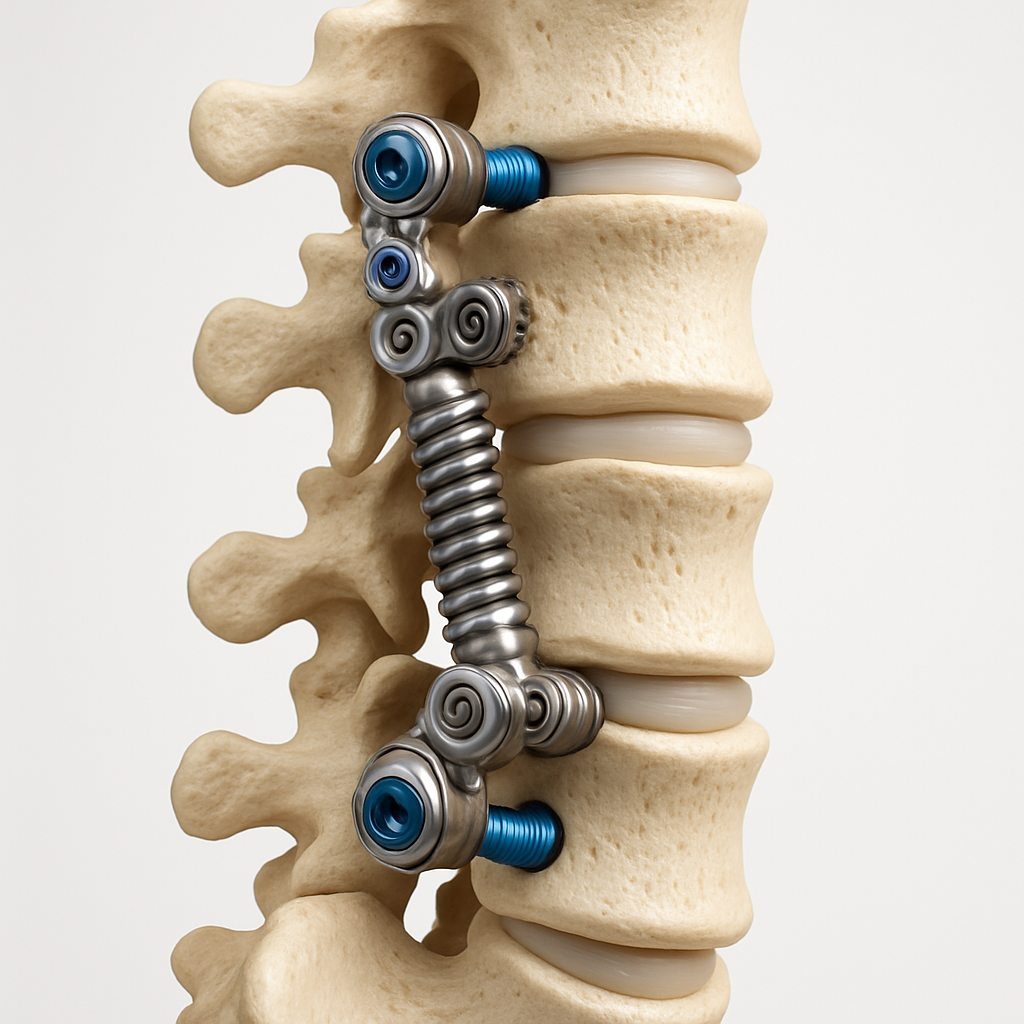
Besides traditional techniques such as arthrodesis and simple decompression, spinal surgery in France has seen the advent of dynamic implants such as IntraSPINE, TOPS and Coflex, which allow for better preservation of mobility and reduce the risk of degeneration of adjacent segments. IntraSPINE is specifically designed to act as a device supporting the interspinous space, which helps maintain the height of the spinal canal and protect spinal nerves without blocking the natural movements of the vertebrae.
This type of implant plays a vital role in the treatment of conditions such as lumbar spinal stenosis and facet joint syndrome, two common causes of neuropathic pain. Compared to traditional spinal fusion, this dynamic solution avoids the merger bone and ankylosis, thus limiting the negative impact on neighboring vertebral segments. This approach is particularly important as it meets the needs of patients wishing to maintain optimal physical activity and quality of life after surgery.
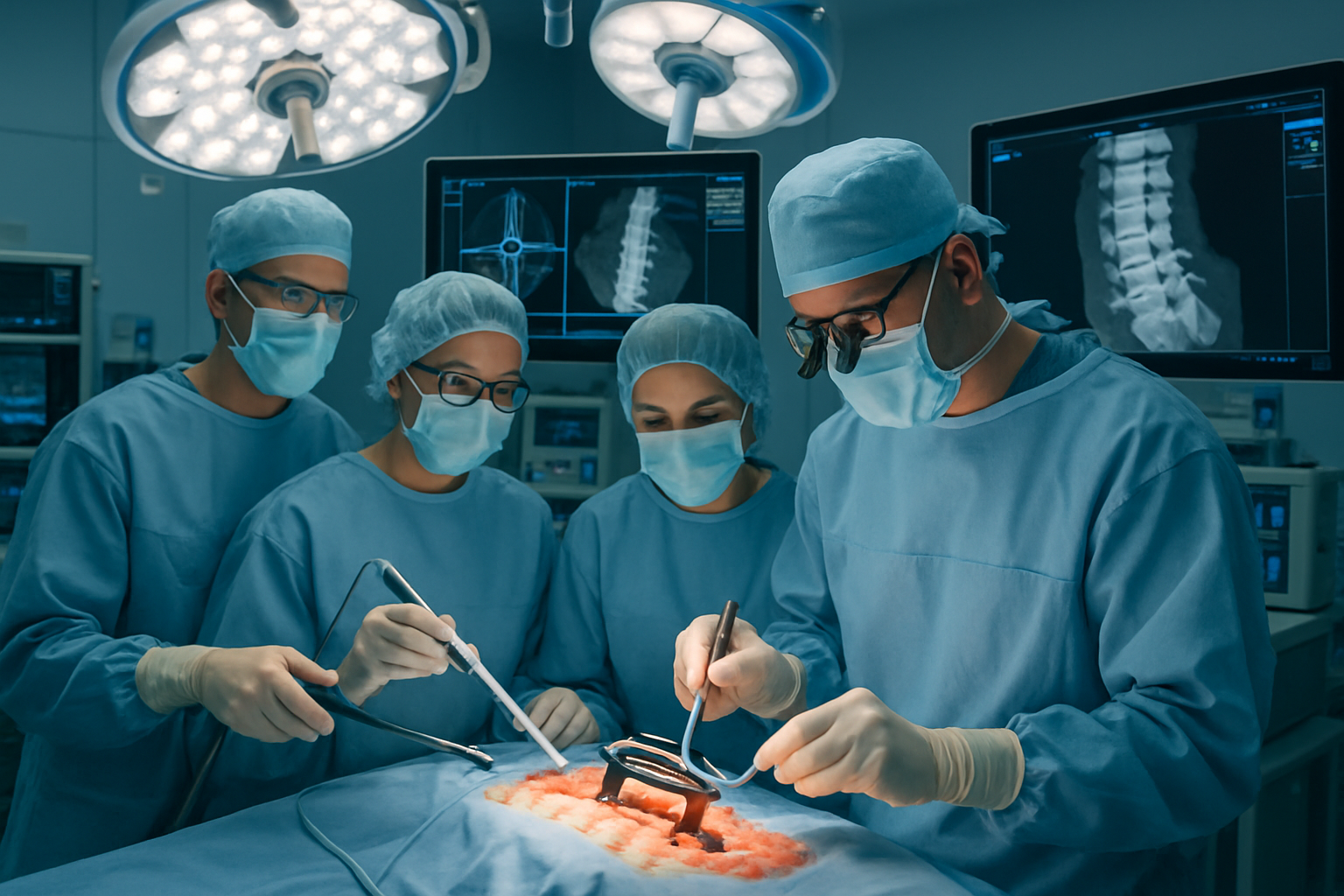
The surgical protocol for IntraSPINE implantation includes a comprehensive assessment with MRI and three-dimensional X-rays, allowing for precise analysis of the area to be treated. The operation is performed using neuronavigation, an advanced technology that ensures the precision of surgical movements and minimizes the risk of complications. The surgeon positions the cylindrical implant between the vertebral spines, restoring the essential stability to the spine to protect the nerve structures while maintaining a degree of elasticity.
Ongoing studies, particularly at centers like the TAGMED Clinic in France, are providing promising clinical feedback. They are showing a significant reduction in pain and an improvement in motor function without any noticeable loss of mobility. Based on this scientific evidence, renowned experts like Louis Blanchard recommend exploring these innovative options for Quebec patients facing the limitations of local treatments.
Some key advantages of the IntraSPINE implant:
- Preservation of spinal mobility: thanks to its dynamic titanium and elastomer design.
- Protection of nerve roots: reduction of intra-foraminal compression.
- Reduction of the risk of degeneration of the adjacent segment: avoiding stiffness.
- No need for autologous bone grafting: avoiding complications related to the sampling.
- Ease of post-operative recovery: with reduced hospitalization and convalescence.
| Characteristic | Implant IntraSPINE | Classical arthrodesis |
|---|---|---|
| Spinal mobility after surgery | Preserved | Blocked |
| Nerve root protection | Optimal via interspinous support | Median decompression |
| Hospital stay length | 3-5 days | 5-7 days |
| Risks of degeneration of the adjacent segment | Reduced | Pupil |
| Bone graft needs | No | Yes (autograft) |
Biomechanics and functional benefits of the IntraSPINE implant for the lumbar spine
The biomechanical function of the IntraSPINE implant relies on an ingenious combination of a rigid titanium component and a flexible elastomer structure. This composition restores elasticity and shock absorption close to the natural physiology of the lumbar spine. As a result, the stresses usually borne by the discs and facet joints are reduced, limiting premature degeneration and chronic pain.
Compared to other implant systems such as Dynesys, Prodisc, or Coflex, IntraSPINE offers a unique balance between stabilization and preservation of movement. This characteristic is essential to avoid functional limitations that can compromise the resumption of physical activity or even lead to postural balance disorders in some patients.
Normal spinal physiology requires adequate joint range of motion: excessive rigidity leads to compensatory movements in adjacent segments, promoting osteoarthritis and symptomatic recurrence. IntraSPINE helps mitigate this phenomenon by preserving segmental mobility while protecting nerves from compression due to foramen or canal stenosis.
The observed medical benefits are numerous:
- Significant reduction in neurological pain: sciatica, cruralgia and various radiculalgias.
- Improved mechanical stability: avoiding excessive vertebral displacements.
- Preservation of natural posture: reducing the problems associated with rigid, traditional surgery.
- Reduction in the need for drug treatments: in particular analgesics and anti-inflammatories.
This technology is particularly well-suited to patients suffering from lumbar osteoarthritis, advanced herniated discs, or low-grade spondylolisthesis, which constitute the majority of cases requiring surgical intervention. In this respect, collaboration between experts such as those in the TAGMED CLINIC and the specialized French surgeons guarantee an integrated and personalized approach.
Close post-operative monitoring accompanies each procedure, ensuring optimal adjustment of follow-up and rehabilitation programs. This support is an integral part of the philosophy of excellence and safety upheld by recognized experts.
| Biomechanical aspect | IntraSPINE | Competing Dynamic Implants (e.g., Coflex, Dynesys) |
|---|---|---|
| Segmental mobility | Preserved, modulated | Preserved with specific limitations |
| Shock absorption capacity | Optimal (elastomer) | Variable depending on the system |
| Surgical complexity | Moderate | Variable, often higher |
| Side effects | Low (less stiffness) | Moderate to high |
The pathway considered for Quebec patients: assessment, transatlantic coordination and personalized follow-up
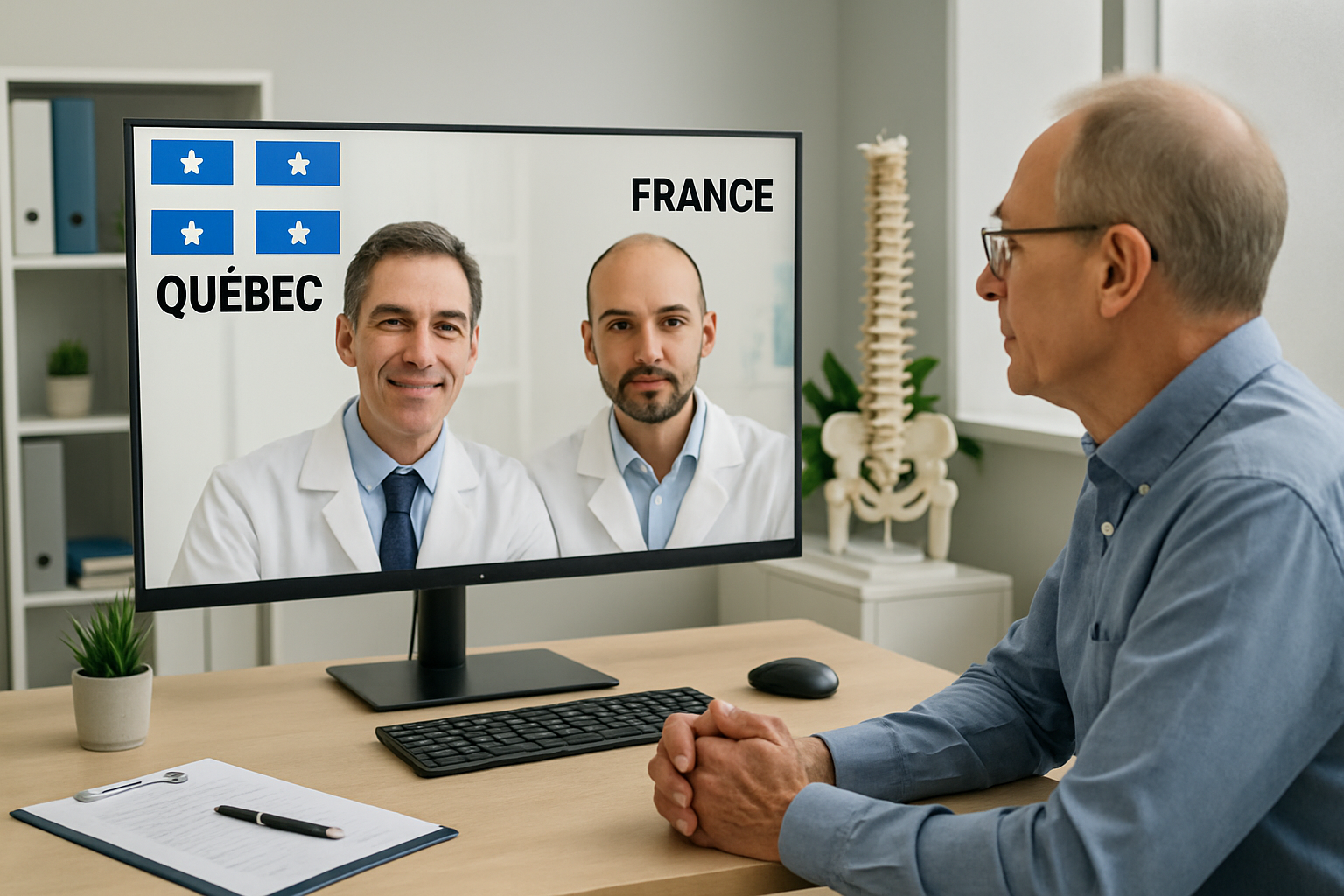
Faced with the constraints of the local healthcare system, particularly the often lengthy wait times for specialized treatments, the surgical pathway offered in France to Quebec patients represents a valuable alternative. Supported by experts like Louis Blanchard, renowned for his expertise in spinal implants, each candidate benefits from a comprehensive and coordinated evaluation process between France and Quebec.
The initial stage includes a thorough consultation and detailed clinical examination, supplemented by specialized imaging available at partner centers. TAGMED CLINIC, Specifically, it offers advanced conservative treatments for 3 to 6 months, including neurovertebral decompression, before considering surgery. This rigorous waiting period ensures that only strict indications justify the placement of a dynamic implant.
Coordination relies on a transatlantic organization that facilitates:
- Precise surgical planning in a renowned French clinic.
- Administrative management and organization of the medical stay.
- Remote post-operative monitoring, with an adapted rehabilitation protocol.
- Direct access to a Franco-Quebec multidisciplinary team to answer questions.
Personalized support aims to reassure the patient throughout this process, avoiding misunderstandings related to distance and the complexity of care. This innovative approach guarantees maximum safety and optimal care, with fluid and continuous medical communication in French.
The French offering of dynamic implants: specific features, safety and innovations in 2025
Implant solutions offered in France, such as IntraSPINE, TOPS, and Mobi-C, reflect a strong commitment to scientific rigor, patient safety, and technological innovation. These devices are distinguished by their ability to preserve the natural range of motion of the spine, avoiding the postoperative rigidity characteristic of traditional spinal fusions.
French surgical expertise is internationally recognized for integrating the latest innovations such as the Spinous Process Device or even the implant Discocerv, These implants are designed for more specific segments of the spine. They benefit from extensive development and rigorous clinical studies, ensuring strict compliance with European and international standards.
Combining these technologies with comprehensive monitoring programs, particularly through platforms such as SOS Medical Tourism, This brings undeniable human value. The patient is guided at each step, reinforcing safety and serenity throughout the entire process.
The innovations for 2025 include improved biocompatibility of materials, more durable implants, and less invasive procedures that facilitate faster returns to work and sports activities. Furthermore, coordination with Quebec centers continues to expand to ensure integrated, cost-effective, and high-quality care.
- Optimized biomechanical devices for a durable function.
- Minimally invasive surgical techniques reducing complications.
- Coordinated postoperative follow-up between France and Quebec.
- Patient education and information for informed decision-making.
The clinical, human and economic benefits of using IntraSPINE for Quebec patients undergoing back surgery
Spinal surgery with dynamic implants like IntraSPINE offers significant benefits for Quebec patients seeking effective and rapid solutions, particularly given the sometimes lengthy wait times in local healthcare systems. Beyond the medical aspect, this Franco-Quebec collaboration provides personalized support and valuable economic opportunities.
Clinically, IntraSPINE allows:
- A lasting reduction in neuropathic pain, often linked to chronic nerve compression.
- Restoration of spinal function without unnecessarily stiffening the spine.
- A faster return to an active life thanks to easier retrieval.
- A significant reduction in the risks associated with traditional interventions such as the degeneration of the adjacent segment.
From an economic point of view, the journey organized via specialized partners such as SOS Medical Tourism offer :
- Access to recognized, state-of-the-art clinics at competitive prices.
- Integrated support optimizing direct and indirect costs.
- Personalized support facilitating a quick return to work.
Furthermore, guidance from an expert like Louis Blanchard contributes to a clear and reassuring understanding of the issues, enabling each patient to make an informed choice tailored to their specific situation. This human dialogue, free from judgment and rich in detailed explanations, is a fundamental asset in demystifying surgery and highlighting the benefits of available technological advancements.
| Criteria | IntraSPINE Benefits | Aspects of the journey in France |
|---|---|---|
| Surgical expertise | High-end, with innovative technologies | Transatlantic collaboration, comprehensive monitoring |
| Patient safety | Respected, international standards | Personalized support |
| Functional results | Preserved mobility, reduced pain | Specialized and adapted rehabilitation |
| Cost and accessibility | Optimized, competitive | Simplified organization and logistics |
| Characteristic | IntraSPINE | TOPS | Coflex |
|---|
The path to successful surgery always begins with an informed discussion. To learn more or for a personalized assessment, Visit SOS Medical Tourism in order to begin a journey tailored to your specific needs.
What is the role of a dynamic implant like IntraSPINE in protecting nerve structures?
A dynamic implant such as IntraSPINE acts as a stabilizing interspinous support, preventing nerve root compression by keeping the spinal canal open. This preservation of the neurological space significantly reduces neuropathic pain associated with nerve impingement and decreases the risk of long-term functional impairment.
Why prioritize surgery in France for Quebec patients with spinal pathologies?
France offers highly specialized centers equipped with innovative implant technologies and a coordinated care pathway that significantly reduces waiting times. Through Franco-Quebec collaboration facilitated by SOS Medical Tourism, patients benefit from personalized, high-quality support, from the initial consultation to post-operative follow-up, often unavailable in their home region.
After how long of conservative treatment is surgery with IntraSPINE considered?
It is recommended to have undergone 3 to 6 months of complete conservative treatments, including the Spinal decompression therapy This step, proposed by the TAGMED Clinic, ensures that surgery is truly indicated and that less invasive solutions have been thoroughly explored before considering the placement of a dynamic implant.
Are there any contraindications to the insertion of IntraSPINE?
Like any surgical procedure, IntraSPINE has limitations. It is not indicated in cases of tumors, active spinal infections, or major traumatic injuries. Each case undergoes a thorough evaluation before proceeding.
What are the economic advantages of choosing back surgery in France with IntraSPINE?
In addition to the quality of care, implementing a pathway through SOS Medical Tourism optimizes overall costs, encompassing surgical, hospital, and logistical expenses. This model streamlines the budget while ensuring comprehensive care, allowing patients to quickly return to their daily and professional activities.