Cervical disc replacement: post-operative follow-up and pain management
02/05/26
TOPS™: Implantation and Functional Recovery
02/05/26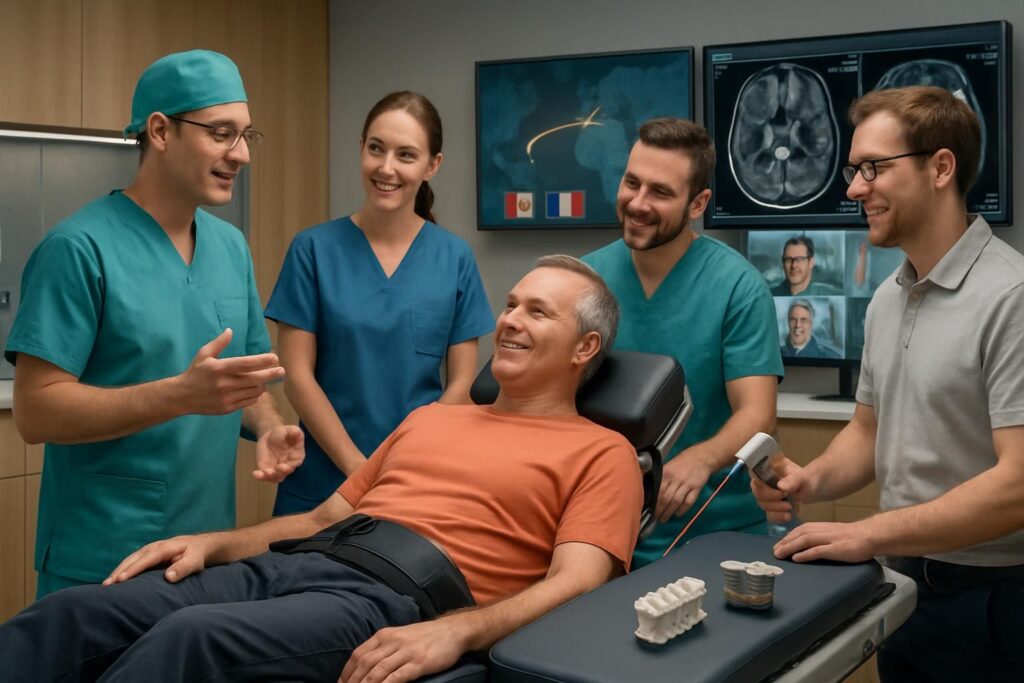
Faced with the increasing complexity of spinal pathologies and evolving patient expectations regarding postoperative quality of life, traditional spinal fusion is no longer the only option. The rise of modern alternatives in spinal surgery, particularly through the integration of innovative dynamic implants such as the TOPS system and IntraSPINE technology, now offers a range of solutions that better preserve spinal mobility while ensuring optimal stability. These advances are part of a holistic approach to care, which prioritizes safety, scientific rigor, and adherence to international standards. For Quebec patients, the back surgery en France représente une alternative intéressante, souvent plus rapide et moins coûteuse, avec un accompagnement personnalisé assuré par des experts reconnus du rachis. Ce contexte international enrichit la coopération médicale, facilitant un parcours fluide et sécurisé, depuis l’évaluation initiale jusqu’au le suivi post-opératoire.
In this innovative setting, a thorough understanding of the available options—from minimally invasive techniques and bone grafts to artificial discs and spinal implant systems—is essential to guide each patient toward an informed decision tailored to their specific case. Prior to any surgical intervention, comprehensive conservative treatment, including methods such as neurovertebral decompression performed at the TAGMED CLINIC, This remains a key step. This approach ensures the judicious use of invasive techniques, guaranteeing a gradual and safe rehabilitation. Modern alternatives in spinal surgery thus tend to reduce the side effects often associated with merger rigid, while improving the functional quality of life and daily performance of patients, thanks to respected biomechanics and personalized approaches.
Sophisticated techniques in spinal surgery: from classic to dynamic implant
The spinal surgery long relied on spinal fusion, a technique involving the permanent immobilization of one or more vertebral segments to eliminate pain caused by instability or degeneration. While robust, this method has some major drawbacks, such as increased rigidity, increased stress on adjacent segments, and reduced mobility. To address these challenges, modern alternatives focus on dynamic implants, designed to stabilize the spine while preserving physiological movement.
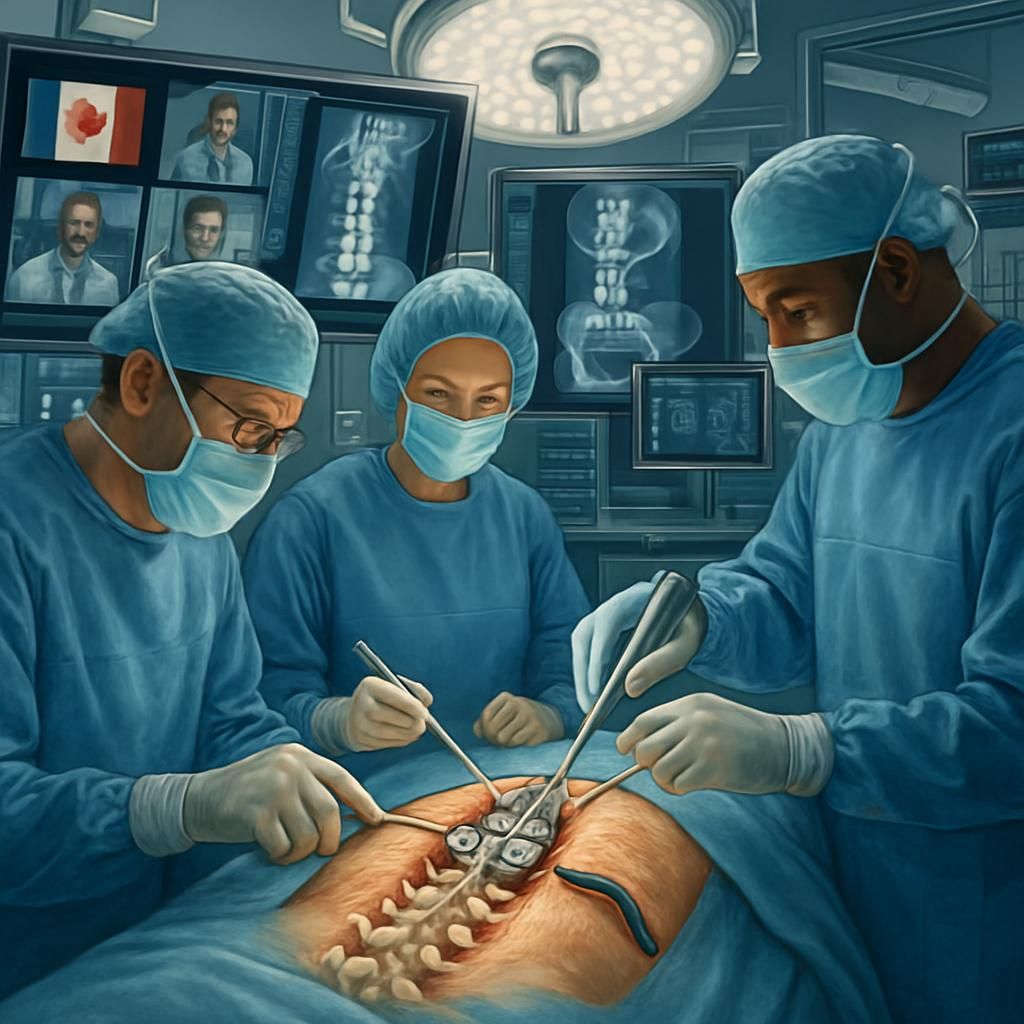
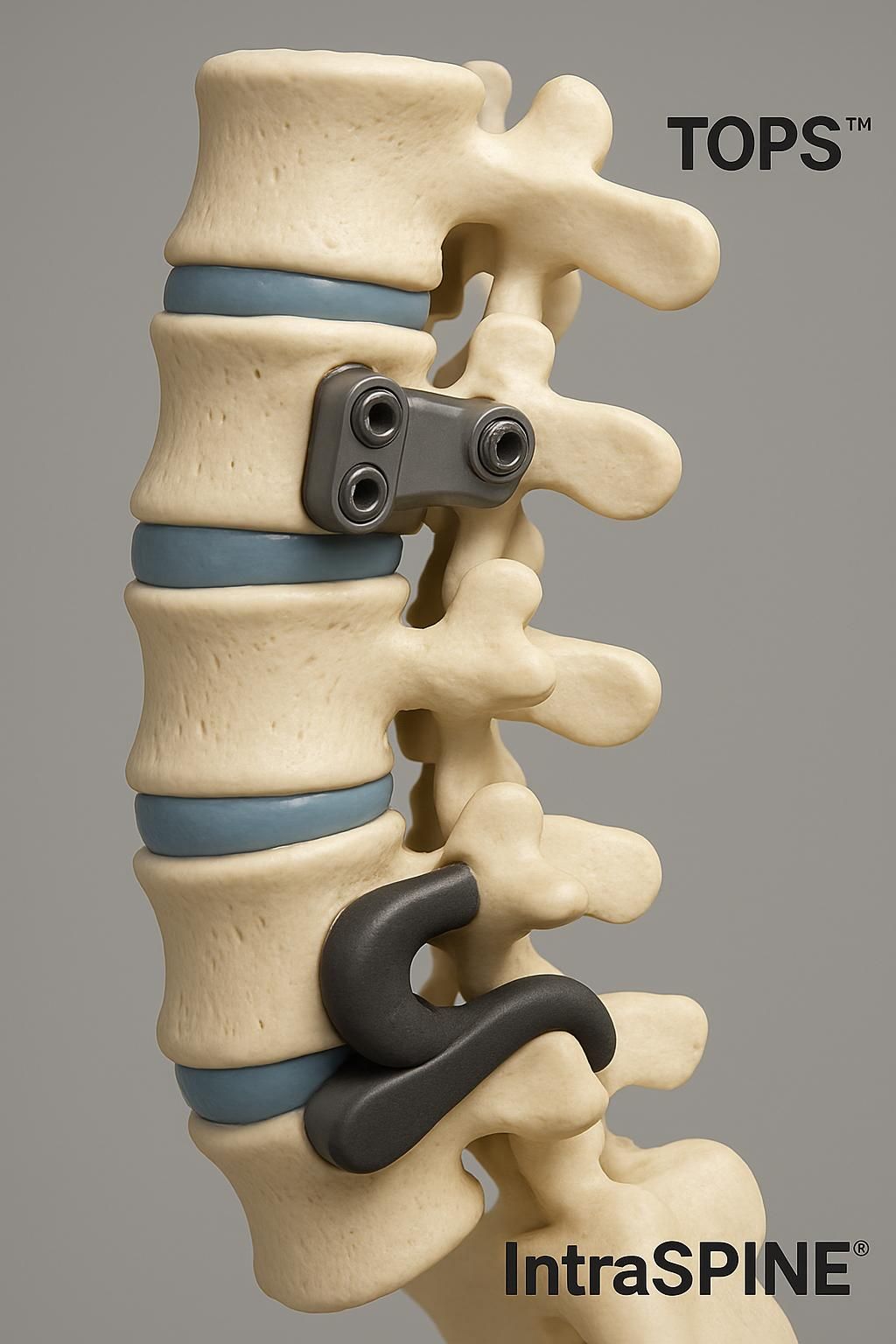
The system TOPS (Total Posterior Spine), for example, is an innovative solution that replaces traditional fusion. Featuring a flexible mechanism, this device attaches to the vertebrae via pedicle screws and maintains spinal stability while allowing flexion, extension, rotation, and lateral tilt. These biomechanical benefits are particularly useful in reducing the side effects associated with segment stiffening, resulting in greater postoperative comfort and a faster return to normal activities.
Similarly, the implant IntraSPINE It is distinguished by its minimally invasive design and its ability to relieve pressure on nerve structures without blocking spinal mobility. Integrated between the spinous processes, it dynamically supports the targeted segment, thus offering an alternative to traditional fusions that often require longer rehabilitation. This technology is gaining recognition, particularly thanks to its promising results documented in the article on the short- and long-term benefits of IntraSPINE.
Beyond specific implants, minimally invasive surgery is another significant advancement. It relies on smaller access points, less trauma to surrounding tissues, and a significant reduction in postoperative pain. These techniques are combined with nerve decompression procedures to effectively relieve pressure on compressed nerve roots, a frequent need in degenerative spinal conditions. Strict adherence to international standards guarantees a safe and scientific approach, ensuring an innovative protocol that benefits the patient.
The Franco-Quebec patient pathway: integrated transatlantic coordination
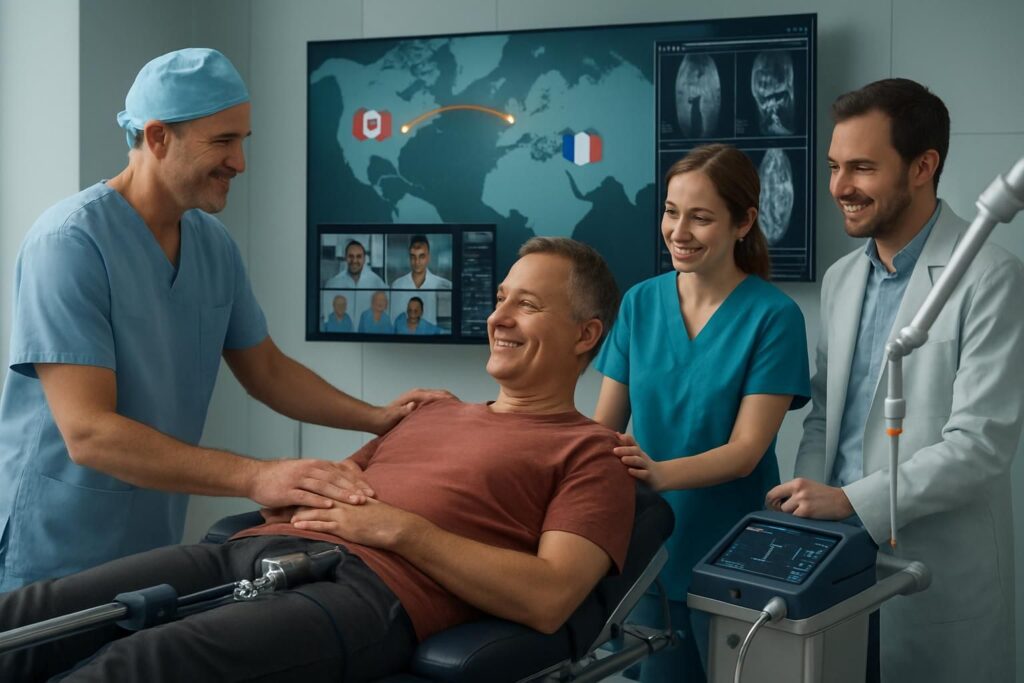
One of the major advantages of spinal surgery in France for Quebec patients lies in the organization of the care pathway, which combines efficiency, expertise, and a human touch. This pathway begins with a rigorous evaluation, often conducted via teleconsultation, to assess the appropriateness of surgical intervention after an initial phase of conservative treatment, usually lasting 3 to 6 months.
This conservative phase includes rehabilitation techniques, drug treatments, and especially advanced procedures such as neurovertebral decompression, offered in partnership with the TAGMED CLINIC. This specialized center provides comprehensive and personalized care, maximizing the chances of recovery without surgery. When the assessment concludes that intervention is beneficial, transatlantic coordination becomes crucial.
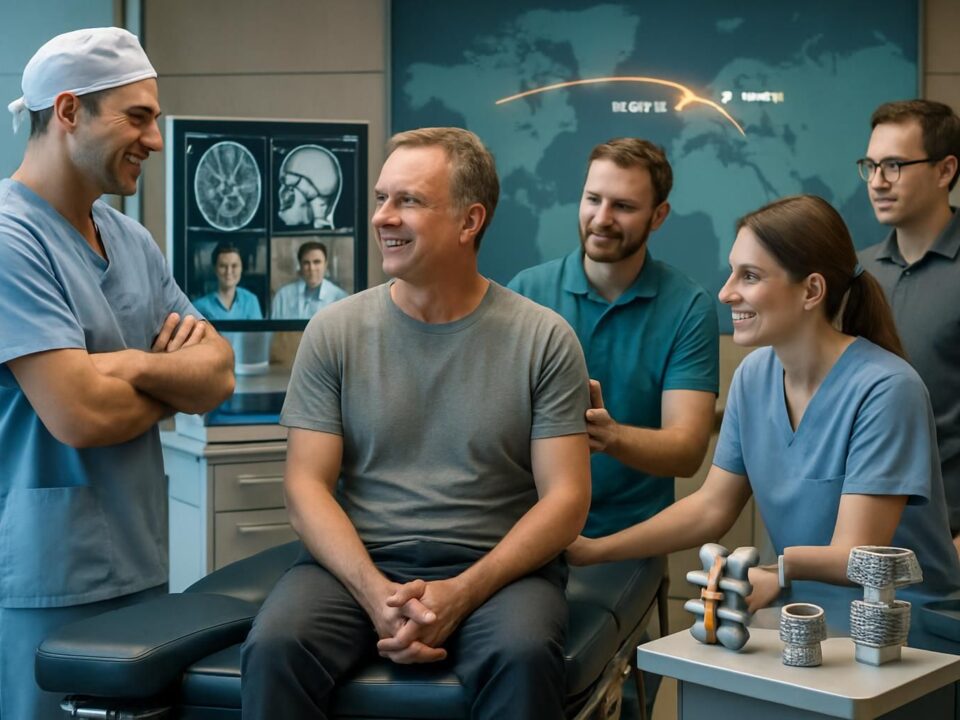
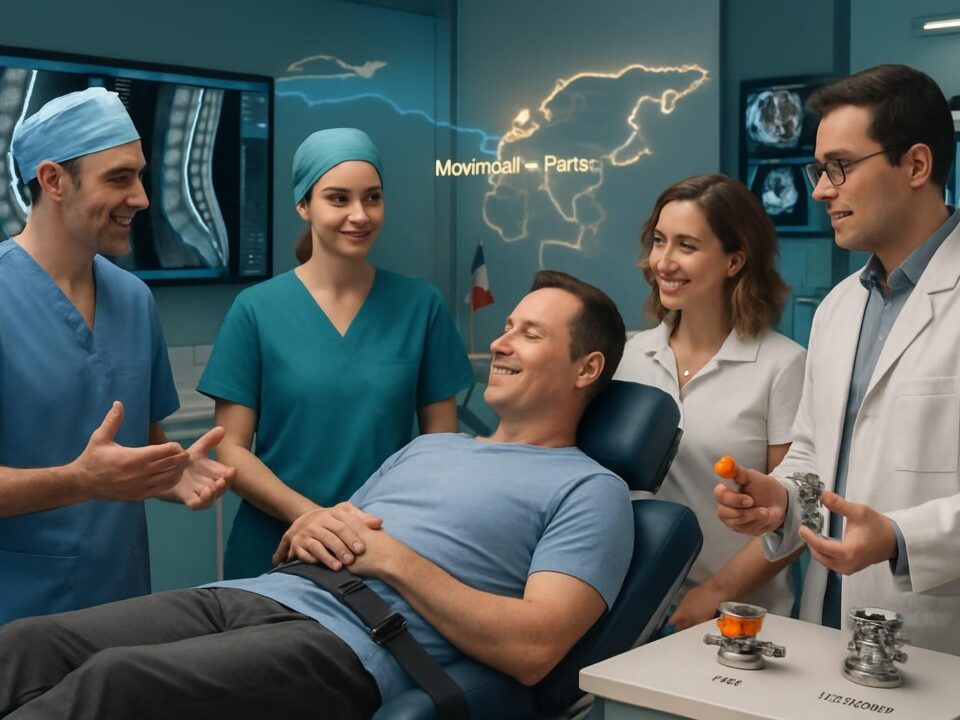
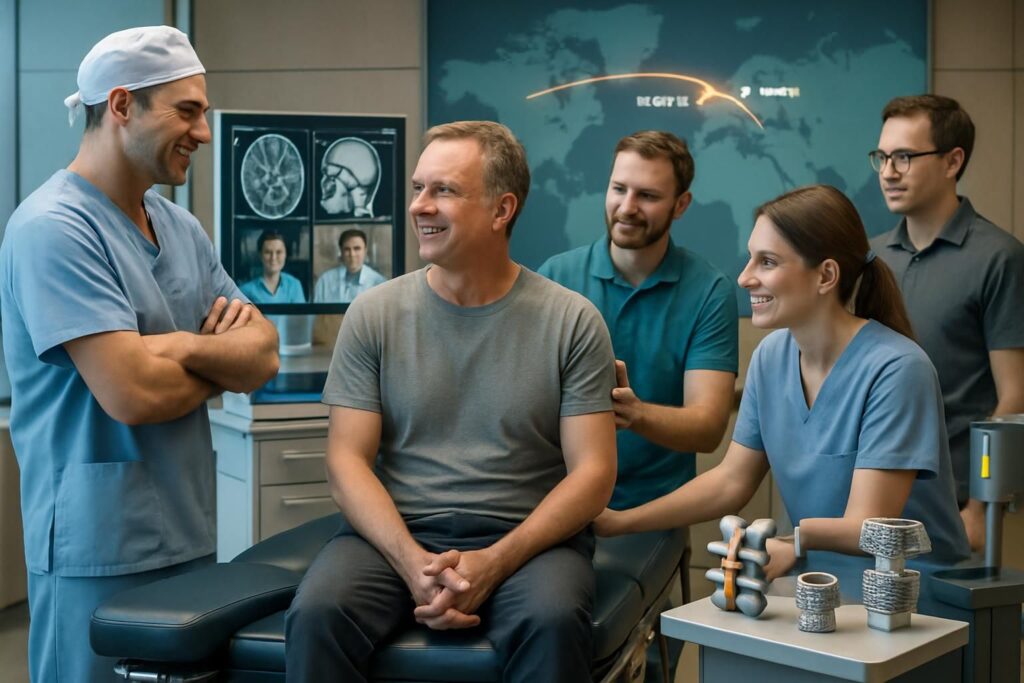
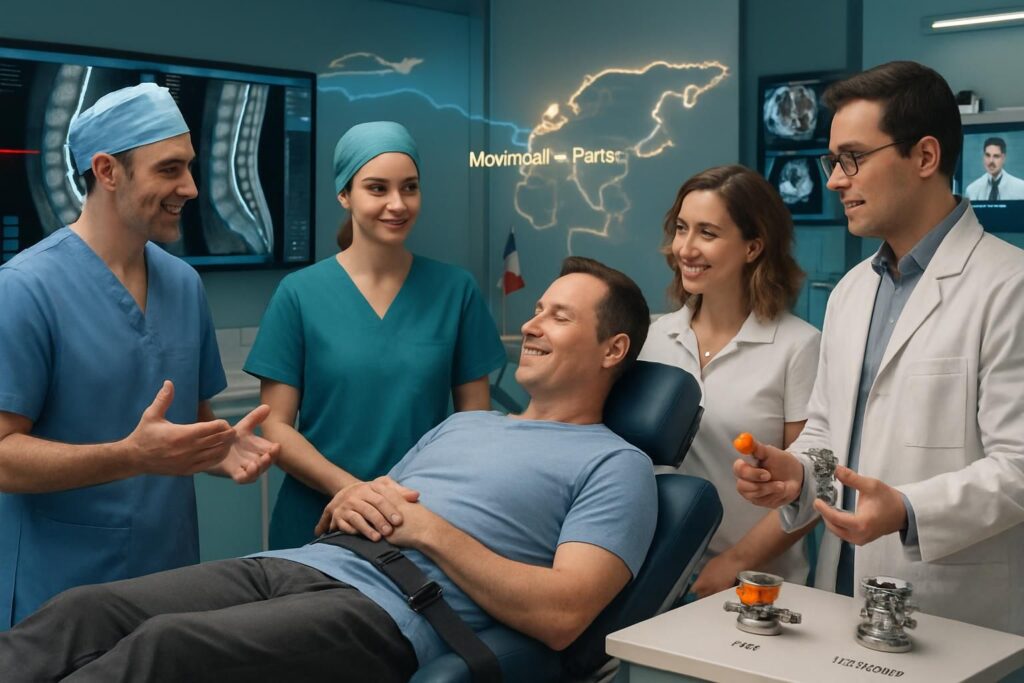
French experts, renowned for their expertise in dynamic implants and innovative surgery, collaborate closely with teams in Quebec. Patients thus benefit from personalized support, including administrative assistance, surgical planning, hospital stay organization, and pre-operative preparation. After the procedure, rehabilitation is jointly supervised by professionals from both countries, ensuring optimal and reassuring follow-up.
This streamlined, patient-centered model not only facilitates access to advanced surgical solutions but also enables continuous monitoring of safety and clinical outcomes. The entire system is based on scientific transparency and the dissemination of clear information, illuminating each step of the process with tailored educational explanations.
Functional and biomechanical benefits of innovative implants in spinal surgery
Dynamic implants like TOPS and IntraSPINE represent a revolution in the surgical management of spinal pathologies, aiming to combine stability and range of motion. This duality is essential to limit the complications associated with traditional spinal fusion.
Unlike bone grafts used in rigid fusion, which firmly anchor two vertebrae and prevent any intervertebral movement, dynamic implants modulate the mechanical load. For example, the controlled flexibility of the TOPS system replicates the natural function of the spine, significantly reducing stress on adjacent segments—a key factor in the development of secondary pain or accelerated degeneration.
Furthermore, maintaining mobility also preserves quality of life and allows for a faster return to physical activity, including sports. Comparative studies highlight that dynamic stabilization improves patient comfort and autonomy compared to conventional fusion, while ensuring robust biomechanical safety.
A list summarizes the major advantages of dynamic implants:
- Preservation of the physiological mobility of the segments concerned.
- Reduction of the risk of degeneration of adjacent segments.
- Reduction of post-operative stiffness and associated pain.
- Faster return to daily and sporting activities.
- A less invasive technique that promotes faster recovery.
- A biomechanical approach that is respectful and sustainable.
The following table illustrates a detailed comparison between conventional spinal fusion and modern alternatives with dynamic implants:
| Criteria | Classical Spinal Fusion | Dynamic Implants (TOPS, IntraSPINE) |
|---|---|---|
| Intervertebral movement | Absent, rigid fusion | Present, controlled mobility |
| Risk of degeneration of adjacent segments | Pupil | Reduced |
| Average recovery time | 6-12 months | 3-6 months |
| Invasiveness | Important | Reduced |
| Post-operative flexibility | Low | Good |
| Biomechanical adaptability | No | Yes |
| Criteria | Classic Fusion ▲▼ | Dynamic implants ▲▼ |
|---|
Ethical and safety commitment to innovative and personalized spinal surgery
In the current context of surgical treatments for spinal pathologies, patient safety and scientific rigor are essential foundations. Technological innovation must be combined with validated protocols, guaranteeing risk management and quality of care. French expertise in spinal surgery is a benchmark in Europe thanks to a combination of technical performance, adherence to international standards, and integrated interdisciplinary collaboration.
The use of modern implants such as TOPS and IntraSPINE is subject to continuous scientific monitoring, validated by rigorous clinical studies. Their integration into a comprehensive treatment plan, including a preliminary conservative phase and personalized postoperative follow-up, optimizes outcomes and limits complications such as mechanical failure, infections, or degeneration of adjacent segments, which are well-documented in available research. the risks and complications of spinal fusion.
Individual patient support is structured around clear and empathetic communication, fostering adherence to medical recommendations and confidence in the treatment process. Each procedure is preceded by a personalized assessment to determine the best implantable solution, based on specific clinical criteria, the patient's biomechanical profile, and lifestyle.
Patients also benefit from privileged access to cutting-edge centers, with multidisciplinary teams involved in an integrated approach: neurosurgeons, biomedical engineers, physiotherapists, and paramedical professionals coordinate their efforts to ensure comprehensive, innovative, and safe care. This rigor is combined with a human-centered approach, with the aim of supporting each patient at every stage, from initial information to complete rehabilitation.
Future developments and perspectives of treatments in spinal surgery
As awareness grows of the limitations of traditional spinal fusion, research and development continue to open new avenues for optimizing spinal surgical treatments. The integration of biomimetic materials, connected smart implants, and even more minimally invasive procedures holds the promise of increasingly personalized care, with fewer side effects and a better quality of life.
Coordination, particularly between French and Quebec centers, is also strengthening, facilitating broader access to technological innovations through seamless and personalized transatlantic pathways. This cooperative model is exemplary in providing patients with comprehensive support, from the initial consultation to long-term follow-up, based on trust and scientific rigor.
Therefore, raising awareness of the different surgical options, their mechanisms, benefits, and limitations remains essential. Informing and supporting patients in understanding these solutions contributes to a well-considered decision tailored to each specific situation.
A list of major advances planned for the future:
- Development of custom 3D-printed implants for better anatomical fit.
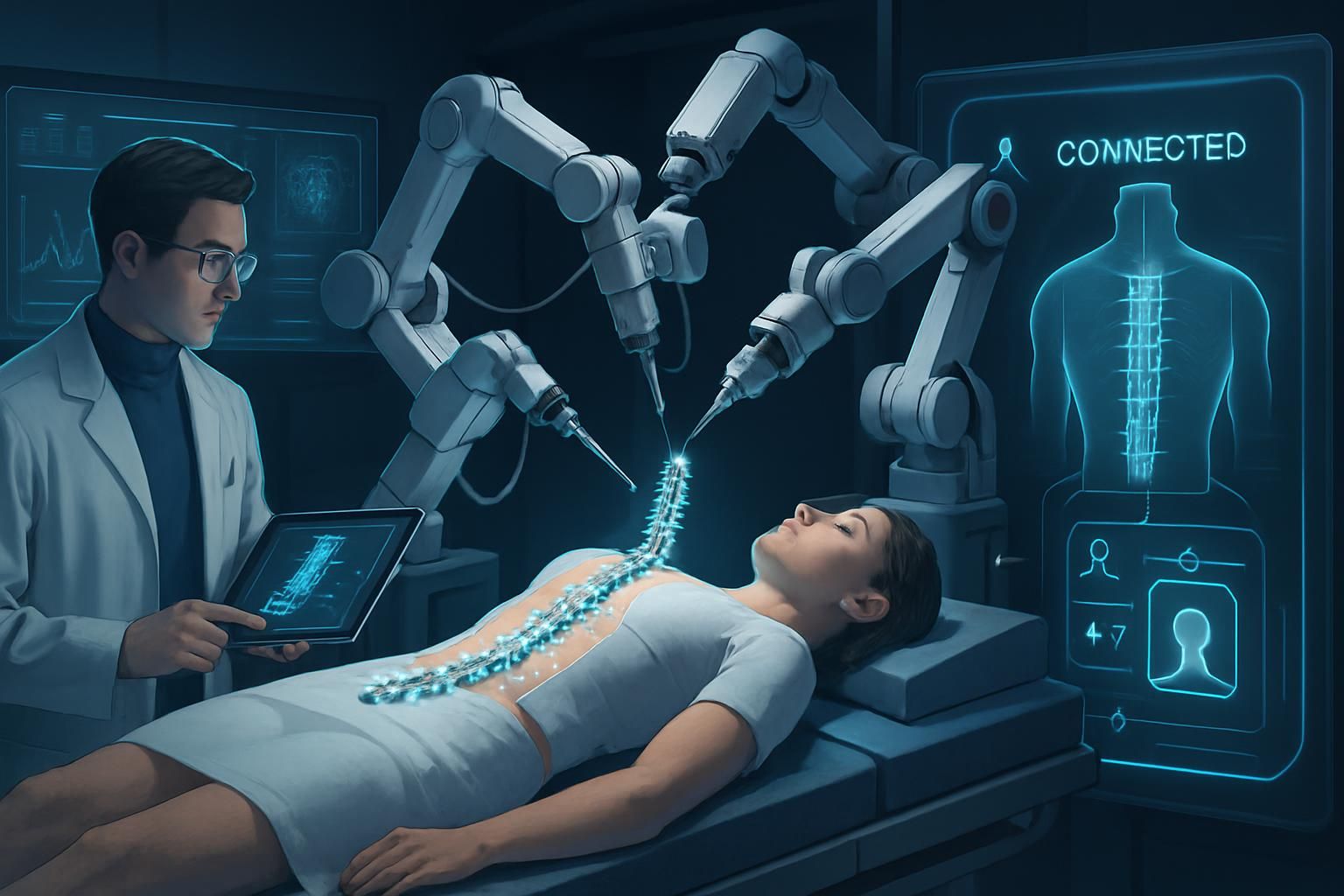
- Dynamic implants incorporating sensors to monitor stability and healing in real time.
- Robotic surgical techniques combined with advanced imaging for increased precision.
- Improved scheduling of rehabilitation phases for optimal and individualized monitoring.
- Strengthening transatlantic exchanges to popularize and facilitate access to modern alternatives.
What are the main differences between spinal fusion and dynamic implants?
Spinal fusion immobilizes the vertebrae, eliminating all intervertebral movement, while dynamic implants like TOPS or IntraSPINE maintain controlled mobility, limiting degeneration of adjacent segments and improving recovery.
What is the care pathway for a Quebec patient considering surgery in France?
The patient begins with a remote assessment, often via teleconsultation, followed by a phase of conservative treatments. If surgery is indicated, transatlantic coordination ensures the organization of complete care, from the surgical stay to post-operative follow-up.
What are the risks associated with conventional spinal fusion?
Fusion can lead to excessive stiffness, an increased risk of osteoarthritis in adjacent segments, chronic pain, and sometimes... complications related to bone grafts or to the intervention itself, requiring careful monitoring.
Why is complete neurovertebral decompression important before considering surgery?
It often allows for symptom relief without surgery, maximizing the chances of avoiding invasive procedures. It is a key step in the conservative treatments offered, in particular, at the TAGMED Clinic.
What are the economic advantages of surgery in France for Quebec patients?
Surgery in France offers access to innovative procedures at costs often lower than those in the private sector in Quebec, with shorter waiting times, while benefiting from personalized and secure support.