TOPS™: Medical monitoring and recommendations
02/05/26
Motion Surgery: Clinical Results and Testimonials
02/05/26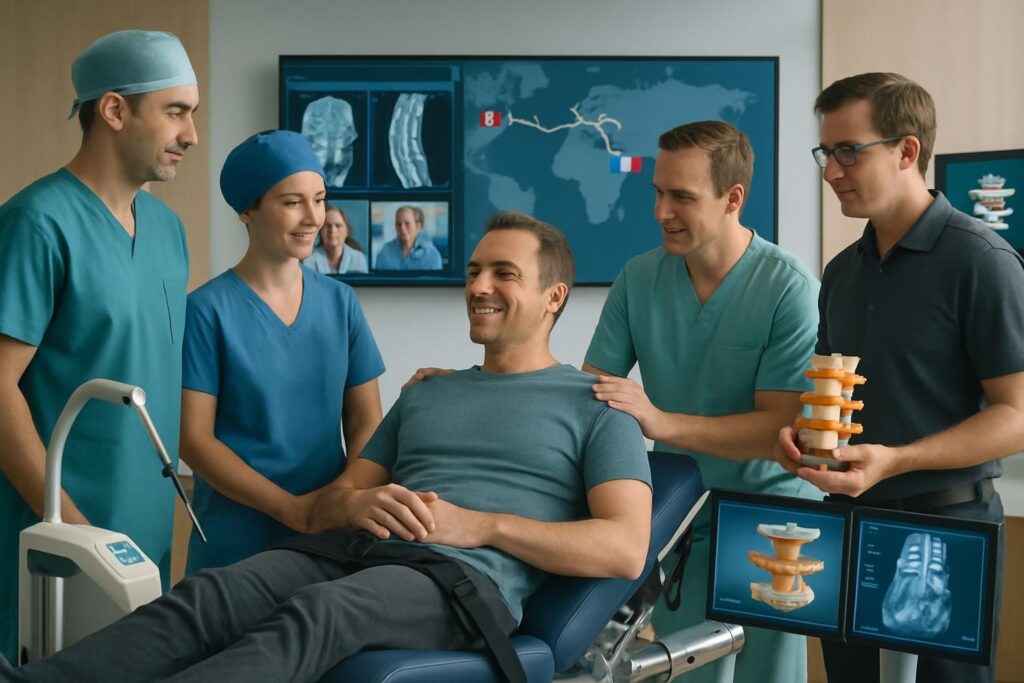
Spinal surgery is undergoing a major revolution thanks to the arrival of dynamic implants, technological innovations designed to benefit the spine. These devices, such as the TOPS system or IntraSPINE, stabilize the spine while preserving its natural mobility. This advancement is particularly promising for patients suffering from complex conditions such as chronic lower back pain, herniated discs, or scoliosis. By combining scientific rigor, cutting-edge medical technology, and personalized support, experts and specialized centers, particularly in France, are paving the way for a safer and more tailored surgical approach, especially for Quebec patients facing delays and the high cost of local care.
Aware of the biomechanical challenges, innovative back surgery now favors minimally invasive and dynamic solutions that offer a compelling alternative to the merger classic spinal cord. Coordination between French specialists and Quebec teams, facilitated by recognized platforms such as SOS Medical Tourism, This guarantees comprehensive care and rigorous follow-up. By modulating spinal stabilization without permanent immobilization, these implants improve postoperative rehabilitation and open up new functional and economic possibilities. A detailed analysis of these techniques, their biomechanics, their precise indications, and their integration into an optimized care pathway remains essential for patients seeking advanced surgical solutions.
Dynamic implants: biomechanical innovations for spinal stabilization
Dynamic implants represent a major technological advancement in the field of spinal surgery. Unlike traditional spinal fusion techniques that permanently immobilize a spinal segment, these systems preserve natural movement between vertebrae while providing effective stabilization. This advanced biomechanics allows patients to maintain a functional range of motion essential to their quality of life.
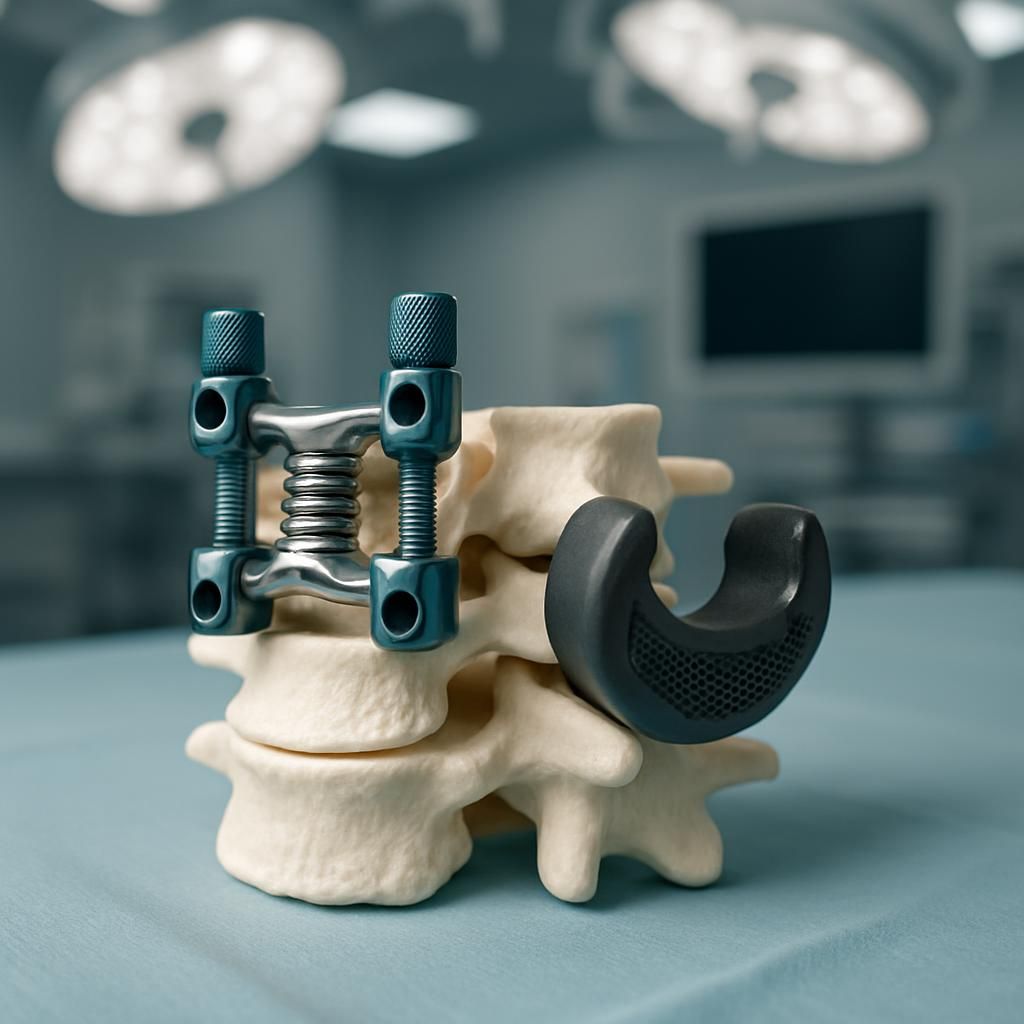
Among these technologies, the TOPS (Total Posterior Spine System) is an innovative dynamic implant designed to treat pathologies such as spinal stenosis and degenerative disc lesions. Its modular design offers controlled articulation that replicates the physiological mobility of the lumbar spine. Similarly, the IntraSPINE acts as an interspinous device, injecting support into the spine during movement, which reduces pressure on the intervertebral discs while limiting nerve compression.
These implants offer several biomechanical benefits: reduced stress on structures adjacent to the surgical site, prevention of adjacent degeneration, and maintaining spinal dynamics, which are essential for posture and daily activities. For example, a patient suffering from chronic lower back pain due to a herniated disc complex can benefit from stabilization without loss of mobility, which is essential for effective rehabilitation and resumption of an active life.
The surgical manipulation of these devices requires strong skills and in-depth knowledge of biomechanical mechanisms. This explains the close collaboration between specialized experts and leading French centers, renowned for their technological excellence and scientific rigor. This expertise is accessible to Quebec patients through coordinated transatlantic support, enabling innovative and safe surgical care free from the usual local constraints.
A personalized approach to dynamic implants is essential: each solution is tailored to the patient's morphology, pathology, and functional expectations. This personalization relies on a rigorous evaluation, including advanced conservative treatments available beforehand from partners such as... TAGMED CLINIC. This preliminary step helps to ensure that the surgical implantation is indicated, safe and optimized.

The different surgical options for the spine in France: from conventional to vertebral dynamics
France offers a comprehensive range of surgical solutions for spinal pathologies. This range extends from traditional procedures to innovative techniques incorporating dynamic implants, thus providing patients with alternatives tailored to the severity and specific nature of their condition.
Traditional interventions include spinal fusion and simple decompression. Spinal fusion involves immobilizing two or more vertebrae to eliminate painful movements, often at the cost of reduced overall mobility. This technique remains relevant for cases of unstable fractures, significant deformities, or advanced osteoarthritis. Neurovertebral decompression, available notably at the TAGMED CLINIC before any surgical decision, the aim is to release compressed nerve roots, providing crucial relief before considering more invasive treatment.
In parallel, dynamic implants such as TOPS and IntraSPINE These techniques are revolutionizing surgical management. They allow for stabilization while preserving segmental mobility. This innovation is particularly well-suited for conditions such as complex disc herniation, localized muscle sclerosis, or certain cases of progressive scoliosis. The choice between traditional and dynamic surgery is always made based on a comprehensive evaluation, taking into account the expected benefits, risks, and the patient's lifestyle.
These dynamic options are also integrated within the framework of the minimally invasive surgery, This approach aims to reduce postoperative pain, the risk of infection, and the length of hospital stays. This modality also improves the quality of functional rehabilitation, which is essential for limiting long-term disabilities.
Here is a comparative table between spinal fusion and dynamic implants:
| Criteria | Spinal fusion | Dynamic implants (TOPS, IntraSPINE) |
|---|---|---|
| Segmental movement | Completely immobilized | Maintained with controlled amplitude |
| Post-operative recovery | Longer, slower rehabilitation | Faster, less painful |
| Side effects | Frequent degeneration of adjacent segments | Preserves spinal biomechanics, reduced risk |
| Patient adaptability | Less flexible, standardized | Customized according to the pathology and mobility |
| Cost and logistics | Less expensive, widely available | Advanced technique, supported by specialized centers |
With its extensive expertise in these techniques, France has positioned itself as a leading destination, offering an alternative to local surgery for Quebec patients seeking an innovative, effective, and safe approach. The coordination between healthcare professionals and the quality of the infrastructure ensure optimal care from pre-operative assessment to long-term follow-up.
The availability of innovative surgery in France makes it possible to consider surgical intervention even for complex cases that no longer respond to conservative treatments. These advances combine medical technology, Operational safety and compliance with international standards are essential elements for a successful journey.
A personalized healthcare pathway between Quebec and France: dedicated coordination and support
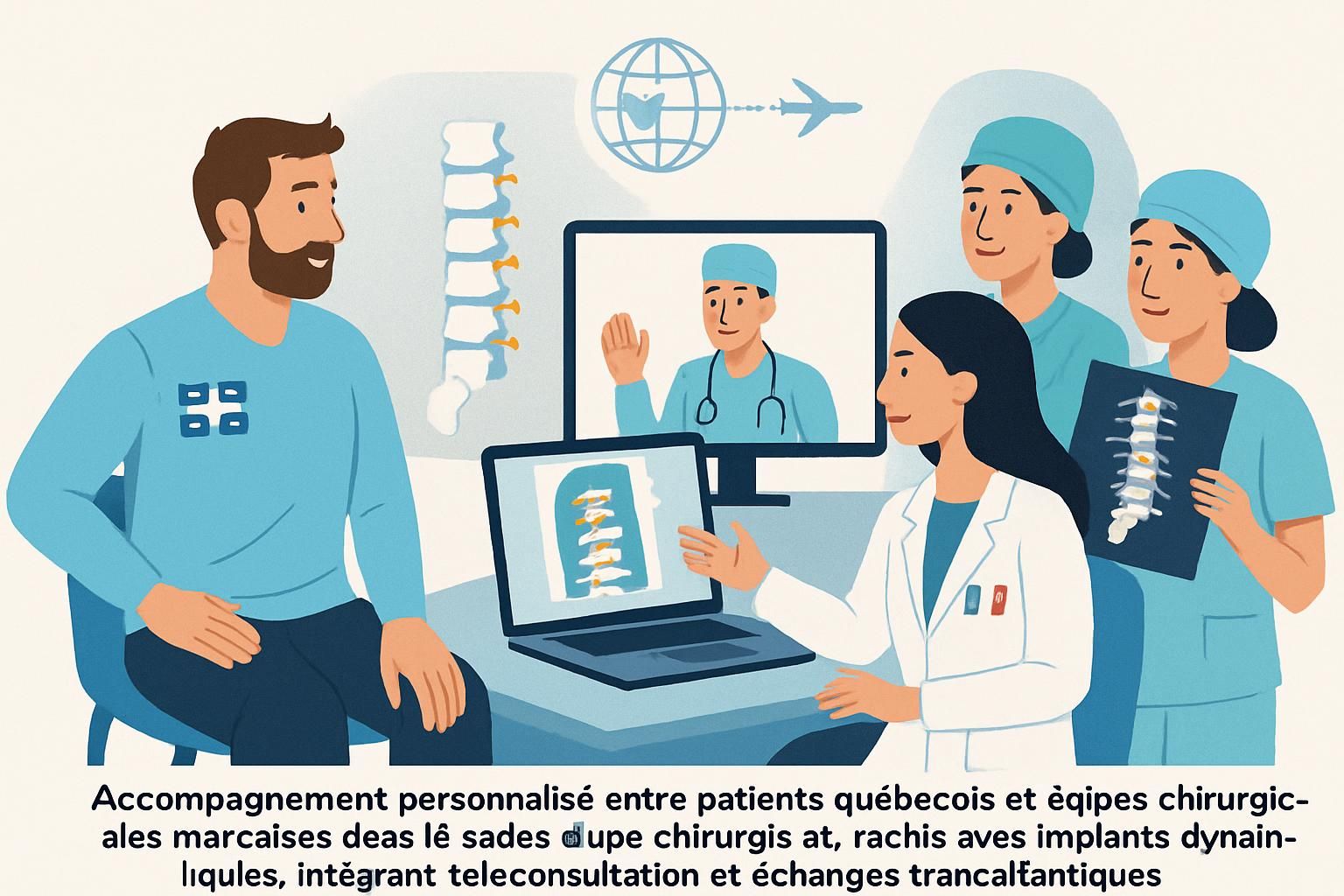
The process for a patient seeking spinal surgery in France is a carefully orchestrated journey, where medical expertise is complemented by comprehensive human and logistical support. This collaborative approach facilitates information sharing, informed decision-making, and ensures rigorous monitoring at every stage.
The starting point remains essential: a conservative treatment of 3 to 6 months, including in particular neurovertebral decompression, notably offered by the TAGMED CLINIC. This phase allows for significant symptom relief and, when possible, avoids surgery. It relies on physiotherapy, medication, and specific rehabilitation techniques.
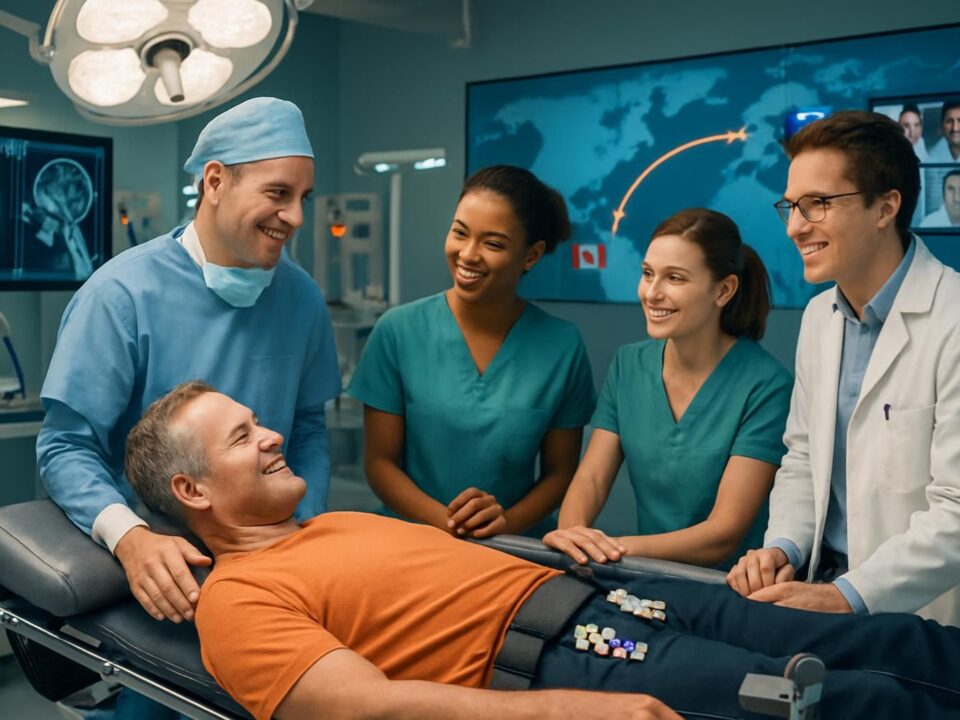
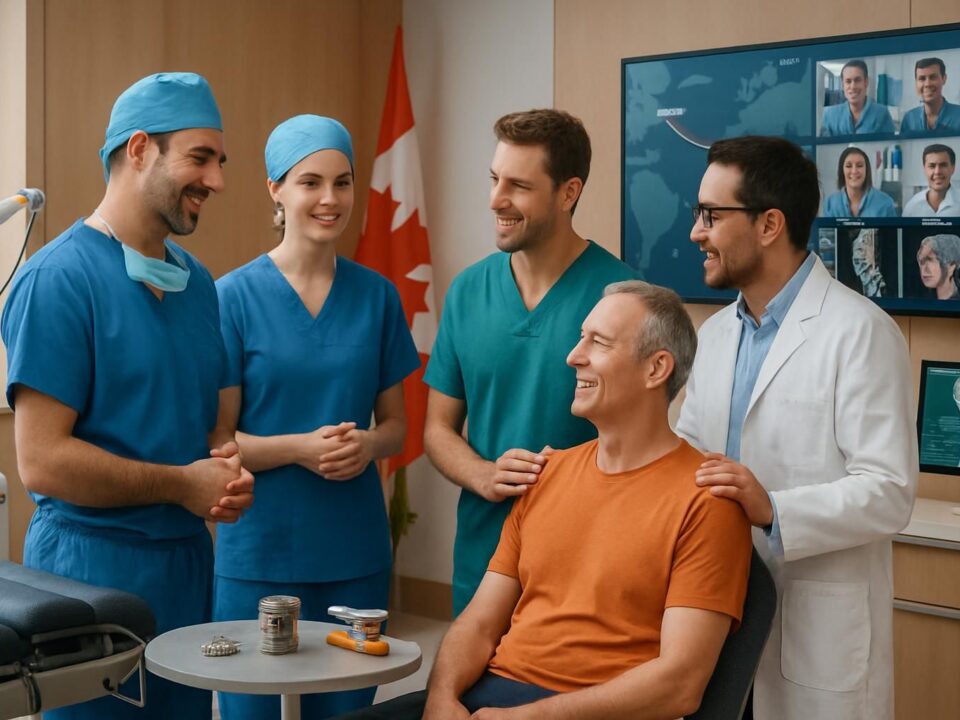
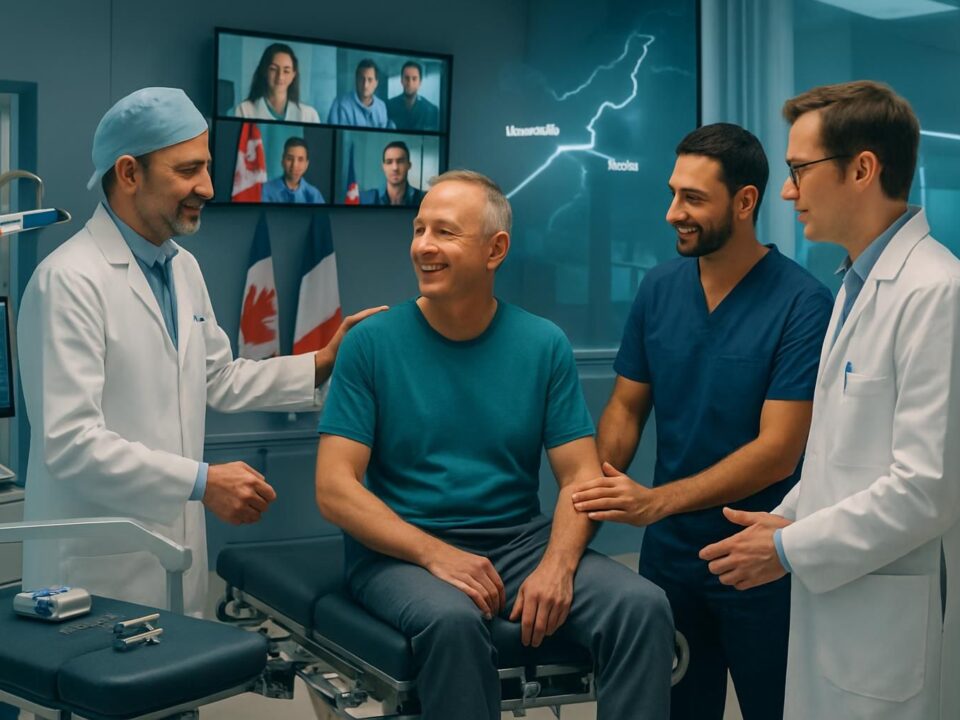
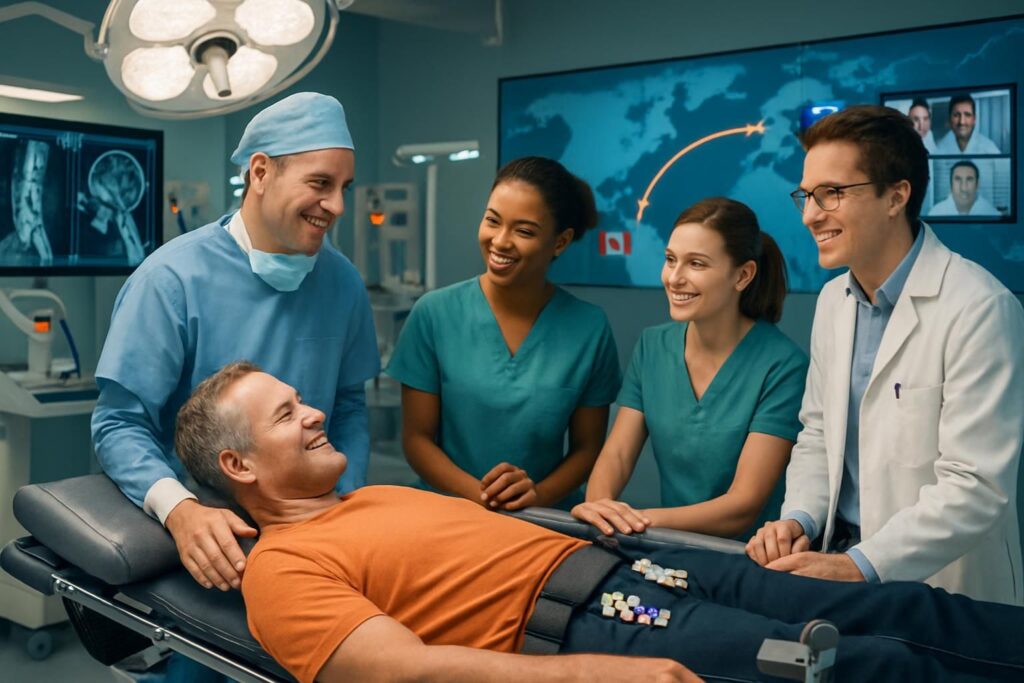
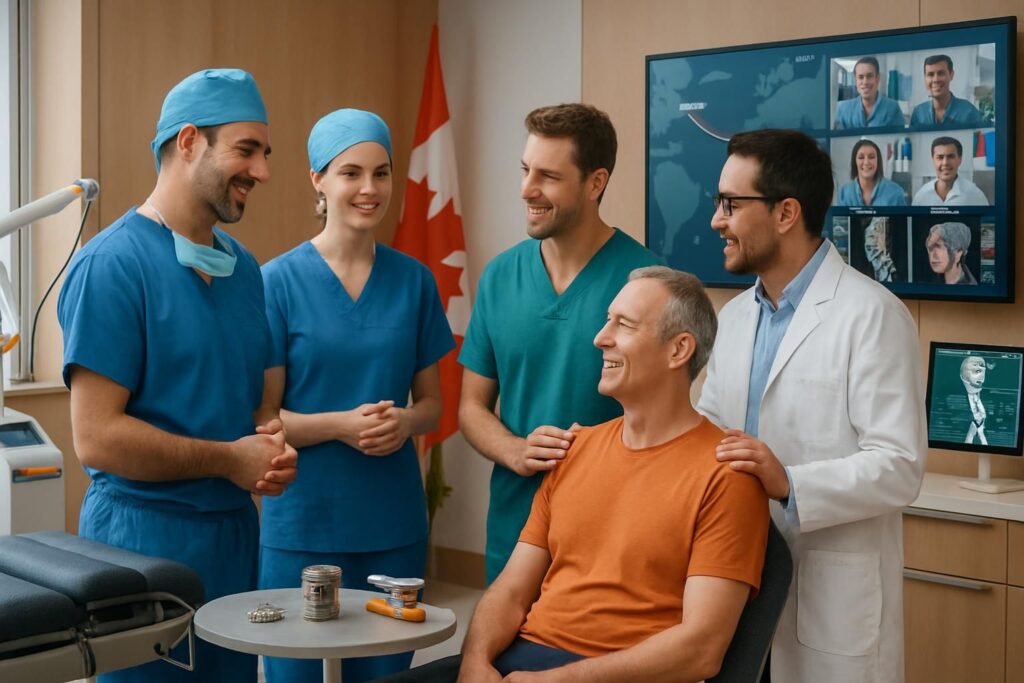
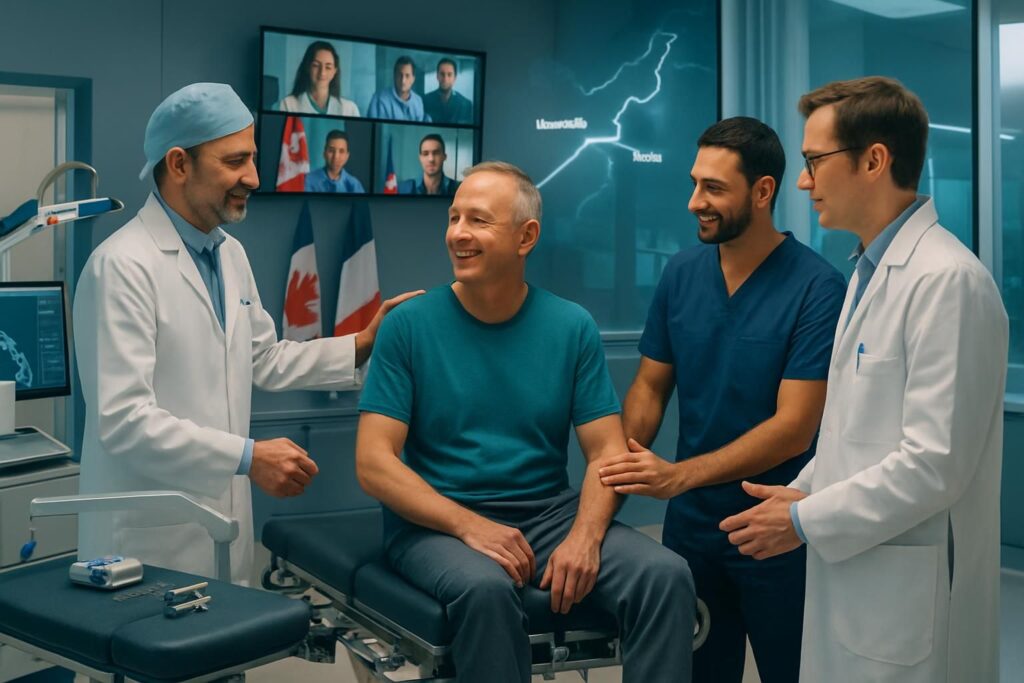
In case of failure, transatlantic expertise takes over. The French and Quebec teams exchange information via teleconsultations and share files for a precise evaluation. Louis Blanchard, recognized expert in spinal implants, plays a crucial role as an informed advisor, accompanying patients in the most appropriate therapeutic choice and facilitating contact with specialized centers in France.
This organizational method optimizes the patient safety by guaranteeing the quality of pre-operative assessments, the mastery of surgical innovations, and organized post-operative follow-up, including rehabilitation and monitoring of implants according to international best practices.
The process includes several key steps:
- Thorough evaluation of medical history and imaging.
- Personalized conservative treatment phase monitored in Quebec.
- Specialized consultations and technical advice on dynamic implant solutions.
- Organization of travel, hospitalization and surgery in a recognized French center.
- Post-operative follow-up with appropriate rehabilitation and regular check-ups.
This transatlantic coordination makes it possible to combine expertise, innovation and personalized human support, thus minimizing constraints and maximizing the chances of therapeutic success.
The functional and economic benefits of dynamic implants for Quebec patients
Surgery with dynamic implants not only transforms medical care, but also directly impacts quality of life, functional recovery, and healthcare costs for patients. Several tangible benefits are thus observed, justifying the growing enthusiasm for these technologies.
From a functional perspective, preserving spinal mobility helps maintain or restore spinal dynamics close to normal physiology. This limits the progression of pain and muscle fatigue, and promotes a rapid return to physical and professional activities. For example, a TOPS system will be able to benefit from a better range of flexion-extension than would be possible with a conventional fusion, thus promoting optimized rehabilitation.
From an economic standpoint, although surgery in France initially involves costs related to travel and hospitalization, the reduction in complications and reoperations, along with the speed of return to activity, generally limits the overall cost for the patient. The reliability of procedures, adherence to international standards, and personalized support prevent errors and enhance the quality of outcomes.
Finally, this innovative solution ensures greater acceptability of the surgical treatment. Post-operative follow-up is simplified thanks to the reliability of the implants and their personalized fit. The care thus combines a high level of technology with a well-supported and patient-centered approach, reducing anxiety related to the operation.
Here is a list of the main benefits provided by dynamic implants:
- Preservation of the natural mobility of the spine.
- Reduction of post-operative pain and after-effects.
- Reduced risk of degeneration of adjacent vertebral segments.
- Improved rehabilitation times and return to normal life.
- Tailored patient support including remote monitoring.
Supporting patients: clear education and ensuring a safe surgical process
Given the complexity of spinal surgery and its constant innovations, it is essential to provide clear, accessible information tailored to patients' needs. Education plays a vital role in helping patients understand the intricacies of dynamic implants, their biomechanical advantages, and the various treatment options.
This approach involves simplifying complex medical concepts such as spinal biomechanics, segmental stabilization, and the differences between spinal fusion and dynamic techniques. A better understanding is a powerful tool for reassuring, motivating, and encouraging patients to actively participate in their care.
For example, explaining that a dynamic implant like the TOPS replicates the natural movements of the lumbar spine can alleviate many concerns related to loss of mobility or fear of complications. Similarly, outlining the steps of a minimally invasive, less painful surgery improves confidence and mentally prepares the patient for their rehabilitation process.
Another fundamental aspect is transparency regarding prerequisites before surgery. It is systematically recommended to follow a conservative treatment plan of 3 to 6 months, including appropriate rehabilitation and... Spinal decompression therapy if necessary. This precaution ensures that surgery is always a well-considered and justified option, optimizing the chances of success.
Beyond technical information, the human approach translates into ongoing dialogue with the expert and medical teams, offering psychological and practical support. This dynamic fosters informed and personalized decision-making, respectful of each patient's specific needs.
A better understanding of dynamic implants, combined with a safe pathway, therefore constitutes an essential foundation for calmly considering spinal surgery and optimizing long-term results.
Dynamic implants: a new era for spinal surgery
Explore an interactive comparison of the main spinal surgical techniques. Click on each technique to learn more about its advantages and characteristics.
What are the criteria for choosing a dynamic implant?
The choice is based on the specific pathology, the necessary mobility, the patient's general condition, and the response to conservative treatments. An expert can assist in this decision.
What are the advantages of dynamic implants compared to fusion?
Dynamic implants preserve spinal mobility, reduce the risk of degeneration of adjacent segments and promote faster rehabilitation.
Is surgery with dynamic implants safe?
Relax: this surgery is performed in certified centers, according to rigorous protocols, guaranteeing safety and mastery of technical innovations.
What is the role of the conservative phase before surgery?
This phase often helps to relieve pain, assess the need for surgical intervention, and optimize results if surgery becomes necessary.
How does post-operative follow-up take place?
It includes regular check-ups, tailored rehabilitation specifically to strengthen spinal biomechanics, and functional evaluation of the implant over time.
To learn more or for a personalized assessment, visit https://www.sostourismemedical.com/contact.