Clinique TAGMED Montréal / Mont-Royal · Mini-pilier — Diagnostic
Diagnosing sciatica: clinical examination, neurological tests and consistency of findings
Construire le diagnostic à partir de plusieurs indices concordants
Le diagnostic clinique d’une radiculopathie repose sur un ensemble d’éléments concordants : histoire des symptômes, trajet douloureux, sensibilité, force, réflexes, marche et tests de mise en tension nerveuse. Aucun test isolé ne confirme à lui seul la cause.
- Part of the guide series on Sciatica treatment in Montreal.
- This page brings together the specialized guides already published on this topic.
- Progressive neurological signs and urgent situations are distinguished from routine care.
Overview
Construire le diagnostic à partir de plusieurs indices concordants
Le diagnostic clinique d’une radiculopathie repose sur un ensemble d’éléments concordants : histoire des symptômes, trajet douloureux, sensibilité, force, réflexes, marche et tests de mise en tension nerveuse. Aucun test isolé ne confirme à lui seul la cause.
Histoire clinique
Le trajet, la durée, les facteurs aggravants et les symptômes neurologiques orientent l’examen.
Examen neurologique
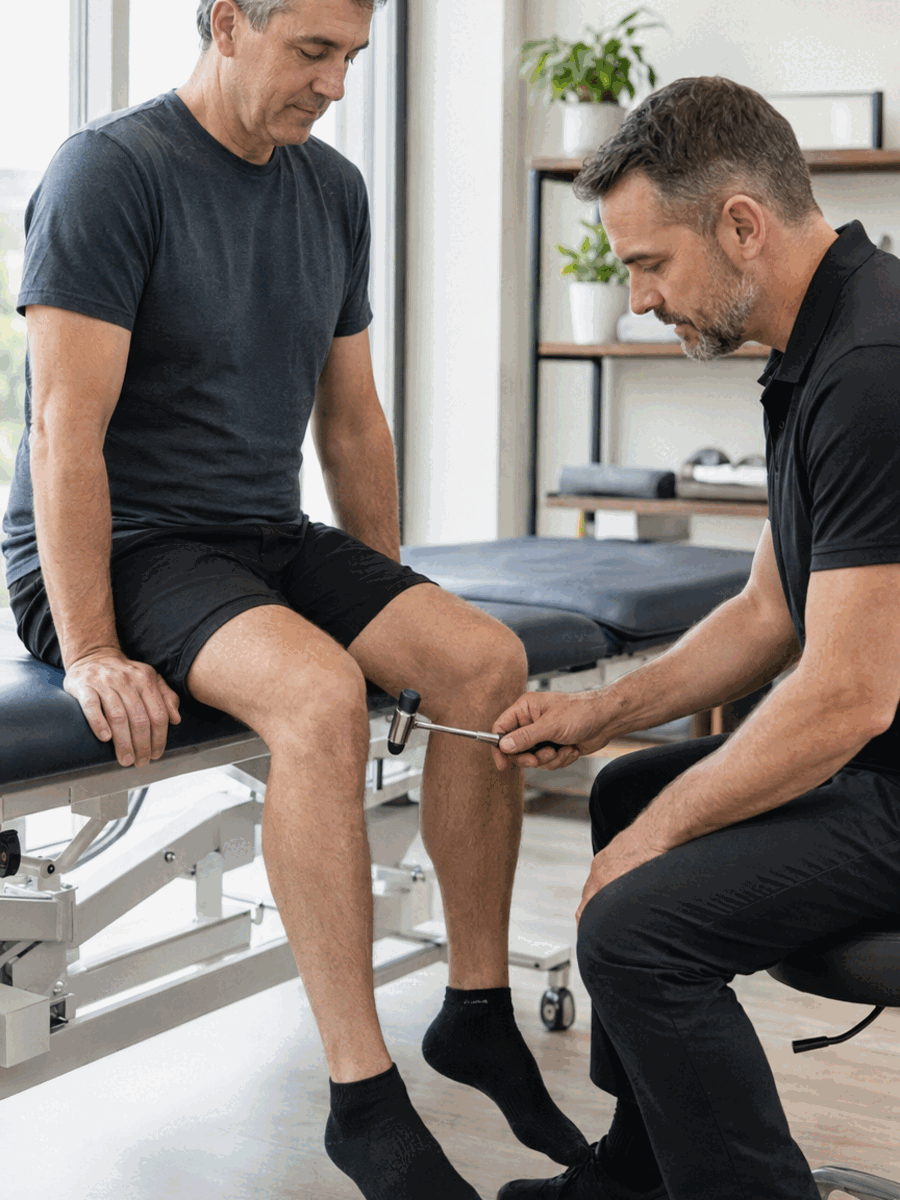
Force, sensibilité, réflexes et marche sont comparés au côté et au niveau suspectés.
Challenge tests
Lasègue ou Slump peuvent contribuer à l’analyse lorsqu’ils reproduisent un tableau concordant.
Explore these guides
Specialized guides to explore
These pages explore the main questions related to this topic and all link back to the main Sciatica Montreal page.
Clinical exam
Explore this topic in the Montreal sciatica guide series.
Test de Lasègue
Explore this topic in the Montreal sciatica guide series.
Test Slump
Explore this topic in the Montreal sciatica guide series.
Dermatomes
Explore this topic in the Montreal sciatica guide series.
Myotomes
Explore this topic in the Montreal sciatica guide series.
Réflexes
Explore this topic in the Montreal sciatica guide series.
Clinical interpretation
Putting the information in context
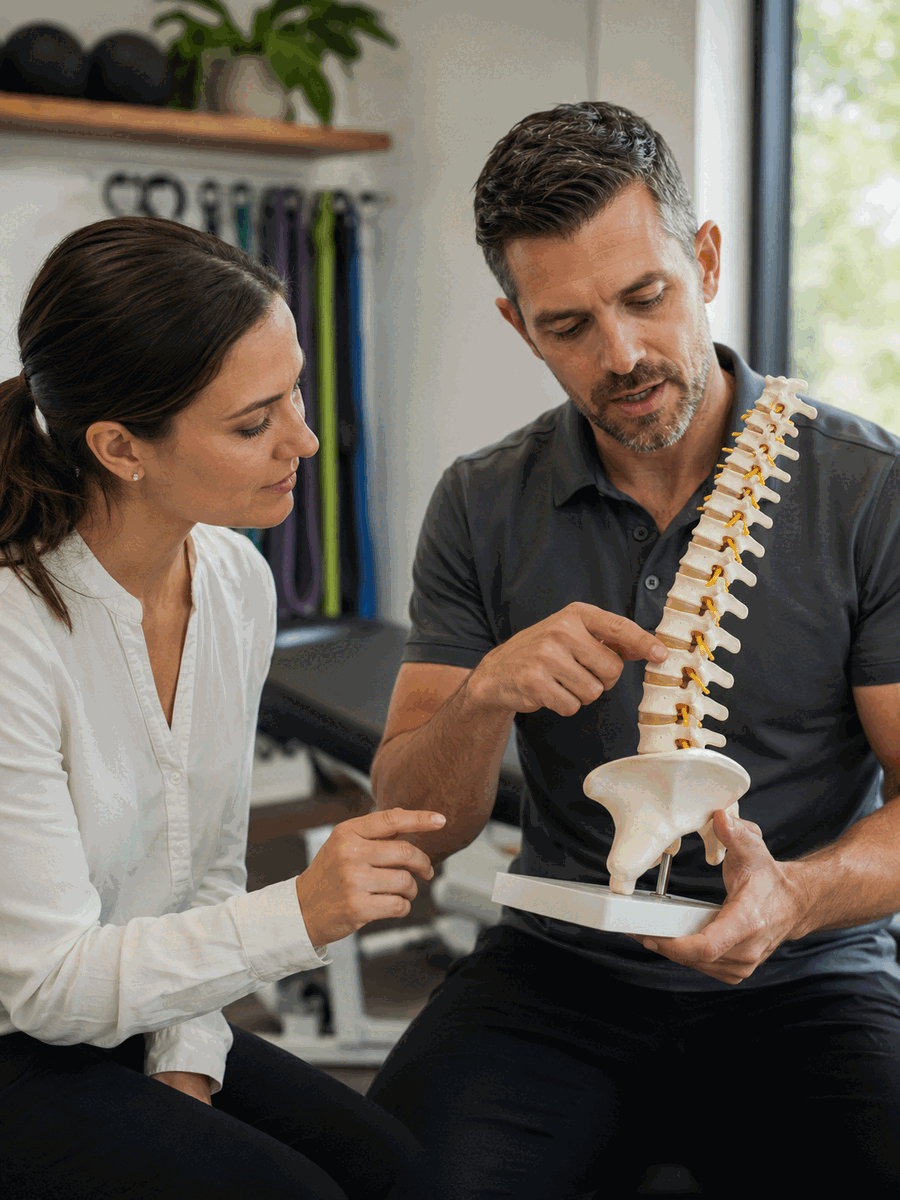
The same symptom can have several explanations. The assessment compares the pain distribution, sensation, strength, walking, aggravating positions and any available test results. The aim is to look for findings that fit together rather than draw a conclusion from a single sign.
An important point
An imaging abnormality, test or area of pain should not be interpreted in isolation. Function and the progression of neurological signs remain essential.
Assessment
Planning the next steps
A consultation can clarify the level of priority, identify signs requiring medical referral and determine whether conservative care, further investigation or another option should be discussed.
Describe
Distribution, duration, intensity, triggers and recovery.
Examine
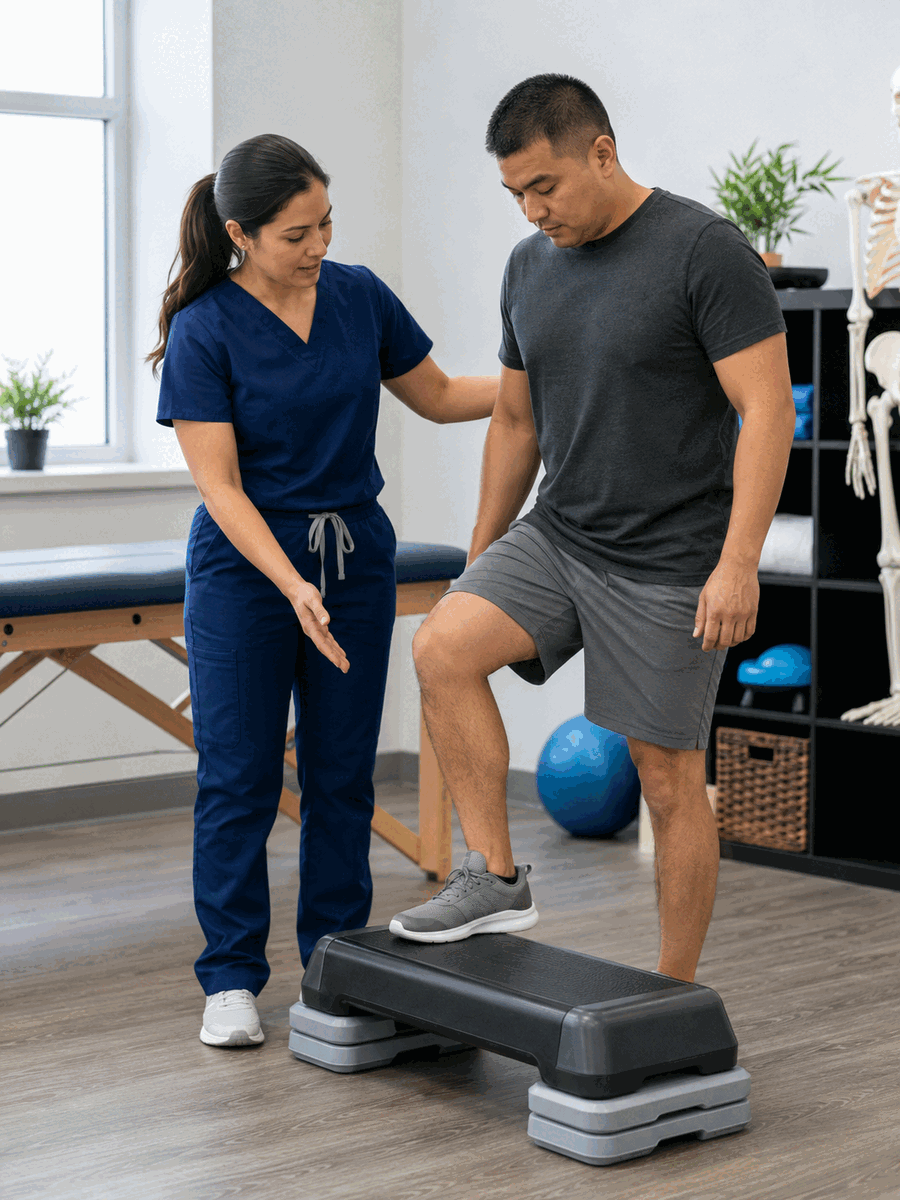
Strength, sensation, reflexes, walking and relevant tests.
Correlate
Compare clinical findings with available investigations when relevant.
Decide
Choose the next steps and criteria for reassessment.
Support
Match care options to the likely cause and functional needs
Care may combine advice, continued activity within tolerance, rehabilitation and other conservative approaches. Depending on severity, duration and neurological signs, further investigation or a medical referral may be appropriate. Spinal decompression can be discussed for selected patients, without presenting it as suitable for everyone or as a guaranteed solution.
Self-management and activity
Information, tolerated movement, load adjustment and gradual progression.
Conservative approaches
Exercise, rehabilitation and interventions suited to the clinical profile.
Medical referral
Imaging, injections or specialist advice according to indications and progression.
When should you seek prompt or emergency care?
- New, significant or rapidly progressive weakness.
- Recent foot drop or a leg that gives way more often.
- New bladder or bowel problems.
- Numbness in the saddle area or perineum.
- Significant symptoms on both sides, major trauma, fever or a decline in general health.
These signs should not wait for a routine appointment. Urgent medical assessment may be necessary.
Follow-up
Measuring progress through function
Follow-up compares important activities: walking, sitting, sleeping, working, sports, daily tasks and recovery after exertion. These measures help determine whether the plan should be continued or adjusted.
Function
Compare the activities that matter to the person.
Neurology
Monitor strength, sensation and any new deterioration.
Main guide
Would you like an assessment of your sciatica symptoms?
A consultation can help clarify the likely cause, signs to watch for and relevant options based on function and progression.
Frequently Asked Questions
FAQ — Diagnostic de la sciatique : examen clinique, tests neurologiques et concordance
Existe-t-il un test unique pour confirmer la sciatique?
Non. Le diagnostic repose sur plusieurs éléments concordants.
Le test de Lasègue est-il toujours positif?
Non. Sa performance varie selon le tableau et il doit être interprété avec l’examen complet.
Le Slump remplace-t-il l’examen neurologique?
Non. Il s’agit d’un élément parmi plusieurs.
Pourquoi vérifier la force?
La force peut révéler un déficit moteur et contribuer à identifier la racine potentiellement touchée.
Les réflexes sont-ils obligatoirement anormaux?
Non. Ils peuvent rester normaux malgré des symptômes radiculaires.
L’imagerie est-elle nécessaire au diagnostic initial?
Pas systématiquement. Elle est surtout utile lorsque son résultat peut modifier la prise en charge.
When is prompt reassessment needed?
En cas de faiblesse nouvelle ou progressive, de symptômes bilatéraux importants ou d’autres signes neurologiques préoccupants.
Medical references
References and guidelines
These references provide a general framework for assessing low back pain with sciatica, radiculopathy and the use of imaging. They do not replace individualized clinical decisions.
- NICE NG59 — Low back pain and sciatica: assessment and management
- American College of Radiology — Appropriateness Criteria: Low Back Pain
- North American Spine Society — Lumbar disc herniation with radiculopathy
Important information
This page provides general information and does not establish a diagnosis. Results and recovery times vary according to the cause, duration, neurological signs, medical history and individual response to care.
Sylvain Desforges, docteur en ostéopathie
TAGMED Clinic — Spinal decompression, specific osteopathy and assessment of low back, disc-related and sciatic pain.
Professional profile · Contact · Main guide to sciatica in Montreal
In the same guide series
Related guides to sciatica
Continue with guides that explore the same symptom, its possible cause, assessment or options for care.
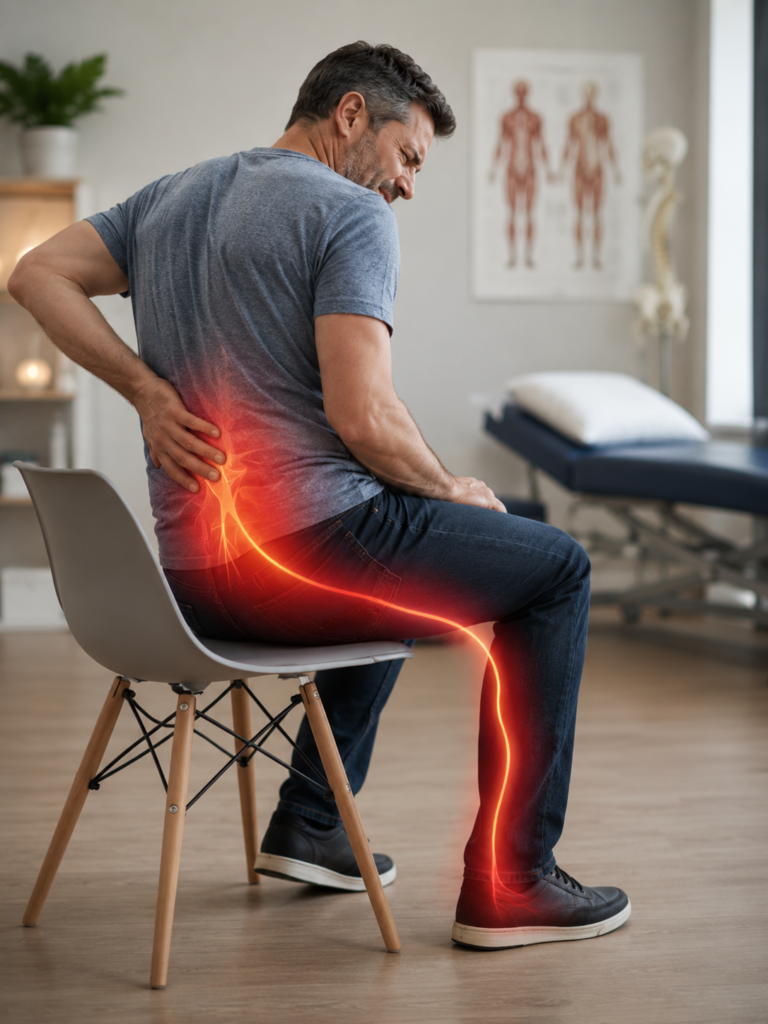
Sciatica treatment in Montreal
TAGMED Clinic Montreal / Mount Royal — Sciatica treatment in Montreal. Free examination, valued at CAD $85. Request your free examination and check availability…
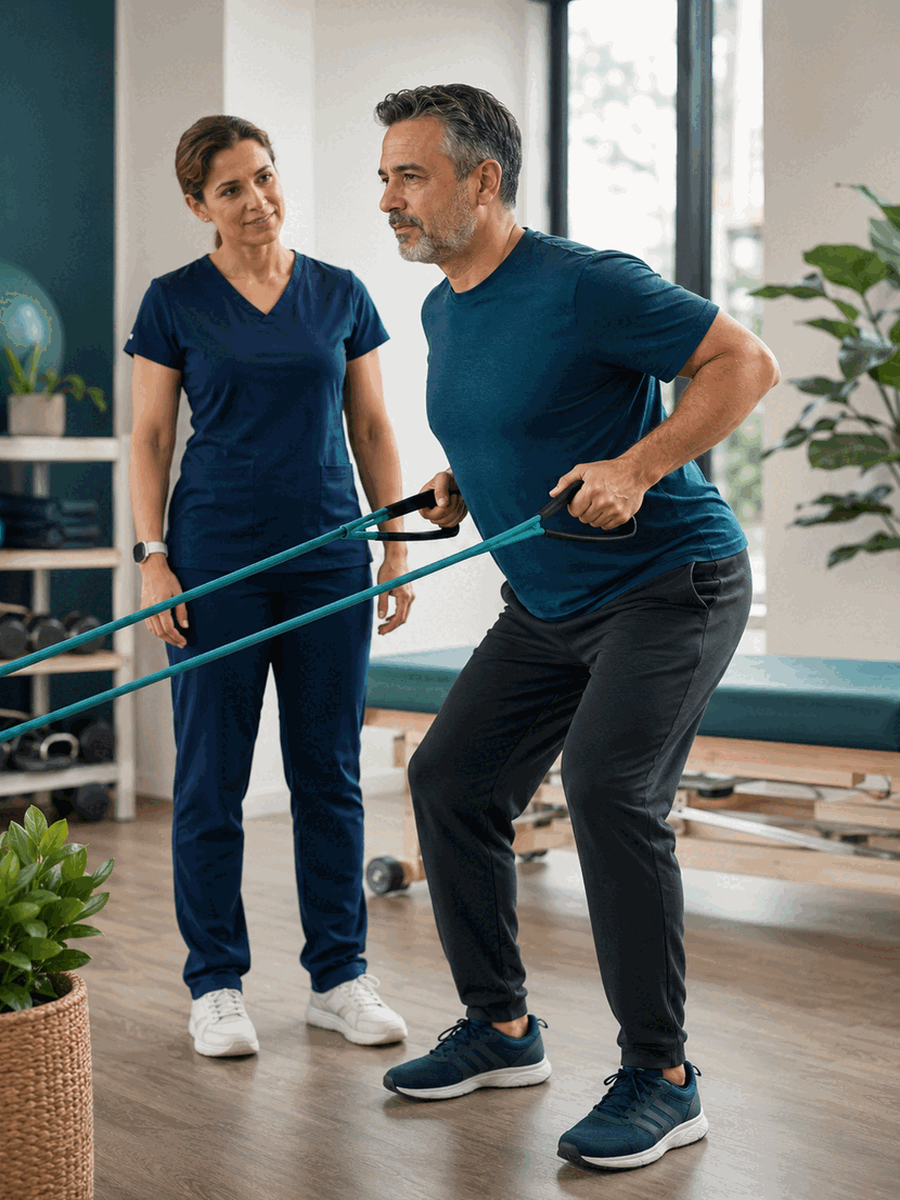
Diagnosing lumbar radiculopathy: how to distinguish true sciatica
TAGMED Clinic Montreal / Mount Royal — Diagnosing lumbar radiculopathy: how to distinguish true sciatica. Understanding what this diagnostic sign can contribute —…

Sciatica and MRI: why the image must correspond to the symptoms
TAGMED Clinic Montreal / Mount Royal — Sciatica and MRI: why the image must correspond to the symptoms. Understanding what this diagnostic sign can contribute —…

Sciatica or another condition? A guide to the differential diagnosis of leg pain
TAGMED Clinic Montreal / Mount Royal · Topic overview — Differential diagnosis. Sciatica or another condition? A guide to the differential diagnosis of leg pain…
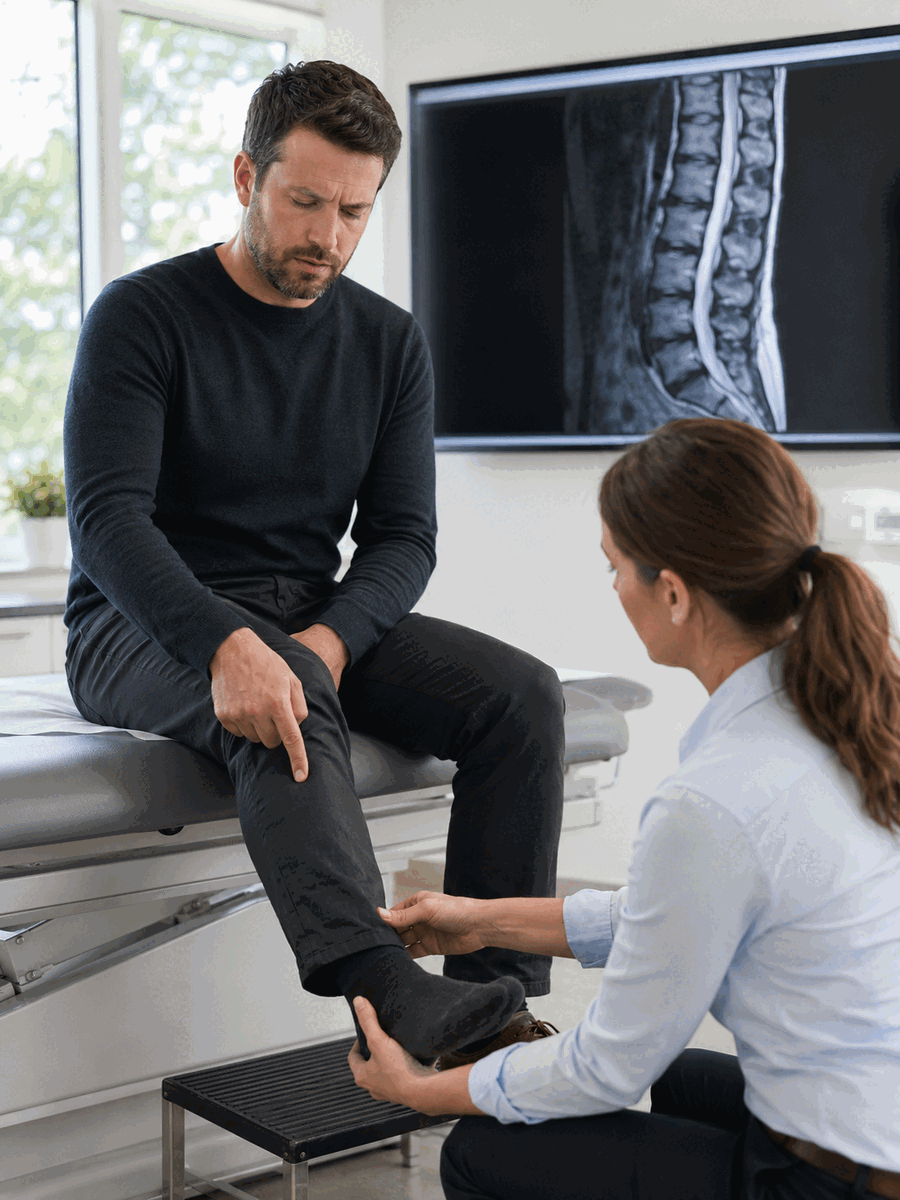
Dermatomes and sciatica: can sensation help locate L4, L5 or S1?
TAGMED Clinic Montreal / Mount Royal — Dermatomes and sciatica: can sensation help locate L4, L5 or S1? Understanding what this diagnostic sign…
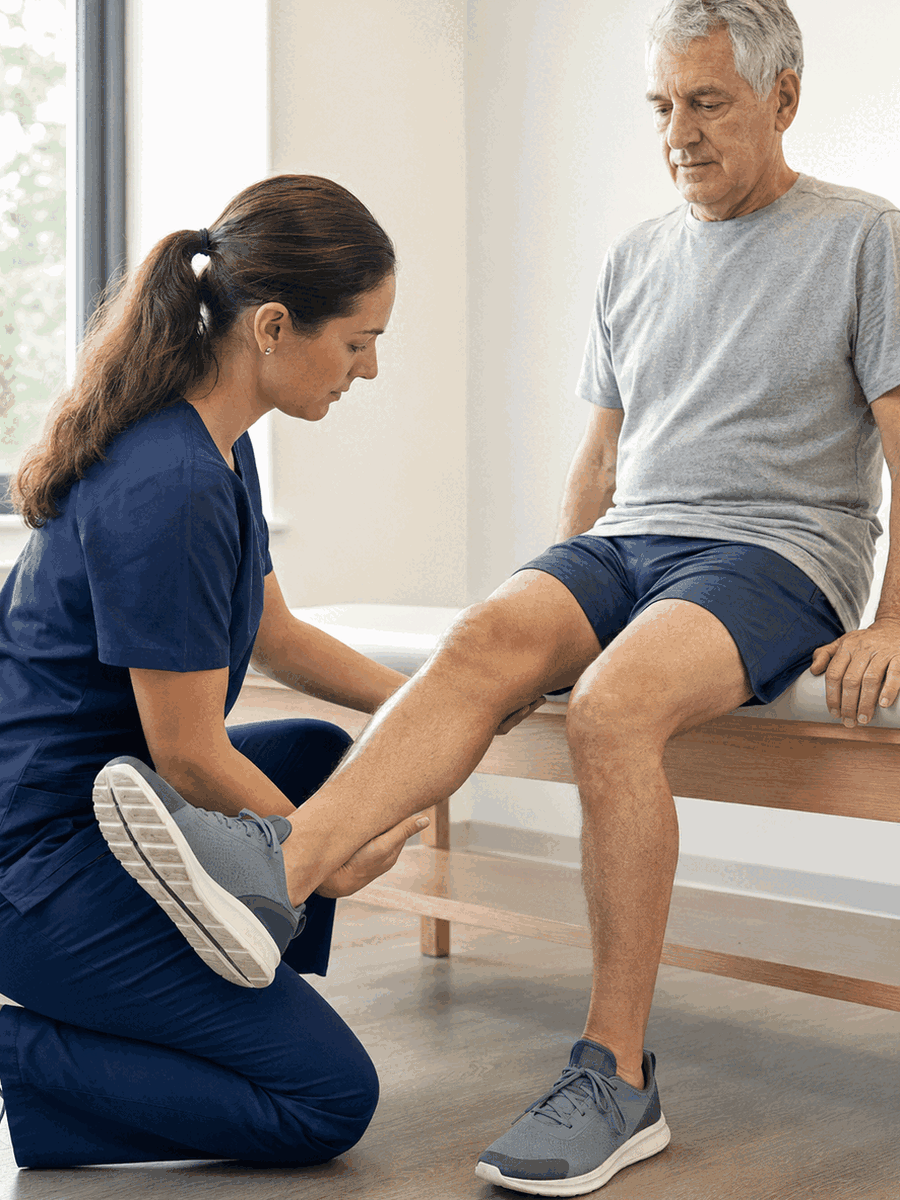
MRI and sciatica: when is imaging needed?
TAGMED Clinic Montreal / Mount Royal — MRI and sciatica: when is imaging needed? Clinical pointers, signs to monitor and next steps for pain…