TAGMED Clinic Montreal / Mount Royal
Herniated disc and sciatica when sitting: why sitting can make symptoms worse
Understanding the link between a herniated disc, the path of sciatic pain, neurological signs and care decisions.
Sitting can increase some disc-related or radicular symptoms, especially when prolonged. Bending the trunk, local pressure, nerve tension and lack of movement can all contribute to discomfort.
- Related page in this guide series Sciatica treatment in Montreal.
- A herniated disc seen on MRI is only relevant when the level, side and clinical findings are consistent.
- Progressive weakness, foot drop or signs of cauda equina syndrome change the priority of assessment.

Understanding
What this symptom pattern may mean
Sitting can increase some disc-related or radicular symptoms, especially when prolonged. Bending the trunk, local pressure, nerve tension and lack of movement can all contribute to discomfort.
Key point 1
The length of time spent sitting is often as important as the exact shape of the chair.
Key point 2
Pain that travels farther down the leg after sitting is worth noting.
Key point 3
Driving and desk work often combine prolonged sitting, limited movement and sometimes vibration.
Clinical guidance
Symptoms, function and disc level should tell a consistent story
Some patients tolerate sitting very poorly but can walk relatively well. This contrast helps guide adjustments to the plan. However, there is no universal perfect posture that eliminates all sciatica.

An important point
The presence of a herniated disc alone does not establish that it is causing the symptoms. Disc abnormalities are also seen in people without pain.
Assessment
What can be assessed during a consultation
The consultation assesses how long it takes for symptoms to worsen, the response to breaks, the effect of lumbar support and the relationship with neurological signs. The goal is to identify realistic, measurable adjustments.

Route
Precisely locate pain, tingling and areas of numbness.
Strength and function
Compare key movements, walking and tasks that may reveal weakness.
Imaging
Relate the disc level, side and morphology to the clinical findings rather than treating an isolated report.
Changes over time
Measure symptom trends and define the criteria that would call for a different course of care.
Evidence and decisions
What the guidelines say
Breaking up sitting time and changing position regularly are often more useful than searching for a perfect chair. NICE encourages self-management and maintaining activities. Traction is not routinely recommended, so any motorized decompression should be explained as a non-standard option.
Stay active
NICE recommendations encourage self-management and maintaining normal activities as much as possible, with adjustments to individual needs and abilities.
Targeted imaging
NICE recommends considering imaging in a specialist setting only if the result is likely to change management.
Traction / decompression
NICE does not recommend traction for low back pain with or without sciatica. Motorized decompression should therefore not be presented as a standard or guaranteed treatment, and requires transparent information about the uncertainty of the evidence.
When should you seek prompt or emergency care?
- New, significant or rapidly progressive weakness.
- Recent foot drop or worsening walking ability.
- New bladder or bowel problems.
- Numbness in the saddle area or perineum.
- Significant symptoms on both sides, fever, major trauma or a general deterioration in health.
These signs should not wait for a routine appointment.
Follow-up
Measure progress rather than repeat the same treatment
Follow-up compares leg pain, the area of numbness, strength, walking, sitting tolerance, sleep and activities. Objective worsening should lead to a reassessment of the diagnosis and plan.
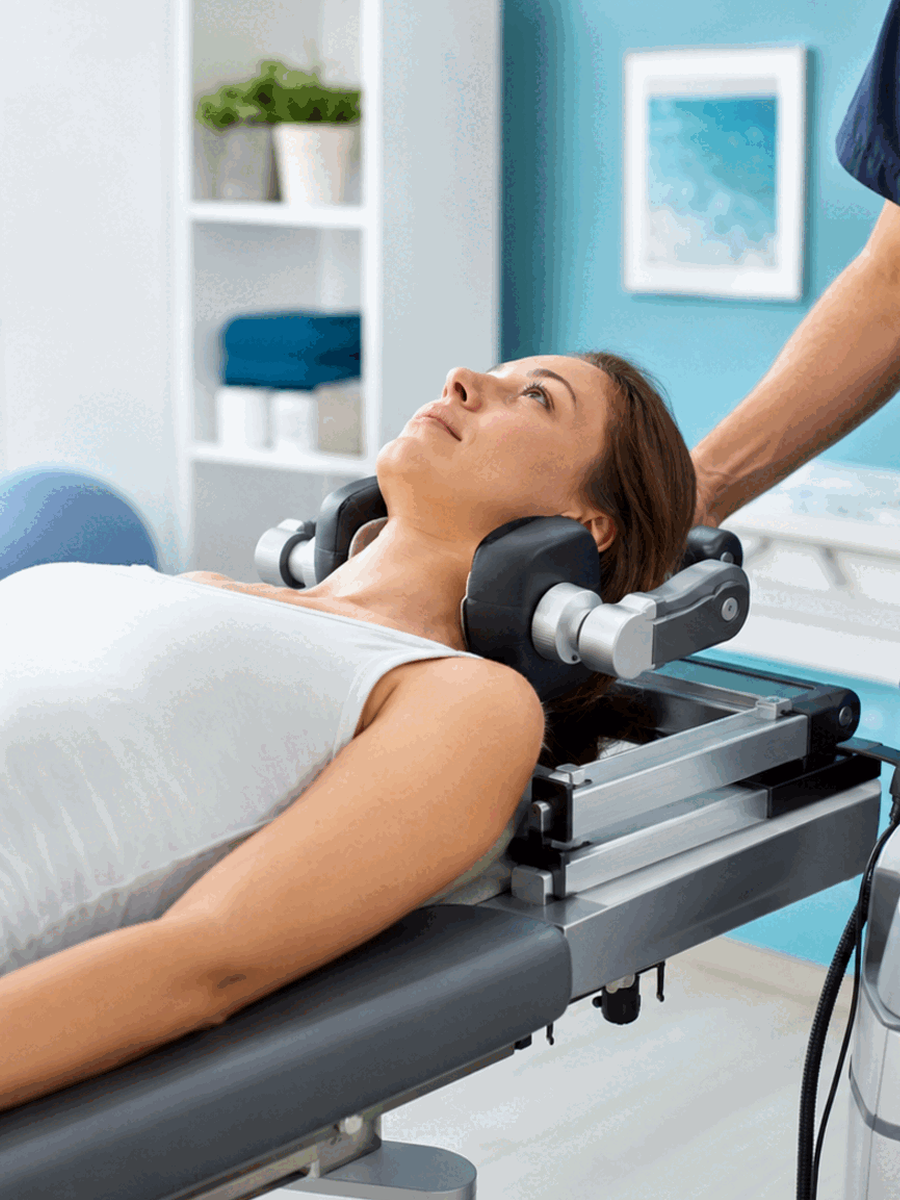
Do you have sciatica that may be associated with a herniated disc?
A consultation can help clarify how symptoms, examination findings and imaging fit together, the signs to watch for and the options for care.
Spinal decompression in Montreal · Spinal decompression in Terrebonne
Frequently Asked Questions
FAQ — Herniated disc and sciatica when sitting: why sitting can make symptoms worse
Why does sitting aggravate a herniated disc?
Bending and prolonged periods without movement can increase sensitivity in some patients.
Do I need to buy a special chair?
Not necessarily; taking frequent breaks and varying your position often matter more.
Can a lumbar cushion help?
Yes, for some people, although it is not a universal solution.
Can driving be more irritating?
It can be, because of vibration and limited freedom of movement.
Should I avoid sitting altogether?
Generally, no; the aim is to manage the amount of sitting and break it up.
Is pain that travels farther down the leg important?
Yes, especially if it becomes persistent or is accompanied by weakness.
When should I seek a consultation?
If sitting tolerance becomes very limited or neurological signs progress.
Medical references
References and guidelines
These resources provide general guidance on sciatica, lumbar disc herniation, imaging and radiculopathy. They do not replace an individualized clinical decision.
- NICE NG59 — Low back pain and sciatica: recommendations
- American College of Radiology — Appropriateness Criteria: Low Back Pain
- North American Spine Society — Lumbar Disc Herniation with Radiculopathy
Important information
This page provides general information and does not make a diagnosis. Outcomes, recovery times and the need for an intervention vary with the cause, neurological signs, function and individual response.
Sylvain Desforges, docteur en ostéopathie
TAGMED Clinic — Spinal decompression, specific osteopathy and assessment of low back, disc-related and sciatic pain.
Professional profile · Contact · Main guide to sciatica in Montreal
In the same guide series
Related guides to sciatica
Continue with guides that explore the same symptom, its possible cause, assessment or options for care.
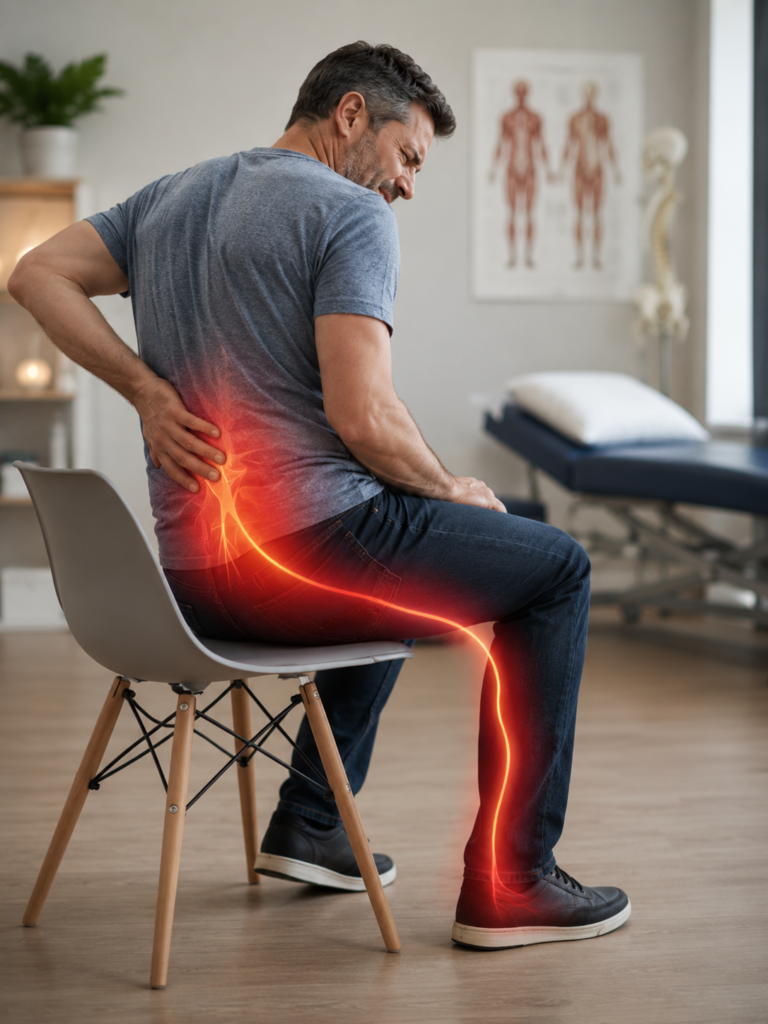
Sciatica treatment in Montreal
TAGMED Clinic Montreal / Mount Royal — Sciatica treatment in Montreal. Free examination, valued at CAD $85. Request your free examination and check availability…

Herniated disc and sciatica at night: why sleep becomes difficult
TAGMED Clinic Montreal / Mount Royal — Herniated disc and sciatica at night: why sleep becomes difficult. Understanding the connection between a herniated disc,…
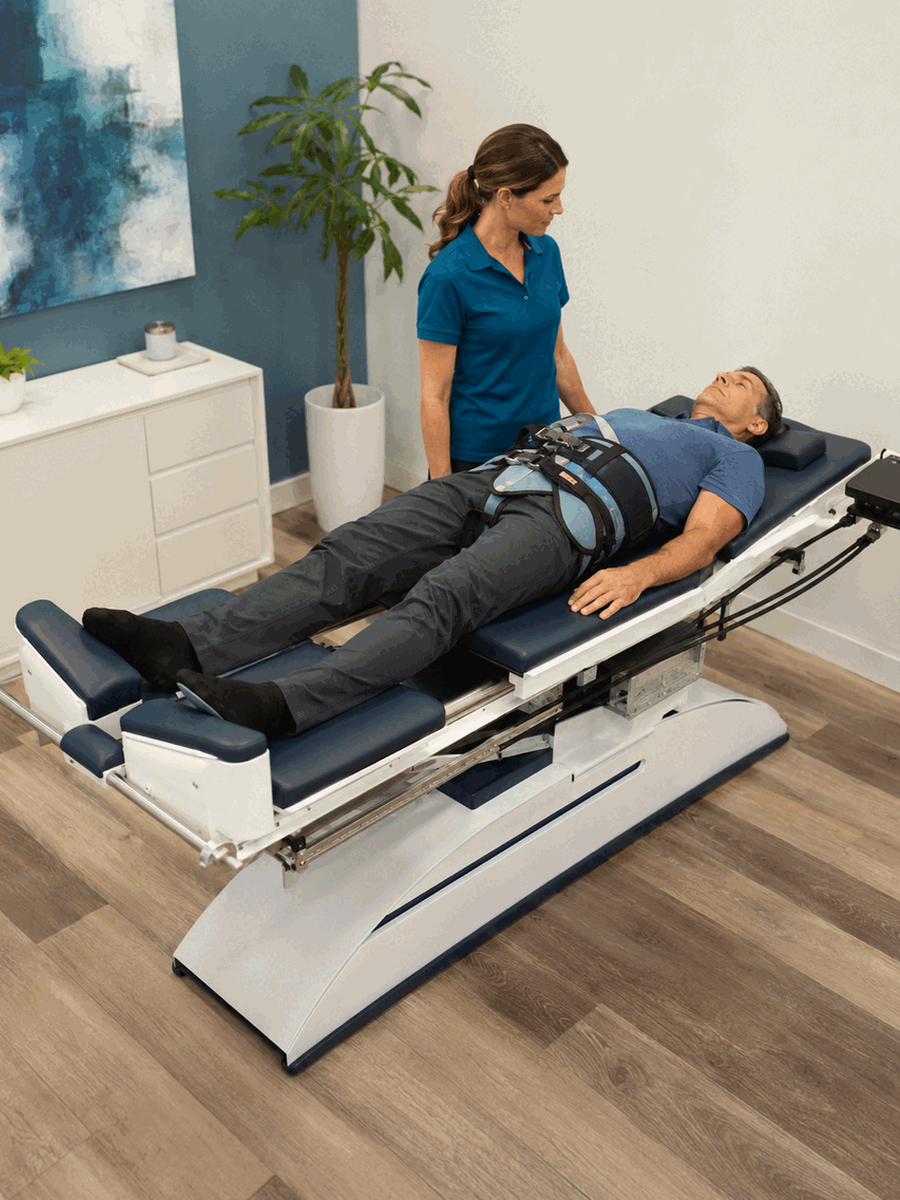
Herniated disc and sciatica when walking: why walking helps some people and aggravates symptoms for others
TAGMED Clinic Montreal / Mount Royal — Herniated disc and sciatica when walking: why walking helps some people and aggravates symptoms for others. Understanding the connection between…
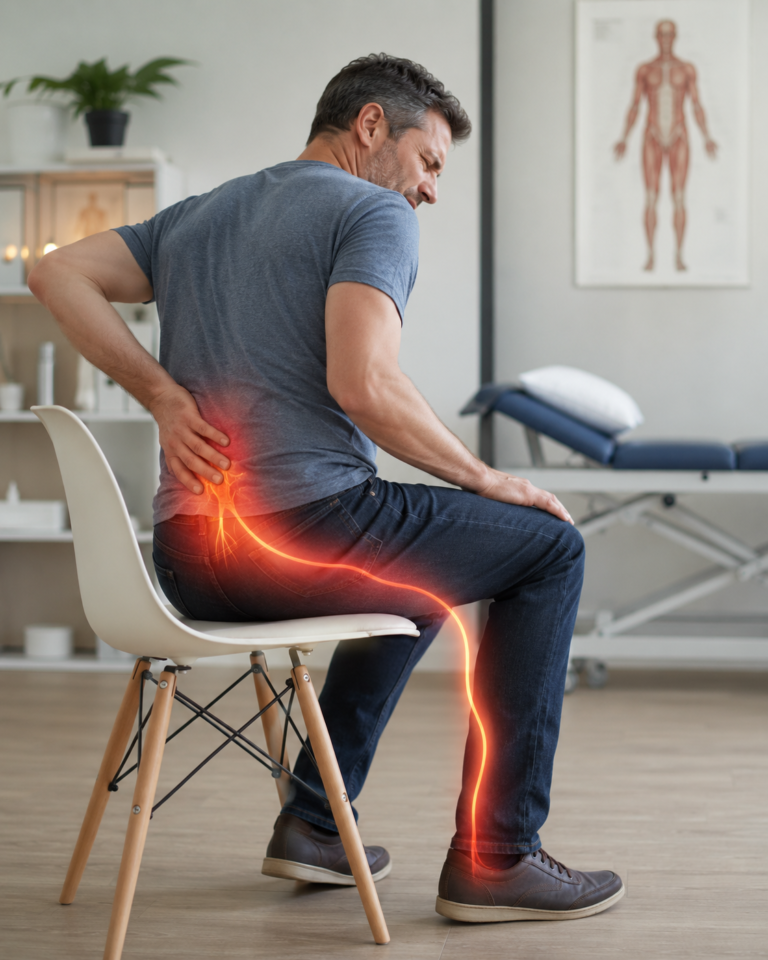
Sciatica when sitting: why does the pain increase?
TAGMED Clinic Montreal / Mount Royal — Sciatica when sitting: why does the pain increase? Clinical pointers, signs to monitor and next steps for…
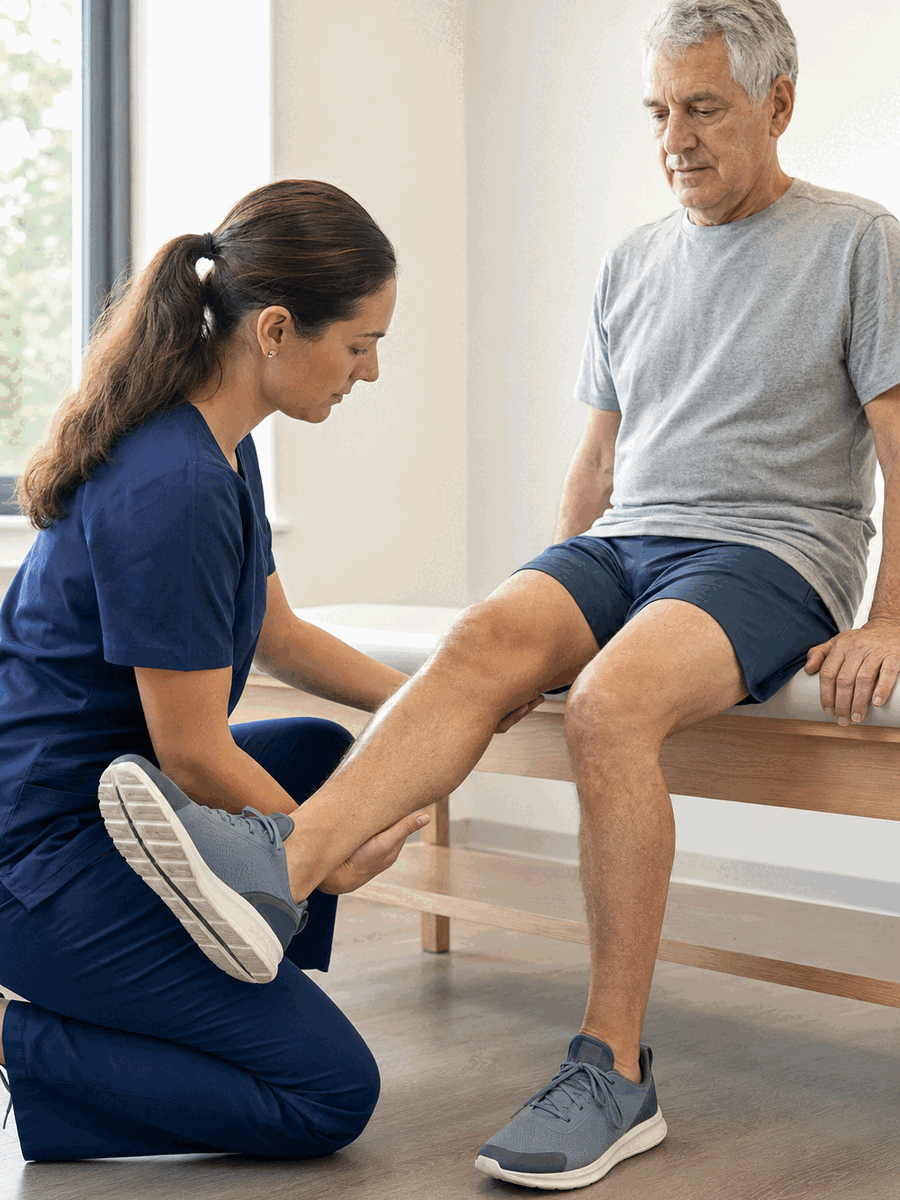
Herniated disc and chronic sciatica: why pain can persist
TAGMED Clinic Montreal / Mount Royal — Herniated disc and chronic sciatica: why pain can persist. Understanding the connection between a herniated disc, the…
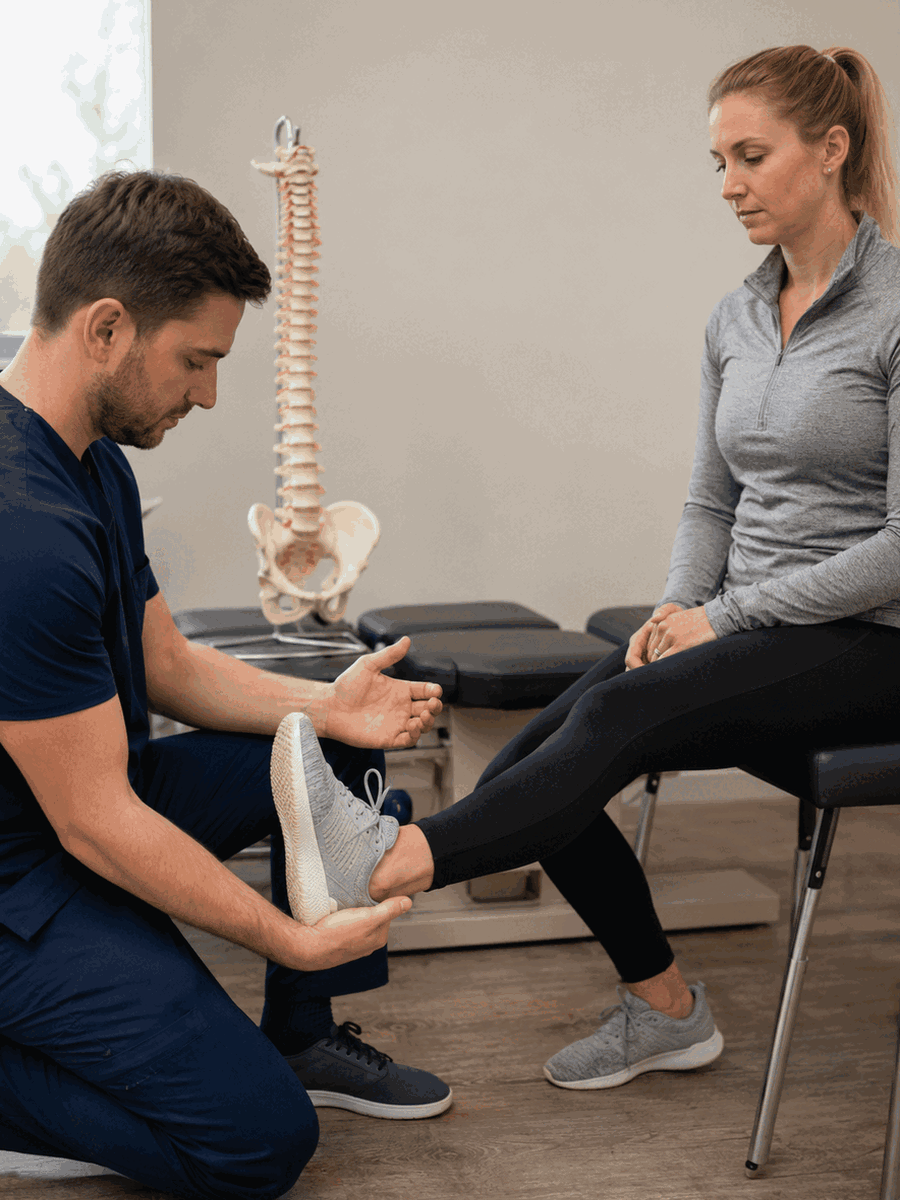
L5-S1 herniated disc and sciatica: calf, heel and foot pain
TAGMED Clinic Montreal / Mount Royal — L5-S1 herniated disc and sciatica: calf, heel and foot pain. Understanding the connection between a herniated disc,…