Lumbar arthrodesis: alternatives
02/06/26Neck surgery: alternatives to fusion
02/06/26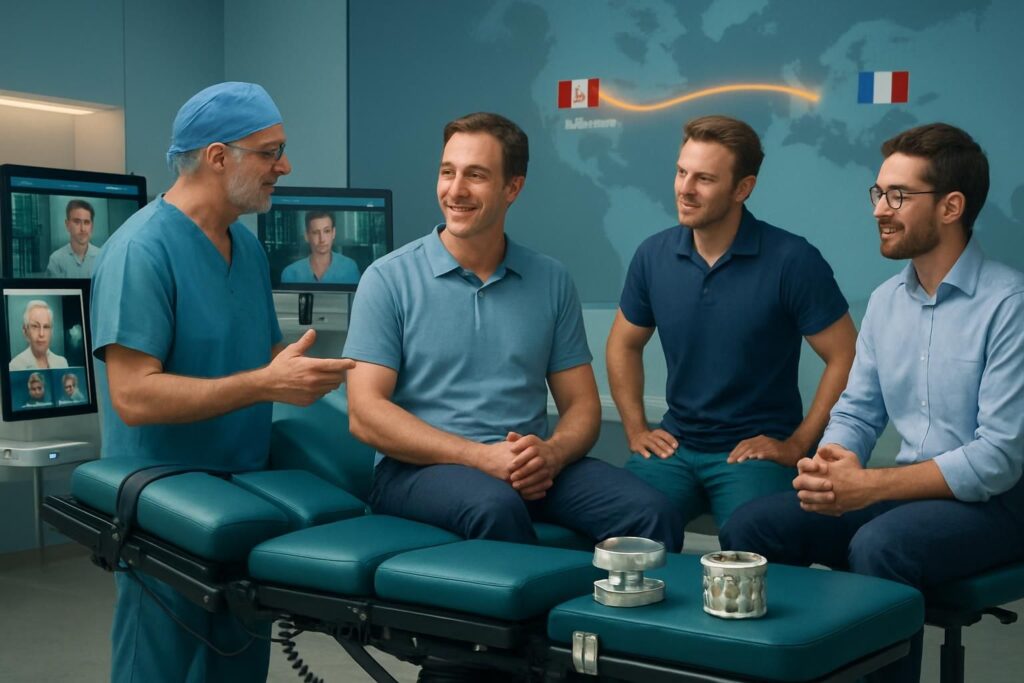
Lumbar disc replacement represents a major advancement in the surgical treatment of disc pathologies, offering an innovative alternative for patients suffering from persistent lower back pain due to disc degeneration. This technology stems from a desire to preserve spinal mobility while ensuring adequate stabilization of the lumbar spine. Specializing in dynamic implants such as the TOPS or IntraSPINE systems, modern back surgery in France, in collaboration with recognized experts, is distinguished by its rigorous and innovative approach. These new techniques have attracted many Quebec patients seeking to avoid the long waiting times and high costs of local interventions.
Eligibility for a disc prosthesis Lumbar care relies on a precise assessment, integrating detailed medical imaging, the results of conservative treatments, and the nature and location of the disc pathology. In this respect, transatlantic collaboration between French medical teams and Quebec specialists, particularly through platforms such as SOS Medical Tourism, This guarantees a perfectly coordinated care pathway. This pathway extends from the initial assessment to post-operative rehabilitation, combining technological innovation and personalized human support. Disc replacement thus appears as a tailor-made solution, adapted to certain specific profiles of active patients who wish to regain their mobility without undergoing surgery. merger traditional vertebral column.
The choice of lumbar disc replacement versus surgical options for the back
In the landscape of back surgery, lumbar disc replacement represents a groundbreaking approach compared to more traditional techniques such as spinal fusion or simple decompression. The expertise of French surgeons specializing in dynamic implants, combined with biomechanical advancements, offers patients an alternative that preserves the natural flexibility of the lumbar spine. This preservation is essential for minimizing postoperative functional limitations and facilitating a rapid return to normal activity.
Spinal fusion involves permanently immobilizing a segment of the spine to relieve pain by eliminating all movement at the level of the damaged disc. While effective in some cases, this method has significant drawbacks, such as the development of adjacent osteoarthritis, which can lead to the degradation of neighboring segments in the medium term. In contrast, dynamic disc replacement, whether the TOPS system or an implant... IntraSPINE, aims to replace the worn disc while preserving physiological mobility between the vertebrae.
The choice between these options is based on a rigorous analysis of clinical and radiological criteria. For example, disc degeneration limited to one or two levels with good condition of the facet joints will be more favorable for disc replacement. Furthermore, patients with chronic lower back pain resistant to conservative medical treatments will find in these advanced implants a suitable solution that combines safety and effectiveness. That said, disc replacement is not recommended in cases of significant scoliosis, severe osteoporosis, or infectious diseases, which remain classic contraindications.
French technological innovations enable teams like those of the TAGMED CLINIC to offer cutting-edge expertise. Indeed, they combine a multidisciplinary approach, welcoming neurosurgeons, biomedical engineers, and physiotherapists to optimize surgical success. This framework ensures that each patient benefits from a personalized, thoughtful assessment, in accordance with international best practices. spinal surgery.
Detailed eligibility criteria for considering lumbar disc replacement
Eligibility for lumbar disc replacement is based on a specific set of criteria which guarantee the success of the intervention and the patient's safety. The severity of symptoms, radiological confirmation by advanced medical imaging (MRI, CT scan), as well as the absence of significant alteration of adjacent vertebral structures, are fundamental elements to analyze.
First, lower back pain must be primarily attributable to confirmed disc degeneration. This disc pathology is characterized by a progressive deterioration of the intervertebral disc, leading to a reduction in its thickness, segmental instability, and local inflammation. Eligible patients typically have one or two levels affected, without signs of advanced facet joint osteoarthritis or of foraminal stenosis severe. The pain must also be sufficiently debilitating to impact quality of life and persistent after several months of conservative treatment.
The response to non-surgical care This is a decisive factor. Indeed, surgery, considered after a period of 3 to 6 months of comprehensive care, including rehabilitation, physiotherapy, and appropriate medical treatment, should be reserved for cases where symptoms remain debilitating. This step is crucial to avoid unnecessary surgery and to identify the patients who will benefit most from disc replacement. The TAGMED clinic, renowned for its advanced practices in non-surgical treatments for lower back pain, plays a major role in this selection process.
Anatomical restrictions must also be considered. Sufficient segmental mobility, the absence of major structural deformities, and adequate bone density are essential to ensure implant stability. Conversely, patients with significant scoliosis, extensive discopathy, or a history of spinal infection are generally not candidates. Furthermore, a thorough neurological assessment is necessary to confirm the absence of severe nerve damage that would require other treatments.
A summary table of the main eligibility criteria illustrates this selection:
| Favorable Criteria | Main contraindications |
|---|---|
| Debilitating lower back pain persisting for 3-6 months | Severe scoliosis or significant spinal deformities |
| Localized disc pathology (1-2 levels) | Advanced osteoporosis |
| Good segmental mobility and bone quality | Spinal infections |
| Absence of severe osteoarthritis of the facet joints | Stenosis foraminal severe |
| Insufficient response to conservative treatments | Major neurological pain requiring nerve decompression |
In summary, the decision is based on a harmonization of clinical, radiological, and functional data, ensuring the best match between the patient's characteristics and the expected benefits. An expert consultation incorporating this comprehensive evaluation is available to all patients interested in these advanced surgical solutions.
Biomechanical and functional benefits of dynamic implants for lower back pain
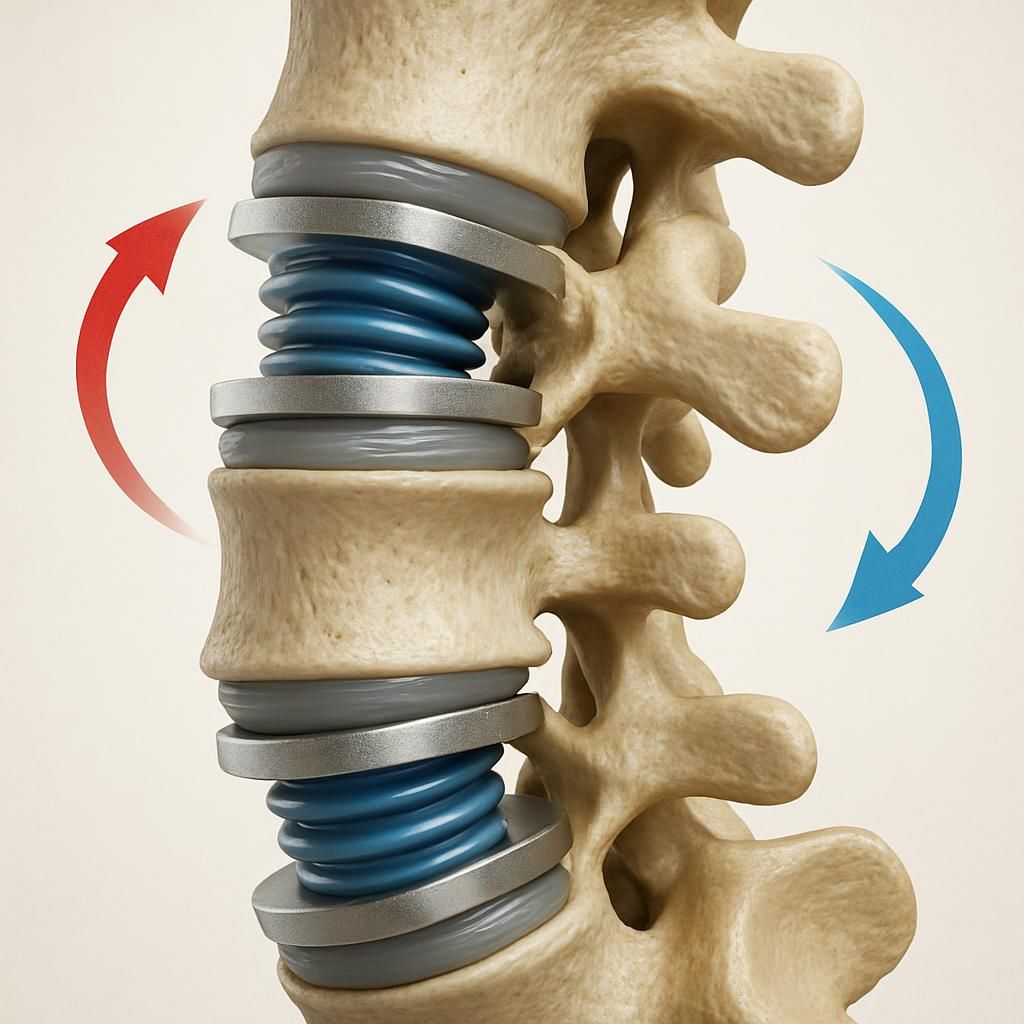
One of the main advantages of dynamic implants, such as lumbar disc prostheses, lies in their ability to preserve the physiological mobility of the spine. This characteristic is essential for limiting the secondary complications frequently associated with spinal fusion.
From a biomechanical standpoint, these prostheses mimic the natural function of the intervertebral disc by offering a controlled range of motion while supporting the mechanical stresses of the trunk. Thus, the TOPS system or the IntraSPINE implant restores disc height, prevents segmental instability, and reduces overload on adjacent levels. These technical properties minimize the risk of secondary segmental degeneration, while improving the patient's quality of life.
From a functional perspective, restoring or maintaining mobility facilitates a faster return to daily activities, sports, and work. Patients frequently report a significant reduction in pain and improved tolerance to physical exertion, essential factors for active patients. These benefits considerably enhance independence and confidence in postoperative recovery.
Furthermore, the integration of advanced technologies allows for precise adaptation of the implant to the patient's anatomy and specific needs. This surgical personalization relies on high-resolution medical imaging tools and innovative operating protocols, thus ensuring rigorous and safe implant placement. It reflects a constant commitment to scientific rigor and safety, in accordance with international standards.
Finally, postoperative rehabilitation plays a key role. Combined with multidisciplinary care, it consolidates the gains from surgery, supports restored segmental mobility, and optimizes long-term functional recovery. Personalized follow-up, organized between Quebec and France, guarantees comprehensive and reassuring medical support for patients.
Transatlantic patient journey and personalized support in back surgery
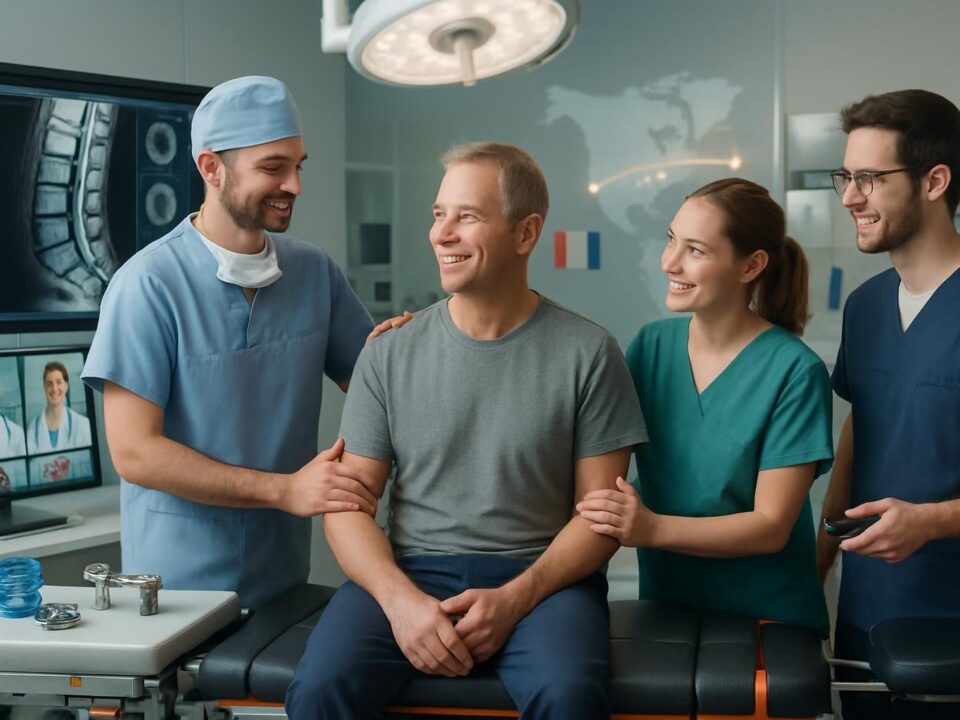
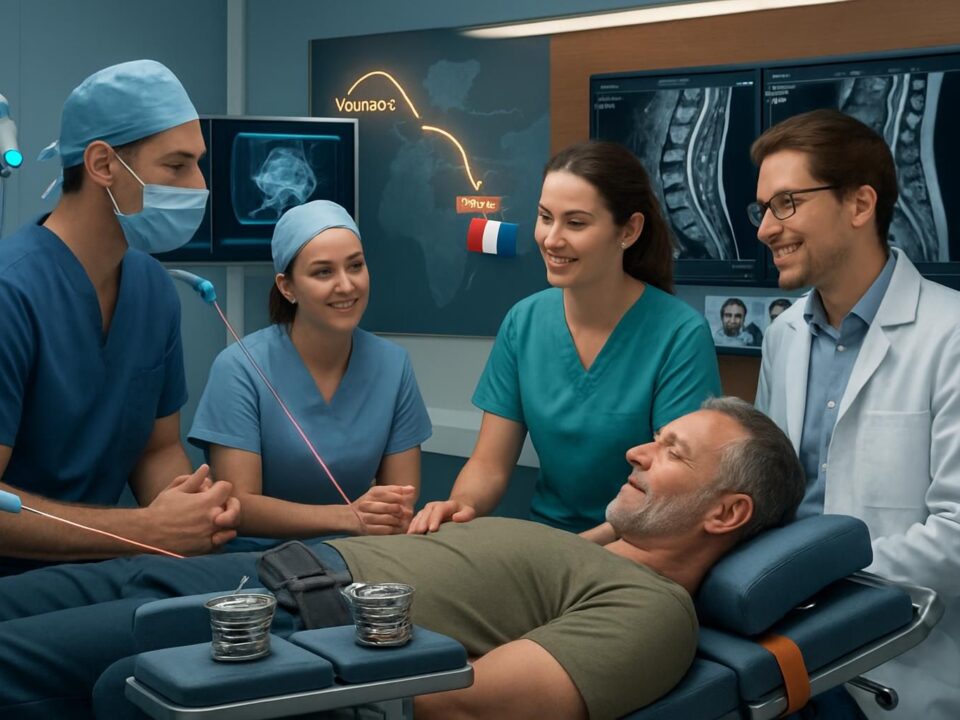
Access to innovations in back surgery, Lumbar disc replacement, in particular, is facilitated by close coordination between French medical teams and the Quebec network. This optimized collaboration creates a safe, efficient, and patient-centered pathway from the initial consultation through rehabilitation.
The process begins with a thorough evaluation, including a symptomatic and radiological assessment. Thanks to teleconsultation, patients can be quickly referred to specialized centers such as the TAGMED CLINIC, recognized for its advanced conservative treatments for lower back pain, in order to explore all alternatives before surgical intervention.
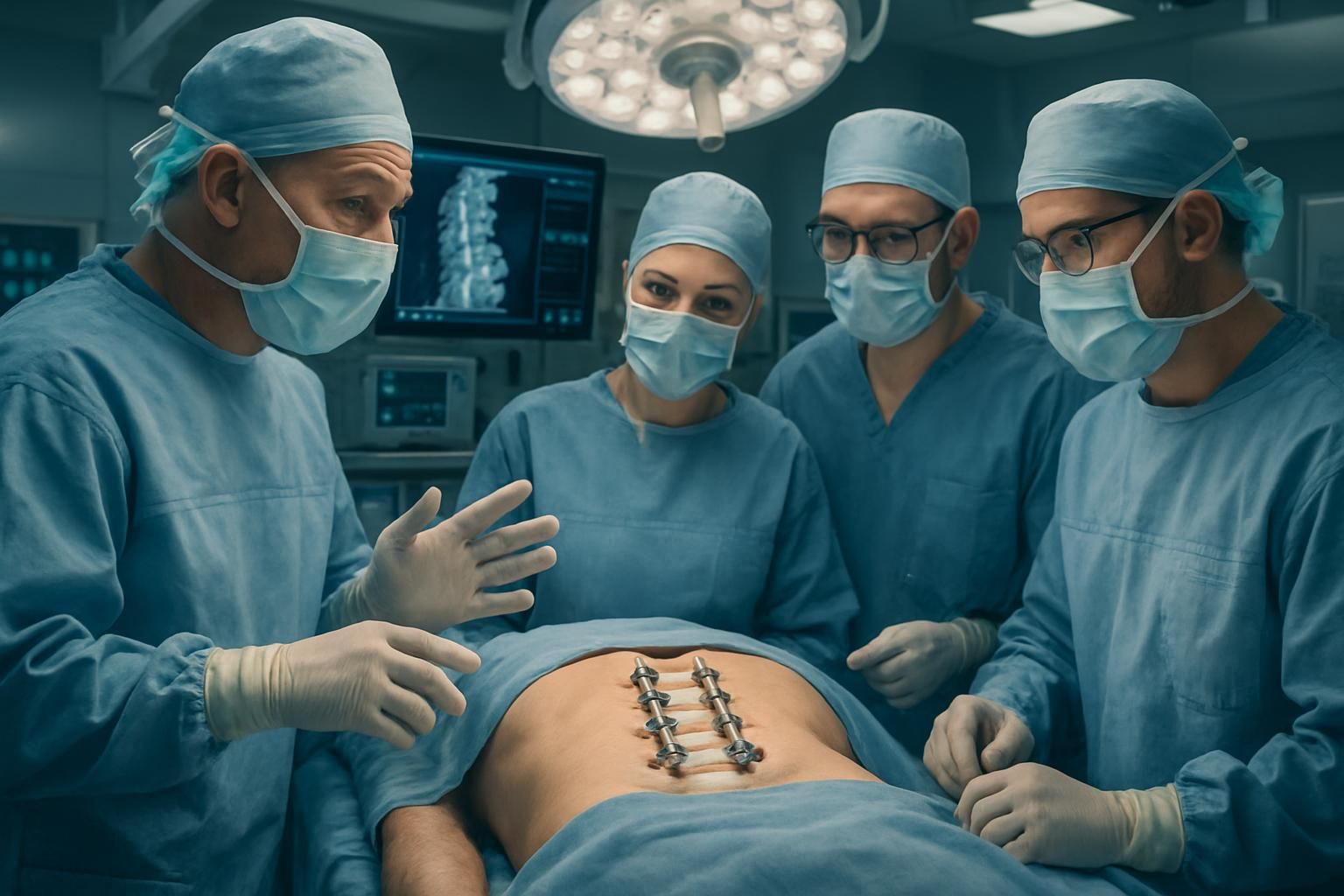
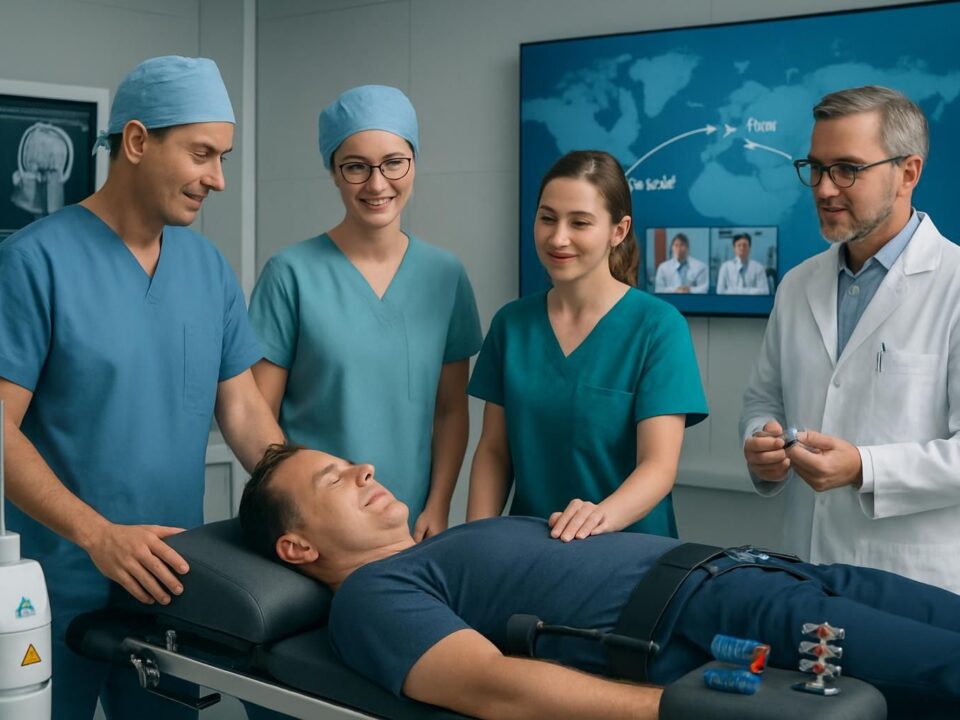
If surgery is deemed necessary, the patient's stay in France is meticulously organized, offering personalized support that includes surgical planning in state-of-the-art facilities, close monitoring, and supervision by spinal implant specialists. Expertise in innovative implantable technologies and rigorous scientific standards ensure optimal safety conditions. The patient benefits from tailored and continuous follow-up, including postoperative care and functional rehabilitation.
This transatlantic approach offers considerable human and economic benefits. It significantly reduces waiting times, often lengthy in Quebec, and helps control surgical costs. Furthermore, the experience of French surgeons in dynamic implants guarantees high technical quality and a high success rate. The comprehensive support includes administrative, logistical, linguistic, and medical assistance, ensuring a smooth and well-managed medical journey.
This international collaboration perfectly illustrates the importance of multidisciplinary and integrated care, enabling the patient to overcome their functional limitations and regain a fulfilling active life after their operation.
Treatment comparison: Lumbar disc replacement vs. spinal fusion vs. decompression alone
| Criteria | Lumbar disc prosthesis | Spinal fusion | Decompression alone |
|---|
Key aspects of follow-up and rehabilitation after disc replacement
The long-term success of surgery by lumbar disc prosthesis It also depends on rigorous postoperative monitoring and appropriate rehabilitation. The role of a multidisciplinary team, involving physiotherapists, neurologists, and surgeons, is essential to optimize functional recovery.
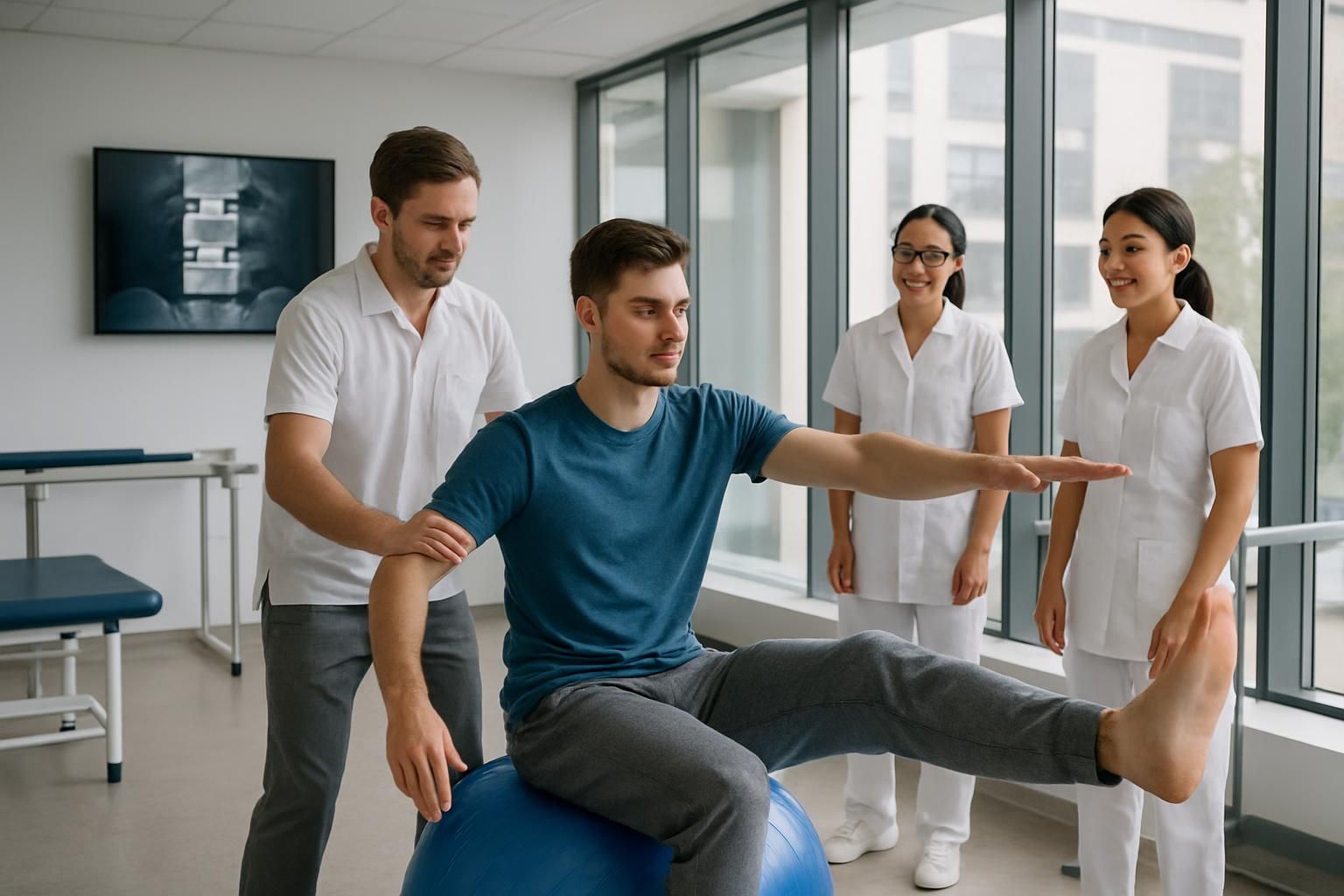
During the first few weeks, the goal is to control pain and ensure healing while maintaining gentle mobilization. Rehabilitation gradually aims to strengthen the stabilizing muscles of the lumbar spine and restore postural balance. Particular attention is paid to correcting poor habits that may have contributed to the initial disc degeneration.
In the medium term, the rehabilitation program promotes a gradual return to daily and sporting activities, always under specialized supervision. Patients are closely monitored to detect any persistent functional limitations or potential complications, thus ensuring a rapid adjustment of treatment if necessary.
The importance of continuous care is part of the overall philosophy of rigor and safety upheld by French teams, recognized worldwide for their expertise. This framework provides Quebec patients with increased confidence, allowing them to approach their surgical journey with serenity and assurance.
Many patients report positive results, including a return to an improved quality of life, a lasting reduction in pain, and a better ability to manage their physical activity. These results confirm the lasting benefits of dynamic implants on the functional limitations associated with degenerative lower back pain.
To learn more or for a personalized assessment, visit SOS Medical Tourism.
{"@context": "https://schema.org", "@type": "FAQPage", "mainEntity":[{"@type": "Question", "name": "What are the main criteria for eligibility for lumbar disc replacement? ", "acceptedAnswer":{"@type": "Answer", "text": "The criteria include disabling lumbar pain after 3 to 6 months of conservative treatment, localized disc pathology, good bone quality and sufficient segmental mobility, without major contraindications such as superficial scoliosis or advanced osteoporosis."}},{"@type": "Question", "name": "How does lumbar disc protrusion differ from vertebral fusion?"}} ", "acceptedAnswer":{"@type": "Answer", "text": "Lumbar disc protrusion preserves the natural mobility of the spine, while fusion immobilizes a segment. This reduces the risk of dullness in adjacent levels and promotes a faster functional return."}},{"@type": "Question", "name": "What is the role of rehabilitation after surgery?"}} ", "acceptedAnswer":{"@type": "Answer", "text": "The education aims to consolidate gentle post-operative mobilization, strengthen stabilizing muscles and allow a gradual return to normal activities, limiting the risks of complications and maximizing functional results."}},{"@type": "Question", "name": "How is the transatlantic journey between Quebec and France organized?"}},{"@type": "Question", "name": "How is the transatlantic journey between Quebec and France organized?"}} ", "acceptedAnswer":{"@type": "Answer", "text": "Thanks to specialized platforms such as SOS Tourisme Musical, the patient benefits from coordinated care including initial assessments, logistical organization, intervention in expert centers, and personalized post-operative follow-up."}},{"@type": "Question", "name": "Can lumbar disc protrusion be considered in cases of severe sciatica? ", "acceptedAnswer":{" @type": "Answer", "text": "If a suspected nerve compression is suspected, simple compression may be prioritized. Disc protrusion is generally reserved for cases where the pain is primarily disc-related and without major neurological involvement."}}]}What are the main eligibility criteria for a lumbar disc replacement?
The criteria include disabling lower back pain after 3 to 6 months of conservative treatment, localized disc pathology, good bone quality and sufficient segmental mobility, without major contraindications such as severe scoliosis or advanced osteoporosis.
How does lumbar disc replacement differ from spinal fusion?
Lumbar disc replacement preserves the natural mobility of the spine, while fusion immobilizes a segment. This reduces the risk of degeneration in adjacent levels and promotes a faster functional recovery.
What is the role of rehabilitation after surgery?
Rehabilitation aims to consolidate gentle post-operative mobilization, strengthen stabilizing muscles and allow a gradual return to normal activities, limiting the risks of complications and maximizing functional results.
How is the transatlantic journey between Quebec and France organized?
Thanks to specialized platforms such as SOS Medical Tourism, the patient benefits from coordinated care including initial assessments, logistical organization, intervention in expert centers, and personalized post-operative follow-up.
Is lumbar disc replacement an option in cases of severe sciatica?
If severe nerve compression is present, simple decompression may be prioritized. Disc replacement is generally reserved for cases where the pain is primarily disc-related and without major neurological involvement.


 Français du Canada
  English (Canada)