Lumbar disc replacement: eligibility criteria
02/06/26
Dynamic implants: benefits
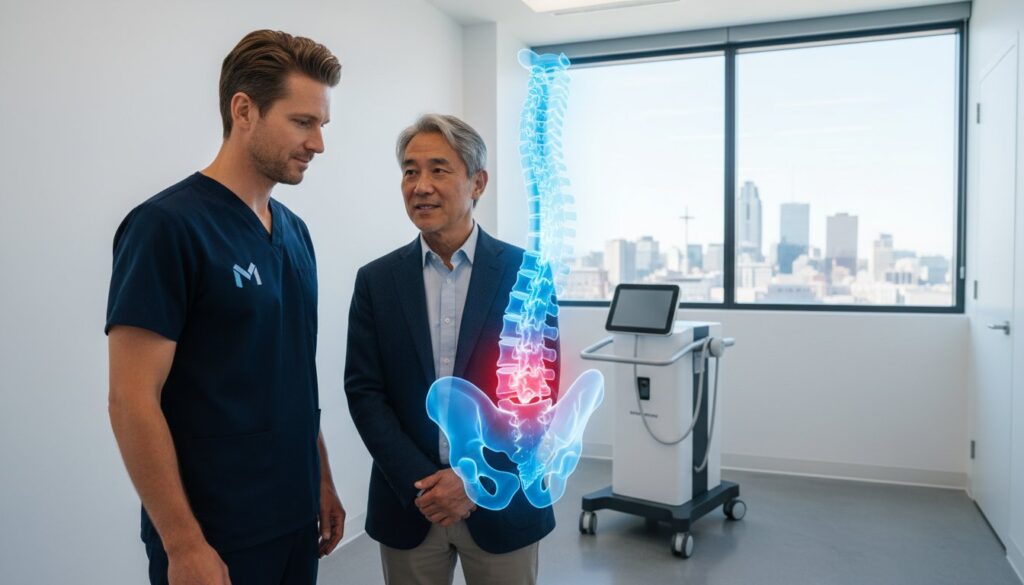
02/06/26Neck surgery represents a crucial step for many patients suffering from persistent neck pain or complications related to degenerative disc disease. Traditionally, spinal fusion has been the most common surgical solution, aiming to stabilize the affected segments of the spine by fusing adjacent vertebrae. However, this method, while effective, has its drawbacks, including loss of segmental mobility and the risk of accelerated degenerative osteoarthritis of neighboring vertebral levels. To address these limitations, innovative and less invasive alternatives have emerged, such as dynamic implants like the TOPS system or devices. IntraSPINE, offer promising prospects today by preserving cervical mobility while ensuring adequate stabilization.
Beyond the surgical technique, the patient journey, particularly for Quebec residents seeking advanced care in France, benefits from optimized transatlantic coordination. This organization guarantees continuous, safe, and personalized follow-up, from the preoperative phase through to postoperative rehabilitation. This is achieved in partnership with recognized experts in the field of spinal implants and leading centers such as the TAGMED CLINIC In France, this multidisciplinary approach ensures not only technical mastery but also constant reassurance for the patient.
Dynamic implants in neck surgery: principles and biomechanical benefits
Dynamic implants represent a major advance in the spinal surgery cervical, prioritizing the preservation of natural mobility while controlling the stability of the affected vertebral segments. Unlike the merger which permanently immobilizes the segment, these devices allow a certain degree of movement, thus reducing the overload on adjacent floors and limiting the early development of secondary disorders.
The TOPS (Total Posterior Solution) system perfectly illustrates this innovation. Implanted to replace an affected segment, it combines Spinal decompression therapy and stabilization without compromising the physiological movements of the neck. Combined with the minimally invasive surgery, This type of implant offers a significant reduction in cervical pain as well as an optimized functional return, promoting a faster resumption of daily activities.
Another important example is the IntraSPINE implant, which is positioned between the vertebrae to support the intervertebral disc without stiffening the structure, acting as a dynamic shock absorber. This specific biomaterial reduces mechanical stress, contributing to better management of degenerative disc disease. Cervical regenerative medicine sometimes complements this approach by stimulating tissue repair through additional techniques, thus enhancing long-term results.
In a comparative analysis of techniques, these dynamic implants are increasingly recommended for certain patient profiles, particularly those suffering from cervical pain related to moderate to severe disc lesions without major instability. They avoid the classic complications associated with fusion, such as pseudoarthrosis or chronic functional limitations. Furthermore, these innovations help reduce the psychological impact often associated with major back surgery.
It is important, in a rigorous approach, that these solutions be considered after a complete conservative treatment period of 3 to 6 months and a thorough evaluation. Neurovertebral decompression performed in specialized clinics, such as the TAGMED CLINIC, This constitutes an essential preliminary step to optimize the chances of success of these innovative interventions.
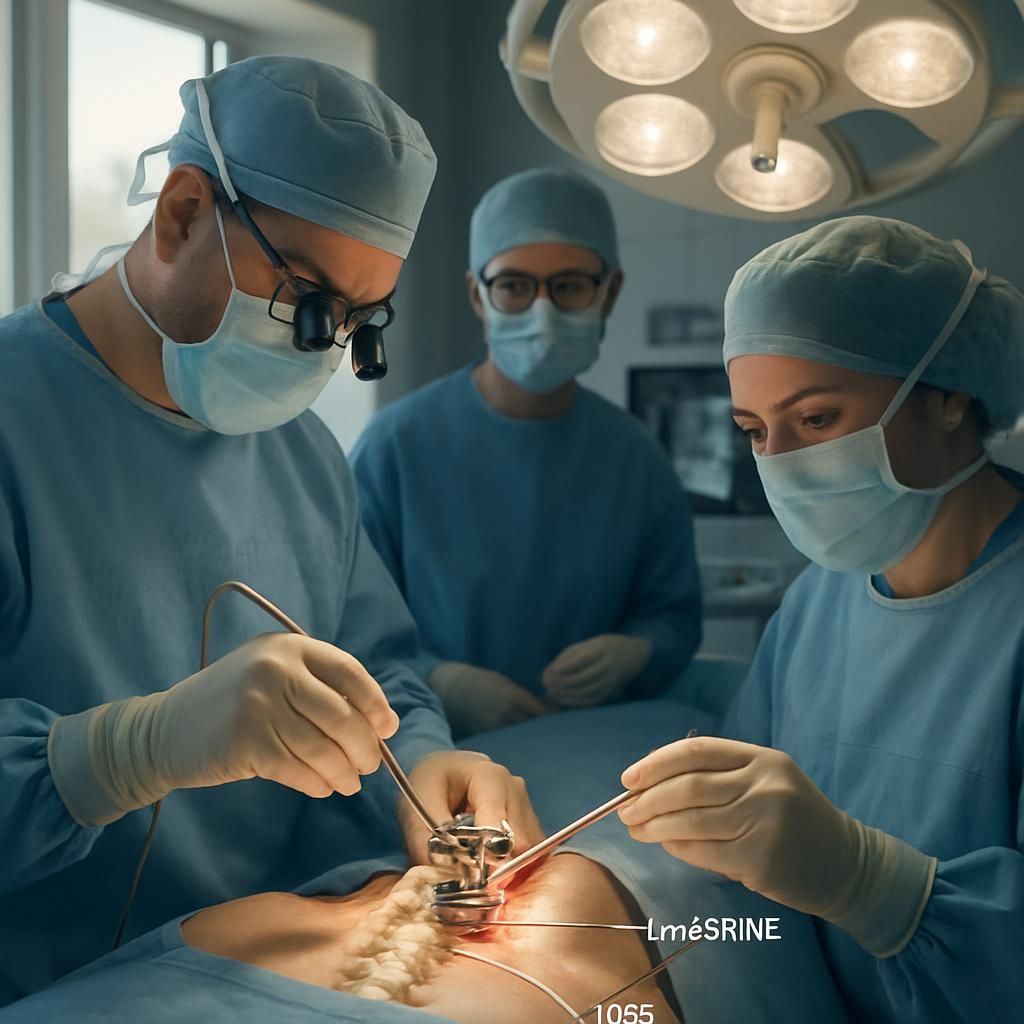
Advanced surgical techniques for the treatment of degenerative cervical disc disease
Cervical surgery has undergone numerous advancements in recent years, thanks to the integration of minimally invasive technologies and dynamic implants that allow for more targeted and less traumatic treatment. These techniques include cervical discectomy, simple decompression, and cervical arthroplasty. disc prosthesis, each responding to specific indications according to the anatomical and clinical profile of the patient.
Cervical discectomy involves removing the damaged intervertebral disc to relieve pressure on the compressed nerves. This commonly performed procedure can be carried out under endoscopy or an operating microscope, thus reducing the risk of damage to surrounding tissues and promoting rapid recovery. Among the alternatives to fusion, Cervical arthroplasty with disc prosthesis aims to replace the damaged disc with a prosthesis that fulfills its mechanical function while maintaining the natural mobility of the spine.
Non-fusion cervical stabilization represents another key approach. It relies on dynamic implant systems such as TOPS, which, by stabilizing without fusing, offer the advantage of preserving near-normal biomechanics. The major benefit is avoiding spinal rigidity while providing a suitable solution for managing chronic cervical pain and functional limitations.
Minimally invasive techniques play a fundamental role in reducing surgical trauma, thereby limiting postoperative complications and accelerating cervical rehabilitation. For example, the use of micro-instruments and high-precision imaging allows targeted areas to be reached with millimeter accuracy, ensuring maximum safety for surrounding nerve structures.
Patients thus benefit from better functional prospects with rigorous monitoring that includes a comprehensive preoperative assessment, notably carried out in specialized centers in France, as mentioned in innovative approaches to neck surgery. This personalized follow-up is essential to consider a complete and appropriate care plan.
Organization and personalized support throughout the transatlantic surgical journey
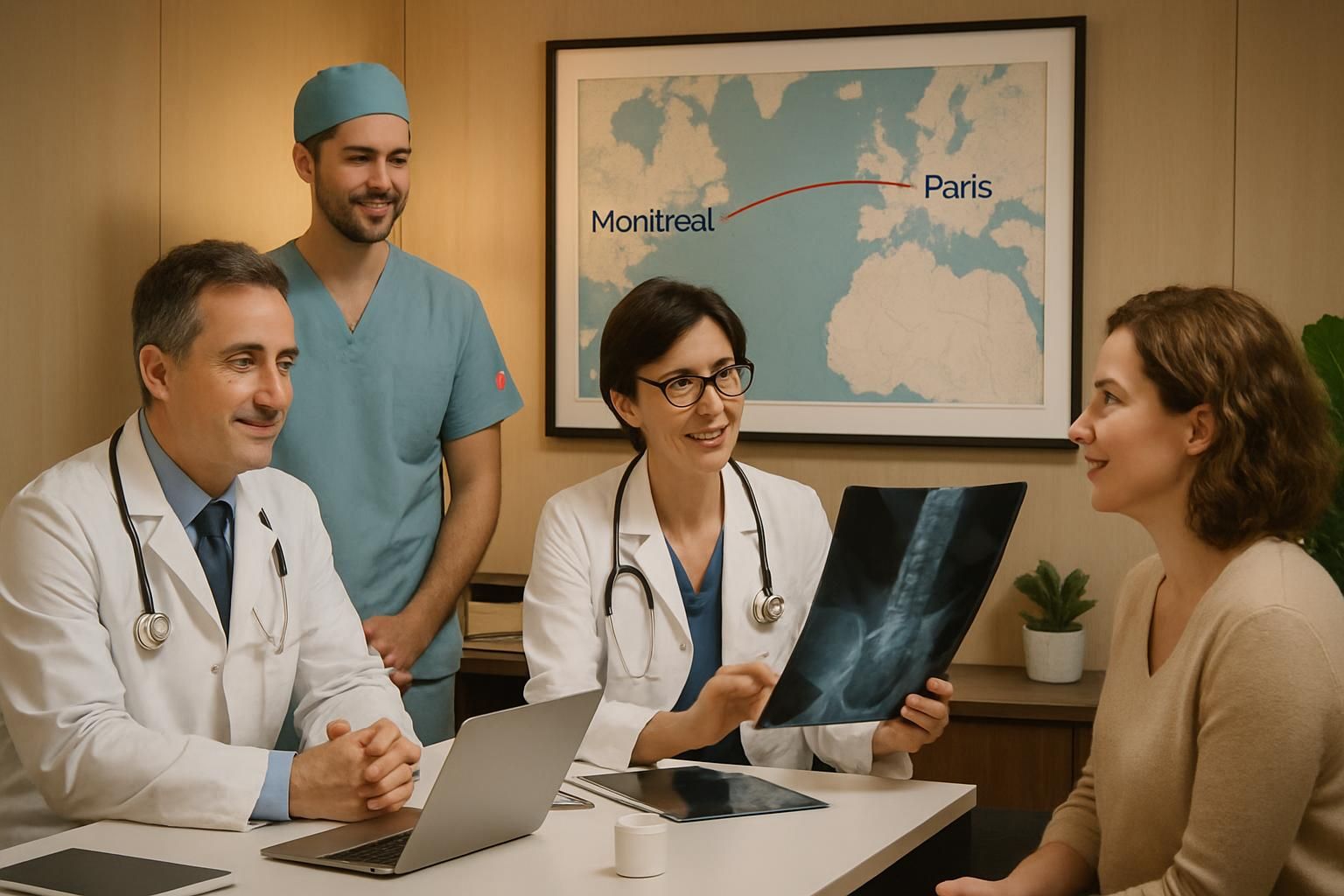
For Quebec patients, access to innovative spinal surgery in France is facilitated by careful coordination between medical teams in both countries. This coordination not only optimizes the quality of care but also guarantees safety and continuity of treatment in a truly patient-centered approach.
The process begins with an initial assessment involving specialists in Quebec, who work closely with leading French surgeons renowned for their expertise in dynamic implants, particularly the TOPS and IntraSPINE systems. This initial step includes advanced imaging and biomechanical analysis of the cervical spine to determine the best surgical or conservative option.
The support provided goes beyond mere logistical organization. It encompasses personalized follow-up throughout the entire stay in France, including hospitalization, surgery, and the rehabilitation period. This follow-up is provided by multidisciplinary teams: neurosurgeons, physiotherapists, nurses, and experts in cervical regenerative medicine, who guarantee the safety and quality of care.
This transatlantic approach is designed to be compassionate and based on clear education, enabling patients to better understand the indications, benefits, and limitations of the various techniques, including alternatives to fusion surgery commonly practiced. This is achieved in particular through collaboration with specialized platforms such as SOS Medical Tourism, The process is smooth and the waiting times are shortened, with complete support before, during and after surgery.
Au-delà de la logistique, ce parcours personnalisé offre une véritable sécurité psychologique pour le patient, ce qui contribue à l’optimisation des résultats fonctionnels à moyen et long terme. Le suivi post-opératoire, incluant des séances de réhabilitation cervicale adaptées, est essentiel pour maximiser les bénéfices de la chirurgie et réduire le risque de complications ou de douleurs résiduelles.
Added value of dynamic implants: innovation and functional preservation
One of the major advantages of the implant solutions promoted in the neck surgery In France, the key lies in the perfect balance between technological innovation and respect for natural biomechanics. A prime example is the TOPS system, which effectively treats degenerative cervical disc disease while maintaining segmental mobility, resulting in a better post-operative quality of life.
Innovation is not limited to the underlying technology but also encompasses internationally renowned French surgical expertise, with specialist surgeons who have mastered these complex techniques. This expertise is combined with rigorous scientific standards and a strong commitment to patient safety, in accordance with international best practices.
Beyond the purely biomechanical aspect, the comprehensive patient care, from the initial consultation to cervical rehabilitation, contributes to a highly valued overall healthcare experience. Thus, the choice of these dynamic implants allows patients to benefit from a less invasive surgical procedure than fusion, with fewer functional limitations, faster recovery, and a reduced risk of long-term complications.
From an economic standpoint, this program offered in France is competitive compared to private options in Quebec, also incorporating solutions tailored to travel logistics and accommodation through partnerships with clinics such as the TAGMED CLINIC.
For the patient, this comprehensive, innovative and humane surgical offering translates into a unique opportunity to benefit from the latest advances in neck surgery, while remaining at the center of decision-making thanks to clear information, empathetic listening and personalized support.
Comparison of the main cervical surgical techniques
- Innovative implants that preserve cervical mobility
- Minimally invasive surgery reducing trauma
- Personalized transatlantic support
- Partnerships with specialized centers such as the TAGMED Clinic
- Integrated cervical rehabilitation for optimized results
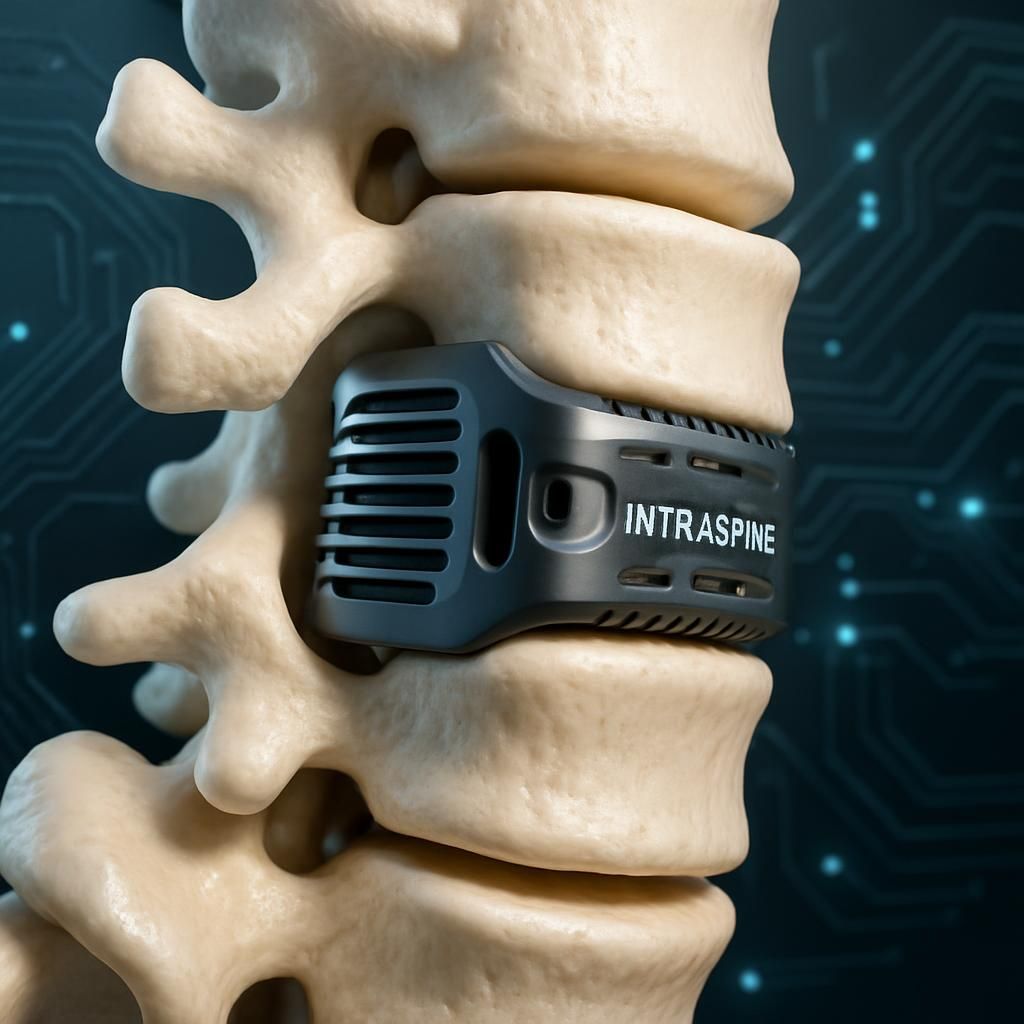
What are the main alternatives to fusion in cervical surgery?
The most common alternatives include dynamic implants such as the TOPS and IntraSPINE systems, cervical disc replacement arthroplasty, and minimally invasive decompression techniques that preserve mobility.
When should neck surgery be considered despite conservative treatment?
Surgery is considered after 3 to 6 months of completed conservative treatments, including neurovertebral decompression, notably available at the TAGMED Clinic. It is recommended when cervical pain persists and significantly impacts quality of life.
What are the biomechanical benefits of dynamic implants?
These implants stabilize the cervical segment while preserving physiological mobility, thus reducing stress on adjacent vertebrae and limiting complications such as degenerative osteoarthritis.
What is the transatlantic journey like for innovative cervical surgery?
It includes an initial assessment in Quebec in collaboration with French surgeons, complete care in France with hospitalization and rehabilitation, followed by personalized post-operative follow-up coordinated between the teams of the two countries.
Which specialized centers collaborate on this surgical approach?
The TAGMED Clinic in France is a leading partner for conservative care and innovative cervical spine surgery, guaranteeing safety and quality throughout the care pathway.


 Français du Canada
  English (Canada)