TAGMED Clinic Montreal / Mount Royal
Chronic sciatica: why it persists and how to reassess it
Clinical guidance, signs to watch for and next steps for sciatic or radicular pain.
Sciatica that persists beyond several weeks deserves reassessment rather than simply repeating the same treatment. The original cause may still be active, may have changed in importance or may be accompanied by factors that sustain pain and limitations.
- Related page in this guide series Sciatica treatment in Montreal.
- An approach focused on whether symptoms, examination findings and imaging, when relevant, are consistent.
- Particular caution is needed when weakness, loss of sensation or emergency signs are present.

Understanding
What this symptom pattern may mean
Sciatica that persists beyond several weeks deserves reassessment rather than simply repeating the same treatment. The original cause may still be active, may have changed in importance or may be accompanied by factors that sustain pain and limitations.
Key point 1
Stenosis, persistent disc involvement, a neurological deficit or frequent recurrences can prolong symptoms.
Key point 2
Sleep, deconditioning, fear of movement and the psychosocial context also influence recovery without making the pain “imaginary.”
Key point 3
A reassessment should review the working diagnosis, function, treatments already tried and goals.
Clinical guidance
Why the path of the pain and its progression matter
Two people who use the word "sciatica" may have different underlying mechanisms. Location, duration, aggravating factors, changes in sensation and strength provide more guidance than a single word or an imaging abnormality considered on its own.

An important point
Pain, numbness or weakness must be interpreted according to its distribution, progression and impact on function. A neurological or vascular emergency must be ruled out before routine care continues.
Assessment
What can be assessed during a consultation
The examination reviews the path of symptoms, strength, sensation, walking tolerance, positions and changes over time. An MRI may be appropriate if one has not been performed and the result could change the treatment choice.
Symptom history
Pattern, duration, intensity, sleep, walking, positions, recurrences and treatments already tried.
Function and neurological assessment
Strength, sensation, gait and relevant tests according to the presentation.
Imaging when relevant
Existing studies are compared with the level, side and symptoms.
Plan and reassessment
Measurable goals, precautions and criteria for modifying or stopping the plan.
Options and limitations
Adapt treatment to the likely cause
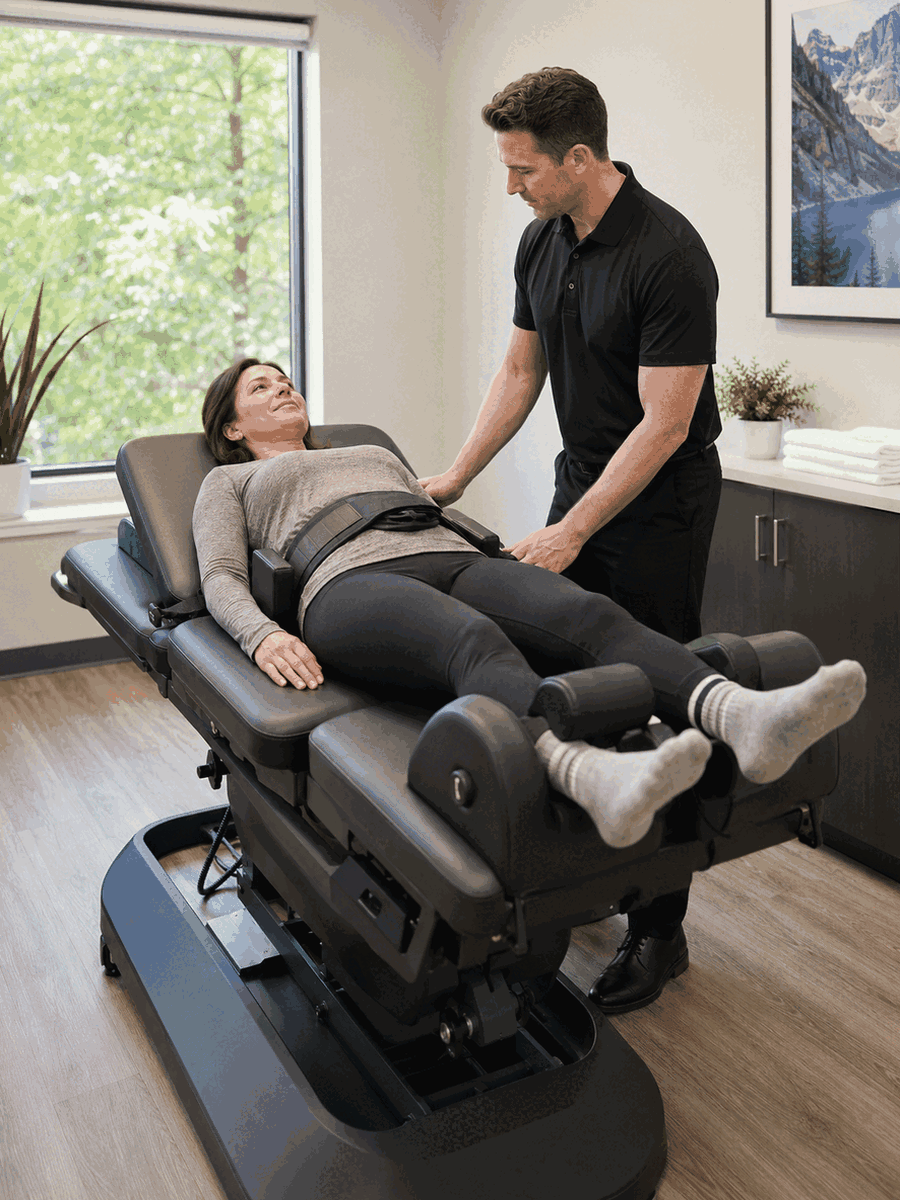
An approach to chronic symptoms is generally multimodal and active. Decompression may be discussed for some patients with an appropriate mechanical presentation; an injection, medical opinion or surgical opinion may also be relevant depending on findings and severity.
Conservative approach
Maintaining tolerated activities, gradual progression, rehabilitation and other measures appropriate to the clinical presentation.
Spinal decompression therapy
Motorized traction may be discussed for selected patients. It is neither suitable for everyone nor guaranteed to work, and requires objective reassessment.
Medical referral
An injection, further investigation or a specialist opinion may become relevant depending on severity, duration, imaging and neurological signs.
When should you seek prompt or emergency care?
- New, significant or rapidly progressive weakness.
- Recent foot drop or a leg that gives way increasingly often.
- New bladder or bowel problems.
- Numbness in the saddle area or perineum.
- Significant symptoms on both sides, major trauma, fever or a decline in general health.
These signs should not wait for a routine appointment. Urgent medical assessment may be necessary.
Follow-up
Measure progress rather than repeat the same treatment
Useful measures include leg pain, walking distance, sitting tolerance, sleep, strength and the ability to resume usual activities. A lack of progress or deterioration should prompt a review of the working diagnosis and plan.

Montréal / Mont-Royal
Assessment at TAGMED Clinic Montreal
The clinic is located at 1140 avenue Beaumont, Mont-Royal, QC H3P 3E5. The aim is to clarify the clinical presentation, identify signs that change the priority and discuss a cautious strategy based on the likely cause.
Address
1140 avenue Beaumont
Mont-Royal, QC H3P 3E5
Phone
Main guide
Would you like an assessment of these sciatica symptoms?
A consultation can help clarify the likely cause, the signs to watch for and whether conservative care or another referral is appropriate.
Spinal decompression in Montreal · Spinal decompression in Terrebonne
Sciatica treatment in Montreal · Sciatica treatment in Terrebonne
Frequently Asked Questions
FAQ — Chronic sciatica: why it persists and how to reassess it
When is sciatica considered chronic?
Often when symptoms persist beyond about 12 weeks, but the clinical context remains more important than a rigid threshold.
Can chronic sciatica still improve?
Yes. Chronic symptoms do not rule out improvement, but the plan often needs to be more structured.
Should an MRI be repeated?
Not routinely. It is useful if the situation has changed or if it could affect a decision.
Why does pain persist if the herniation has become smaller?
Nerve sensitivity, function, other structures and factors associated with chronic pain may continue to contribute.
Should I avoid activity?
Prolonged inactivity is rarely desirable; progression should be adapted to tolerance and safety.
Does decompression take longer for chronic sciatica?
No standard duration can be set. The response should be measured and reassessed.
When is a specialist opinion appropriate?
If function remains very limited, a deficit is present, appropriate care has not helped or imaging shows a matching lesion.
Medical references
References and guidelines
The references below provide general guidance for assessing low back pain with sciatica, radiculopathy and the use of imaging. They do not replace an individualized clinical decision.
- NICE NG59 — Low back pain and sciatica: assessment and management
- American College of Radiology — Appropriateness Criteria: Low Back Pain
- North American Spine Society — Lumbar disc herniation with radiculopathy guideline
Important information
This page provides general information and does not establish a diagnosis. Results and recovery times vary according to the cause, duration, neurological signs, medical history and individual response to care.
Sylvain Desforges, docteur en ostéopathie
TAGMED Clinic — Spinal decompression, specific osteopathy and assessment of low back, disc-related and sciatic pain.
Professional profile · Contact · Main guide to sciatica in Montreal
In the same guide series
Related guides to sciatica
Continue with guides that explore the same symptom, its possible cause, assessment or options for care.
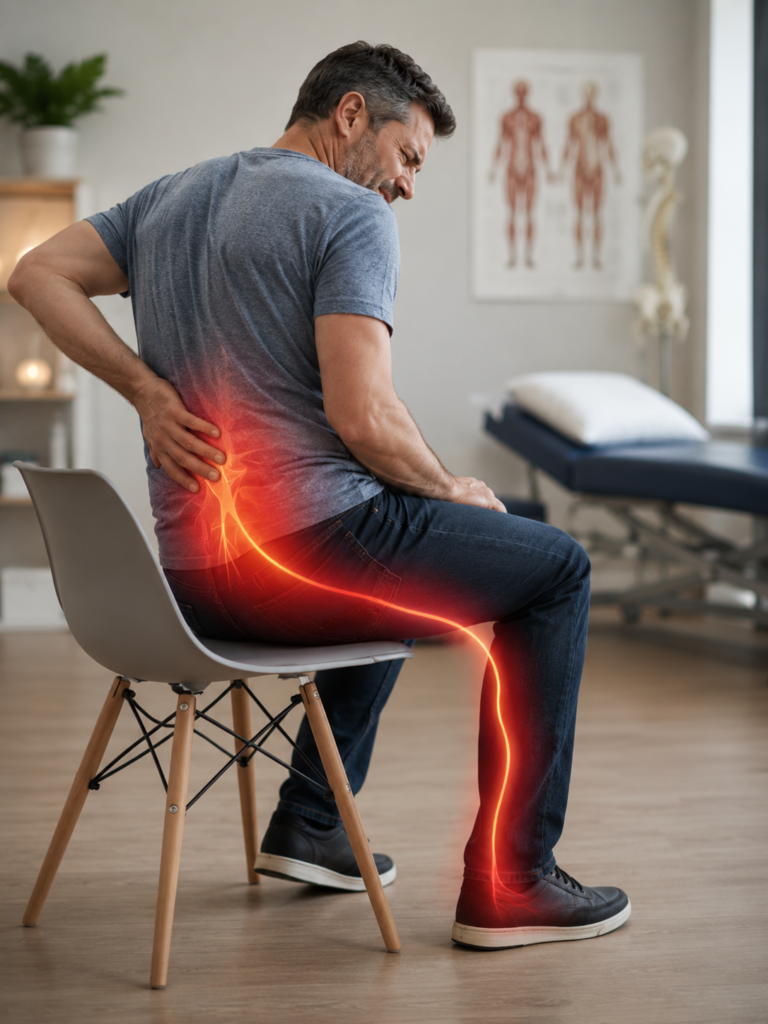
Sciatica treatment in Montreal
TAGMED Clinic Montreal / Mount Royal — Sciatica treatment in Montreal. Free examination, valued at CAD $85. Request your free examination and check availability…
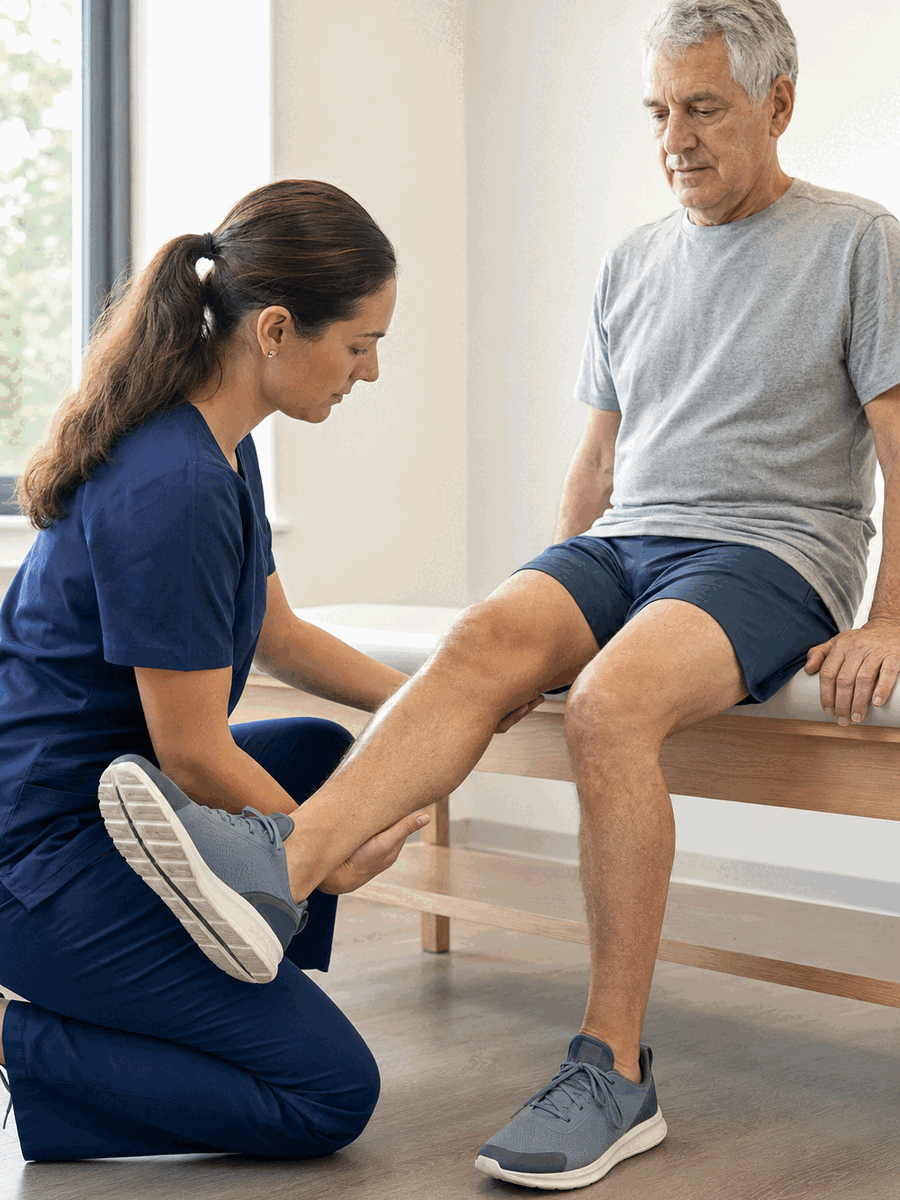
Herniated disc and chronic sciatica: why pain can persist
TAGMED Clinic Montreal / Mount Royal — Herniated disc and chronic sciatica: why pain can persist. Understanding the connection between a herniated disc, the…
Sciatica aggravated by coughing or sneezing: why does the pain increase?
TAGMED Clinic Montreal / Mount Royal — Sciatica aggravated by coughing or sneezing: why does the pain increase? Clinical pointers, signs to monitor and next…
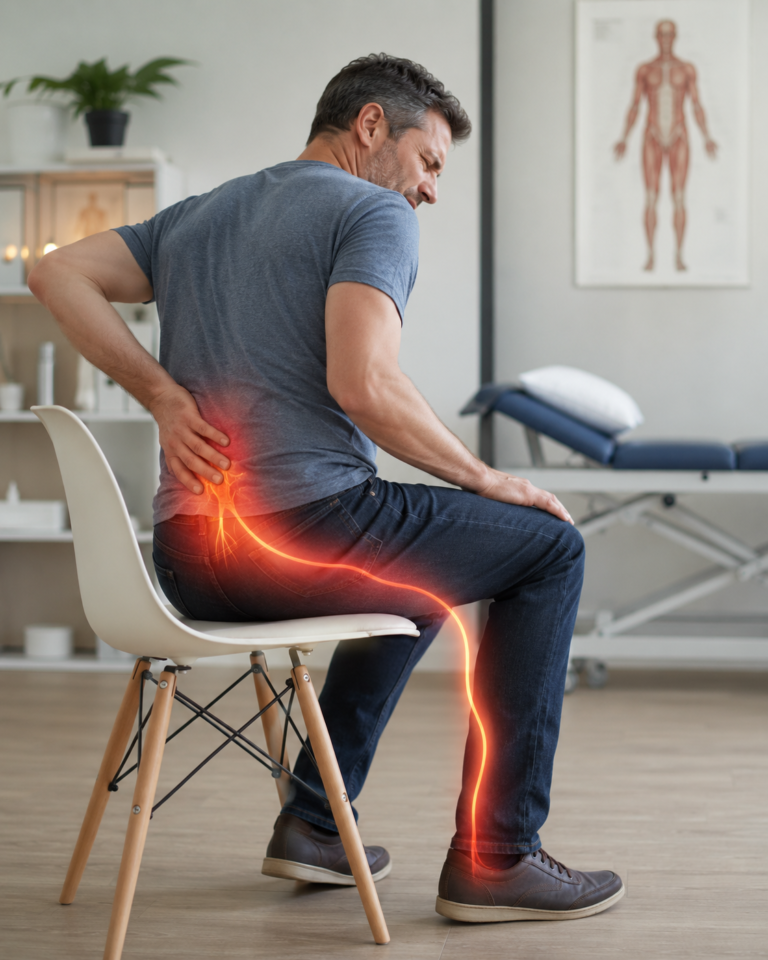
Sciatica when sitting: why does the pain increase?
TAGMED Clinic Montreal / Mount Royal — Sciatica when sitting: why does the pain increase? Clinical pointers, signs to monitor and next steps for…

Sciatica at night: why does the pain disturb sleep?
TAGMED Clinic Montreal / Mount Royal — Sciatica at night: why does the pain disturb sleep? Clinical pointers, signs to monitor and next steps for…
How long does sciatica last? Phases and factors
TAGMED Clinic Montreal / Mount Royal — How long does sciatica last? Phases and factors. Clinical pointers, signs to monitor and next steps for…