TAGMED Clinic Montreal / Mount Royal
Sciatica and nerve glides: what are neurodynamic exercises?
Gradual activity, symptom tolerance and measurable functional progress.
Neurodynamic exercises combine movements of several joints to gradually change the load on nerve tissues. They do not involve pulling hard on the nerve and are not suitable for every phase of radiculopathy.
- Page in this guide series Sciatica exercises and rehabilitation.
- Linked to the main guide Sciatica treatment in Montreal.
- No single exercise is presented as mandatory or suitable for every patient.
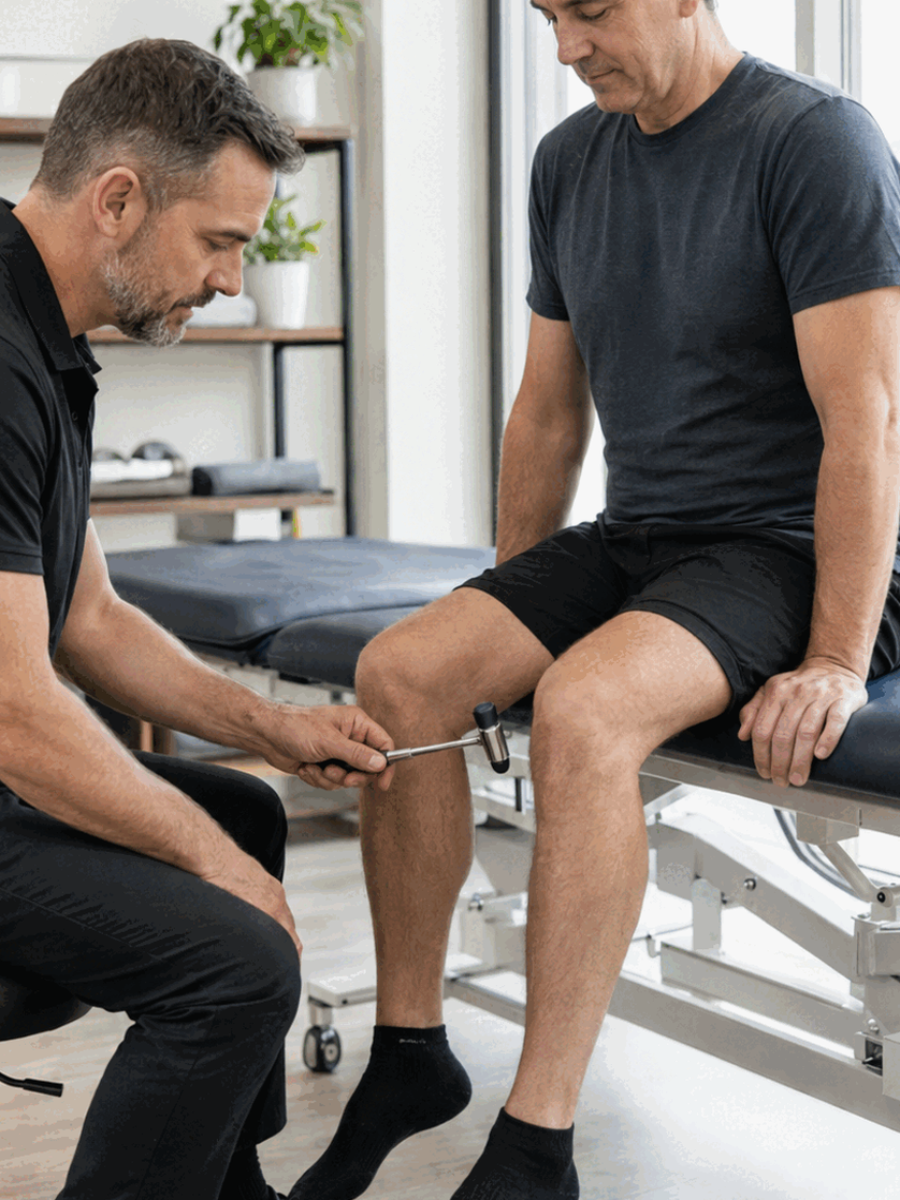
Understanding
The right amount matters more than the “perfect” exercise
Well-tolerated neurodynamic exercises are generally gradual. If they cause a persistent increase in pain farther down the limb, increased numbness or weakness, the program should be reviewed.
Tolerance
Observe what happens during the exercise, in the hours that follow and the next day.
Goal
Connect each exercise to a useful ability: walking, working, lifting, driving, sleeping or returning to sport.
Progression
Change one variable at a time: duration, repetitions, range of motion, load or complexity.
Clinical guidance
Adapt exercise to the neurological and functional response
Suitability depends on the likely diagnosis, symptom irritability and the patient’s ability to recover after movement.
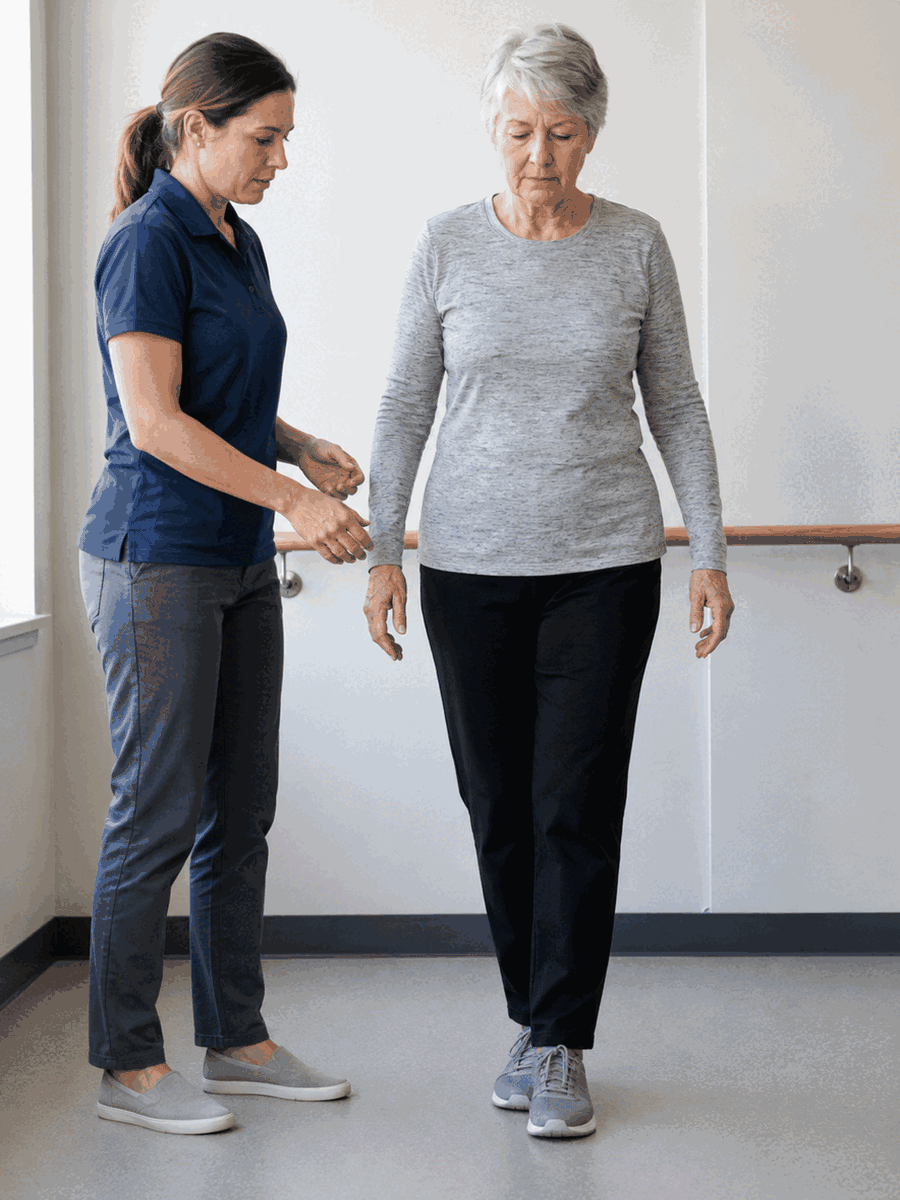
An important point
NICE recommends encouraging self-management, continuing normal activities as much as possible and adapting exercise to needs, preferences and abilities. The aim is not to push through neurological deterioration.
Assessment
Establish a measurable starting point
Before progressing, it is useful to document currently limited tasks, walking distance, sitting or standing tolerance, strength, tingling and recovery after activity.

Choose the goal
Identify a real-life activity to improve.
Determine the amount
Start at a level that is tolerable enough to repeat.
Observe the response
Note leg pain, recovery and neurological signs.
Progress
Gradually increase one variable when tolerance allows.
Active program
Combine mobility, muscular capacity and functional activity
A program may include mobility, strengthening, walking, balance and a gradual return to loading, but not every patient needs all of these components. The choice depends on limitations and goals.
Mobility
Explore useful movements without pursuing maximum range at all costs.
Strengthening
Gradually rebuild the capacity to tolerate useful physical effort.
Activity
Reintroduce the real-life tasks that matter to the patient.
When should you stop simply progressing the exercises?
- New or rapidly progressive weakness.
- Recent foot drop or a leg that gives way more often.
- A persistent increase in significant numbness.
- New bladder or bowel problems.
- Numbness in the saddle area or perineum.
These signs call for reassessment rather than intensifying the program.
Follow-up
Measure progress in real life
Meaningful improvement may involve walking more, tolerating work better, fewer sleep interruptions, resuming lifting or gradually returning to sport. Pain alone does not capture all aspects of function.
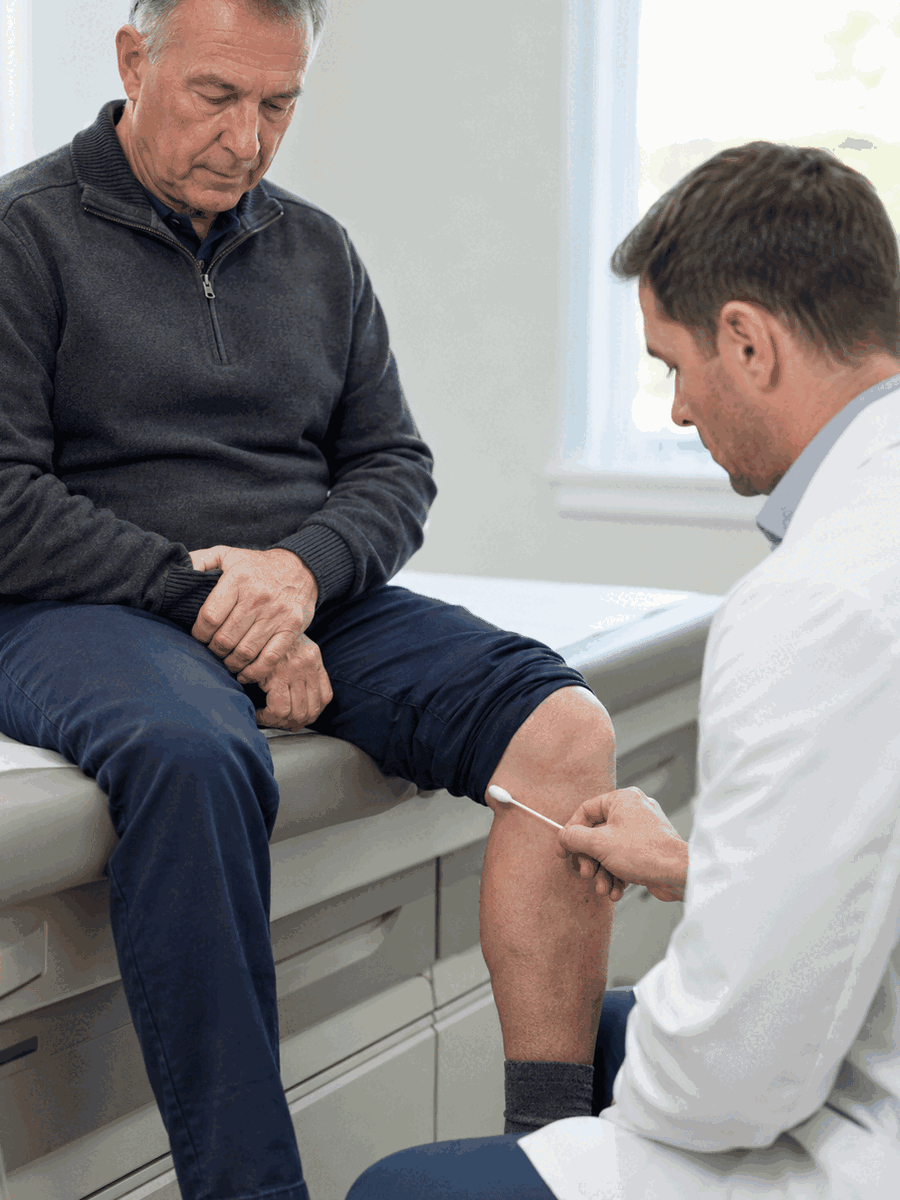
Function
Compare important activities with the starting level.
Recovery
Check the response in the hours that follow and the next day.
Main topic guide
In the same guide series
Related guides
Would you like to plan a return to activity that accommodates your sciatica?
An assessment can help establish a starting point, functional goals and progression criteria suited to your clinical presentation.
Frequently Asked Questions
FAQ — Sciatica and nerve glides: what are neurodynamic exercises?
Is a nerve glide a nerve stretch?
Not exactly. The aim is gradual mobilization rather than maximum tension.
Should you feel a strong pulling sensation?
No. A strong, lasting reproduction of symptoms is not the goal.
Do these exercises cure a herniated disc?
No. They cannot be presented as a way to anatomically correct a herniation.
Can you do them during an acute flare-up?
It depends on symptom irritability; some situations require reducing or postponing this type of movement.
How many times a day?
The amount should be individualized according to tolerance and recovery.
When should you stop?
If neurological symptoms increase or remain worse after exercise.
Which signs require emergency care?
Bladder or bowel dysfunction, saddle numbness or severe progressive weakness.
Medical references
References and guidelines
These references address self-management, physical activity and exercise for low back pain with or without sciatica. They do not define a single exercise suitable for every patient.
- NICE NG59 — Low back pain and sciatica: assessment and management
- NICE — Exercise and physical activity for low back pain and sciatica
- North American Spine Society — Lumbar Disc Herniation with Radiculopathy
Important information
This page provides general information and is not an individualized exercise prescription. The choice and progression of a program should take safety, tolerance, goals and neurological changes into account.
Sylvain Desforges, docteur en ostéopathie
TAGMED Clinic — Spinal decompression, specific osteopathy and assessment of low back, disc-related and sciatic pain.
Professional profile · Contact · Main guide to sciatica in Montreal
In the same guide series
Related guides to sciatica
Continue with guides that explore the same symptom, its possible cause, assessment or options for care.
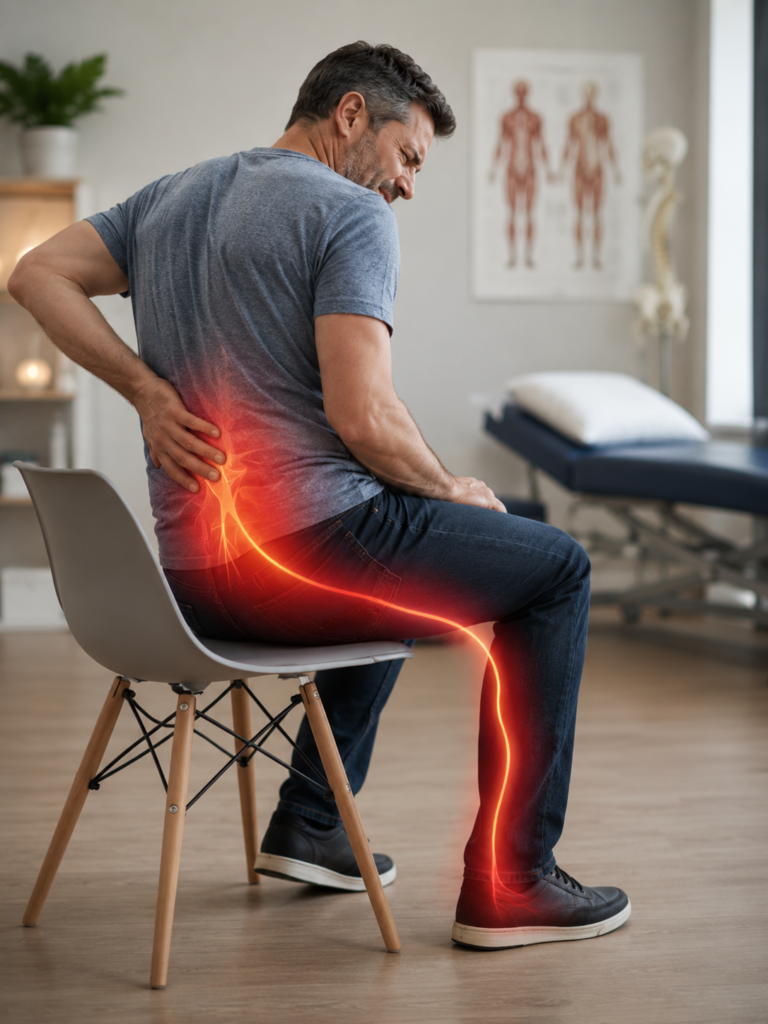
Sciatica treatment in Montreal
TAGMED Clinic Montreal / Mount Royal — Sciatica treatment in Montreal. Free examination, valued at CAD $85. Request your free examination and check availability…
Sciatica: how to build a personalized, measurable exercise program
TAGMED Clinic Montreal / Mount Royal — Sciatica: how to build a personalized, measurable exercise program. Gradual activity, symptom tolerance and measurable functional progression. A useful program…

Sciatica and exercise: how to move without unnecessarily aggravating symptoms
TAGMED Clinic Montreal / Mount Royal — Sciatica and exercise: how to move without unnecessarily aggravating symptoms. Understanding the role of this option in…
Sciatica and extension exercises: why they help some people but not everyone
TAGMED Clinic Montreal / Mount Royal — Sciatica and extension exercises: why they help some people but not everyone. Gradual activity, symptom tolerance and progression…

Sciatica and flexion exercises: which clinical presentations may tolerate them better?
TAGMED Clinic Montreal / Mount Royal — Sciatica and flexion exercises: which clinical presentations may tolerate them better? Gradual activity, symptom tolerance and functional progression…

Spinal decompression and recurrent sciatica: should maintenance care be considered?
TAGMED Clinic Montreal / Mount Royal — Spinal decompression and recurrent sciatica: should maintenance care be considered? Clinical criteria, safety and limitations of motorized traction…