TAGMED Clinic Montreal / Mount Royal
Sciatica without back pain: is it possible?
Repères cliniques, signes à surveiller et prochaines étapes en lien avec une douleur dans la jambe sans lombalgie importante.
Peut-on avoir une sciatique sans douleur lombaire? Oui. Découvrez pourquoi la jambe peut être plus douloureuse que le dos et quand consulter.
- Related page in this guide series Sciatica treatment in Montreal.
- The pain pattern, strength, sensation and changes in function provide more guidance than a single symptom.
- Neurological deterioration or emergency signs should change the priority of care.

Understanding
What this symptom pattern may mean
Une douleur dans la fesse ou la jambe peut être compatible avec une irritation radiculaire, mais plusieurs autres mécanismes peuvent produire un tableau similaire. Dans le contexte de une douleur dans la jambe sans lombalgie importante, la question centrale est de savoir si les symptômes suivent un territoire nerveux, s’ils progressent et comment ils réagissent aux activités.
Key point 1
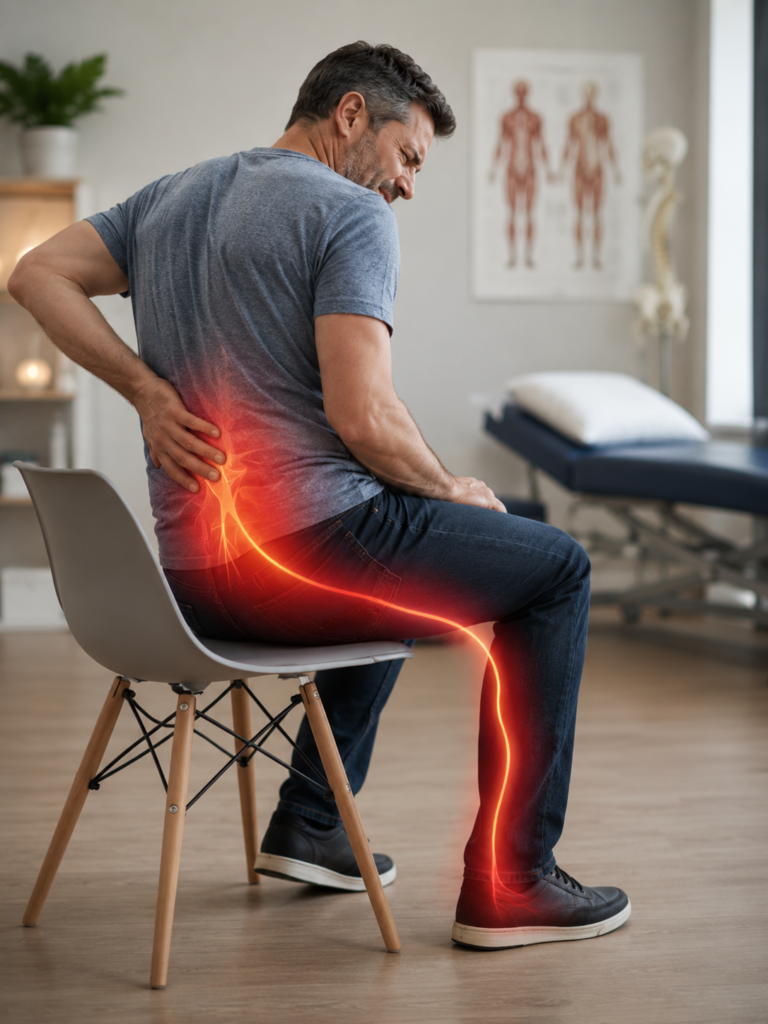
Pain travelling below the knee with tingling, numbness or weakness is more consistent with a nerve-related component.
Key point 2
The duration of a flare-up, recovery after activity or rest and the response the next day provide useful clues.
Key point 3
The hip, pelvis, lumbar joints, muscles and certain non-spinal causes can sometimes mimic sciatica.
Clinical guidance
Pourquoi une douleur dans la jambe sans lombalgie importante peut modifier les symptômes
This context can affect mechanical loads, pressure, positions or fatigue. The issue is whether the worsening remains reversible and functional or is accompanied by neurological findings that require more prompt attention.
An important point
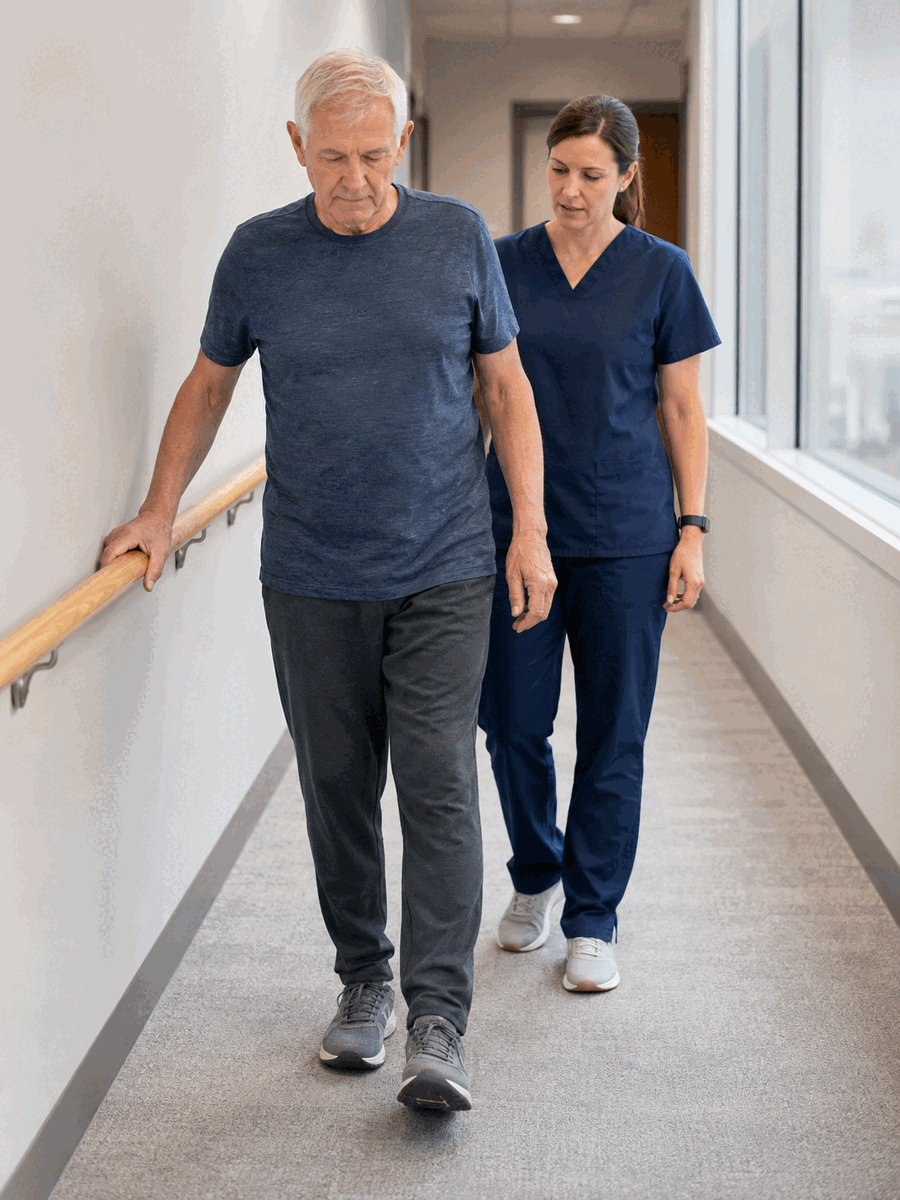
The real goal is to measure function: walking, sitting, sleep, strength, the ability to work and a return to important activities.
Assessment
What can be assessed during a consultation
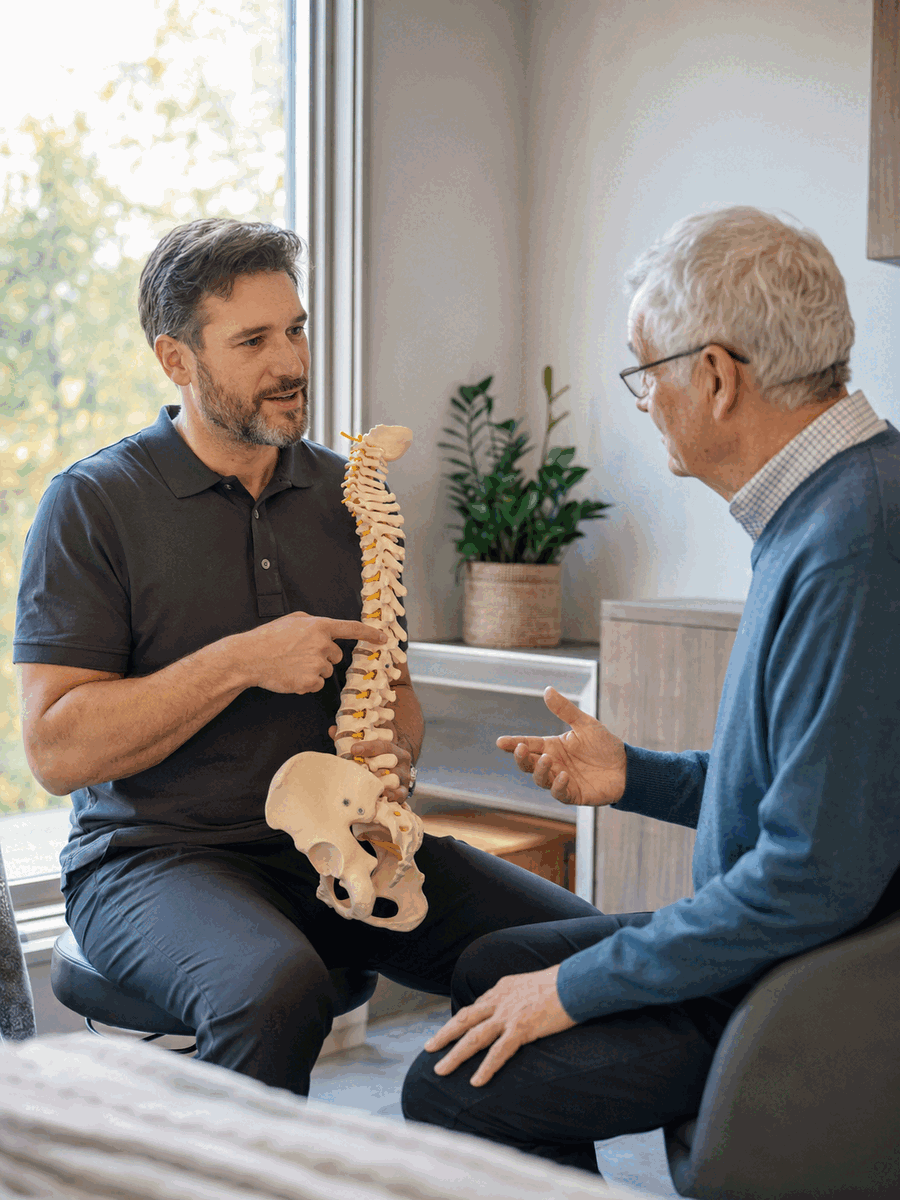
Assessment compares the symptom pattern, aggravating factors, strength, sensation, walking and relevant movements. Existing imaging can be correlated with the clinical presentation when useful.
History
Onset, triggering context, distribution, duration and progression.
Function
Walking, work, sleep, exertion and meaningful activities.
Neurology
Strength, sensation and signs of progression.
Plan
Measurable goals and reassessment criteria.
Options and limitations
Adapt care to the clinical profile
Conservative measures may include adapted activity, gradual progression, load-management advice and rehabilitation. Spinal decompression may be discussed for selected patients when the clinical profile is compatible and no contraindications are present.
Conservative approach
Maintaining function, adjusting loads and progressing gradually according to tolerance.
Spinal decompression therapy
A non-surgical option that may be discussed for certain selected disc-related or nerve root conditions.
Medical referral
Further investigation, an injection or specialist advice may be relevant depending on severity and neurological signs.
When should you seek prompt or emergency care?
- New, significant or rapidly progressive weakness.
- Recent foot drop or a leg that gives way increasingly often.
- New bladder or bowel problems.
- Numbness in the saddle area or perineum.
- Significant symptoms on both sides, major trauma, fever or a decline in general health.
These signs should not wait for a routine appointment.
Follow-up
What can be tracked over time
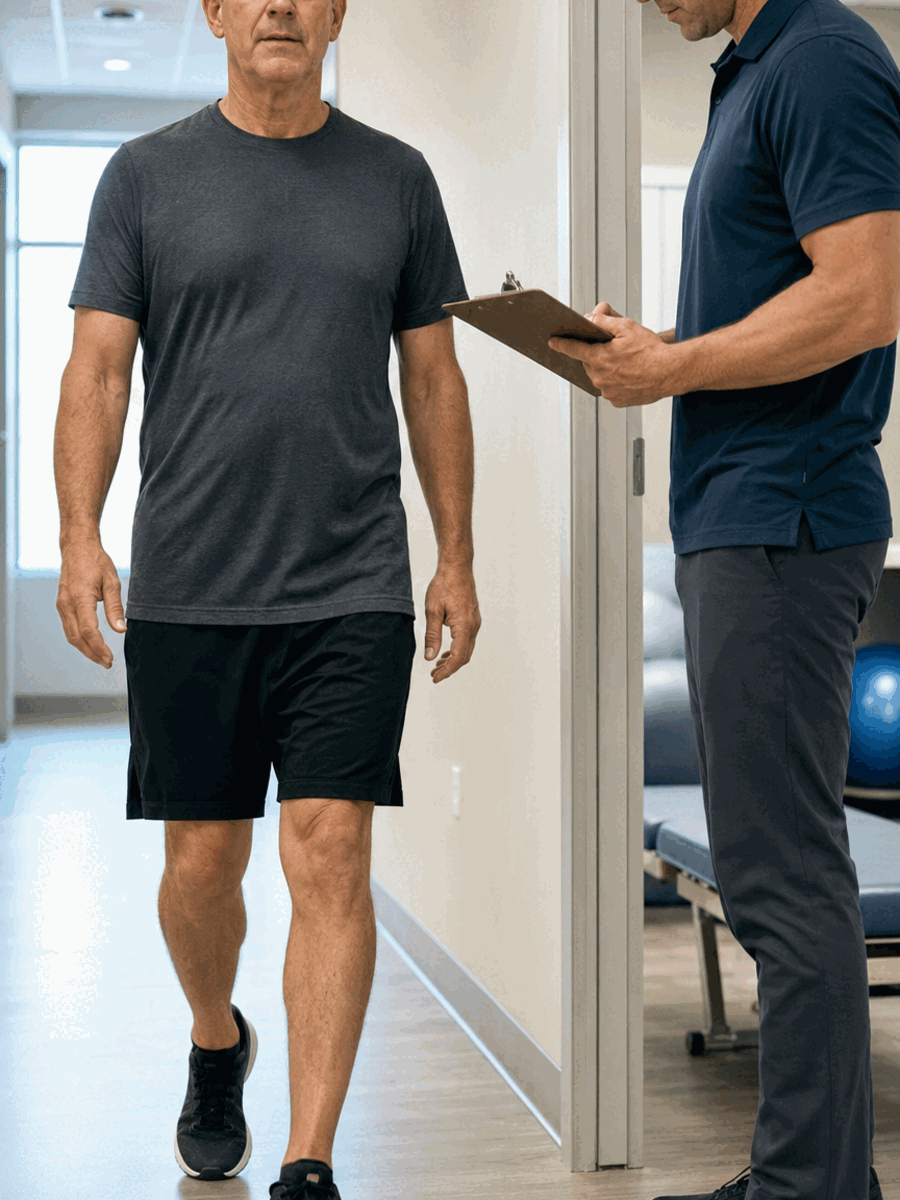
Follow-up seeks to objectively assess changes in leg pain, function, strength, sensation and tolerance for activities that were initially problematic.
Activity
Compare tolerance for meaningful tasks.
Symptoms
Observe their frequency, distribution and duration.
Main guide
In the same guide series
Related guides
Would you like an assessment of these sciatica symptoms?
A consultation can help clarify the likely cause, the signs to watch for and whether conservative care or another referral is appropriate.
Frequently Asked Questions
FAQ — Sciatique sans mal de dos : est-ce possible?
Does this pattern always represent true sciatica?
Non. Une douleur dans la jambe sans lombalgie importante peut coexister avec d’autres causes de douleur lombaire, fessière ou dans la jambe.
Why can this context increase symptoms?
Parce que une douleur dans la jambe sans lombalgie importante peut modifier les charges, la pression, les positions ou la tolérance du système nerveux.
Should I stop all activity?
Not necessarily. Tolerable, adapted activity is often preferable to prolonged inactivity, unless otherwise indicated.
When should you seek care?
When pain persists, significantly limits function or is accompanied by neurological signs.
Is an MRI always necessary?
No. It is mainly useful when it can change management or when a neurological deficit is present.
Is conservative care possible?
Often yes, depending on the working diagnosis, neurological stability and the patient's goals.
Which signs require emergency care?
New bladder or bowel problems, saddle anaesthesia or significant, rapidly progressive weakness require urgent assessment.
Medical references
References and guidelines
The references below provide general guidance and do not replace an individualized clinical decision.
- NICE NG59 — Low back pain and sciatica: assessment and management
- American College of Radiology — Appropriateness Criteria: Low Back Pain
- North American Spine Society — Lumbar disc herniation with radiculopathy guideline
Important information
This page provides general information and does not establish a diagnosis. Results and recovery times vary according to the cause, duration, neurological signs, medical history and individual response to care.
Sylvain Desforges, docteur en ostéopathie
TAGMED Clinic — Spinal decompression, specific osteopathy and assessment of low back, disc-related and sciatic pain.
Professional profile · Contact · Main guide to sciatica in Montreal
In the same guide series
Related guides to sciatica
Continue with guides that explore the same symptom, its possible cause, assessment or options for care.
Sciatica treatment in Montreal
Clinique TAGMED Montréal / Mont-Royal Traitement de la sciatique à Montréal Examen gratuit — valeur de 85 $ CADemander mon examen gratuitVoir les disponibilitésDemandez…

Herniated disc and sciatica without back pain: is it possible?
TAGMED Clinic Montreal / Mount Royal — Herniated disc and sciatica without back pain: is it possible? Understanding the connection…
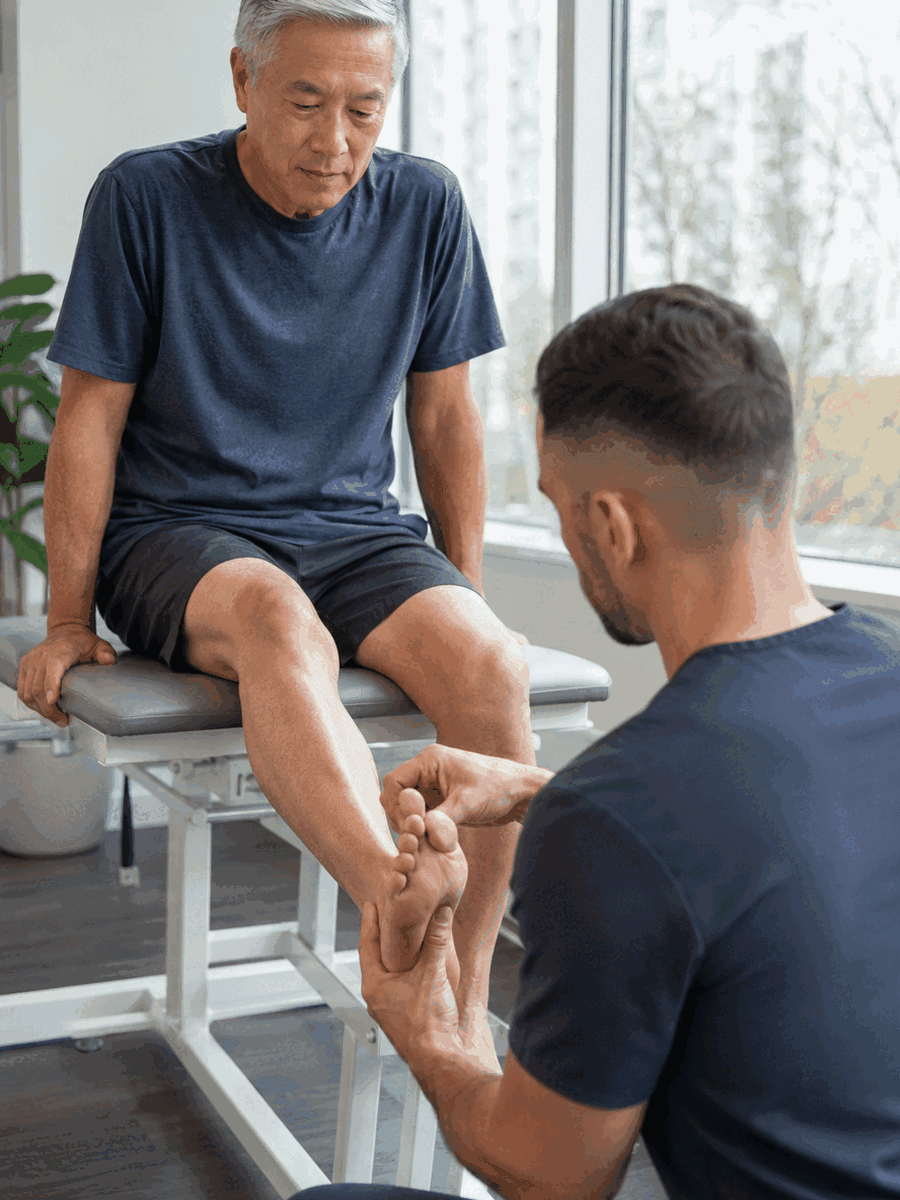
Sciatica and core strengthening: rebuilding capacity without stiffening the back
TAGMED Clinic Montreal / Mount Royal — Sciatica and core strengthening: rebuilding capacity without stiffening the back. Gradual activity, symptom tolerance and functional progression…

Sciatica or referred lumbar pain: when the leg hurts without radiculopathy
TAGMED Clinic Montreal / Mount Royal — Sciatica or referred lumbar pain: when the leg hurts without radiculopathy. Comparing the distribution and neurological signs…
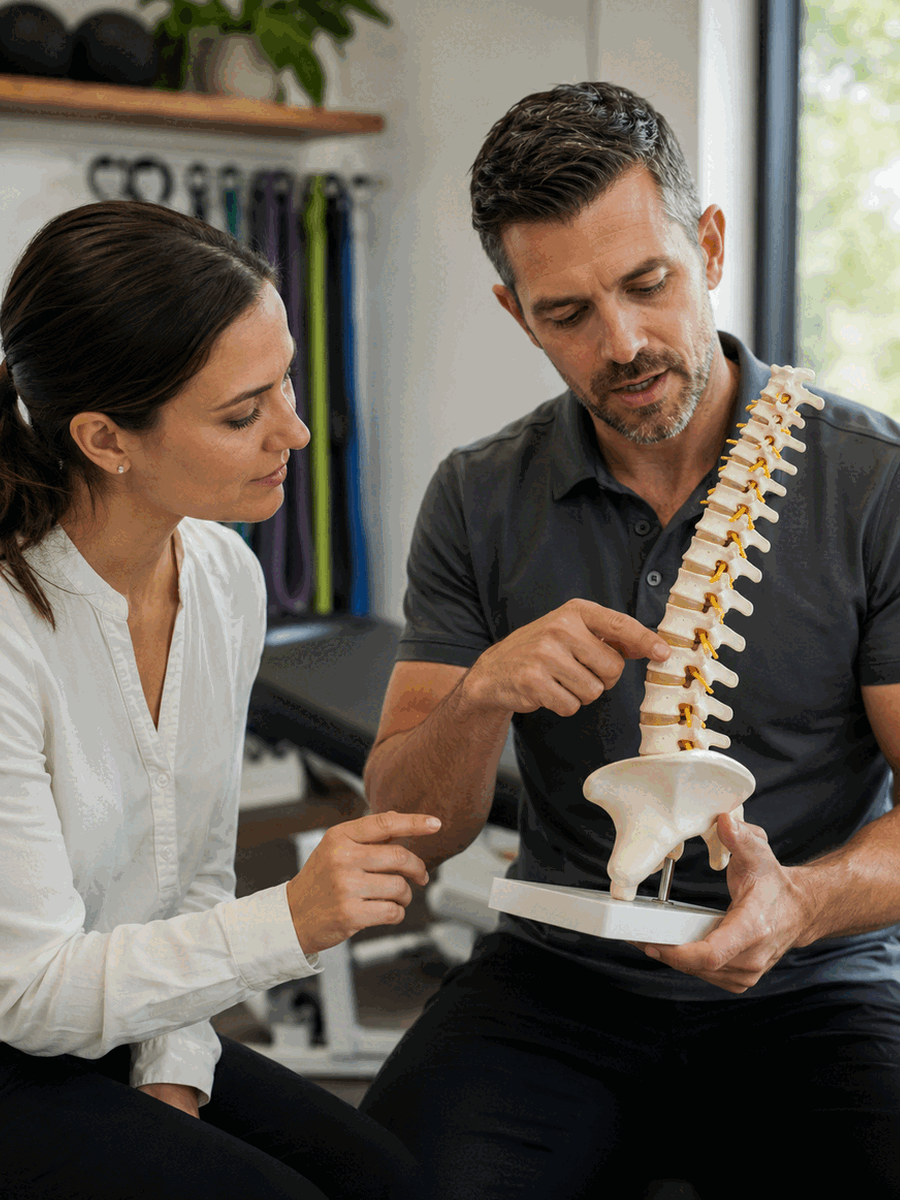
Sciatica at work: using active breaks without interrupting the whole day
TAGMED Clinic Montreal / Mount Royal — Sciatica at work: using active breaks without interrupting the whole day. Workstation organization, varying positions,…
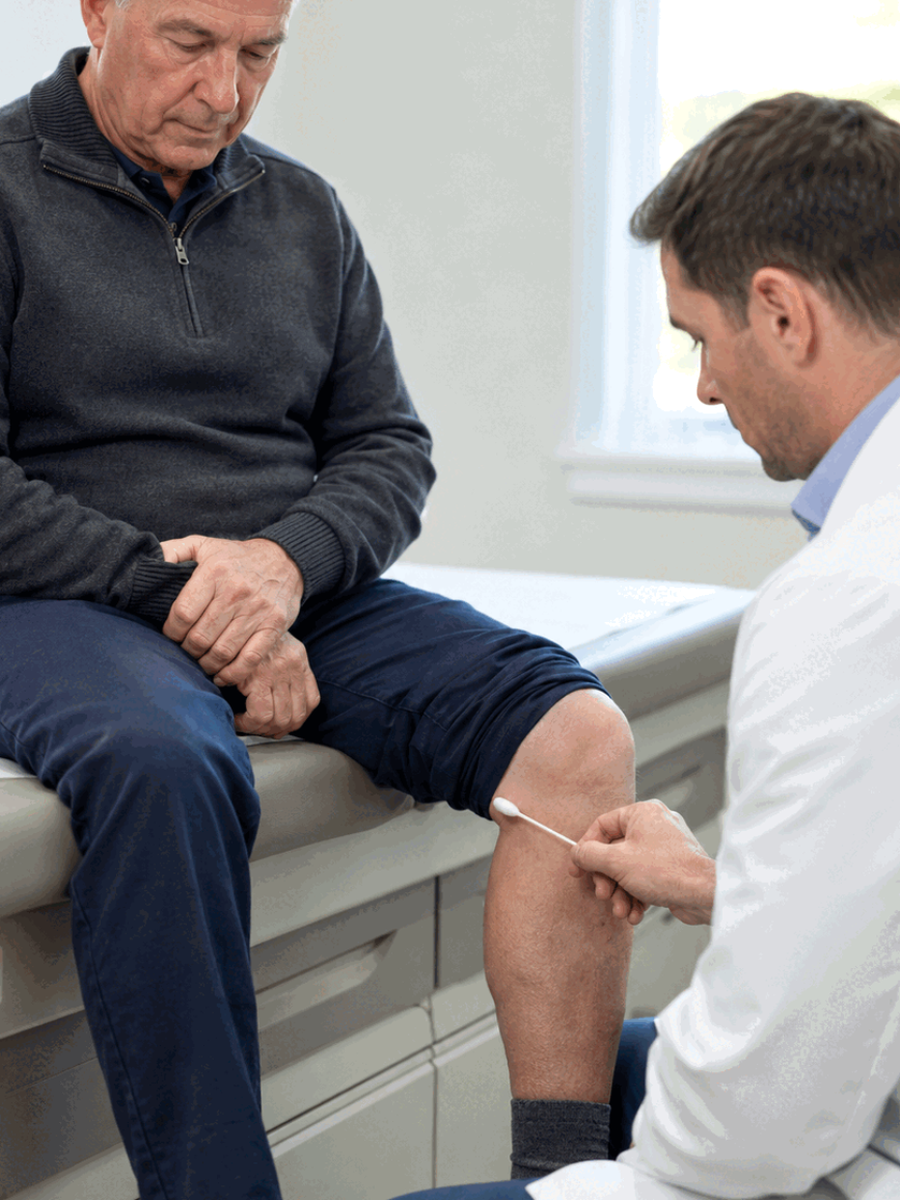
Sciatica and daily physical activity: how much to move without overdoing it
TAGMED Clinic Montreal / Mount Royal — Sciatica and daily physical activity: how much to move without overdoing it. Practical pointers for incorporating this strategy while keeping…